Category: Resident Perspectives

  • New Rituals for Radiology Residents During COVID-19

    New Rituals for Radiology Residents During COVID-19

    avatar

    Lekui Xiao

    Mayo Clinic

    The COVID-19 pandemic began to impact our program (Rochester, MN) in mid-March, requiring rapid and near constant changes to the entire curriculum. Our chief residents divided us into teams—with one team responsible for call coverage and mandatory rotations, and others on back-up and remote learning. Our program organized daily case-based teaching sessions with staff and distance curricula. This time felt eerily reminiscent of the first two years of medical school, due to being somewhat removed from significant clinical duties! Regular communication with program leadership and co-residents helped alleviate a lot of the stress brought forth by COVID-19.

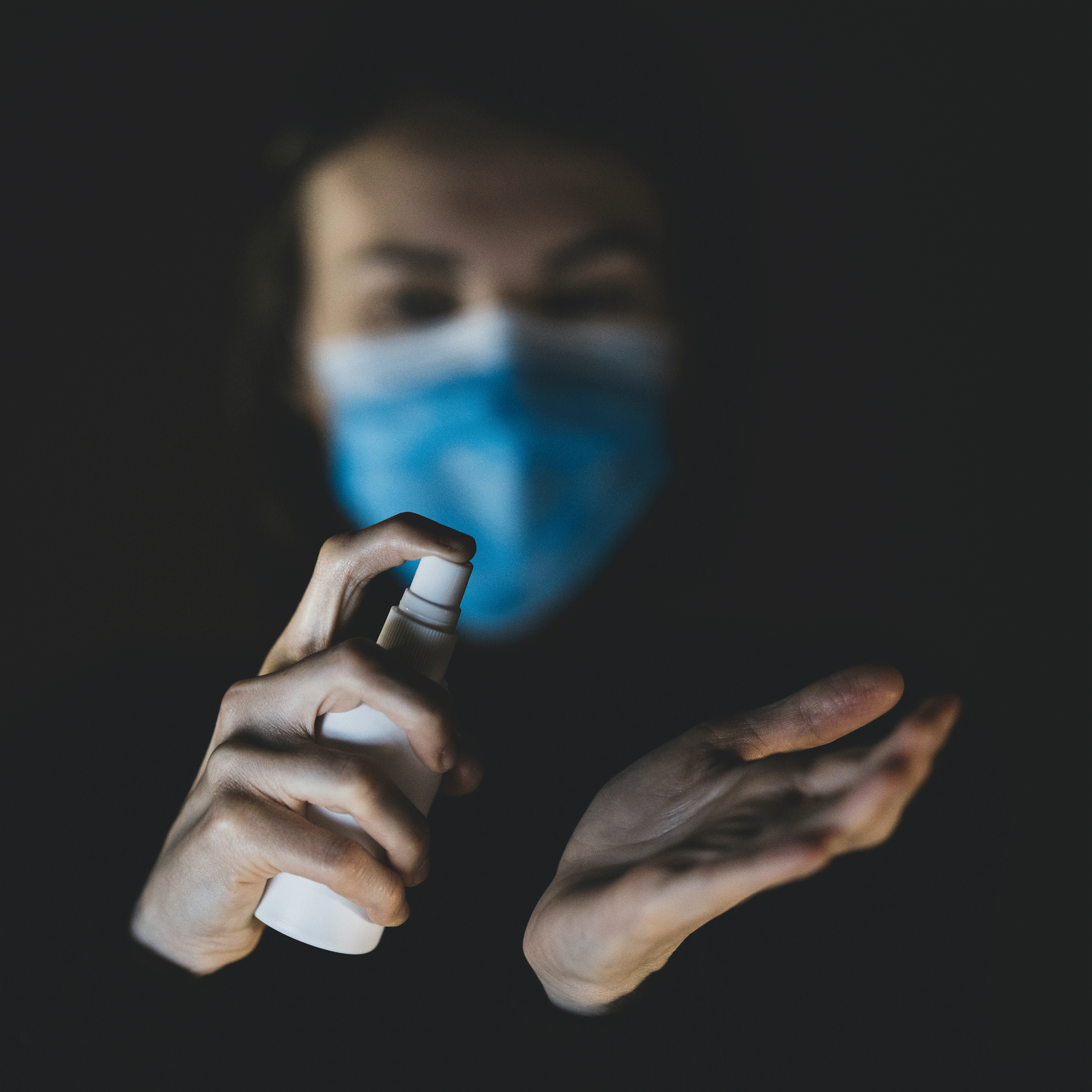
    Around mid-May, we began transitioning back into clinical rotations. Although it is terrific to be back in the reading rooms, it is clear that we’re in a “new normal” for at least the immediate future. The number of people in attendance at noon conference is limited to accommodate social distancing, with many residents watching remotely. Masks, face shields, and meticulous sanitation have become a ritual.

    The month of July has been uniquely different because our new first-year residents just started. They would usually interact with the upperclassmen and staff through informal gatherings and welcome parties outside of work. However, because of institutional COVID-19 precautions, social opportunities to welcome them have been limited.

    Now is a memorable and unique time to be a radiology resident, as we have faced many challenges. I am eager to resume pre-COVID traditions and social activities with a new appreciation for my residency’s supportive learning environment.
  • Radiology Residency Looks Different with COVID-19

    Radiology Residency Looks Different with COVID-19

    avatar

    Sean Golden

    The Johns Hopkins Hospital

    The Johns Hopkins Radiology Residency, like most training programs across the country, has been deeply affected by the COVID-19 pandemic.

    In late March, our program temporarily transitioned to a skeleton staffing model, where the majority of residents stayed home and were unable to read studies remotely. Key rotations were delayed or cancelled, and two residents were called upon to staff the ICU. To mitigate the diminished case volumes, faculty and fellows created daily virtual didactic sessions to supplement our regular morning conferences and independent study. Special emphasis was placed on preparing the first-year residents for independent overnight call, which we begin in July of our second year at Hopkins. An innovative online call-prep curriculum was created by our associate program director, where first-years independently reviewed DICOM images of previous overnight studies, submitted an impression to an online dropbox, and then reviewed the pertinent findings with an attending radiologist.

    In May and June, COVID-19 numbers in Maryland began to decline, and our program gradually returned to a relative state of normalcy (albeit socially distanced). Now, as numbers in Maryland once again climb, the hospital leadership has asked for another group of volunteers to assist in the ICU and on the floors.

    The COVID-19 pandemic has created unprecedented challenges for our faculty and residents alike, but it has also highlighted the department’s ability to adapt. Our reading rooms and conferences may look a little different than last year, but our commitment to education, research, and patient care carries on.

  • New Words for Radiology Residents During COVID-19

    New Words for Radiology Residents During COVID-19

    avatar

    Joshua T. Olson

    Mayo Clinic

    The coronavirus disease (COVID-19) pandemic brought with it a new lexicon of phrases to describe daily resident life. At our radiology residency program at the Mayo Clinic in Rochester, Minnesota, we don appropriate “personal protective equipment,” or “PPE,” for clinical encounters and at the reading station. We also practiced “distance learning” for a month, rotating between essential rotations and studying from home as our institution prepared for COVID-19. We came away with a renewed appreciation for the value of one-on-one teaching and the irreplaceable learning that comes from the patients we are humbled to serve. We understand the concept of “hyper-locality” and how our local COVID-19 environment is radically different from others.

    Similarly, we have been presented with new challenges. The rescheduling of the American Board of Radiology Core Exam has necessitated multiple redesigned call schedules. With the necessity for safe distancing practices, residents have found creative strategies to collaborate and celebrate milestone personal and professional achievements. Attentiveness and flexibility in meeting the ongoing and changing educational and personal needs during this stressful time have promoted cohesiveness and trust between residents and our program’s leadership. 

    Integrating these adaptations will allow us to grow stronger as we look toward the post-COVID-19 resumption of a “new normal” residency environment. The Mayo Clinic’s history is one of perseverance and innovation, borne in the wake of a devastating tornado which nearly destroyed the town almost 140 years ago. Together, I am confident our residency will persevere through the present pandemic—maintaining our strong tradition of innovation to ensure a world-class training environment, prioritizing resident wellness and the old adage that “the needs of the patient come first.”

  • An Action-Based Radiology Residency for COVID-19

    An Action-Based Radiology Residency for COVID-19

    avatar

    Lei Yu

    University of Nebraska Medical Center

    Unprecedented times call for unprecedented actions. The past few months have been the most uncertain and challenging time in our lives, and we are all doing the best to adapt.

    In mid-February, Nebraska Medicine quarantined 13 passengers of the Diamond Princess cruise ship in our National Quarantine and Biocontainment Units. The awareness and preparedness for COVID-19 started early among our institution, including focused refresher training on PPE use for all the residents to ensure safety during patient care. 

    Our department and the residency program reacted to the pandemic with a proactive mindset, including postponing non-urgent outpatient imaging studies and procedures, adopting structured virtual didactics, and altering our reading room layout to follow social distancing guidelines. As COVID-19 cases rapidly climbed nationwide in late March, rotational changes were made based on the waves of teams approach. We divided our residents into two teams: one working in the hospital to fulfill clinical duties, the other working from home to ensure a healthy workforce as a backup. Our schedule was very flexible and gave special considerations to residents who were in need of childcare due to closure of schools and daycares, as well as for family emergencies. In order to facilitate our educational program during these trying times, many online educational resources were made available. Our department always kept our wellness in mind—arranging for snacks and beverages to be brought into the reading room every afternoon, which was something we all looked forward to.

    Lack of information can be unsettling in times of uncertainty. To keep us informed, our program sent out timely COVID-19 communications to provide updates and policy changes at both local and national levels, along with wellness resources to help cope with both internal and external stresses. 

    A silver lining from this pandemic is that it allowed us to pause and appreciate our life, our health, and our families. In the wise words of Marcus Aurelius, “The impediment to action advances action. What stands in the way becomes the way.” Look forward to the post-pandemic time, when we shall become stronger.

  • Radiology Residency in the Midst of COVID-19

    Radiology Residency in the Midst of COVID-19

    Published July 15, 2020

    avatar

    Ian Y.M. Chan

    Chief Radiology Resident, Western University
    Chair, ARRS Resident Advisory Subcommittee

    Published July 15, 2020

    Like many facets of life, radiology residency has not been immune to a new reality wrought by the coronavirus disease (COVID-19) pandemic. As one of the first cities in Canada to have a confirmed case of COVID-19, the novel coronavirus was certainly top of mind among our residents, fellows, faculty, and staff at Western University in London, Ontario, Canada. As residents, we worked closely with our program director to advocate for necessary changes to our program to ensure our safety while continuing our education during this pandemic.

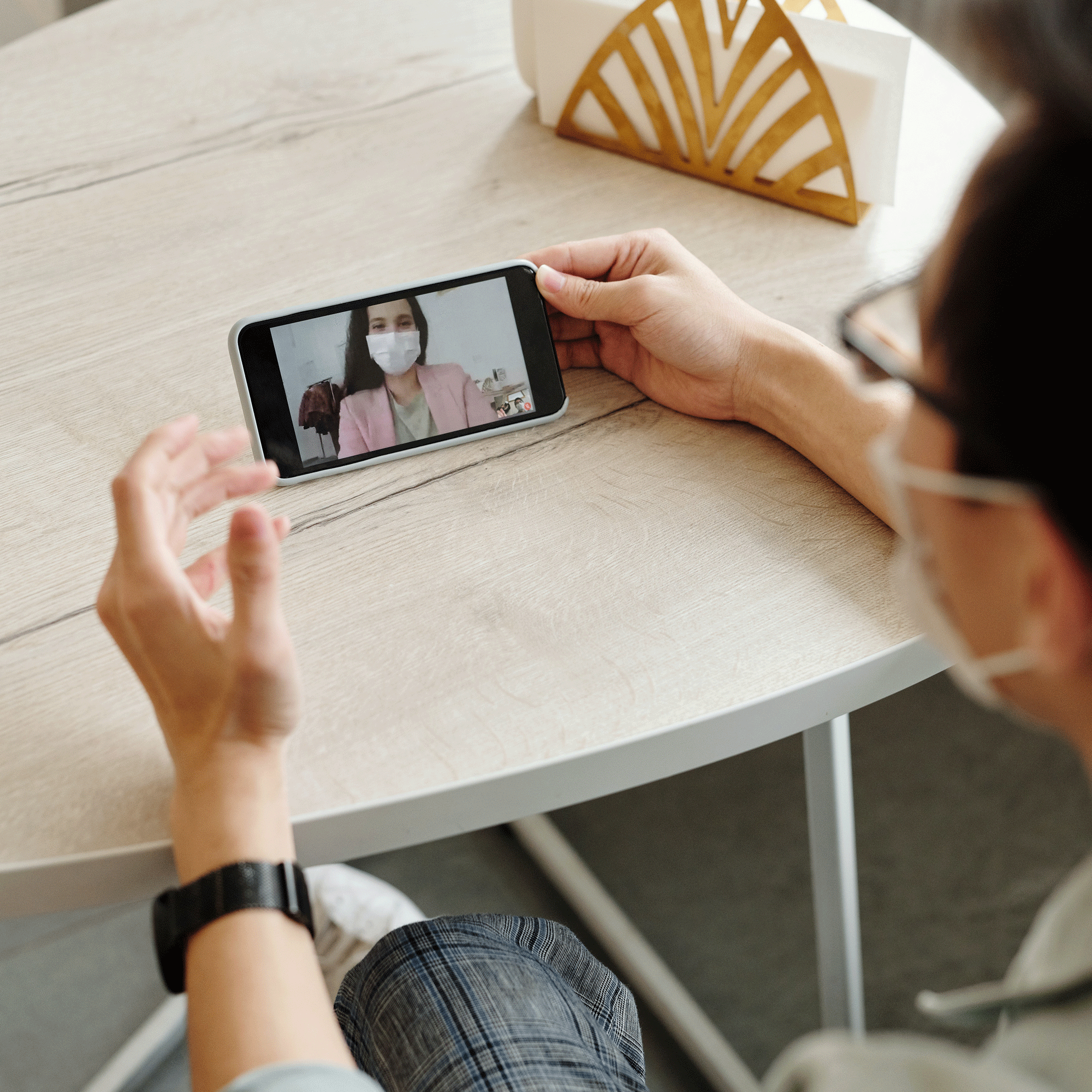
    As our government mandated physical distancing and temporary business closures, our department also acted in concert and canceled most outpatient imaging. As a result, we noticed a sudden drop-off in cases for residents to report during the day. While after-hours resident call duties remained, we modified our daily work routine for two months by implementing a schedule of alternating a week of working in hospital and a week of self-studying at home. Importantly, we continued to receive dedicated radiology teaching as our “hot seat” case conferences and academic half-day lectures proceeded as scheduled via video conferencing.

    There was also the looming anticipation of our redeployment to other clinical services. This has not yet transpired, largely due to public health policies that have slowed community transmission for the time being. Fortunately, we have had access to appropriate personal protective equipment when caring for patients. Stress management has indeed been especially crucial to our wellness during this trying time. I believe that constant, albeit distanced, social interaction with colleagues and friends has helped emphasize our shared experiences and that “we are all in this together.”

    The Greek philosopher Heraclitus once said, “change is the only constant in life.” During this harrowing time, this axiom still rings true with our residency training as we adapt to this pandemic.

    Stay safe and be well!