
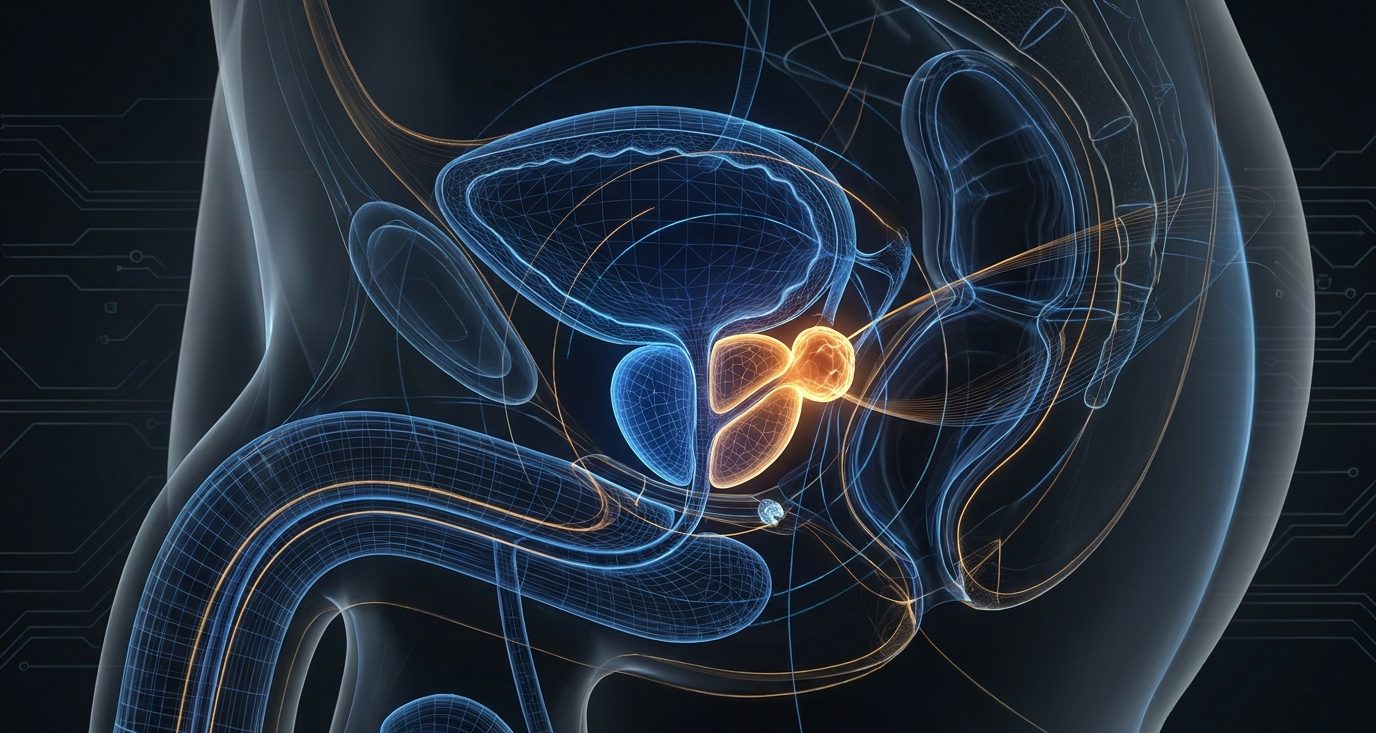
Location, Location, Location: Extraprostatic extension (EPE) really is a spectrum, ranging from subtle capsular contact to gross fat invasion. And as Dr. Tharakeswara Bathala added during ARRS26, positive surgical margin after radical prostatectomy remains one of the most telling factors in prostate cancer care. When a tumor extends beyond the prostate capsule, patients face a significantly higher risk of biochemical recurrence, as well as an increased likelihood of requiring multimodality therapies.
- Bilateral Posterolateral: Highly susceptible at both the midgland and base levels.
- Anterior Compartment: Lesions extending along the transition zone and anterior fibromuscular stroma.
- Prostatic Apex: A critical boundary where tumor can easily track along the ejaculatory duct into the invaginated extraprostatic space.
Assessment relies on direct and indirect MRI criteria evaluated through standardized Likert, ESUR, and NCI scoring systems.
- Whereas reader variability does exist, scoring systems perform with strong consistency whenever two or more suspicious signs are present.
- Suspicion notches up above 66% when all three key MRI criteria are satisfied: tumor-surface contact, contact length, and periprostatic fat extension.
RadFYI: Preop ID of precarious zones—especially the posterolateral midgland/base, anterior TZ/AFMS, and apex—gives surgeons the roadmap needed to prevent PSM and improve long-term outcomes.
Leave a Reply