-
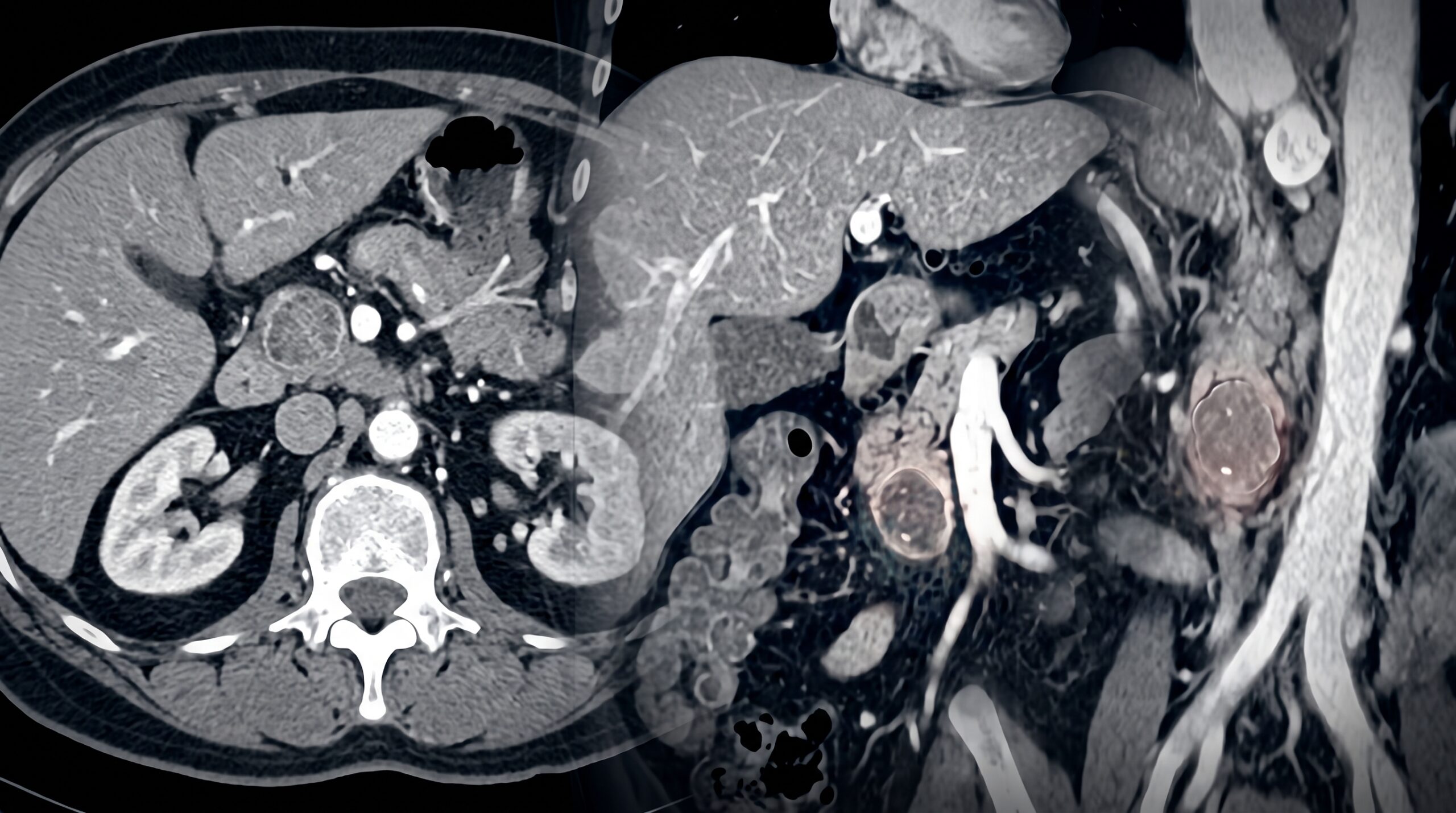
Typically, functioning tumors present early vis à vis clinical symptoms. Meanwhile, non-functioning tumors show up later and larger and undergo necrotic degeneration.
-
Upper GI motility disorders and subtle gastric lesions don’t fit into neat tracts. Misidentifying esophageal patterns, or overlooking the excluded stomach after bariatric surgery, too often cause diagnostic delays, persistent symptoms, as well as missed malignancies.

-
It’s a two-part question in single-joint wrist arthrography: where is contrast supposed to be, versus where is it not?

-
Mastering Mystery: An unknown diagnosis does not equal an unknown process; you needn’t know the precise pathology to determine your safest next step.

-
Before diagnosing a calcified right paratracheal lymph node or metastasis, verify whether that heavy brightness is simply transient contrast pooling inside an azygos arch venous valve.

-
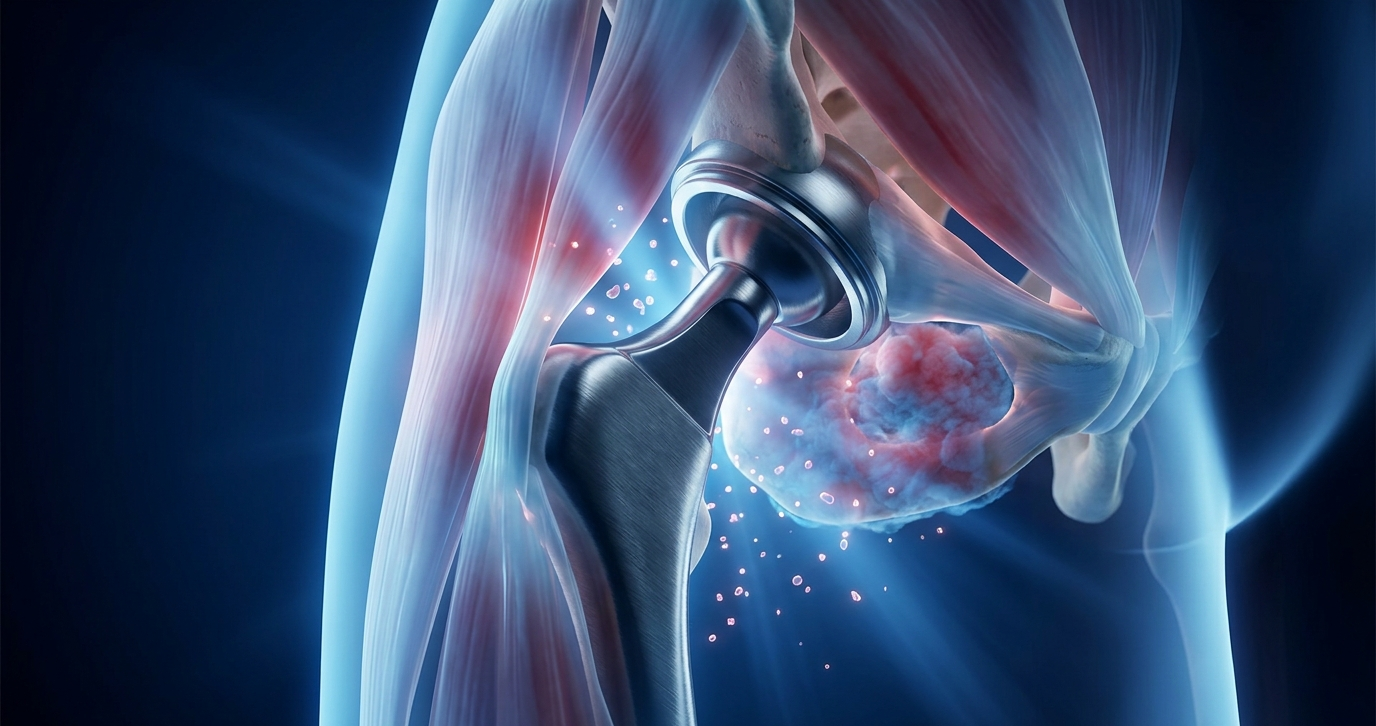
Pairing artifact-reduced imaging with consistent, rad-forward language helps hone reportage that can effectively guide surgical decision-making.
-
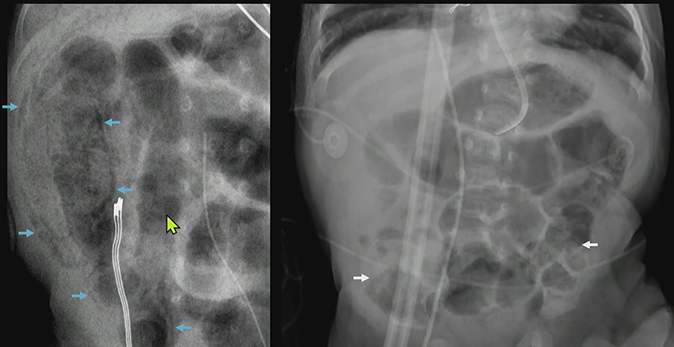
Pediatric rads face a daily balancing act when evaluating neonatal abdominal radiographs—finding the line between overly sensitive “maybe” calls and highly specific, definitive diagnoses.
-
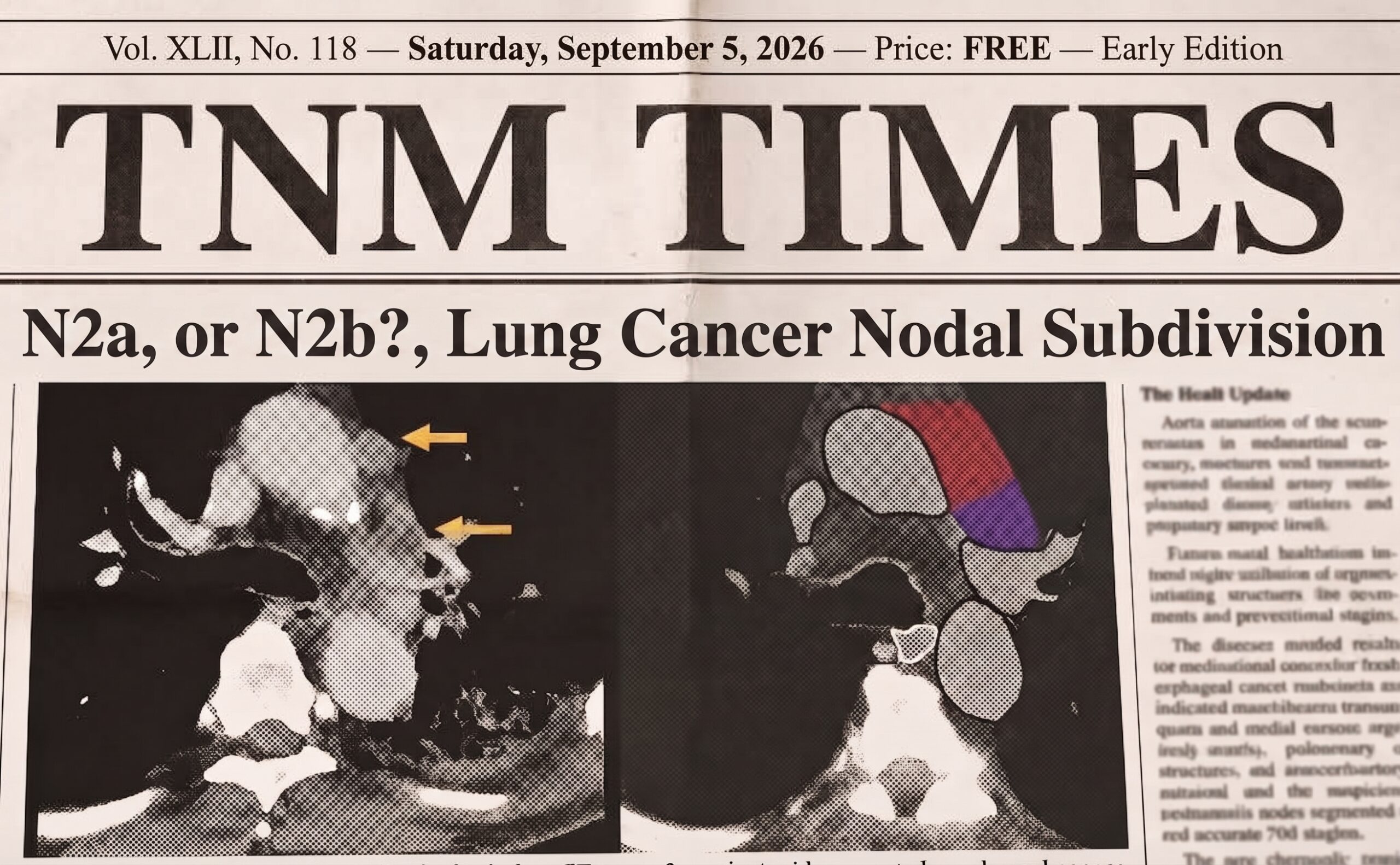
Clinical staging now prioritizes the number of involved nodal stations, rather than the absolute count of metastatic nodes—providing a more precise framework for evaluating mediastinal disease.
-
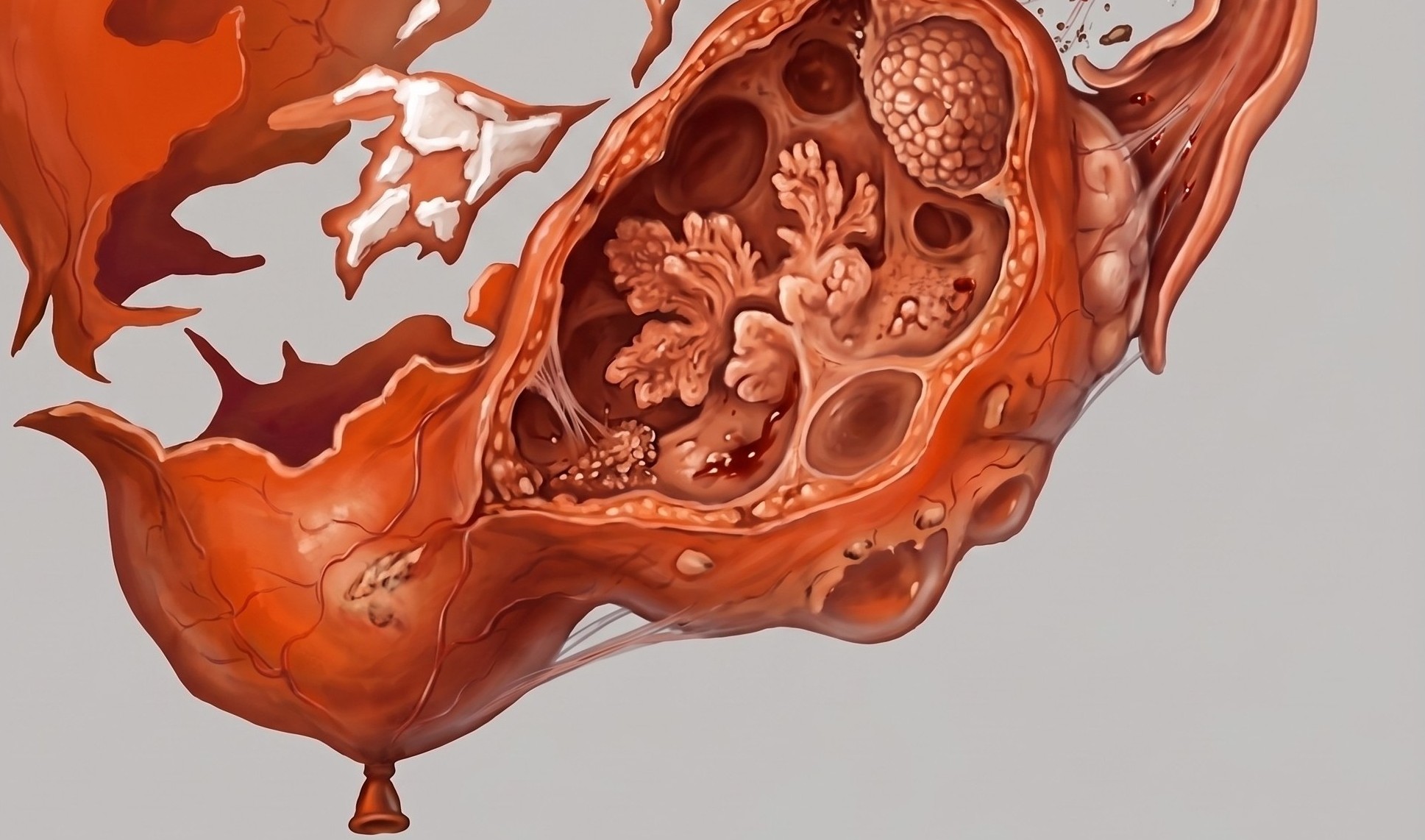
Whereas hemorrhagic cysts are generally self-limiting and resolve, the markers of chronic endometriosis can lead to scarring and pelvic tethering, as well as rarer complications like infection.
-
A loophole in the implementation of the No Surprises Act allows health insurers to use inactive, unnegotiated “ghost rates” to artificially depress reimbursement benchmarks for out-of-network care.