-

CLEAR Framework in Breast Imaging
Mastering Mystery: An unknown diagnosis does not equal an unknown process; you needn’t know the precise pathology to determine your safest next step.
-

Azygos Valve Contrast Pooling
Before diagnosing a calcified right paratracheal lymph node or metastasis, verify whether that heavy brightness is simply transient contrast pooling inside an azygos arch venous valve.
-
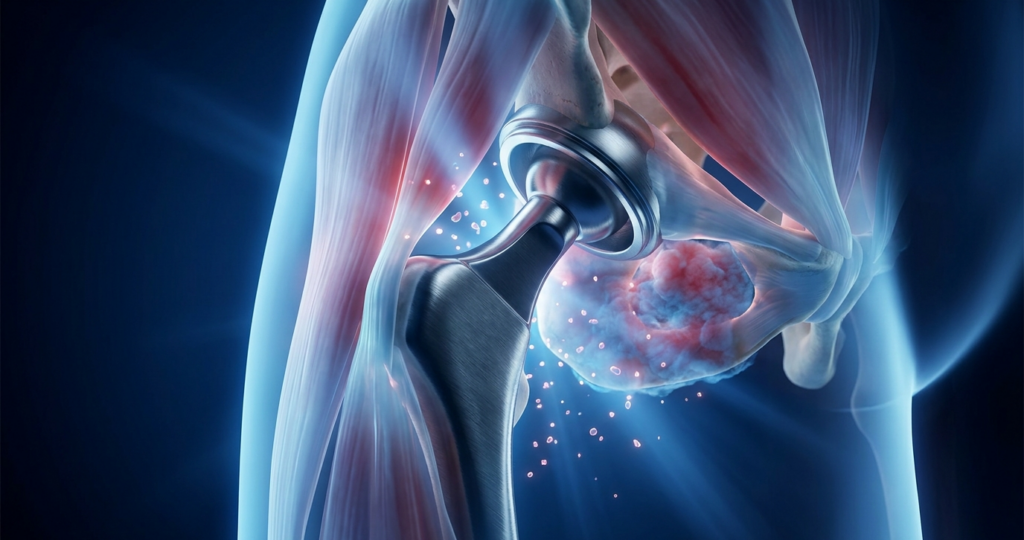
Periprosthetic Soft-Tissue Masses
Pairing artifact-reduced imaging with consistent, rad-forward language helps hone reportage that can effectively guide surgical decision-making.
-
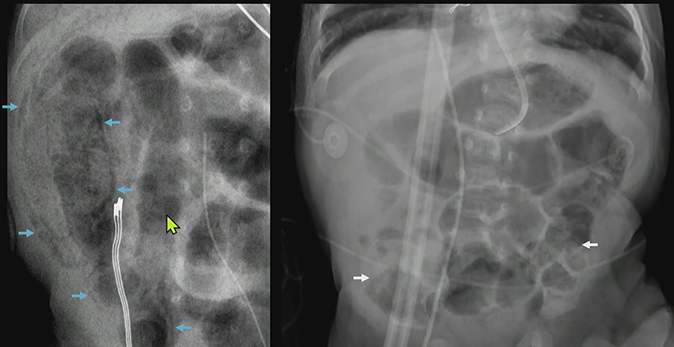
Neonatal Pneumatosis: Why Specificity Beats Sensitivity
Pediatric rads face a daily balancing act when evaluating neonatal abdominal radiographs—finding the line between overly sensitive “maybe” calls and highly specific, definitive diagnoses.
-
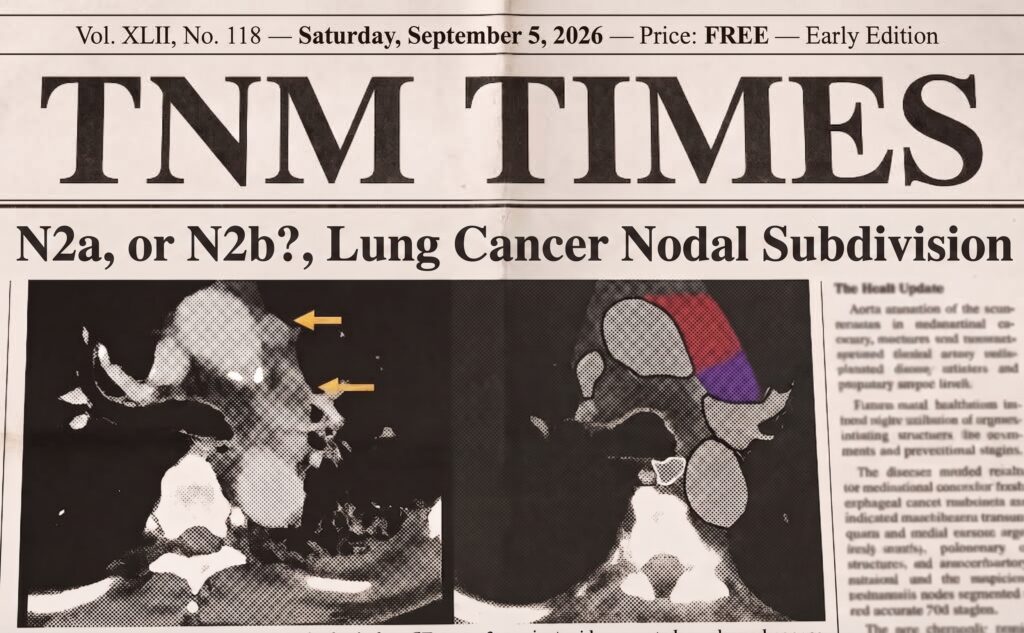
Nodeworthy: It’s N2a—and b—Now for Lung Cancer Staging
Clinical staging now prioritizes the number of involved nodal stations, rather than the absolute count of metastatic nodes—providing a more precise framework for evaluating mediastinal disease.
-
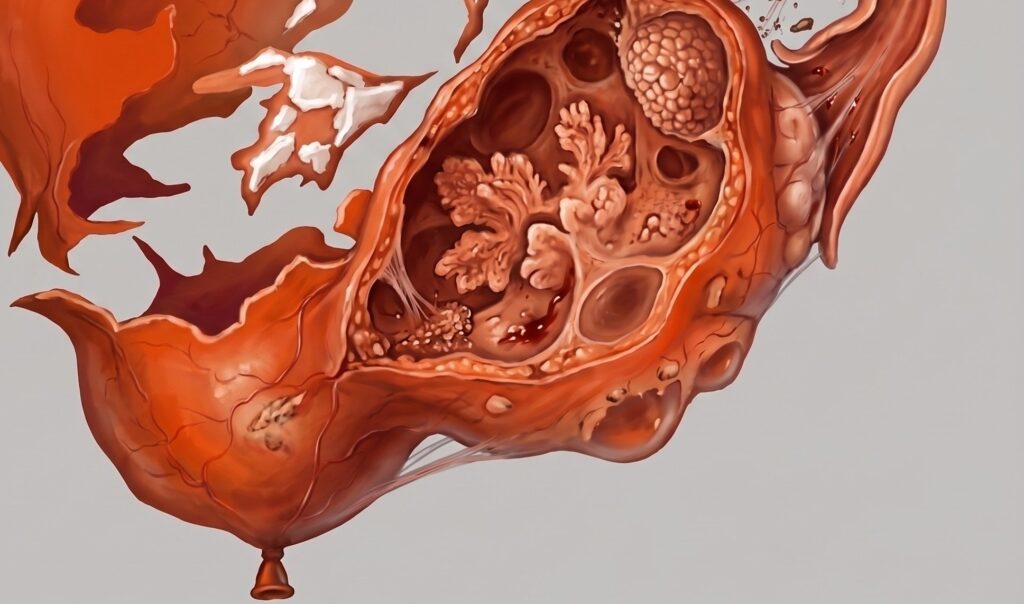
Hemorrhagic Cyst…or Endometrioma?
Whereas hemorrhagic cysts are generally self-limiting and resolve, the markers of chronic endometriosis can lead to scarring and pelvic tethering, as well as rarer complications like infection.
-

Ghost Rate Gambit: How Insurers Skew Rad Payments
A loophole in the implementation of the No Surprises Act allows health insurers to use inactive, unnegotiated “ghost rates” to artificially depress reimbursement benchmarks for out-of-network care.
-
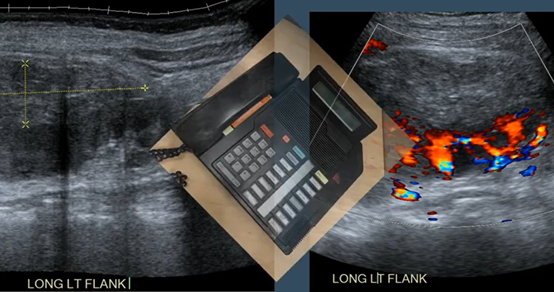
Spontaneous Perinephric Bleed—Ring of Wunder
Quite quickly, Wunderlich syndrome—spontaneous, non-traumatic bleeding confined to the perinephric space—can become life-threatening. When a patient presents with sudden flank pain, a palpable tender mass, or signs of hypovolemic shock, identifying a perinephric hematoma is only the first step.
-
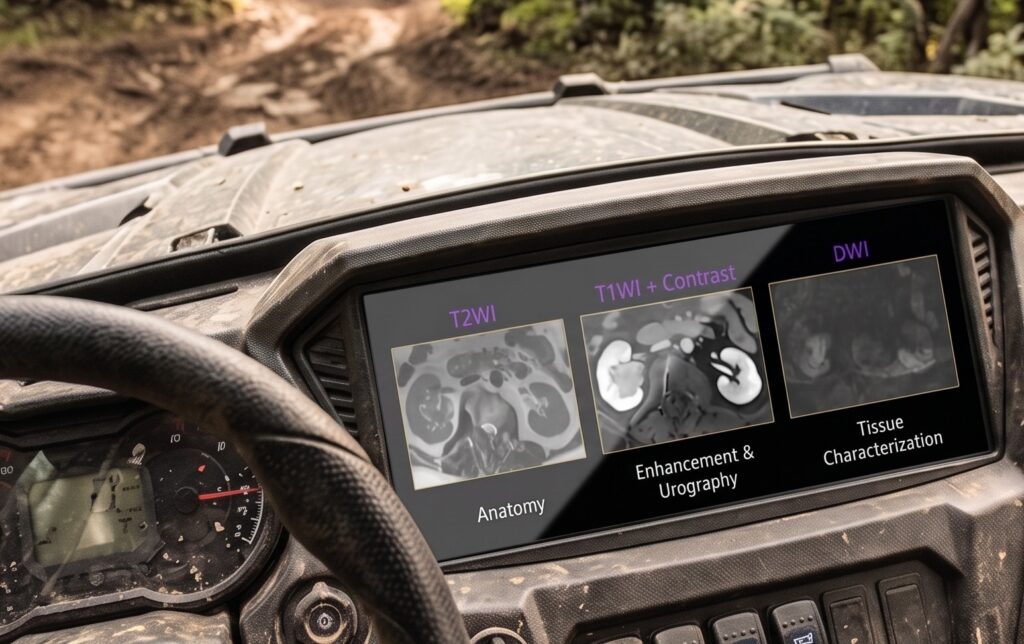
MRU is All-Terrain, Radiation-Free CT Urography
MRU is indeed invaluable when you want to avoid ionizing radiation, à la pregnant patients. But it should be leveraged, too, as an essential second-line problem solver for atypical renal and urothelial masses.
-
Sideline Scans With an NFL Rad
Behind every highly-paid professional athlete lies a high-pressure team of professional physicians, all navigating a legion of legal liabilities and communication protocols. For rads, specifically, your interpretation can dictate whether a franchise player is cleared, placed on injured reserve, or even cut from the roster.