
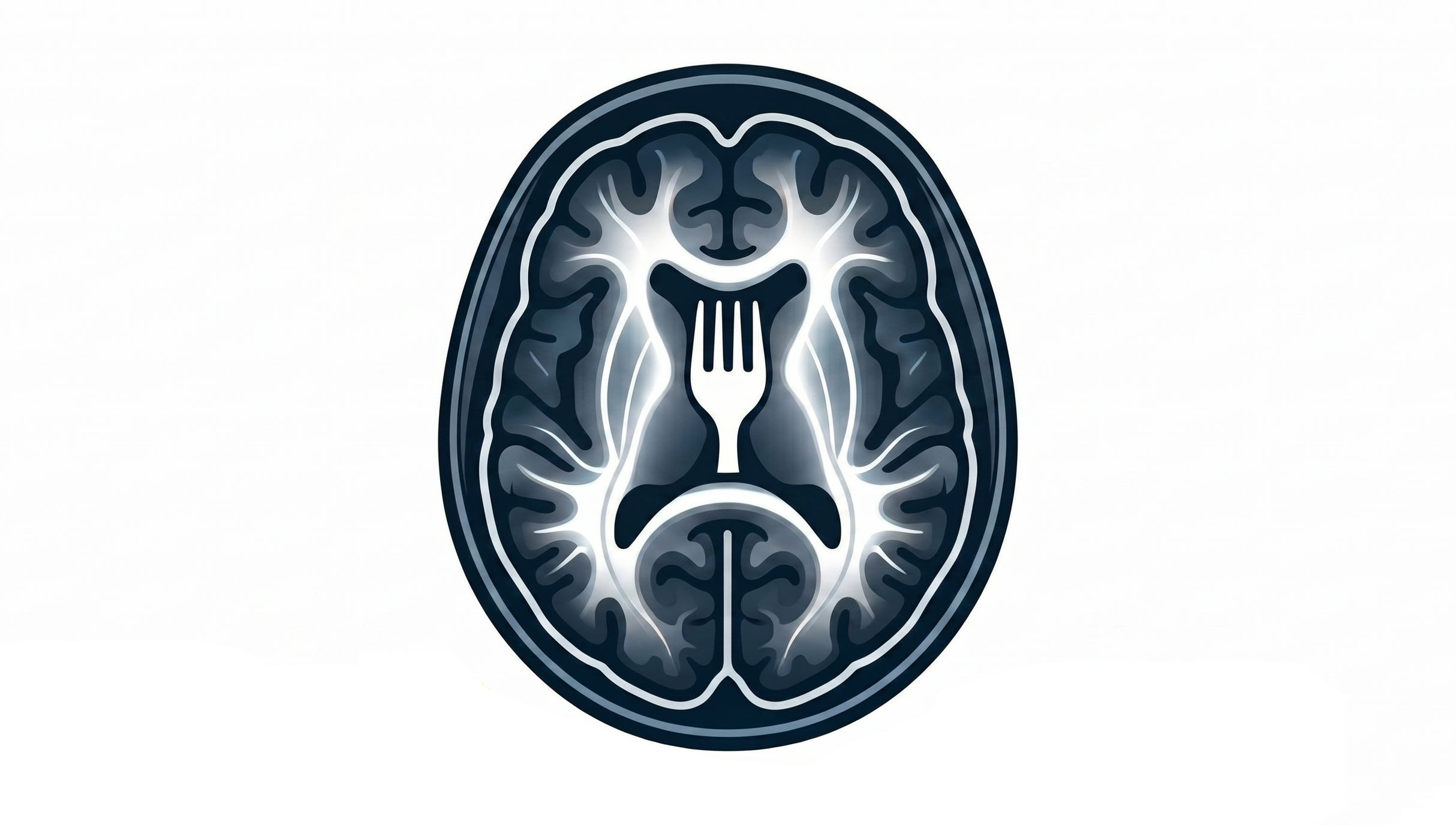
In patients presenting with renal failure, certain MRI patterns in the basal ganglia provide a leading history for a diagnosis of uremic encephalopathy. Specifically, the lentiform fork sign helps ID metabolic distress in the deep brain nuclei, particularly in the context of metabolic acidosis.
Big Picture: While uremic encephalopathy most commonly affects the posterior parietooccipital cortical and subcortical regions, as Atul Agarwal, MD, of Indiana University duly noted during the ARRS Web Lecture Abnormalities of the Basal Ganglia, it can involve the basal ganglia, extensively, too.
- Subcortical Structures: MRI typically shows expansile, abnormal signals on T1 and T2-weighted imaging involving the putamen and globus pallidus.
- Brain Fork: The signature fork appears due to FLAIR hyperintensity in the external and internal capsules—those white matter pathways surrounding the lentiform nucleus.
- Restrictions Apply: Imaging often reveals anticipated abnormal restricted diffusion in these regions.
What to Watch For: This pattern is not exclusive to uremia; therefore, rads must consider several high-stakes mimics:
- Metformin-Associated Encephalopathy: This can have a nearly identical appearance, making it a vital consideration for diabetic patients with renal impairment.
- Atypical PRES: Whereas posterior reversible encephalopathy syndrome usually follows a standard pattern, acute hypertensive encephalopathy can present in this atypical form.
- Metabolic/Ischemic Insults: Both hypoglycemia and ischemia share similar mechanisms that can produce comparable basal ganglia findings.
Bottom Line: When you see the lentiform fork sign in a renal patient, metabolic acidosis is the likely culprit, but always cross-check for metformin use or hypertensive crisis.
Leave a Reply