
Author: Logan Young

  • What’s Next for Us in Radiology?

    What’s Next for Us in Radiology?

    avatar

    Ruth Carlos

    2019-20 ARRS President

    In November 1982, AJR author Duncan Neuhauser wrote, “Just on the horizon are elaborate artificial intelligence diagnostic programs.” Back then, the price of gas averaged $1.22 a gallon and, for the first time ever, Time magazine’s “Man of the Year” was a literal object: the computer. Some 37 years ago now, as far back as I can tell, Neuhauser’s article (aptly titled “Careful Thinking”) was the first time those two words—“artificial intelligence”— appeared side-by-side in the yellow journal.

    Neuhauser’s event horizon ran long. Breaking Moore’s law, too, the words “artificial intelligence” wouldn’t reunite on the page in AJR for another five years, when Thomas Spackman and Kerry Bensman finally weighed in. Pointing out that radiology “has accepted computers and computer systems more completely than most other medical specialties have,” they also noted in the May 1987 issue that future PACS or DIMS (i.e., digital image management systems) “will require the novel application of expert systems and artificial intelligence, fields in which most radiologists have little experience.

    What a difference the decades make. Here at the dawn of 2020, Spackman and Bensman would be hard-pressed to find any board-certified radiologist without at least cursory exposure to artificial intelligence or working fluency with AI-adjacent algorithms like radiomics, predictive analytics, etc. For ARRS, AJR, or even our speciality at large, AI exposure and fluency are no longer the most pressing issues; access to the full suite of once and future AI technologies is.

    Both for today and for tomorrow, three distinct points of entry remain: coordination, location, and remuneration. Firstly, are our patients receiving convenient appointments for appropriate screening and diagnostics? Moreover, exactly where are these imaging facilities located, and can patients physically get to said facilities safe and sound? And, ultimately, will our patients still be able to afford whatever AI-assisted imaging care looks like in 2025 or 2030?

    Gone from our Earth forever are the so-called days of “unfettered wholesale imaging”. In its place, I hope, will stand a nononsense rubric of relevance versus reimbursement for whomever orders the clinical decision—be they man, woman, machine, or any mix thereof.

    One thing I do know for sure: In 2020 and beyond, radiologists will need to step out of the reading room and possess the complete value chain, from initial scheduling to clinician action. To quote Teddy Roosevelt—who occupied the White House when AJR was founded—“the credit belongs to the man who is actually in the arena…”


    The opinions expressed in InPractice magazine are those of the author(s); they do not necessarily reflect the viewpoint or position of the editors, reviewers, or publisher.

  • Mass Casualty Incidents: An Introduction for Imagers

    Mass Casualty Incidents: An Introduction for Imagers

    avatar

    Mark P. Bernstein
    Clinical Associate Professor, Trauma and Emergency Radiology
    NYU Langone Medical Center and Bellevue Hospital

    The events of the Columbine school shooting in 1999, the attacks on September 11, 2001, and the anthrax mailings the following week underscored the need for health care to be prepared to respond to acts of mass violence and bioterrorism.

    Many health care systems developed disaster preparedness plans, assuming that treatment would be delivered according to established standards of care with sufficient resources and facilities to serve their communities. However, with each subsequent mass casualty event it became apparent—at least in the immediate response, referred to as the “surge”—that resources were overwhelmed and delivery of health care to established standards was compromised. Consequently, health care systems needed to review and revise their disaster management plans with newly identified issues and renewed preparations.

    Mass casualty incidents (MCIs) are not defined by number of victims or severity of injuries, but rather by an imbalance of supply and demand. Therefore, the definition is fluid, dependent upon the demand for and availability of limited resources to provide optimal care for a population of casualties.

    The World Health Organization defines a mass casualty incident as “an event which generates more patients at one time than locally available resources can manage using routine procedures. It requires exceptional emergency arrangements and additional or extraordinary assistance.” The key message being that there is no threshold.

    Multiple Casualties vs Mass Casualties

    In daily operations of normal emergency care, there is an abundance of resources in relation to patient load. In this setting, health care follows our routine standard of care operations. When the emergency department experiences an influx of multiple patients in a short period of time, without overwhelming resources, this is simply a busy shift. In this multiple casualties scenario, although extra resources may be marshaled, there is no significant deviation from normal standard of care. In contrast, a mass casualty results from a rapid patient load that quickly overwhelms available resources with necessary changes to the delivery of care.

    MCIs may be natural, in the form of tornadoes, hurricanes, or floods; or they may be accidental, such as a building collapse or train crash; or they may be intentional, including mass shootings, riots, or explosive detonations. What MCIs share, however, is that these events are uncommon, unpredictable, and often occur without warning. Thus, responding to these events requires planning and practice.

    The Greatest Good for the Greatest Number

    The goal of health care in an MCI is optimizing outcomes for the greatest number of patients. Accordingly, changes in the usual standards of care are imperative to achieve this goal. Rather than doing everything possible to save every life, it will be necessary to allocate limited resources in a different manner, due to overwhelming demand. Those resources include operating rooms (ORs), interventional radiology (IR) suites, ventilation equipment, blood products, physical space in the emergency department, and imaging equipment—to name just a few.

    To that end, several considerations need to be addressed, including:

    • How should current standards of care be altered in response to an MCI to save as many lives as possible?
    • What is the minimal acceptable care?
    • What issues and principles should guide the planning of a medical response for an MCI?
    • What information, tools, and resources are available to address the needs of planners?
    • When and how are non-trauma centers integrated into the response and care for an MCI?

    Many disaster management plans do not provide guidance concerning altered standards of care necessary to respond to an MCI. Allocation of limited resources should be considered and planned for to ensure that access is both clinically sound and just.

    Triage: Red, Green, or Yellow?

    Triage is the act of sorting patients according to severity of injury, likelihood of survival, and availability of resources. It is a dynamic process, as resource accessibility changes (e.g., running out of ORs) and as patient condition changes (e.g., patient responds to fluid resuscitation and tourniquet application; conversely, a once stable “walking wounded” patient has suddenly decompensated). Moreover, triage needs to be flexible enough to respond to changes in MCI type and magnitude.

    The sorting process serves to identify those patients in need of immediate medical attention, tagged red; patients with minor injuries that can clearly wait (i.e., walking wounded), tagged green; and patients who are tagged neither red nor green. These yellow-tagged patients require urgent, though not immediate medical care, repeat physical examinations, and often benefit from imaging to improve triage accuracy.

    Human resources should also be considered, along with physical resources, to ensure a prolonged supply of qualified staff. Such considerations include staff transport into and out of the facility, nourishment, protection, adequate rest, and stress management.

    Avoiding the Bottleneck

    Multiple studies report CT and portable x-rays have created consistent bottlenecks during MCIs. Brunner J, Rocha TC, Chudgar AA, et al. The Boston Marathon bombing: after-action review of the Brigham and Women’s Hospital emergency radiology response. Radiology 2014; 273:78–87

    Campion EM, Juillard C, Knudson MM, et al. Reconsidering the resources needed for multiple casualty events: lessons learned from the crash of Asiana airlines flight 214. JAMA Surg 2016; 151:512–517

    Mueck FG, Wirth K, Muggenthaler M, et al. Radiological mass casualty incident (MCI) workflow analysis: single-centre data of a mid-scale exercise. Br J Radiol 2016; 89:20150918

    Dick EA, Ballard M, Walker HA, et al. Bomb blast imaging: bringing order to chaos. Clin Radiol 2018; 73:509–516
    To prevent the radiology bottleneck, imaging should be integrated into the MCI protocol.

    The role of imaging is to improve triage accuracy: identify life threatening injuries to determine who is most in need of critical resources, including the OR, IR suite, or other life-saving measures. Detailed diagnosis at this stage to identify each and every rib fracture is not the mission in an MCI. Keep in mind that if the purpose of casualties coming to a hospital is to access such lifesaving resources, then a process modifier, such as imaging, should not be the rate-limiting step forming a bottleneck.

    Essential radiological tasks are threefold: first, identify surgical and interventional cases; second, communicate critical results; and third, reduce over-triage to the OR.

    During the surge, imaging should be limited to yellow-tagged and select red-tagged patients (those awaiting OR to prioritize).

    Radiography during the surge phase of an MCI should be limited to portable chest x-rays to prevent misuse of non-emergent radiographs while other patients are waiting. No other radiographs should be allowed, until clearance from the senior triage physician.

    CT scanning during the surge should be limited to high-priority hemodynamically stable patients and those responding to resuscitation.

    Consider limiting scan protocols to a single whole-body CT (WBCT) to eliminate variation for optimal efficiency and greatest throughput. Imaging in an MCI is a departure from daily practice. CT is a limited-resource triage modifier and should always be viewed as such to prevent a bottleneck.

    Imaging strategies include: a dedicated radiologist stationed at the CT console for immediate review; use of a paper form for critical imaging results; “no frills” WBCT protocols to eliminate immediate post-processing of multiplanar reformations, in favor of volume reading on a dedicated CT workstation, where possible; and consideration of thicker image slices, if scanner processing and/or hospital network is slow. Remember that spinal precautions can be maintained until after the surge, and reconstructions can be performed later, as necessary.

    It is important to recognize that although CT usage during the MCI surge will be selective and may be altogether avoided, CT volumes will predictably increase post-surge. Post-surge imaging in an MCI may take up to 72 hours to complete; ensure staff are available beyond the initial phase.

    Integration Is Preparation

    Mass casualty events are increasing in frequency, creating stress on the hospital system as a whole, including the radiology department. Because dealing with an MCI presents a departure from routine standard of care, radiology must be incorporated into the hospital’s overall disaster management plan. Considering and understanding the issues the radiology department faces, as well as the role radiologists play in planning for these incidents, is vital for saving lives and improving outcomes.

    The question is no longer if, but rather when, your department will become involved in some capacity. The need to be prepared is self-evident, and history has shown this requirement applies to all practice types, yet the integration of imaging into the MCI response remains a relatively novel concept—and can seem like an overwhelming one.

    When planning and preparing for hospital-based medical care during disasters and mass casualties, radiologists must act as subject matter experts on the crucial role imaging plays. Proper integration can help develop a ready and resilient response that optimizes efficient and effective care while conserving vital resources.


    The opinions expressed in InPractice magazine are those of the author(s); they do not necessarily reflect the viewpoint or position of the editors, reviewers, or publisher.

  • Interactive Multimedia Radiology Reporting

    Interactive Multimedia Radiology Reporting

    avatar

    Cree Gaskin
    Professor and Chief, Musculoskeletal Imaging and Intervention; Vice Chair, Clinical Operations and Informatics; Associate Chief Medical Information Officer University of Virginia Health System

    Read anything on the internet today and you can expect to find enriched content typical of digital communication—pictures that help tell the story, text formatting that calls attention to key information, and hyperlinks that connect us to additional content with just a click.  Such features improve the experience of the reader, resulting in faster and clearer communication.

    How about your radiology report? Does it do that? Probably not. Even though it’s digital, it’s likely a static plain-text-only document, just like an old newspaper. It’s surprising really, especially when you consider all the existing digital advancements within our field and the importance of the report itself to our specialty. The report is the primary means by which we, the diagnostic radiologists, deliver clinical care. And yet the formatting of our reports remains archaic.

    Fortunately, times are changing. Collaborations between vendors and radiologists have led to recent advancements in technology that support interactive multimedia reporting, or the ability to create imaging reports with enriched content and better connections to the images.

    The idea of a multimedia report is not new. Authors in the mid-1990’s described preliminary systems for multimedia radiological communicationsbut over time neither proved practical or impactful enough for widespread adoptionIn recent yearsseveral independent groups of authors reported that adding images to reports would add valuefollowing the old adage that “a picture is worth a thousand words.”

    “The report is the primary means by which we, the diagnostic radiologists, deliver clinical care. And yet the formatting of our reports remains archaic.”

    —Cree Gaskin

    It is easy to see how adding key images to the report can help us communicate better, especially when summarizing a complex study such as a CT scan (Fig. 1).  But there are practical challenges, both technical and cultural, to implementing this simple idea.

    Radiologists understand the potential value of a multimedia report for their referring colleagues. However, even if they had the available technology, they simply do not have time for an extra step, unless it is quick and easy. Some vendors offer the ability to add images to reports, but that can be cumbersome. Without tight integration, having separate applications from two different vendors can complicate the process of importing images from the viewer (i.e. PACS) into the reporting system.

    One solution is the hybridization of reporting and viewing applications into one. Because the systems are combined, the reporting system is more naturally aware of what is in the viewer, thus facilitating the import of key images. At the University of Virginia Health System (UVaHS), this approach (Vue PACS with Vue Reporting, Carestream Health) allows us to add images into our clinical reports [1]. The process is as follows: important images are optimized in the viewer, marked as “key” by a mouse click, and then a voice command inserts the images into the report (Fig. 2). The process only takes seconds to complete.

    The concept of the reporting system being “aware” of what is in the viewer can be applied in additional ways. Radiologists routinely compare the study they are interpreting to relevant prior studies and dictate identifying details into their report. With the reporting system alert to prior studies opened in the PACS, a voice command can automatically insert details of these studies into the report. This can save time and reduce transcription error.

    An even more important advancement is the ability to place hyperlinks within the report. This dynamic addition powers a variety of interactive elements through a URL to enhance the experience of those viewing the report, whether to a referring provider, downstream radiologist, or patient.

    Consider the example where a radiologist annotates an image in the PACS, either by drawing an arrow pointing to a subtle finding or measuring a small lesion. A voice command inserts hyperlinked text into the report, carrying context from the last annotation made in the viewer. From the radiologist’s perspective, measurements, identifying series, and image numbers are automatically inserted into the report without dictating these details, again saving time and reducing transcription error. From the referring provider’s perspective, important findings stand out in the report as colored hyperlinked text that can provide immediate access to relevant images (Fig. 2). This could accelerate report and image review time, as well as improve report clarity.

    At UVaHS, we have found this multimedia reporting approach to be enough of a departure from traditional plain-text-only reporting that it requires more than just access to the technology; it necessitates brief training and months or more for cultural adoption. Nevertheless, our radiologists now commonly create interactive multimedia reports for complex imaging studies like CT, PET/CT, and MRI. This elective change in care delivery indicates that our radiologists find value in the result.

    Hyperlinks can further enhance reports by connecting to a variety of additional content beyond key imaging findings. Conceptually, once hyperlinks are supported, any content available via URL activation could be leveraged. For example, links within the report could be enabled to launch: secure sites to facilitate patient- and study-context email communication; a report grading system for providers or patients to contribute feedback; a webpage to share radiologist’s credentials; or a webpage with patient-friendly content to help the patient learn useful information about the examination.

    Beyond the technological advancement needed to create interactive multimedia reports and the hurdle of cultural adoption by radiologists, another barrier to report evolution is the ability to distribute and view the advanced reports. It is routine for an electronic health record (EHR) to receive, archive, and display plain-text-only reports; however, the system may not be designed to handle more contemporary document formats, like RTF and PDF, to convey enriched content.

    For the last couple of years at UVaHS, we have worked around this problemSH to enable our referring providers to access our advanced reports through the EHR in two ways. One is through a link to a PDF copy of the report stored in a document management system (OnBase, Hyland). The other is through a link to a lite digital viewer (Vue Motion, Carestream Health) that displays both the interactive multimedia report and all scrolling images from the study.

    Recently, our EHR vendor (Epic Systems Corporation) completed development that should support interactive multimedia report content over an interface message in RTF format. We are collaborating with our vendors to test enriched report content directly within the EHR to increase viewing ease for clinicians.

    We would also like for our patients to be able to see these advanced reports. If patients had an interactive report that allowed viewers to click on various findings and direct them to display the relevant images, patients may become more engaged with their imaging results and could develop a better understanding of their conditions. We are getting closer to this reality. As with many health care systems, our patients already can access their imaging results via a patient portal to the EHR. As a next step, we are working with our vendors to connect this patient portal to a patient-facing lite viewer that displays both radiology images and the interactive multimedia report.

    In many aspects of daily life, digital communications are routinely enhanced beyond plain text with images, text formatting, and interactive elements. It seems natural to extend these improvements in communication to radiology reporting. We have already achieved technical success in doing so, and we have observed solid, sustained adoption by our radiologists. This is just the beginning. There are still challenges in distributing advanced reports, and referring providers are not even expecting to see them. This will change. In the future, interactive multimedia radiology reporting will likely become standard. Referring clinicians, and some discriminating patients, will come to expect enhanced reports. Radiologists will get used to creating them. Eventually, we will drop the words “interactive multimedia” and simply call them “radiology reporting.”


    The opinions expressed in InPractice magazine are those of the author(s); they do not necessarily reflect the viewpoint or position of the editors, reviewers, or publisher.

  • State of the Art Imaging for Chronic Liver Disease

    State of the Art Imaging for Chronic Liver Disease

    avatar

    Khaled M. Elsayes
    Professor of Diagnostic Radiology
    University of Texas, MD Anderson Cancer Center and McGovern Medical School

    Chronic liver disease is an increasingly common and important disorder, now afflicting more than 25% of the world’s population. Regardless of its underlying cause, chronic liver disease can progress to cirrhosis, development of liver cancer, and liver-related death. Recent advances in imaging knowledge and technology have elevated the role of radiology in the diagnosis and management of patients with or at risk for chronic liver disease across its entire spectrum and course.

    Noninvasive Monitoring of Chronic Liver Disease

    With a rising epidemic of obesity and metabolic syndrome in the United States, nonalcoholic fatty liver disease and its progressive form, nonalcoholic steatohepatitis, are increasingly encountered in practice. Additionally, overconsumption of alcohol and viral hepatitis remain common causes of chronic liver disease. Irrespective of etiology, chronic liver disease represents a spectrum of inflammation, injury, fibrosis, and eventually, cirrhosis. Although in the past, cirrhosis was considered an irreversible injury, recent medical advances provide opportunities to halt and even reverse fibrosis. Likewise, identification and modulation of risk factors, like fat and iron deposition in the liver, are essential to managing patients at risk for or with chronic liver disease. Pathological assessment remains a reference standard, but risks and cost associated with biopsy reduce the benefit in the setting of longitudinal monitoring. Radiologists play an essential role in providing noninvasive quantitative information to direct management.

    State of the art imaging options for assessing chronic liver disease focus on three key elements: liver fat, iron, and fibrosis. Liver fat can be identified by ultrasound, CT, and MRI. The most accurate, accessible, and precise method for monitoring patients with chronic liver disease is MRI-proton density fat fraction (PDFF). MRI-PDFF takes advantage of the fact that owing to differences in molecular structures, fat and water protons experience different magnetic fields and precess at different rates. This offset in frequency (“chemical shift”) is the basis for in- and opposed-phase dual echo imaging with its familiar appearance, including “India ink” etching at fat-water interfaces on opposed-phase images, due to signal cancellation when water and fat are precessing directly opposite each other. MRI-PDFF expands on this concept and is estimated by acquiring images at multiple echo times, selected to optimize separation of fat and water signals, and by taking into account several confounders that otherwise introduce errors into fat quantification. Iron is one of the most important confounders and is also an important factor contributing to chronic liver disease. Iron is ferromagnetic and causes signal decay (T2*), due to disruption of local magnetic fields. The decay of signal over time (R2*) is directly proportional to iron content over a wide pathophysiological spectrum, allowing us to estimate R2* values and convert them to liver iron concentrations. Hence, MRI-PDFF quantifies both fat and iron.

    The most validated and clinically used method for estimating liver fibrosis is elastography. Elastography can be done with ultrasound or MRI. Elastography is an imaging technique that quantifies the stiffness of tissue, or resistance to deformation following application of external pressure. Imaging methods estimate stiffness by generating shear waves in the liver and measuring their propagation. Ultrasound methods differ based on how they generate shear waves and whether they produce gray-scale images (point shear wave elastography and 2D elastography) or not (vibration controlled transient elastography). Ultrasound methods measure shear wave speed, which can be converted into tissue stiffness values. The speed measurements may differ between manufacturers and etiologies of chronic liver disease, which challenges establishment of universal thresholds for stages of fibrosis. Magnetic resonance elastography (MRE) utilizes a standard system for shear wave generation and measurement across all vendors and platforms; as a result, the tissue stiffness values obtained from MRE are thought to be more reproducible.

    Standardizing Diagnosis of Liver Cancer in Patients with Chronic Liver Disease

    Hepatocellular carcinoma (HCC) can be confidently diagnosed based on imaging, in contradistinction to most malignancies that require tissue examination for their diagnosis. The noninvasive diagnosis of HCC is justified by the high positive predictive value of CT and MRI for this purpose when stringent criteria are applied in high-risk patients (i.e., high pre-test probability). Filippone A, Blakeborough A, Breuer J, et al. Enhancement of liver parenchyma after injection of hepatocyte-specific MRI contrast media: a comparison of gadoxetic acid and gadobenate dimeglumine. J Magn Reson Imaging 2010; 31:356–364

    Roberts LR, Sirlin CB, Zaiem F, et al. Imaging for the diagnosis of hepatocellular carcinoma: A systematic review and meta-analysis. Hepatology 2018; 67:401–21

    Hanna RF, Miloushev VZ, Tang A, et al. Comparative 13-year meta-analysis of the sensitivity and positive predictive value of ultrasound, CT, and MRI for detecting hepatocellular carcinoma. Abdom Radiol (NY) 2016; 41:71–90 Additionally, cross-sectional imaging assesses local spread and distant metastases.

    Current standards in the noninvasive diagnosis of HCC follow the guidelines of the American Association for the Study of Liver Disease (AASLD), Organ Procurement and Transplantation Network (OPTN), and Liver Imaging Reporting and Data System (LI-RADS). Duncan JK, Ma N, Vreugdenburg TD, Cameron AL, Maddern G. Gadoxetic acid-enhanced MRI for the characterization of hepatocellular carcinoma: a systematic review and meta-analysis. J Magn Reson Imaging 2017; 45:281–290

    Guo J, Seo Y, Ren S, et al. Diagnostic performance of contrast-enhanced multidetector computed tomography and gadoxetic acid disodium-enhanced magnetic resonance imaging in detecting hepatocellular carcinoma: direct comparison and a meta-analysis. Abdom Radiol (NY) 2016; 41:1960–1972

    Liu X, Jiang H, Chen J, Zhou Y, Huang Z, Song B. Gadoxetic acid disodiumenhanced magnetic resonance imaging outperformed multidetector computed tomography in diagnosing small hepatocellular carcinoma: a meta-analysis. Liver Transpl 2017; 23:1505–1518
    These guidelines agree on certain imaging features that should be present in an observation to provide the required high positive predictive value for HCC, such as a maximum diameter of at least 10 mm and characteristic dynamic enhancement characteristics discussed further below. Distinct differences used to exist between the three guidelines in the categorization of hepatic lesions, until the release of the latest LI-RADS guidelines for CT and MRI in 2018. The latest release comprised minor modifications to LI-RADS version 2017 to facilitate its integration into the AASLD clinical practice guidelines in August 2018. Matsui O, Kobayashi S, Sanada J, et al. Hepatocelluar nodules in liver cirrhosis: hemodynamic evaluation (angiography-assisted CT) with special reference to multi-step hepatocarcinogenesis. Abdom Imaging 2011; 36:264–272 LI-RADS and AASLD now have identical criteria for definite HCC, and the OPTN criteria are nearly identical to LI-RADS and AASLD.

    LI-RADS is a comprehensive system that provides standards for terminology, technique, interpretation, and reporting of liver imaging. It has been developed by a multi-disciplinary and increasingly international team of diagnostic and interventional radiologists, hepatobiliary surgeons, hepatologists, and hepatopatholgists, alongside support from the American College of Radiology. Choi YS, Rhee H, Choi JY, et al. Histological characteristics of small hepatocellular carcinomas showing atypical enhancement patterns on gadoxetic acid enhanced MR imaging. J Magn Reson Imaging 2013; 37:1384–1391 Since its first release in 2011, LI-RADS has been updated periodically, with the latest update in 2018. Kitao A, Matsui O, Yoneda N, et al. The uptake transporter OATP8 expression decreases during multistep hepatocarcinogenesis: correlation with gadoxetic acid enhanced MR imaging. Eur Radiol 2011; 21:2056–2066

    Kim BR, Lee JM, Lee DH, et al. Diagnostic performance of gadoxetic acid-enhanced liver MR imaging versus multidetector CT in the detection of dysplastic nodules and early hepatocellular carcinoma. Radiology 2017; 285:134–146

    Nakamura S, Nouso K, Kobayashi Y, et al. The diagnosis of hypovascular hepatic lesions showing hypo-intensity in the hepatobiliary phase of Gd-EOBDTPA-enhanced MR imaging in high-risk patients for hepatocellular carcinoma. Acta Med Okayama 2013; 67:239–244

    LI-RADS assigns a diagnostic category code for each observation to communicate the likelihood of being benign or being HCC, ranging from LR-1 (definitely benign) to LR-5 (definitely HCC). The LR-5 category has a reported specificity of 95% for HCC. In addition to the previous five categories, LI-RADS also provides three other categories—LR-NC (not categorizable), LR-TIV (tumor in vein), and LR-M (probably or definitely malignant, not necessarily HCC)—with certain criteria for each category.

    The imaging diagnosis of HCC in LI-RADS is based on the presence or absence of five major imaging features and a number of ancillary features (AFs). Major features include nonrim arterial phase hyperenhancement (APHE), nonperipheral “washout” appearance, enhancing “capsule” appearance, size, and threshold growth.

    The AFs are divided into three groups: AFs that favor malignancy in general, AFs that favor HCC in particular, and AFs that favor benignity. A preliminary LI-RADS category is assigned based on the present major features, then the AFs are used at the interpreter’s discretion to adjust the preliminary category.

    In summary, the latest advances in imaging of HCC allow for a confident noninvasive diagnosis of this malignancy and comprehensive assessment of other lesions and pseudolesions depicted by imaging.

    Improving Sensitivity for Liver Cancer Diagnosis with HBAs

    HBAs are gadolinium-based intravenous MR contrast agents that permit hepatobiliary phase (HBP) imaging, in addition to conventional dynamic post-contrast phases. Gadoxetate disodium is the most commonly utilized HBA, due to high hepatobiliary excretion and convenient HBP timing of 10–30 minutes.

    Gadoxetate offers several advantages for patients with cirrhosis. Of all available modalities, gadoxetate-enhanced MRI has the highest overall per-lesion sensitivity (86%) and positive predictive value (94%) for diagnosis of HCC, as well as the highest sensitivity (84–96%) for detection of ≤ 2 cm HCCs. Unlike APHE, reduced gadoxetate uptake is an early event in hepatocarcinogenesis: up to 38% of early HCCs may be seen only on the HBP, and 82% of high-grade dysplastic nodules (DN) and 76% of early HCCs are hypointense on the HBP.

    HBP hypointense nodules without APHE are unique to HBA MRI. If sampled histologically, 74% of such nodules are HCCs, and 10% are DN, although these numbers may be inflated by selection bias; if followed, 16–43% progress to hypervascular HCC within 24 months. Nakamura S, Nouso K, Kobayashi Y, et al. The diagnosis of hypovascular hepatic lesions showing hypo-intensity in the hepatobiliary phase of Gd-EOBDTPA-enhanced MR imaging in high-risk patients for hepatocellular carcinoma. Acta Med Okayama 2013; 67:239–244

    Cho YK, Kim JW, Kim MY, Cho HJ. Non-hypervascular hypointense nodules on hepatocyte phase gadoxetic acid-enhanced MR images: transformation of MR hepatobiliary hypointense nodules into hypervascular hepatocellular carcinomas. Gut and Liver 2018; 12:79–85

    Saitoh T, Sato S, Yazaki T, et al. Progression of hepatic hypovascular nodules with hypointensity in the hepatobiliary phase of Gd-EOB-DTPA-enhanced MRI in hepatocellular carcinoma cases. Intern Med 2018; 57:165–171

    Yang HJ, Song JS, Choi EJ, Choi H, Yang JD, Moon WS. Hypovascular hypointense nodules in hepatobiliary phase without T2 hyperintensity: longterm outcomes and added value of DWI in predicting hypervascular transformation. Clin Imaging 2018; 50:123–129

    Hwang JA, Kang TW, Kim YK, et al. Association between non-hypervascular hypointense nodules on gadoxetic acid-enhanced MRI and liver stiffness or hepatocellular carcinoma. Eur J Radiol 2017; 95:362–369

    Briani C, Di Pietropaolo M, Marignani M, et al. Non-hypervascular hypointense nodules at gadoxetic acid MRI: hepatocellular carcinoma risk assessment with emphasis on the role of diffusion-weighted imaging. J Gastrointest Cancer 2018; 49:302–310

    Kim YS, Song JS, Lee HK, Han YM. Hypovascular hypointense nodules on hepatobiliary phase without T2 hyperintensity on gadoxetic acid-enhanced MR images in patients with chronic liver disease: long-term outcomes and risk factors for hypervascular transformation. Eur Radiol 2016; 26:3728–3736

    Rosenkrantz AB, Pinnamaneni N, Kierans AS, Ream JM. Hypovascular hepatic nodules at gadoxetic acid-enhanced MRI: whole-lesion hepatobiliary phase histogram metrics for prediction of progression to arterial-enhancing hepatocellular carcinoma. Abdom Radiol (NY) 2016; 41:63–70
    In patients who undergo resection for early-stage HCC, the presence of HBP hypointense nodules predicts high HCC recurrence risk and lower overall survival. Toyoda H, Kumada T, Tada T, Sone Y, Maeda A, Kaneoka Y. Nonhypervascular hypointense nodules on Gd-EOB-DTPA-enhanced MRI as a predictor of outcomes for early-stage HCC. Hepatol Int 2015; 9:84–92 Intermediate to long-term recurrence-free survival may be improved, if these nodules are treated concomitantly at the time of HCC resection. Matsuda M, Ichikawa T, Amemiya H, et al. Preoperative gadoxetic acid-enhanced MRI and simultaneous treatment of early hepatocellular carcinoma prolonged recurrence-free survival of progressed hepatocellular carcinoma patients after hepatic resection. HPB Surg 2014; 2014:641685

    HBP hypointense nodules without APHE are also markers of increased HCC risk elsewhere in the liver: the cumulative three year rate of HCC elsewhere in the liver is 22%, compared to 6% in patients with no such nodules. Komatsu N, Motosugi U, Maekawa S, et al. Hepatocellular carcinoma risk assessment using gadoxetic acid-enhanced hepatocyte phase magnetic resonance imaging. Hepatol Res 2014; 44:1339–1346 Presence of these nodules in patients with early HCC is associated with decreased recurrence-free survival and higher intrahepatic recurrence rates following resection or ablation. Inoue M, Ogasawara S, Chiba T, et al. Presence of non-hypervascular hypointense nodules on gadolinium-ethoxybenzyl-diethylenetriamine pentaacetic acid-enhanced magnetic resonance imaging in patients with hepatocellular carcinoma. J Gastroenterol Hepatol 2017; 32:908–915

    Lee DH, Lee JM, Lee JY, et al. Non-hypervascular hepatobiliary phase hypointense nodules on gadoxetic acid-enhanced MRI: risk of HCC recurrence after radiofrequency ablation. J Hepatol 2015; 62:1122–1130

    Song KD, Rhim H, Lee MW, Kim YS, Kang TW. Intrahepatic distant recurrence after radiofrequency ablation for hepatocellular carcinoma: precursor nodules on pre-procedural gadoxetic acid-enhanced liver magnetic resonance imaging. Acta Radiol 2017; 58:778–785

    The degree of gadoxetate uptake may predict tumor differentiation: poorly-differentiated HCCs are more frequently HBP hypointense (98%), compared with well- or moderately-differentiated HCCs (86%). Erra P, Puglia M, Ragozzino A, et al. Appearance of hepatocellular carcinoma on gadoxetic acid-enhanced hepatobiliary phase MR imaging: a systematic review. La Radiol Med 2015; 120:1002–1011 Up to 15% of HCCs may be iso- or hyperintense on the HBP, and such HCCs have more favorable outcomes, including improved recurrence-free and overall survival. Kim JY, Kim MJ, Kim KA, Jeong HT, Park YN. Hyperintense HCC on hepatobiliary phase images of gadoxetic acid-enhanced MRI: correlation with clinical and pathological features. Eur J Radiol 2012; 81:3877–3882

    Kitao A, Matsui O, Yoneda N, et al. Hypervascular hepatocellular carcinoma: correlation between biologic features and signal intensity on gadoxetic acid-enhanced MR images. Radiology 2012; 265:780–789

    Kitao A, Zen Y, Matsui O, et al. Hepatocellular carcinoma: signal intensity at gadoxetic acid-enhanced MR Imaging–correlation with molecular transporters and histopathologic features. Radiology 2010; 256:817–826

    Use of gadoxetate in patients with cirrhosis is associated with several important pitfalls. Smaller contrast dose and volume affect timing of the arterial phase (AP) and may lead to reduced peak enhancement of HCC in the AP. Fujinaga Y, Ohya A, Matsushita T, Kurozumi M, Ueda K, Kitou Y, et al. Effect of hepatobiliary uptake of Gd-EOB-DTPA on the hepatic venous phase of dynamic magnetic resonance imaging on a 3.0-T apparatus: comparison between Gd-EOB-DTPA and Gd-DTPA. Jpn J Radiol 2011; 29:695–700

    Tirkes T, Mehta P, Aisen AM, Lall C, Akisik F. Comparison of dynamic phase enhancement of hepatocellular carcinoma using gadoxetate disodium vs gadobenate dimeglumine. J Comput Assist Tomogr 2015; 39:479–482
    Furthermore, gadoxetate is associated with higher incidence (5–22%) of transient severe motion, which occurs at or around the time of the late AP and leads to image degradation. Davenport MS, Viglianti BL, Al-Hawary MM, et al. Comparison of acute transient dyspnea after intravenous administration of gadoxetate disodium and gadobenate dimeglumine: effect on arterial phase image quality. Radiology 2013; 266:452–461

    Davenport MS, Bashir MR, Pietryga JA, Weber JT, Khalatbari S, Hussain HK. Dose-toxicity relationship of gadoxetate disodium and transient severe respiratory motion artifact. AJR 2014; 203:796–802

    Kim SY, Park SH, Wu EH, et al. Transient respiratory motion artifact during arterial phase MRI with gadoxetate disodium: risk factor analyses. AJR 2015; 204:1220–1227
    Poor quality of the AP may affect depiction of APHE, a feature that is required for noninvasive HCC diagnosis. Chernyak V, Fowler KJ, Kamaya A, et al. Liver imaging reporting and data system (LI-RADS) version 2018: imaging of hepatocellular carcinoma in at-risk patients. Radiology 2018; 289:816–830

    Portal venous phase (PVP) “washout” appearance in combination with APHE allows for nearly 100% specificity of HCC diagnosis. Marrero JA, Hussain HK, Nghiem HV, Umar R, Fontana RJ, Lok AS. Improving the prediction of hepatocellular carcinoma in cirrhotic patients with an arterially-enhancing liver mass. Liver Transpl 2005; 11:281–289 Parenchymal uptake of gadoxetate starting as early as the PVP results in observations potentially appearing relatively hypointense to the parenchyma, due to lower uptake of gadoxetate rather than true “washout.” As a result, hypointensity in the transitional phase (TP) is not equivalent to hypointensity during the PVP or delayed phases with extracellular agents: if hypointensity in the TP is considered “washout,” the specificity for HCC decreases from 98–100% to 86–95%. Choi SH, Lee SS, Kim SY, Park SH, Park SH, Kim KM, et al. Intrahepatic cholangiocarcinoma in patients with cirrhosis: differentiation from hepatocellular carcinoma by using gadoxetic acid-enhanced MR imaging and dynamic CT. Radiology 2017; 282:771–781 Therefore, LI-RADS restricts assessment of “washout” with gadoxetate to the PVP. Santillan C, Fowler K, Kono Y, Chernyak V. LI-RADS major features: CT, MRI with extracellular agents, and MRI with hepatobiliary agents. Abdom Radiol (NY) 2018; 43:75–81 Another effect of the early parenchymal enhancement with gadoxetate is the potential to obscure enhancement of the “capsule.”

    In patients with decompensated cirrhosis, diminished parenchymal uptake of gadoxetate results in less enhancement during the TP and the HBP. Motosugi U, Ichikawa T, Sou H, et al. Liver parenchymal enhancement of hepatocyte-phase images in Gd-EOB-DTPA-enhanced MR imaging: which biological markers of the liver function affect the enhancement? J Magn Reson Imaging 2009; 30:1042–1046 As a result, conspicuity of HCC in the HBP is decreased in patients with poor hepatic function. Kim JY, Lee SS, Byun JH, et al. Biologic factors affecting HCC conspicuity in hepatobiliary phase imaging with liver-specific contrast agents. AJR 2013; 201:322–331 Additionally, interpretation of HBP intensity of liver observations—particularly if iso- or hyperintense to the background— may be unreliable in the setting of suboptimal HBP enhancement.

    Although HBP hypointensity improves detection of HCC and high-grade DN, TP and HBP hypointensity are not specific to HCC, as any lesion without functional hepatocytes (e.g., cysts, hemangiomas, non-HCC malignancies, etc.) will appear hypointense in the HBP. Joo I, Lee JM, Lee DH, Jeon JH, Han JK, Choi BI. Noninvasive diagnosis of hepatocellular carcinoma on gadoxetic acid-enhanced MRI: can hypointensity on the hepatobiliary phase be used as an alternative to washout? Eur Radiol 2015; 25:2859–68

    In conclusion, use of gadoxetate in patients with cirrhosis offers certain advantages—particularly higher sensitivity for HCC, if liver function is preserved and AP quality is adequate—but radiologists should be aware of the various pitfalls of gadoxetate to optimize patient selection and image interpretation.

    Acknowledgements
    Kathryn Fowler, Claude Sirlin, and Victoria Chernyak also contributed to this article.


    The opinions expressed in InPractice magazine are those of the author(s); they do not necessarily reflect the viewpoint or position of the editors, reviewers, or publisher.

  • Gender Affirmation Imaging Revisited

    Gender Affirmation Imaging Revisited

    avatar

    Florence X. Doo
    Resident Physician Diagnostic Radiology
    Icahn School of Medicine at Mount Sinai West

    Alexander S. Somwaru
    Assistant Professor of Diagnostic Radiology
    Icahn School of Medicine at Mount Sinai West

    How often does gender or sex come up in your daily practice? In a publication or article you read? In your daily interactions with your family or colleagues?

    Based on your answers to the above questions, suffice it to say that although gender is arguably a core piece of each individual’s identity, it variably affects one’s daily lived experience. For example, do you experience your gender differently in different contexts—such as when you were eight years old vs as a 45-year-old, or in different settings like a black-tie event? Just from these instances, it is clear that many factors influence our experience of gender, including language, societal norms, cultural background, etc. A recent article in the Journal of the American College of Radiology (JACR) excellently described basic gender terminology and definitions, emphasizing the need for greater gender inclusivity in radiology.

    Whereas radiologists are not expected to be gender studies experts, there are several key aspects of gender that radiologists should be aware of in daily practice.

    1. Be able to clearly and accurately describe imaging findings of physical anatomy, including gender affirmation therapy and surgeries, which we described in our original article in AJR, “Gender Affirmation Surgery: A Primer on Imaging Correlates for the Radiologist”. Gender affirmation therapy is multidisciplinary by nature; as radiologists, we are part of the team providing necessary care for individuals experiencing gender incongruence.
    2. Consider adjusting protocols for relevant anatomy: training staff to allow self-insertion of transvaginal probes; utilizing an endovaginal, rather than transrectal, approach for prostate cancer screening in transwomen who have undergone gender affirmation surgery; and correctly evaluating atrophied structures secondary to hormone therapy.
    3. Study developing educational cases and share research in transgender health and imaging. Our colleagues (Maglione, Margolies, Jaffer, et al.) published one of the first descriptions of imaging findings of breast cancer in transgender women in AJR, and others have proposed adapting breast cancer screening guidelines for transgender women. More investigations with outcomes-based research are needed to improve understanding of transgender healthcare, including developing screening guidelines and protocols.
    4. Collaborate with counselors, pediatricians, endocrinologists, general practitioners, surgeons (breast, plastic, maxillofacial, gynecologic, general, etc.), and allied health professionals who specialize in gender affirmation therapy, as there are treatment options (i.e., hormonal therapy) and ongoing advancements that may impact imaging interpretation.
    5. Be aware of your local facility and institution’s Human Rights Commission “Healthcare Equality Index” score, and how you may either maintain or improve that score. Our own institution, Mount Sinai Health System, is fortunate to have a 100/100 score and a strong multidisciplinary team at the Center for Transgender Medicine and Surgery.

      What is the experience of LGBTQ+ patients in your facility? Are all staff trained? Two separate studies in 2015 and 2017 found that almost a quarter of transgender people said they avoided doctors or health care for fear of being discriminated against. The 2017 study, which detailed LGBTQ+ American experiences, showed that 33% had one or more negative experiences with a health care provider.
    6. Assess workplace and educational climates for colleagues and trainees, who may face invisible or systemic barriers, even if not addressed explicitly in the scoring system. A 2015 study of medical students showed that approximately 43% of sexual and gender minorities concealed their identities, due to fear of discrimination. Do you consider your workplace gender diverse? Have you personally advocated for gender inclusivity, or defended someone from discriminatory attitudes, remarks, or behaviors? How are issues reported and addressed individually and systemically?
    7. Encourage your professional society and journal publications to be aware of sex and gender terminology. Many journals, including AJR, require sex to be labelled on image captions. This posed an interesting dilemma, particularly in our recent article, as “sex assigned at birth” (SAAB) and “anatomical sex” are not necessarily equivalent, and anatomical sex may change. And, of course, these labels do not necessarily match the patient’s gender identity or chosen pronouns. These guidelines should be contextualized when publishing articles on transgender imaging.
    Data Sources: Nature Reviews Endocrinology & Hormone Research in Pediatrics

    8. Examine your local, state, and national policies regarding gender rights and safety protections. As described in a recent call to action published in JACR, the Association of University Radiologists moved its annual meeting location, in part, due to California’s Assembly Bill 1887, which prohibited California state employees (including those at medical centers) from state-funded travel to states that have discriminatory laws in place. Other radiology organizations should be encouraged to follow this example. Only half of the United States has state or local laws protecting LGBTQ+ workers. Is your state one of them?

    9. Survey identification (ID) laws, as well as how difficult it may be to correct identification to reflect gender identity. The National Center for Transgender Equality’s 2015 study also revealed that 32% of transgender individuals who have shown an ID with a name or gender that did not match their gender presentation were verbally harassed, denied benefits or services, asked to leave, or assaulted. What are the requirements for ID in your institution, and how are staff trained to respond?

    Imaging is simply one, albeit vital, facet in the overall care that we provide to our patients. The landscape of gender and sex, both inside and outside of radiology, continues to evolve, as we improve our individual understanding and address systemic flaws. All of us—ourselves, our healthcare providers, our patients, and our society—benefit by respectfully recognizing our individual identities. Let us be allies for one another.


    The opinions expressed in InPractice magazine are those of the author(s); they do not necessarily reflect the viewpoint or position of the editors, reviewers, or publisher.

  • Nurse Practitioners, Physician Assistants Rarely Interpret Diagnostic Imaging Studies—Other than Radiography, Fluoroscopy

    Valeria Makeeva
    Corresponding Author

    Although Medicare claims data confirm the increasing role of nurse practitioners and physician assistants in imaging-guided procedures across the United States, nonphysician providers (NPPs) still rarely render diagnostic imaging services, compared with the overall number of diagnostic imaging interpretations. When NPPs do render diagnostic imaging services, though, said services are overwhelmingly radiography and fluoroscopy. Whereas considerable state-to-state variation exists in the rates in which NPPs render diagnostic imaging services, these rates are also uniformly low—likely due, in part, to unique scope-of-practice laws and regulations at the state level. “At present,” Emory University researcher Valeria Makeeva noted, “the near-term likelihood of NPPs appropriating substantial market share in diagnostic imaging is very low.” Utilizing 1994–2015 Medicare Physician/Supplier Procedure Summary Master Files, Makeeva and colleagues identified all diagnostic imaging services, including those billed by NPPs, and cataloged them by modality and body region. Then, using 2004–2015 Medicare Part B 5% Research Identifiable File Carrier Files, they separately assessed state-level variation in imaging services rendered by NPPs. Total and relative utilization rates were calculated annually. Nationally, between 1994 and 2015, diagnostic imaging services increased from 339,168 to 420,172 per 100,000 Medicare beneficiaries—an increase of 24%. During this same period, diagnostic imaging services rendered by NPPs increased 14,711% (from 36 to 5332 per 100,000 beneficiaries), yet still represented a mere 0.01% and 1.27% of all imaging in 1994 and 2015, respectively. Across all years, radiography and fluoroscopy constituted most of the NPP-billed imaging services and remained constant over time (e.g., 94% of all services billed in 1994 and 2015), representing only 0.01% and 2.1% of all Medicare radiography and fluoroscopy services. However, absolute annual service counts for NPP-billed radiography and fluoroscopy services increased from 10,899 to 1,665,929 services between 1994 and 2015.

  • Breast Tomosynthesis Increases Cancer Detection Over Digital Mammography

    Pragya A. Dang
    Corresponding Author

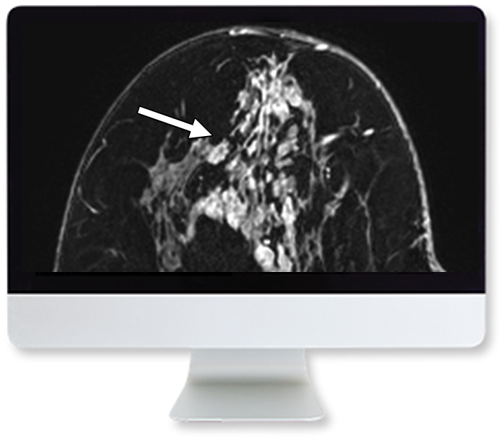
    An article comparing cancer detection rates (CDR) for screening digital breast tomosynthesis (DBT) vs full-field digital mammography (FFDM) found that DBT results in “significantly increased CDR”—irrespective of tumor type, size, or grade of cancer. Reviewing consecutive screening examinations performed between October 2012 and September 2014 at a large academic breast imaging practice, Pragya A. Dang and researchers at Brigham and Women’s Hospital in Boston detected 61 cancers in the matched cohort of DBT (n = 9817) and FFDM (n = 14,180) examinations. CDR measured higher with DBT than with FFDM for invasive cancers (2.8 vs 1.3, p =0.01), minimal cancers (2.4 vs 1.2, p = 0.03), estrogen receptor– positive invasive cancers (2.6 vs 1.1, p = 0.01), and node-negative invasive cancers (2.3 vs 1.1, p = 0.02.), respectively. However, the ratio of screen-detected invasive cancers to ductal carcinoma in situ on DBT (3.0) was not significantly different from that on FFDM (2.6) (p = 0.79). Where CDR were not statistically significant for DBT and FFDM, Dang noted: “We were likely underpowered to show a significant difference because of the smaller number of cancers in these subgroups. For instance, CDR of moderately and poorly differentiated invasive cancers, and for all cancer sizes detected with DBT, was nearly twice that of FFDM, even though it was not statistically significant.” As Dang concluded, “our results suggest that integrating DBT into clinical practice may detect overall more cancers than does FFDM, for all tumor sub-types, grades, sizes, and nodal statuses.”

  • Reversed Halo Signs Manifest in Septic Pulmonary Embolism Due to IV Drug Use

    Renata R. Almeida
    Corresponding Author

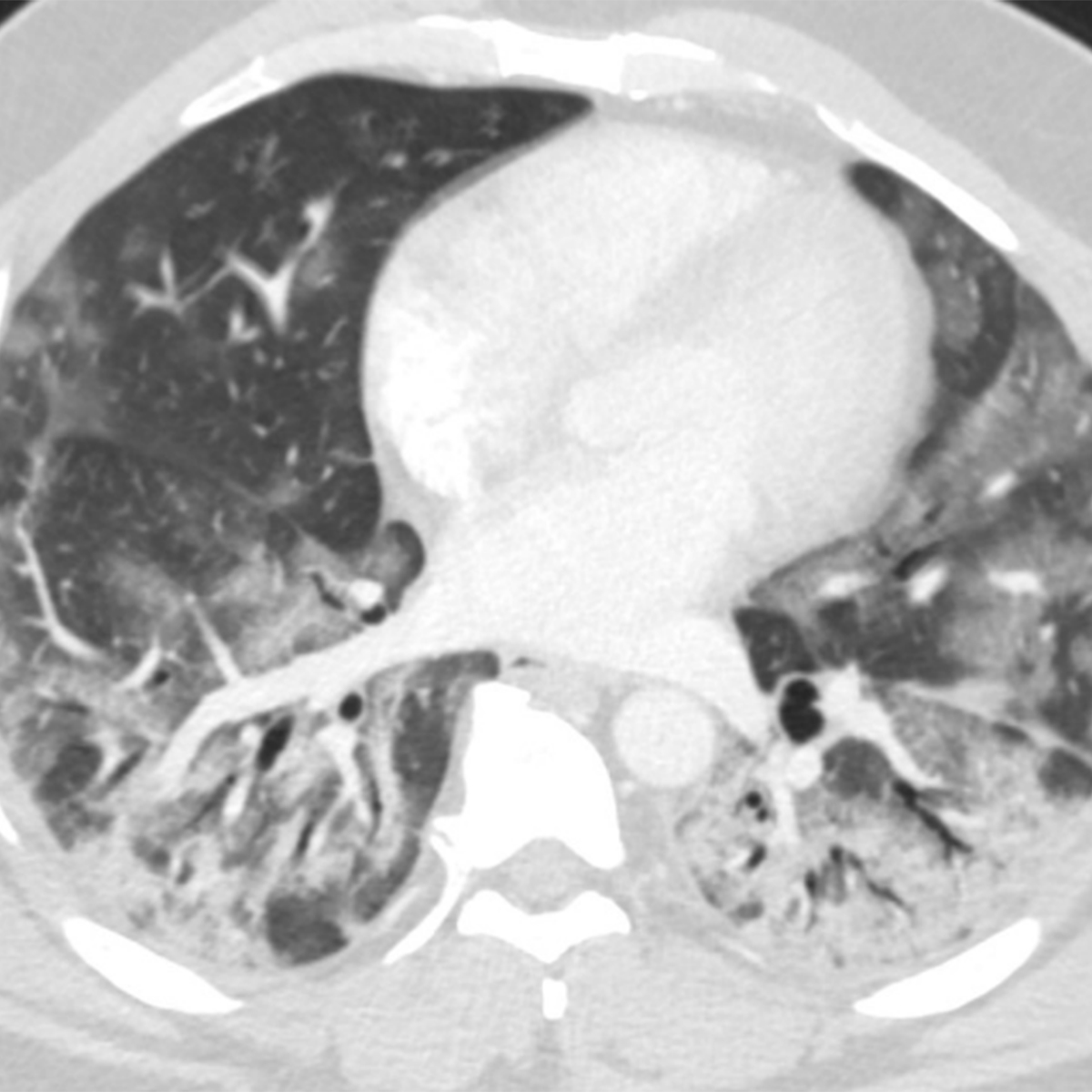
    Reversed halo signs were frequently observed on the chest CT scans of patients with IV substance use disorder– related septic pulmonary embolism (PE). Of the 62 patients (54.8% women; 32.8 ± 8.3 [SD] years) who met Harvard Medical School radiologist Renata R. Almeida and colleagues’ inclusion criteria—IV substance use disorder, findings of septic PE on chest CT scans, and confirmation of infection—59.7% (37/62) had reversed halo signs (κ = 0.837– 0.958, p < 0.0001). Moreover, the mean number of unique reversed halo signs per patient was 2.1 ± 1.7, with 46.7% of patients having more than one reversed halo sign. Noting that the reversed halo sign was an early and reliable imaging finding observed in most cases of CT-based diagnosis of septic PE secondary to IV substance use disorder, as Almeida et al. concluded, “septic PE should be included in the differential diagnosis of patients presenting with the reversed halo sign and history of IV substance use disorder.” The authors added: “Apparent differences of frequency, shape, and distribution in comparison with case series of pulmonary thromboembolism and invasive fungal infections could be investigated by future studies as possible biomarkers to assist in discrimination between septic PE and other causes of pulmonary infarct manifesting with the reversed halo sign.”

  • Diagnostic Radiologists with Lifetime ABR Certificates Less Likely to Participate in MOC

    Andrew B. Rosenkrantz
    Corresponding Author

    Lifetime-certified diagnostic radiologists whose Maintenance of Certification (MOC) was not mandated by the American Board of Radiology (ABR) were far less likely to participate in ABR MOC programs—especially general radiologists and those working in smaller, nonacademic practices in states with lower population densities. Defining diagnostic radiologists as those whose only ABR certificate is in diagnostic radiology, lead author Andrew B. Rosenkrantz of NYU Langone Medical Center and colleagues cross-referenced Medicare and Medicaid data with ABR’s own public search engine to determine that 11,479 of 20,354 total diagnostic radiologists (56.4%) participated in MOC. Although diagnostic radiologists with time-limited certificates nearly universally participate in ABR MOC—99.6% (10,058/10,099)—participation rates were only 13.9% (1421/10,225) among the cohort with lifetime ABR certificates. “Many opinions have been expressed regarding MOC in radiology,” says Rosenkrantz, the 2017 ARRS Leonard Berlin Scholar. “But there is actually very little public data on the matter. Through this work, we hope to bring objective findings to help inform the discussions.” The rates of nonmandated participation were higher (all p < 0.001) for academic than for nonacademic radiologists (28.0% vs 11.3%), subspecialists than for generalists (17.0% vs 11.5%), and those in larger practice groups (< 10 members, 5.0%; 10–49 members, 12.6%; ≥ 50 members, 20.7%). State-level rates of nonmandated participation varied from 0.0% (South Dakota, Montana) to 32.6% (Virginia) and positively correlated with state population density (r = 0.315).

  • In-the-Moment Aggressions

    In-the-Moment Aggressions

    avatar

    Ruth C. Carlos
    2019–2020 ARRS President

    Here’s a word that you still won’t find in Stedman’s: microaggression. A short, often casual exchange that, regardless of intent, can send a disparaging message to a certain individual because of group membership, there’s nothing particularly new about it. Lest you think this word was forged in a social media storm, in fact, it was a tenured professor of education and psychiatry at Harvard Medical School who first used it. Coined in 1970 by Chester M. Pierce, the first African-American full professor at Massachusetts General Hospital, to combine the subtle dismissals and outright injustice non-black Americans inflict upon African Americans, today’s wider term applies to any routine marginalization based on race, gender, sexuality, age, ability, or socioeconomic status. As Meridith J. Englander and Susan K. O’Horo observed in last October’s AJR Journal Club, microaggression has “entered our everyday vernacular”.

    Need the word in a sentence, with some real-life examples? When an attending physician tells an international student that he or she is doing exceptionally well on rounds, “especially considering their background.” The subordinate or colleague who keeps hearing that they’re “just too pretty” or “far too handsome” to be stuck in a dark reading room.

    “Think of microaggressions like mosquito bites,” wrote Carolynn M. DeBenedectis, lead author of “Microaggression in Radiology,” the September commentary published in the Journal of the American College of Radiology. “A single or occasional mosquito bite is annoying for a second but can be ignored, but when the mosquito bites are unrelenting and in large numbers, they can be damaging.” Left untreated, these bites of bias— again, unconscious or not—can lead to diminished self-confidence, poorer self-image, as well as serious mental health conditions like anxiety and depression.

    Responding to the August commentary in JAMA Pediatrics, the New York Times’ headline wondered, “Is it possible to train doctors without hurting anyone’s feelings?”. Of course, as JAMA’s own title duly noted, “Avoiding the eggshells is not the answer”. We practice medicine, and sooner rather than later, all practicing diagnostic radiologists will have to render a difficult face-in-PACS decision and engage in a potentially problematic discussion face-to-face. For academic and mentor radiologists alike, it’s our duty to point out the mistakes of others—shedding light on each artifact and every pitfall.

    Acknowledging that a person’s gender, ethnicity, or circumstances are real-world facts, how should we respond as the “other?” Moreover, what does a true ally do in these most fraught moments? To start, always consider the source, where context remains key. Being too brusque helps neither party, especially if the microaggressor is closely connected to the microaggrieved. “Keep the initial conversation short, and schedule a time to talk about it later to give the other person time to think things over,” suggests NiCole T. Buchanan, an associate professor of psychology who leads workshops on microaggressions at Michigan State University.

    At the same time, passive-aggressiveness can hurt everyone, beyond the microaggressor and the microaggrieved even. As leadership consultant Mario Rodriguez noted during this year’s Association of Medical Imaging Management annual meeting, following a simple, three-step process often helps to diffuse conflicts in a pointedly, albeit respectful manner. According to Rodriguez, “you should describe the problem simply, explain clearly how it makes you feel, and, then, outline the changes you’d like to see”.

    As Judy Melinek wrote, “social justice is good medicine”. Together, we can be both radiologist and advocate.


    The opinions expressed in InPractice magazine are those of the author(s); they do not necessarily reflect the viewpoint or position of the editors, reviewers, or publisher.

  • Gender Affirmation Surgery: A Primer on Imaging Correlates for the Radiologist

    Florence X. Doo
    Corresponding Author

    Since gender incongruence is now categorized as a sexual health condition, Florence X. Doo, Alexander S. Somwaru, and colleagues at Mount Sinai West in New York City contend that all subspecialties must be prepared to identify radiologic correlates and distinguish key postoperative variations in the three major categories of gender affirmation surgery: genital reconstruction, body contouring, and maxillofacial contouring. For trans-females, pelvic MRI remains the most reliable modality to evaluate the two most common complications arising from vaginoplasty: hematomas and fluid collection. Although vaginoplasty typically preserves the prostate, it may have atrophied from adjuvant hormonal therapy with estrogen and progesterone, so regular prostate cancer screening guidelines should still be followed. When evaluating urethral complications from phalloplasty in trans-males, for confirmation of stricture with abnormal function tests and for fistula evaluation, a retrograde urethrogram or voiding cystourethrogram can be obtained.

    Should a patient desire erectile potential with the fully-healed neophallus, an implant may be placed, which is prone to infection, attrition, malposition, and constituent separation. Related to gender affirmation surgery, silicone or saline breast implants in trans-females often evidence as incidental notations on chest radiography, CT, and MRI, yet the most common body contouring gender affirmation surgery is subcutaneous mastectomy. Since the nipple-areola complex is preserved, retaining malignant transformation risk, Doo et al. recommend trans-males submit to regular postsurgical breast cancer screening. Likewise, trans-female patients who have undergone neoadjuvant hormone replacement therapy have an increased risk for breast cancer and should be routinely screened. Illegal silicone injections, long targeted toward all transgender populations, typically register incidentally on imaging studies, as do facial augmentations achieved via neurotoxin injections or fillers, such as calcium hydroxylapatite or hyaluronic acid. As Doo and Somwaru explain, “postoperative imaging is not typically obtained because external aesthetic results can be adequately evaluated by the surgeon,” unless unique complications—bony erosions from impaction of alloplastic silicone prostheses or bone and cartilage autografts, embolization from injection or filler materials, etc.—present themselves.

  • Increasing Quality of Imaging Histories

    Richard E. Sharpe, Jr.
    Corresponding Author

    Collaborative research has not only standardized the definition of a complete imaging history, but also engineered systems to include supportive prompts in the order entry interface with a single keystroke—sustainably improving the overall quality of imaging histories. A Kaiser Permanente multidisciplinary team—physicians, both primary care and medical imaging providers, as well as information technology and practice improvement professionals—first defined the various components of a complete imaging history, a process that underwent several improvement cycles where consensus audits were regularly performed. The final apparatus of the collaborative team’s complete imaging history definition included the following responses: what happened; when it happened; where the patient was experiencing pain; and the ordering provider’s concern. These four prompts were then inserted into the electronic physician order entry process, and performance was monitored for an additional 18 months. From March 13, 2017, to December 16, 2018, 10,236 total orders were placed by ordering providers in the study clinic. Of the orders audited in the baseline period, 16.0% (64/397) contained all four history components, which increased to 52.0% (2200/4234; absolute increase of 36.0%, relative increase of 225.0%; p < 0.0001) in the subsequent time periods. Moreover, the mean number of characters ordering providers entered into the imaging histories they submitted increased from 45.4 characters per order during the baseline period to 75.4 (66.1% increase, p < 0.0001) after the intervention. “We have also noticed that increased clinical information results in radiologists feeling less of a need to recommend additional downstream or repeat imaging,” wrote Daniel S. Bor from Kaiser Permanente’s department of medical imaging. Bor noted, too, that the project team remains optimistic that the emergence of artificial intelligence could facilitate an automated method to improve imaging histories and support high-quality radiologist interpretations