
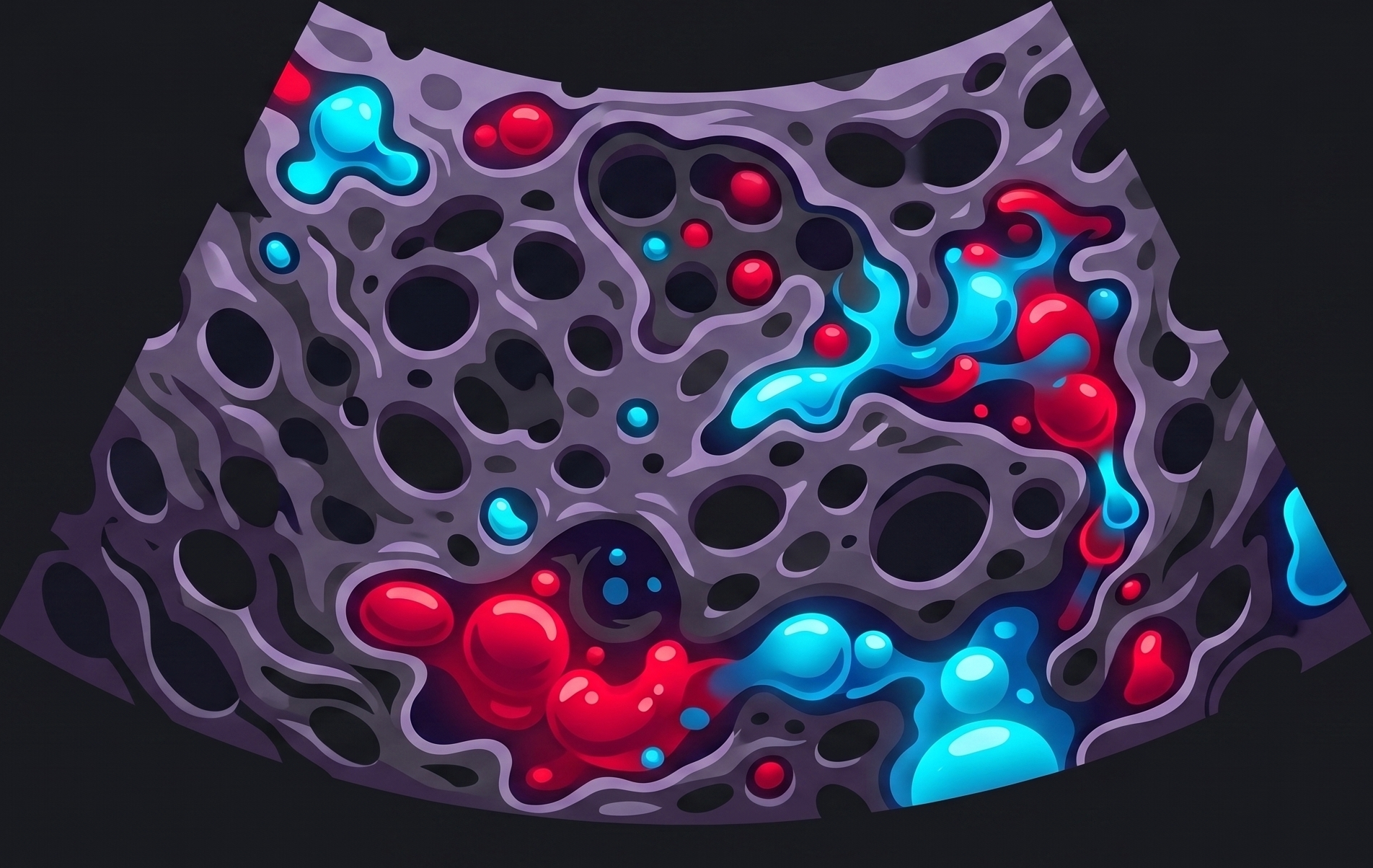
Placenta accreta spectrum (PAS) occurs when the placenta adheres to or invades the myometrium. Its incidence has risen sharply since the 1980s, primarily driven by the increasing number of C-section deliveries. Moreover, ca. 80% of PAS cases also involve placenta previa in the affected area.
Pearls: As Cara Connolly, MD, remarked during “Mistakes to Avoid in Obstetric Ultrasound” at ARRS 2026, differentiating the exact degree of invasion on US is incredibly difficult. To wit, clinicians should prioritize identifying these key markers:
- High-Flow Lacunae: Irregular hypoechoic spaces creating a Swiss cheese or moth-eaten appearance.
- Myometrial Thinning: A loss of the normal hypoechoic zone between the placenta and myometrium or a general decrease in retroplacental thickness.
- Color Doppler: These placental spaces will fill brightly with signal, indicating high flow.
- Invasion Signs: In cases of percreta, look for abnormalities at the bladder and uterine interface.


Pitfalls: Obstetric US is highly susceptible to errors involving terminology, artifacts, as well as misinterpreting normal variants or mimics. Dr. Connolly emphasized that understanding these mistakes is crucial for interpreting exams conducted off-site or in low-volume centers. Focus on the placenta and cervix during the second and third trimesters.
RadFYI: Whereas US remains steadfast for primary screening, MRI should be utilized as a problem-solving resource when your US findings are inconclusive or complex.
Leave a Reply