
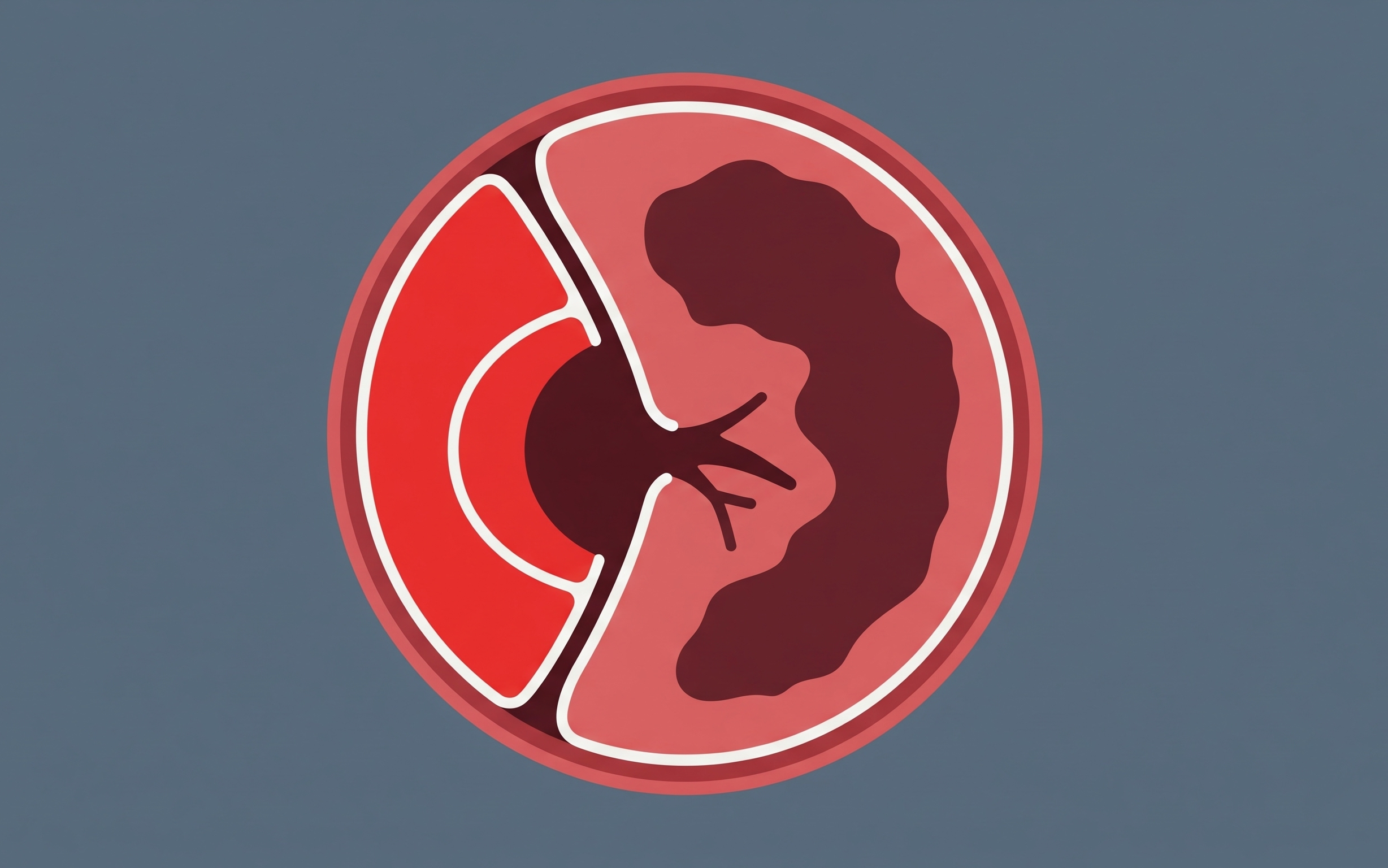
In matters of the heart, truth matters all the more. And identifying the real lumen remains critical for planning endovascular repairs, ensuring branch vessels are correctly supplied to prevent end-organ ischemia. Sure, continuity with the normal aorta remains the gold standard for sussing things out. But as Ferco Berger, MD, pinpointed during the ARRS Online Course “Imaging in the Emergency Department,” tracing it can be difficult in cases involving the aortic root or when only limited abdominal scans are available.
False Witnesses:
- Beak Sign: Acute angle formed where dissection flap meets outer wall, it’s the most useful and reliable indicator (present in nearly 100% of acute and chronic cases).
- Larger Size: A false lumen typically distends and has a larger cross-sectional area than the real deal.
- Cobweb Sign: Thin, linear defects representing remnants of media layer. Albeit rare, they are highly specific to false lumen.
Truth Tellers:
- Calcification: Generally, hardening along outer wall or eccentric flap is indicative of true lumen. [N.B. In chronic cases, false lumen can occasionally calcify.]
- Wraparound: In transverse aortic arch, if one lumen appears to wrap around another, that inner lumen is invariably the truer one.
- Density: In arterial phase, true lumen frequently show higher contrast density.
Supply Chain: Differentiating the supply side here helps predict which organs are at risk:
- True Lumen: Usually supplies celiac trunk, superior mesenteric artery, right renal artery.
- False Lumen: Often supplies left renal artery and more prone to thrombus formation.
Bottom Line: When continuity is unclear, look for the beak sign and larger caliber to identify the false lumen; double-check the arch wraparound and calcification patterns to confirm the true lumen.
Leave a Reply