Author: Logan Young

  • Radiology Residency in the Midst of COVID-19

    Radiology Residency in the Midst of COVID-19

    Published July 15, 2020

    avatar

    Ian Y.M. Chan

    Chief Radiology Resident, Western University
    Chair, ARRS Resident Advisory Subcommittee

    Published July 15, 2020

    Like many facets of life, radiology residency has not been immune to a new reality wrought by the coronavirus disease (COVID-19) pandemic. As one of the first cities in Canada to have a confirmed case of COVID-19, the novel coronavirus was certainly top of mind among our residents, fellows, faculty, and staff at Western University in London, Ontario, Canada. As residents, we worked closely with our program director to advocate for necessary changes to our program to ensure our safety while continuing our education during this pandemic.

    As our government mandated physical distancing and temporary business closures, our department also acted in concert and canceled most outpatient imaging. As a result, we noticed a sudden drop-off in cases for residents to report during the day. While after-hours resident call duties remained, we modified our daily work routine for two months by implementing a schedule of alternating a week of working in hospital and a week of self-studying at home. Importantly, we continued to receive dedicated radiology teaching as our “hot seat” case conferences and academic half-day lectures proceeded as scheduled via video conferencing.

    There was also the looming anticipation of our redeployment to other clinical services. This has not yet transpired, largely due to public health policies that have slowed community transmission for the time being. Fortunately, we have had access to appropriate personal protective equipment when caring for patients. Stress management has indeed been especially crucial to our wellness during this trying time. I believe that constant, albeit distanced, social interaction with colleagues and friends has helped emphasize our shared experiences and that “we are all in this together.”

    The Greek philosopher Heraclitus once said, “change is the only constant in life.” During this harrowing time, this axiom still rings true with our residency training as we adapt to this pandemic.

    Stay safe and be well!

  • PET/CT Plays Role in Lung Adenocarcinoma Management

    Published June 22, 2020

    Xiaoliang Shao
    First author

    Fluorodeoxyglucose PET (FDG PET) can be used to predict the histopathologic subtypes and growth patterns of early lung adenocarcinoma. “FDG PET, combined with high-resolution CT (HRCT), has value for predicting invasive histopathologic subtypes, but there was no significance for predicting invasive growth patterns,” clarified authors Xiaoliang Shao and Xiaonan Shao from the department of nuclear medicine at Soochow University in Changzhou, China. The team’s retrospective analysis was conducted on the PET/CT data on ground-glass nodules (GGNs) resected from patients with stage IA lung adenocarcinoma, evaluating the efficacy of PET maximum standardized uptake value (SUVmax) combined with HRCT signs in prediction of histopathologic subtype and growth pattern of lung adenocarcinoma. Although SUVmax measured significantly higher in GGNs with invasive HRCT signs, the diameter of GGN, as well as the attenuation value differential between ground-glass components and adjacent lung tissues, were independent predictors of FDG uptake by GGNs. Additionally, SUVmax was higher in invasive adenocarcinoma than in adenocarcinoma in situ (AIS)–minimally invasive adenocarcinoma (MIA), with SUVmax 2.0 the optimal cutoff value for differentiation. Acinar-papillary adenocarcinoma had a higher SUVmax than lepidic adenocarcinoma, with SUVmax 1.4 the optimal cutoff value for differentiation. “In stage IA lung adenocarcinoma characterized by GGNs, the SUVmax of GGNs with invasive CT features was high,” Xiaoliang Shao wrote, adding that HRCT can be used in diagnosing the subtypes of lung adenocarcinoma. “However, it cannot be used to differentiate different growth patterns of lung adenocarcinomas.” As Xiaonan Shao concluded: “The efficacy of FDG PET SUVmax in differentiating lung adenocarcinoma subtypes is similar to that of HRCT signs, however, the diagnostic efficiency of FDG PET combined with HRCT is significantly higher than that of each imaging technique alone.”

  • MRI Predicts Shoulder Stiffness for Rotator Cuff Tears

    Published June 22, 2020

    Bo Mi Chung
    Corresponding Author

    Two MRI findings—joint capsule edema and thickness at the axillary recess, specifically—proved useful in predicting stiff shoulder in patients with rotator cuff tears. Studying 106 patients with small to large (≤ 5 cm) full-thickness rotator cuff tears, in addition to joint capsule edema and thickness in the axillary recess, Yoon Yi Kim of Korea’s Veterans Health Service Medical Center assessed obliteration of the subcoracoid fat triangle, fatty degeneration of the torn rotator cuff muscle, and degree of retraction. Tear size and location were determined by MRI findings and operative report, while associations between MRI findings and preoperative passive range of motion (ROM) were evaluated with simple and multiple linear regression analyses and proportional odds logistic regression analysis. As Kim and colleagues wrote: “There was a significant, negative linear correlation between limited ROM at forward elevation and thickness of the joint capsule in the glenoid portion of the axillary recess (p = 0.018), external rotation and joint capsule edema in the humeral portion of the axillary recess (p = 0.011), and internal rotation and joint capsule edema in the glenoid portion of the axillary recess (p = 0.007).” Fatty degeneration (p = 0.003) was an independent predictor of limited ROM on internal rotation. Meanwhile, male sex (p = 0.041) and posterosuperior rotator cuff tear (p = 0.030) were independent predictors of shoulder ROM on external rotation. “This study is important,” Kim et al. noted, “because it is the first to highlight joint capsule abnormality on MRI as a factor associated with stiff shoulder in patients with full-thickness rotator cuff tears.”

  • New CT Scoring Criteria for Timely Diagnosis and Treatment of COVID-19

    Published June 22, 2020

    Updated CT scoring criteria that considers lobe involvement, as well as changes in CT findings, could quantitatively and accurately evaluate the progression of coronavirus disease (COVID-19) pneumonia. “The earlier that COVID-19 is diagnosed and treated, the shorter the time to disease resolution and the lower the highest and last CT scores are,” concluded lead author Guoquan Huang of Wuhu Second People’s Hospital in China. Assigning CT scores to 25 patients according to CT findings and lung involvement, Huang and colleagues recorded the time from symptom onset to diagnosis and treatment for each patient. Patients with COVID-19 were divided into two groups: (patients for whom this interval was ≤ 3 days) and group 2 (those for whom the interval was > 3 days). Using a Lorentzian line-shape curve to show the variation tendency during treatment, the fitted tendency curves for group 1 and group 2 were significantly different. Peak points showed that the estimated highest CT score was 10 and 16 for each group, respectively, and the time to disease resolution was 6 and 13 days, respectively. The Mann-Whitney test showed that the last CT scores were lower for group 1 than for group 2 (p = 0.025), although the chi-square test found no difference in age and sex between the groups. The time from symptom onset to diagnosis and treatment had a positive correlation with the time to disease resolution (r = 0.93; p = 0.000), as well as with the highest CT score (r = 0.83; p = 0.006). “Sequential chest CT examinations enable qualitative investigation of alterations in COVID-19 infection during the course of treatment,” Huang explained. Because previously proposed CT scoring criteria regarding lobe involvement gave no consideration to changes in CT features (i.e., the change from observation of GGO to a crazy-paving pattern and then consolidation), Huang et al. suggest that such a rubric is not sufficiently accurate to assess the progression of pneumonia. “In the present study,” wrote Huang, “we propose a new version of CT scoring criteria that considers both lobe involvement and changes in CT findings, in an attempt to more comprehensively evaluate COVID-19 pneumonia on sequential chest CT examinations.”

  • Pediatric Coronavirus Disease (COVID-19) Pneumonia Radiography, CT Findings Included in Review of Five New Lung Disorders

    Pediatric Coronavirus Disease (COVID-19) Pneumonia Radiography, CT Findings Included in Review of Five New Lung Disorders

    Published June 22, 2020

    Alexandra M. Foust
    Corresponding Author

    Although the clinical symptoms of new pediatric lung disorders such as severe acute respiratory syndrome (SARS), swine-origin influenza A (H1N1), Middle East respiratory syndrome (MERS), e-cigarette or vaping product use–associated lung injury (EVALI), and coronavirus disease (COVID-19) pneumonia may be nonspecific, some characteristic imaging findings have emerged or are currently emerging. “Although there are some overlapping imaging features of these disorders,” wrote first author Alexandra M. Foust of Boston Children’s Hospital and Harvard Medical School, “careful evaluation of the distribution, lung zone preference, and symmetry of the abnormalities with an eye for a few unique differentiating imaging features, such as the halo sign seen in COVID-19 and subpleural sparing and the atoll sign seen in EVALI, can allow the radiologist to offer a narrower differential diagnosis in pediatric patients, leading to optimal patient care.” At most institutions, whereas the first imaging study performed in patients with clinically suspected COVID-19 is chest radiography, Foust and colleagues’ review of the clinical literature found that studies on chest radiography findings in patients with COVID-19 were relatively scarce. Regarding the limited studies of pediatric patients with COVID-19, Foust et al. noted chest radiography “may show normal findings; patchy bilateral ground-glass opacity (GGO), consolidation, or both; peripheral and lower lung zone predominance.” Similarly, while the literature describing chest CT findings in patients with COVID-19 are more robust than those describing chest radiography findings, only a few articles have reported CT findings of COVID-19 in children. A study of 20 pediatric patients with COVID-19 reported that the most frequently observed abnormalities on CT were subpleural lesions (100% of patients), unilateral (30%) or bilateral (50%) pulmonary lesions, GGO (60%), and consolidation with a rim of GGO surrounding it, also known as the halo sign (50%). The authors of this AJR article also pointed to a smaller study of five pediatric patients with COVID-19, where investigators reported modest patchy GGO, one with peripheral subpleural involvement, in three patients that resolved on follow-up CT examination.

  • Review of COVID-19 Studies Cautions Against Chest CT for Coronavirus Diagnosis

    Review of COVID-19 Studies Cautions Against Chest CT for Coronavirus Diagnosis

    Published June 22, 2020

    Constantine A. Raptis
    Corresponding Author

    To date, the radiology literature on coronavirus disease (COVID-19) pneumonia has consisted of limited retrospective studies that do not substantiate the use of CT as a diagnostic test for COVID-19. “This is not to say these studies are not valuable,” maintained lead investigator Constantine A. Raptis of Washington University in Saint Louis. As Raptis, Travis S. Henry of the University of California-San Francisco, and nine co-authors from six institutions across the United States noted of the most frequently cited studies on the subject, reporting the various CT features of COVID-19 pneumonia remains “an important first step” in helping radiologists identify patients who may have COVID-19 in the appropriate clinical environment. “However,” they continue, “test performance and management issues arise when inappropriate and potentially overreaching conclusions regarding the diagnostic performance of CT for COVID-19 pneumonia are based on low-quality studies with biased cohorts, confounding variables, and faulty design characteristics.” Because misdiagnosing even a single patient (i.e., obtaining a false-negative finding) could result in large outbreaks among future contacts, understanding the potential effects of selection bias is important in determining sensitivity. As Raptis and colleagues explained, “if a study cohort contains patients who are more likely to have a true-positive finding and less likely to have a false-negative finding, sensitivity will be overestimated.” The specificity and positive predictive value of a laboratory test—in the case of COVID-19, reverse transcription–polymerase chain reaction (RT-PCR)—are based on its ability to limit false-positive findings. Acknowledging false-positive RT-PCR results are possible, Raptis, Henry, et al. maintained they are often caused by contamination and are likely insignificant in the setting of assays for COVID-19. CT, on the other hand, does not test for singular features unique to the disease, and even those features most characteristic of COVID-19 pneumonia—peripheral, bilateral ground-glass opacities typically in the lower lobes—have been reported in a number of other conditions, both infectious and noninfectious. Finally, Raptis and colleagues addressed the hazards of wide deployment of CT: overuse of hospital resources, including the use of PPE already limited in availability but required to safely perform CT studies; clustering of affected and nonaffected patients in the radiology department, increasing the risk of disease transmission among imaging staff. “At present,” the authors of this AJR article concluded, “CT should be reserved for evaluation of complications of COVID-19 pneumonia or for assessment if alternative diagnoses are suspected.”

  • Breast Imaging: One Size Does Not Fit All

    Breast Imaging: One Size Does Not Fit All

    avatar

    Linda Moy

    Professor of Radiology NYU School of Medicine Center for Advanced Imaging Innovation and Research
    Laura and Isaac Perlmutter Cancer Center

    Published June 22, 2020

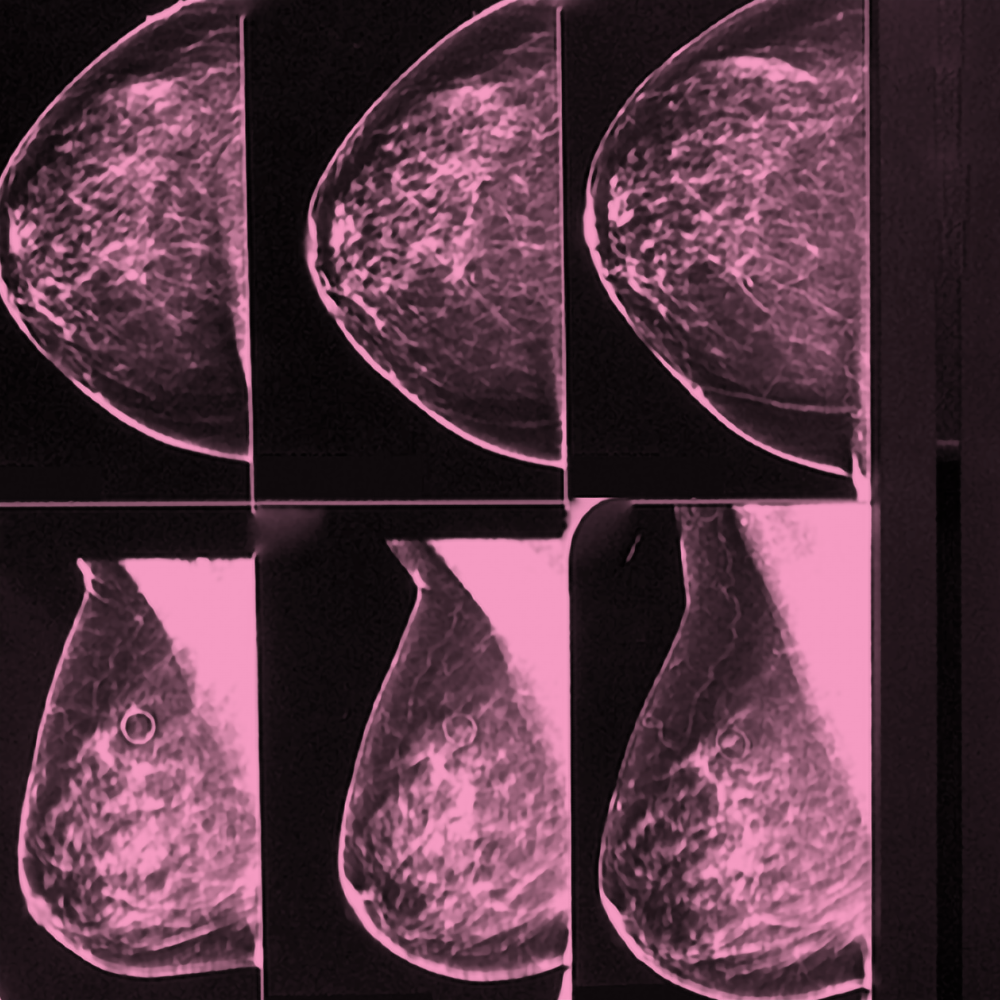
    Breast cancer is the most common cancer in women worldwide with approximately 2 million cases diagnosed each year. In the United States, breast cancer is the second leading cause of cancer-related mortality among women. Multiple studies showed that regular screening mammography reduced breast cancer mortality by 40% or more. However, this year, we learned that men at high risk of developing breast cancer may benefit from mammography.

    Screening of Men at High Risk for Breast Cancer

    Researchers at NYU School of Medicine conducted the largest review in the United States of the medical records of men who have had a screening mammogram. The study involved 1,869 men, ages 18 to 96, who had a mammogram between 2005 and 2017. Some men sought testing because they felt a mass in their breast, while others had no symptoms and wanted to be screened because a family member had recently received a breast cancer diagnosis. In total, 41 men were found to have breast cancer, as confirmed by breast tissue biopsy. Among the 271 men who had screening exams, 5 had the disease. All those with breast cancer had surgery (mastectomy) to remove their tumor. A key finding was that mammography was more effective at detecting cancer in men with high risk than is the norm for women with average risk of breast cancer. For every 1,000 exams in these men, 18 had breast cancer. By contrast, the detection rate for women is roughly 5 for every 1,000 exams.

    Among the study’s other main findings was that men who had already had breast cancer were 84 times more likely to get it again than men who had no personal history of the disease. Men with an immediate relative who had breast cancer, such as a sister or mother, were three times more likely to develop the disease. Other men with elevated risk of breast cancer included those of Ashkenazi descent, an ethnic group widely known for high rates of some cancers (who were 13 times more likely to get breast cancer than non-Ashkenazi men) and those who had genetic mutations, such as BRCA1 or BRCA2 (up to 7 times more likely than men with no genetic risk). Current National Comprehensive Cancer Network Guidelines only recommend checking for breast cancer as part of annual physical exams, not using more sensitive imaging tests like a mammogram, for men age 35 and older with BRCA mutations. The take-home point is that men need to be more aware of their risk factors for breast cancer and that they, too, can develop the disease.

    Contrast Enhanced Spectral Mammography

    Another exciting development is that the armamentarium that radiologists have to detect breast cancer continues to expand. The latest imaging tools focus on functional imaging tests that reveal physiological activities within the breasts. Functional imaging includes measuring changes in metabolism (e.g., PET/CT or PET/ MRI), changes in the tumor cellularity (diffusion weighted imaging on MRI), regional chemical composition (MR spectroscopy, sodium MRI) and changes in blood flow. The increase in the number of blood vessels (neoangiogenesis) and the increased permeability of blood vessels that feed a tumor are the two main factors that account for uptake of gadolinium that leads to the enhancement of breast cancers on MRI. But MRI is expensive, and we know that iodine based contrast may also be used to detect breast cancer. As a result, contrast enhanced spectral mammography (CESM) is being used in both the screening and diagnostic setting. Similar to breast MRI, CESM identifies the increased blood flow associated with breast cancer and is largely independent of breast density.

    Compared with MRI, clinical implementation of CESM is much easier and at much lower costs. CESM requires an intravenous injection of iodinated contrast (dose 1.5 ml/kg) and a dual energy mammography system. A “low-energy” acquisition image resembles a normal mammogram, whereas a “high-energy” image, using a keV above the k-edge of iodine, will enhance with the contrast agent signal. Images are performed in the standard craniocaudal and mediolateral mammographic views. The postprocessing, recombined iodine-only mammograms will identify enhancing lesions. Studies show that CESM has good diagnostic accuracy when used to evaluate the extent of disease in women newly diagnosed with breast cancer. Like breast MRI, CESM outperforms combined mammography and ultrasound in the detection of additional disease and in assessment of tumor size, compared with pathology. The literature reports that CESM has a small reduction of sensitivity, while providing a higher specificity compared with breast MRI in the evaluation of tumor extent.

    In addition, CESM works well as a screening exam with an additional cancer detection rate 6.6 – 13.1/1,000 over conventional mammography. Therefore, it may be feasible to screen a larger population of women (e.g., women at moderately increased risk for breast cancer), and it may be advantageous to use CESM over breast MRI in this subset of women. Overall, CESM is a safe technique with a modest increase in the radiation dose compared to conventional mammography. Also, serious adverse contrast reactions are infrequent. Currently, the lack of a CESM-compatible biopsy device for lesions exclusively seen on CESM is a limitation of this new technique.

    Abbreviated Breast MRI and Ultrafast MRI

    Recently, many authors have evaluated the potential of an abbreviated breast MRI to increase the accessibility of breast MRI, especially for the screening of women at above-average risk for breast cancer. The conventional breast MRI exam is a 30-minute examination that is expensive and not well tolerated by some patients. These factors, along with the limited availability of MRI scanners, preclude population-wide screening with breast MRI. Abbreviated MRI, with shorter image acquisition and interpretation times, may increase the availability of breast MRI and reduce the costs. The basic abbreviated breast MRI protocol includes a pre-contrast and one post-contrast T1-weighted imaging, along with subtraction images and maximum intensity projection images. Multiple variations on this basic protocol have been evaluated. These protocols exploit the high sensitivity of MRI, while reducing acquisition and interpretation times. A recent review of 21 studies on abbreviated breast MRI, performed in eight different countries and in over 4,500 women, confirmed the diagnostic accuracy was similar to the full breast MRI protocol.

    With stronger magnets and improvements in breast coils and MRI software, ultrafast sequences have been developed to measure the rapid arterial perfusion and the rapid venous drainage of breast cancers. The temporal resolution of ultrafast protocol is typically less than 10 seconds/frame and may be incorporated into abbreviated or full breast MRI protocols. The hope is that imaging faster may allow radiologists to better distinguish between benign enhancing lesions and background parenchymal enhancement from breast cancers. Ideally, ultrafast MRI sequences may allow for increasing the specificity of abbreviated breast MRI, without increasing the scan time.

    Artificial Intelligence

    Without a doubt, artificial intelligence (AI) is the most talked about new diagnostic development in the field of radiology. Breast imaging is at the forefront of this research because we have decades of experience using computer-aided detection (CAD). Further, similar to chest radiography, large numbers of screening mammograms are available to be converted into datasets to train these AI algorithms. These new deep learning–based CAD models are proliferating due to recent breakthroughs in computer technology, data science, and algorithm development. Computer processing speed and memory have increased exponentially, owing to faster graphics processing units and parallel processing. Simultaneously, there have been mathematical advances that enabled the use of complex and multilayered neural networks, which led to a markedly improved performance of machine interpretation of highly standardized imaging tasks (e.g., predictions of cancer or no cancer).

    New CAD platforms will differ from traditional CAD in several important ways. Some of these deep learning models no longer require manual feature design and minimize training with humans (i.e., radiologists). These AI algorithms learn discerning features that are best predictive of outcomes independently and may identify novel imaging features that are imperceptible to the human eye. The capacity for continuous feedback and learning will allow deep learning–based CAD to improve over time. In theory, deep learning algorithms can be trained for pattern recognition of image data (pixel-related information), correlate that data to tumor registry data (the truth), and assess risk when it recognizes a similar pattern (predict likelihood of cancer). Further feedback into the AI algorithm of whether that prediction is correct and truth-based will improve its performance in the future. New CAD systems may eventually be able to identify novel features associated with more relevant cancers by incorporating patient- and tumor-level variables—a task that is now performed in small groups of patients, usually in the research setting. This design has the potential to maximize the mortality benefit of breast cancer screening and to address the issues of overdiagnosis and overtreatment. Therefore, there is hope that these deep learning algorithms may hold real potential to improve clinical care.
    Clinical Case-Based Review of Breast Imaging

    Focus on honing your breast imaging diagnostic skills. This special course combines didactic lectures and rapid fire case review sessions to provide deeper insights into breast imaging.

    The literature on these AI algorithms for mammography shows that their performance for lesion detection and classification are approaching that of radiologists. A preliminary study showed a similar diagnostic accuracy for an AI algorithm that evaluated screening digital breast tomosynthesis exams. It is anticipated that these AI algorithms will play a major role in screening in the near future, both to improve the quality of the screening programs and to assist with the increasing workload of interpreting screening mammograms. Furthermore, early studies suggest that when AI models predict a very low likelihood of malignancy, these mammograms may be triaged and interpreted by the algorithm alone, saving time and resources.

    Other potential applications for screening mammography deep learning models beyond lesion detection and classification include assessment of mammographic breast density. This quantitative analysis of breast density is important because supplemental screening is recommended in women with mammographically dense breasts. A more recent development is utilizing these AI algorithms to predict a woman’s risk for developing breast cancer in the future by incorporating the normal mammographic parenchymal pattern (density, texture, etc.). Risk assessment may be further personalized when information from the electronic health record is included in deep learning risk models. The addition of radiogenomics, which combines radiologic phenotypes with underlying genetic signatures, has the potential to add relevant tumor and patient predictive and prognostic information using information extracted from images.

    Although there is a lot of excitement about AI, many experts urge caution because these AI tools haven’t been evaluated in a wide variety of clinical settings. Most studies on AI and breast imaging are retrospective enriched reader studies. To increase the generalizability of the results, prospective studies in different patient populations should be performed.

    It is clear that the “one size fits all” approach may no longer be relevant. Instead, the standard mammograms, ultrasounds, and breast MRI exams are being tailored for specific clinical indications, often augmented with AI tools.

  • Radiologists, Now More than Ever

    Radiologists, Now More than Ever

    avatar

    Alexander Norbash

    2020–2021 ARRS President

    Published June 22, 2020

    On Thursday, March 19, the governor of California issued a mandate for state citizens to stay at home and not congregate, except for essential and emergency needs. I manage the radiology department at the University of California-San Diego, and needless to say, this mandate was therefore of particular and great interest to me. At the time, I saw this as a brave and decisive move on the governor’s part. Given the lack of other governors showing the wisdom of consensus in such an action, I also felt this instance of decisiveness demonstrated a high degree of confidence in his advisors and his own perspective. Many of us were paying attention to a number of news stories that suggested our lives were about to be significantly disrupted.

    Ever since December 2019, as with many of my acquaintances and family members, I had been following at a distance and with one eye the epidemic in Wuhan. My attention and interest increased exponentially as December proceeded and Wuhan locked down tighter and tighter, then as December turned to January with mounting casualties, and more so as various reports regarding the impact of the epidemic and control measures on citizens came to light. Perhaps many of us even preceding this pandemic have a personal story regarding the invisible erstwhile masters of the universe, or something related. I certainly did. My personal story dealt with the swine flu vaccination of 1976. I was very close to my maternal grandparents. My maternal grandfather was on a ventilator for two weeks, and at one point, he could only blink due to Guillain-Barré syndrome. We held our own breaths as he very slowly improved. It took him two long years to fully recover. As a consequence, I was fascinated by virology in medical school as a result of my grandfather’s misadventure, which regrettably was about 34 years in the past. Perhaps I paid just a little more attention to epidemics and cures than the average citizen.

    Somehow, seeing two hospitals erected in one week—the first with 1,000 beds and the second with 1,300 beds—was a firm nudge in the ribs for me. Firstly, I felt that was an impossibility for any of the environments that I have worked, meaning if we ever had to add a thousand hospital beds in a week, we couldn’t possibly do it. Second, it underscored the seriousness of the situation and that the epidemic may well be headed to our shores.

    So, I read up on the popular culture sounding boards dealing with the 1918 influenza epidemic, SARS in 2002, H1N1 in 2009, and MERS in 2012. Naturally, I also went back to the bubonic plague. Reading did not build up my confidence. 

    As the shelter edict was issued in California, immediate and rapid changes in our delivery of health care took place. These changes influenced and affected our faculty, our residents and trainees, our patients, our clinical operations, our research, and our staff. Research came to a near grinding halt, and clinical volume dropped by 75% overnight, levelling off at 45% down. We wrestled with a span of consequences, from “how do we teach remotely?” to “what do we do with idle staff?” 

    Dr. Norbash explains how The Roentgen Fund® supports innovation in the radiology field.

    Our elective cases nearly instantaneously and precipitously dropped in number as patients sheltered at home, and we realized how much of our volume was truly nonurgent and nonemergent. Our residents and technologists and faculty bravely and selflessly provided the same exceptional level of service they had always provided, only now with the understanding and belief that there is increased risk of harm to self. We watched the calendar and counted the days, preparing to the best of our abilities for the inevitable tsunami to hit. Our leadership assembled emergency plans with exceptional sophistication and creativity, doubling our ICU beds and creating standard operating procedures overnight in droves. Nearly three weeks later, the tsunami hasn’t hit us. We have, however, watched closely and day by day as our worst nightmares unfolded across the country, in New York City, where unparalleled compassion, ingenuity, and creativity have been demonstrated by our remarkable colleagues. The rest of us are petrified that what New York City is experiencing could be our future, and we convince ourselves that our lesser population density and lack of success with mass transit somehow protects us.

    We really don’t know when and how this is going to end. Maybe, by the time you read this, the whole thing is over and solved. Maybe we are seeing multiple tsunamis scattered across the country battering us on a daily basis. As I write this, we certainly don’t know if San Diego is relegated to a gentle slope for an infinity, necessitating masks and social distancing forever, rather than a bump or a tsunami with an implied and potential resolution of sorts. In the meantime, we are relieved to have been spared massive carnage up until now, although there still are lost lives with the accompanying scarring, sorrow, and regret one would expect. In the meantime, we are trying to understand how to provide our faculty and staff some semblance of a paycheck when revenue is down by 40%, giving them a heightened sense of purpose with a sprint that is turning into a marathon, which will be progressively more difficult if and as this crisis stretches into the summer, fall, and possibly beyond. Not knowing is the most difficult part. We need to salvage the critical, scientific, and teaching missions that distinguish us, in preventing irreparable damage to what keeps us distinct and gives us unique value: teaching and discovery.

    Many predict that the lockdown will be extended to the end of May, and some predict the end of June. Just today, a newsfeed quoted an extremely influential billionaire stating we won’t be over COVID-19 until Fall 2021. There’s much discussion regarding how much unemployment and financial instability we collectively will tolerate. We, as a people, are not in all instances risk averse. After all, we have states where motorcycle riders can ride without helmets, and legions of humans still smoke cigarettes. We also have too many people who suspect the value of immunizations. There is also much discussion regarding how we will deal with multiple recurrent waves of COVID-19 rising proportionately with our inevitable societal lapses in vigilance and awareness, if COVID-19 becomes an annual affair. 

    In the moment, I am inspired by my colleagues throughout the health system. My fellow radiologists are optimistic and creative, perpetually showing their innovative and flexible spirit. Every day there are new solutions and new approaches percolating among them, as they do their best to ensure optimal deployment of our tripartite mission. All this in graceful partnership with technologists, nurses, front desk staff, and trainees. Our brilliant departmental resident AI scientists have even deployed an intelligent tool in our PACS that will catch pneumonias, which may be too subtle for the naked eye to see. In the middle of this crisis, there are blinking flashes of creativity going off like lightbulbs. Everywhere under this roof, radiologists as tinkerers and creative spirits who are solving problems, as we elevate and illuminate each other’s vision. 

    I can’t imagine a better group of compatriots to have in my lifeboat.

  • Andrew Rosenkrantz Named 13th Editor in Chief of AJR

    Andrew Rosenkrantz Named 13th Editor in Chief of AJR

    Published May 10, 2020

    Andrew B. Rosenkrantz

    Come July, the future of the 113-year-old American Journal of Roentgenology (AJR) will rest in the hands of “one of the most widely published researchers in academic radiology” (Radiology Business Journal).

    As prolific as his city is sleepless, Andrew B. Rosenkrantz of New York University has edited the textbook MRI of the Prostate: A Practical Approach and authored or co-authored more than 350 peer-reviewed publications, all while training some 40 clinical fellows and mentoring over 80 residents resulting in publication. As NYU Grossman’s Professor of Radiology and Urology, Director of Prostate Imaging, Director of Health Policy, and Section Chief of Abdominal Imaging, he thrives in every last one of those professional titles, too.

    For this professional society, in particular, Rosenkrantz remains so much more.

    An ARRS member since 2004, he has received both the 2014 Melvin M. Figley Fellowship in Radiology Journalism and the 2017 Leonard Berlin Scholarship in Medical Professionalism. In addition to starring roles with ARRS’ Publications and Practice Improvement Committees, Rosenkrantz serves on the Scientific Program Subcommittees for Genitourinary Imaging, Efficacy, Administration, and Informatics.

    Speaking on his appointment to AJR’s chief chair, Deborah Baumgarten, ARRS Publications Committee chair, said, “It became clear during the selection process that Andy Rosenkrantz is visionary, dedicated, proactive, and really quite brilliant.”

    InPractice spoke with AJR’s soon-to-be editor in chief—a creative and affable man who, despite being aged much closer to the left side of 40, was named AuntMinnie’s Most Influential Radiology Researcher of 2018 and can already measure his CV in plain-text kilobytes.

    InPractice: You will be just the 13th chief editorial officer of the world’s oldest continuously-operating radiological journal. For context, when did you first encounter “the yellow journal?” And what does taking the reins from someone like Thomas Berquist mean to you now?

    Andrew B. Rosenkrantz: I began reading AJR early in residency, around the time that Robert Stanley began as Editor in Chief. At the time, given their educational value, I was drawn to the journal’s clinically-oriented research and image-rich review articles. Indeed, it was quickly clear that radiologists could rely on each issue to provide a wealth of practical content and that staying abreast of the journal’s latest articles would help in learning to be a clinical radiologist. I’ve remained an avid reader since that time, including throughout Berquist’s tenure. During his many years at the helm, Berquist has worked tirelessly on behalf of the quality and integrity of the journal’s content and launched a staggering array of pilots and new initiatives to the benefit of the journal’s authors, reviewers, and readers. It is an enormous privilege, though also humbling, to now have this opportunity to follow Berquist in this role.

    IP: From 2012–2015, you were AJR’s CME Consulting Editor for Genitourinary Imaging; currently, you’re one of the journal’s five Genitourinary Imaging Assistant Editors, a position you’ve held with distinction since 2014. To what do you attribute your success at AJR?

    ABR: I’ve benefitted greatly from the AJR as a practicing radiologist, and I have felt that it’s been important to give back and serve the journal as opportunities to do so have arisen. Over the years, I’ve been fortunate to have been provided chances to support the journal in these various editorial board capacities, and I have sought to make the most of these roles. I’ve also come to recognize the importance of the entire editorial team in enabling the journal to thrive, and I look forward to empowering a new generation of editorial board members to continue to shape the journal.

    IP: You published your first article in AJR in 2010, and since that February issue, you’ve authored and co-authored some 60 articles, letter-to-editor replies, and guest editorials for the journal. Given your wide-ranging interests, as well as that “Most Influential Radiology Researcher of 2018” laurel from AuntMinnie, what is it about AJR, specifically, that’s drawn and kept your attention?

    ABR: Even as my own research interest have evolved, the AJR has remained a primary journal in which to try and publish. AJR publishes articles on a wide range of topics, covering all areas of radiology practice. Despite this breadth of the journal’s content, it has maintained a compelling track record of publishing articles that are clinically impactful and will make a difference in radiologists’ practice. The journal’s editorial board has done an impressive job of staying in touch with its readership and knowing what articles its readers will find interesting and relevant to their day-to-day work.

    IP: Meanwhile, you’ve been “Rocking the Review” for AJR for more than a decade, receiving the Top, Outstanding, and two Distinguished Reviewer Awards. How does the implied dichotomy here (author vs reviewer) influence your overall approaching to medical publishing?

    ABR: Authors and reviewers need to work together to produce the highest-quality final accepted manuscripts. Reviewers must recognize their role as not just advising whether to accept or reject a submitted paper, but to provide the critical feedback that will fundamentally improve the paper. Authors must take the reviewer feedback seriously and be as responsive as possible in revising their work. The AJR will focus on strategies for best engaging and serving both of these important groups.

    IP: Similarly, as the recipient of ARRS’ Figley Fellowship and Berlin Scholarship, how have these two Roentgen Fund® accolades— the first for journalism, a second for professionalism—informed your subsequent research and practice?

    ABR: The Figley Fellowship provided a unique opportunity to learn the inner workings of the journal and its operations. I was invited to spend time at ARRS headquarters in Leesburg, Virginia and work closely with the journal staff—observing all the steps in the review and production pathway, from manuscript submission to publication. That experience laid a key foundation for an even deeper level of involvement with the journal in the following years. I dedicated the Berlin Scholarship to exploring issues relating to diversity among radiologists pursuing research and publication, encompassing projects seeking to not only understand challenges and barriers, but also strategies and opportunities for change. Likewise, this work will be important in guiding the journal in the coming years.

    IP: As the incoming Editor in Chief, do you foresee a more equitable union of, say, the types of informatics research you’ve been pursuing at the Neiman Health Policy Institute with the more diagnostic content for which AJR has long been heralded?

    ABR: No question, AJR has been a home for outstanding research and reviews in health policy, along with the journal’s more traditional diagnostic content. A large part of the journal’s appeal has been the inclusion in each issue of articles addressing policy, quality, informatics, and other aspects of modern radiology practice management. More recently, the journal has introduced “Best Practices” articles that provide an evidence-based assessment to guide radiologists in addressing focused clinical questions. These articles have quickly become very popular with the journal’s readership and will become an even more frequent component of the journal in the coming years.

    IP: These days (and especially with AJR), a scientific journal’s impact factor is a lot more than just a number. Can you explain your philosophy concerning impact factor at large?

    ABR: The impact factor reflects the number of citations in a given year to the journal’s contents in the prior two years, divided by the total number of citable items in the journal in those two prior years. As citations by subsequent investigators indicate that an article is influencing future researchers, the AJR will seek to publish high-quality, innovative articles that will contribute to a growth in its impact factor. At the same time, this metric is only one component of a journal’s overall reach, not necessarily reflecting interest by broader audiences. Thus, the journal will need to complement impact factor with other measures, including those relating to social media and online communication platforms, in tracking its influence.: These days (and especially with AJR), a scientific journal’s impact factor is a lot more than just a number. Can you explain your philosophy concerning impact factor at large?

    IP: An abdominal imaging specialist yourself, what would be on the not-too-distant horizon for AJR regarding your primary research focus: prostate MRI? Relatedly, how close are researchers to something like an optimal MRI for targeted prostate biopsy and risk assessment?

    ABR: As it turns out, a good number of the landmark papers in prostate MRI were published in AJR over the past decade, a testament to authors’ recognition of the journal’s role as a leader in clinically-oriented radiological research. While I’ve largely pulled back on my own research efforts in prostate MRI, I continue to be amazed by the tremendous work being pursued in this area by numerous research teams across the globe. In the next few years, I anticipate that we’ll see research in this field seeking to validate shorter and more streamlined prostate MRI protocols, establish paradigms that leverage prostate MRI results to reduce the overall number of biopsies performed, and support wider adoption of MRI-guided minimally invasive therapies for prostate cancer.

    IP: Given all that has happened in medical imaging since AJR was established—and particularly what’s happening in the field right now—what would you mark as the biggest challenges to and opportunities for radiology here in the 21st century?

    ABR: Radiology is inherently a technology-driven specialty, and radiologists have always been leaders in embracing new technologies and quickly translating these to clinical practice. A critical challenge now facing radiology is to continually ensure the value of such technologies—beyond, say, incremental improvements in image quality. As a specialty, we must be prepared to address deeper questions, such as how our latest technological advances alter care pathways and improve outcomes that are meaningful to patients. Patients, payers, and policy makers are expecting us to provide a strong evidence basis to support the clinical adoption of the new imaging methodologies that we develop. This creates an exciting opportunity for researchers in the field to take the lead and pursue the kind of novel, high-quality work that will provide this important evidence to support our clinical practices.

  • AI Assists in COVID-19 Diagnosis and Prognosis

    AI Assists in COVID-19 Diagnosis and Prognosis

    avatar

    Carlo N. De Cecco

    Associate Professor of Radiology and Biomedical Informatics,

    Division of Cardiothoracic Imaging, Nuclear Medicine and Molecular Imaging

    Department of Radiology and Imaging Sciences, Emory University

    Dr. De Cecco is a consultant for/receives institutional research support from Siemens.

    Published April 22, 2020

    On January 30, 2020, the 2019 novel coronavirus disease (COVID-19) was declared to be a global health emergency by the World Health Organization. Four months later, the virus is still spreading all over the globe—more than 3.3 million confirmed cases and 235,000 deaths worldwide—with the United States the most affected nation, numbering more than 1.1 million cases and over 65,000 deaths. Dramatic containment measures have been put into place to halt the diffusion of the virus, yet worldwide health care systems are still struggling with the massive influx of COVID-19 patients.

    Currently, reverse transcription–polymerase chain reaction (RT-PCR) serves as the gold standard for the diagnosis of COVID-19. However, chest radiography and CT play an important role in the management of patients affected by COVID-19 from diagnosis to treatment response assessment, depending on the clinical situation and particularly in the early days of the outbreak and in specific geographic areas where RT-PCR tests are not readily available. In these situations, chest radiography as first-line imaging and chest CT in complex cases can provide assistance to clinicians by identifying suspicious findings for COVID-19.Xu Z, Shi L, Wang Y, et al. Case report pathological findings of COVID-19 associated with acute respiratory distress syndrome. Lancet Respir 2020; 8:420–422

    Wong HYF, Lam HYS, Fong AH-T, et al. Frequency and distribution of chest radiographic findings in COVID-19 positive patients. Radiology 2019; 27:201160

    Zhong B-L, Luo W, Li H-MH, et al. Sensitivity of chest CT for COVID-19: comparison to RT-PCR. Lancet 2020; 395:A1–A2

    Lee YP, Jin Y, Fangfang Y, et al. Imaging profile of the COVID-19 infection: radiologic findings and literature review. Radiology 2020 Feb 13 [Epub ahead of print] Besides diagnosis, these images can be used to analyze or predict disease progression and severity. In the long term, chest CT imaging will likely play a role in the follow-up of patients with COVID-19, with possible development of long-term sequela, such as pulmonary fibrosis.

    Artificial intelligence (AI) algorithms applied to patients with confirmed COVID-19 or subjects under investigation offer the potential to develop a more accurate automated approach for early detection and prognostication using the combination of clinical and imaging data. At the moment, several AI solutions are being developed for application in different stages of the COVID-19 diagnostic workflow, from diagnosis to prognosis.

    AI for Classification of COVID-19 Pneumonia

    In the early COVID-19 outbreak, radiographic and CT evaluations have been extensively utilized for diagnostic purposes due to their fast acquisition times. AI can be applied to develop algorithms that quickly learn COVID-19 pulmonary patterns from large datasets, as well as using similar manifestations from other types of pneumonia.

    Radiography-Based AI Classification

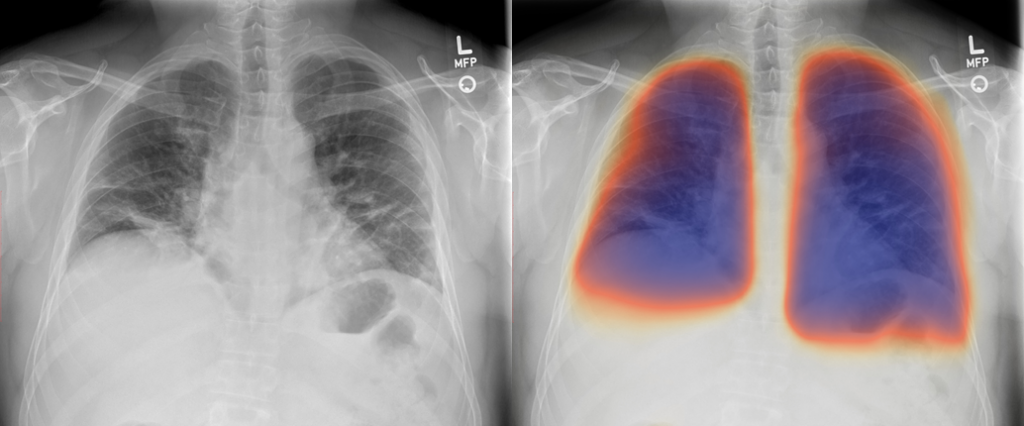
    Chest radiography is often used as an initial imaging test. Although generally considered less sensitive than chest CT, chest radiography can provide important information about the pulmonary status of COVID-19 patients, especially in more severe cases. A study by Wong et al. reported that abnormal chest radiographic examinations were found in 69% of patients at admission and 80% of patients at a later time during hospitalizationWong HYF, Lam HYS, Fong AH-T, et al. Frequency and distribution of chest radiographic findings in COVID-19 positive patients. Radiology 2019; 27:201160. COVID-19 presents itself mainly as airspace opacities, ground-glass opacity (GGO), and consolidation at a later stage. Bilateral, peripheral, and lower-zone involvement is observed in 90% of cases, while pleural effusion is rarely described. There are a few AI studies using radiographic images to detect and diagnose COVID-19-related pneumonia from other types of pneumonia and healthy subjects. Wang et al. proposed a deep convolutional network to classify COVID-19-related pneumonia using the largest COVID-19-related database so far, including radiographic examinations in 1,203 healthy patients, 660 patients with viral pneumonia, and 45 patients with COVID-19 Wang L, Wong A. COVID-Net: a tailored deep convolutional neural network design for detection of COVID-19 cases from chest x-ray images. arXiv website. arxiv.org/abs/2003.09871. Published Mar 22, 2020. Updated Apr 15, 2020. Accessed May 7, 2020 . They achieved an overall accuracy of 83.5%. Ghoshal et al. reported the use of a Bayesian convolutional neural COVID-19 classification using 70 chest radiographic images of patients with COVID-19, obtained from an online COVID-19 dataset, and images of patients without COVID-19 obtained from Kaggle’s Pneumonia Chest X-Ray Challenge Ghoshal B, Tucker A. Estimating uncertainty and interpretability in deep learning for coronavirus (COVID-19) detection. arXiv website. arxiv.org/abs/2003.10769. Published Mar 22, 2020. Updated Mar 27, 2020. Accessed May 7, 2020. This study showed heat maps to visualize the locations used by the network to classify COVID-19-related pneumonia, increasing the transparency of the AI process, and they obtained a 92.9% accuracy for severe acute respiratory syndrome coronavirus 2 (SARS-CoV-2) detection.

    From a recent review paper, the overall accuracy of AI-based radiographic algorithms for the classification of COVID-19-related pneumonia was pretty good, ranging between 83.5% and 98% Shi F, Wang J, Shi J, et al. Review of artificial intelligence techniques in imaging data acquisition, segmentation and diagnosis for COVID-19. IEEE Rev Biomed Eng 2020 Apr 16 [Epub ahead of print].

    CT-Based AI Classification

    Chest CT images are considered more sensitive for the visualization of COVID-19-related pulmonary manifestations. Several studies have described radiological chest CT patterns, characterizing different stages of the disease. Early signs of the disease are ground-glass nodules, especially subpleural in the lower lobes, which can be found both unilaterally and bilaterally. In the following stages, diffuse ground-glass nodules, “crazy-paving” pattern, and even consolidation can be found, often bilaterally in distribution encompassing multiple lobes Lee YP, Jin Y, Fangfang Y, et al. Imaging profile of the COVID-19 infection: radiologic findings and literature review. Radiology 2020 Feb 13 [Epub ahead of print]

    Pan F, Ye T, Sun P, et al. Time course of lung changes on chest CT during recovery from 2019 novel coronavirus (COVID-19) pneumonia. Radiology 2020 Feb 13 [Epub ahead of print]

    Bernheim A, Mei X, Huang M, et al. Chest CT findings in coronavirus disease-19 (COVID-19): relationship to duration of infection. Radiology 2020 Feb 20 [Epub ahead of print]
    . At the most severe stage, dense consolidations become more prevalent. At the recovery stage, consolidation patterns are gradually resolved, while GGOs are still present for a longer time.

    Studies on the AI-based classification of COVID-19-related pulmonary manifestations on chest CT are more prevalent than the ones on radiographic images. One of the largest studies performed by Shi et al. Shi F, Xia L, Shan F, et al. Large-scale screening of COVID-19 from community acquired pneumonia using infection size-aware classification. arXiv website. arxiv.org/abs/2003.09860. Published Mar 22, 2020. Accessed May 7, 2020 used chest CT images of 2,685 patients, of which 1,658 patients tested positive for COVID-19, while 1,027 images represented patients with non-COVID-19-related pneumonia. A Size Aware Random Forest method (iSARF) was used to train the algorithm to not only classify the different pneumonia causes, but also segment the image to calculate the involved lung volume. With an accuracy of 87.9%, additionally, their results showed that small volumes have a lower sensitivity for detection. Another large study performed by Li et al. Li L, Qin L, Xu Z, et al. Artificial intelligence distinguishes COVID-19 from community acquired pneumonia on Chest CT. Radiology 2020 Mar 19 [Epub ahead of print] of 4,356 chest CT images (1,296 COVID-19, 1,735 community-acquired pneumonia, and 1,325 non-pneumonia) using a pre-trained deep convolutional network (ResNet50) showed an excellent accuracy rate of 96% for the classification of COVID-19-related pneumonia.

    AI Prediction of Disease Severity and Progression

    With increasing laboratory test availability for COVID-19 diagnosis, the focus of medical imaging is shifting to the assessment of disease severity and disease progression, which can be used for treatment planning optimization and treatment efficiency evaluation Pan F, Ye T, Sun P, et al. Time course of lung changes on chest CT during recovery from 2019 novel coronavirus (COVID-19) pneumonia. Radiology 2020 Feb 13 [Epub ahead of print]

    Bernheim A, Mei X, Huang M, et al. Chest CT findings in coronavirus disease-19 (COVID-19): relationship to duration of infection. Radiology 2020 Feb 20 [Epub ahead of print]

    Zhao W, Zhong Z, Xie X, Yu Q, Liu J. Relation between chest CT findings and clinical conditions of coronavirus disease (COVID-19) pneumonia: a multicenter study. AJR 2020 Feb 19 [Epub ahead of print]

    Li K, Wu J, Wu F, et al. The clinical and chest CT features associated with severe and critical COVID-19 pneumonia. Invest Radiol 2020; 55:1

    Li M, Lei P, Zeng B, et al. Coronavirus disease (COVID-19): spectrum of CT findings and temporal progression of the disease. Acad Radiol 2020; 27:603-608
    . Specific manifestations and affected lung volumes can be used as an indication of disease severity. Tang et al. Tang Z, Zhao W, Xie X, et al. (2020) Severity assessment of coronavirus disease 2019 (COVID-19) using quantitative features from chest CT images. arXiv website. arxiv.org/abs/2003.11988. Published Mar 26, 2020. Accessed May 7, 2020 proposed a random forest model to quantify disease severity using chest CT images of 176 patients with confirmed COVID-19. They reported an accuracy of 87.5% with 0.91 AUC. More interestingly, they showed that specific quantitative features, such as the volume of GGO and its ratio with respect to the whole lung volume, are good indicators of the severity of COVID-19.

    A study by Huang et al. Huang L, Han R, Ai T, et al. Serial quantitative chest CT assessment of COVID-19: deep-learning approach. Radiol Cardiothorac Imaging 2020 Mar 30 [Epub ahead of print] used a deep learning algorithm to automatically quantify CT lung opacification percentage, evaluating longitudinal changes of these quantitative parameters in sequential examinations and taking into account the clinical parameters and disease severity. A total of 126 patients were included, representing mild (6), moderate (94), severe (20), and critical (6) cases. They showed that the opacification progression was mainly present between baseline and first follow up, but not in later stages, and they observed that the opacification percentage increased with worsening disease severity.

    Emory AI Project: The PREDICTION Study

    At Emory University, in collaboration with the Georgia Institute of Technology, we have started an AI project on COVID-19, entitled “Predictive Model of COVID-19 Outcome Using a Convolutional Neural Network Applied to Chest Imaging and Clinical Parameters: Early Detection and Prognostication for Optimal Resource Allocation (COVID-19 PREDICTION Study)” (Fig. 1).

    We have two objectives:

    1. Use supervised learning methods to build a predictive model that can distinguish COVID-19 pneumonia from other common lung pathologies using chest imaging and clinical parameters.
    2. Monitor the disease progression over time detecting different evolution patterns, ideally finding imaging and clinical parameters that can predict the evolution to the most severe cases of COVID-19, which result in intensive care unit admission and the need for respiratory assistance.

    With this project, we hope that an AI-powered solution for COVID-19 early detection and prognostication will have a major impact on patient outcome and optimization of the resource allocation, in particular in areas with limited medical resources and access to ventilators. 

    Fig. 1—Chest radiographic (A) and CT (B) images utilized for training the AI algorithm at Emory University.

    Future Developments and Perspective

    In the near future, more AI-based solutions will be developed and applied for the evaluation of COVID-19 using medical imaging. Whereas the first AI approaches were mostly focused on COVID-19 diagnosis, we now see more algorithms focusing on disease severity and progression quantification. The first step for the development and training of these AI algorithms is the creation of large, representative databases, followed by proper algorithm validation. At the moment, there are several worldwide initiatives for the creation of open-source databases for both radiographic and chest CT images Zhao J, Zhang Y, He X, Xie P. COVID-CT-dataset: a CT scan dataset about COVID-19.  arXiv website. arxiv.org/abs/2003.13865. Published Mar 30, 2020. Accessed May 7, 2020

    Cohen JP, Morrison P, Dao L. COVID-19 Image Data Collection. arXiv website. arxiv.org/abs/2003.11597. Published Mar 25, 2020. Accessed May 7, 2020
    . Recently, the Radiology Society for North America announced a call to develop an open-data repository for international COVID-19 imaging research and education efforts. Creating open-source databases and sharing AI algorithms online offer powerful tools for clinical validation. In the long term, we expect that AI will also play a role in the follow-up of COVID-19, predicting which patients will have permanent damage and assessing the disease evolution.

    The COVID-19 pandemic presents an exceptional challenge for the international health care community. The social impact has been dramatic and will be lasting. Although no country was fully prepared at the beginning of this pandemic, we can now use the lessons learned—together with the large volume of generated clinical data and developing AI techniques—to prepare more efficient global response strategies.

  • From the AJR Files: COVID-19

    From the AJR Files: COVID-19

    avatar

    Patrick M. Colletti

    Professor of Radiology, University of Southern California
    Section Editor for Cardiopulmonary Imaging, AJR

    Published April 2, 2020

    At the time of this writing, the American Journal of Roentgenology (AJR) has received more than 100 manuscripts describing imaging in patients infected with severe acute respiratory syndrome coronavirus 2 (SARS-CoV-2). Thus far, 18 articles and letters have been published online, open-access and ahead-of-print, in the AJR Coronavirus Disease (COVID-19) Collection.

    Ultimately, what should a radiology department do during an infectious disease outbreak? Cheng and colleagues from Singapore General Hospital presented an approach to COVID-19 safety for imagers based on their experience with severe acute respiratory syndrome (SARS) in 2003. They list important actions to be carried over from that experience to protect and optimize radiology department operation:

    Fig. 1—Photograph shows screening station setup at radiology department entrance in early phase of outbreak, including staff member wearing mask. These smaller department-level screening stations were subsequently replaced by larger screening facilities at entrances to each building. Obscuring of facial features has been applied for privacy reasons for publication.
    • Share information so that all team members understand moment-to-moment changes in risks and resources needed to safely manage patients.
    • Personal protection equipment must be made available and properly donned and duffed.
    • Potentially infected patients must be identified and isolated.
    • Ideally, dedicated CT scanners will be identified and managed for high-risk patients.
    • Physical security and access control with proper signage must be assured (Fig. 1).
    • Alternate decentralized work areas should be identified.
    • Interventional radiology procedures should be modified for safety and efficiency.
    • Radiologists must rapidly report potential COVID-19 findings electronically and by telephone conversation, when appropriate.

    So, what’s going on in Singapore today? As of April 14, 2020, there were just over 1,300 active cases of COVID-19 in the country. Of these, 1,287 patients were hospitalized but in stable condition, while 28 were listed as critical. Singapore recorded its 10th death from COVID-19 on April 14.

    Similarly, Hosseiny et al. compared the clinical and imaging findings of COVID-19 with those of two previous coronavirus infections: SARS and Middle East respiratory syndrome (MERS). There are similarities, but there are differences, too. Clinical signs and symptoms of COVID-19 include fever, dyspnea, and dry cough. Complaints of sore throat and diarrhea are less common in most reported cases, though there is substantial variation in presentation other than fever. Typical COVID-19 findings on CT include multilobar ground-glass opacities (GGOs) often with consolidation. Normal CT, as seen in perhaps 15%–20% of scans, does not exclude SARS-CoV-2 infection. As expected, consolidation is an indicator for poor prognosis. Pulmonary fibrotic changes after recovery are less well-described.

    Open Access COVID-19 Resources

    ARRS is committed to providing all radiologists with open access to the latest imaging research on COVID-19 to help understand the imaging features associated with coronavirus.

    In Wuhan, Hubei, China, Han and colleagues described early clinical and CT manifestations of COVID-19 pneumonia. Clinical manifestations in the 108 patients they studied were fever in 94 (87%), dry cough in 65 (60%), and fatigue in 42 (39%) patients. Laboratory findings included normal WBC count in 97 (90%), normal or reduced lymphocytes in 65 (60%), and high-sensitivity C-reactive protein elevation in 107 (99%) patients. CT distribution included one lobe in 38 (35%), two or three lobes in 24 (22%), and four or five lobes in 46 (43%) scans. Most lesions were peripheral (97 [90%]) and patchy (93 [86%]). GGOs were seen in 65 (60%) scans, with consolidation in 44 (41%) scans. The size of opacities varied from less than 1 cm (10 [9%]) to more than 3 cm (56 [52%]). Vascular thickening was noted in 86 (80%), the “crazy-paving” pattern was found in 43 (40%), air bronchograms were seen in 52 (48%), and the halo sign appeared in 69 (64%) CT scans.

    Zhou and colleagues, also in Wuhan, described their findings in 62 patients with COVID-19 pneumonia. They emphasized GGOs and bronchial distortion as signs of COVID-19. Again, as of today, Wuhan seems to be doing well. China has lifted its 76-day lockdown, and the city is reemerging from the coronavirus crisis. From various news reports, you can see that the citizens of Wuhan are wearing protective masks—some of them better than the masks that we have in the United States.

    Meanwhile, in Shanghai, China’s most populous city, Cheng and colleagues pointed out that frontline physicians and radiologists should consider the diverse imaging presentations of COVID-19. A reverse transcription–polymerase chain reaction (RT-PCR) test remains necessary for patients with uncertain imaging findings, and testing is crucial for control of the outbreak—especially during the early period, when patients’ exposure history may be unknown.

    Back in Hubei Province, Li and Xia from Tongji Hospital reported that, from their early experience, CT had a low rate of missed diagnosis of COVID-19 (3.9%, 2/51) and thus, “may be a standard method for the diagnosis of COVID-19 based on CT features.” The co-authors explained further: “Rapid diagnosis can lead to early control of potential transmission. With CT diagnosis of viral pneumonia, patients with suspected disease can be isolated and treated in time so that the management of patients will be optimized, especially for the hospitals or communities lacking nucleic acid testing kits.” They concluded, however, that “for the identification of specific viruses, CT is still limited,” also noting that “it is valuable for radiologists to recognize that the CT findings of COVID-19 overlap with the CT findings of diseases caused by other viruses.”

    From Hunan, China, Zhao et al. reported on the relationship between chest CT findings and clinical conditions of COVID-19 pneumonia in a multicenter study of 101 patients retrospectively collected from four institutions. Most patients, 70%, were 21–50 years old, and 5% of the patients had family outbreaks. Fever was the onset symptom for 78% of patients. Fourteen patients in the emergency group were older than those in the nonemergency group. Most patients with COVID-19 pneumonia had GGOs (87 [86%]) or mixed GGOs and consolidation (65 [64%]), vascular enlargement (72 [71%]), and traction bronchiectasis (53 [52%]). Lesions were more likely peripheral (88 [87%]) and bilateral (83 [82%]) and lower lung predominant (55 [54%]) and multifocal (55 [54%]).

    Salehi and colleagues published a nice systematic review of imaging findings in 919 patients with COVID-19. They concluded that although the majority of COVID-19 mortalities occur among patients with acute respiratory distress syndrome in the ICU, “in a patient population with low pretest probability of [SARS-CoV-2] infection, the typical imaging features should be interpreted with caution.”

    One of the most unique papers AJR has published came from Wuhan. Liu et al. authored a preliminary analysis of the pregnancy and perinatal outcomes of women with COVID-19 pneumonia. Of the 15 pregnant women with chest CT-documented COVID-19, 11 had successful deliveries (10 cesarean, one vaginal) and four were still pregnant (three in the second trimester, one in the third) at the time of publication. Importantly, there were no abortions, neonatal asphyxias, neonatal deaths, stillbirths, or neonatal SARS-CoV-2 infections in any of the newborns. More recently, some papers have confirmed early-onset infection in neonates born to mothers with COVID-19, but mother-to-child transfer was not seen in this initial study of 15 patients.

    Huang et al. in Wuhu, China analyzed 25 patients with RT-PCR-documented COVID-19. CT scores were rated 0–35 based on extent and intensity of lung involvement. Data were separated into two groups, based on time from symptom onset to diagnosis and treatment: group 1 was patients for whom this interval was less than or equal to 3 days and group 2 was those for whom the interval was greater than 3 days). CT scores were plotted against time, and after analyzing the resulting curves, the mean peak CT score was 10 and 16 for group 1 and 2, respectively, and the mean time to disease resolution was 6 and 13 days, respectively. The last CT scores were lower for group 1 than for group 2 (p = 0.025), which led to the conclusion that timely diagnosis and treatments are keys to providing a better prognosis for patients with COVID-19.

    In early encounters with COVID-19 pneumonia, typical chest CT findings created the impression that CT could successfully screen for infected patients (Fig. 2).

    Fig. 2—59-year-old woman with coronavirus disease (COVID-19).
    A, Initial unenhanced axial chest CT image 4 days after admission shows multiple bilateral subsegmental peripheral patchy and ground-glass opacities with obscure boundaries and mainly subpleural distribution. Neither pleural effusion nor enlarged mediastinal lymph nodes are seen.
    B and C, Unenhanced axial CT images 6 (B) and 12 (C) days after admission and after initiation of treatment shows enlarged lesions; lesions of both lungs are diffuse and patchy compared with previous CT images (A).
    D, Unenhanced axial CT image 22 days after admission shows lesions in both lungs have absorbed gradually after treatment, and subpleural line can be seen.

    On occasion, CT imaging showed asymptomatic opacities while RT-PCR testing was negative. As experiences with less-enriched COVID-19 cohorts were encountered, we learned that CT was considerably less efficient at detecting the many asymptomatic patients with COVID-19, especially compared with nucleic acid testing.

    Logically, asymptomatic community members do not require RT-PCR testing unless there has been a known or potential exposure to COVID-19. CT is best reserved in planning therapy on selected patients with symptomatic COVID-19, or if doctors have reasonable suspicion that RT-PCR is falsely negative.

    Of course, whereas the findings of CT lung opacities typical for COVID-19 may appear to be statistically reliable in the early stages of a pandemic, alternative diagnoses, including other infections and inflammatory conditions, cannot be readily excluded by image pattern alone.

    As the newest article in AJR’s Coronavirus Disease Collection by Raptis and colleagues makes clear, “the radiology literature on COVID-19 has consisted of limited retrospective studies that do not substantiate the use of CT as a diagnostic test for COVID-19.”

  • Low Back Pain Accounts for a Third of New Emergency Imaging in the U.S.

    Jina Pakpoor
    Corresponding Author

    The use of imaging for the initial evaluation of patients with low back pain in the emergency department (ED) continues to occur at a high rate—one in three new emergency visits for low back pain in the United States. “Although there has been a modest decline,” wrote Jina Pakpoor of the University of Pennsylvania, “in 2016, approximately one in three patients still continued to receive imaging in the ED. Further, significant geographic variation exists between differing states and regions of the United States.” Pakpoor and colleagues identified ED visits for patients with low back pain billed to insurance by querying IBM’s Commercial Claims and Encounters Marketscan research database for patients 18–64 years old. Excluding patients with concomitant encounter diagnoses suggesting trauma, as well as those with previous visits for back pain, Current Procedural Terminology codes were used to identify three imaging modalities: radiography, CT, and MRI. Of the 134,624 total encounters meeting Pakpoor’s inclusion criteria, imaging was obtained in 44,405 (33.7%) visits and decreased from 34.4% to 31.9% between 2011 and 2016 (odds ratio per year, 0.98 [95% CI, 0.98– 0.99]; p < 0.001). During the five-year study period, 30.9% of patients underwent radiography, 2.7% of patients underwent CT, and 0.8% of patients underwent MRI for evaluation of low back pain. Imaging utilization varied significantly by geographic region (p < 0.001), with patients in the southern U.S. undergoing 10% more imaging than patients in the western U.S. Acknowledging further research is necessary “to understand the underlying reasons for persistent use of potentially unwarranted imaging in the emergency setting,” as Pakpoor concluded, “our results indicate that the use of imaging for the evaluation of patients with low back pain in the ED is moderately declining but continues to occur at an overall high rate.”