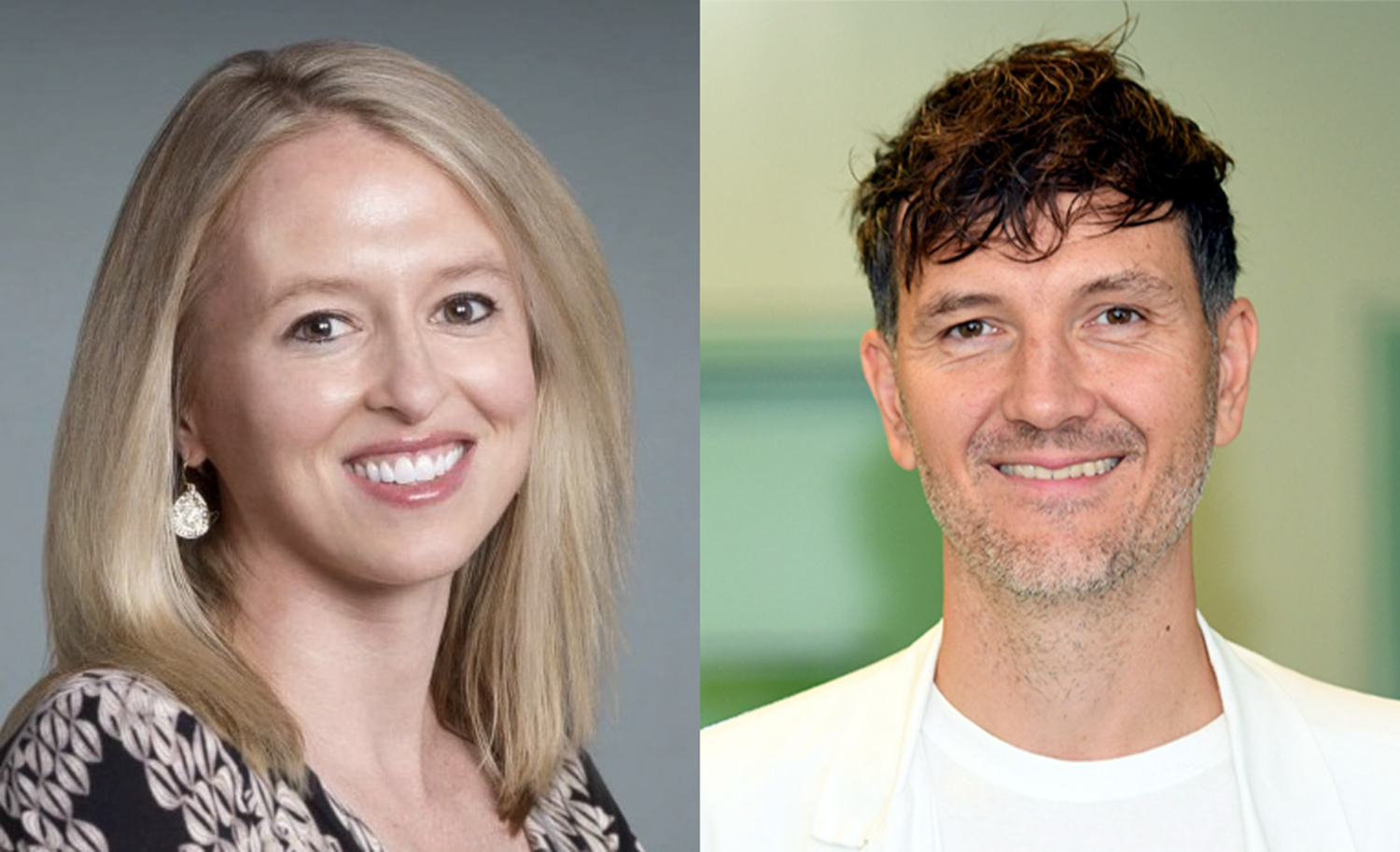
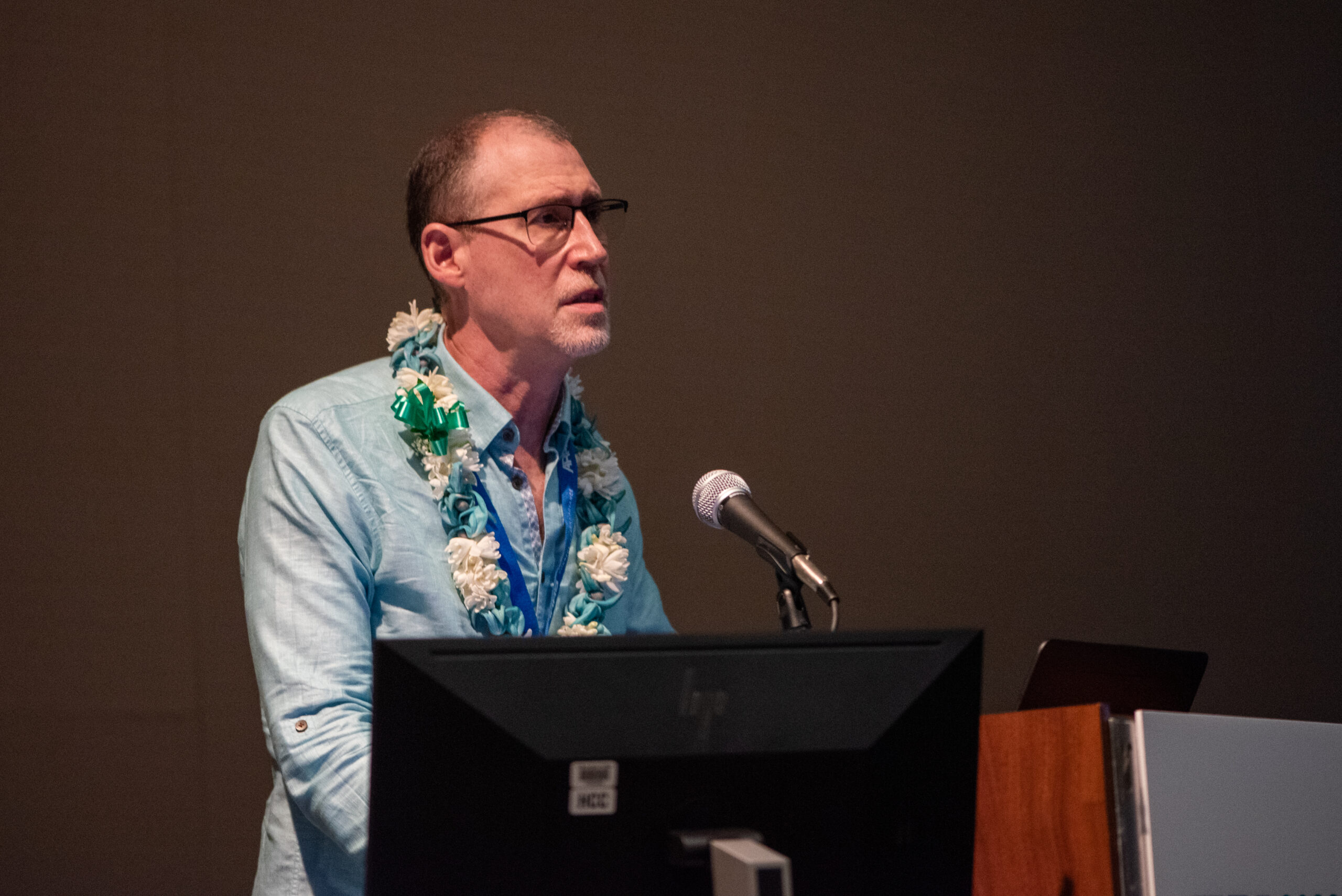
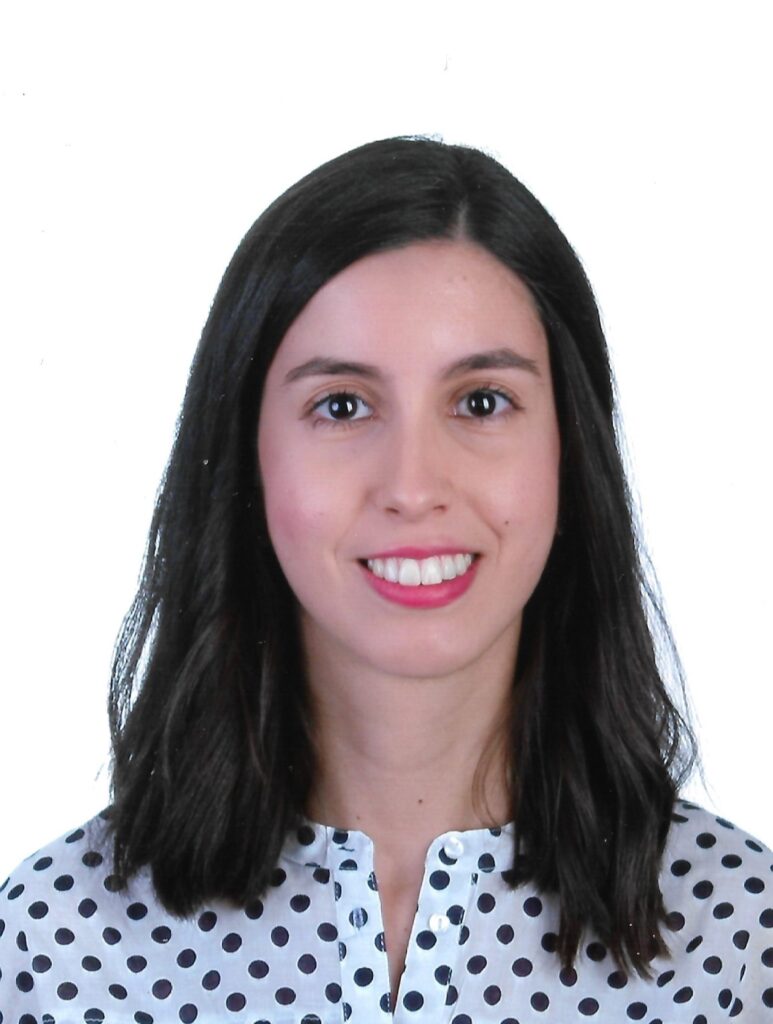
Dale West, CAE, has been named incoming Executive Director for the American Roentgen Ray Society (ARRS). West will serve as the administrative and strategic partner to the ARRS Executive Council, overseeing day-to-day operations of the Society, as well as the financial and business operations of the Society’s products and service offerings.
“Dale West has led health care associations to achieve operating excellence and strategic success,” said Angelisa M. Paladin, MD, 2024-2025 ARRS President.
“Dale is skilled in creating growth strategies, ensuring operational efficiencies, driving change, and effectively staffing teams with the talent and drive to achieve our Society’s mission and goals,” Dr. Paladin continued.
Dale West has a strong and established history of successfully developing vibrant association communities, working collaboratively with Boards of Directors, and guiding cross-functional teams to exceed the objectives of the associations he supports.
Currently, West serves as Vice President of the Health Care Clinical and Administrative Unit and Executive Director of the Commission on Accreditation of Athletic Training Education at Smithbucklin, the world’s largest association management company.
“I am truly honored to join the American Roentgen Ray Society as its new Executive Director,” Dale West said.
“ARRS has a rich legacy, and I am excited to work with our dedicated volunteers and staff to build on that success. We will strengthen our community and advance our mission and the field. I am excited about the opportunities ahead and look forward to what we will accomplish in the coming years.”
“Among a field of outstanding candidates, Dale rose to the top,” noted Erik K. Paulson, MD, chair of the search committee and past president of ARRS.
“We are delighted to move forward with him as our new Executive Director,” Dr. Paulson added.
Dale West officially assumes the position on January 2, 2025—following the retirement of longtime ARRS Executive Director, Susan B. Cappitelli, MBA, CAE. The American Roentgen Ray Society thanks Susan for her many years of exceptional service and contributions, always prioritizing member service and the advancement of the specialty.
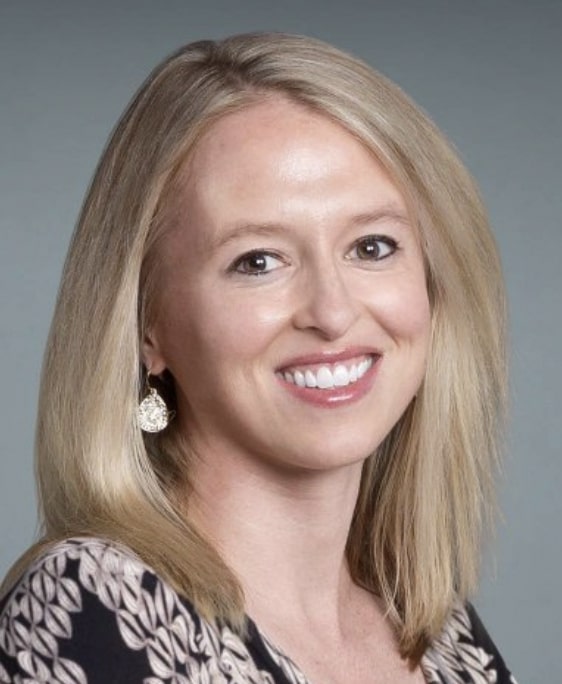
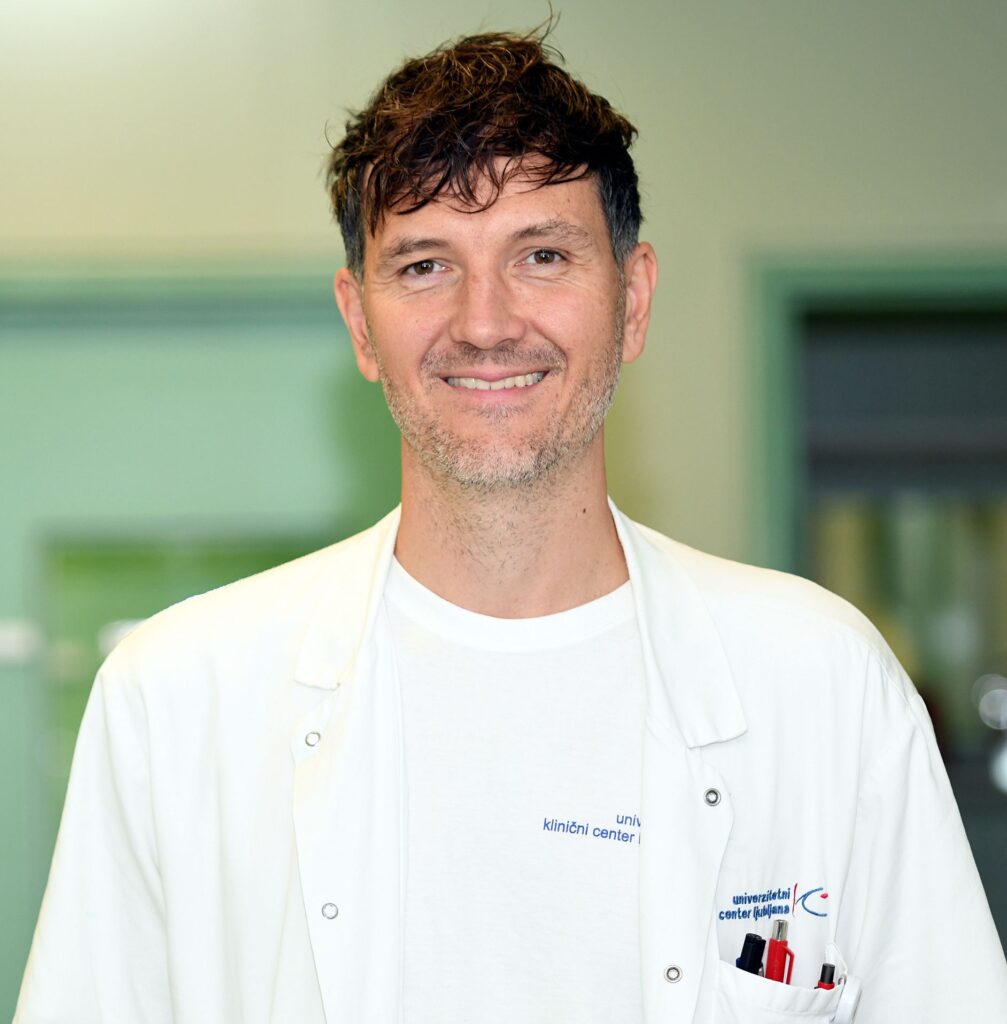
The American Roentgen Ray Society (ARRS) is pleased to announce Erin Alaia of NYU Langone Health in New York City as the 2025 Melvin M. Figley Fellow in Radiology Journalism. ARRS also recognizes Domen Plut from Slovenia’s University Medical Centre Ljubljana as the 2025 Lee F. Rogers International Fellow in Radiology Journalism.
Supported by The Roentgen Fund® and named for two distinguished Editors Emeriti of ARRS’ own American Journal of Roentgenology (AJR), the Melvin Figley and Lee Rogers Fellowships offer practicing radiologists an unparalleled opportunity to learn the tenets of medical publishing via “the yellow journal”—the world’s longest continuously published radiology journal. Through hands-on experience with ARRS staff and AJR personnel—as well as personal apprenticeship with AJR’s 13th Editor of Chief, Andrew B. Rosenkrantz—Drs. Alaia and Plut will receive expert instruction in scientific writing and communication, manuscript preparation and editing, peer review processes, journalism ethics, and digital publication.
Additionally, Drs. Alaia and Plut will attend the 2025 ARRS Annual Meeting in San Diego, CA, where they will co-present the AJR Year in Review Sunday Session and participate in the Editor’s Forum.
Founded in 1907, AJR is one of the specialty’s leading peer-reviewed journals, publishing clinically oriented content across all imaging subspecialties and modalities relevant to radiologists’ daily practice. Publishing hundreds of articles annually in a diverse range of formats, including original research, reviews, clinical perspectives, editorials, and other short reports, AJR further engages its audience through a spectrum of social media and digital communication activities. In 2023, the journal garnered 32,133 citations and received an impact factor of 4.7, placing AJR at the 89.5th percentile in the radiology, nuclear medicine, and medical imaging category (as reported by Clarivate Analytics).
Since 1990, The Roentgen Fund has granted millions of dollars to hundreds of imaging professionals for both research pursuits and professional development. Today, through six vital scholarship and fellowship programs, the generosity of The Roentgen Fund’s donors is channeled to every corner of the globe—establishing dual foundations in innovation and leadership for a true diversity of radiology’s next generation.
Erin F. Alaia, MD, is an associate professor of radiology and orthopedic surgery at NYU Langone Health in New York, NY. Chair of ARRS’ Radiology Review Track Musculoskeletal Imaging Section, her research, clinical interests, and areas of expertise include sports imaging, postoperative sports imaging, and musculoskeletal infection. As the recipient of a 2022 Research Seed Grant from the Radiological Society of North America, Dr. Alaia focused on the utility and cost-effectiveness of MRI in older patients with hip and knee pain. Prior chair of the Society of Skeletal Radiology Research Committee, presently, she serves on the consulting editorial board of Skeletal Radiology, having received certificates of distinction for her contributions as a reviewer from 2021-2023. Guest editor for an upcoming issue of Seminars in Musculoskeletal Radiology focused on post-operative imaging, Dr. Alaia is also a member of the American College of Radiology’s Committee on Body Imaging, Musculoskeletal Section.
Domen Plut, MD, PhD, completed his medical studies and radiology residency at the University of Ljubljana’s Faculty of Medicine and University Medical Centre Ljubljana in Slovenia. In 2021, he received the European diploma in pediatric radiology, marking him among the first generation in this subspecialty on the continent. In 2022, Dr. Plut was appointed assistant editor at AJR. An assistant professor at the Medical Faculty of Ljubljana, chief of University Medical Centre Ljubljana’s pediatric radiology department, and recipient of the 2023 Lavrič “Best Teacher” Award, teaching is his passion. Dr. Plut is extensively involved in research, having published 45 articles in reputable journals—28 as first or lead author—and serving as a reviewer for many other publications. General Secretary of the Slovenian Association of Radiology and a member of both the European Society of Radiology and European Society of Paediatric Radiology (ESPR), he is a part of ESPR’s Musculoskeletal and Cardiothoracic Taskforce. Dr. Plut’s primary work and research interests include imaging of neonates and contrast-enhanced ultrasound, and he has presented his findings at numerous international radiology conferences, including several annual meetings of the ESPR and Radiological Society of North America.
ARRS Scholar Update: Steven Rothenberg
Steven Rothenberg, MD, is in the second year of his ARRS Scholarship program, investigating methods for mitigating the nocebo effect in diagnostic reporting of lumbar spine MRI. Currently, he is recruiting for his first prospective randomized controlled clinical trial: NCT06103474. Since receiving his ARRS Scholarship during the 2023 ARRS Annual Meeting in Honolulu, HI, Dr. Rothenberg has been awarded Most Prolific Inventor by the Herbert Institute for Innovation and Entrepreneurship and the Light Bulb Award from the University of Alabama at Birmingham’s radiology department. His submission of eight invention disclosures have led to three distinct patent applications and one notice of allowance (US20240257947A1) from the United States Patent and Trademark Office. Meanwhile, Dr. Rothenberg’s research findings have yielded five co-authored published articles, two related editorials, and two AJR Original Research manuscripts presently in press. As an ARRS Scholar, thus far, he has presented 19 scientific abstracts, earning a Certificate of Merit during the 2024 ARRS Annual Meeting in Boston, MA. Dr. Rothenberg continues to donate to The Roentgen Fund to give back in support of other early-stage faculty applying for future ARRS Scholarships.
Steven Rothenberg, MD, is in the second year of his ARRS Scholarship program, investigating methods for mitigating the nocebo effect in diagnostic reporting of lumbar spine MRI. Currently, he is recruiting for his first prospective randomized controlled clinical trial: NCT06103474. Since receiving his ARRS Scholarship during the 2023 ARRS Annual Meeting in Honolulu, HI, Dr. Rothenberg has been awarded Most Prolific Inventor by the Herbert Institute for Innovation and Entrepreneurship and the Light Bulb Award from the University of Alabama at Birmingham’s radiology department. His submission of eight invention disclosures have led to three distinct patent applications and one notice of allowance (US20240257947A1) from the United States Patent and Trademark Office. Meanwhile, Dr. Rothenberg’s research findings have yielded five co-authored published articles, two related editorials, and two AJR Original Research manuscripts presently in press. As an ARRS Scholar, thus far, he has presented 19 scientific abstracts, earning a Certificate of Merit during the 2024 ARRS Annual Meeting in Boston, MA. Dr. Rothenberg continues to donate to The Roentgen Fund to give back in support of other early-stage faculty applying for future ARRS Scholarships.
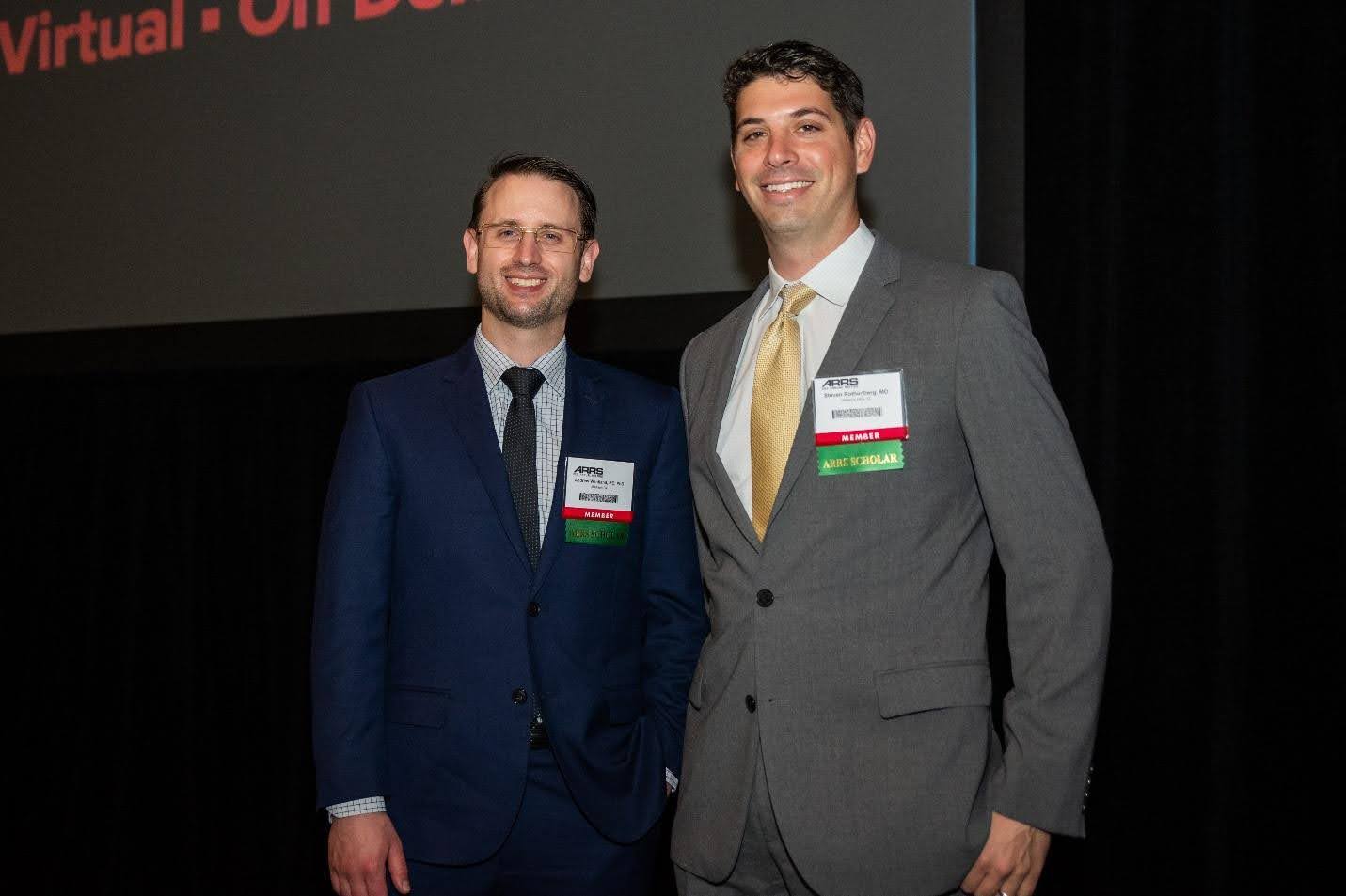
2023 ARRS Scholars Andrew Wentland, assistant professor at the University of Wisconsin School of Medicine & Public Health, and Steven Rothenberg, assistant professor at the University of Alabama at Birmingham
The Roentgen Ray Review (R3) website is live: R3journal.org. All R3 social media handles have been staked. And as of July, unsolicited submissions for the American Roentgen Ray Society’s (ARRS) first journal launch since President Teddy Roosevelt was in office are open to everyone. Starting early next year—and coinciding with ARRS’ own 125th anniversary celebration—R3 is poised to publish image-rich, clinically relevant content for one of radiology’s busiest memberships. Our brand-new online journal will post a weekly mix of “Pictorial Essays,” “Clinical Practice Challenges,” “Case Reports,” “Practice Solutions,” and six other types of articles—three of which offer CME credit. Commissioning and curating R3’s pixels will be the charge of John R. Leyendecker, MD, on faculty at the University of Texas Southwestern in Dallas since 2015. His is a name well-known among us. Present ARRS Executive Council member and chair of our Science and Innovation Committee, Dr. Leyendecker’s association with North America’s first radiological society extends back to his in-training days, when he participated in ARRS’ inaugural “Introduction to Research” course during the 1990 Annual Meeting in Boston, MA. He’s done just about everything else at ARRS ever since: reviewing for AJR, writing for InPractice, directing Categorical Courses, etc. ad inf.
In his first InPractice interview as the very first editor of the Roentgen Ray Review, the abdominal radiologist, amateur astronomer, and United States Air Force veteran outlines a vision as clear as day. Responding to our members’ many educational needs, while being respectful of their time, his R3 is one packed with practical, easily digested information that can be applied immediately.
InPractice: Unlike other peer-reviewed journals, which solicit exclusively from presentations delivered during their societies’ respective Annual Meetings, Roentgen Ray Review will be decidedly less gatekept. How does this more ecumenical approach to submissions align with your overall editorial vision?
JRL: Between our Educational Exhibits and Categorical Course chapters, we are very fortunate to have great material presented at our Annual Meeting to solicit for the journal. However, I wanted to include additional categories of articles that might not be reflected in the meeting content and to open the journal to authors who might not be able to attend our meeting. We want the best content for our readers, regardless of where it originates, and I believe including both solicited and unsolicited articles helps accomplish that goal.
IP: For “Pictorial Essays,” images and figures are king. Radiology is an inherently visual speciality, yes, but are there any risks, practical or pedagogical, with paring down background discussions or future implications?
JRL: In-depth details aren’t useful if no one reads them. R3 was born out of a need for relevant content that fits with the realities of today’s busy radiology practices. That’s why we focus on short articles and images. I’m an amateur astronomer, and there is saying in our hobby that the best telescope is the one you use every night (Fig. 1). The same could be said of journals.
Fig. 1—Left: Dr. Leyendecker’s reproduction of the “Pillars of Creation” from the M16 Eagle Nebula…with just an 8-inch diameter backyard telescope! Right: Those same towering tendrils of cosmic dust and gas, care of the Hubble Space Telescope (courtesy of NASA, ESA, and Hubble Heritage Team.)
My goal is to make R3 the go-to journal for our busy members struggling to balance the need to stay current with the many other aspects of life vying for attention. There are only risks with this approach if critical information is withheld in the name of brevity. On the other hand, there might be substantial risk of missing critical information if it is hidden within a barrage of extraneous details. I believe images are an inherently efficient means of conveying information. That’s why emojis are so popular. When images are combined with succinct and relevant text, you have a powerful combination. And for readers wanting more details, there are many options now available online. I want to emphasize, however, that R3 has no intention of dumbing down content or shying away from complex topics. We just want to distill the information prior to consumption. If your typical journal is a pint of lager, we’re like a shot of tequila.
IP: Specific “Clinical Practice Challenge” scenarios will be followed by a question on next steps. Is the multiple-choice format here tailored for the busy radiologist, to mirror portions of the American Board of Radiology (ABR) exam, or something else entirely?
JRL: I include the multiple-choice question to encourage the reader to actively engage with the material and compare what they might do with a content expert’s approach to the scenario. I envision this eventually incorporating a polling function which will allow for comparisons across readers. Of course, there might be some relevance for those taking the current ABR exam, but we aren’t specifically targeting that group. And we certainly don’t want to dredge up any unpleasant memories for our readers who have already taken the exam.
IP: “WTF” is R3’s abbreviation for “What’s That Finding?” Be it new and novel or a fresh take on a classic sign, in the eyes of the editor, what makes for a good “WTF?”
JRL: A good WTF is a new observation, complication, sign, or implanted device that might be unfamiliar to a typical practicing radiologist. Anyone who reads a high volume of imaging examinations can relate to being stumped by something they haven’t encountered before. New devices are constantly being introduced in medicine, and radiologists are not always in the loop when their colleagues start placing them in patients. Novel systemic therapies can be associated with new imaging findings or complications, and recognizing the association between treatment and imaging finding might be critical to management. Finally, new contrast agents or imaging techniques can alter the appearance of an imaging examination or classic sign, and radiologists need to be aware of these alterations so they can appropriately adjust their interpretations. The “WTF” feature of the journal is one means of alerting readers to something new or different that they might encounter, so they can manage their patients appropriately.
IP: Nowadays, so much scholarly content is appearing on preprint repositories—more than 75 at last count. Quality control remains a sticking point, but there is rigorous and robust research, too. Would you reject a submission because it was posted on a preprint server?
JRL: Preprint servers allow authors to quickly disseminate their work and to claim primacy. Since many of our article types are unique, it is unlikely that many of our submissions will have been previously posted on a preprint server. Regardless, our main concern is whether or not an article is under consideration by another journal. There are plenty of reasons to reject an article that has been posted to a preprint server—for example, if the information presented isn’t sufficiently novel, accurate, or relevant. But I don’t think that posting on a preprint server alone would dissuade me publishing a high-quality paper that is not under consideration by another peer-reviewed journal.
IP: Although generative AI is everywhere in biomedical publishing, alas, disclosures and attribution of its use are not. What is the journal’s official stance on using this paradigm-shifting technology, like ChatGPT and its ilk, in drafting an R3 article?
JRL: Authors are not prohibited from using tools such as generative AI to draft their articles for R3. However, they must disclose details of its use and accept full responsibility for whatever the technology produces. In other words, the use of AI does not obviate authors of their responsibility to ensure their manuscripts are accurate, free of plagiarism, and that all appropriate attributions are included. This is one reason why R3 does not recognize AI programs as authors. This might change once humanity is enslaved by its creation.
John R. Leyendecker, MD, is adjunct professor of radiology at UT Southwestern, where he has been a faculty member since 2015. Previously, he served as vice chair of clinical operations, followed by vice chair of academic affairs. Dr. Leyendecker completed his residency at Emory University in 1993, serving as chief resident. In 1994, he completed vascular and interventional radiology fellowship at Wilford Hall United States Air Force (USAF) Medical Center, and after serving an additional six years as an interventional radiologist and abdominal imager in the USAF, Dr. Leyendecker completed body MRI fellowship at the Mallinckrodt Institute in St. Louis, MO. He has since worked clinically as an abdominal imager, while co-authoring two popular textbooks: A Practical Guide to Abdominal and Pelvic MRI and Problem Solving in Abdominal Imaging. Dr. Leyendecker has published numerous peer-reviewed scientific papers and clinical review articles and co-authored many award-winning scientific abstracts and educational exhibits presented at national and international meetings. His ability to distill complex topics and connect with his audience led to speaking engagements around the world, and in 2014, he served as the Society of Abdominal Radiology’s (SAR) Igor Laufer Visiting Professor. For many years, he served as an oral examiner for the American Board of Radiology and was awarded fellowship in the SAR in 2013 and the American College of Radiology in 2021. His intense dedication to educating and elevating his peers and future generations of radiologists has yielded many teaching and mentorship awards. Dr. Leyendecker’s teaching efforts now focus on leadership and emotional intelligence, and in 2022, he was co-recipient of an Association of Academic Radiology Strategic Alignment Grant to develop a nationwide course to cultivate leadership and emotional intelligence skills in early-career radiology faculty.
Department of Diagnostic Imaging, Rhode Island Hospital Warren Alpert Medical School, Brown University
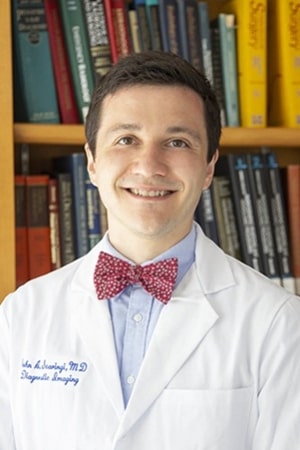
John Scaringi, MD
Department of Diagnostic Imaging, Rhode Island Hospital Warren Alpert Medical School, Brown University
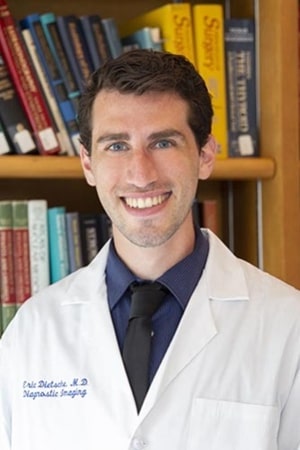
First question: should radiologists really be performing inpatient fludeoxyglucose (FDG) PET/CT? Our recent nuclear medicine editorial in the American Journal of Roentgenology (AJR), “Inpatient FDG PET/CT: Counterpoint—A Costly Yet Subpar Evaluation That Prolongs Hospital Length of Stay,” highlights key problems with this diagnostic pathway [1], as well as why it may be preferably to defer inpatient PET examinations in most clinical scenarios.
No doubt, the volume of imaging studies is increasing nationwide. According to ARRS’ own estimates [2], U.S. radiologists perform some 80 million CTs each year—probably more. Those are just the examinations we are able to track via billing data.
PET/CT is no exception to rising volumes. In fact, one Journal of Nuclear Medicine single-center study reported a greater than five times increase in inpatient PET/CT examinations over a 10-year period at the authors’ institution [3]. Despite the increasing utilization of inpatient PET/CT, the procedure, itself, can be limited by both questionable clinical rationale and poor study quality. Moreover, due to distinct differences in reimbursement between inpatient and outpatient PET procedures, your health care system will likely get paid less for performing inpatient studies.
Quite often, the quality of PET/CT is limited in inpatient settings. Contributing factors to this suboptimal image quality include higher mean blood glucose levels. Patient motion remains a factor, too. As noted in Annals of Nuclear Medicine, acute processes (e.g., infection) also continue to confound our interpretations [4].
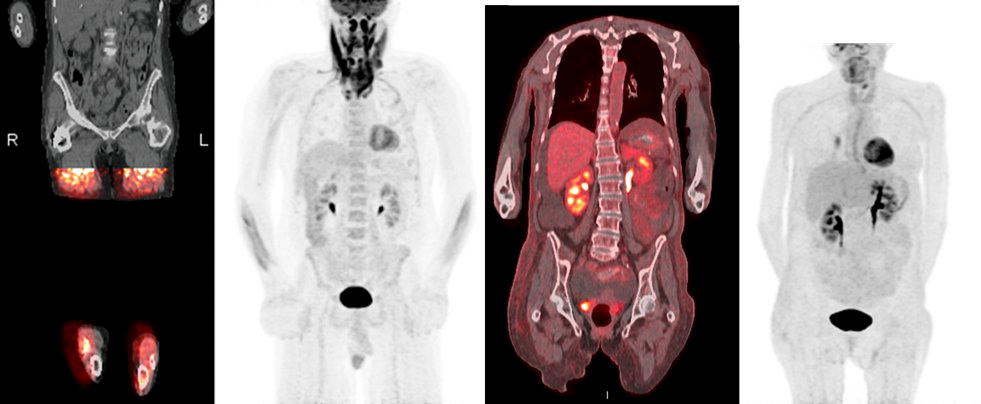
So, another question: what do all three of these FDG PET/CT studies here (Fig. 1) have in common that could be contributing to their poor image quality?
Fig. 1—First patient could not tolerate examination. Second patient suffering from respiratory distress. Third patient receiving course of high-dose steroids, resulting in altered biodistribution of fludeoxyglucose F18.
PET/CT is often ordered on an inpatient basis for initial oncologic staging. However, if there is no plan to initiate treatment while admitted to the hospital, an inpatient PET may only result in a substandard examination, while not changing patient management.
Given that PET/CT examinations are regularly booked weeks in advance, scheduling an inpatient study is challenging, frequently requiring a cancellation in the outpatient setting. This disruption can lead to prolonged patient stays, which increase overall costs and the risk of health care-associated adverse events.
Speaking of cost, inpatient PET/CT is costly to the health care system. Private insurance may not cover an inpatient PET, since the examination is typically viewed as an outpatient study. It is also worth noting that the Centers for Medicare & Medicaid Services bundle inpatient costs—with hospitals possibly receiving reduced or even no payment for high-cost items (i.e., PET/CT).
To reiterate our points, PET/CT in the inpatient setting is a pricey, subpar test that can potentially provide misleading diagnostic information to referring clinicians and patients. With rare exceptions, radiologists should counsel referring providers to skip the inpatient PET…and order an outpatient study instead.
Not everyone agrees with us, of course. For the opposing perspective, we urge you to cross-reference the original AJR Point, “A Strategic Path to Patient-Centered Yet Cost-Effective Care,” by two diagnostic radiologists from Oregon Health & Science University in Portland: Laszlo Szidonya, MD, PhD, and Nadine Mallak, MD [5].
References
Dietsche E, Scaringi J. Inpatient FDG PET/CT: Counterpoint—A Costly Yet Subpar Evaluation That Prolongs Hospital Length of Stay. AJR 2024. Jul; 223:e2330655. doi: 10.2214/AJR.23.30655
Munden RF. Disruptors of the Radiology Workforce—The Next Generation. ARRS InPractice website. www.radfyi.org/2024-arrs-in-training-issue. Published August 12, 2024. Accessed August 16, 2024.
Crandall J, Gajwani P, Wahl R. Trends in Utilization of FDG PET/CT in an Inpatient Population. J Nucl Med 2016. May; 57(suppl 2):1771
Yan X, Kang J, Zhou Y, et al. Imaging Quality of F-18-FDG PET/CT in the Inpatient Versus Outpatient Setting. Ann Nucl Med 2013. Jul; 27:508-14. doi: 10.1007/s12149-013-0714-8
The American Roentgen Ray Society (ARRS) is proud to announce that the Society of Radiologists in Ultrasound (SRU) will present “A Sound Investment: SRU Consensus Statements, 2022–2024” on Sunday, April 27, during the 2025 ARRS Annual Meeting at Marriott Marquis Marina in San Diego, CA.
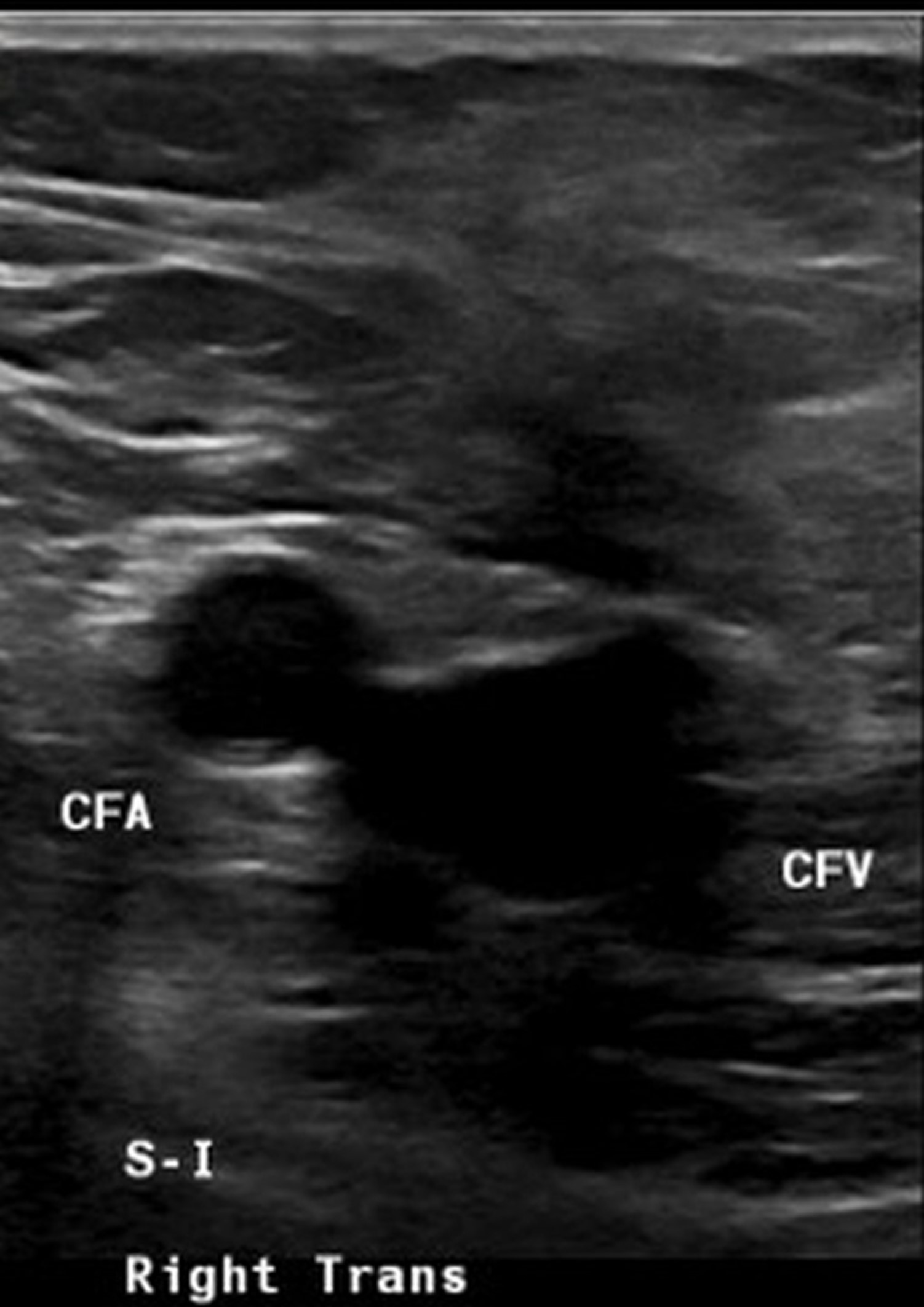
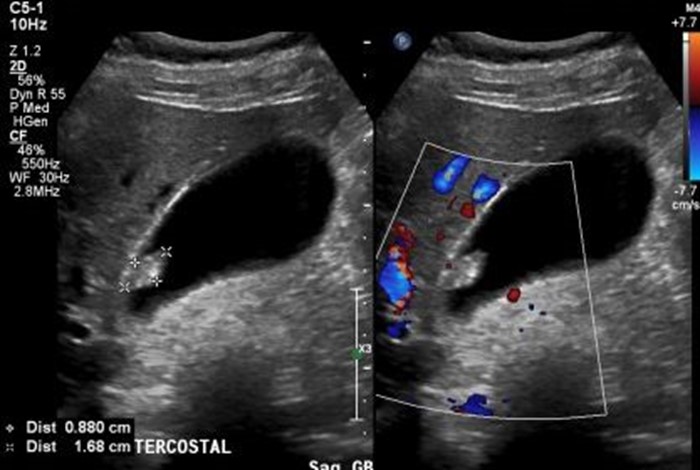
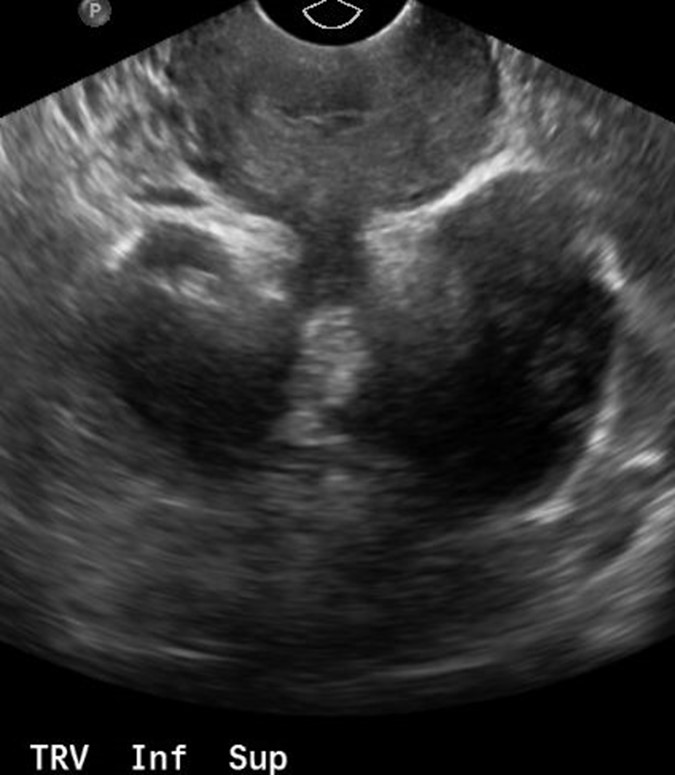
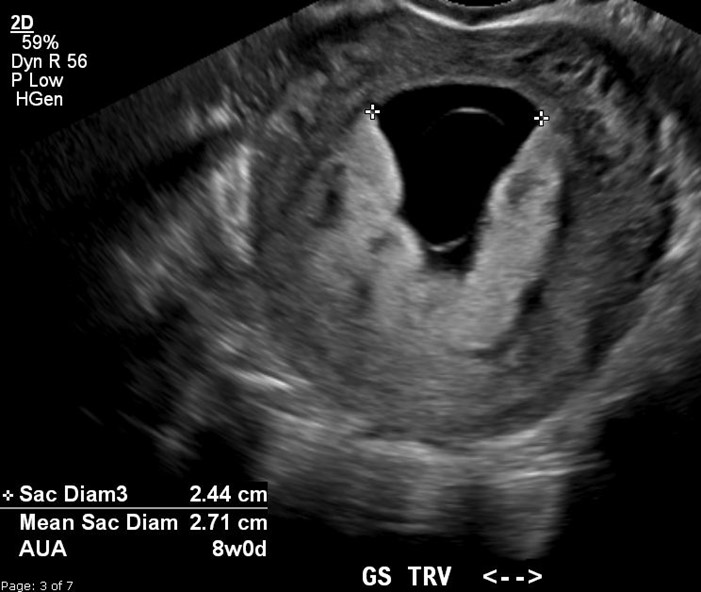
Part of a new SRU initiative, known as “SRU Presents,” this ARRS Featured Session will host the lead author of each of SRU’s four consensus statements [1–4] published over the past two-and-a-half years (Fig. 1), including routine pelvic ultrasound for endometriosis; ultrasonography of superficial soft-tissue masses; management of incidentally detected gallbladder polyps; and a lexicon for first-trimester ultrasound.
Fig. 1—Pathologically proven adenoma with high-grade dysplasia (courtesy of SRU)
Delivered as a quartet of didactic summaries, alongside practical cases from each corresponding publication (Fig. 2), “A Sound Investment: SRU Consensus Statements, 2022–2024” will detail the recent high-quality recommendations from these consensus panels, all of which included practicing radiologists and clinical experts in relevant fields.
Fig. 2—Transverse view of lower uterus with adhesions of deep endometriosis (arrows) to both ovaries, resulting in “kissing ovaries” typical of deep endometriosis (courtesy of SRU)
The expert moderators and lecturers for this ARRS Featured Session—all SRU fellows, as well as several past presidents of the society—will reinforce the modality’s most up-to-date nomenclature and guidelines (Fig. 3).
Fig. 3—Palpable “mass” (arrows) in right groin of patient with catheterization for cardiac ablation one month ago, corresponds to ill-defined, avascular region of increased echogenicity in subcutaneous fat, typical of fat necrosis (courtesy of SRU)
Specific “SRU Presents” lectures will focus on determining which gallbladder polyps do not require further imaging; how to describe and manage superficial soft-tissue masses; methods for augmenting routine pelvic ultrasound to detect endometriosis; and developing preferred terms and synonyms, as well as words to avoid, during first-trimester ultrasound.
All 2025 ARRS Annual Meeting registrants, in-person attendees and virtual participants, will be shown illustrative examples and have the opportunity to ask questions of the lead authors of these SRU Consensus Statements (Fig. 4), expediting their incorporation into routine dictation templates.
Fig. 4—Example of definite early pregnancy loss (EPL) with intrauterine gestational sac with mean sac diameter of 27 mm and no visible embryo (courtesy of SRU)
AJR Finds Interreader Agreement on SRU Incidental Gallbladder Polyp Recommendations
Earlier this year in ARRS’ own American Journal of Roentgenology (AJR), 10 abdominal radiologists showed substantial agreement for gallbladder polyp risk categorizations and surgical consultation recommendations, although areas of reader variability were identified [5].
“The findings support overall reproducibility of the Society of Radiologists in Ultrasound (SRU) recommendations,” wrote Mark A. Anderson, MD, from the department of radiology at Massachusetts General Hospital in Boston. “Nonetheless, efforts should seek to further improve the consistency of polyp risk categorization by radiologists.”
Anderson et al.’s AJR accepted manuscript included 105 patients (median age, 52 years; 75 women, 27 men) with a gallbladder polyp on ultrasound—without features highly suspicious for invasive or malignant tumor—who underwent cholecystectomy (January 1, 2003–January 1, 2021). Ten abdominal radiologists independently reviewed ultrasound examinations and, using SRU recommendations, assessed one polyp per patient for risk category (extremely low, low, indeterminate) and possible recommendation for surgical consultation. Interreader agreement was evaluated between five radiologists with less than 5 years of experience and five more experienced (≥ 5 years) radiologists. Polyps were classified pathologically, either neoplastic or nonneoplastic.
Ultimately, among 10 abdominal radiologists applying the SRU’s recommendations from 2022, interreader agreement for risk category assignments was substantial among all readers (k = 0.710), less-experienced readers (k = 0.705), and more-experienced readers (k = 0.692). Interreader agreement for surgical consultation recommendations was substantial among all readers (k = 0.795) and more-experienced readers (k = 0.740), and almost perfect among less-experienced readers (k = 0.811).
References
Young SW, Jha P, Chamié L, et al. Society of Radiologists in Ultrasound Consensus on Routine Pelvic US for Endometriosis. Radiol 2024 Apr; 311:e232191. doi: 10.1148/radiol.232191
Jacobson JA, Middleton WD, Allison SJ, et al. Ultrasonography of Superficial Soft-Tissue Masses: Society of Radiologists in Ultrasound Consensus Conference Statement. Radiol 2022 Jul; 304:18–30. doi: 10.1148/radiol.211101
Kamaya A, Fung C, Szpakowski JL, et al. Management of Incidentally Detected Gallbladder Polyps: Society of Radiologists in Ultrasound Consensus Conference Recommendations. Radiol 2022 Nov; 305:277–289. doi: 10.1148/radiol.213079
Doubilet PM, Benson CB, Bourne T, et al. Diagnostic Criteria for Nonviable Pregnancy Early in the First Trimester. Ultrasound Q 2014 Mar; 30:3–9. doi: 10.1097/RUQ.0000000000000060
Anderson MA, Mercaldo S, Cao J, et al. Society of Radiologists in Ultrasound Consensus Conference Recommendations for Incidental Gallbladder Polyp Management: Interreader Agreement Among 10 Radiologists. AJR 2024 May; 222:e2330720. doi: 10.2214/AJR.23.30720
In radiology, the new so often begets the novel. For imaging lung cancer, specifically, as innovative therapeutic options become more readily available, updated quantitative biomarkers are required to better buttress treatment selection, patient surveillance, and pharmaceutical development.
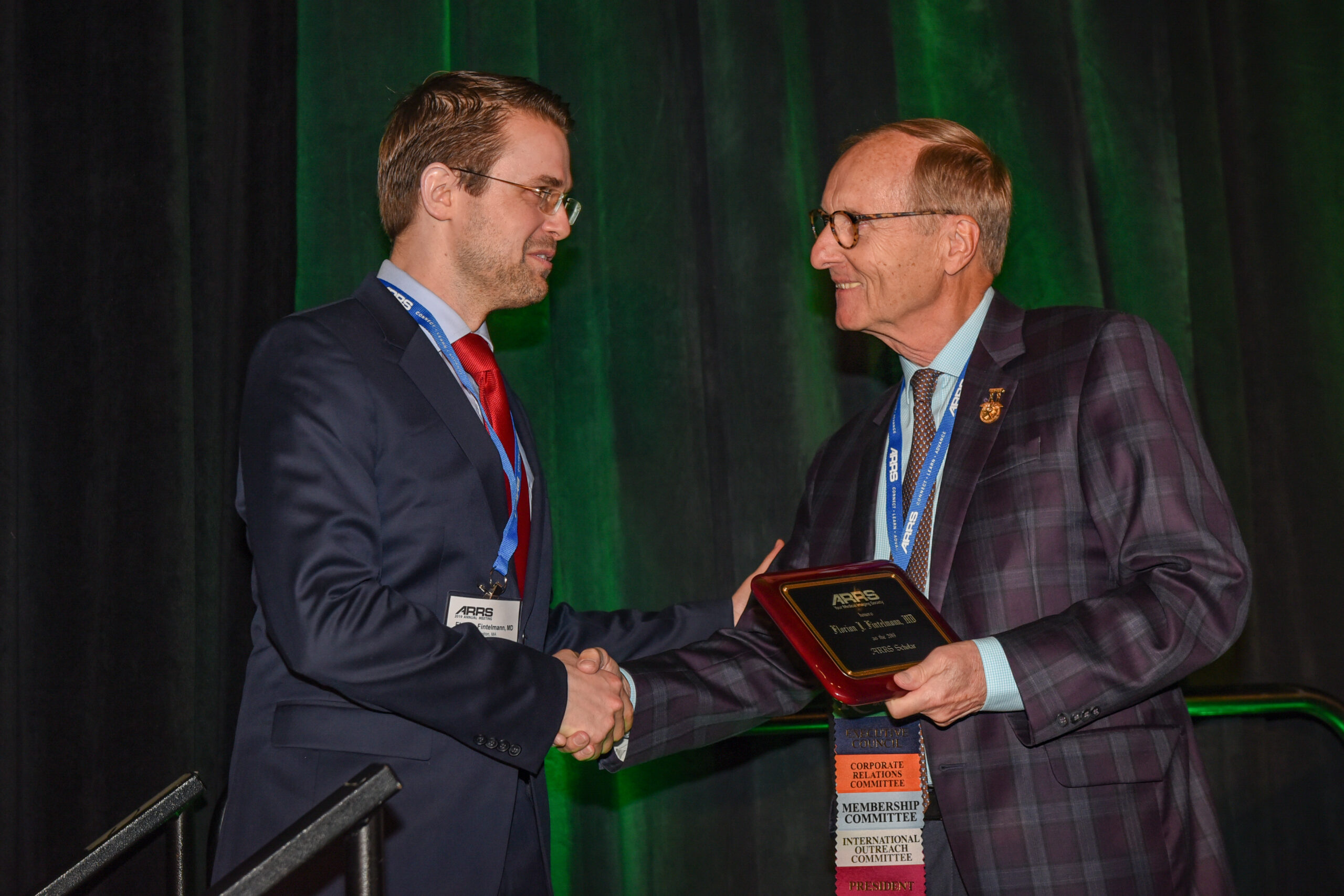
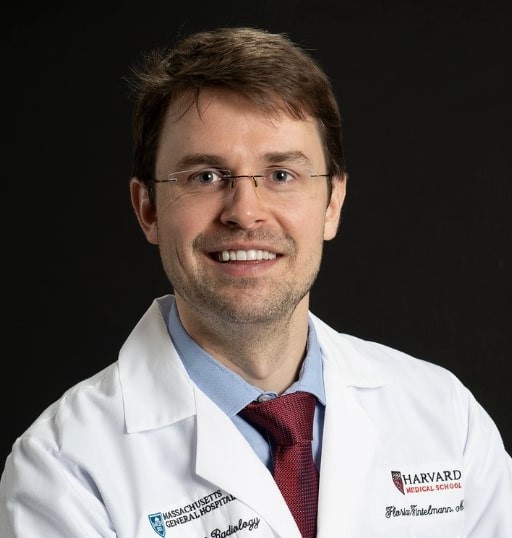
To be fair, Florian J. Fintelmann, MD, was already hard at work developing and validating imaging’s next generation of lung cancer biomarkers before becoming the 2019 ARRS Scholar. He just needed more time. Time to hone his understanding of critical oncological concepts in cohorts receiving mutation-specific therapies or immunotherapy. Time to investigate the relationship between CT body composition metrics, frailty, and cardiopulmonary function, while establishing reference values to support sarcopenia diagnosis. Time to define a leading role for chest CT beyond lesion detection, tumor staging, and surgical planning to patient-level prognostication.
Armed with a two-year, $90,000 grant from The Roentgen Fund®, as the assistant professor of radiology at Harvard Medical School and Massachusetts General Hospital staff radiologist explains, he got exactly what he wanted when he needed it the most.
InPractice: How has receiving The Roentgen Fund’s ARRS Scholarship informed your current research?
Florian J. Fintelmann, MD: My work as an ARRS Scholar has allowed me to dive deep into methodological questions, taking the time required to lay a solid foundation for many of the questions my Thoracic Imaging Percutaneous Thermal Ablation Team at Massachusetts General Hospital is addressing these days. The time afforded by this scholarship has allowed me to build up a multidisciplinary team, as well as apply for additional grant funding. The initial project that formed the basis for my ARRS Scholarship, “Advancing Lung Cancer Care With Imaging Biomarkers,” has morphed into multiple other projects. In addition, the Roentgen Fund’s provisioning of resources has since allowed me to develop a wide portfolio with three successful lines of research.
IP: And how has becoming an ARRS Scholar supported you, personally?
FJF: The Roentgen Fund’s support was instrumental in two distinct ways. Firstly, it enabled me to take classes at the Harvard School of Public Health. They have a wonderful summer course on clinical effectiveness, which allowed me to brush up on a lot of skills, learn several new ones, and connect with a very motivated community of budding researchers. Again, the other big aspect was protected time. Starting in 2019, I opted for the two-year model, meaning I had 50% of my time devoted to research during the duration of the scholarship. Of course, this ran right into the COVID-19 pandemic. So, while the world was being turned upside down, after initial trials and errors, I was able to claw back some of that protected time. Being an ARRS Scholar was a truly wonderful experience that allowed me to make significant inroads in terms of my own expertise and the team-building I do now with colleagues.
IP: Any advice for emerging researchers interested in applying for a Roentgen Fund fellowship?
FJF: My advice is simple: apply early. And if you’re not successful, apply again. In fact, I received my ARRS Scholarship on a second attempt. If you are at all interested in applying for any of the six Roentgen Fun scholarship programs, I strongly encourage you to do so because receiving one is a life-changing opportunity. It can take some practice, though. No one knows how to apply for a research or career award just by virtue of being a radiologist. Applying, and especially winning, are additional skills that you will need to learn to be successful. From writing up a plan to connecting with the right people, don’t be afraid to ask for help either.
IP: To whom did you look for help with your application, Dr. Fintelmann?
FJF: Particularly, I would like to shout out Dr. Anthony Samier, who was instrumental in helping me with the ARRS Scholarship application. Of course, my chair, Dr. Jim Brink, my division chief, Dr. Jo-Anne Shepard—the list goes on and on. There are a number of people who have made themselves available to help me move this forward. I appreciate everyone who supported me along the journey, and I want to say thank you to all those who believed I could do it.
IP: Since 1992, some 50 radiologists have been named ARRS Scholars. What’s it like knowing you, too, are on this list?
FJF: Becoming part of this legacy has been a critically important aspect of my research career. Looking back at so many prior scholars, and the community that’s been shaped by this shared experience, is really quite humbling. There are incredibly accomplished people on that list, some of whom I’ve had the pleasure of meeting or working with. Also, I think about those ARRS Scholars who will come after me. We’re all one big, happy family!
Fall is my favorite season, a time of change that invites us to slow down, reconnect, and nurture our wellbeing. As the air turns crisp and the leaves shift to rich hues, the season offers a unique opportunity to embrace balance and self-care.
The cooler temperatures make outdoor activities more inviting. Whether it’s a brisk morning walk or a weekend hike through the changing foliage, spending time outdoors in fall can improve mood and reduce stress. Nature’s beauty in this season also inspires mindfulness—being present in the moment, whether it’s during a walk or while enjoying a hot cup of tea.
Fall is also a season of nourishment. With harvests of pumpkins, apples, and squash, it’s a perfect time to incorporate warm, hearty meals that fuel both body and soul. Seasonal produce supports immunity and helps prepare us for the cooler months ahead. (See here for my favorite butternut squash soup recipe!)
As the days grow shorter, it’s natural to embrace rest. Fall is ideal for creating or refining evening routines that promote relaxation, such as reading, meditation, or enjoying a calming tea before bed. Prioritizing sleep and rest during this season help to restore energy and prepares us for winter.
Finally, fall encourages us to let go, just as the trees shed their leaves. It’s a time for reflection, to release stress or habits that no longer serve us, and to set new intentions as we approach the year’s end.
By aligning with the rhythm of the season, we can nurture our wellbeing and find peace in the transition that fall brings.
Lily M. Belfi, MD, FACR
Professor of Clinical Radiology
Director of Medical Student Education
Division of Emergency/ Musculoskeletal Radiology
Weill Cornell Medicine
In “Words of Wellness” on www.radfyi.org/, members of the ARRS Wellness Subcommittee share what “wellness” and “wellbeing” mean in their own clinical practices, research focuses, and everyday lives.
Dr. Belfi’s ARRS “Sound of Wellness” Playlist Selection:
Jay Parikh, MD Professor, Department of Breast Imaging, Division of Diagnostic Imaging University of Texas MD Anderson Cancer Center Chair, ARRS Quality and Practice Subcommittee
Over the past two decades, the practice of radiology has changed, with radiologists having become more isolated. With the digital revolution precipitating widespread implementation of both EHR and PAC systems, radiologists have increasingly worked from workstations with less patient contact and decreasing personal interactions with referring clinicians.
The COVID-19 pandemic further isolated radiologists. The initial social distancing requirements, use of PPE, promotion of remote work environments, and reduced meaningful social interactions during this era have amplified the loneliness of radiologists.
As humans, radiologists have a fundamental need to socially connect. And for good reasons: social isolation and loneliness, markers of poor social health [1], have been associated with multiple adverse psychological outcomes, especially sleep fragmentation [2], as well as anxiety and depressive symptoms. Studies suggest loneliness is a risk factor for stroke, as well as for hypertension, cognitive decline, and progression of Alzheimer’s dementia [3]. Restoring a sense of community—at work and beyond—can help radiologists overcome isolation, improve their overall wellness, and mitigate significant health issues.
How does a radiologist do so?
Radiology is a team sport, in which radiologists interact daily with patients, non-clinical staff, technologists, and other radiologists. In the workplace, these interactions can be leveraged to create a sense of community. A positive attitude among teammates can help create a bond of positive energy. Social gatherings organized by the clinical team, both within and outside of the department, can help further create camaraderie between members of the team.
Radiologists also have opportunities to develop connections with referring clinicians. Multidisciplinary tumor boards offer a unique opportunity for radiologists to interface directly or virtually with referring clinicians and become engaged in the care of complex patients. This collaborative atmosphere promotes personal job satisfaction.
Organizations can be instrumental in supporting a culture of community at work. Physician lounges provide a safe space for radiologists to interface with physicians from other specialties. Organization-led social events, such as fundraisers and family outings, may further promote a sense of collegiality.
Beyond the organization, another way for radiologists to connect with colleagues is to attend regional and national society meetings. A great example is the ARRS Annual Meeting, to be held next year from April 27 through May 1 in the beautiful backdrop of California’s San Diego marina. A wonderful medium to cross-fertilize ideas, this meeting offers opportunities to not only learn educational content from leading experts, but also to socialize and collaborate with other radiologists from around the globe.
2025 ARRS Wellness Symposium: Building a Radiology Community of Positivity
Helping us move forward in the wellbeing space during the ARRS Annual Meeting, our 2025 Radiology Wellness Symposium in San Diego will lay out a lot of the hard work done by many imaging centers to shift the narrative in our working environments. The widespread shortage of radiologists, combined with higher volumes and the prevalence of burnout, has been challenging radiology practices of all types.
Focused on hard-won practical solutions for workforce belonging and overall positivity, multi-generational leaders in radiology education, operations, and informatics will tackle the differing approaches for schedule optimization, multiple strategies to help those trainees who are unwell, better incorporation of international medical graduates, and the many benefits of proper coaching and mentoring.
As with all ARRS Annual Meeting sessions, live and virtual audience interaction remains welcome, especially during our question-and-answer portions, so I hope to see you in San Diego or online for the “2025 ARRS Wellness Symposium: Building a Radiology Community of Positivity!”
References
Campagne D. Stress and Perceived Social Isolation (Loneliness). Arch Gerontol Geriatr 2019. May–Jun; 82:192–199. doi: 10.1016/j.archger.2019.02.007
Griffin SC, Williams AB, Ravyts SC, et al. Loneliness and Sleep: A Systematic Review and Meta-analysis. Health Psychol Open 2020. Jan–Jun; 7:2055102920913235. doi: 10.1177/2055102920913235
Byrne C, Saville CWN, Coetzer R, et al. Stroke Survivors Experience Elevated Levels of Loneliness: A Multi-Year Analysis of the National Survey for Wales. Arch Clin Neuropsychol 2022 Feb 23; 37:390-407. doi: 10.1093/arclin/acab046
The mission of the American Roentgen Ray Society’s (ARRS) Global Partner Society (GPS) program is to build long-standing relationships with key leaders and organizations in the worldwide imaging community—increasing awareness of our society’s services in specific nations, while raising the stature of Global Partner Societies among ARRS members.
At the request of the Singapore Radiological Society (SRS), ARRS sent two breast imaging specialists, Drs. Jay R. Parikh and Donna M. Plecha, to present during the first-ever Singapore Breast Imaging Conference (SBIC) in May.
On day one, Dr. Parikh highlighted opportunities and concerns alike for the clinical embrace of AI in breast imaging. Leading lively discussions on burnout at large, he also moderated a panel and question-and-answer session on the challenges of locoregional staging and surveillance of breast cancer in Asian practices, specifically. (Please turn back to page 12 of this issue of InPractice to read more insights from Dr. Parikh, chair of ARRS’ new Quality and Practice Subcommittee.)
During the second day of SRS’ “Breast Imaging: Today and Tomorrow, Shaping Breast Care in Asia” conference at the Centre for Healthcare Innovation, Dr. Plecha discussed best practices for personalized breast screening, including critical updates to known, biopsy-proven malignancies in the sixth category of the American College of Radiology’s Breast Imaging Reporting and Data System (BI-RADS).
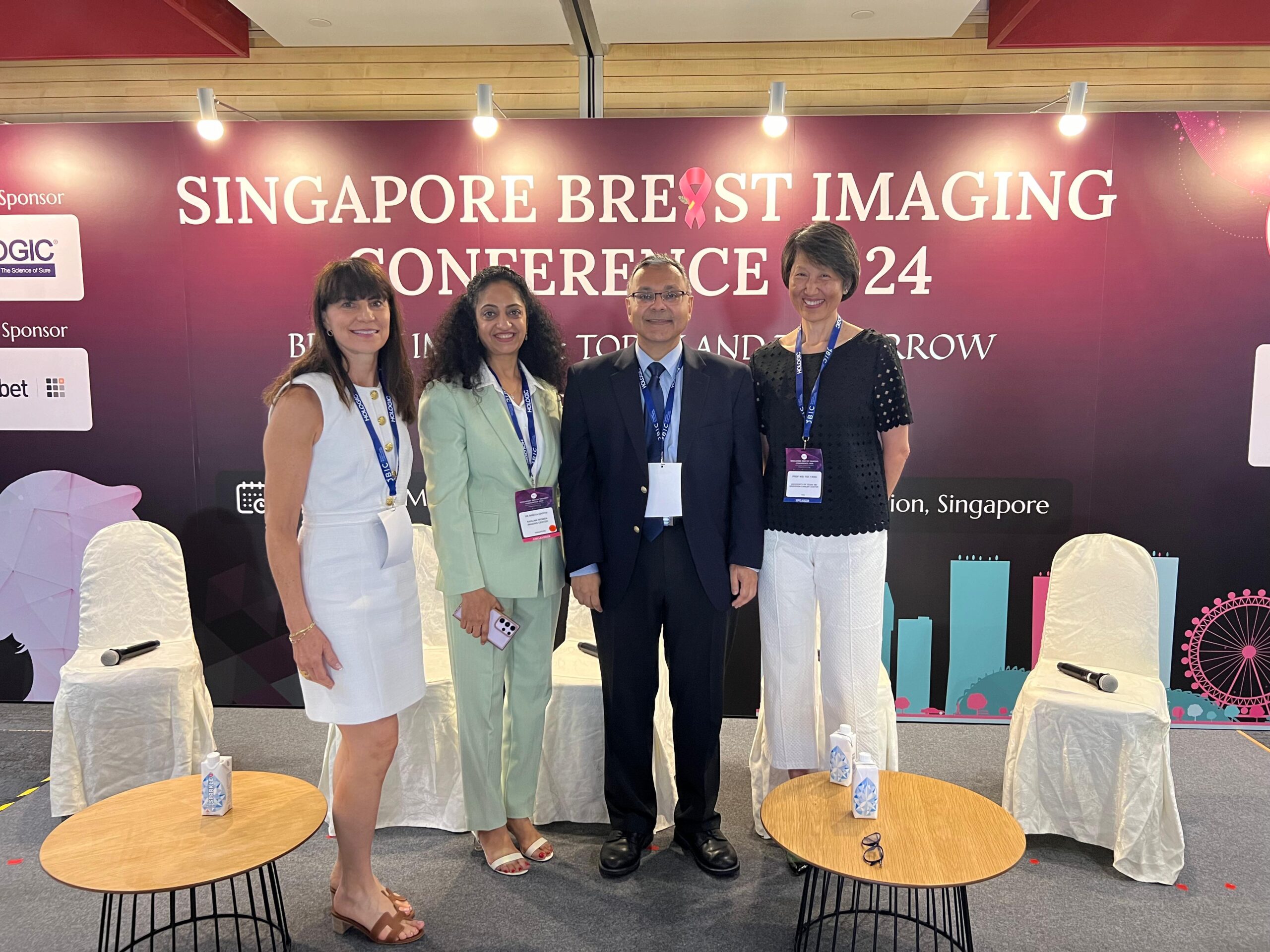
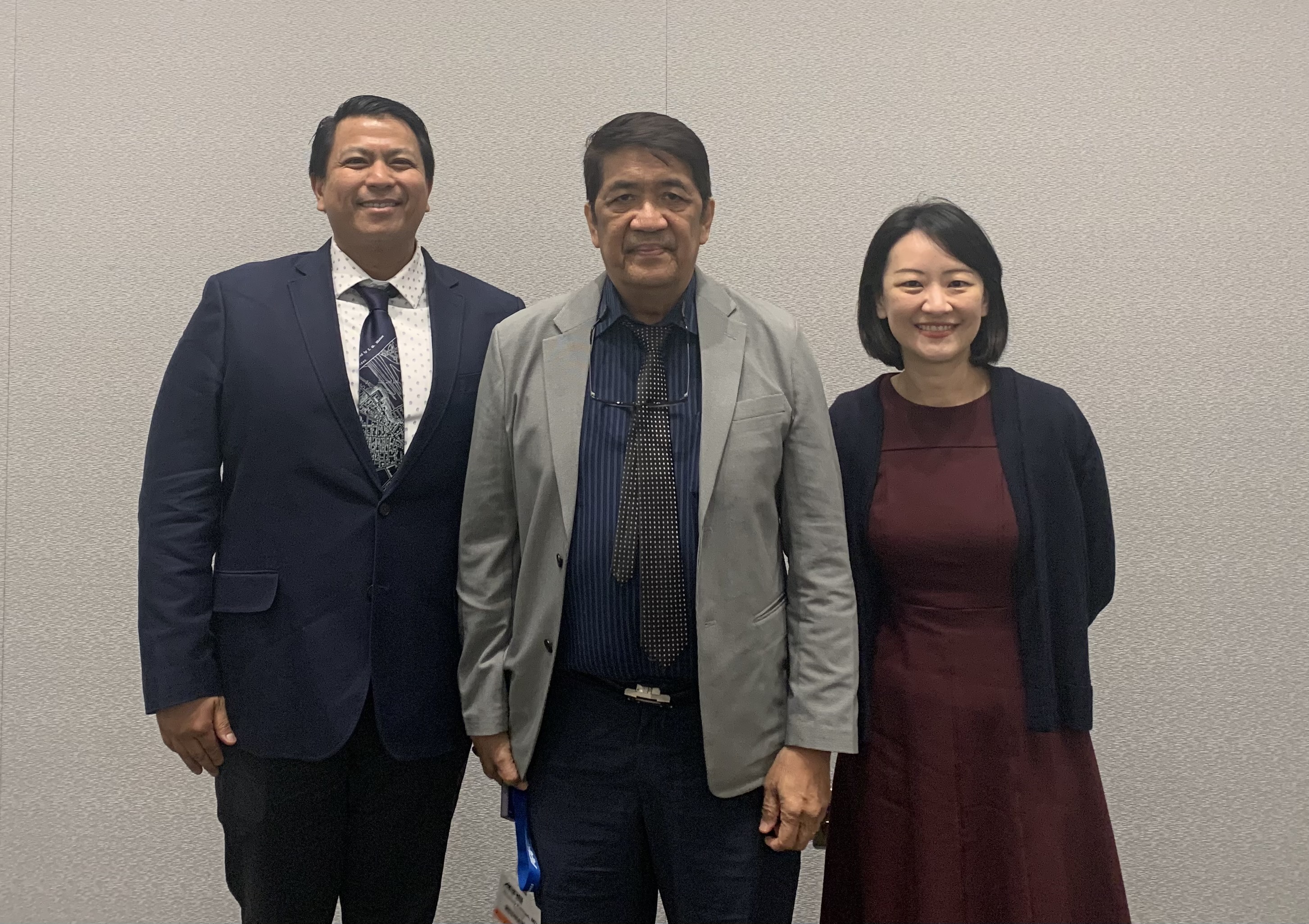
Drs. Donna Plecha; SRS SBIC Chair, Niketa Chotai; ARRS Quality and Practice Subcommittee Chair, Jay Parikh; and ARRS SRS Global Ambassador, Wei Yang
“The SRS wishes to express our sincere gratitude for ARRS’ support of our inaugural SBIC. Your support was truly invaluable,” said organizing chair Dr. Niketa Chotai.
She continued: “Both Jay and Donna were exceptionally knowledgeable, engaging, and approachable, and all attendees greatly appreciated their contributions, which significantly enhanced our collective knowledge. We truly believe their insights will positively impact breast care practices and patient outcomes in the region.”
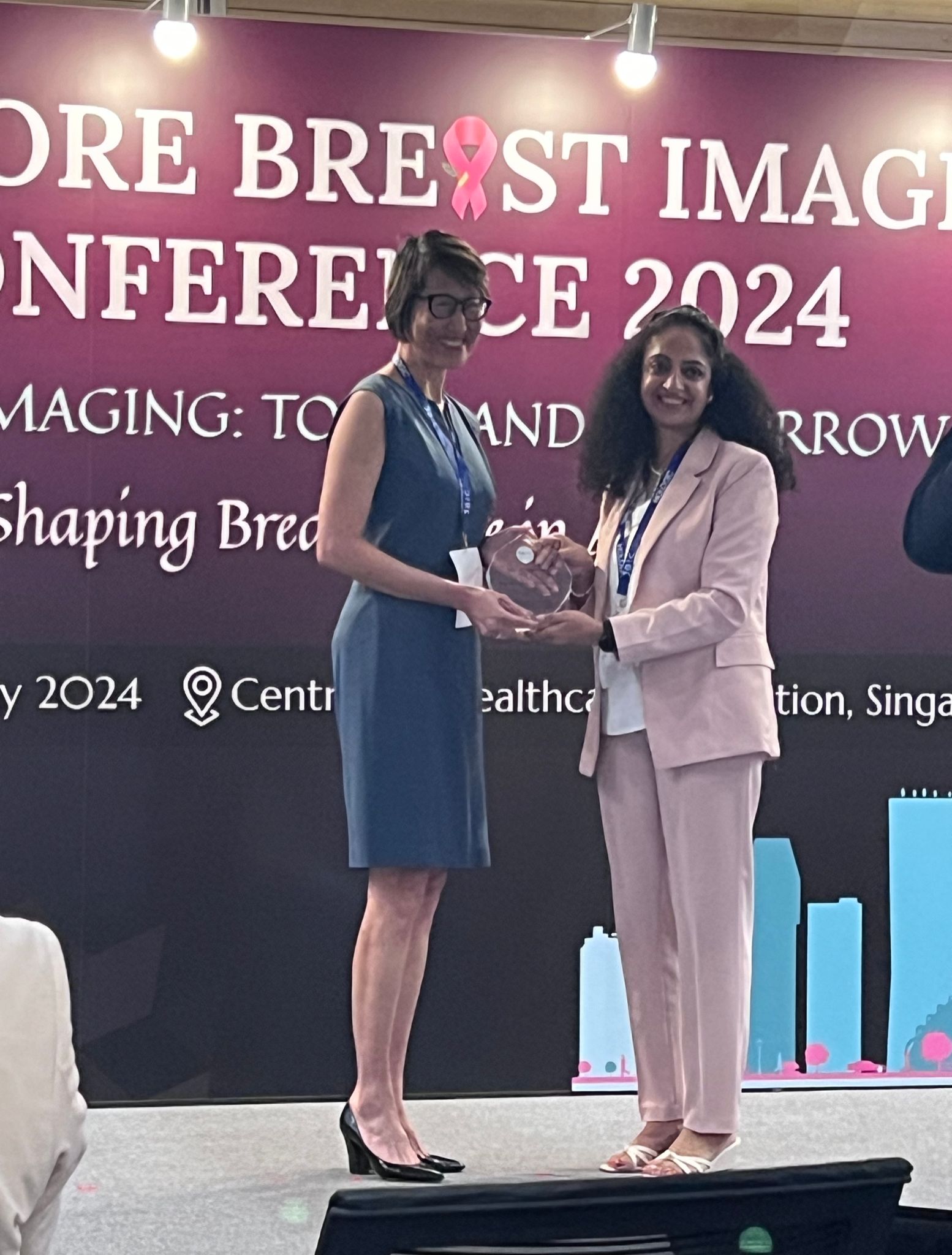
Also presenting during SBIC was our SRS Global Ambassador Dr. Wei Yang, who received SRS’ Glass Award on behalf of ARRS. Dr. Yang presented “Updates In Axillary Node Management: What The Radiologist Should Know” during Dr. Parikh’s panel, with additional lectures on the imaging of augmented breasts and how to develop social intelligence and international leadership for radiologists to survive and thrive.
Dr. Yang receives SRS Glass Award from Dr. Chotai on behalf of ARRS
The previous month, the entire ARRS membership proudly welcomed delegates from the Philippine College of Radiology (PCR), our newest GPS member, to the 2024 ARRS Annual Meeting at the John B. Hynes Veterans Memorial Convention Center in Boston, MA.
Founded in 1948, the PCR focuses on education and training for more than 2,500 radiologists, including some 1,000 in-training members. With chapters located throughout the country, as well as several dedicated subspecialty groups, PCR serves more than 50 accredited institutions. Each PCR chapter holds its own annual convention in their respective regions, while PCR subspecialty societies meet routinely for mid-year events and scientific meetings. While in Boston, current ARRS International Outreach Committee chair Dr. Carol Wu and Dr. Glenn Gaviola, ARRS Global Ambassador for PCR, held a global partner meeting with PCR treasurer Dr. Rodney Fernan.
Drs. Glenn Gaviola, ARRS PCR Global Ambassador; Rodney Fernan, PCR Treasurer; and ARRS International Outreach Committee Chair, Carol Wu
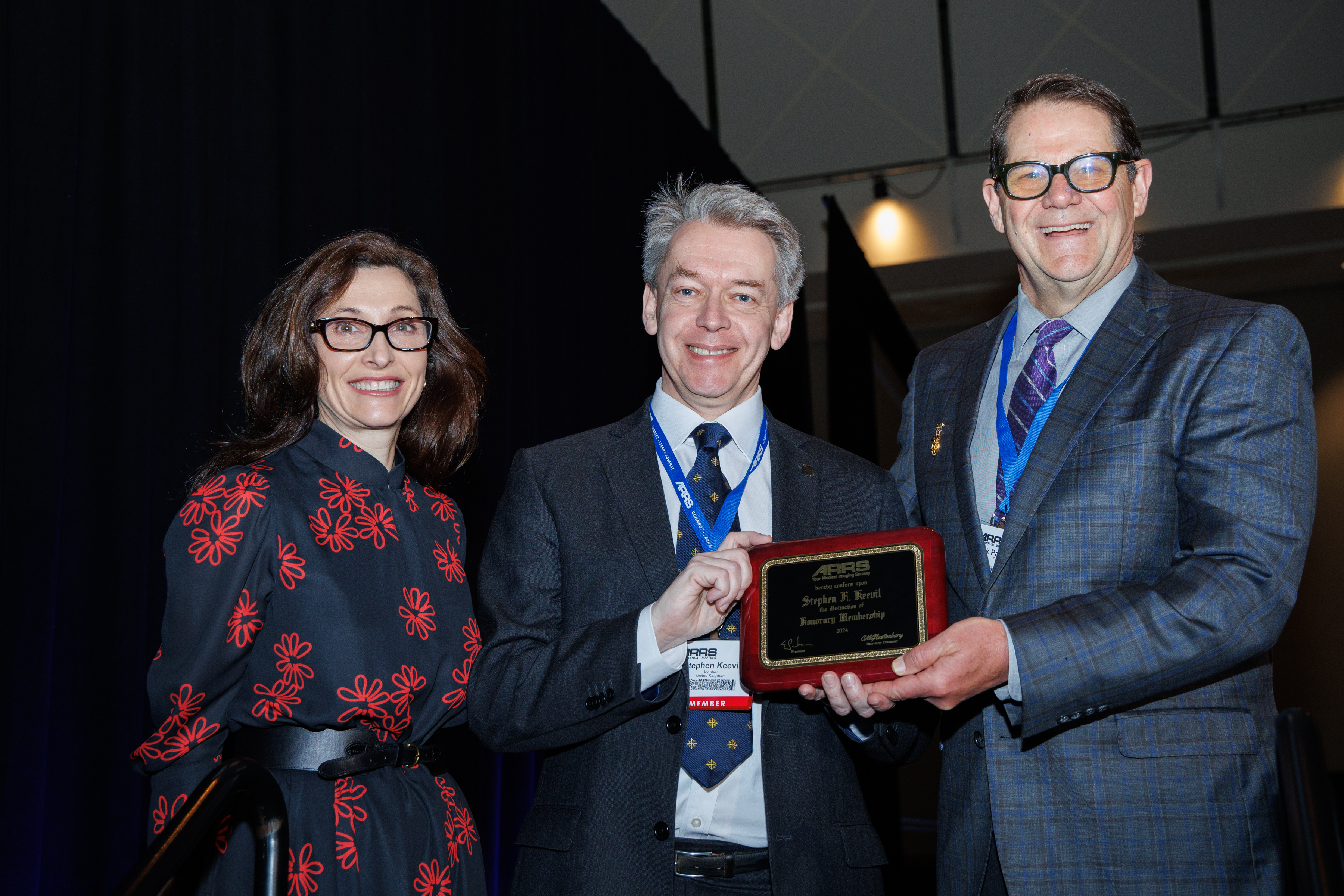
Also this May, Stephen F. Keevil, PhD, president of the British Institute of Radiology (BIR)—the oldest medical imaging society in the world—was recognized with honorary membership via the ARRS Annual Meeting Global Exchange. Our Annual Meeting Global Exchange incorporates one partner society annually into the educational and social fabric of our meeting, with ARRS reciprocating at said partner society’s own meeting. Professor Keevil served on the faculty for the 2024 ARRS Annual Meeting Global Exchange, “Screening Patient Pathways Across the Pond: Highlights and Challenges for Radiology in the UK and USA.” Reviewing current practice standards for screening lung and female breast cancer in both nations, this two-hour Featured Session addressed common techniques and comparative difficulties of maintaining an effective screening program.
An international organization with members in imaging, radiation oncology, and underlying sciences, since 1897, the BIR has worked to improve medicine, health, and patient care through the science and practice of radiology.
Drs. Christine M. Glastonbury, ARRS Vice President; Stephen F. Keevil, ARRS Honorary Member; and Erik K. Paulson, 123rd President of ARRS
The 2025 ARRS Annual Meeting Global Exchange will host the Mexican Society of Radiology and Imaging (SMRI) in San Diego, CA. ARRS Global Exchange course director Dr. Daniel Vargas is working with SMRI and ARRS faculty to present a comprehensive course on advances in cardiac imaging.
In April, then ARRS president-elect Dr. Angelisa M. Paladin traveled to Yokohama to represent our society at the 83rd congress of the Japan Radiological Society (JRS). During a lively session on human resources in radiology, led by JRS faculty Drs. Seun Eun Jung and Kei Yamada, the Dr. Paladin detailed current initiatives for nurturing success and happiness during radiology residency training (Read Dr. Paladin’s column regarding living and working happier on this second page of this edition of InPractice). Additional speakers for this JRS session devoted to developing the next generation of radiologists included Drs. Masashi Tamura, Yoshiyuki Watanabe,Stefan O. Schönberg, and Thomas M. Grist.
Established in 1950, the 7,500-member JRS remains Japan’s leading society in the field of radiological sciences.
Dr. Angelisa Paladin, 124th ARRS President
Free-Access GPS Resources: Southern African Chest Lectures, Argentine Head and Neck Tips
This summer, ARRS launched a brand-new Global Education course with the Radiological Society of South Africa (RSSA). Collaboratively assembled by Dr. Abraham (Fourie) Bezuidenhout, ARRS Global Ambassador for RSSA, the four lectures of the “Southern Africa Thoracic Radiology Lecture Series: RSSA-ARRS Education Initiative” were presented live on a monthly basis all last year. The result—now free and open-access through our GPS education program—has quickly become a popular online series of important topics in thoracic radiology:
Acute Aortic Syndrome | Diana Litmanovich, MD
A Chest Fellowship in 45 Minutes: Useful Information for the Resident | Fourie Bezuidenhout, MD
Cystic (and Smoking) Related Lung Disease | Brent P. Little, MD
Lung Biopsy Complications and How to Minimize Them | Olga R. Brook, MD
Established in 1974 as the Professional Association of Radiologists in South Africa, RSSA has since expanded to include Botswana, Namibia, and Zimbabwe. With a membership base of almost 1,000 individuals and nearly 100 practices, RSSA’s South African Journal of Radiology (SAJR) publishes research articles, editorial letters, and personal opinions on radiological practice, as well as South African health-related news, obituaries, and general correspondence. Razaan Davis of Stellenbosch University is the Editor in Chief of SAJR.
Meanwhile, “Tips and Tricks on Head and Neck” was developed as an ARRS Global Education course by Dr. Carlos Previgliano, ARRS Global Ambassador, alongside the Argentina Society of Radiology or Sociedad Argentina de Radiología (SAR). This course presents five high-impact lectures reviewing fundamental neuroimaging topics:
Suprahyoid Neck: What the Clinician Wants to Know | Christine M. Glastonbury, MD
Infrahyoid Neck: What the Clinician Wants to Know | Justin Brucker, MD
Do Not Miss Head & Neck Lesions | Aaron Michael Betts, MD
Tips and Tricks for Evaluating Perineural Spread | Jennifer Gillespie, MBBS
Rapid-Fire Case Review: Head and Neck | Xin (Cynthia) Wu, MD
SAR has maintained prolific activity since its founding in 1917. Convening annually in September for the premier event in the country for the specialty, SAR congresses have hosted distinguished radiologists and physicians from across Argentina and around the globe. Having developed instructional resources of differing scope and complexities, SAR’s course on diagnostic imaging has been offered for over a quarter-century—presently through the University of Buenos Aires. A council of the society also designed and maintains a nationwide professional certification and recertification program. Additionally, SAR helps promote the research pursuits of young and emerging professionals, permanently instituting scholarships and prizes for exceptional scientific work.
Going forward, I want to use my InPractice column to share more of the major principles of being and working happier with the full membership of the American Roentgen Ray Society (ARRS). Perhaps the biggest hurdle to happiness is how we think about it. Many physicians do tend to feel like happiness is this destination. ‘I just have to get happier,’ or so we tell ourselves.
But as Dr. Arthur C. Brooks, endowed professor at Harvard’s Kennedy and Business Schools, has reminded me, true happiness is directional—a direction and the steps you take. Teaching one of the most requested classes at Harvard, Dr. Brooks heads up the Leadership and Happiness Laboratory as well, and I’ve had the pleasure of speaking to him. He’s a wonderful person who has contributed to increasing my understanding of the science of happiness.
If we take a look at our environment in the social media age, the consumer economy focuses our attention on money, power, pleasure, and prestige. There are several traps in defining happiness these ways. Dr. Brooks likes to talk about how one of the chief components of happiness is enjoyment. But what’s the difference between enjoyment and pleasure? Pleasure is something that is kind of hedonistic. It hits our limbic system, making us want more. Think of that French fry! You have one French fry; you want the next French fry (at least I do).
Enjoyment is different. Science has shown that enjoyment hits a different part of the body. Chemically, enjoyment on functional MRI is not in the limbic system, but instead within the prefrontal cortex. And researchers have found that enjoyment comes from being with others and creating memories. Indeed, enjoyment is very different.
Another big one, satisfaction, is defined as what you have, divided by what you need. At many points in our lives, we can’t help but to think about consumerism: I need to have more. I have to have more money, a longer vacation, etc. This feeling rises, peaks, and then in our mid-40s, people start to recognize that what they need and what they have can be decreased. They start simplifying. Based in gratitude, genuine satisfaction is looking at what you have, then being satisfied.
The last component of happiness is interesting: meaning. With meaning, it’s often struggle, strife, and pain. Naturally, a lot of people have questions, asking ‘Why is this happening to me, versus in life, and what can I learn from this experience to grow?’
Maria Antónia Serrano Department of Radiology Portuguese Institute of Oncology of Coimbra
The residency program in Portugal is achieved through the National Access Competition for Specialized Training. The process begins with candidates completing a medical degree, including a master’s degree in medicine from a recognized university. After obtaining this degree, candidates must take the National Access Exam, which evaluates the knowledge acquired during their medical training. The score obtained in this exam is crucial for the selection of both the specialty and the training location.
Based on National Access Exam scores, candidates choose their medical specialty and the hospital or oncological institution where they will train. The selection is made according to ranking, with higher-scoring candidates having priority in their choices. Once selected, the candidates begin their residency in their chosen medical specialty.
Radiology is a vital and dynamic medical specialty in Portugal, playing an essential role in both diagnosis and treatment. The radiology residency program in Portugal spans 60 months and offers comprehensive training designed to equip residents with the necessary skills and knowledge to excel in this field. Approximately 30 hospitals or oncological institutions across Portugal provide training for radiology residents. These institutions are located in the north, central, south, and islands of Portugal, ensuring a wide geographical distribution of training opportunities. Each offers unique learning experiences and exposure to diverse patient populations and medical conditions, such as specialized oncological centers.
The first 48 months of radiology residency involve mandatory training in conventional imaging, covering bone densitometry, ultrasound, MRI, CT, and interventional radiology techniques. Residents rotate through these different modalities, gaining hands-on experience and developing their diagnostic and technical skills.
During these rotations, residents are exposed to a broad range of anatomical areas, such as musculoskeletal, nervous, cardiovascular, genitourinary, and digestive systems, as well as head and neck, chest, breast, and pediatric radiology. This diverse exposure ensures that residents become well-rounded radiologists capable of addressing a wide variety of clinical scenarios.
The final 12 months of the program are dedicated to specialization. Residents typically choose up to two areas of focus, each lasting six months, allowing them to delve deeper into specific fields of interest and further refine their expertise.
Throughout their training, residents also complete a 12-hour emergency shift each week, working as part of a team that includes both residents and specialists.
Radiology residents in Portugal are encouraged to actively participate in academic and research activities. They should aim to present posters at national and international conferences and publish relevant articles in indexed scientific journals.
In 2016, a survey conducted among Portuguese medical residents assessed their satisfaction with their medical residency in Portugal [1]. Regarding radiology, 94% of surveyed doctors responded that they would choose radiology as their specialty again, demonstrating high satisfaction with their residency in this specialty. The radiology residency program in Portugal is a rigorous and comprehensive training pathway that prepares residents to become skilled and knowledgeable radiologists. Through a combination of clinical rotations, academic learning, research activities, and emergency duties, residents gain the expertise required to excel in this rapidly evolving field. The emphasis on research and academic participation further enriches the training experience, ensuring that graduates are well-equipped to contribute to the advancement of radiology.
Reference
Martins MJ, Laíns I, Brochado B, Oliveira-Santos M, Teixeira PP, Brandão M. Satisfação com a Especialidade entre os Internos da Formação Específica em Portugal. Acta Med. Port. 2015 Mar-Abr;28(2):209-221
First, I want to thank Dr. Erik Paulson for an incredible year of leadership. It has been such a joy to work with Erik over these many years, and I am honored to have him pass me the ARRS gavel.
Also, I am extremely proud to announce that ARRS is doubling-down on its commitment to providing the best education to members by launching a second journal! Designed to complement AJR, this brand-new journal is going to be image-rich. It’s going to be published bi-monthly, starting in 2025, and it’s going to be called the Roentgen Ray Review, or R3. And I am happy to say that R3’s inaugural Editor in Chief is Dr. John Leyendecker. John welcomes any thoughts on what our members would like to see in this new journal from ARRS.
I’m most excited to discuss the science of happiness, a topic dear to my heart, here in the pages of InPractice. Why is happiness important? Why, or how, do we link happiness with the workplace? It’s something that we should consider often.
Right now, if I ask you to recall a happy memory, many of us will think of things outside of work. Work doesn’t immediately come to mind. I find this incredibly interesting: where is the word “work” derived from? Let’s start there. It’s Latin from “trepaliare,” which means to inflict suffering. I kid you not. You can’t make this up, right? Okay, how we link this to medical care, in particular, is that data show our happiness—our job satisfaction—is the most important factor determining quality of care. We need to care about our team, and we need to take care of ourselves. We have to be grounded, knowing that wellness is critically important in health care. Data have also shown that for people who are happy and satisfied at their jobs, their production is better, and they don’t call in sick. For all of us involved in leadership, we know the cost of staff turnover.
So, how are we doing? Let’s talk about our baseline. There was a U.S. survey that went out to all physicians, and the response was huge because people really do care about this topic. 25% of all physicians reported being happy at work.
Drilling down, how happy are radiologists? In 2022, we ranked 20th of 29 specialties. A whopping 60% of radiologists reported feeling burnt out. The two largest factors contributing to that burnout were long hours and, interestingly, a feeling of lack of respect for their specialty. Another survey went out, and again, 63% of radiologists reported at least one burnout measure. When imaging leaders were polled, 80% recognized this as a significant problem, but only 20% of those same leaders felt that they had adequate mechanisms at their disposal. There’s a trickle-down effect here, too. Everyone working with colleagues, residents, and trainees: if you are not doing well, they will feel it. And if mama ain’t happy, the house isn’t happy.
We can couple these surveys with data from the Association of American Medical Colleges that just came out predicting we’re going to have a shortage of 10,000–35,000 radiologists by 2034. As we all know, COVID intensified this issue, as many radiologists cut back their hours or took early retirement. Then, we have an aging population. In the next decade, 2 out of 5 active physicians will turn 65 years old. If you think about these personnel shortages, this personal dissatisfaction, we need to be talking about wellness initiatives aimed at our happiness.
So, let us talk about it. Personally, when I think about happiness, it conjures up many fun feelings of my family, my dog. About five years ago, though, I was not happy. I was struggling at work and with the meaning of my work. In fact, I reached out to many of you reading this message now. I was going through a transition, and my closest girlfriend at home happened to be a good friend of Arthur C. Brooks, an endowed professor at Harvard’s Kennedy and Business Schools. (Actually, Dr. Brooks teaches the most requested class at Harvard, leading a happiness lab as well, and both are hard to get in to!) My friend said, “I’m going to give you his book. I want you to read it, and then, we have to talk about it.” And it really was life-affirming and life-changing. Moving forward here in InPractice, I will share some of the major principles of being and working happier. One of the biggest is that a lot of us tend to feel like happiness is this destination. ‘I just have to get happier,’ we tell ourselves. But as Dr. Brooks points out, true happiness is a direction—a direction and the steps you take. We may not always be able to find happiness, especially at work, but we can be happier. Stay tuned!