
Category: Uncategorized

  • Retire? How Is That Going To Go? Pretty Well, Actually.

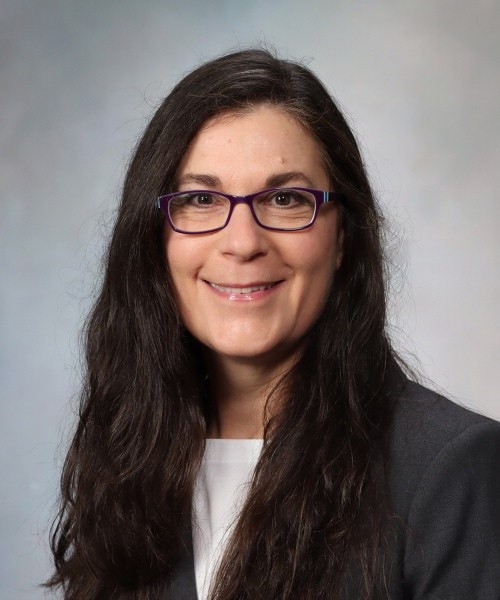
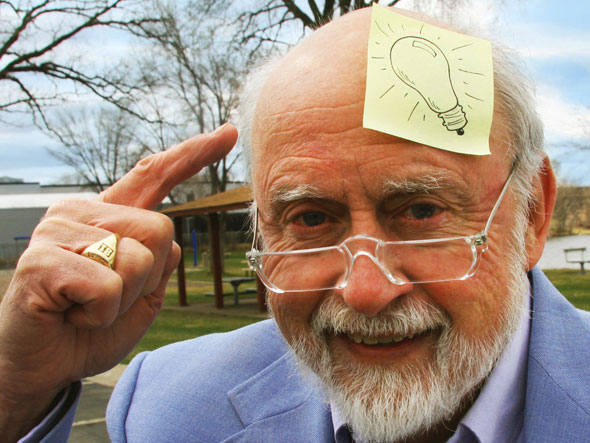
    Harry Agress, Jr., MD | ARRS Emeritus Member

    Author, Next Years Best Years—Taking Your Retirement to the Next Level 

    Retirement is one of the most unique, fulfilling, and exhilarating opportunities we will ever experience. Yes, I know, some of you may find that hard to believe. So did I, as I saw this major life transition sneaking up over the horizon and then, certainly, as I started to actually live it 10 years ago. 

    Why wouldn’t this be a major concern, a challenge, a mystery. We’ve been working at medicine and radiology for decades—at least since college or before (most of us finished our education/training in 22nd grade). Only a few vocations require this degree of involvement, so seeing it change or end can be a major shock. But have faith—there is more than hope down the line.

    The first big question: “Is it time for me to retire?” There are many factors that determine when we decide, as they say, to put down the stethoscope (that is a piece of instrumentation used before an MRI or PET/CT is ordered). It is deeply personal, involving the interplay of fulfillment, health, finance, stress, and one’s specific life circumstances. Many ask, “What am I going to do in this vast new space?,” “What will give me a sense of purpose?,” and “Will I be able to create new personal connections?”

    The good news is that, as radiologists, we are curious, self-motivated, goal-oriented, and like to learn. Whether you are simply contemplating retirement or are well into it (but need a fresh look at who you are and where you wish to be), one approach to retirement (which I prefer to call “rewirement”) is to ask a few questions, such as:

    • What gives me satisfaction?”—for me; learning, teaching, being creative and productive
    • What am I willing to try (new or reconnecting)?” e.g., writing, volunteering, acting classes, and improving my photography

    Unlike prior generations, our next phase will be a more dynamic and fluid process as it may last a quarter of a lifetime. Therefore, self-awareness becomes extremely important in order to have a truly fulfilling and joyful experience,

    Several things can make our retirement easier. The first is our “Experienced Brain.” We have learned a great deal about medicine, radiology, and life. It is a wonderful thing to pass this knowledge on to residents or medical students. I have loved voluntarily sharing what I have learned with radiology residents because it makes me stay informed and allows me to be engaged with a younger generation. You may want to teach in a totally different field, bringing to mind one physician who became a grade school teacher.

    Another big advantage: If you don’t want to give up imaging entirely, there is always teleradiology, especially if you can set your own level of commitment. As this is still isolating, I would recommend balancing it with other non-medical interests, so that you keep developing and can become part of new communities.

    Suffice it to say that when you are absolved of the responsibilities of work, the things you can explore and accomplish are endless. Plus, there are several other advantages that come with retirement, such as freedom from failure and freedom from comparing ourselves to others. The idea is to dive into new interests just for the sake of trying something different. If it is rewarding, keep going; if it is not, just move onto the next thing. No judgment involved. You may want to get back in touch with passions from your past or think about “What would I have done, had I had not become a physician?”

    You never know where these new forays may take you. My photography ultimately led to something that gave me great satisfaction – donating my prints to hospitals to create a more welcoming and calming environment for patients, their families, and the staff who care for them. (When you are donating, competition goes out the window.)

    So, time to see yourself in a different light and be open to a new, invigorating, and adventure-filled world. Enjoy the journey!


    Dr. Agress retired 10 years ago, following a 36-year practice of diagnostic radiology and nuclear medicine. He continues to voluntarily teach at Columbia Presbyterian and Weill Cornell Medical Centers. You can learn more about Next Years Best Years, his resource for personal and emotional well-being, at NextYearsBestYears.com.
  • Precision Imaging in Rectal Cancer: ARRS, RANZCR to Sharpen Staging and Surveillance

    Precision Imaging in Rectal Cancer: ARRS, RANZCR to Sharpen Staging and Surveillance

    With therapies evolving and technology updating, radiologists the world over are ready to rise to the challenge of delivering more precise staging and follow-up for rectal cancer.

    On Sunday, April 12 in Pittsburgh, PA, abdominal imaging experts from both hemispheres will convene at the David L. Lawrence Convention Center and online for Rectal MRI, the 2026 ARRS Annual Meeting Global Exchange course featuring faculty from the Royal Australian and New Zealand College of Radiologists (RANZCR).

    Codirectors Aliya Qayyum (ARRS) and Kirsten Gormly (RANZCR) are bringing together the field’s finest to share evidence-based insight and technical pearls designed for immediate clinical application. For radiologists seeking to refine staging, elevate posttreatment evaluations, and stay ahead of emerging imaging biomarkers, this expertly curated course offers globally relevant guidance.

    Rectal MRI: A Cornerstone of Modern Care

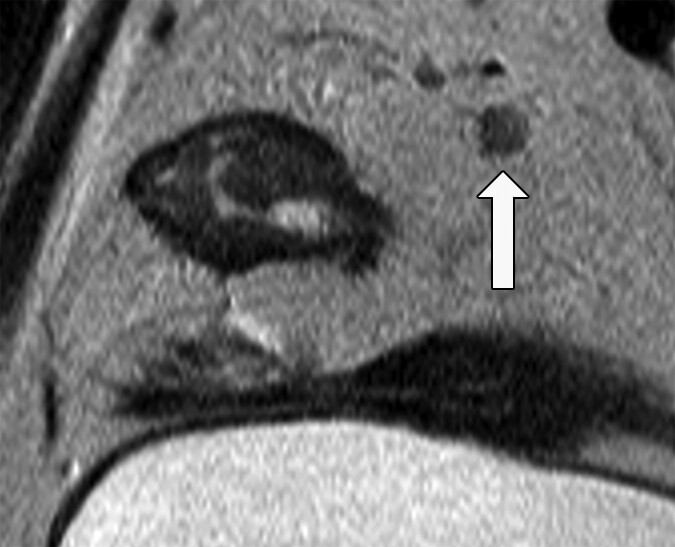
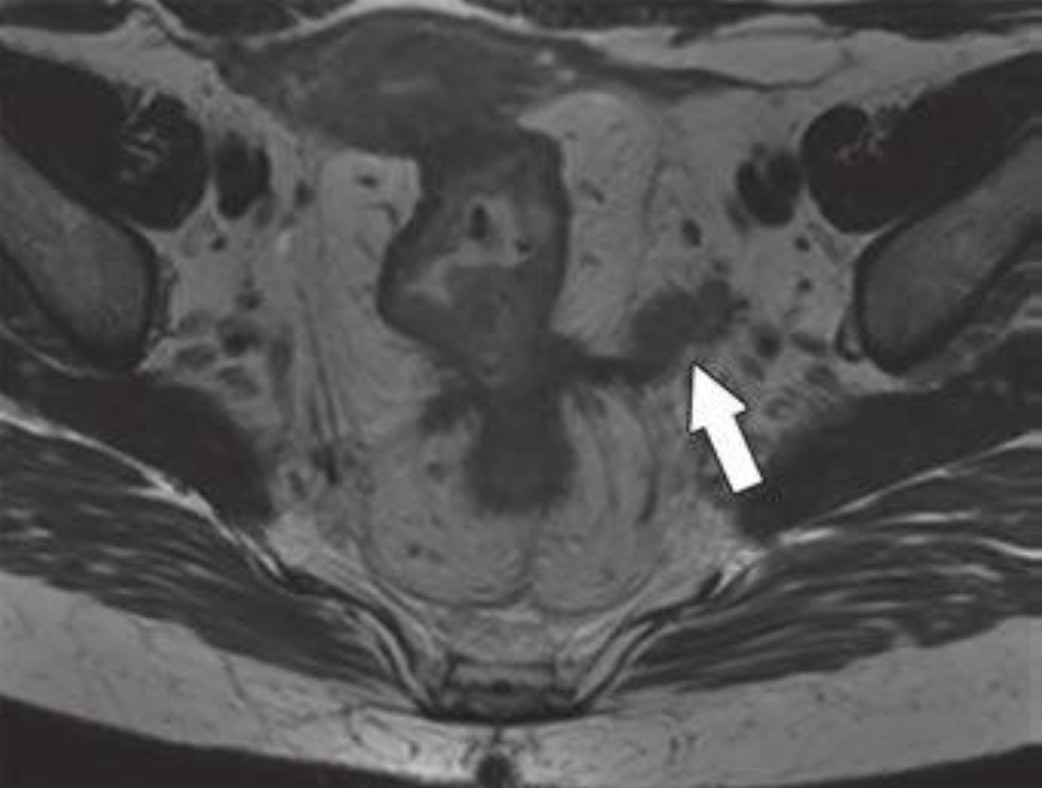
    Once an emerging tool, rectal MRI is now the gold standard for staging, enabling assessment of the T stage and detecting key prognostic features such as mesorectal fascia involvement (MRF) and extramural venous invasion (EMVI) (Fig. 1).

    Fig. 1—59-year-old patient with rectal cancer with extramesorectal
    vessel involvement, consistent with T category of T4b. Axial (top) and
    axial oblique (bottom) T2-weighted images show rectal tumor that extends
    through extramesorectal vein (arrow), which according to expert opinion
    warrants classification as T4b.

    Dr. James Costello (ARRS) will lead a session on foundational principles of T staging, MRF, and EMVI, emphasizing actionable strategies to refine reports and guide multidisciplinary teams. Building upon Dr. Costello’s foundation, Dr. Verity Wood (RANZCR) addresses the myriad nuances of assessing lymph nodes and how to identify poor prognostic tumor deposits. Pointing out pitfalls left and right, her lecture during the 2026 ARRS Annual Meeting Global Exchange with RANZCR will provide the latest imaging criteria to help radiologists render more confident interpretations.

    From Early Detection to Posttreatment Decision-Making

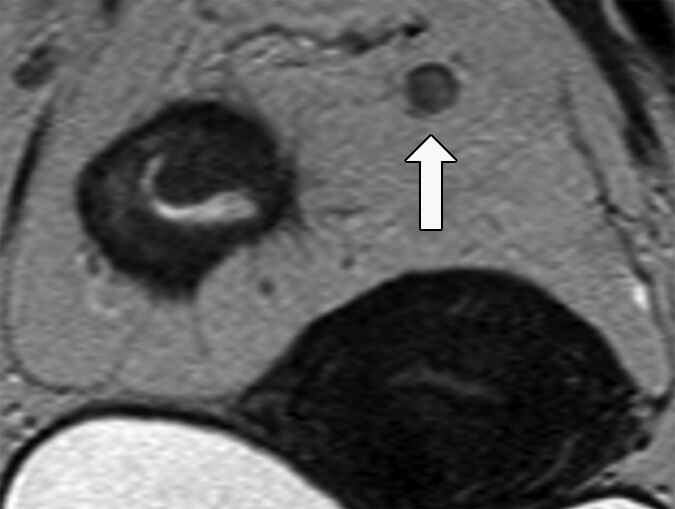
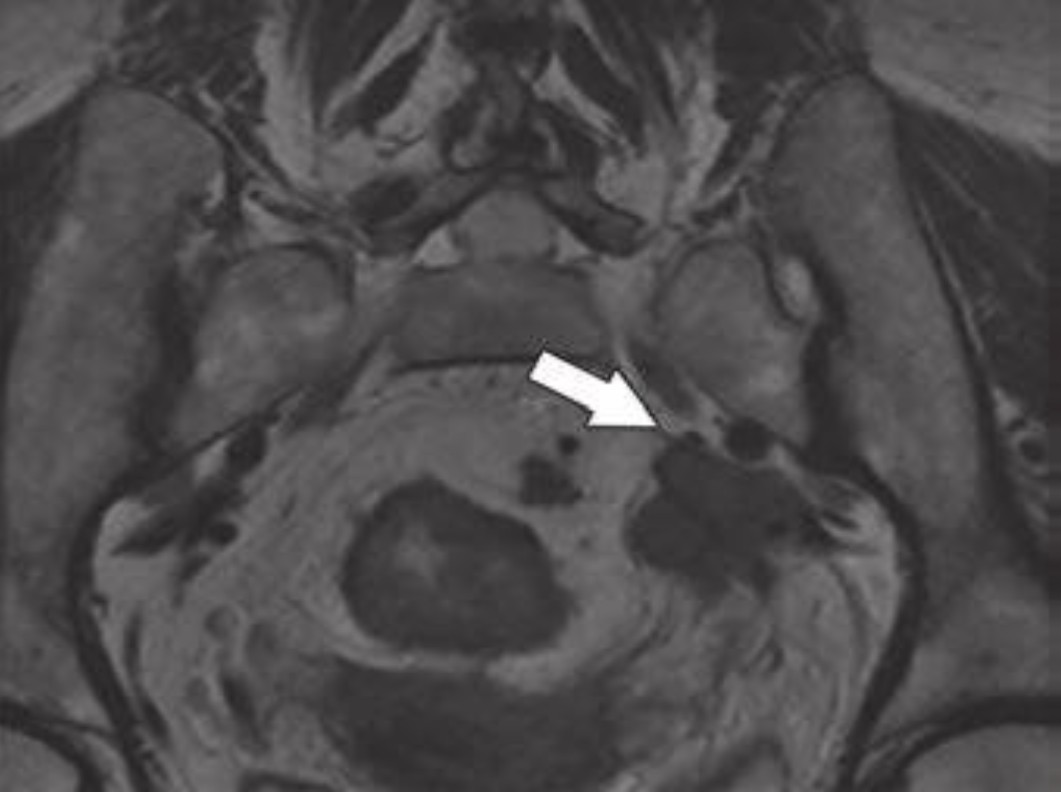
    As screening programs detect more early-stage tumors, MRI also has the ability to evaluate these lesions. Dr. Gormly will discuss how to assess early cancers and why acquisition technique for high-resolution T2-weighted images directly impacts interpretive accuracy for all rectal MRI parameters (Fig. 2).

    Fig. 2—Morphologic features of metastatic mesorectal nodes on MRI
    and potential pitfalls in assessment. 58-year-old woman with rectal
    adenocarcinoma. Oblique axial T2-weighted MRI (left) shows apparently
    spiculated node (arrow). Graininess of image is related to poor signal-tonoise
    ratio (SNR). Coronal T2-weighted MRI (right) shows that same node is
    homogeneously T2 hyperintense with dark capsule (arrow), which is typical
    of reactive mesorectal node. This image has superior SNR. Suboptimal images
    can lead to erroneous assessment of nodal morphologic features. This
    patient proceeded directly to surgery. Total of 38 lymph nodes (0.3–1.3 cm)
    were harvested. Eleven of larger lymph nodes were serially sectioned before
    submission for histologic processing. Final pathology revealed T3N0 disease.

    Of course, staging is only part of the story. With the emergence of total neoadjuvant therapy (TNT) and “watch and wait” (W&W) protocols, radiologists play an increasingly vital role in posttreatment imaging. Dr. Raj Mohan Paspulati (ARRS) will outline W&W strategies in the United States, comparing tumor regression grading (TRG) systems and illustrating how MRI supports individualized care plans that may spare patients surgery.

    The ability of MRI to predict patient outcomes can be considered more important than direct pathological correlation. Dr. Gormly will close the 2026 ARRS Annual Meeting Global Exchange course with her experiences in assessing emerging imaging biomarkers such as the “split scar sign,” aiming to improve patient selection for W&W, following a detailed explanation of how to assess residual tumor on high-resolution T2-weighted images. This is a key part of any posttreatment assessment system and is the cornerstone of the mrTRG system—the most validated MRI-based grading method globally.

    Alliances Advancing Imaging

    The mission of the ARRS Global Partner Society Program is to build long-standing relationships with key leaders and organizations in the worldwide imaging community—increasing awareness of our society’s services in specific nations, while raising the stature of Global Partner Societies among ARRS members. Every year, the ARRS Annual Meeting Global Exchange incorporates one partner society into the educational and social fabric of our meeting. ARRS members then reciprocate at the partner society’s meeting that same year.

    Founded in 1949, RANZCR promotes and continuously improves the standards of training and practice in radiology and radiation oncology for the betterment of the people of Australia and New Zealand.

    Rectal MRI not only reflects the robust collaboration between ARRS and RANZCR but also celebrates the global standardization of rectal MRI protocols.

    And as Dr. Gormly told InPractice, “Australia and New Zealand’s early and ongoing partnerships with global leaders like Professor Gina Brown have positioned our region at the forefront of rectal MRI innovation. And this course is about sharing those insights with the world.”

  • Serendipity and the Open Mind—Part 2

    Serendipity and the Open Mind—Part 2

    Deborah A. Baumgarten, MD, MPH
    2025-2026 ARRS President

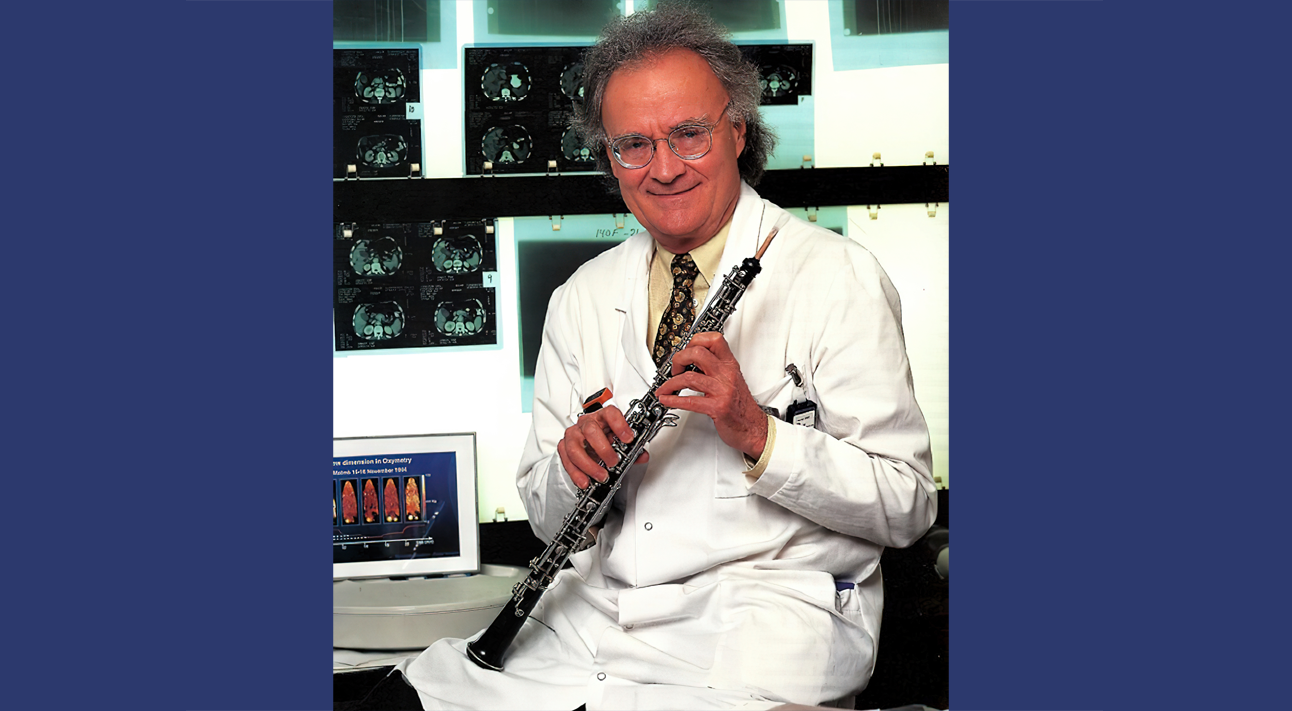
    For our next installment of serendipity here in InPractice, we’re jumping ahead pretty far in time, as you’ll note by the color photograph of Professor Torsten Almén. As a young radiologist from Malmo, Sweden (not far from Copenhagen, Denmark), he was concerned about the pain of injected iodinated contrast, especially when it was administered arterially.

    Dr. Almen’s serendipitous contribution is that he was struck by how little his eyes stung when swimming in the relatively isotonic Baltic Sea, as compared to the more hypertonic North Sea. He then wondered if a patient’s pain had anything to do with the tonicity of the contrast material that was administered. In 1967, Almen went to Temple University in Philadelphia, PA as a postdoctorate fellow and was given the choice on working on a steerable catheter that he’d helped design or working on this notion of toxicity and tonicity of contrast. Fortunately, he chose the latter. Almen was able to show in a bat model that his theory was correct, but he had to go about designing something that could be utilized in humans—a more ideal contrast agent. He wasn’t a chemist, so he bought some textbooks, taught himself the basics of organic chemistry, and tried to get someone interested in producing this theoretical compound. He finally persuaded Nygard, which later became Nycomed, to produce his low osmolar contrast material metrizamide in 1969. It was released several years later, quickly followed by other contributions to low osmolar contrast: Isovue by Bracco in 1981, Omnipaque by GE in 1982, and Optiray by Mallinckrodt in 1989.

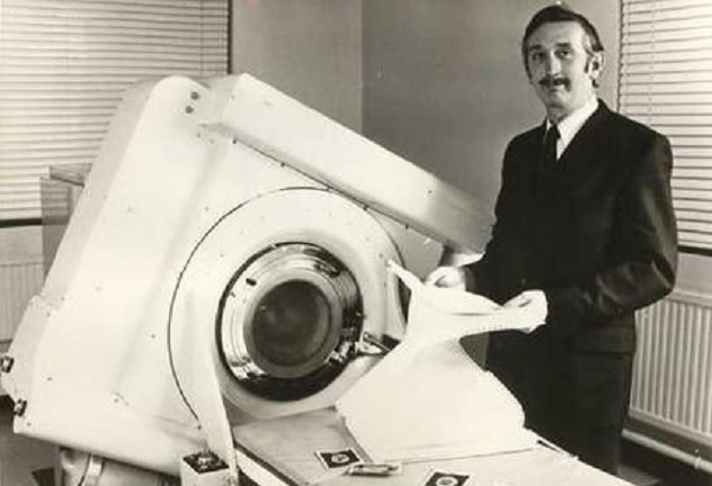
    I dare say this gentleman is at least as recognizable as our society’s namesake, Wilhelm Conrad Roentgen. Sir Godfrey Newbold Hounsfield has had such a profound effect on our field. It was during an outing in the country when the idea came that he could determine what was inside a box by taking x-rays from all angles around the object, then somehow combine the different shadows the x-rays would produce to form an image of that object.

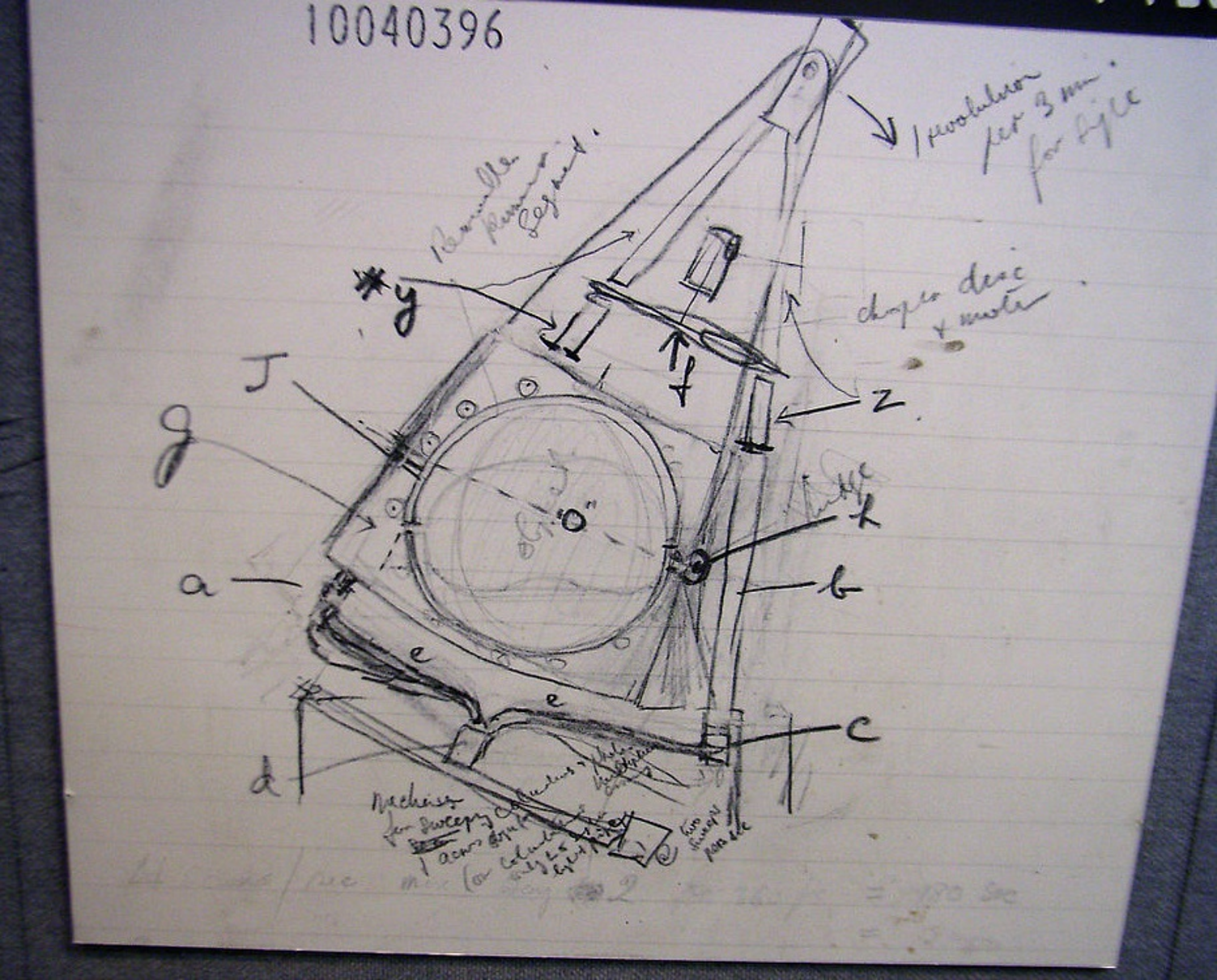
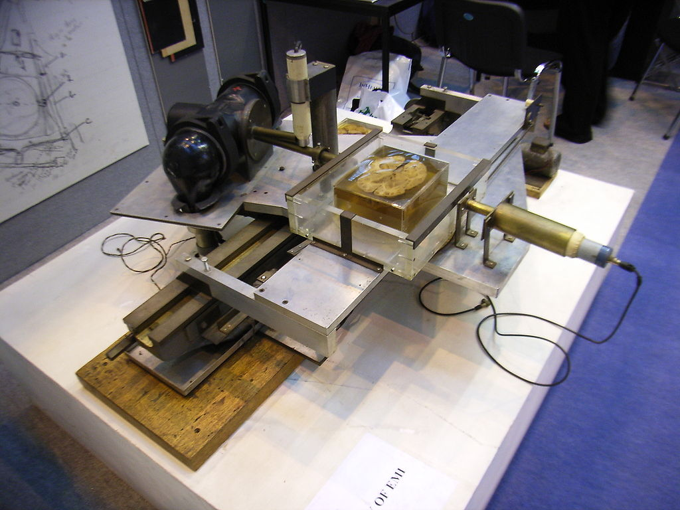
    This is a sketch of his first idea of the CT scanner and the prototype. It’s one thing to formulate the idea of using x-ray readings, of course. But it was Dr. Hounsfield’s open mind that allowed him to realize not only the potential, but the necessity of using computers to analyze the data generated by taking all of the x-ray angles needed to create a CT image.

    Hounsfield’s sketch of his CT scanner…

    . . . compared to his prototype!

    The following quotation by Dr. Louis Pasteur is particularly appropriate in this particular case: “In the field of observation, chance favors only the prepared mind.” Doctors Allan Cormack and Hounsfield shared the 1979 Nobel Prize in Physiology or Medicine for their work in CT. 

    Moving away from radiological discoveries for a moment, I love this quotation: “Eureka, I found what I wasn’t looking for!” This is associated with a book called Happy Accidents by a renowned abdominal radiologist named Dr. Mort Meyers, who spent his career at the State University of New York at Stony Brook. Again, emphasizing that the open mind is primed to take advantage of serendipity, how many of you know that the invention of the microwave oven had its origins when an engineer working with radar sets had a candy bar melt in his pocket, realizing it must’ve been from emitted radio waves? Or that Viagra was discovered by Pfizer when looking for a drug that increased blood flow to the heart, only to find that it increased blood flow a little lower? Or the discovery of artificial sweeteners by Constantin Fahlberg, a chemist working on coal tar derivatives, came from his inadvertent tasting of saccharine? Aspartame’s discovery came later, thanks to James Shaler, a chemist working on anti-ulcer drugs. Sure, their tasting of unfamiliar lab compounds is completely not up to today’s standards, but we can excuse them for that.

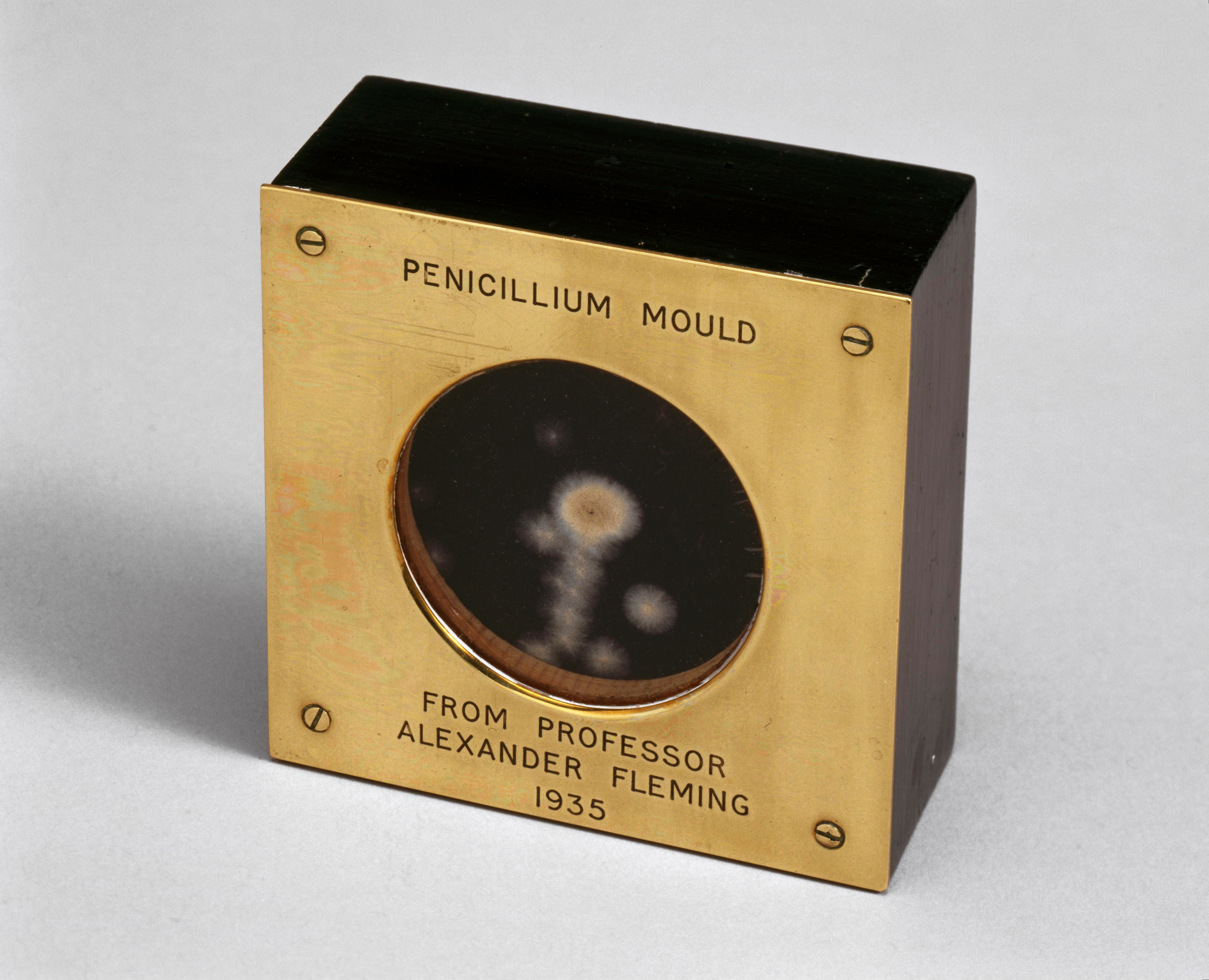
    There are so many more examples of serendipity in science. Sir Alexander Fleming‘s discovery of penicillin came while working on compounds to inhibit bacterial growth, serendipitously noting one plate that had some mold on it seemed to be doing better than the other ones. Or veterinary pathologist Frank Schofield‘s discovery that spoiled sweet clover hay led to a hemorrhagic illness in cows, eventually leading to the isolation of dicoumarol, or Warfarin. Or the serendipity of the population in the United Kingdom erroneously getting a half-dose of the Oxford AstraZeneca COVID-19 vaccine before a second full dose that gave a 90% effectiveness rate against COVID-19, as compared to the 62% when two full doses were tested in Brazil and South Africa.

    British biologist and pharmacologist Dr. Alexander Fleming gave this sample of penicillium notatum to a colleague at St. Mary’s Hospital, London, in 1935.

    Physiologist Menko Victor “Pek” van Andel at the University of Groningen in the Netherlands studies serendipity patterns in knowledge and discovery, and he’s categorized three main types of serendipity. Positive serendipity is when a surprising fact is seen and followed by a correct interpretation (e.g., x-rays). Pseudo-serendipity is to discover something you were looking for, but in a surprising way. An example that van Andel uses is penicillin. Meanwhile, negative serendipity is when a surprising fact is seen, but not optimally investigated. And I’d like to think Dr. Donald Cameron never pursuing sodium iodine salts would be that kind of negative serendipity, although it was found positively later by Dr. Earl Osbourne (see Part I here).

    Pek van Andel was one of the first researchers to extract serendipity patterns for accidental unsought knowledge discovery.

    Others have built on van Andel’s work, including Darbellay et al., who published a paper titled “Interdisciplinary Research Boosted by Serendipity.” Their contention is that getting rid of the silos that house most of our disciplines and opening one’s mind to the unexpected are fundamental to the work of researchers who position themselves between and beyond disciplines. That serendipity itself is an important part of interdisciplinary research. As a creative process, serendipity is foundational in interdisciplinary collaboration, boosting the exchange of ideas to exploit the unexpected.

    Examples of this interdisciplinary research aided by serendipity mentioned by Darbellay and colleagues include a team at Dow Chemical tasked with inventing a chemical compound for protecting the windscreens of airplanes. Upon application of substance 401, the researchers realized they could no longer remove the measurement device that they were utilizing on the windscreen. The team was worried because this was very costly equipment, so they called their boss, Harry Coover, who had a doctorate in chemistry. When faced with this unexpected effect of the substance 401, he realized the researchers had unknowingly and unintentionally discovered superglue, which was a substance that could bond metal and glass. Under Coover’s initiative, Dow abandoned trying to find something better for windscreens, channeled its efforts into developing superglue, and began marketing the product so many of us use today. Other accounts dispute Darbellay et al.’s retelling of this discovery, instead noting that Coover discovered superglue (cyanoacrylate) at the Eastman Kodak company, where he realized clear plastic gun sights stuck to everything. He first rejected the substance but later recognized its potential as an adhesive, so serendipitous no matter the origin!

    Ironically, the near complete opposite of superglue was also a serendipitous discovery. Spencer Silver and colleague Arthur Fry stumbled upon the idea for Post-it® notes while working at 3M. Silver discovered an adhesive that sticks permanently without a permanent bond and only does so in one direction, allowing an object to be repositioned. Fry’s contribution was finding use for the adhesive while singing in his church choir and lamenting that his bookmarks kept falling out of hymnals—his own eureka moment when he remembered Silver’s invention. The original yellow? Also, an accident; it was the color of a scrap of paper in an adjoining lab.

    Art Fry, 93, in Saint Paul, Minnesota

    Switching gears for just a moment, how about looking at serendipity on a more personal level? I’ve always been fascinated by the role of luck in my life and in the lives of others. When I was a child, whenever anything good in my life happened, I would tell my mom “I got lucky,” to which my mom would say, “we make our own luck.” This phrase has stuck with me for a very long time, and may be my own definition of serendipity: being open to possibilities when they happen and taking advantage of them. In one sense, I could describe my ascent to becoming president of the American Roentgen Ray Society as luck. Again, lucky in the sense that I repeatedly said “yes” to volunteer opportunities, even if that opportunity wasn’t glamorous or meant a lot of work.

    So, here is what I conclude about serendipity. For those of you already well involved in research, getting your feet wet in research, or wanting to become involved in research, know that chance, luck, serendipity—whatever you want to call it—will play a role in your career. Keep an open mind, expect the unexpected, then turn it on its head. Seek out ways to collaborate with people who are in unrelated fields. Take advantage of the opportunity to network and build your community at meetings such as ARRS with those outside of your chosen field or discipline and those inside your chosen field or discipline. There will be so many more serendipitous discoveries in our lifetime and many lifetimes to come. It’s what keeps our field and so many others so very interesting. I understand everybody’s time is limited and valuable, but truly consider an opportunity before saying “no.” You never know which opportunities will lead to something bigger, so keep an open mind about saying, “yes.” You never know who will be touched by your words and actions, who will change your life with a chance encounter, or whose lives will be changed by a chance encounter with you.


    References:

    1. Nyman U, Ekberg O, Aspelin P. Torsten Almén (1931-2016): the father of non-ionic iodine contrast media. Acta Radiol 2016. 57:1072–1078
    2. Gagnon L. ‘A diagnostic revolutionary’—the legacy of Godfrey Hounsfield. Aunt Minnie website. www.auntminnie.com/clinical-news/ct/article/15631616/a-diagnostic-revolutionary-the-legacy-of-godfrey-hounsfield. Published August 11, 2022. Accessed August 8, 2025
    3. Meyers MA. Happy accidents—serendipity in modern medical breakthroughs. New York: Arcade Publishing 2007
    4. Van Andel P. Anatomy of the un-sought finding. Brit J Philo Sci 2014. 45;631–648
    5. Darbellay F, Moody Z, Sedooka A, Steffen G. Interdisciplinary research boosted by serendipity. Create Research J 2014. 26;1–10
    6. Post-it® website. www.post-it.com/3M/en_US/post-it/contact-us/about-us. Accessed August 8, 2025
  • Keeping Remote Radiologists Connected

    Keeping Remote Radiologists Connected

    The promise of remote radiology is reading from anywhere. The reality? It can feel like you’re reading from an island. In a talk at the ARRS 2025 Wellness Symposium, William Moore, MD detailed NYU’s seven-year mission to end isolation for its 60-person remote radiology team.

    Why it matters: Disconnected radiologists are far more likely to leave their jobs, which can lead to staffing issues and a loss of institutional knowledge.

    Cracking the Engagement Code

    Every journey has moments of discovery, NYU’s came when they figured out what truly connected people.

    • They found the magic formula for meetings. Useful, can’t miss education sessions, like interesting case conferences or non-punitive peer learning sessions provided opportunities for meaningful connection.
    • Go big or stay home. Remote staff would skip out on virtual mixers, but made time to attend department parties and CME conferences that built camaraderie.
    • Fast, flawless technology. To make remote work successful, you must invest in hardware and software that makes the remote experience as seamless as being on-site.

    Battles Still Being Waged

    Dr. Moore highlighted several ongoing issues:

    • Solutions can create new problems. A move to split teams into remote and in-person divisions solved one conflict but created organizational silos.
    • Old tensions linger. Conflicts over goals and roles are still a challenge, showing that policies alone don’t solve turf wars.

    The takeaway: The answer to remote isolation isn’t one static fix; it’s a dynamic work culture. Teams thrive by making sure no one is left behind.

  • The Koala in the Reading Room

    The Koala in the Reading Room

    Why do we need a complex algorithm to tell us an image’s texture? In a recent R3 Author Interview, Hyun Ko, MD, lead author of an R3 article on radiomics, explained that our eyes can be misleading.

    Her perfect example: a koala. Most people imagine a koala as a cute, fluffy animal. But its actual texture is rugged like a doormat.

    Why it matters: This is precisely what radiomics is intended to address. It’s designed to identify when the look of a lesion doesn’t match its underlying texture.

    • We see the forest, but radiomics can analyze the individual trees.
    • Human eyes miss the detailed interpixel relationships that are beyond the limits of perception.
    • This hidden texture could be the key to “characterizing lesions, predicting behavior, and detecting mutations” in ways simple size or attenuation metrics can’t.

    The bottom line: The promise of radiomics is seeing what the human eye can’t. To make this promise a reality, strategic shifts are needed to produce meaningful evidence to show it’s ready for clinical adoption.

  • The Bear Paw Sign: Classic Clues to Xanthogranulomatous Pyelonephritis (XGP)

    The Bear Paw Sign: Classic Clues to Xanthogranulomatous Pyelonephritis (XGP)

    Recognizing this hallmark pattern can spare unnecessary confusion, guiding the right surgical call.

    The Big Picture

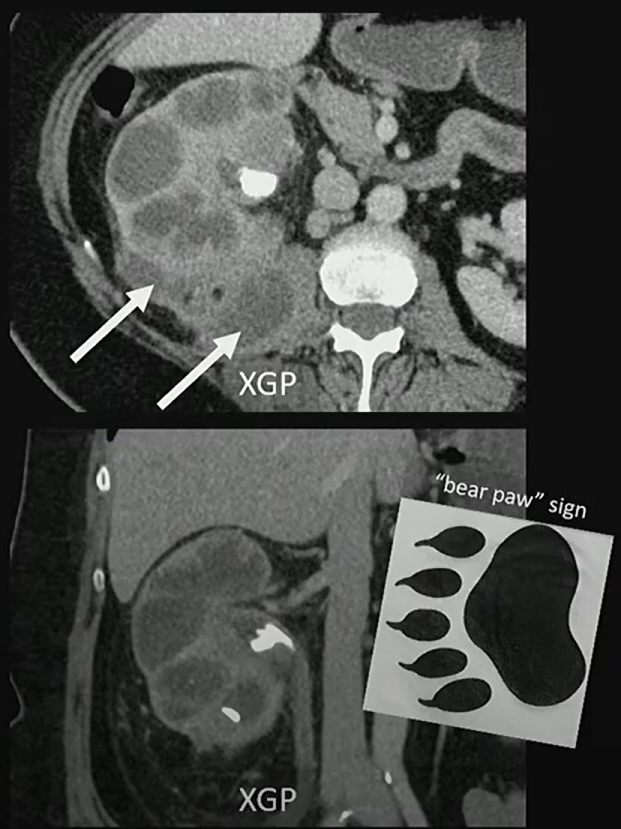
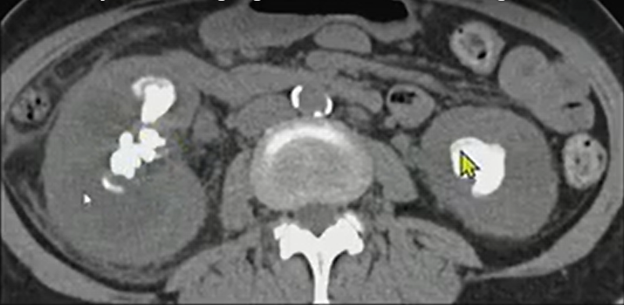
    Xanthogranulomatous pyelonephritis (XGP) is a rare, destructive renal infection, most often in women with staghorn calculi. It replaces functioning parenchyma with lipid-laden macrophages and inflammatory tissue, often extending beyond the kidney.

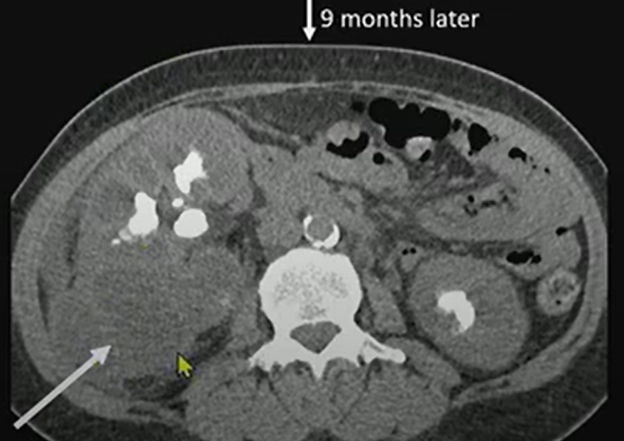
    Nine months later, we see much more exuberant inflammation—soft-tissue thickening extending out from the kidney into the retroperitoneum.

    Patient underwent renal scintigraphy prior to getting a nephrectomy, and we can see that that right kidney is not contributing to the renal function.

    Key Takeaways

    • Classic appearance: Enlarged kidney, staghorn calculi, and a contracted pelvis—the “bear paw.”
    • Functional loss: Renal scintigraphy often shows little or no contribution from the affected kidney . . .
    ParameterLeft KidneyRight Kidney
    Peak Time6.7 minutes2.3 minutes
    Relative Function (Integral, 1–3 min)85%15%

    • Extrarenal extension: Look for inflammation tracking into the retroperitoneum, psoas, or paraspinal muscles.
    • Definitive treatment: Because the kidney is typically nonfunctional, nephrectomy is the standard.

    Challenges Ahead

    • Distinguishing XGP from renal cell carcinoma or pyonephrosis can be difficult without correlating imaging and functional data.
    • Awareness of extrarenal spread is crucial to surgical planning.
    • Early recognition can prevent unnecessary biopsy or delay in definitive management.

    Presented by Anup Shetty, MD, during ‘Radiology Case Review: Genitourinary Imaging,’ part of the ARRS 2025 Annual Meeting. Watch the full session now: arrs.org/am25


    Bottom Line

    When you see that “bear paw” (i.e., staghorn calculus, perinephric inflammation, and an enlarged, poorly functioning kidney), think XGP!

  • ARRS Assembles AI All Stars for Annual Meeting in Pittsburgh

    ARRS Assembles AI All Stars for Annual Meeting in Pittsburgh

    For radiologists especially, artificial intelligence (AI) is no longer just over the horizon; it’s in the reading room, right now. This practical immediacy is precisely the premise behind the 2026 ARRS Annual Meeting Categorical Course, Clinical Artificial Intelligence in Radiology. Presented live and virtually from the David L. Lawrence Convention Center in Pittsburgh, PA, this two-day ARRS Categorical Course continues our 125-year-old legacy of forward-looking education by arming radiologists with a robust understanding of how AI is reshaping the specialty.

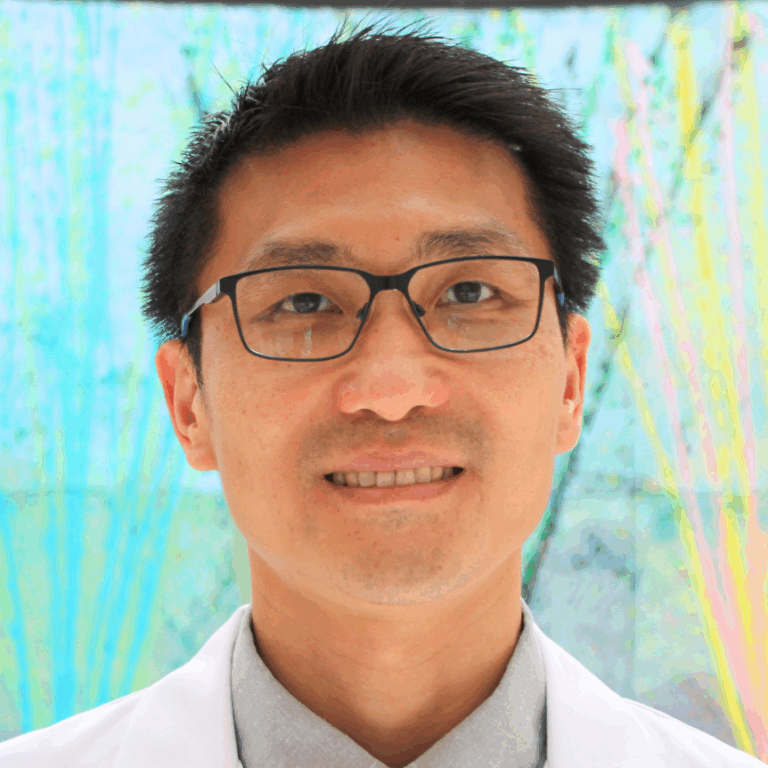
    Dr. Shandong Wu | Cat Course Codirector

    Clinical Artificial Intelligence in Radiology brings together more than 20 distinguished faculty from leading institutions across the globe, all led by Shandong Wu, PhD, founding director of the University of Pittsburgh’s Center for AI Innovation in Medical Imaging, a cross-campus initiative including more than 130 researcher and clinician members. Also a professor of radiology, biomedical informatics, bioengineering, intelligent systems, clinical and translational science, one of Dr. Wu’s ARRS Cat Course codirectors is an abdominal radiologist and director of diagnostic AI at the University of Washington, Yee Seng Ng, MD.

    Dr. Shandong Wu | Cat Course Codirector

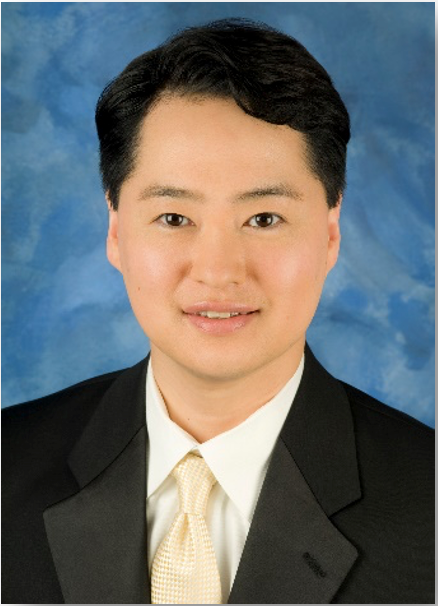
    Alongside codirector and 2024 AJR Lee F. Rogers International Fellow in Radiology Journalism Hyun Soo Ko, MD (Peter MacCallum Cancer Centre, Australia), the trio is curating a curriculum of more than two dozen lectures and panels across seven thematic sections, giving registrants a comprehensive view of AI’s current and future roles in everyday practice.

    Dr. Hyun Soo Ko | Cat Course Codirector

    SUN, APRIL 12—From Concept to Clinic: Building AI Literacy

    Day one of Clinical Artificial Intelligence in Radiology kicks off with “Getting to Know AI,” a primer tailored for all levels of experience. Tessa Cook, MD, PhD (University of Pennsylvania), provides an overview of radiological progress in AI, while Dr. Ko demystifies essential concepts, such as machine learning, deep learning, radiomics, as well as generative and agentic AI.

    Dr. Linda Moy | Vice Chair of AI, NYU Radiology

    Up next, inaugural vice chair of AI at New York University’s radiology department, Linda Moy, MD, will provide an invaluable look into leveraging AI to improve workflow efficacy and effectiveness alike. Dr. Wu himself closes the Cat Course’s first session. The leader of Pittsburgh’s Intelligent Computing for Clinical Imaging lab will explore and explain how AI is enhancing imaging interpretation for computational insights—from screening and triage to diagnosis and prediction.

    Clinical Implementation: From Regulation to Real-World Deployment

    Section two of Clinical Artificial Intelligence in Radiology, “AI Clinical Implementation,” addresses legal, regulatory, and operational frameworks essential for radiologists seeking to implement or evaluate AI tools in practice. Didactic highlights will include guidance on U.S. Food and Drug Administration (FDA) regulations and performance monitoring by Melissa Davis, MD, MBA (Yale), as well as insights into distinguishing high-quality AI models from market hype.

    In a uniquely insightful presentation, Julian Rivera, JD (University of Pittsburgh), will tackle the legion of legal considerations accompanying AI adoption: liabilities, ethical perspectives on signing contracts, collaborative business modes with AI companies, etc. Dr. Cook returns to share her expertise on evaluating local versus commercial solutions when measuring ROI, while a panel moderated by Dr. Moy will outline best practices and common pitfalls.

    Beyond the Pixel: Multimodality and Multidimensional AI

    The promise of any good AI expands significantly when paired with non-image data. The “Going Beyond Images to Multimodality” session explores emerging applications that leverage large language models, vision-language models, and foundation models. Presenters Heather Whitney, PhD (University of Chicago), and Lifeng Yu, PhD (Mayo Clinic), will delve into data curation, federated learning, and the physics of AI model performance. With Christian Bluethgen, MD (University Hospital of Zurich), having assessed multimodal data methodologies in his presentation, a panel discussion on tackling technical challenges to find opportunities rounds out day one of this ARRS Cat Course.


    MON, APRIL 13—Practical Impact Across Subspecialties

    AI’s reach across subspecialties is the focus on Monday. Presenters including Constance Lehman, MD, PhD (Harvard), Ali Guermazi, MD, PhD (Boston University), and 2022 ARRS Gold Medalist Edward Y. Lee, MD, MPH (Harvard) will detail AI tools in breast, musculoskeletal, pediatric imaging, respectively. Dr. Ng’s highly anticipated survey of AI and abdominal imaging will be followed by a lecture from neuroradiologist Paulo De Aguiar Kuriki, MD (UT Southwestern).

    Dr. Edward Y. Lee | ARRS Gold Medalist

    That’s not all either. Real-world cardiothoracic, interventional, and nuclear medicine cases will further demonstrate how AI is already reflowing imaging workloads, improving diagnostic accuracy, and personalizing care across organ systems and patient populations.

    Shaping Tomorrow: Research, Education, and Ethical Engagement

    Day two of Clinical Artificial Intelligence in Radiology continues with “AI Research and Education,” including a model development demonstration by Dooman Arefan, PhD (University of Pittsburgh), and an exploration of MD–PhD collaboration opportunities from Dr. Wu. Justin Peacock, MD, PhD (Uniformed Services University), will discuss educational roadmaps and training resources, addressing a key concern for attendees seeking to build or deepen their AI competencies.

    This 2026 ARRS Annual Meeting Categorial Course concludes with “Humanity and AI,” a thought-provoking session covering radiologist–AI collaboration, fairness and bias, and imaging’s ever-evolving role in AI-powered services. Florence Doo, MD (University of Maryland) will help us find a foothold in our present human–AI ecosystem, followed by a warning for all the disparities AI run amok could actually exacerbate care of Judy Gichoya, MD, MS (Emory). Eduardo Mortani-Barbosa, MD, MBA (University of Pennsylvania), will then detail specific skill sets that AI-forward radiologists will need to hone in their practices and in their communities. Finally, ARRS Scholar and Gold Medalist and editor of Radiology: Artificial Intelligence Charles E. Kahn, MD (University of Pennsylvania), joins to facilitate a panel discussion on action items and what to do next.

    Dr. Charles E. Kahn | Editor, Radiology: Artificial Intelligence

    With each live lecture accompanied by an e-book chapter, Clinical Artificial Intelligence in Radiology will provide strategic context and tactical guidance for imagers of each practice type and at every level of training.

    And as Dr. Wu tells InPractice, “AI in radiology is not just a technical shift—it’s a cultural one. This ARRS Categorical Course is about empowering radiologists to shape that future, not just react to it.”

    With content spanning conceptual foundations to the most practical of pearls, the curriculum curated by Wu, Ng, Ko and colleagues this April is poised to be an essential learning experience for working radiologists looking to engage with AI at the frontlines of medical imaging care.


  • Ultrasound Case: The Pepsi Sign and a Surprising Vascular Finding

    Ultrasound Case: The Pepsi Sign and a Surprising Vascular Finding

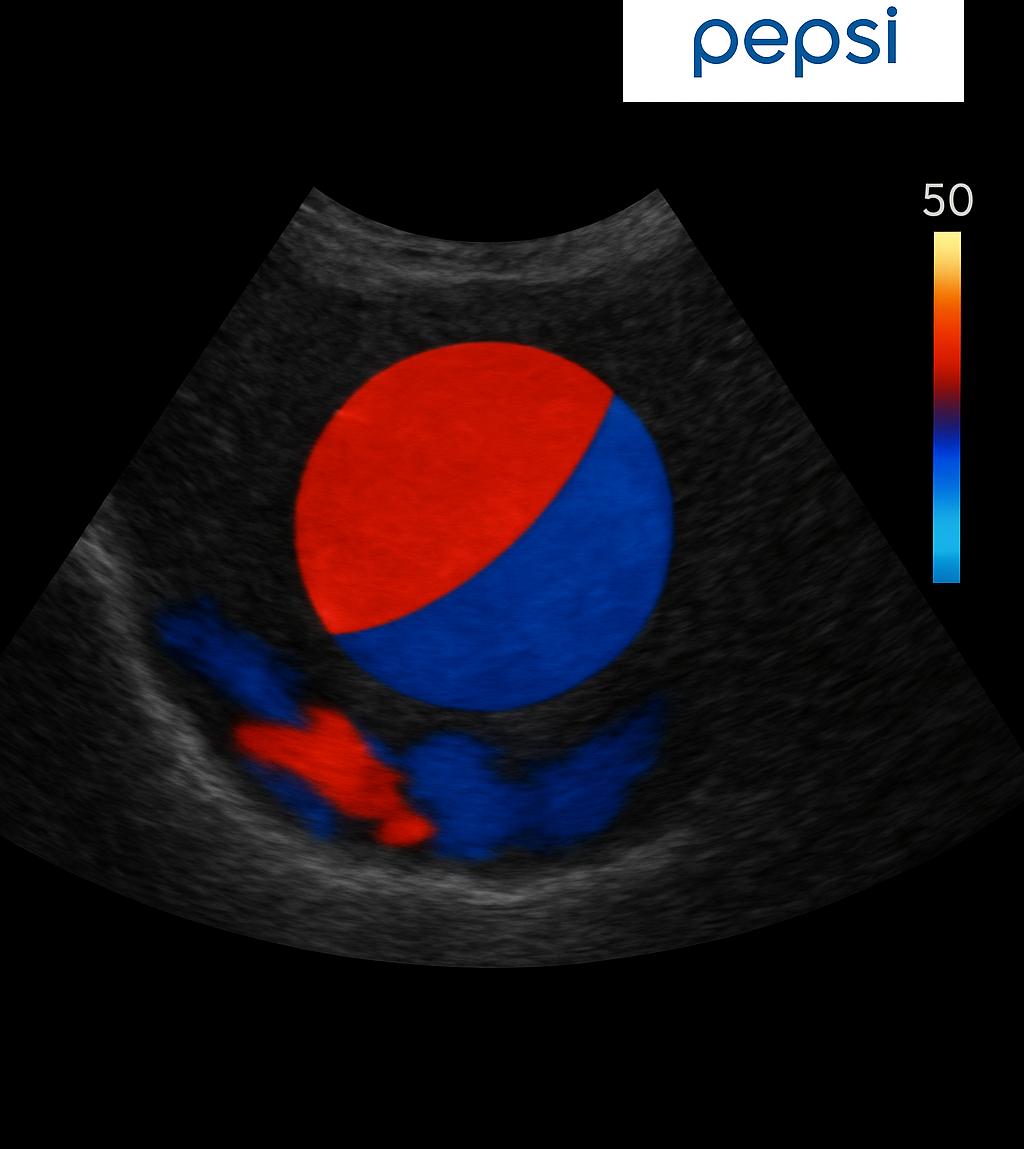
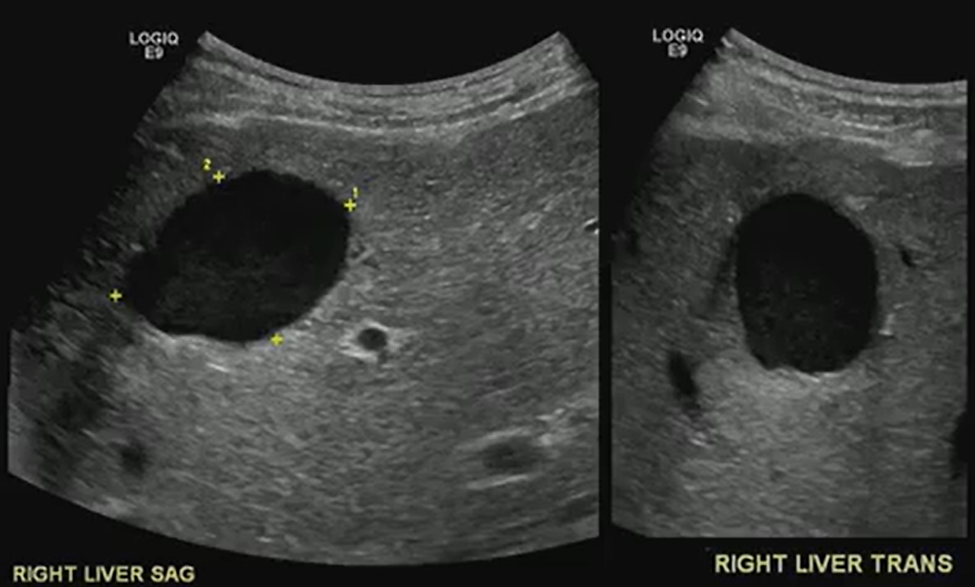
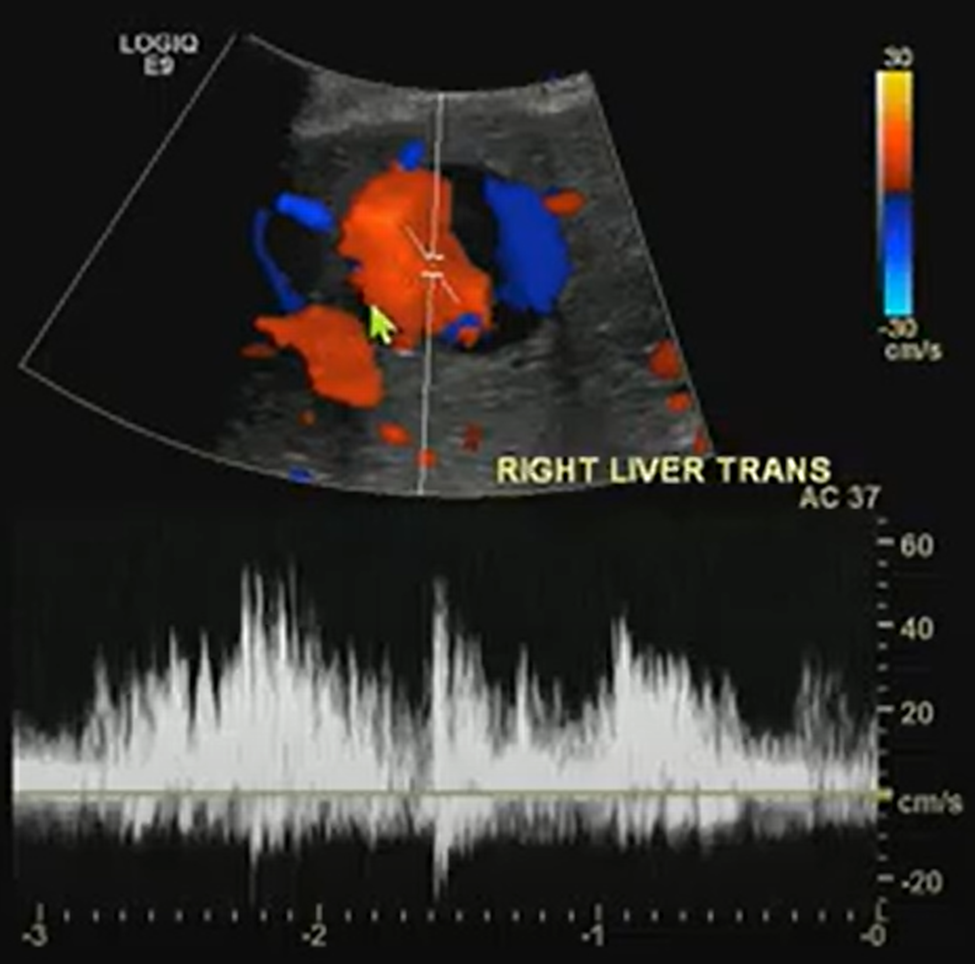
    A benign-looking liver lesion turned out to be a hepatic artery pseudoaneurysm—all thanks to color Doppler.

    The Big Picture

    What looks like a simple hypoechoic cyst on ultrasound may hide a critical vascular pathology. In this ARRS Annual Meeting case from Kristin Rebik, DO, color Doppler proved essential for distinguishing cystic lesions from vascular anomalies like pseudoaneurysms.

    Key Takeaways

    • Always Doppler: Even cyst-like structures require Doppler evaluation to rule out vascular causes.
    • Pepsi Sign: Swirling vascular flow within a lesion may signal a pseudoaneurysm.
    • High stakes: Hepatic artery pseudoaneurysms can mimic benign lesions but require urgent recognition and intervention.
    • Next steps: Interventional radiology embolization can be lifesaving.

    Challenges Ahead

    • Differentiating pseudoaneurysms from other vascular or cystic lesions remains tricky.
    • Missing Doppler evaluation risks misdiagnosis and delayed treatment.
    • Awareness of teaching signs like the “Pepsi sign” is uneven among trainees.

    Bottom Line

    Never skip Doppler. The “Pepsi sign” may be the clue that transforms a benign-looking lesion into a critical vascular diagnosis.


  • New CMS Quality Measure for CT Radiation Dose Draws Scrutiny

    New CMS Quality Measure for CT Radiation Dose Draws Scrutiny

    An intersocietal panel of experts in CT convened by the American Association of Physicists in Medicine (AAPM)—with representation from clinical practice, academia, and industry input from Siemens Healthineers and Canon—examined a new performance measure in the quality-based payment programs of the Centers for Medicare & Medicaid Services (CMS). Publishing their findings in the American Journal of Roentgenology [1], the panel identified 20 important issues and ambiguities with the new measure, which became effective this year.

    Collectively, these issues reflect unclear definitions, opaque methodologies, technical and legal barriers, and potential misalignment with clinical realities—posing significant obstacles to consistent, equitable, and scientifically valid implementation across diverse care settings.

    Ambiguity surrounds where reporting is required versus optional and exactly which adult study types qualify, compounded by difficulties in consistent inpatient versus outpatient categorization. Terminology inconsistencies and unclear mapping of studies to dose and image quality categories add to the confusion. Meanwhile, patient size assessment methodology and calculation of size-adjusted dose diverge from established standards, while noise measurement lacks a recognized protocol. Criteria for excluding studies and handling combination studies remain undefined.

    Then, there are the tech queries: is HL7 EHR connectivity mandatory, are alternative data transfer mechanisms even feasible, what potential IT burdens and/or security liabilities will radiology practices have to shoulder? Also, performance expectations for compliance thresholds are unspecified, as are methods for comparing diverse protocols under a single set of thresholds. Identical thresholds across different categories raise additional questions.

    “Transparency and stakeholder engagement are essential for effective quality initiatives in medicine,” said Mahadevappa Mahesh, MS, PhD, president of AAPM.

    Dr. Mahesh | President, AAPM

    “We wrote this paper to call attention to issues and ambiguities with the CMS measure, and we look forward to working with CMS to address these issues and continue the culture of quality and safety that has developed in CT imaging over the past two decades.”

    Balancing Image Quality and Patient Safety

    One of the benefits to patients that will come from “The New CMS Measure of Excessive Radiation Dose or Inadequate Image Quality in CT: Issues and Ambiguities—Perspectives from an AAPM-Commissioned Panel” in AJR is that the expertise of the entire imaging community will be used to develop quality improvement initiatives that will keep radiation doses as low as possible while maintaining the quality of medically essential CT imaging. From physicians and physicists to technologists, regulators, and business leaders, “we’re confident that we can get this right by working together,” said Dr. Mahesh.  

    Technology Has Already Lowered Doses

    A lifesaving technology used to diagnose disease and guide treatment, CT is the first-line imaging technique in many cases, especially in emergency departments and cancer centers. Concerns have been raised about the increased utilization of CT in medicine because the modality uses ionizing radiation, which at very high doses is known to increase a patient’s risk for developing cancer. However, at the low doses of radiation utilized in medical imaging, including in CT, the risk is extremely small—perhaps negligible.

    Over the past two decades, imaging and allied health professionals have collectively worked to reduce CT doses. New scanner technologies have played a starring role in decreasing doses, including features that automatically measure the size of the patient and adjust the radiation dose to the right value. This is especially important for children, who require lower doses than adults due to their smaller size.    

    Dr. McCollough | Prior President, AAPM

    “Some authors multiply the very small potential risk of a CT scan by the millions of patients who receive one and predict that we will see an increase in cancer,” said Cynthia McCollough, PhD, past president of AAPM.

    “This can lead to alarmist stories and patients who really need a CT refusing to get one. Further, at the low doses we are talking about, it is debated whether the risk is even real. CT has been around for over 50 years and the predicted increases in cancer just aren’t being seen.”

    Editorials Stress Ticking Clock, Call for Clarity

    In her accompanying AJR editorial, Stephanie Leon, PhD, of the University of Florida in Gainesville, noted that “quality-based payment programs will be impacted starting in January 2027,” which means that imaging has two years and counting to figure all of this out [2].

    CMS Quality Reporting ProgramCMS Payment SystemReporting RequirementTimeline
    Hospital IQR ProgramHIPPSOptional. Hospitals are required to report three eCQMs self-selected from a list and three eCQMs mandated by CMS. The measure will be available on the self-selection list and thus its reporting is optional.Reporting will begin in CY 2025; CY 2025 results will impact FY 2027 payments.
    Hospital OQR ProgramHOPPSRequired. Once the measure is fully implemented, hospitals will be required to report the measure.Reporting will be voluntary in CY 2025 and mandatory in CY 2027; CY 2027 performance will impact CY 2029 payments.
    MIPSᵃMPFSOptional. Participants are required to report six MIPS quality measures, including at least one outcome measure, that are self-selected from a list (possibly a specialty-defined measure set depending on the reporting mechanism). If more than six measures are available, then reporting the measure is optional.Reporting will begin in CY 2025; CY 2025 results will impact FY 2027 payments.

    IQR: Inpatient Quality Reporting; OQR: Outpatient Quality Reporting; MIPS: Merit-based Incentive Payment System; HIPPS: Hospital Inpatient Prospective Payment System; HOPPS: Hospital Outpatient Prospective Payment System; MPFS: Medicare Physician Fee Schedule; eCQM: electronic clinical quality measure; CY: calendar year; FY: fiscal year

    aApplies to clinicians and clinician groups

    Another AJR editorial written by Kishore Rajendran, PhD, of the Mayo Clinic in Rochester, MN, and chair of the working group on the physics of quantitative imaging at AAPM, called for improved transparency, too. “A nonproprietary, community-based approach is imperative to ensure full transparency, achieve consensus among CT stakeholders, and provide reliable clinical diagnoses at the lowest radiation dose possible,” wrote Dr. Rajendran [3].  

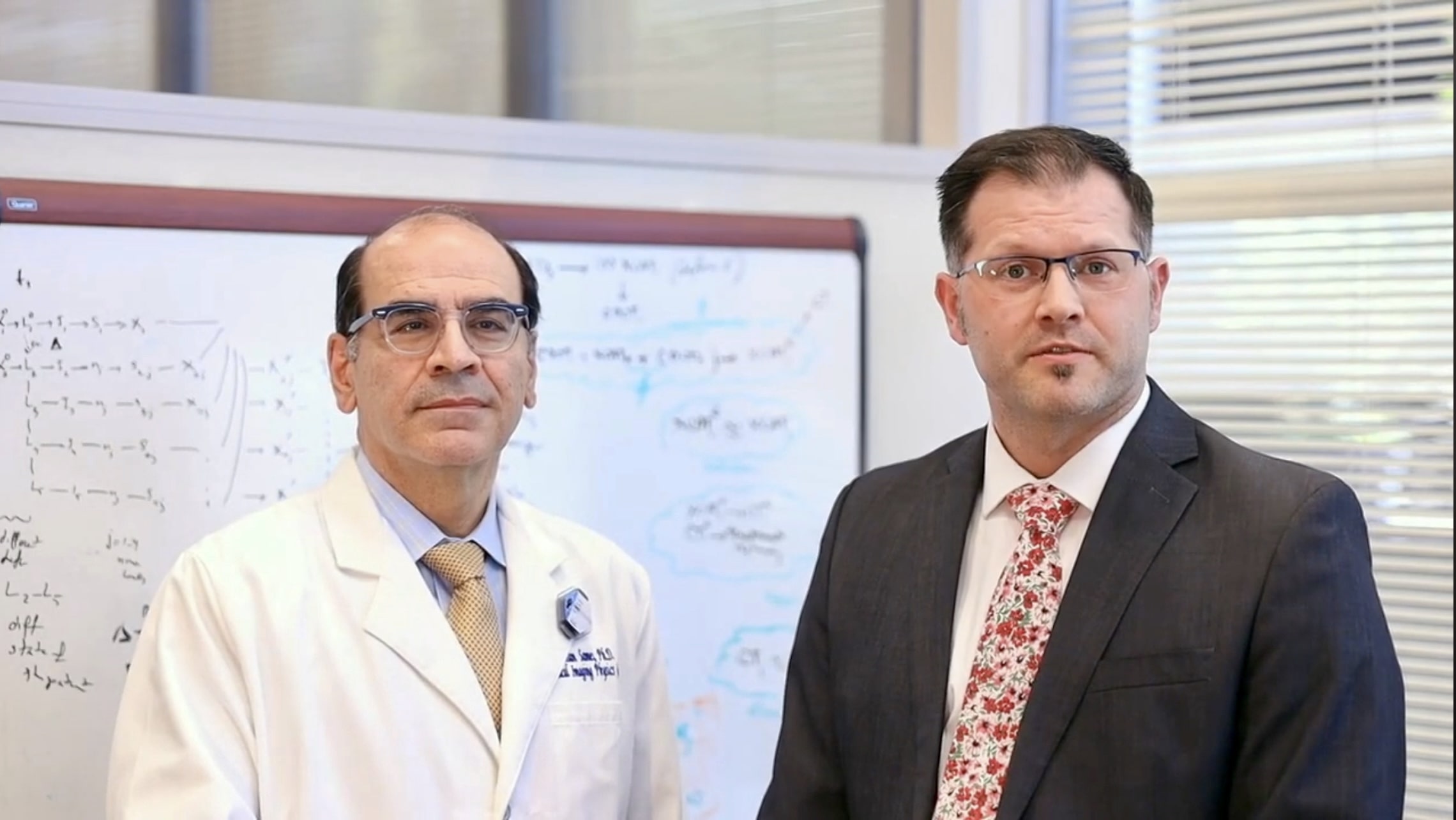
    Watch as AJR senior author Ehsan Samei, PhD, and first author Jered R. Wells, PhD, call for a fundamental shift toward open-source, open-access, consensus-based, and community-owned strategies and resources to ensure quality and safety of CT: YouTube.com/@AJR_Radiology


    References:

    1. Wells JR, Christianson O, Gress D, et al. The new CMS measure of excessive radiation dose or inadequate image quality in CT: issues and ambiguities—perspectives from an AAPM-commissioned panel. AJR 2025 May. doi: 10.2214/AJR.24.32458
    2. Leon, SM. CMS measure on CT dose and image quality: good intentions, but not quite ready for prime time. AJR 2025 May. doi: 10.2214/AJR.25.32908. 
    3. Rajendran K. Transparency and stakeholder engagement as cornerstones for effective quality initiatives in medical imaging. AJR May. doi: 10.2214/AJR.25.32859

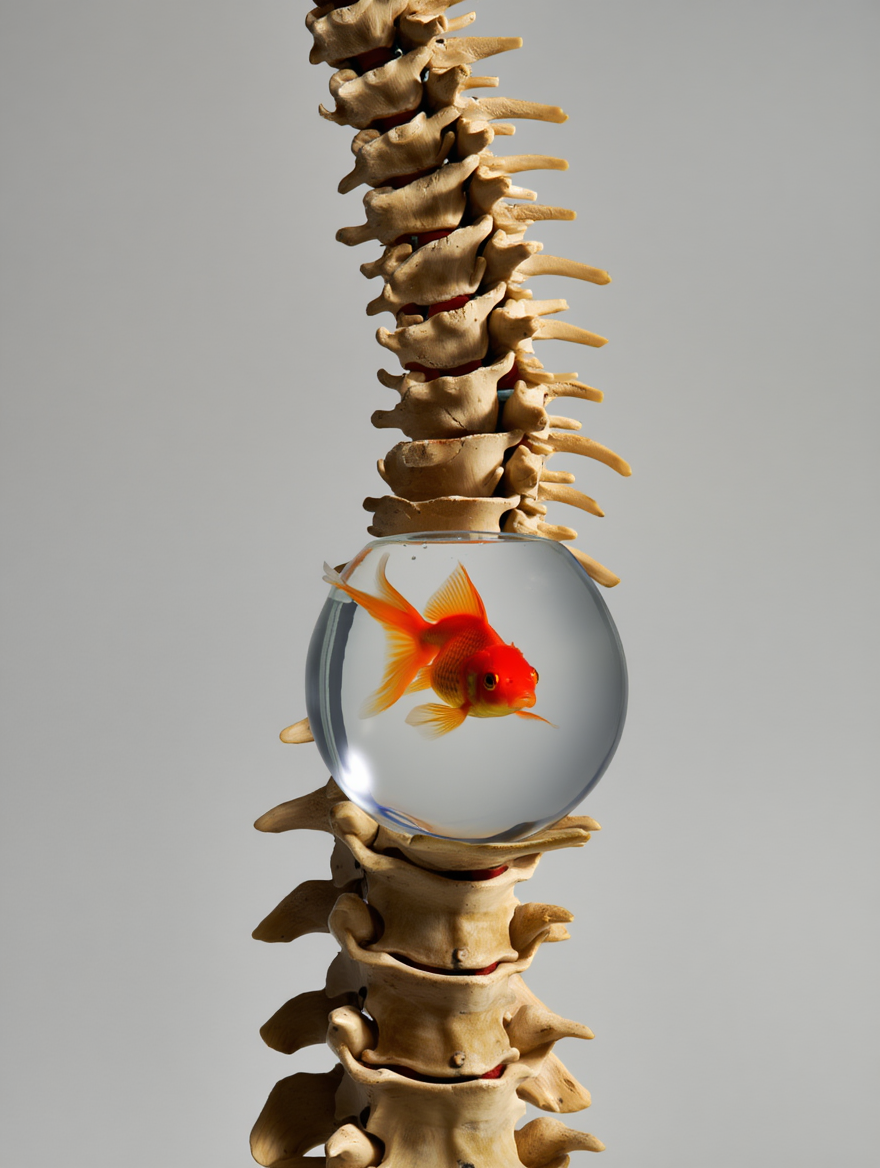
  • The Fishbowl Test: Grading Cervical Canal Stenosis

    The Fishbowl Test: Grading Cervical Canal Stenosis

    When it comes to the cervical spine, cord integrity matters most. Even mild changes can spell trouble if the cord is compromised.

    Big Picture: Cervical canal stenosis isn’t just about the degree of narrowing; it’s about whether the spinal cord, itself, is at risk, too. Even without measurable stenosis, cord flattening can cause myelopathy. Understanding Dr. Lea Alhilali’s fishbowl analogy from the ARRS Neuroradiology Longitudinal Course helps clarify how to distinguish mild, moderate, and severe cases.

    Key Takeaways:

    • Cord first: Regardless of canal narrowing, deformity or signal changes in the cord point to a higher risk of myelopathy.
    • Not just static: Static imaging may underestimate the impact; dynamic forces, repetitive microtrauma, or microischemia may drive symptoms.
    • “Fishy” Analogies…
      • Mild stenosis: Either ventral or dorsal CSF is effaced, but the cord still has room to “swim.”
      • Moderate stenosis: Both ventral and dorsal CSF are lost, restricting cord movement.
      • Severe stenosis: No CSF remains—cord is compressed, “fish” crushed.

    Challenges Ahead

    • Why cord flattening causes myelopathy without stenosis remains unclear, and mechanisms are still debated.
    • Dynamic assessment may offer better insight than static MRI but isn’t standardized.
    • Management depends on correlating imaging with clinical findings, which are often nuanced.

    Bottom Line: Think of the cervical cord like a fish in a bowl: it needs space to move. Once the CSF “water” is gone, the cord, as well as the patient, suffers. Classifying stenosis by available space—not merely narrowing—sharpens diagnostic accuracy and clinical relevance.


  • Delegate Decisions: Three Key Takeaways From the AMA Meeting

    Delegate Decisions: Three Key Takeaways From the AMA Meeting

    Reiterating, the house of radiology’s influence in shaping our nation’s health care policy writ large, the American Medical Association (AMA) House of Delegates (HOD) advanced several measures with significant implications for American Roentgen Ray Society (ARRS) members during its own annual meeting in Chicago this June.

    In short: expect DICOM mandates to simplify imaging transfers, elevated oversight of AI, and more rigorous validation for CT-based calcium scoring [1].

    Finally, Federally Interoperable DICOM

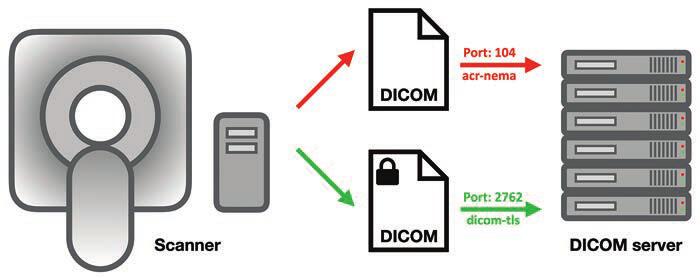
    The HOD passed a pivotal resolution calling on AMA advocacy for federal health IT interoperability standards to include the DICOM format, a critical “missing link” that delegates have long championed. Despite over two decades of EHR development and federal mandates, DICOM has been excluded from formal interoperability frameworks. As a result, radiological images frequently cannot travel seamlessly through EHR systems, frustrating patients and providers alike. For one example, patients arriving for mammograms at new facilities are often dumbfounded that previous studies cannot be accessed digitally from elsewhere. The absence of interoperable imaging standards contributes to delayed care, redundant exams, unnecessary radiation exposure, and burdens for patients. And the security risks are legion (Fig. 1).

    Fig. 1—Schematic shows DICOM server, computers that can exchange and store DICOM objects. Server offers DICOM service, which is software that can send and receive DICOM messages, running via specific computer ports (i.e., communications channels). Secured DICOM service is known as dicom-tls (port 2762), which uses transport layer security for negotiations, authentication, and encryption. A service that cannot be queried by hackers because it uses strong authentication mechanisms, this service sends and receives encrypted DICOM messages that cannot be read by hackers either. However, this is only true for manufacturers that have chosen to implement its strong authentication and encryption features. Arrows show direction of data transmission.

    Spearheaded by neurology and orthopedic associations, this resolution urges inclusion of DICOM in the U.S. Core Data for Interoperability (USCDI) and seeks regulatory action requiring EHR and imaging archive vendors to support secure, efficient exchange of DICOM data. Testimony also highlighted policy fissures stemming from the Health Information Technology for Economic and Clinical Health (HITECH) Act of 2009, which exempted radiologists—alas, not viewed as patient-facing—from certain data-sharing requirements, thereby keeping imaging outside USCDI [2]. A significant win for medical imagers across the country, delegates did have to amend the resolution to get it passed, but this is meaningful progress toward closing the interoperability gap that hampers timely, coordinated, and secure care.

    More Oversight and Transparency for AI

    With AI digging even deeper into the specialty—at last count, over 75% of the more than 1,000 algorithms cleared by the Food and Drug Administration target radiology [3]—the HOD continued sounding the alarm on the “black box” nature of so many machine-learning, deep-learning, and radiomic systems. Resolution 519, though not adopted thanks to too much overlap with AMA’s existing AI policies, successfully highlighted acute issues of explainability, advocating for evidence-based, transparent AI within a deliberately structured framework [4]. Aligning with AMA’s stance that the physician’s expertise remains central to clinical decision-making, everyone in Chicago agreed that today’s radiologists must be able to comprehend and articulate how generative AI, agentic AI, or some future proprietary amalgam of the two arrives at any given verdict. All too often, seemingly slight updates to vendor hardware, scanning protocol, or patient demographics end up altering algorithmic performance, further underscoring the need for responsible vetting and robust monitoring of AI.

    No LDCT for Coronary Calcium, Yet

    AMA also tabled a resolution regarding expanded promotion and usage of low-dose CT (LDCT) to screen both lung cancer and coronary artery disease via coronary calcium scoring. Emphasizing the modality’s value as a public health tool for high-risk individuals, particularly those with pack-year history of smoking, LDCT delivers far less radiation than standard CT and can detect small lung nodules early. Indeed, crucial research from the National Lung Screening Trial shows it can reduce lung cancer mortality by up to 20% [5].

    And yet, uptake is still cripplingly low; fewer than 6% of eligible patients receive LDCT screening. To buttress the resolution’s goals, the American College of Radiology is launching complementary efforts, including expanding its early lung cancer registry to capture incidental findings from routine CTs, not just formal screening exams [6]. Such distinction will deepen insights into nodule detection and follow-up.

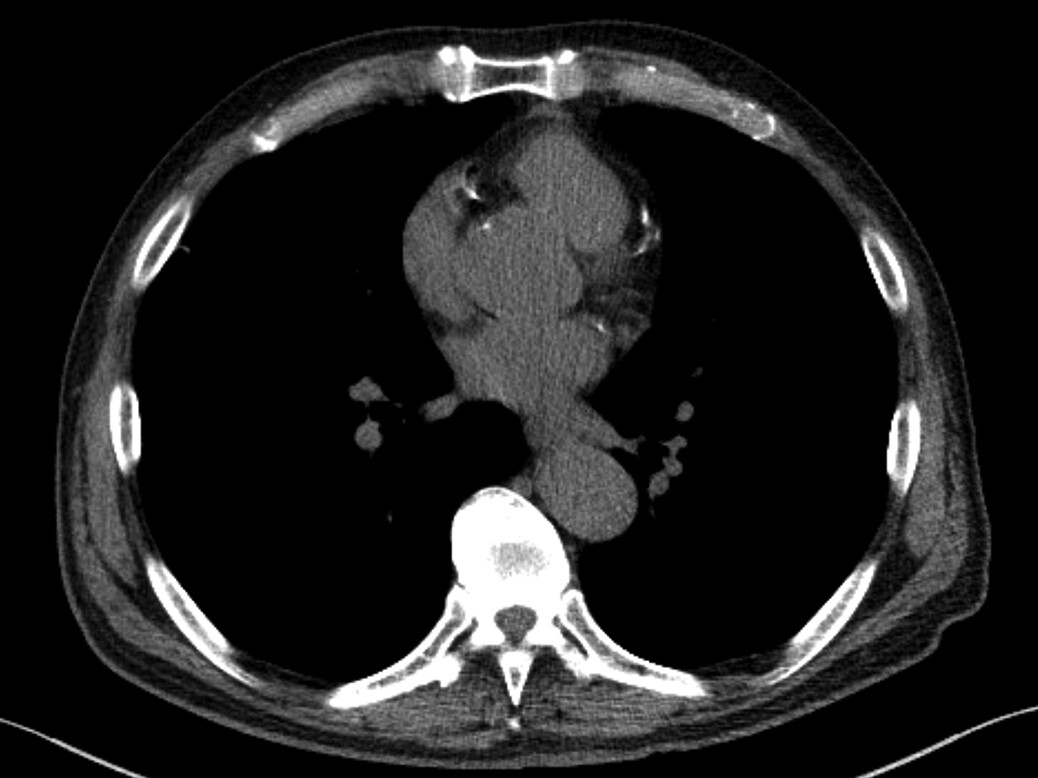
    Fig. 2—73-year-old patient who underwent lung cancer screening by LDCT of the chest. Axial CT image shows coronary artery calcification (CAC). CAC was assessed as severe by consensus visual analysis.

    More broadly, many hospitals have begun offering low- or no-cost LDCT screenings as an entry point for preventive care. Apropos, this resolution specifically solicits a coordinated national effort of public awareness campaigns and provider education to ensure affordable, widespread access to this potentially life-saving tool.

    For further details about the 2025 Annual Meeting of the HOD, click here.


    References:

    1. ACR highlights key AMA meeting measures. Aunt Minnie website. www.auntminnie.com/practice-management/associations/news/15749013/acr-highlights-key-ama-meeting-measures. Published June 20, 2025. Accessed August 13, 2025
    2. Fornell D. Radiologists call on AMA to push for new federal IT interoperability standards. Radiology Business website. radiologybusiness.com/topics/medical-imaging/radiologists-call-ama-push-new-federal-it-interoperability-standards. Published June 24, 2025. Accessed August 13, 2025
    3. Carey L. Radiology drives July FDA AI-enabled medical device update. Aunt Minnie website. www.auntminnie.com/imaging-informatics/artificial-intelligence/article/15750598/radiology-drives-july-fda-aienabled-medical-device-update. Published July 14, 2025. Accessed August 13, 2025
    4. Specialty and Service Society (SSS) 2025 Annual Meeting of the House of Delegates. AMA website. www.ama-assn.org/system/files/a25-sss-agenda-resolution-grid.pdf. Accessed August 13, 2025
    5. National Lung Screening Trial. NIH National Cancer Institute website. www.cancer.gov/types/lung/research/nlst. Accessed August 13, 2025
    6. Fornell D. AMA resolution backs expanded low-dose CT screenings for lung cancer, heart risk. Radiology Business website. radiologybusiness.com/topics/medical-imaging/computed-tomography-ct/ama-resolution-backs-expanded-low-dose-ct-screenings-lung-cancer-heart-risk. Published June 20, 2025. Accessed August 13, 2025
  • Honoring the Life and Work of Leonard Berlin, MD (1935–2025)

    Honoring the Life and Work of Leonard Berlin, MD (1935–2025)

    Leonard Berlin, MD (1935–2025), professor emeritus at Rush Medical College and the University of Illinois College of Medicine, was a truly towering figure among radiologists, uniquely celebrated for his clinical acumen and his groundbreaking medicolegal editorial.

    His peaceful passing on Wednesday, September 3, aged 90, was mourned widely across the imaging community.

    Hired by the 10th Editor in Chief of the American Journal of Roentgenology (AJR), the late Lee Rogers, to usher in a new era for the publication, Dr. Berlin’s more than 225 AJR articles repeatedly addressed the delicate intersection of radiologic ethics and errors—fundamentally shaping our specialty’s approach to risk and responsibility.

    Among the 2002 ARRS Gold Medalist’s most cited contributions is “Radiologic Errors and Malpractice: A Blurry Distinction,” published in the September 2007 issue of AJR. In this reflective review, Dr. Berlin deftly unpacks the nuanced differences between unintentional diagnostic lapses and actionable negligence, prompting readers to consider both systems-based improvements and individual accountability.

    Equally notable is another AJR manuscript from that year advocating for greater transparency in “Communicating Results of All Radiologic Examinations Directly to Patients: Has the Time Come?.” Here, Dr. Berlin asks a simple, albeit pointed question: whether direct communication with our patients is long overdue. In the signature style he cultivated within the pages of “the yellow journal,” he answers dually that clarity and timeliness when conveying findings enhances care and defensibility alike.

    Of course, Dr. Berlin’s commitment to ethical reflection continued well into recent years. His 2020 AJR manuscript, “Medicolegal–Malpractice and Ethical Issues in Radiology,” offers an updated meditation on evolving legal and moral challenges facing radiologists in the age of digital record-keeping and shifting standard-of-care expectations. His myriad thought pieces on topics as diverse as outcome bias and the perils of defensive medicine reminded ARRS members, as well as the whole House of Radiology, that imaging isn’t solely about what’s on the film or the screen in front of us; indeed, it is also about understanding responsibility and the very human impact of our mistakes.

    Dr. Berlin’s name endures, too, through the Leonard Berlin Scholarship in Medical Professionalism, which was administered by ARRS’ own The Roentgen Fund®. From more than a decade, the “Lenny Scholarship” helped to cultivate so many leaders in the field, including AJR’s present Editor in Chief, Dr. Andrew Rosenkrantz.

    “Dr. Berlin’s made an immeasurable impact on radiology through his decades of commentaries, editorials, talks, and other contributions, to share his deep knowledge and experience on medicolegal issues, communications, and ethics,” said Dr. Rosenkrantz. “All of us in radiology learned and benefitted from his unique insights and perspectives in these areas. He will be greatly missed.”

    An “extraordinary leader, educator, mentor, and friend to so many,” 2019 Berlin Scholar Dr. Richard Duszak wrote in remembrance.

    Leonard Berlin’s funeral will be held this Sunday, September 7, at 1:30 PM Central at Beth Hillel Bnai Emunah in Wilmette, IL. In lieu of flowers, the family has requested that contributions be made to the Jewish United Fund.