-

AI-Driven Risk Enrichment for Pancreatic Cancer Screening
Instead of searching for a needle in a haystack, first, let AI shrink the haystack.
-
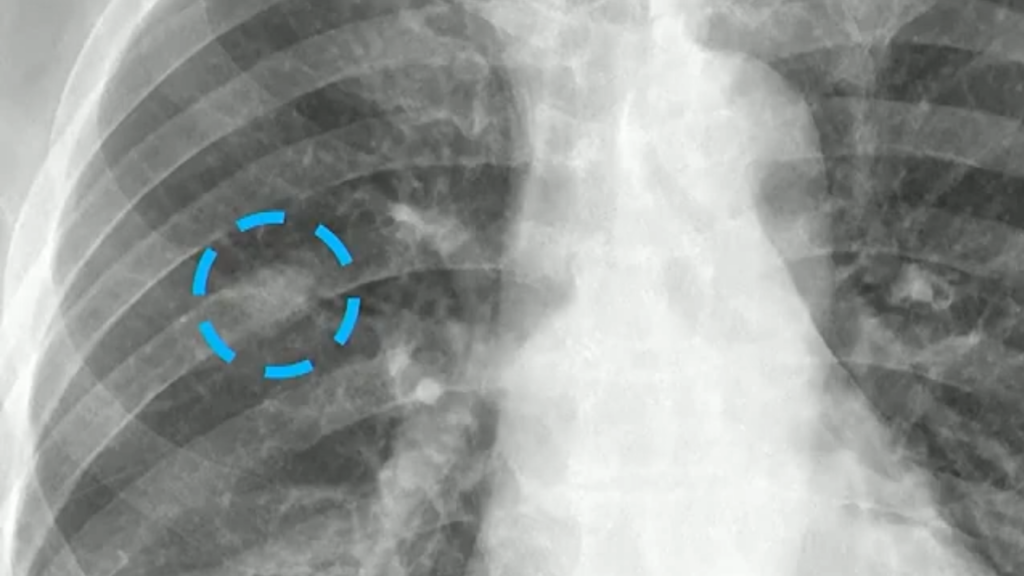
Is This Lung Nodule Real?
How do chest rads decide if it’s really real or simply a summation of shadows?
-

Identifying Pediatric Spinal Ependymoma
In adults, your first instinct is often correct; in children, the picture is more nuanced.
-
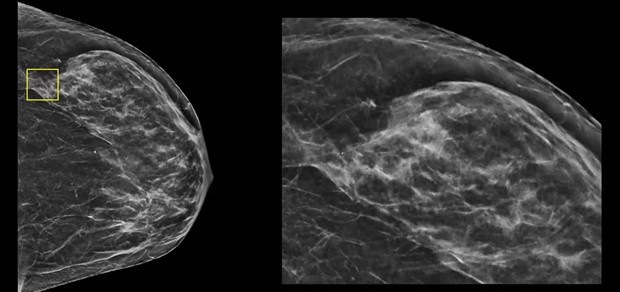
Language of Lesion: BI-RADS v2025
Well over a decade since ACR’s last lexical update, BI-RADS® v2025 truly reflects the tech.
-
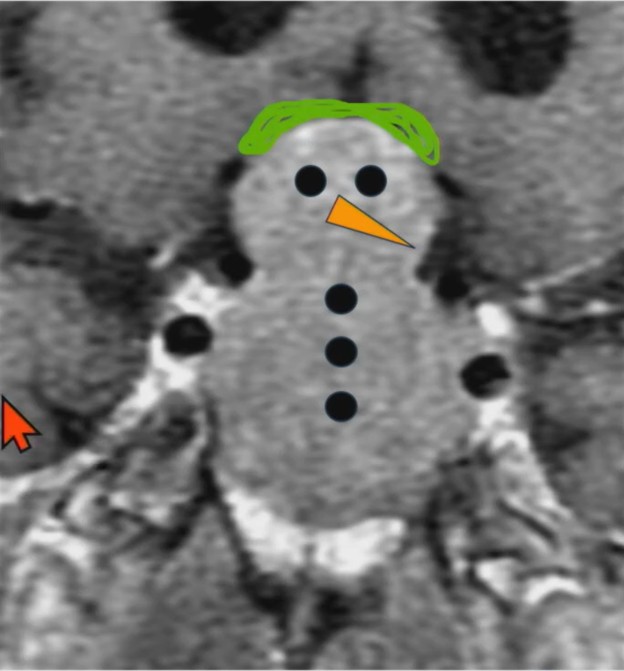
The Snowman Sign—Pituitary Macroadenoma
Here’s a classic case of a snowman-shaped, homogeneously enhancing mass.
-
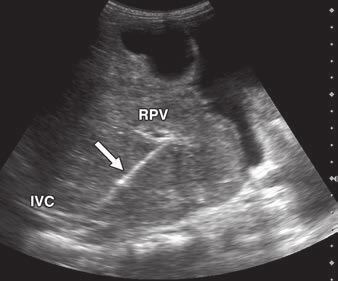
Budd-Chiari TIPS—When Decompression Becomes Definitive Therapy
TIPS provides high technical success, strong clinical response rates, and low procedure-related mortality.
-
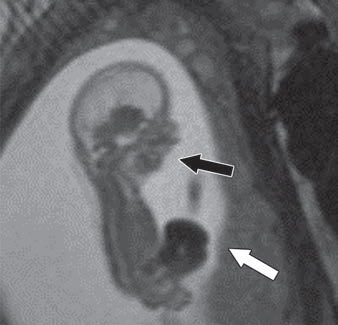
Does Your Fetal Ultrasound Need Backup? Try 3T MRI.
Rads provide the diagnostic “missing link,” translating complex imaging into a clear plan for the family.
-
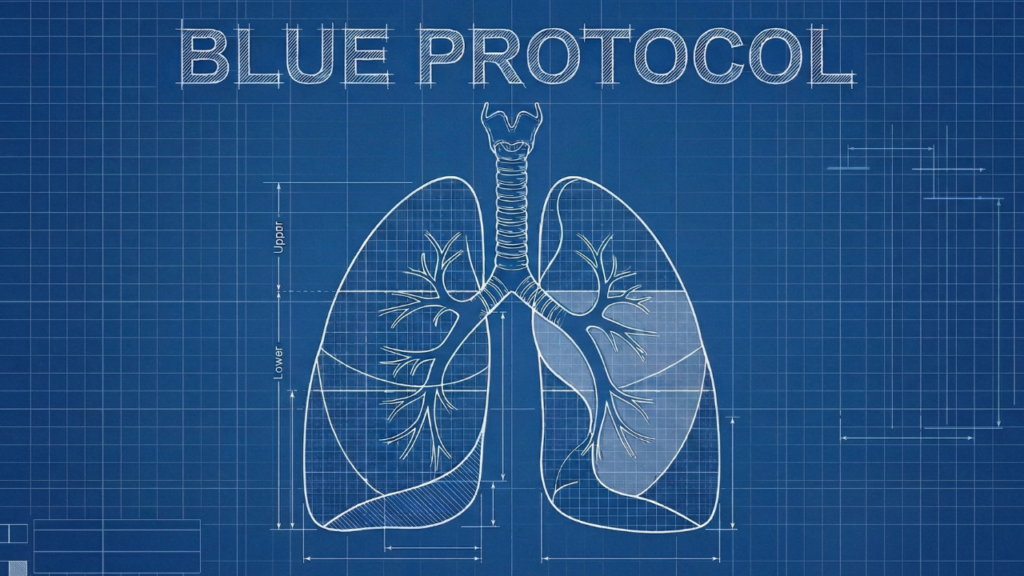
Thoracic POCUS in Acute Respiratory Failure: BLUE Protocol and Lung Aeration Scoring
When applied correctly, thoracic POCUS is not an ad hoc scan; it is protocol-driven medicine.
-
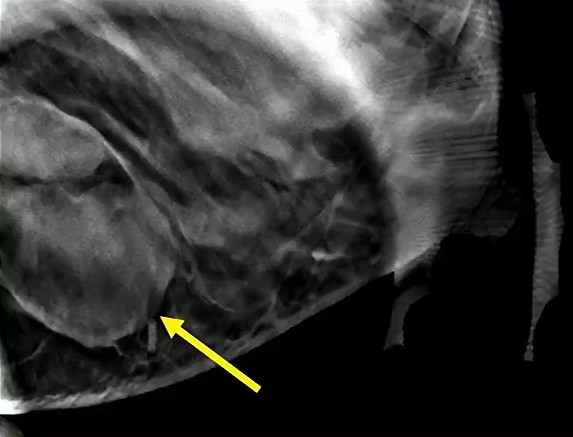
Pregnant Pitfall: Lactating Adenoma, or Something More?
In pregnant and lactating patients, the most dangerous mistake is assuming a reassuring pattern guarantees a benign process.
-
At-Risk MASH—An Imaging Inflection Point
Identifying at-risk MASH is no longer optional precision; it is actionable medicine.