
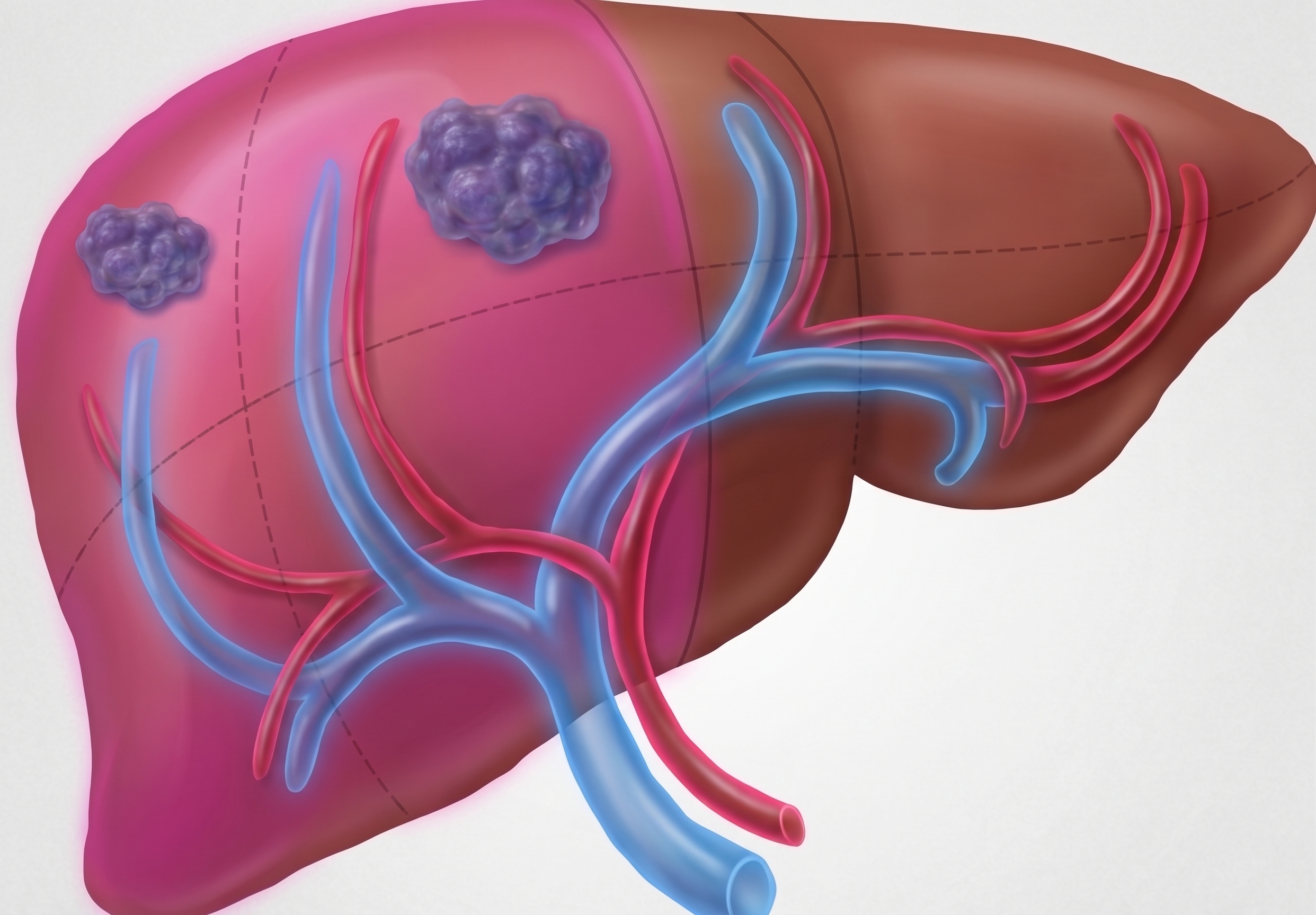
Summary: Although PVE remains the benchmark and LVD offers rapid growth, radiation lobectomy provides a dual-action option—albeit requiring further trials beyond existing retro data.
Kinetic Growth: When liver surgery candidates require resection but present with an insufficient future liver remnant, augmentation can stimulate contralateral hepatic growth a priori. It all works via the atrophy-hypertrophy complex—inducing atrophy in the diseased lobe while driving compensatory hypertrophy in the remaining segment.
As Dr. Sameer Gadani explained in this ARRS Quick Bytes video, selecting the optimal technique depends on whether the objective is rapid growth, long-standing procedural data, or concurrent tumor control during the hypertrophy phase.
- PVE: Portal vein embolization remains the traditional standard of care due to extensive clinical experience and historical safety data.
- LVD: Liver venous deprivation is the fastest emerging option for liver augmentation and highly safe when clinicians are experienced with embolic glue.
- Radiation Lobectomy: Deploys radioactive embolic beads to flood the target lobe, simultaneously treating the tumor while driving lobar fibrosis and contralateral hypertrophy.
- A modified technique delivers a targeted high dose directly to the tumor-bearing segment before pulling back to flood the entire lobe, improving local tumor destruction and atrophy efficiency.
Test of Time: Whereas lobectomy needs more time to achieve target hypertrophy, this window acts as a natural filter; rapid tumor progression indicates resection was unlikely to be beneficial.
- Monitoring hypertrophy rate serves is a vital marker for both underlying liver health and overall tumor aggressiveness.
Leave a Reply