
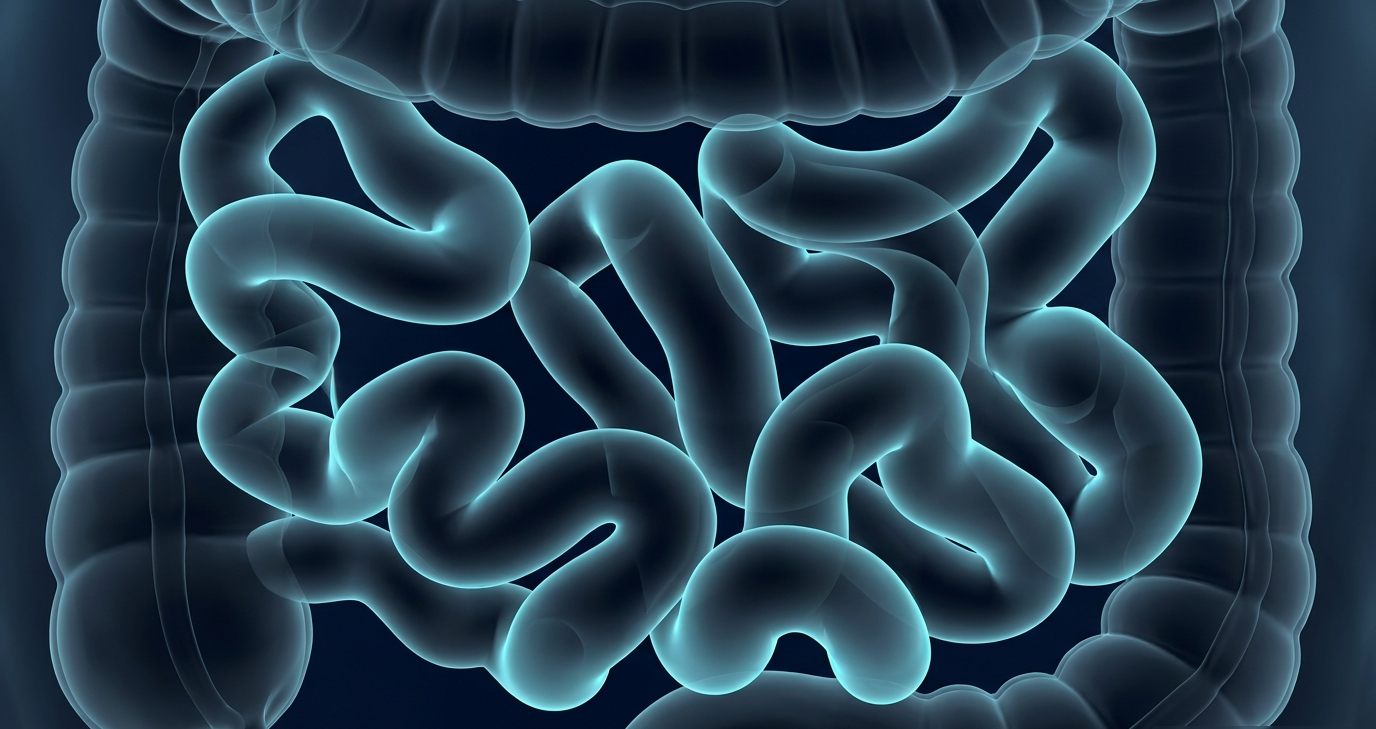
Summary: The dark side of oral contrast offers a sharper, unambiguous window into GI disease—enhancing spatial visualization, optimizing radiation dosage, and uncovering hard-to-spot abdominal lesions.
Light in the Darkness: Traditional contrast too frequently obscures or imitates. Positive oral agents can hide hypervascular tumors or simulate GI bleeding, whereas the neutral water-like ones tend to blend in with bladder biology. More radiolucent than water and soft tissue, albeit less so for pure bowel gas, dark oral contrast agents provide a distinct attenuation profile—600 to −40 HU—that stands out. Clearly, said Benjamin Yeh, MD, in this ARRS Quick Bytes video.
Better Bowel Bets: Pure gas causes volume averaging artifacts and loss of mucosal detail, while dark agents provide just enough attenuation contrast to delineate fine mucosal folds sans blur.
- Maximizing Yeh’s “delta HU” against surrounding tissue, dark agents dramatically improve conspicuity for both hypervascular lesions and hypodense masses.
- Their uniqueness better detects bowel wall ischemia, abscesses, and enhancement subtleties (without confusion via IV contrast or intraluminal contents).
- Dark agents reduce bowel motion artifacts and lower radiation by optimizing automated exposure control systems.
Stay Tuned! Currently in Phase 2 clinical trials, these agents are advancing toward FDA, as well as EMA, review.
- Promising experiments include dark borosilicate suspensions, xanthan and egg albumin foams, and lipid/paraffin emulsions.
Leave a Reply