Author: Logan Young

  • Legacy Interrupted—Patient Shielding in Diagnostic Imaging

    Legacy Interrupted—Patient Shielding in Diagnostic Imaging

    Published October 9, 2020

    avatar

    Rebecca M. Marsh

    Associate Professor & Medical Physicist
    University of Colorado School of Medicine

    avatar

    Michael Silosky

    Associate Professor, Department of Radiology
    University of Colorado School of Medicine

    In mid-2018, we wrote and submitted a manuscript, “Patient Shielding in Diagnostic Imaging: Discontinuing a Legacy Practice,” to AJR. In it, we discussed the practice of shielding patients during medical imaging exams within the context of current technology and scientific knowledge. We proposed that the benefits to patients are negligible, while the associated risks can be substantial, and that the “legacy” practice should be abandoned. Our article was accepted by AJR and set aside for the April issue that would have a special focus on medical physics.

    We were certainly not the first to question the continued use of patient gonadal shielding, but its print publication ended up coinciding with two other pertinent announcements. On April 1, 2019, the Food and Drug Administration announced a proposal to remove the portions of the Code of Federal Regulations that recommended the use of gonadal shielding. The next day, following the spring meeting of their board of directors, the American Association of Physicists in Medicine (AAPM) released a position statement that outlined the scientific justification for removing patient gonadal and fetal shielding from routine clinical use. This confluence of events firmly established April 2019 as the unofficial “Month of Patient Shielding” and revealed that the time had come for the imaging community to fully address this topic.

    What followed has been an animated debate about the role of patient gonadal and fetal shielding. We had written our article to advocate for science-based clinical practice but were unprepared for what the surrounding discussion would reveal—a broad spectrum in perceived effectiveness of patient shielding and awareness and interpretation of available scientific evidence. We will highlight some of this by looking at the response to the “Month of Patient Shielding” and provide some thoughts about a path forward.

    Response

    Several professional organizations have joined efforts to reconsider patient shielding practices through their endorsement of the AAPM position statement. These include American organizations such as the American College of Radiology (ACR), Health Physics Society, Image Gently Alliance and international organizations both near and far. In March 2020, the British Institute of Radiology (BIR) released an extensive guidance document that, like the AAPM position statement, states that current radiography technology and scientific evidence supports the removal of patient gonadal and fetal shielding from all radiograph-based imaging, including fluoroscopy, computed tomography (CT), and mammography. Notably, the BIR document expands this stance to include dental radiography.

    Responses from state regulatory bodies have been mixed—some have removed the patient shielding requirements from their regulations (Oregon), while others have doubled down on their gonadal shielding requirements (Ohio). In some states, regulatory changes are in progress. For example, in California, the Radiologic Technology Certification Committee has voted to remove the section of state regulations that had previously required gonadal shielding. Other states have decided to delay consideration of changing state regulations until the release of a pending statement from the National Council on Radiation Protection and Measurements.

    Conversations have also revealed misconceptions about regulatory and accreditation bodies’ positions on patient shielding. Neither the Joint Commission nor the ACR accreditation programs even mention patient shielding. And although gonadal shielding is often seen as a federal requirement or law (21 CFR), it is not. The section about gonadal shielding that appears in 21 CFR, added in 1976, is a recommendation. While it is not, nor has it ever been, a requirement, the addition in 21 CFR led almost every state to introduce gonadal shielding into their local regulations. Interestingly, the most recent version of the Suggested State Regulations prepared by the Conference of Radiation Control Program Directors in 2015 makes no statement about patient shielding. Further, every state that has (or had) a regulation about gonadal shielding contained language that allowed not shielding a patient, if it could compromise the diagnostic quality of the exam. We posit that this condition is met for every exam where the gonads are within or near the imaging field of view—the presence of patient gonadal shielding greatly increases the risk of degrading image quality.  

    While many professional organizations and individuals united in efforts to redefine the role of patient shielding, this support was not universal. Some comments brought our professional and personal competence into question. On social media, our article was described as “a fluff article” and “very irresponsible and ill-informed.” We were deemed suitable recipients of the “Idiot of the Year Award,” accused of lacking a basic understanding of science. Importantly, these comments often revealed misconceptions about patient shielding and x-ray physics in general, including the idea that shielding increases patient dose by reflecting x-rays back towards the patient (it doesn’t) or that off-axis radiation contributes substantially to patient dose (also not true). This discussion highlighted differences in definitions of “common knowledge” within and between medical imaging subspecialists, including physicists, radiologic technologists, radiologists, and regulators.

    Perhaps most importantly, the responses to our article revealed where we had failed to communicate effectively. Some interpreted the article as an accusation that radiologic technologists are incompetent, despite our intention to point out that even under ideal circumstances, it is nearly impossible for shields to fully cover the gonads (or fetus) without also obscuring adjacent anatomy, increasing x-ray tube output, or negatively affecting image quality. We were highlighting a deficiency in patient shielding policies, not in radiologic technologists’ skill.

    Overall, there was substantial concern that if gonadal and fetal shielding were removed from the clinic, patients and parents would be up in arms, fating facilities that made this change to become outcasts of the medical imaging world, disgraced and destitute. Some argued that the perceived safety provided by shielding outweighs any potential negative effects on image quality or dose. While these are legitimate concerns, and they ought to be considered and addressed, we maintain that it is insufficient reason to abandon the overarching goal of advocating for science-driven clinical care. (As an aside, patients’ response to the discontinuation of patient shielding in the facility where we work—first implemented in the fall of 2018—has been remarkably mild.)

    Further Research Developments

    As mentioned, recognition of the problems associated with patient shielding was not novel. Our paper was based on the work of others, accompanied by a logical discussion of the associated science. However, one criticism that was levied in response to our paper was, “Where’s the science to support this?” We encourage anyone seeking more information to review the reference list included in the initial article. Further, we direct them to more recent articles that address various relevant topics, including measurement of the increase in female gonadal dose when shielding is used in conjunction with automatic exposure control; a review of gonadal doses in radiography and the effect on patient shielding guidelines; and quantification of fetal dose with and without patient shielding. Notably, all of this research reinforces the existing evidence that the benefits of patient gonadal and fetal shielding are negligible, especially when compared with the associated risks.

    Future Work

    It has become apparent that while physics can (and in our opinion should) lay the foundation for clinical practice, any real change must address the less tangible aspects of patient care and professionalism. How will patients and parents respond to such a change? How will the imaging community communicate this change with other medical professionals, including referring physicians? What are the regulatory and legal ramifications? What effect will there be on certification exams and educational programs? Does not providing patient shielding conflict with certifying bodies’ codes of ethics?

    Luckily, when the position statement was formally released, AAPM had the foresight to form a multi-society committee that would focus on communication and educational efforts across subspecialties, including radiologic technologists, educators, regulators, physicians, and physicists. One of us (RM) was asked to chair this committee, which also has representation from more than a dozen professional organizations. The Communicating Advances in Radiation Education for Shielding (CARES) committee represents the creation of a virtual table where these discussions can take place. To date, this has resulted in a strong social medial presence, inter-society dialogue, and an FAQs document. Further educational materials are under development.

    We were not the first, nor will this article be the last, to question whether patient gonadal and fetal shielding improves patient safety. However, developments over the past 18 months leave us confident that there are many people who care deeply about patient safety and are committed to finding a reasonable path forward. We are also hopeful that this multi-society cooperation in addressing a clinical problem is representative of how the medical imaging community can approach similar topics in the future. While we each view the practice of medical imaging through the lens our own subspecialty, patients are best served when our clinical practice is formed from our collective knowledge, skills, and experience.

  • Girl with a Plague Earring?

    Girl with a Plague Earring?

    Published October 22, 2020

    Lead white appears white on x-ray due to high atomic weight. Since lead white is a ground component, x-ray shows marks where ground was spread over the canvas using a knife. Other paints containing large amounts of lead white are also opaque. (Courtesy of Mauritshuis)

    We know not who she was, nor any verified details about her relationship with the Dutch Golden Age master. But thanks to radiographic fluorescence scanning and reflectance imaging spectroscopy, we know now that the lead ore in that white orb hanging hookless from the left lobe of Vermeer’s 355-year-old Girl with a Pearl Earring came from England. Aided by digital microscopy and a macro x-ray fluorescence map for iron, conservators at The Hague’s Mauritshuis Museum also revealed how Vermeer’s lustrous black background was originally a set of folded emerald curtains—scant proof to confirm the plot of Tracy Chevalier’s novel-cum-film (Scarlett Johansson is Colin Firth’s maid there in Delft), but sufficient to suggest the artist was faithfully rendering a real girl circa 1665. Historically, that year is far more telling because back in England, where basic lead carbonate had been mined for white pigment since antiquity, some 100,000 of Charles II’s subjects were dead. Lasting a little more than a year, the Great Plague of 1665–1666 was the last widespread outbreak of bubonic plague in England during the 400-year Second Pandemic.—Logan Young

  • The History of Radiology Journals, in the Wake of COVID-19

    The History of Radiology Journals, in the Wake of COVID-19

    Published October 22, 2020

    avatar

    Michael S. Huckman

    Professor Emeritus of Radiology
    Rush University Medical Center

    A year ago, when I was asked to prepare a talk on the history of radiology journals, little did I think that, because of a pandemic, a new chapter would be added to the history of medical journals in general, that of how public anxiety would be assuaged by the dissemination of medical knowledge via journals and mass media, in print and online. Academic radiology journals have set high standards of peer review and avoidance of conflicts of interest for over 100 years, but these are time-consuming processes at a moment when there is instant demand for new medical knowledge in so many fields.

    Just this June, while I was writing, the rush to publish resulted in the retraction of studies from respected publications such as New England Journal of Medicine and Lancet because the authors could not verify a new database on which the results depended and, in other instances, the results of published articles were considered statistically invalid. 

    To radiology’s credit, the history of its academic journals has always been tied to how they assure scientific honesty, how fraud might potentially creep in, and how peer review attempts to prevent its appearance. Whether in print or online, these journals try to bring us legitimate validation of the newest developments in our field, simultaneously providing an archive of the history, organization, and expanding scope of our profession.

    Medical journals are no stranger to pandemic. During a smallpox outbreak in Paris in 1820, there was uncertainty about the effectiveness of the new vaccine. Journalists were invited to debates at the Academie Royale de Medecine and quickly relayed their versions of them, setting a panicked public atwitter. The Academie sought to control the message of its debates, publishing its own accounts, which led to the establishment of the academic journals we have today. It took until the mid-1900s for the concept of peer review, with its panels of outside experts and deliberate processes of revision and resubmission, to be widely adopted.

    Even in their earliest incarnations, the speed of disseminating information via journals was considerably slower than that of less reliable mass media—and those speeds, and often gaps, have increased over generations of medical practice. A recent New York Times article observed that during a pandemic, journals are pressured to be not only relevant, but also responsive to the urgency of the circumstances and maintain their standards, which require caution. In January 2020, 50 papers on the novel coronavirus, COVID-19, had been published. By the start of June 2020, 17,000 published papers about COVID-19 were listed in the National Library of Medicine’s database, referred to by some as an “infodemic.” Respected journals have quickly disseminated COVID-19-related articles free of charge online, and new websites with names like bioRxiv  (pronounced “bioarchive”) and medRxiv have included many of-the-moment studies that did not complete peer review; last I checked, these two sites were listing over 4,000 papers on COVID-19.

    No matter how trying the times, radiology has kept peer review at the heart of its academic journals. The system is not perfect, often taking a year from submission of an article to publication. Our major journals now shorten those times using electronic submission and review, but formal peer review will, and should, always remain a deliberative, time-intensive process. A recent article in Journal of the American Medical Association highlights the trade-off between learning and doing during a pandemic—that is do something (treat the patient) or learn something (appropriately test a new technique or therapy), a dilemma often referred to as the “exploitation-exploration trade-off.” Radiology journals have successfully navigated our advancing profession through the landmarks, and hazards, of this evolving debate between quick change and cautious optimism, or skepticism, for more than a century.


    Archives of Clinical Skiagraphy was the first radiology scientific journal and appeared in May 1896. Its founder and editor was Sydney D. Rowland (1872-1917), a medical student at St. Bartholomew’s Hospital in London. The first issue comprised 16 pages with an article by Rowland on the method of taking a radiograph, or skiagram as he called it, and six photographic plates. Seven months later the journal became Archives of Skiagraphy. Skiagraphy was a term proposed by Rowland that literally means “shadow writing,” derived from the Greek terms skia (σκια) and grapho (γραφω). His first editorial stated, “The object of this publication is to put on record…the most striking applications of the new photography to the needs of medicine and surgery.” In 1897, the journal was renamed, again: British Journal of Radiology.

    The earliest radiology journals that appeared in the United States were the precursors of the present American Journal of Roentgenology (AJR) and Radiology. Dr. Heber Robarts (1852-1922), a surgeon for the Great Northern Railway, established a laboratory in St. Louis for the further study of the x-ray phenomenon. His ambition was to establish an American periodical devoted to the interests of this new medical specialty. His American X-ray Journal was initially a monthly magazine, first published in May 1897, devoted to practical x-ray work and allied arts and sciences. Robarts noted that the application of the “new rays” allowed for “the ease and certainty of aiding diagnosis which has advanced more in the past 12 months than any previous hundred years.” He went on to say “that no advertisements shall appear in this journal that savor of quackery, deception, or fraud,” an early manifestation of the intended integrity of a medical journal. In 1900, Robarts organized “the Roentgen Society of the United States” and was chosen as the first president of the society. The ranks soon became infiltrated by commercial interests, and Robarts disposed of the journal’s control.

    In 1906, the American X-ray Journal’s editorship passed to Dr. Preston Manasseh Hickey (1865-1930) of Detroit, a pathologist, otolaryngologist, and skilled amateur photographer who, with a colleague, purchased one of the first x-ray machines in Michigan. In 1922, Hickey was appointed chair of radiology at the University of Michigan; he is counted among the founding members of the American Roentgen Ray Society (ARRS). ARRS started publishing the scientific presentations at its meetings as Transactions, and after 1906, in the American Journal of Roentgenology and Radium Therapy, AJR’s predecessor. Hickey was editor from 1906 until 1916, and he was responsible for the terms “roentgenology,” “roentgenogram,” and “radiograph.” He was also instrumental in standardizing radiographic nomenclature and report structure.

    Digitized by Google from the library of Harvard University and uploaded to the Internet Archive.

    At this point, a new radiology society gave rise to a second credible journal. ARRS was considered an “Eastern” society with most of its meetings held in that part of the country.  Attendance for Hickey’s colleagues west of the Alleghenies was difficult, and many “Western” radiologists were ineligible for membership according to ARRS’ professionally elitist criteria. Some sensed that there should be a place in organized radiology where young physicians were encouraged to develop, so Dr. Edwin C. Ernst (1885-1969) of St. Louis convened a meeting in St. Louis in 1915. His organization was originally known as the Western Roentgen Society, and in 1922, its name was changed to the Radiological Society of North America (RSNA). RSNA’s 1923 articles of incorporation included a plan “to maintain a journal in order that legally the society should own and control, RADIOLOGY,” which was then beginning publication. Dr. Maximilian John Hubeny (1880-1942) was editor from the journal’s inception until his departure in 1931.  Under Hubeny’s editorship, Radiology was immediately established as a quality medical journal, and he supervised its first 16 volumes. AJR and Radiology remain the flagship publications of our profession.

    In more recent decades, as sub-specialization and significant technologies like CT reshaped the profession, different types of radiology journals appeared, the predecessors of today’s several respected publications targeted to particular imaging techniques and specific anatomic areas or diseases of an organ system. In 1977, once CT had advanced past its initial novelty and rarity to become widely accepted, Journal of Computer Assisted Tomography was first published by Raven Press as a technique-oriented journal dedicated to emission and transmission tomography, under the editorship of Dr. Giovanni Di Chiro (1926-1977) of the National Institutes of Health. Soon after in 1980, Dr. Melvin Figley (1920-2010) at the University of Washington, editor of AJR, helped establish the sub-specialized American Journal of Neuroradiology (AJNR) as a joint project of ARRS and American Society of Neuroradiology (ASNR). Dr. Juan Taveras (1919-2002), a founder of ASNR in 1962 before moving to Massachusetts General Hospital, was AJNR’s first editor. Selected articles were reprinted in AJR a month after they appeared in AJNR, elevating neuroradiology’s academic credibility among the various neurosciences and setting a precedent for successful organ system-oriented radiology journals in other sub-specialties.


    The long history of responsible medical journalism is the pride of radiology. Ethical conduct by editors and reviewers is mandatory in academic journals, and authors are always responsible for honest conduct of research. Conclusions are evaluated based on credible data.

    There is, admittedly, a recent proliferation of for-profit journals, many of which are internet-based, which charge authors a fee for publication, have questionable peer review, and draw advertising away from established academic journals. It is increasingly our responsibility as radiologists, particularly in the rapidly changing times COVID-19 makes so immediately familiar, to respect and protect the legitimate journals our specialty has so long esteemed—the traditional publications highlighted in this article and the many recent efforts space limits my mentioning—as the primary sources of information for our practices in an era when expansive, even sensational, mass-media coverage of new techniques, cures, and devices rushes all of us ahead.


    This article was first published in the Summer 2020 edition of ARRS’ SRS Notes. The opinions expressed in InPractice magazine are those of the author(s); they do not necessarily reflect the viewpoint or position of the editors, reviewers, or publisher.

  • Of Scrubs and Screens: My Life as a Rad Tech and Actor

    Of Scrubs and Screens: My Life as a Rad Tech and Actor

    Published April 8, 2021

    avatar

    Michael John Benzaia

    R.T. (R)(CT)


    Who knew that 15 years ago when I was walking into my first clinical at a hospital in New York that my knowledge and medical skills would later land me on television? My emergency department experience as a radiologic and CT technologist has ensured that my portrayal of characters as an actor on The Mindy Project, Shameless, How to Get Away With Murder, and General Hospital have remained truthful. This experience has also led to medical consulting and—in the midst of a pandemic, ultimately—a pivotal role as a coronavirus disease (COVID-19) compliance officer..

    Growing up in the Hudson Valley of New York, I was exposed to a variety of different activities and pastimes. I focused a lot of my energy outside of school on the soccer field and my local theater. When the time came to decide on a major, my mother’s oncologist gave me the opportunity to shadow his work. Seeing the compassion for his patients, something sparked within me. At that moment, I knew radiology would be the perfect fit, that it would allow me to utilize both sides of my brain. Today, I get to show my empathy for others while working in a fast-paced environment, where each day presents new challenges to tackle.

    Throughout all of this, I notably remember one other spark that never quite left me. I was 10 years old when my aunt Rosalie took me to see a stage performance of Hammerstein’s 1994 revival of Show Boat. I can still see myself sitting in that large seat, mesmerized by what was playing out on the wooden stage above me. I didn’t necessarily know I wanted to be an actor at that moment; I just knew that whatever this magic was I was experiencing, well, I must gain more of it.  

    Life continued on. I saw more shows, and I started to develop a strong connection to the arts. When it was time to get serious about my career path, I had some decisions to make. My family has always been understanding and open to allowing me to make my own life choices. Although I decided to put my love for theater on the shelf to pursue my interests in the medical field, I knew performing would come knocking again. I just didn’t know the knock would be so loud.

    Anyone who personally knows me knows that I’m a bit of an overachiever. I think it would be safe to say a high percentage of imaging professionals tend to be. Within the first two years of working as a rad tech, I gained my CT license, my bachelor’s degree in radiological sciences, as well as an MBA. I earned the title of lead technologist, in charge of everything from patient complaints to personnel scheduling to resource allocation for the department. I was thriving and truly enjoying my career choice. In life, I’ve discovered that when something is meant for you, it will eventually find its way to your doorstep. Our job is to just pay attention because, sometimes, it doesn’t come delivered in the package we had expected.

    A friend of mine knew that I had this secret passion for performing and asked me to submit an audition tape. I specifically remember being so green that I recorded my tape from the hospital bathroom, dressed in my scrubs.

    Somehow, they saw something in me and called me into the casting office for a follow-up. (I have since learned that this additional meeting is called a callback, a very good thing.) This second audition did not lead to that specific role but instead another role that was casting. That’s how I’ve seen things materialize in my life. I think it’s coming directly for right field and then, last-minute, a line drive down the middle.

    Later, I gained a scholarship to the Stella Adler Academy of Acting in Los Angeles, California. Alumni include Mark Ruffalo, Salma Hayek, and Benicio Del Toro. This experience changed everything for me. The way I looked at myself, others, and the world around us all would never be the same. I was able to deepen my empathy and my understanding of the human experience. During this period, I practiced hard at fully living in the moment. Experiencing a given moment was something that I was able to use in both of my careers. Too often, we are in 20 different places in our minds. Now, when I’m with my patients, I make sure to be there fully for them. And when I’m on set, I block out everything happening around me, from sound crew movement to camera equipment lights. This ensures that I can live as my character as truthfully as humanly possible.

    In several ways, my medical experience has been my secret weapon. I often find myself on set suggesting medical corrections to the director. I’m sure many radiologists and rad techs alike can relate. We’re watching a television show, and the doctor says a brain MRI has shown him to a specific diagnosis, but he holds up a CT scan of the abdomen. We find ourselves wanting to stand up and scream at the screen! Every time I walk onto a set as an actor, the director and medical consultant are happy because they know I understand the medical world. Casting offices also feel comfortable hiring me for roles thanks to my extensive understanding of our terminology. This background has helped me book jobs not just as an actor, but also as medical consultant, ensuring that what’s being portrayed on screen is medically sound. Most recently, I have gained a newer job title: COVID-19 compliance officer. 


    The Screen Actors Guild-American Federation of Television and Radio Artists, our labor union, quickly came up with on-set safety protocols to allow productions to continue creating content without risking exposure to COVID-19. This fast action kept so many individuals working and able to survive financially through this past year. A COVID-19 compliance officer is now mandatory for every production crew—a staple I believe will not be gone overnight, unfortunately. COVID-19 compliance officers’ tasks include everything from screening for the virus to enforcing masking and other protocols set by the Centers for Disease Control and Prevention.   

    Whether seated behind a CT scanner or navigating the fast-paced world of television, there is no cap to what modern-day radiologic technologists can accomplish. During this unprecedented time, it is reassuring to know that when I sent in my application to x-ray school all those years ago, I made the right decision, indeed.


  • The Journey to AI for COVID-19 Radiography

    The Journey to AI for COVID-19 Radiography

    Published September 29, 2020

    It all began with The Roentgen Fund® grant for deep learning cardiac MRI

    avatar

    Albert Hsiao

    Associate Professor of Radiology, University of California-San Diego
    2019 ARRS Scholar

    A specific form of artificial intelligence (AI), called a convolutional neural network (CNN), is rapidly becoming a standard tool for analysis of biomedical images, including radiography, CT, and MRI. Within only a few years, many laboratories have grown to adopt this technology to answer specific medical questions, make technical advances, or enhance clinical workflows. For example, CNNs have shown a remarkable ability to detect lung cancer on CT scans or diabetic retinopathy on fundoscopic photographs. One important reason for this is simplicity and ease of use, as CNNs are capable of learning characteristics or “features” of disease without being explicitly programmed. Another reason for rapid adoption of CNNs is remarkable generalizability, as they can be taught to be insensitive to artifacts, body habitus, technique, or even modality (CT or MRI). Just like humans.

    The remarkable power of CNNs has led some physicians to conjure up mythical battles between man and machine, leading radiologists to reflect on how CNNs contribute and provide diagnostic value in medical imaging. With time, many of us now see this technology as a way to enhance our practices, reducing the clutter and labor that limit our ability to engage our higher cognitive skills to diagnose and manage our patients. There are few clinical arenas in diagnostic radiology that are more interesting but beset by more clutter and labor than cardiac imaging. That is, in fact, one of the reasons I was reluctant to pursue this field, initially choosing intervention instead. Fortunately, I was guided to take notice that where there are challenges, there are often extraordinary opportunities.

    Several years ago, we began exploring the potential of CNNs to simplify the process of performing and interpreting cardiac MRI. The idea was simple. There were too few technologists proficient in cardiac MRI, and the ability of radiologists to carefully supervise these examinations has been compromised by diminishing reimbursements and increasing clinical volumes. However, if we could use AI to automate the manual tasks on the scanner, we might be able to both improve image quality and reduce the amount of training needed for our technologists. AI could serve as our conduit of knowledge to improve the quality of the imaging we provide. Our efforts quickly showed promise, and we began integrating our approach into clinical software and the MRI scanner with research grants and partnership with GE Healthcare.
    The ARRS Scholarship provided me an opportunity to take this project in a new direction, considering it not just as a clinical end-product, but also exploring fundamental questions about how we bring AI to our practices. Specifically, in our proposal entitled “Adaptive Artificial Intelligence for the Acquisition and Analysis of Multiplanar MRI,” we asked: What tools do we have at our disposal to ensure that our algorithms would work well across multiple field strengths and technological improvements in MRI? Imaging equipment is constantly changing and improving, and AI algorithms need to grow and adapt, just as we do. We had some hints that CNNs could have the flexibility to continuously learn. With my brilliant students, we are looking at this from several angles, asking several key questions. Can we predict which images the AI algorithm will fail to process correctly? If so, can we selectively collect these images to teach our AI algorithm to learn from these cases and improve its performance? The results, so far, are promising, and we are preparing a manuscript on this topic for submission.
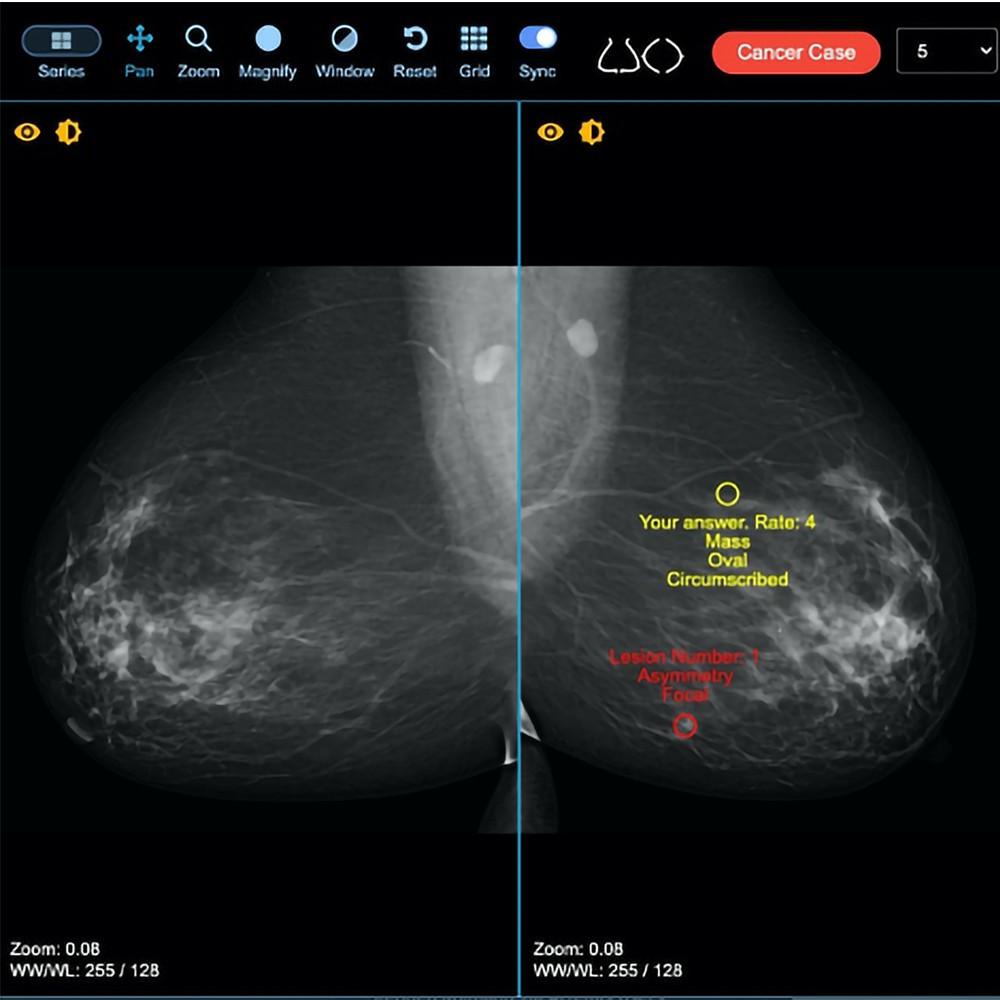
    We also looked at this from another perspective. There are far more x-rays in my practice than cardiac MRIs. Data are king when it comes to developing AI. Further, early and atypical pneumonias can be readily missed by trainees and even by experienced faculty. Could we use the same approach that we use to identify the mitral valve on cardiac MRI to find pneumonia on radiography? Could we enhance our x-rays with color, the same way we use 4D Flow to enhance cardiac MRI? Yes and yes.

    We did not anticipate that coronavirus disease (COVID-19) would become so prevalent and change our lives so dramatically, but as it emerged, we had the opportunity to test our AI algorithm on x-rays from some of the first patients diagnosed with COVID-19 pneumonia. Surprisingly, it tracked well with the severity of pneumonia. We have since received funding and support from the University of California Office of the President, National Science Foundation, NVIDIA/Groupware, Amazon, and Microsoft AI for Health to further explore this promising approach to AI.

    We did not seek initially to develop an AI algorithm to better diagnose and manage COVID-19 when exploring our strategy for cardiac MRI. However, it certainly goes to show that benefits from investments in research and education are not always linear and predictable. They create opportunities for young clinicians and researchers to tackle important questions that can ultimately shape the future of our field.


    Help The Roentgen Fund® provide support to talented young radiologists with your tax-deductible gift. 100% of your donation will go to funding scholarship and fellowship programs. Receive a special thank-you gift from ARRS when you contribute $200 or more, in addition to many other donor benefits.

  • Fear and Hope in Indiana: One Rad Tech’s Look at COVID-19

    Fear and Hope in Indiana: One Rad Tech’s Look at COVID-19

    Published August 25, 2020

    avatar

    Lizzy Rainey, R.T. (R)

    Franciscan Health Lafayette

    A radiologic technologist and respected painter in Lafayette, Indiana, Lizzy Rainey transforms complex medical images into what she calls “landscape anatomy.” Since 2008, her paintings have appeared on the covers of American Society of Radiologic Technologists scientific publications more than 21 times. Today, her work hangs in the Pentagon and in medical centers across the country.


    My story is about fear. It’s also about hope.

    I’ve been a radiologic technologist for nearly 40 years. At first, I felt confident we had a handle on this virus. I knew we could simply use our protective equipment, and it would keep us safe.

    I’ve survived working with devastating diseases before: TB, HIV, H1N1, meningitis, CDIFF, strep, influenza. In the past, we always had PPE, the proper training, and the knowledge of how to keep safe.

    This time, it didn’t take long to realize the world had changed overnight. Now, our protective tools are rare and guarded. For the first time in 40 years, I feel there is a chance some of us may not survive this one. The fear is very real.

    My coworkers and I continue to work with first-contact patients in the ER and patients on the floors, while using the best protective gear possible. But we often have to search for it, demand it, beg for it, and even attempt to create our own.

    Someone told me, “It’s like when you’re on vacation and run out of clean clothes, you wear your best dirty shirt.” But that statement offers little comfort when our lives depend on what we wear. As the days go by, more of the appropriate gear has started to become available. But not knowing when or if this situation will come to an end, or if our PPE will always be there, creates unrelenting stress for all of us.

    I’ve already seen my coworkers frightened, panicked, in tears. Yet everyone has somehow found their self-control and overcome the worst of their anxiety. So far, none of my colleagues have refused to do their job, even with their very real concerns.

    As a grandmother and technologist in my late fifties, working weekends in a busy hospital, I wonder when I will safely hug my kids and grandkids again. Even if they lift the social distancing order, I’m committed to keeping away from people for their safety.

    I find myself counting the days of the virus incubation period every week, wondering if I will have symptoms before the week ends and I return to the ER, just to begin counting the days again.

    There are no definite answers right now. My fear is real, but so is my hope. My hope comes from my faith in God, and I also paint. Yes, I paint my feelings and that brings me great hope. I’ve been painting portraits of my hospital colleagues and other technologists in their protective gear. Not necessarily portraits praising the individual but demonstrating the spirit of the job.

    The paintings show them in the midst of the crisis, working in Indianapolis, Indiana’s Methodist Hospital, draped in protective gear. One painting captures a moment after the successful completion of a dangerous procedure at my hospital, Franciscan Health in Lafayette, Indiana. My colleagues strike a pose, smile, and flash a peace sign. All this while enjoying the job. I hope, through my paintings, you can feel their compassion, purpose, and, yes, hope—even through the fear we feel every day.

    Lizzy Rainey’s essay and paintings are shared in collaboration with the American Society of Radiologic Technologists (ASRT), the premier professional association for the medical imaging and radiation therapy community. With more than 157,000 members, ASRT has a profound commitment to the ongoing support and advancement of radiologic technologists.n

  • A Commitment to Remain Engaged and Awoke

    A Commitment to Remain Engaged and Awoke

    Published August 18, 2020

    avatar

    Alexander Norbash

    2020–2021 ARRS President

    Do you believe that a radiologist deserves to comment on social inequities in a column such as this? Today, I believe that it is appropriate for me to do so. I do believe that, as a physician, I have a perspective that allows me to have an informed opinion where public health is concerned. And I believe that inequity, poverty, and racism are all public health problems. Whether or not they are solvable is beyond my understanding, given the human condition and history. If you feel that I have no right opining on such as this, I pray that you will forgive me this deviation.

    On Thursday, April 9, I sent my last editorial to our InPractice editor. At the time, the focus of my thoughts dealt with the COVID-19 crisis and all that we saw, anticipated, and feared at the time as a direct result. I thought we were facing a once-in-a-lifetime problem that would demand our full attention, cost us many lives and considerable hardships, and might take two or three years to address. I even assumed at the time that we would be facing some type of large-scale societal financial crisis, above and beyond the imminent financial crisis I thought our health system would be facing. We thought we would figure this out. I did not imagine I would see a bigger crisis than COVID in my time, and I certainly could not imagine my commenting on a bigger crisis in my three remaining editorials. I was mistaken. 

    That was a very long time ago. George Floyd was alive on that day, and he continued to walk, breathe, and live among us for the next six and one-half weeks. And then, everything changed for a brief time. We all stirred to awaken—and I fear we have rolled over and fallen asleep again—back into our highly factionalized and outraged dreams. Summed up, the consequences and impact of perpetual, persistent, and unrelenting racism subjugates the COVID crisis to pale by comparison.

    In this phase of my life, I believe that, as a healer, I should care about the health of individuals and society. Perhaps my span of interest should expand beyond just minding my business as an imager. Perhaps I should try to at least voice my thoughts about social inequities, and how those inequities erase multiple lifetimes of my professed service to society.

    Mr. Floyd was killed, and we witnessed his death. Many of us gathered around our understanding that over 400 years of oppression, we have been either beneficiaries, perpetrators, victims, or bystanders. If victims, we are rightfully outraged. If perpetrators, I have a difficult time characterizing or understanding the defensive sentiment. If bystanders and beneficiaries, then we are faced with the leaden and heavy realization of our complicity, and our contribution to the ongoing racial crisis. Collectively, the end result has been neglect and denial of a purely man-made evil, where we have literally failed to lift a finger to solve this crisis over the centuries. With Mr. Floyd’s killing, many of us were now embarrassed into some temporary form of consciousness, and sought to right 400-plus years of a wrong. Perhaps momentarily, we recognized that the overt outrage of human ownership had been allowed to transform into the covert insidiousness of multigenerational oppression, poverty, disempowerment, and irreversible disadvantage. And now, we thought ourselves awoken, and we almost mobilized to do something real. Closer than ever before. Then again, maybe not so close. I don’t know. Memory is brief and incomplete.

    Watts was big, with nearly a thousand buildings destroyed or burned over five days in 1965. Did anything substantive change after Watts? If so, why are there less black male medical students in 2020 than there were in 1973? Does that not shock us? Did Mr. Floyd also die in vain, as one of thousands? You would think that shock charges us to concrete and actionable charges to society. I don’t see the crisis seized upon, nor the corrective actions enabled. I saw large groups of committed individuals mobilized in the streets with my own eyes, propelled by the strength of their convictions and their fearlessness. And I don’t see where all that energy and passion was constructively directed.

    We are physicians and health care workers, which means that we not only care for the human physic, we realize the irreducible entanglements that the body has with society, spirit, and soul. Can we be radiologists and not care about lead levels in water supplies, intentional violence, and child hunger because we are only interested in the latent image? Can we be disinterested by social inequity? Can we be untroubled by injustice, when such injustice neutralizes multiple lifetimes of our collective best radiologist efforts?

    So, what are we supposed to do? Perhaps, at the least, we have to commit to not only work on equity in our immediate environment, we have to also recognize the insidious permanence of the condition. Yet there are also specific steps and actions that we can take.

    What are concrete steps we can take? Where our immediate environment is concerned, we are all in need of implicit bias training and bystander training. How else can we change our immediate environment unless we understand what is hurtful, and unless we each believe our duty includes stepping in and clearly addressing inequity? There are dozens of online implicit bias training modules that can remind us that each and every one of us suffers from implicit bias, and that this awareness of our implicit bias is the first step in controlling it.

    Bystander training is more complicated. It demands an understanding from each of us about when and how we would step in when we see something heinous, or even something just slightly hurtful. Alternatively, would we prefer to lower our heads and walk away to save ourselves? And then, following that, could we look at ourselves in a mirror? Learning about microaggressions and interventions is time consuming, and another ingredient that contributes to establishing a fair and equitable society.

    A higher level of commitment is that of outreach and pipeline creation, where we choose to go to such groups as disadvantaged elementary and high school students and tell them about radiology—taking along team members such as technologists and nurses, so these students can envision an alternative future for themselves. Even if we only touch a small number of lives, in and of itself, that has meaning and substance, and may result in further cycles of engagement and economic salvation. It takes so little additional effort to positively affect the lives of others.

    Only through vigilance and an understanding of the need for durable and enduring change can we hope for improvement. More than 400 years of inequity demand continuous and unrelenting pressure for change to occur. This is not a moment, or a project, or an initiative. It is a commitment for life to remain engaged and awoke, in order to better the condition of our brothers and sisters. For many of us, it is our understood duty.

  • Pediatric COVID-19 and MIS-C: What Lies Beyond Pneumonia?

    Pediatric COVID-19 and MIS-C: What Lies Beyond Pneumonia?

    Published August 10, 2020

    avatar

    Alexandra M. Foust

    Department of Radiology
    Boston Children’s Hospital, Harvard Medical School

    avatar

    Ricardo Restrepo

    Department of Radiology
    Nicklaus Children’s Hospital, Florida International University

    avatar

    Edward Y. Lee

    Department of Radiology
    Boston Children’s Hospital, Harvard Medical School

    Since the publication of our initial AJR article, “Pediatric SARS, H1N1, MERS, EVALI, and Now Coronavirus Disease (COVID-19) Pneumonia: What Radiologists Need to Know”, the coronavirus disease (COVID-19) pandemic has continued to grow—more than 15.7 million cases and 640,000 deaths worldwide, as of July 26, 2020. During this time, understanding of the imaging manifestations related to pediatric COVID-19 pneumonia, and the more newly defined COVID-19-related entity multisystem inflammatory syndrome in children (MIS-C), has continued to increase; however, substantial uncertainty regarding the imaging findings of pediatric COVID-19 and MIS-C still exist. Our article highlights a few key points regarding what is currently known about the imaging findings of pediatric COVID-19 and MIS-C for practicing radiologists.

    What is Typical Pediatric COVID-19?

    A recent meta-analysis of 7,780 pediatric patients positive for COVID-19 found that the mean age of patients was 8.9 years with a slight male predominance (55.6%). Underlying comorbid medical conditions were identified in 35.6% of patients. Overall, pediatric patients demonstrated a more mild clinical course than adults with 19.3% of patients completely asymptomatic, 3.3% requiring intensive care, and only 7 reported deaths (0.09%). The most commonly observed clinical complaints among symptomatic patients were cough and fever, and elevated inflammatory markers such as C-reactive protein, procalcitonin, and interleukin-6 were frequent.

    Radiographically, typical imaging findings of pediatric COVID-19 pneumonia have been characterized as bilateral peripheral and/or subpleural ground-glass opacities and/or consolidation in a lower-lobe predominant distribution.

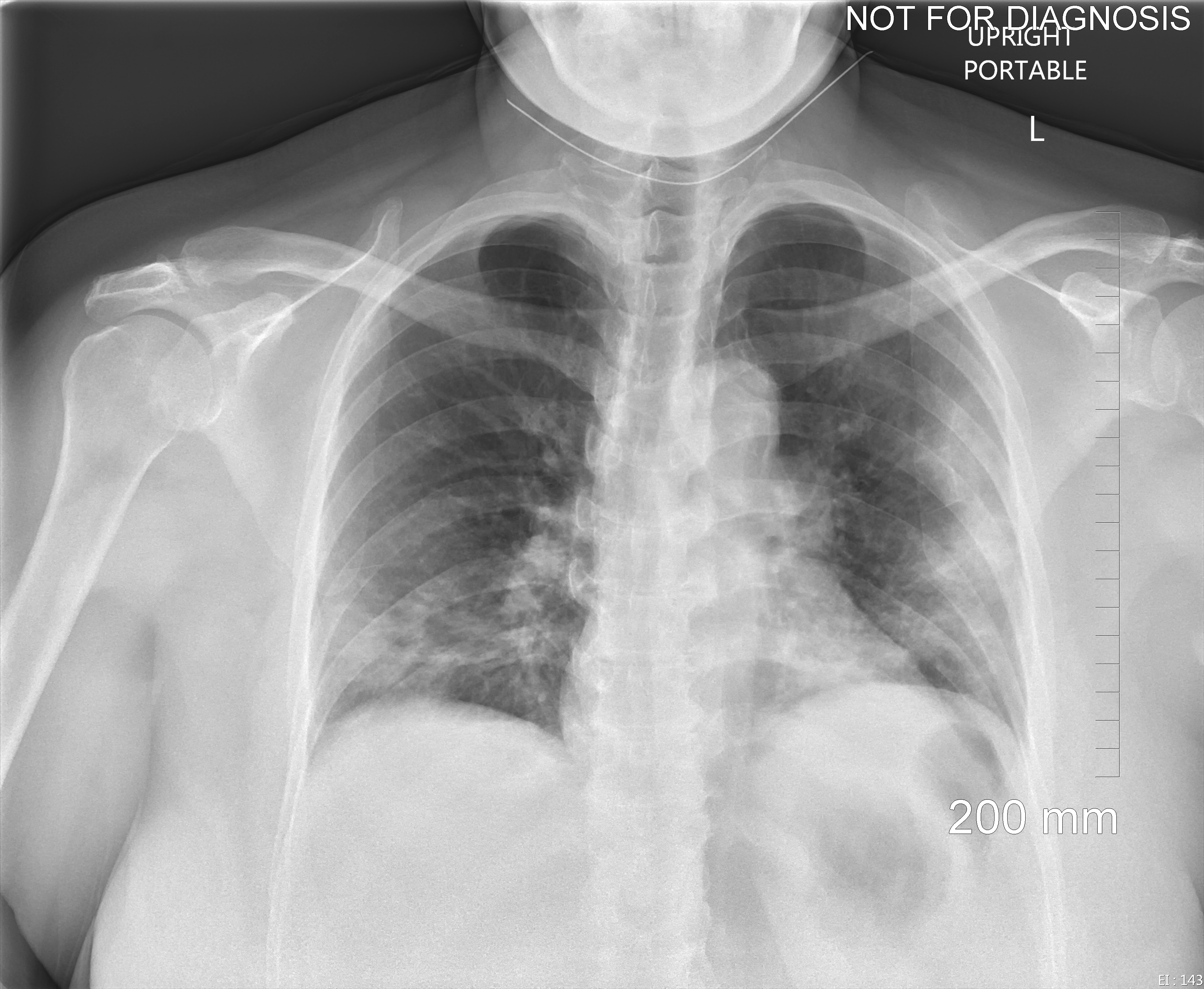
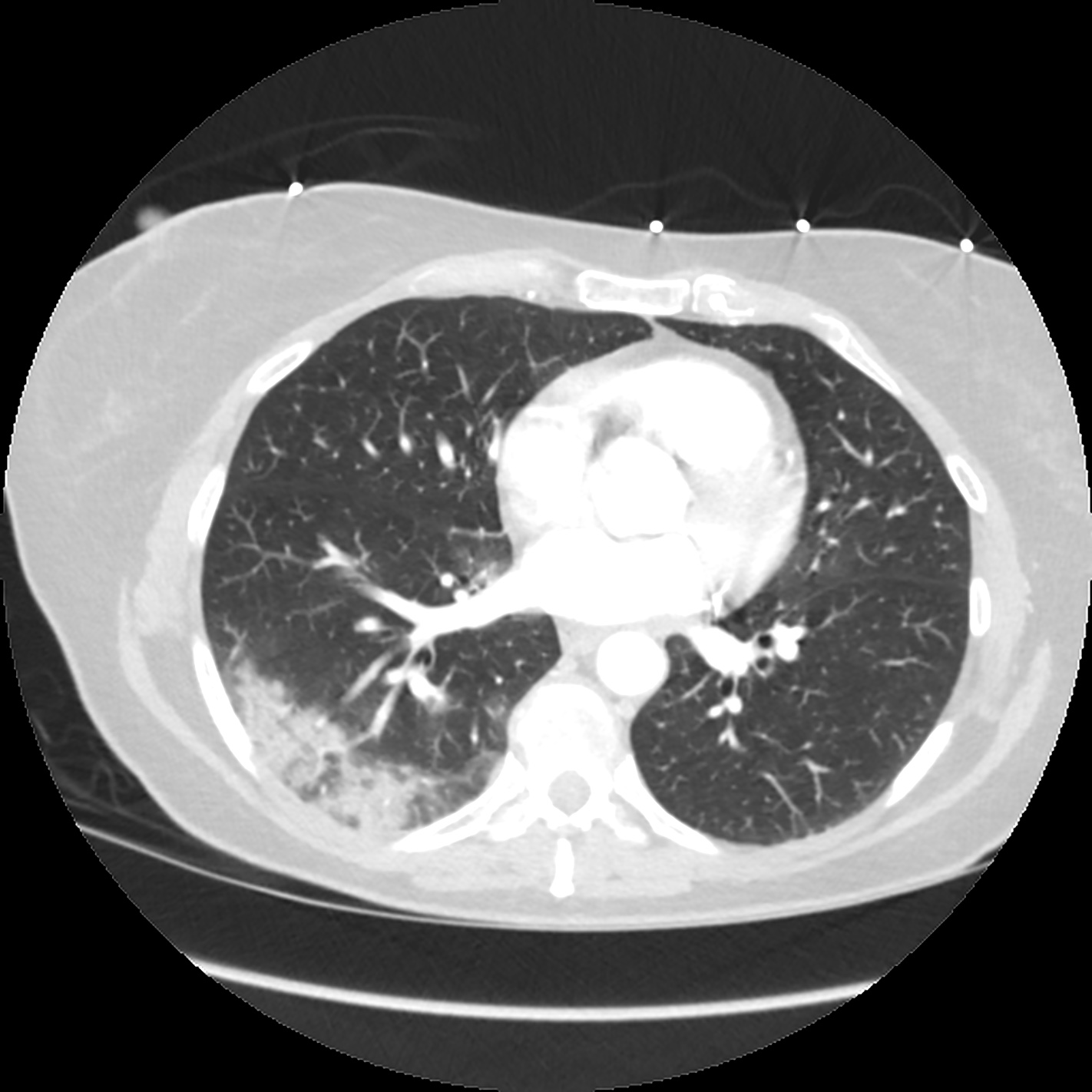
    Fig. 1—13-year-old female with obesity and positive COVID-19 reverse transcription–polymerase chain reaction test who presented with fever and severe shortness of breath. (A) Frontal chest radiograph shows bilateral lower lung zone-predominant consolidation and ground-glass opacities, which are typical chest radiographic findings of pediatric COVID-19 pneumonia. (B) Axial lung window CT image demonstrates diffuse peripheral predominant ground-glass opacities in both lungs.

    Although a unilateral or bilateral distribution of parenchymal abnormality may be observed in pediatric COVID-19 pneumonia, the differential for unilateral disease is somewhat broader. Thus, a unilateral distribution has been defined as indeterminant. The halo sign, a rounded consolidation surrounded by a rim of ground-glass opacity, can be seen during the early phase of pediatric COVID-19. Therefore, the halo sign is also considered typical when present in an immunocompetent patient, as it has a narrow differential. Additional important considerations for radiologists are atypical imaging findings that raise concern for alternative diagnosis, including centrilobular nodules, focal segmental/lobar consolidation, cavitary lesions, pleural effusion, and lymphadenopathy.

    What is Multisystem Inflammatory Syndrome in Children (MIS-C)?

    As suggested by the name, MIS-C is a post-viral inflammatory syndrome observed in pediatric patients with prior COVID-19 infection (within the past 4 weeks) that results in injury to multiple organ systems, most frequently involving > 4 systems. Some researchers have called MIS-C a “Kawasaki-like” disease due to the potential overlap in clinical presentation, including fever, conjunctivitis/rash, cardiac dysfunction + coronary artery dilation, and hemodynamic instability. Unlike pediatric COVID-19 pneumonia, children who develop MIS-C demonstrate a more severe clinical course, requiring intensive care management in up to 85% of cases, and have a higher death rate of 4%. As might be expected, the imaging findings in MIS-C differ from those observed in typical pediatric COVID-19 pneumonia.

    What Are Important Differences Between Typical Pediatric COVID-19 and MIS-C?

    Thoracic Findings

    Chest imaging studies in pediatric patients with MIS-C may be normal or may demonstrate abnormalities, mainly related to underlying cardiac dysfunction. On chest radiograph, this may manifest as cardiomegaly, increased prominence of pulmonary vasculature, interstitial edema, or pleural effusions.

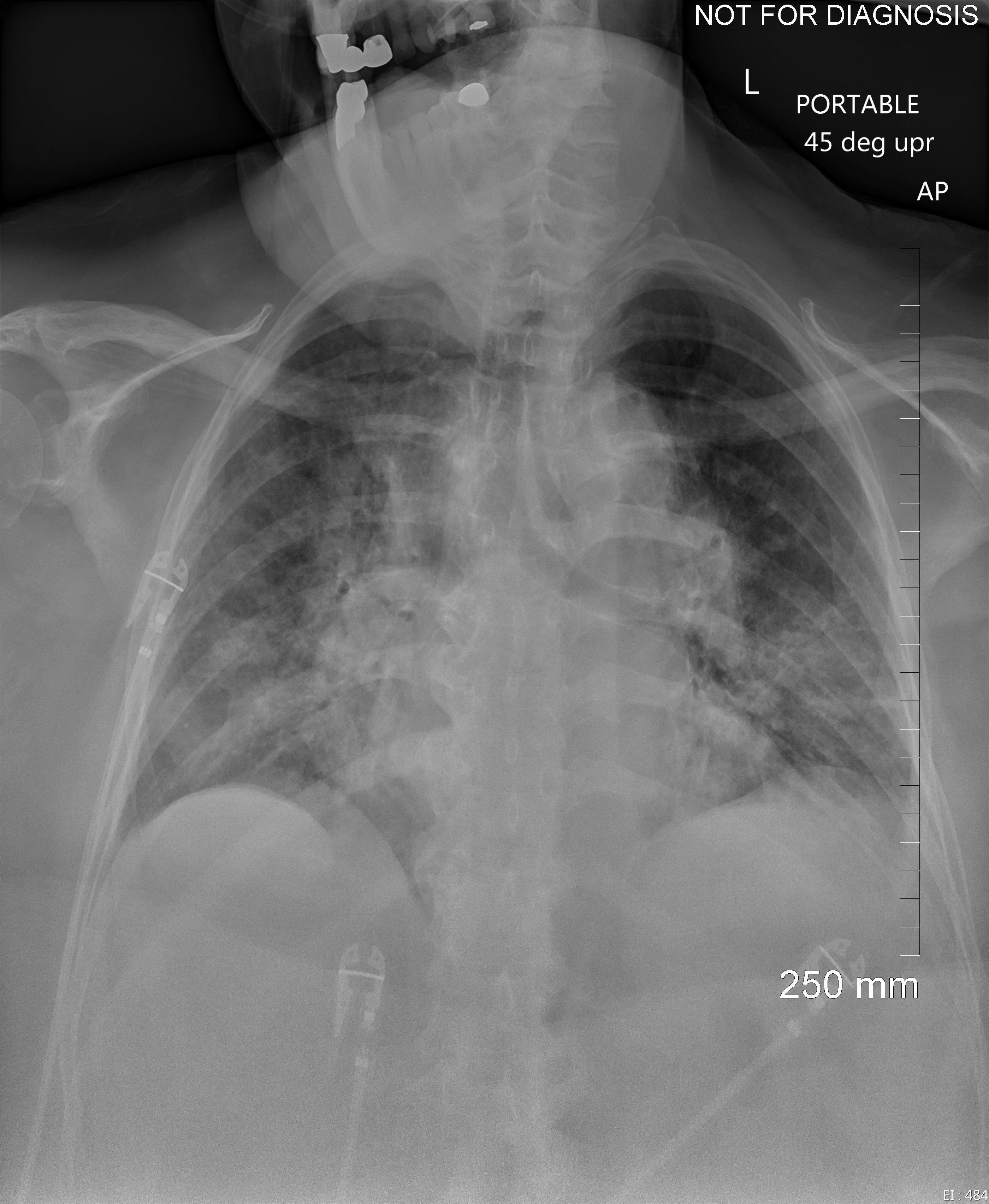
    Fig. 2—15-year-old male, reverse transcription–polymerase chain reaction test positive for COVID-19, who presented with MIS-C associated with COVID-19, with symptoms including fever, vomiting, and diarrhea. Frontal chest radiograph shows cardiomegaly. Subsequently obtained echocardiogram demonstrated dilated left ventricle and moderate systolic dysfunction.

    Chest CT may show similar findings and, in some cases, may demonstrate pericardial effusions, coronary artery dilation, and/or pulmonary embolism. Echocardiograms often demonstrate left ventricular dysfunction and/or reduced ejection fraction, as well as pericardial effusion, and/or coronary artery dilation.

    Whereas typical COVID-19 pneumonia presents with bilateral peripheral and lower-lobe predominant ground-glass opacities and consolidation, the distribution of pulmonary parenchymal abnormality in MIS-C tends to be central and perihilar in distribution and more frequently presents as increased pulmonary vascularity, although airspace consolidation may be seen in advanced stages of cardiac failure. Additionally, cardiomegaly and pleural/pericardial effusions are often observed in MIS-C, but they are rare in pediatric COVID-19 pneumonia.

    Extra-thoracic Findings

    Extra-thoracic manifestations are not generally observed in pediatric COVID-19 pneumonia. However, as may be expected in an inflammatory disorder involving multiple organ systems, extra-thoracic findings are not uncommon in MIS-C—especially in the abdomen. Reported intra-abdominal abnormalities in MIS-C include bowel wall thickening, ascites, right lower quadrant fat stranding and/or lymphadenopathy, hepatomegaly, gallbladder sludge and/or pericholicystic fluid, and increased renal cortical echogenicity.

    Fig. 3—7-year-old girl, reverse transcription–polymerase chain reaction test positive for COVID-19, who presented with MIS-C associated with COVID-19, with symptoms including fever, vomiting, abdominal pain, and hypotension. Transverse grayscale ultrasound image of the right lower quadrant shows thickened bowel loops (arrows) and ascites (asterisk).  

    Five Take-Home Points for Diagnostic Radiologists

    1. “Typical” pediatric COVID-19 pneumonia presents as bilateral peripheral and lower-lobe predominant ground-glass opacities/consolidation + halo sign.
    2. Centrilobular nodules, parenchymal cavitation, focal lobar/segmental consolidation, pleural effusion, and lymphadenopathy are atypical in pediatric COVID-19 pneumonia.
    3. MIS-C has a more severe clinical course than pediatric COVID-19 pneumonia, often involving > 4 organ systems, with up to 85% of patients requiring intensive care.
    4. Thoracic imaging findings observed in MIS-C, including cardiomegaly, pleural/pericardial effusion, coronary artery dilation, or pulmonary embolism, differ from typical findings in pediatric COVID-19 pneumonia.
    5. Extra-thoracic manifestations are not uncommon in MIS-C and generally are a manifestation of inflammatory change (bowel wall thickening, lymphadenopathy, fat stranding, pericholicystic fluid, ascites) and/or organ dysfunction (hepatomegaly, increased renal cortical echogenicity).

    As our understanding of pediatric COVID-19-related disease continues to grow, it is essential for practicing radiologists to be aware of the imaging findings in this patient population. Additionally, as the imaging features are quite different, awareness of the differences between pediatric COVID-19 pneumonia and MIS-C are critical to accurate diagnosis and optimal management of pediatric patients.

  • New Rituals for Radiology Residents During COVID-19

    New Rituals for Radiology Residents During COVID-19

    avatar

    Lekui Xiao

    Mayo Clinic

    The COVID-19 pandemic began to impact our program (Rochester, MN) in mid-March, requiring rapid and near constant changes to the entire curriculum. Our chief residents divided us into teams—with one team responsible for call coverage and mandatory rotations, and others on back-up and remote learning. Our program organized daily case-based teaching sessions with staff and distance curricula. This time felt eerily reminiscent of the first two years of medical school, due to being somewhat removed from significant clinical duties! Regular communication with program leadership and co-residents helped alleviate a lot of the stress brought forth by COVID-19.

    Around mid-May, we began transitioning back into clinical rotations. Although it is terrific to be back in the reading rooms, it is clear that we’re in a “new normal” for at least the immediate future. The number of people in attendance at noon conference is limited to accommodate social distancing, with many residents watching remotely. Masks, face shields, and meticulous sanitation have become a ritual.

    The month of July has been uniquely different because our new first-year residents just started. They would usually interact with the upperclassmen and staff through informal gatherings and welcome parties outside of work. However, because of institutional COVID-19 precautions, social opportunities to welcome them have been limited.

    Now is a memorable and unique time to be a radiology resident, as we have faced many challenges. I am eager to resume pre-COVID traditions and social activities with a new appreciation for my residency’s supportive learning environment.

  • Radiology Residency Looks Different with COVID-19

    Radiology Residency Looks Different with COVID-19

    avatar

    Sean Golden

    The Johns Hopkins Hospital

    The Johns Hopkins Radiology Residency, like most training programs across the country, has been deeply affected by the COVID-19 pandemic.

    In late March, our program temporarily transitioned to a skeleton staffing model, where the majority of residents stayed home and were unable to read studies remotely. Key rotations were delayed or cancelled, and two residents were called upon to staff the ICU. To mitigate the diminished case volumes, faculty and fellows created daily virtual didactic sessions to supplement our regular morning conferences and independent study. Special emphasis was placed on preparing the first-year residents for independent overnight call, which we begin in July of our second year at Hopkins. An innovative online call-prep curriculum was created by our associate program director, where first-years independently reviewed DICOM images of previous overnight studies, submitted an impression to an online dropbox, and then reviewed the pertinent findings with an attending radiologist.

    In May and June, COVID-19 numbers in Maryland began to decline, and our program gradually returned to a relative state of normalcy (albeit socially distanced). Now, as numbers in Maryland once again climb, the hospital leadership has asked for another group of volunteers to assist in the ICU and on the floors.

    The COVID-19 pandemic has created unprecedented challenges for our faculty and residents alike, but it has also highlighted the department’s ability to adapt. Our reading rooms and conferences may look a little different than last year, but our commitment to education, research, and patient care carries on.

  • New Words for Radiology Residents During COVID-19

    New Words for Radiology Residents During COVID-19

    avatar

    Joshua T. Olson

    Mayo Clinic

    The coronavirus disease (COVID-19) pandemic brought with it a new lexicon of phrases to describe daily resident life. At our radiology residency program at the Mayo Clinic in Rochester, Minnesota, we don appropriate “personal protective equipment,” or “PPE,” for clinical encounters and at the reading station. We also practiced “distance learning” for a month, rotating between essential rotations and studying from home as our institution prepared for COVID-19. We came away with a renewed appreciation for the value of one-on-one teaching and the irreplaceable learning that comes from the patients we are humbled to serve. We understand the concept of “hyper-locality” and how our local COVID-19 environment is radically different from others.

    Similarly, we have been presented with new challenges. The rescheduling of the American Board of Radiology Core Exam has necessitated multiple redesigned call schedules. With the necessity for safe distancing practices, residents have found creative strategies to collaborate and celebrate milestone personal and professional achievements. Attentiveness and flexibility in meeting the ongoing and changing educational and personal needs during this stressful time have promoted cohesiveness and trust between residents and our program’s leadership. 

    Integrating these adaptations will allow us to grow stronger as we look toward the post-COVID-19 resumption of a “new normal” residency environment. The Mayo Clinic’s history is one of perseverance and innovation, borne in the wake of a devastating tornado which nearly destroyed the town almost 140 years ago. Together, I am confident our residency will persevere through the present pandemic—maintaining our strong tradition of innovation to ensure a world-class training environment, prioritizing resident wellness and the old adage that “the needs of the patient come first.”

  • An Action-Based Radiology Residency for COVID-19

    An Action-Based Radiology Residency for COVID-19

    avatar

    Lei Yu

    University of Nebraska Medical Center

    Unprecedented times call for unprecedented actions. The past few months have been the most uncertain and challenging time in our lives, and we are all doing the best to adapt.

    In mid-February, Nebraska Medicine quarantined 13 passengers of the Diamond Princess cruise ship in our National Quarantine and Biocontainment Units. The awareness and preparedness for COVID-19 started early among our institution, including focused refresher training on PPE use for all the residents to ensure safety during patient care. 

    Our department and the residency program reacted to the pandemic with a proactive mindset, including postponing non-urgent outpatient imaging studies and procedures, adopting structured virtual didactics, and altering our reading room layout to follow social distancing guidelines. As COVID-19 cases rapidly climbed nationwide in late March, rotational changes were made based on the waves of teams approach. We divided our residents into two teams: one working in the hospital to fulfill clinical duties, the other working from home to ensure a healthy workforce as a backup. Our schedule was very flexible and gave special considerations to residents who were in need of childcare due to closure of schools and daycares, as well as for family emergencies. In order to facilitate our educational program during these trying times, many online educational resources were made available. Our department always kept our wellness in mind—arranging for snacks and beverages to be brought into the reading room every afternoon, which was something we all looked forward to.

    Lack of information can be unsettling in times of uncertainty. To keep us informed, our program sent out timely COVID-19 communications to provide updates and policy changes at both local and national levels, along with wellness resources to help cope with both internal and external stresses. 

    A silver lining from this pandemic is that it allowed us to pause and appreciate our life, our health, and our families. In the wise words of Marcus Aurelius, “The impediment to action advances action. What stands in the way becomes the way.” Look forward to the post-pandemic time, when we shall become stronger.