
Author: Logan Young

  • The Teamwork Imperative: Part I

    The Teamwork Imperative: Part I

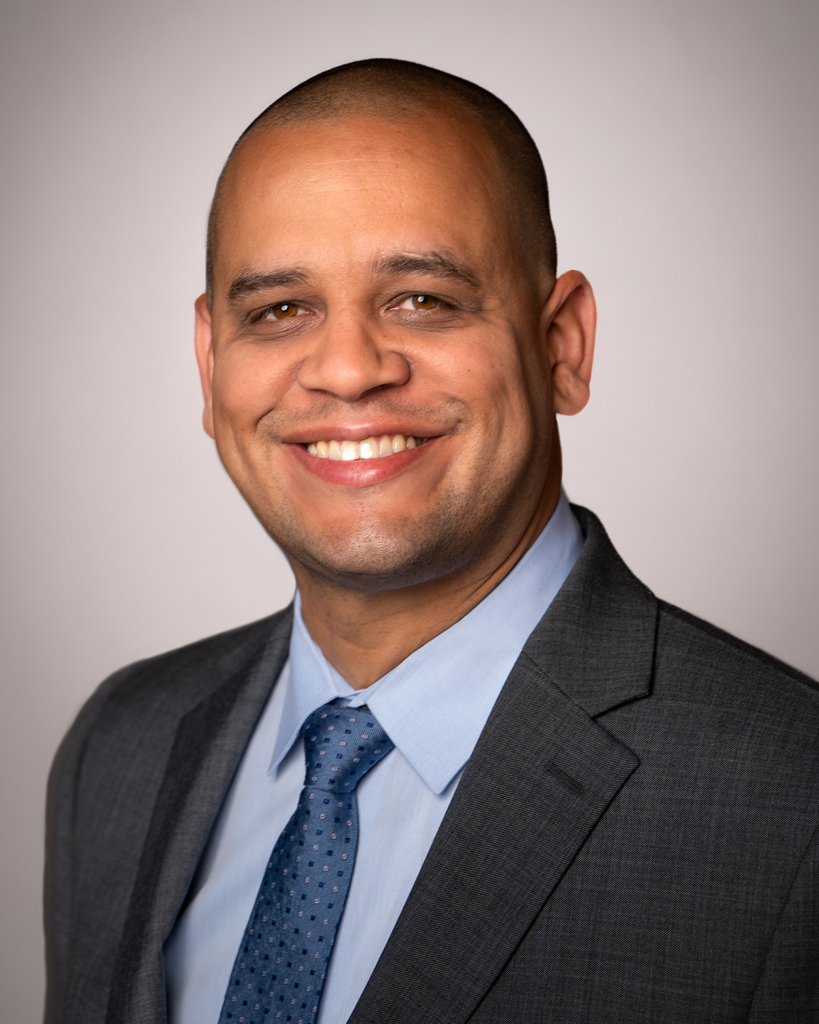
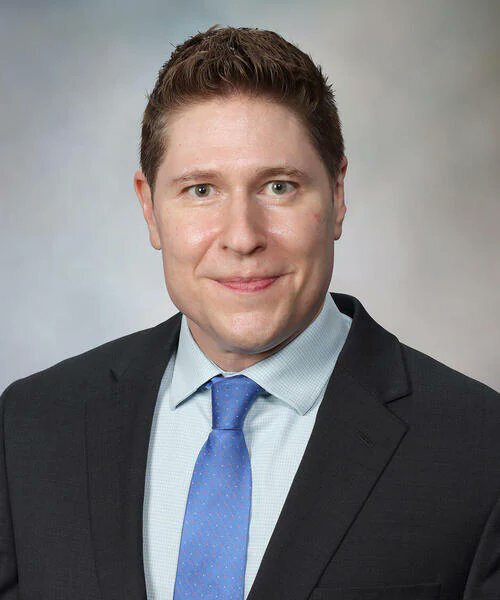
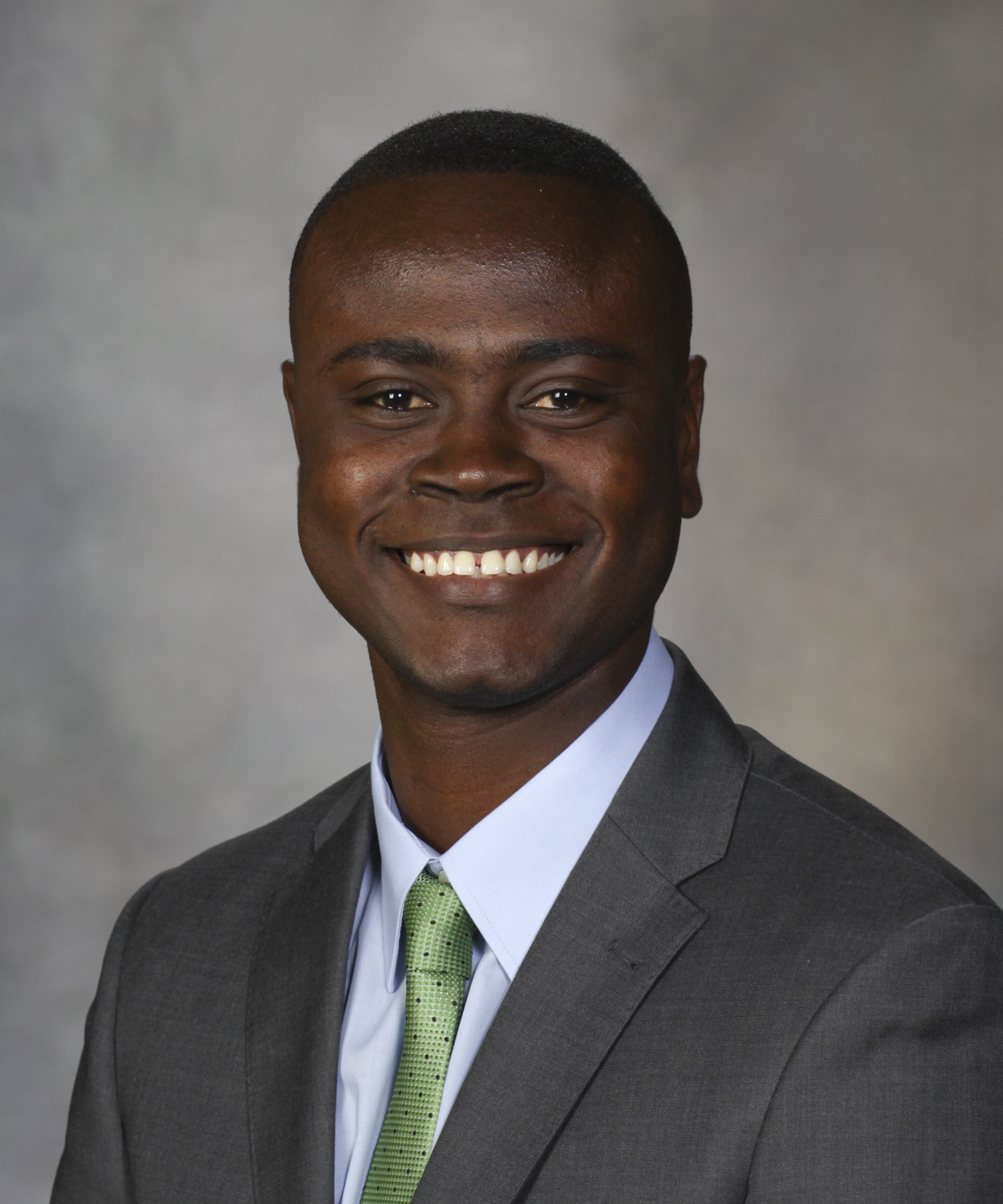
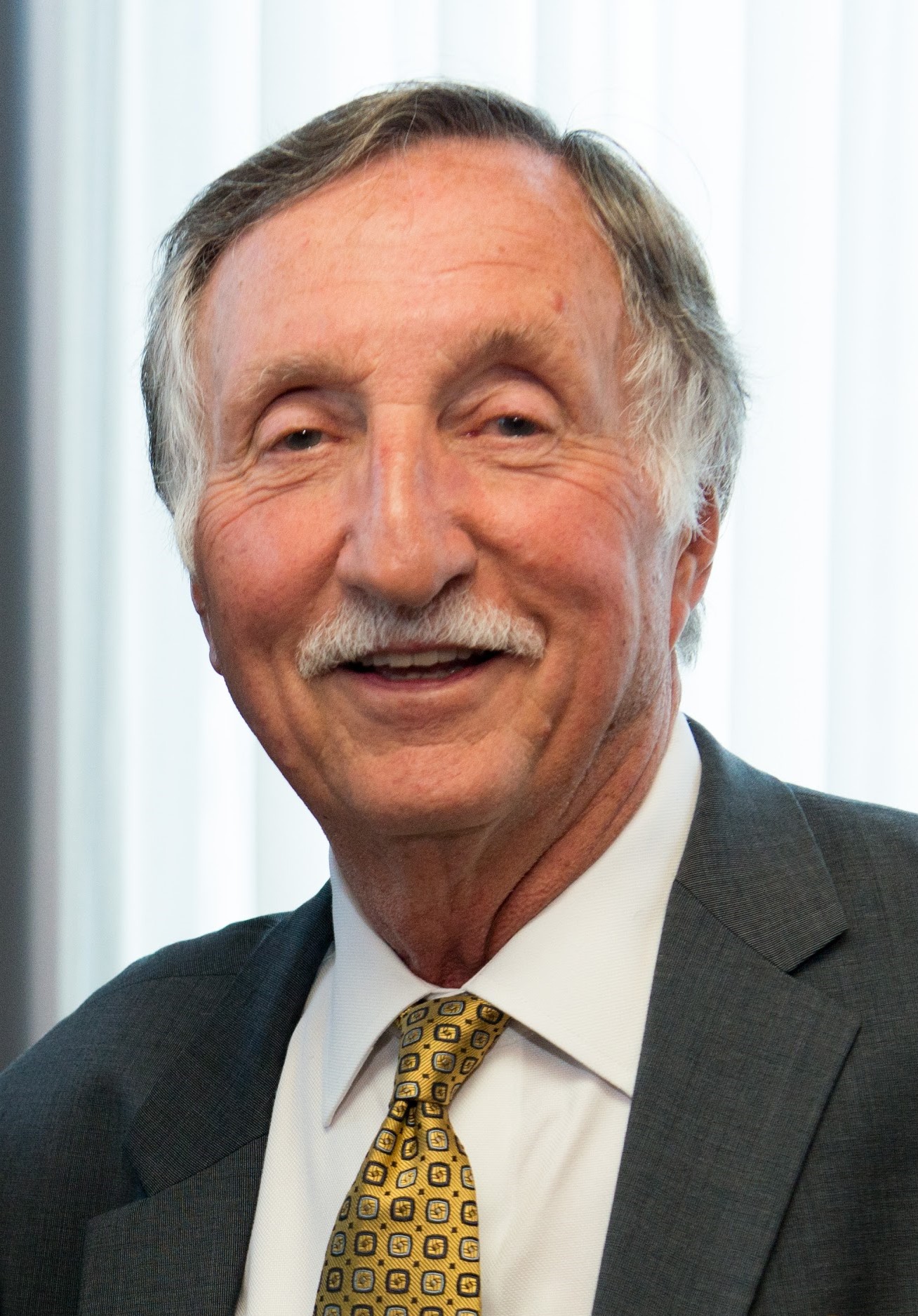
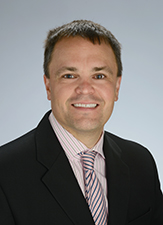
    Erik K. Paulson

    2023-24 ARRS President

    I am deeply honored and grateful to serve as the 123rd president of the American Roentgen Ray Society (ARRS). As you know, our society is the oldest radiology society, and we are widely regarded as the education society. 

    As a medical student, I started perusing the radiology journals; they were on library shelves back then, and there was the gray one and the yellow one. I loved the one with the yellow cover, the American Journal of Roentgenology, and I have ever since. Indeed, the ARRS was the first radiology society that I became aware of. I joined the society as a radiology resident, and I have been a member ever since. 

    Now, as ARRS president, I encourage all of our learners to join. 

    Left to right: Erik K. Paulson, Gary J. Whitman, and Deborah A. Baumgarten on stage during the Opening Ceremony of the 2023 ARRS Annual Meeting in Honolulu, HI.

    It takes a team to run the society, and we have one. I would like to thank the hardworking and dedicated members of our Executive Council. Also, I would like to thank the Executive Committee of the Council, consisting of president-elect Angelisa M. Paladin, MD; vice president Deborah A. Baumgarten, MD, MPH; and secretary-treasurer Christine M. Glastonbury, MD.

    Left to right: Nadja Kadom, Courtney Coursey Moreno, Christine M. Glastonbury, and Angelisa M. Paladin enjoy front-row seating at the Hawaii Convention Center.

    A special and large thanks to outgoing ARRS president Gary J. Whitman, MD, who did a fabulous job in many respects. 

    Dr. Paulson receives the ARRS presidential gavel from Dr. Whitman on Sunday, April 16, 2023.

    In addition, Susan B. Cappitelli, MBA, CAE, and her excellent ARRS staff deserve robust recognition. And thanks to all of our almost 20,000 dedicated members, who we serve, of course.

    Importantly, I would like to thank my family and my wife, Kathy Merritt, who has been a rock of support throughout my entire career. 

    Over the last few years, we in radiology have faced incredible and unprecedented challenges in our day-to-day work, and this is true regardless of our specific work environments. Why? The pandemic, which has touched everyone, has had a profound impact on the workplace in general. It has changed how we work, approach work, and shaped our opinions of work. And it is not just the pandemic—it’s other phenomena: political polarization, social unrest, changes in home life and education, remote work. The pandemic and its effects led to a great resignation, and as a result, many of our sites are now understaffed. One in five doctors plan to leave their current practice in two years; two in five nurses plan to leave their practice in two years; one in three doctors expect to work less next year. 

    Health care workers have far greater demands now than in the pre-pandemic times. The delivery of health care has changed dramatically and quickly over the last few years. There is unprecedented “consumerism” in medicine now with a mandate to improve and rethink patient access, to provide more and better mental health services to our populations, and to have transparent pricing. 

    In radiology, whether you work in a large or small private practice, remotely by yourself, an academic department in a medical center, or part of a mega radiology practice, there has been a palpable shortage of radiologists. This shortage is fueled by a trend toward exclusive subspecialization with declining numbers of radiologists who can handle general work, ever-increasing expectations for service to our patients, referring doctors, hospitals, and health care systems. We have been stretched thinner. There is a desire by radiologists to have more flexible work hours or, simply stated, to work less hours overall compared to years past. There is a concern about what role artificial intelligence and machine learning will play; will we be displaced? Reimbursement has been decreasing relative to inflation and compared with other specialties. As a result of these realities and others, there is clear evidence of burnout among radiologists, similar to health care workers in other specialties. On top of that, sometimes, we find that the leaders in our organizations may be distant, or too corporate, or suffer from “toxic positivity,” which may be worse than “toxic negativity.”

    There has been a steady headwind for years, but it now feels like a gale force wind. And a lot of this feels out of our control. 

    So, goodness, how do we manage all of this?

    Hold on, let’s take a breath. One strategy that we can embrace and control is to develop a culture of teams within our workplaces. In fact, I have titled this InPractice series “The Teamwork Imperative” because we must establish teamwork as a core value within the radiology workforce. I believe that if we foster a culture of teams, we can mitigate and shield ourselves from some of these headwinds. During my term as your ARRS president, future installments of “The Teamwork Imperative” here in InPractice will feature specific thoughts on this subject, borrowing some thoughts from the game of basketball’s great coaches. 

    Please stay tuned!

  • 2023 ARRS Aloha Opening Ceremony: Passing the Gavel, Honoring Awardees

    2023 ARRS Aloha Opening Ceremony: Passing the Gavel, Honoring Awardees

    Lopaka Kapanui

    To officially kick off the 123rd meeting of the ARRS, Lopaka Kapanui, the island’s foremost practitioner of oli kāhea (entrance chant), welcomed society members from more than 40 countries with the open hand and heart of aloha—duly noting “e mau ana ka ‘ike” (the knowledge must continue).

    Erik K. Paulson

    Erik K. Paulson, MD, chair of the radiology department at Duke University, was installed as the 123rd president of ARRS. “I am absolutely honored and delighted to serve as the president of our country’s oldest radiology society, a society whose sweet spot is member education,” Dr. Paulson said during his opening remarks at the Hawaii Convention Center. “It takes a team, though,” he acknowledged. And joining Dr. Paulson are the following newly elected ARRS officers for 2023–2024: Angelisa M. Paladin, President-Elect; Deborah A. Baumgarten, Vice President; and Christine M. Glastonbury, Secretary-Treasurer.

    Dr. Paulson succeeds Gary J. Whitman, MD. Having presided over our society ably and honorably from 2022 to 2023, Dr. Whitman presented this year’s coveted ARRS awards. The first laurels of the morning went to Bernard F. King, Jr., MD, FACR, FSAR, the 117th President of ARRS, who was awarded the 2023 ARRS Gold Medal. The highest distinction bestowed by ARRS, our Gold Medal has been honoring distinguished service to radiology for more than four decades.

    Bernard F. King, Jr.

    Jon A. Jacobson, MD, FACR, was then recognized as the 2023 ARRS Distinguished Educator. The ARRS Distinguished Educator award recognizes outstanding individuals in the field of medical imaging, who have a proven record of improving radiological education and remain committed to creating and implementing new and innovative educational activities.  

    Jon A. Jacobson and Gary J. Whitman

    Next, ARRS was proud to recognize two recipients of 2023 ARRS Scholarships: Andrew Wentland, assistant professor at the University of Wisconsin School of Medicine & Public Health, and Steven Rothenberg, assistant professor at the University of Alabama at Birmingham. Provided by ARRS’ own The Roentgen Fund®, the ARRS Scholarship supports early-career faculty members pursuing radiological research that promises to change how medical imaging is practiced. A two-year grant totaling $180,000, the ARRS Scholarship aims to advance emerging scholars, as well as prepare them for positions of leadership.

    Andrew Wentland and Steven Rothenberg

    2023 AJR Luncheon with Figley and Rogers Fellows

    During the American Journal of Roentgenology (AJR) Luncheon, Sarah Kamel of Thomas Jefferson University Hospital in Philadelphia, PA was honored as the 2023 Melvin M. Figley Fellow in Radiology Journalism, while Ankur Goyal of the All India Institute of Medical Sciences in New Delhi was recognized as the 2023 Lee F. Rogers International Fellow in Radiology Journalism.

    Left to right: Ankur Goyal, Andrew B. Rosenkrantz, Sarah Kamel

    Also provided by The Roentgen Fund and named for two distinguished Editors Emeriti of the American Journal of Roentgenology (AJR), the Melvin Figley and Lee Rogers Fellowships offer practicing radiologists an unparalleled opportunity to learn the tenets of medical publishing via “the yellow journal”—the world’s longest continuously published radiology journal. Through hands-on experience with ARRS staff and AJR personnel—as well as personal apprenticeship with AJR’s 13th Editor of Chief, Andrew B. Rosenkrantz—Drs. Kamel and Goyal will receive expert instruction in scientific writing and communication, manuscript preparation and editing, peer review processes, journalism ethics, and both print production and digital publication.

    2023 ARRS Honorary Member: Jeong Min Lee

    Jeong Min Lee

    Jeong Min Lee, President of the Korean Society of Radiology, was recognized with honorary membership as part of ARRS’ Global Partner Society (GPS) program. The GPS program was established to build long-standing relationships with key leaders and societies in the global imaging community to enhance understanding, raise awareness, and increase participation in programs and services. The Annual Meeting Global Exchange incorporates one partner society annually into the educational and social fabric of the meeting, with ARRS reciprocating at the partner society’s meeting that year. The GPS partner to be featured at the 2024 ARRS Annual Meeting in Boston, MA, will be the British Institute of Radiology.

  • The Bright Star and Blinding Star Effect

    The Bright Star and Blinding Star Effect

    A Leadership Pearl from Reginald Munden

    John Leyendecker, an astrophysicist at heart, wrote a piece for RadTeams comparing a galaxy to a radiology department. In this blog, he explains how the mass of the stars in a galaxy are not sufficient to hold a galaxy together based on current gravitation concepts. This deficiency in mass led to the theory of dark matter, which is apparently in abundance in the universe although it cannot be detected. Fascinating explanation for one like me who certainly is not an astrophysicist; heck, I barely know any physics, but please don’t tell the ABR. Anyway, without dark matter, galaxies as we know them wouldn’t exist. His analogy is that our radiology departments are like a galaxy with our shining stars (luminary faculty) and dark matter (the rest of us) serving as the glue to hold us together. As strange as all this dark matter stuff sounds, as a department chair, I love the analogy. 

    https://www.radfyi.org/2023/05/01/stars-shine-but-dark-matter-holds-departments-together/

    His analogy brings to mind the opposite effect upon a department by a faculty member who is a bright star, but for all the wrong reasons. This faculty member is the dysfunctional, complaining, non-worker who takes all the energy and resources of the department for themselves. They are a bright star, but certainly not a shining one. Perhaps using John’s analogy, they are a supernova—exploding and destroying all the surrounding good stuff. Their actions bring out the “dark” aspect of our dark matter faculty resulting in the department coming unglued; even worse is that happy faculty become unhappy. For these people, I like to use the analogy they are that person on a busy highway who is approaching with their bright headlights on. You know there are other automobiles out there, but you can’t see their lights because this one individual is blinding you. But, we have to see those other headlights and make sure they remain visible, otherwise there will be a major traffic accident destroying us all. How is this done? Often people will say that if they could get rid of this person (maybe their car stops working?), then things would be great. However, this is often a fallacy because remember, there are other headlights out there. When you dim one person’s lights, there may well be someone who rises to the occasion and decides to fill the void by turning on their bright lights. So that tactic doesn’t always work. What you do is to flash your bright lights at the person (confront their behavior) and often they respond. And yes, much like in heavy traffic, you may have to flash your lights at them periodically to remind them. In short, the goal is that while there may be a few bright lights out there, you want to make sure they are not blinding lights, and all lights are visible. And much like our universe, this process is somewhat nebulous.

    Reginald F. Munden, MD, DMD, MBA

    Chair, Department of Radiology and Radiological Science

    Medical University of South Carolina

    Chair, ARRS Membership Committee

    You may also be interested in
  • Stars Shine, But Dark Matter Holds Departments Together

    Stars Shine, But Dark Matter Holds Departments Together

    I once considered becoming an astrophysicist. I abandoned that dream after performing a very brief financial analysis and a realistic appraisal of my mathematical aptitude, but I never lost my passion for the vast majority of the universe that most people ignore. Living in a place where city lights shroud starry nights hasn’t been easy for the astronomer in me, but I’ve found ways to adapt and still enjoy the hobby. Besides, there are valuable lessons to be learned from any pursuit despite (or because of) the challenges.   

    Few people realize that, when we look at the night sky with the naked eye or even with sophisticated and powerful telescopes, we only see a tiny fraction of the matter that holds our galaxy together. Even when we scrutinize other galaxies with massive telescope arrays in every available bandwidth, we never find enough mass to hold a galaxy together. This discrepancy between a galaxy’s gravitational influence and a galaxy’s visible matter led to the theory of dark matter, a concept that has gained the endorsement of most astrophysicists even though the actual physics remains a bit murky. Without dark matter, galaxies as we know them wouldn’t exist. In other words, those stars that shine so big and bright deep in the heart of Texas would likely be a lot less impressive without the gravitational influence of dark matter. Physicists love particles, and one particle theorized to account for dark matter is called the weakly interacting massive particle (aka WIMP). Now, when astrophysicists aren’t busy telling jokes about Uranus, they are no doubt designing t-shirts that say things like, “WIMPs hold the universe together.”

    Like a galaxy, our academic radiology departments have bright stars. We know these stars as the luminaries who are writing papers and textbooks, getting grants, giving lectures around the world, editing journals, and engaging in similar high-profile activities everywhere but where they work.Enlightened leaders know that alone, these stars cannot keep our radiology departments together. Like galaxies, our departments need something akin to dark matter.

    Unfortunately, departmental dark matter is as easy to overlook as astronomical dark matter. I’m sure we can all think of someone who inspires and motivates others despite lacking title, reputation, or recognition proportional to their influence. That person is dark matter. If I had to assign such an individual a particle name, I would refer to them as a weakly appreciated massively-influential person (aka WAMP). Just as WIMPs provide the force needed to hold a galaxy’s stars together, WAMPs stabilize our departments and allow our academic stars to shine brighter. They do this by working hard, by projecting a positive attitude, by acting in a collegial and collaborative manner, and by sharing, rather than by hording and devouring, resources.

    Radiology leaders adore stars and want to keep them in their departments. Traditionally, leaders have thought that the key to keeping stars is to feed them—more time, more money, more prestige, more recognition, and more resources. But at some point, massive stars evolve into black holes, and the rest of the department suffers. To think that a department can continue to keep the stars without acknowledging and supporting the departmental dark matter is fallacy.

    So, the next time you get away from the city lights, look up and remember that, while those big bright stars are pretty to behold, it’s all the stuff that you are not seeing that is really holding our galaxy, and our departments, together.

    John R. Leyendecker, MD

    Professor and Vice Chairman of Academic Affairs Department of Radiology

    UT Southwestern Medical Center

    Chair, ARRS Scientific and Innovation Committee

    You may also be interested in
    https://www.radfyi.org/2023/05/01/the-bright-star-and-blinding-star-effect/
  • Talking Your Way Out of Burnout

    Talking Your Way Out of Burnout

    Before the COVID-19 pandemic, physician burnout was its own epidemic with radiologists consistently ranking among the most burned-out medical specialties. The acute and now chronic stressors of the COVID-19 pandemic further exacerbated radiologists’ wellness with 54% of radiologists reporting symptoms of burnout, according to the 2023 Medscape report. In addition to radiologists’ wellness, burnout has significant adverse implications on patient care and outcomes.

    In its most simplistic dissection, burnout is composed of three parts: depersonalization, physical and emotional exhaustion, and low sense of personal accomplishment. As such, the very fundamental aspect of our job as physicians, that of connecting and communicating with patients, may play a central role in physician wellness. A direct association can be observed between physicians’ level of satisfaction with their job and their ability to build rapport and connect with patients. Rapport and relationship building both decrease depersonalization and increase a sense of personal accomplishment. Although anxiety related to challenging physician interactions, which have been shown to last for days beyond the interaction, can lead to fatigue, if cumulative, these interactions may lead to exhaustion. Furthermore, anxiety surrounding challenging patient interactions, like delivering bad news, is more likely to occur if one is faced with such interactions infrequently, and thus feel unprepared or unskilled to navigate them. Demonstrating the critical impact of patient-physician communication interaction on physician mental health, a recent national study of breast radiologists’ wellness found that less time spent connecting with, educating, and consulting patients was statistically significantly associated with greater odds of reporting psychological distress and anxiety. Interestingly, although increase in frequency of more negative and charged patient interactions were reported by some radiologists in the study, no association between negative interactions and mental health was found. It thus appears that it is the length of time allotted for physicians to build rapport and make meaningful connections with their patients to educate and inform, rather than the nature of the interactions themselves, which significantly affects radiologists’ wellness.   

    https://www.radfyi.org/2023/02/15/words-of-wellness-katia-dodelzon/

    As institutions, practices, and individual physicians devise strategies for burnout mitigation, time and adequate focus should be allotted to patient-centered communication.  Operational leadership should be intentional in incorporating sufficient time for radiologists to discuss results and consult with patients into the daily workflow, not limiting interactions in favor of increased volume. Communication skill training should be increasingly integrated into radiology training curricula. In addition, training and effective communication skill resources should be emphasized and made readily available for all faculty to equip radiologists with the confidence to approach a variety of challenging patient interactions, thus diminishing communication-related anxiety. Radiologists themselves should emerge from behind the workstation, seeking out opportunities to consult and educate patients—as our very own wellbeing depends on it.

    <strong>Katerina Dodelzon</strong>, MD, FSBI
    Katerina Dodelzon, MD, FSBI

    Department of Radiology
    Weill Cornell Medicine

    You may also be interested in
  • Words of Wellness: Darcy J. Wolfman

    Words of Wellness: Darcy J. Wolfman

    Wellness at work starts with processes that improve your life, not impede it. Making your job something you look forward to, not dread. The first step is identifying what at work is leading to stress and unhappiness.  

    These can be big things, such as we need more staff to cover calls, or small items, such as moving the cutoff time to read cases from 5:00 to 4:30 pm. The hard part is that these changes are extremely practice-specific. What has helped in my practice is likely to be irrelevant to someone else’s. Therefore, it is critical that leadership listen to radiologists and be willing to make changes. There is no one-size-fits-all, and no one outside your practice can tell you what to do. So, it all starts with identifying pain points, and then getting leadership to listen and be willing to change. 

    <strong>Darcy J. Wolman</strong>, MD
    Darcy J. Wolman, MD

    Johns Hopkins Medicine

    In “Words of Wellness” on www.radfyi.org/, members of the ARRS Wellness Subcommittee share what “wellness” and “wellbeing” mean in their own clinical practices, research focuses, and everyday lives.

    Dr. Wolfman’s ARRS “Sound of Wellness” Playlist Selection:

    Take Me Out to the Ballgame!

    You may also be interested in
  • Finding the Leak: Tips for CSF Leak and Venous Fistula Localization

    Finding the Leak: Tips for CSF Leak and Venous Fistula Localization

    Published March 8, 2023

    avatar

    Andrew L. Callen

    @AndrewCallenMD
    Department of Radiology, Neuroradiology Section, University of Colorado Anschutz Medical Campus

    Spontaneous intracranial hypotension (SIH) is a disabling headache disorder caused by abnormal leakage of CSF through a dural defect, ruptured meningeal diverticulum, or CSF venous fistula (CVF) [1]. The clinical hallmark of this syndrome is a headache that improves when supine and worsens when upright. Although iatrogenic post–dural puncture headaches have been recognized for over a century, the understanding of spontaneous leakage of CSF and its associated syndrome has evolved rapidly over the past decade [2]. CVF in particular was first recognized in 2014, so our understanding of how to localize and treat this specific pathology is in its relative infancy [3].

    As radiologists, we find ourselves uniquely positioned to both di­agnose and treat patients with spontaneous intracranial hypotension (SIH). Understanding the spectrum of SIH imaging abnormalities in the brain and spine, how to implement specialized MRI and myelo­graphic protocols to localize CSF leaks and CVF, and the treatment options available allows optimal care of these patients [4].

    First-Line Evaluation With Noninvasive Imaging

    MRI of the Brain

    Routine MRI brain protocols consisting of contrast-enhanced 3D T1-weighted, susceptibility-weighted, and T2-weighted FLAIR sequences are sufficient to evaluate evidence of underlying SIH. Changes during SIH can be framed in terms of the Monro-Kellie doc­trine: in normal states, the volumes of blood, CSF, and brain paren­chyma are in equilibrium [5]. In response to abnormal CSF deliquora­tion, compensatory enlargement or deformation of brain parenchyma and vascular structures occurs, resulting in sagging of the brainstem, diffuse circumferential pachymeningeal thickening, epidural venous engorgement, and pituitary hyperemia [6]. Subdural hygromas or he­matomas may occur secondary to distention of intracranial venous structures, which must not be mistaken for posttraumatic hemor­rhage, as surgical evacuation of the collections will not improve the patient’s underlying pathology [6]. Hemosiderosis, particularly of the infratentorial brain, can be seen and may be due to repeated micro­trauma to the epidural venous plexus at the dural defect, resulting in circulation of subarachnoid blood products [7] (Fig. 1).

    Fig. 1—MRI findings of spontaneous intracranial hypotension.
    A, Sagittal contrast-enhanced T1-weighted image shows sagging of brainstem with effacement of mamillopontine, prepontine, and suprasellar intervals as well as engorgement of dural venous sinuses.
    B, Coronal contrast-enhanced T1-weighted image shows bilateral subdural hygromas (solid arrows) and diffuse smooth pachymeningeal thickening and enhancement (dashed arrows).
    C, Axial susceptibility-weighted image shows diffuse infratentorial hemosiderosis (arrows).

    Emerging evidence suggests that although findings of SIH are specific for an underlying CSF leak, brain MRI may have limited sensitivity for these findings, particularly in chronic leaks [8]. A recent meta-analysis suggests that at least 19% of patients with proven CSF leaks may have normal findings on brain MRI [9]. Ad­ditional studies have reported that as a CSF leak persists, imaging findings either resolve or become more subtle, particularly diffuse pachymeningeal enhancement [10].

    The following Bern criteria [11] have been developed as a scoring system using both qualitative and quanti­tative information on brain MRI to assign high, intermediate, or low probability of SIH:

    Bern Criteria for Assessment of Spinal CSF Leak Based on Brain MRI Findings

    MRI FindingNo. of Points
    Pachymeningeal enhancement2
    Venous engorgement2
    Suprasellar effacement (≤ 4 mm)2
    Subdural collection1
    Prepontine effacement (≤ 5 mm)1
    Mamillopontine effacement (≤ 6.5 mm)1
    Note—Based on information in Dobrocky et al. [11]. When points for individual findings are totaled, 0–2 points indicates low probability of spontaneous intracranial hypotension, 3–4 points indicates moderate probability, and 5 or more points indicates high probability.

    Standardized reporting for brain MRI with clinical indications suggestive of underlying SIH can appropriately frame the risks and benefits of further invasive diagnostic testing and avoid wrongly characterizing a patient as not having SIH because of a negative brain MRI examination. The radiologist’s understanding of limited sensitivity of brain MRI is critical for patients with SIH; it is strongly encouraged to adopt language that conveys probabilities of underlying SIH and incor­poration of Bern scoring to not prevent further diagnostic workup in cases of high clinical suspicion.

    MRI of the Spine

    If SIH is suspected on the basis of clinical or imaging findings, imaging evaluation of the spine must be performed, as most CSF leaks resulting in SIH occur in the spine, not from the skull base [12]. In the upright position, intracranial pressure is slightly nega­tive relative to atmospheric pressure, and pressure in the spinal compartment is slightly positive, which can result in spontaneous leakage of CSF in sufficient quantities to result in SIH [13]. This phenomenon is critical for the radiologist to understand, as it is not rare for patients to be inappropriately referred for CT cisternog­raphy in the context of orthostatic headaches, positive brain MRI, and rhinorrhea for suspicion of an underlying skull base leak.

    Although routine spine imaging protocols can adequately delin­eate a dorsal or ventral spinal epidural CSF collection, leaks origi­nating from the lateral dura (ruptured nerve root axilla or meningeal diverticulum) will not be evident on routine axial non–fat-saturated T2-weighted MRI. Similarly, laterally directed meningeal divertic­ula will not be completely characterized on routine protocols (Fig. 2).

    Fig. 2—Axial lumbar spine MRI findings of 39-year-old woman with orthostatic headache. (B and C adapted from [4])
    A and B, Axial T2-weighted (A) and heavily T2-weighted fat-saturated (B) images do not delineate any clear extradural fluid. T2-weighted hyperintensity lateral to dura (arrow, A) blends with fat and epidural veins (A). Three-dimensional CSF leak protocol shows minimal T2-weighted asymmetry (arrow, B) in right L4–5 neural foramen at same level (B).
    C, Delayed T1-weighted fat-saturated image with intrathecal gadolinium confirms extradural CSF (arrow) at this level. Patient was treated with transforaminal epidural fibrin patch that relieved symptoms.

    Therefore, specialized 3D heavily T2-weighted fat-saturated spine MRI protocols should be used routinely in the workup of po­tential underlying SIH. At my institution, we use a Siemens Health­care protocol with coronal fat-saturated HASTE images with 256 echo train length, 0.9-mm3 isotropic resolution, and TR/TE of 8000/271. These images are reformatted in sagittal and axial planes, reformatted into a coronal volumetric maximum intensity projection, and supplemented with sagittal STIR sequences at each spinal level. The entire protocol encompassing the cervical, thoracic, and lumbar spine is performed in approximately 40 minutes.

    If a fluid collection is identified, dy­namic myelography using digital subtrac­tion or CT techniques can precisely locate the leak, allowing percutaneous or surgical treatment. If no extradural fluid collection is present, dynamic myelography can be used to localize CVF. Supplementary MR myelography with intrathecal gadolinium can also be used to localize slowly leaking dural defects and meningeal diverticula.

    A large epidural fluid collection with a substantial ventral component almost al­ways suggests an underlying ventral dural defect, often caused by a bony osteophyte. In contrast, epidural fluid collections that have a minimal ventral component but a greater posterolateral component are often caused by ruptured nerve root sleeves or meningeal diverticula [14] (Fig. 3).

    Fig. 3—14-year-old boy with sudden-onset orthostatic headache after playing golf.
    A, Sagittal contrast-enhanced T1-weighted MR image shows sagging of brainstem, dural venous sinus, and pituitary engorgement.
    B, Axial reconstruction of 3D T2-weighted fat-saturated MR image of spine shows epidural fluid collection confined to dorsal and lateral epidural spaces at T10 level (arrows) without ventral component.
    C and D, Axial (C) and coronal (D) slices through left lateral decubitus dynamic CT myelography show pooling of contrast material along lateral epidural space at T10–11 (arrows), arising from ruptured T10 nerve root sleeve.
    E, Intraprocedural CT image obtained during CT-guided epidural fibrin glue patching shows percutaneous epidural injection of fibrin and autologous blood. Treatment provided only temporary relief, so patient underwent primary surgical repair.

    This distinction is important, because it will dictate patient positioning during dynamic myelography. Thus, the presence and loca­tion of epidural fluid collection should be described in the radiology report.

    In the absence of epidural fluid collec­tion, the radiologist should report the pres­ence, overall burden, location, and lateral­ity of meningeal diverticula in the spine, because meningeal diverticula are often the nidus of CVF. An asymmetric burden of meningeal diverticula may inform ini­tial patient positioning in dynamic my­elography. Additional supplementary find­ings include any large osteophytes (even in the absence of epidural fluid collection) or enlargement of the thecal sac, which may reflect underlying dural ectasia.

    Dynamic Myelography

    What distinguishes dynamic from con­ventional myelography is the timing of imaging and the use of provocative ma­neuvers such as patient elevation, pressure augmentation, and inspiration to increase conspicuity of CVF [15, 16]. Conventional myelography is often performed in two parts, with the injection of intrathecal io­dinated contrast material (often performed under fluoroscopy) followed by whole spine CT after a delay to allow diffusion of contrast material throughout the thecal sac and delineation of the entire subarach­noid compartment. In contrast, dynamic myelography is performed to identify fast, transient egress of CSF into a paraspinal vein laterally. Immediate imaging is ob­tained after injection of contrast material with the patient in the lateral decubitus po­sition so that contrast material layers along the meningeal diverticula where most CVF tend to arise. Dynamic myelography can be performed with either CT (CTM) or digital subtraction (DSM) techniques. DSM has high temporal resolution but suffers from lack of simultaneous whole spine imaging and is susceptible to motion, superimposi­tion, and breathing artifacts, often requir­ing general endotracheal anesthesia for technical success. In contrast, dynamic CTM does not require general anesthesia, acquires simultaneous whole spine imag­ing, and has high spatial localization, al­lowing optimal treatment planning. DSM may not be available at many institutions; therefore, this chapter discusses dynamic CTM technique in detail. Procedural de­tails of DSM have been published [17].

    When an extradural collection is pres­ent, the patient will be either prone in case of a suspected dural defect or decubitus when a fast leak from a ruptured meningeal diverticulum or ruptured nerve root axilla is suspected. When CVF is suspected, the patient is placed in the decubitus position.

    After intrathecal access is achieved with a spinal needle and iodinated contrast mate­rial is injected into the subarachnoid space (5–10 mL of 300 osmolar iodinated contrast material), the patient’s hips are elevated with a foam wedge or inflatable air trans­fer mattress. When a foam wedge is used, the patient is positioned on the device from the outset, and whole spine CT is performed immediately after injection of contrast ma­terial, but because the patient is not in a hor­izontal position, opening pressure cannot be measured, and thus pressure cannot be reli­ably manipulated with intrathecal saline in­fusion. When an inflatable mattress is used, after accessing the subarachnoid space, opening pressure can be measured with a digital manometer and, as long as pressure is normal or low, subsequently augmented with 5-mL aliquots of sterile saline, with re­peat measurements after saline infusion to a maximum of approximately 30 cm of water. Subsequently, contrast material is injected, the needle is removed, the device is inflated for approximately 10 seconds, deflated, and then whole spine CT is initiated. In addition, studies have shown that patient inspiration during imaging can increase conspicuity of CVF, presumably lowering central venous pressure and facilitating CSF moving across the fistula [15]. Rehearsing timing of inspi­ration with the patient before the procedure can be useful to avoid technical failure.

    Once whole spine CT is initiated, at least two whole spine acquisitions phases should be performed in succession to max­imize temporal resolution. Multiphase ac­quisition allows scrutinization of paraspi­nal densities over time, as CVF often fills transiently on a single phase of acquisition (Fig. 4).

    Fig. 4—62-year-old woman with orthostatic headache.
    A, Axial early phase image of right lateral decubitus pressure-augmented dynamic CT myelogram shows filling of small paraspinal vein (arrow) lateral to perineural cyst at T11–12 level.
    B, Delayed-phase MR image shows contrast material dissipated from vein (arrow), consistent with CSF venous fistula.

    Side-by-side comparison of dy­namic CT images with preprocedural 3D heavily T2-weighted fat-saturated spine MRI helps distinguish partial filling of perineural cysts from CVF (Fig. 5).

    Fig. 5—42-year-old man with orthostatic headaches.
    A, Axial decubitus dynamic CT myelogram shows irregular contrast enhancement in right T12-L1 neural foramen (arrow).
    B, Axial heavily T2-weighted fat-saturated 3D MR image with CSF leak protocol at same level delineates irregular perineural cyst (arrow), confirming contrast pattern seen in A reflects partial filling of distal portion of perineural cyst rather than CSF venous fistula.

    After multiphase whole spine CT is performed in the lateral decubitus position, the patient may be placed in the contralateral decu­bitus position for one final image, which may reveal a contralateral fistula. Because sensitivity for detecting CVF is highest on the first injection and early phase of imag­ing, dynamic myelography is traditionally performed in two sessions, one for each laterality. However, some centers have had success leaving the needle in place during patient repositioning, allowing a second injection to complete the contra­lateral image [18]. Potential concerns with this procedure are excessive needle motion and exacerbation of an iatrogenic dural puncture–related leak. When we perform same-day bilateral decubitus myelography, the needle is either retracted into the liga­mentum flavum before repositioning or the needle is removed and a second puncture is performed after repositioning. In patients with underlying connective tissue disease or who may be susceptible to post–dural puncture headache, prophylactic same-day epidural blood or fibrin glue patching at the site of puncture can be performed.

    In contrast to CVF localization, pres­sure augmentation and inspiration ma­neuvers are not necessary when locating fast leaks from a violation of the ventral or lateral dura. After injection of contrast material into the subarachnoid space, the patient’s hips are elevated and rapid whole spine imaging is performed. Images should be scrutinized for where contrast material first moves from the subarachnoid to the epidural space, filling the epidural fluid collection or lateral epidural space (Fig. 6).

    Fig. 6—72-year-old woman with orthostatic headaches.
    A and B, Axial (A) and sagittal (B) T2-weighted MR images through thoracic spine show ventral epidural fluid collection extends from T1 to T6 (arrows).
    C, Sagittal prone early-phase dynamic myelogram shows filling of ventral epidural fluid collection at C7-T1 level with dense contrast material (solid arrow), while more inferior component of collection (dashed arrow) has not yet filled, suggesting that dural defect is at C7-T1 level.

    Regardless of technique, all spinal access should be attempted with a noncutting, pencil point sidehole spinal needle, rather than a traditional cutting spinal needle, which has been shown to minimize the risk of post–dural puncture headache [19].

    In cases of high pretest probability (i.e., positive brain MRI and/or highly suspi­cious clinical symptoms), dynamic my­elography may be repeated several times to discover the underlying CVF. Repeated procedures must be weighed against the risk of radiation and multiple dural punc­tures for a given patient. In patients under­going repeat dynamic myelography, we may consider concurrent infusion of 0.2 mL intrathecal gadolinium (gadobenate dimeglumine 0.5 M; MultiHance, Bracco) to perform delayed, pressure-augmented MR myelography to potentially reveal a slowly leaking dural defect or meningeal diverticulum. We perform MR myelogra­phy using a multiplanar T1-weighted fat-saturated sequence and modified 3-point Dixon fat-suppression technique with 3-mm section thickness with 0.5-mm skip (TR/TE, 475/10; echo train length, 3–4; bandwidth, 50 Hz; matrix size, 320 in frequency-encoding direction and 224 in phase direction). After sagittal full spine acquisition, real-time monitoring is per­formed to prescribe additional axial and coronal planes of interest to minimize scan time while optimizing image quality.

    Treatment Options

    CSF Venous Fistula

    Percutaneous fibrin glue embolization of CVF is a reasonable first treatment option after a CVF is identified, because it is mini­mally invasive and can be performed on the same day as dynamic myelography [20]. The technical details of the procedure have been described, but briefly, a 20- or 22-gauge spinal needle is advanced to the origin of the CVF under intermittent CT guidance. When the needle is in the desired position, a test injection of air or dilute contrast material is performed to confirm epidural positioning of the needle. In addition, injection of fibrin glue into the adjacent meningeal diverticu­lum has been reported to result in technical success without reported chemical menin­gitis or arachnoiditis [21]; 2–4 mL of fibrin injectate is instilled through the needle, then an image is obtained to observe the injectate spread pattern.

    We routinely perform anticipatory fi­ducial marker placement during fibrin glue injection to facilitate easy relocal­ization in case of a repeat procedure or subsequent surgery or endovascular treat­ment. If the first fibrin glue embolization is unsuccessful, a second attempt may be made prior to surgical or endovascular referral. Patients receiving a repeat fibrin injection should be premedicated with 50- mg oral diphenhydramine 30 minutes be­fore the procedure to minimize potential for an allergic reaction. Fibrin glue is a biosynthetic material made from reconsti­tuted human blood components and con­tains aprotinin, which has been associated with allergic reactions.

    At my institution, patients who do not respond to percutaneous fibrin glue em­bolization are referred for either endovas­cular embolization or surgical ligation, depending on the patient’s preference and risk tolerance. Surgical ligation of CVF is considered definitive and has been per­formed the longest of the treatment modal­ities; however, it is the most invasive treat­ment option and many patients prefer to avoid surgery if possible. When undergo­ing endovascular embolization, access to the culprit paraspinal vein is achieved via the azygos or hemiazygos via the internal jugular or femoral vein. After the correct paraspinal vein is catheterized, emboliza­tion may be performed with either a liquid embolic system (Onyx, Medtronic) or N-butyl-cyanoacrylate.

    Dural Defects and Meningeal Diverticula

    First-line treatment of dural defects and leaking meningeal diverticula is targeted epidural blood and/or fibrin glue patch­ing. The epidural space can be accessed via dorsal interlaminar or transforaminal approaches depending on the type of leak. In dorsal interlaminar approaches, a loss of resistance technique using air can be performed to ideally position the needle in the epidural compartment, whereas in transforaminal approaches, epidural po­sition can be confirmed with injection of a small amount (approximately 0.5 mL) of dilute iodinated contrast material to observe epidural spread of injectate. As many dural defects are ventral, far lateral transforaminal approaches can be used to attempt to access the ventral epidural space (Fig. 7).

    Fig. 7—45-year-old man with orthostatic headaches and confirmed ventral dural defect at T1-2 level.
    A and B, Sequential axial CT slices obtained during epidural blood patching show far lateral transmuscular approach using 15-cm spinal needle (arrow) to reach ventral epidural space at T1-2 level.

    After treatment, patients should be monitored for resolution of symptoms and repeat imaging performed to ensure reso­lution of brain findings and epidural fluid collection. Persistent evidence of an epi­dural fluid collection even in the context of symptom resolution may require surgical treatment, because a chronic dural defect increases the risk of hemosiderosis, which causes its own clinical syndrome and is largely irreversible.

    Patients Without a Localized Leak or Fistula

    Patients with suspected SIH in whom no leak or fistula is identified on dynamic myelography present a management chal­lenge, particularly if their first-line brain and spine MRI did not show findings of SIH. In these patients, empirical multilev­el epidural blood patching is offered for both potential therapeutic and diagnostic purposes. Patients with a strong but tem­porary clinical response to patching may warrant repeat dynamic myelography. In patients without a clinical response to empirical patching, alternative diagnoses may be considered. My institution has es­tablished a multidisciplinary conference consisting of neuroradiologists, neurolo­gists, and neurosurgeons to discuss man­agement of these and other patients to co­ordinate and optimize care.

    SIH is an increasingly recognized, de­bilitating clinical syndrome for which ra­diologists have an opportunity to play a key role in diagnosis and treatment. By implementing specialized first-line MRI protocols and dynamic myelography tech­niques, radiologists can optimize clinical outcomes in this patient population.

    References

    1. Kranz PG, Luetmer PH, Diehn FE, Amrhein TJ, Tan­pitukpongse TP, Gray L. Myelographic techniques for the detection of spinal CSF leaks in spontane­ous intracranial hypotension. AJR 2016; 206:8–19
    2. Mokri B. Spontaneous low pressure, low CSF vol­ume headaches: spontaneous CSF leaks. Headache 2013; 53:1034–1053
    3. Schievink WI, Moser FG, Maya MM. CSF-venous fistula in spontaneous intracranial hypotension. Neurology 2014; 83:472–473
    4. Callen AL, Timpone VM, Schwertner A, et al. Algo­rithmic multimodality approach to diagnosis and treatment of spinal CSF leak and venous fistula in patients with spontaneous intracranial hypoten­sion. AJR 2022; 219:292–301
    5. Mokri B. The Monro-Kellie hypothesis: applica­tions in CSF volume depletion. Neurology 2001; 56:1746–1748
    6. Schievink WI, Maya MM, Louy C, Moser FG, Tourje J. Diagnostic criteria for spontaneous spinal CSF leaks and intracranial hypotension. AJNR 2008; 29:853–856
    7. Payer M, Sottas C, Bonvin C. Superficial siderosis of the central nervous system: secondary progres­sion despite successful surgical treatment, mimick­ing amyotrophic lateral sclerosis—case report and review. Acta Neurochir (Wien) 2010; 152:1411–1416
    8. Kranz PG, Gray L, Amrhein TJ. Spontaneous intra­cranial hypotension: 10 myths and misperceptions. Headache 2018; 58:948–959
    9. D’Antona L, Jaime Merchan MA, Vassiliou A, et al. Clinical presentation, investigation findings, and treatment outcomes of spontaneous intracranial hypotension syndrome: a systematic review and meta-analysis. JAMA Neurol 2021; 78:329–337
    10. Kranz PG, Amrhein TJ, Choudhury KR, Tanpituk­pongse TP, Gray L. Time-dependent changes in dural enhancement associated with spontaneous intracranial hypotension. AJR 2016; 207:1283–1287
    11. Dobrocky T, Grunder L, Breiding PS, et al. Assess­ing spinal cerebrospinal fluid leaks in spontaneous intracranial hypotension with a scoring system based on brain magnetic resonance imaging find­ings. JAMA Neurol 2019; 75:580–587
    12. Schievink WI, Schwartz MS, Maya MM, Moser FG, Rozen TD. Lack of causal association between spontaneous intracranial hypotension and cra­nial cerebrospinal fluid leaks. J Neurosurg 2012; 116:749–754
    13. Magnaes B. Body position and cerebrospinal fluid pressure. Part 2. Clinical studies on orthostatic pressure and the hydrostatic indifferent point. J Neurosurg 1976; 44:698–705
    14. Madhavan AA, Verdoorn JT, Shlapak DP, et al. Lat­eral decubitus dynamic CT myelography for fast cerebrospinal fluid leak localization. Neuroradiol­ogy 2022; 64:1897–1903
    15. Amrhein TJ, Gray L, Malinzak MD, Kranz PG. Respi­ratory phase affects the conspicuity of CSF–venous fistulas in spontaneous intracranial hypotension. AJNR 2020; 41:1754–1756
    16. Caton MT, Laguna B, Soderlund KA, Dillon WP, Shah VN. Spinal compliance curves: preliminary experi­ence with a new tool for evaluating suspected CSF venous fistulas on CT myelography in patients with spontaneous intracranial hypotension. AJNR 2021; 42:986–996
    17. Schievink WI, Moser FG, Maya MM, Prasad RS. Digi­tal subtraction myelography for the identification of spontaneous spinal CSF-venous fistulas. J Neu­rosurg Spine 2016; 24:960–964
    18. Carlton Jones L, Goadsby PJ. Same-day bilateral decubitus CT myelography for detecting CSF-ve­nous fistulas in spontaneous intracranial hypoten­sion. AJNR 2022; 43:645–648
    19. Philip JT, Flores MA, Beegle RD, Dodson SC, Mes­sina SA, Murray JV. Rates of epidural blood patch following lumbar puncture comparing atraumatic versus bevel-tip needles stratified for body mass index. AJNR 2022; 43:315–318
    20. Mamlouk MD, Shen PY, Sedrak MF, Dillon WP. CT-guided fibrin glue occlusion of cerebrospinal fluid-venous fistulas. Radiology 2021; 299:409–418
    21. Mamlouk MD, Shen PY, Dahlin BC. Headache re­sponse after CT-guided fibrin glue occlusion of CSF-venous fistulas. Headache 2022; 62:1007–1018
  • Pitfalls and Challenging Cases in Dementia Imaging

    Pitfalls and Challenging Cases in Dementia Imaging

    Published March 7, 2023

    avatar

    Mohit Agarwal, MD

    Department of Radiology, Division of Neuroradiology, Froedtert and Medical College of Wisconsin

    avatar

    Karen L. Salzman, MD

    Department of Radiology and Imaging Sciences, Neuroradiology Section, University of Utah

    avatar

    William T. O’Brien, Sr., DO

    Division of Neuroradiology, Orlando Health – Arnold Palmer Children’s Hospital

    avatar

    Lily L. Wang, MD

    Department of Radiology, University of Cincinnati College of Medicine

    Deposition of protein aggregates and neuronal loss are the likely cause of cognitive decline in neurodegenerative disorders. Protein aggregates such as amyloid and tau can be imaged by amyloid and tau PET, whereas neuronal loss can be revealed by MRI and FDG PET. The pattern of protein deposition and neuro­nal loss may be useful in identifying the type of dementia. Cere­brovascular disease and cerebral amyloid angiopathy can cause cognitive decline on their own, or they can worsen cognitive decline caused by other neurodegenerative disorders. Normal-pressure hydrocephalus (NPH), cerebral autosomal dominant arteriopathy with subcortical infarcts and leukoencephalopa­thy (CADASIL) syndrome, Creutzfeldt-Jakob disease, and other conditions are additional important identifiable causes of cogni­tive decline on imaging.

    Assessment of the mental function of an individual is done by evaluating the cognitive domains, including memory, attention, executive function, visuospatial function, language, and behavior [1]. Neurodegenerative disorders impair different aspects of these brain functions by affecting neuronal function, connectivity, and loss. Most of these diseases are characterized by accumulation of abnormal protein aggregates, which is theorized to result from dysfunction of the glymphatic system [1–3], abnormal protein processing, microglia-mediated inflammation, and dysregulated autophagy [4]. The neuronal dysfunction and subsequent neuronal loss caused by the accumulation of these protein aggregates can be identified by visual inspection or by quantification of cortical volumes or thickness, or they can be imaged by nuclear medicine techniques, such as FDG PET. The presence of certain abnormal protein deposits, such as amyloid and tau, can also be detected using PET ligands. Advanced MRI perfusion techniques such as arterial spin-labeling (ASL) can serve as a surrogate marker where hypoperfusion is indicative of underlying hypometabolism [5]. Early neuronal loss causes microstructural abnormalities in the white matter of the affected brain regions, which can be detected by quantitative diffusion MRI diffusion-tensor imaging metrics [6].

    In this brief review, we will discuss the most common conditions that cause cognitive impairment and dementia.

    Alzheimer Disease

    Alzheimer disease (AD) is the most common form of dementia, accounting for up to 80% of the cases [1, 7, 8]. Although episodic memory and declarative memory are the most severely affected cognitive functions, patients with AD also have varying degrees of executive, language, and visuospatial function impairment [1, 7, 8]. The amyloid cascade hypothesis, which postulates that β-amyloid has a primary role in the pathophysiology, is the most widely accepted [9–12]. Deposition of tau neurofibrillary tangles, which occurs earliest in the medial temporal lobe structures, is another neuropathologic feature of AD. Tau deposition is more directly linked to neurodegeneration than is amyloid deposition, and the hippocampal and medial temporal volume loss in AD is an established structural biomarker of neuronal injury in AD [9, 12–15]. In terms of a biologic definition, amyloid biomarker positivity (Fig. 1) places an individual’s condition on the continuum of AD, but it is the positivity of both amyloid and tau markers that defines AD [9].

    In typical AD, there is involvement of the medial temporal lobe and lateral temporoparietal cortex, precuneus, and lateral frontal lobe, which is manifested by loss of volume and hypometabolism [16]. The Scheltens scale is widely used for visual rating of hippocampal volume loss [17] (Fig. 2).

    Fig. 2—Visual assessment of hippocampal atrophy performed using Scheltens scale.
    A and B, Coronal T1-weighted MR images of view through hippocampus in patient with normal hippocampus (A) and in patient with mild hippocampal atrophy (B). Visual determination of hippocampal atrophy requires assessment of height of hippocampus, width of choroidal fissure, and width of temporal horn. Note near absence of CSF around hippocampus in patient with normal hippocampus (A) versus decreased hippocampal height and increased width of choroidal fissure and temporal horn in patient with mild hippocampal atrophy (B).

    Hypometabolism of the involved structures is seen on FDG PET, which shows decreased activity in the lateral temporoparietal cortex, posterior cingulate cortex, precuneus, and medial temporal lobe (Fig. 3).

    Fig. 3—FDG PET z-score maps of patient with Alzheimer disease. (Courtesy of Kleefisch C, Medical College of Wisconsin, Milwaukee, WI)
    A–C, Note hypometabolism in temporoparietal (arrows, A), precuneus (white arrow, B), posterior cingulate (black arrow, B), and biparietal (arrows, C) regions.

    Logopenic variant primary progressive aphasia (PPA) is the most common atypical presentation of early-onset AD, characterized by predominant language dysfunction. Impaired single-word retrieval and impaired repetition are the core features of logopenic variant PPA [18]. There is a high rate of amyloid and tau positivity [18]. Atrophy is centered at the left temporoparietal junction and the left inferior parietal and superior temporal regions, including the supramarginal and angular gyri, and is associated with concomitant hippocampal volume loss (Fig. 4).

    FDG PET shows temporoparietal hypometabolism (left greater than right) [18].

    Frontotemporal Lobar Degeneration

    Frontotemporal lobar degeneration (FTLD) is a heterogeneous group of disor­ders that typically feature progressive dete­rioration of behavior or language and usu­ally are associated with neurodegeneration in the frontal and temporal lobes. FTLD is most prevalent among individuals 45–64 years old. FTLD includes six subtypes, with three predominant clinical syndromes defining these six subtypes. The most common subtype is a behavioral disorder known as behavioral variant frontotempo­ral degeneration. Language disorders asso­ciated with FTLD include semantic variant PPA and nonfluent or agrammatic variant PPA. Certain motor disorders included in the FTLD classification include progres­sive supranuclear palsy (PSP), corticobas­al degeneration (CBD), and motor neuron disease (MND) [1, 7, 8].

    Behavioral variant frontotemporal de­generation is the most common form of FTLD and is characterized by the gradual onset and progression of changes in per­sonality, behavior, and executive function with relative sparing of memory and visuo­spatial functions (in contrast with AD). The frontal and temporal lobes are characteris­tically involved [7, 19, 20]. MRI shows atrophy with knife-edge gyri. On ASL and FDG PET, there is hypoperfusion and hy­pometabolism of the frontal and temporal lobes (Fig. 5) with relative sparing of the parietal lobes (in contrast with AD).

    Amy­loid PET may also help differentiate FTD from AD, because FTD typically shows no or very little amyloid binding [7, 19–21].

    Semantic variant PPA primarily pres­ents with anomia and single-word compre­hension deficits. Volume loss affects the ventral and lateral portions of the anterior temporal lobes (Fig. 6).

    In most patients, the left hemisphere is predominantly af­fected, although bilateral involvement may be seen. Asymmetric hippocampal volume loss is commonly seen on the side where temporal lobe atrophy is present. Tar DNA-binding protein of 43 kilodaltons (TDP-43) proteinopathy is the most com­mon underlying neuropathology [22, 23].

    Progressive nonfluent aphasia is another type of PPA on the spectrum of FTLD dis­orders and is associated with accumulation of tau proteins [24–27]. There is predomi­nant involvement of the left inferior frontal region, with additional involvement of the anterior insula, prefrontal regions, supple­mentary motor area, and anterosuperior left temporal lobe [24–27].

    Amyotrophic lateral sclerosis (ALS) is part of the FTLD-MND spectrum, with cases primarily presenting with features of either FTD or ALS. Associated FTD is more common in bulbar-onset ALS than in limb-onset ALS, with involvement of the frontal and temporal lobes. Abnormal hyperinten­sity is noted along the corticospinal tracts on T2-weighted and FLAIR MRI, and sus­ceptibility-weighted imaging or gradient-re­called echo (GRE) MRI shows gyriform hy­pointensity along the motor cortexes [28].

    PSP and CBD show mixed features of cognitive impairment and parkinsonism and an underlying tauopathy. Language symptoms, when present, are those of non­fluent or agrammatic variant PPA, which is another tauopathy. Due to the damage to the nigrostriatal dopamine pathway, 123I-FP-CIT (fluoropropyl-carbomethoxy-iodophenyl-tropane) SPECT may show ab­normal reduced uptake in the basal ganglia in PSP and CBD.

    Characteristic volume loss is noted in the brainstem in PSP [19, 29], manifesting as the “hummingbird” appearance on midsagittal images. Although classically described with PSP, the hummingbird sign is subjective and is commonly seen with advanced brain volume loss developing from other causes. Quantitative evaluation, with a midbrain area of less than 70 mm2 on midsagittal images or an anteroposterior diameter of the midbrain of less than 17 mm on axial T2-weighted im­ages suggesting midbrain atrophy, could be useful [30, 31]. PSP also shows volume loss within the superior cerebellar peduncles.

    CBD is rare and is characterized by uni­lateral or asymmetric signs of parkinsonian rigidity, myoclonus, and apraxia. Core clinical features are asymmetric progressive limb dystonia and alien limb phenomenon. The brain is atrophied asymmetrically in the perirolandic region, which is otherwise uncommon in primary neurodegenerative diseases. Other imaging features include unilateral putamen atrophy and increased hypointensity of the globus pallidi and the putamina on T2-weighted MRI and on SWI or GRE MRI. Associated unilateral cerebral peduncle atrophy may also be seen [32].

    Dementia With Lewy Bodies

    Dementia with Lewy bodies (DLB) is the second most common form of neuro­degenerative dementia in individuals older than 65 years old. Recurrent visual hallu­cinations, fluctuating cognition, rapid eye movement sleep behavior disorder, and motor parkinsonism are the core clinical features. DLB can be differentiated from AD by the relative absence of medial tem­poral lobe atrophy [33, 34] and by greater involvement of the posterior parietal and parietooccipital regions. Atrophy within the striatal structures and brainstem is also seen in DLB. ASL and FDG PET studies show hypometabolism in the posterior pa­rietal and occipital regions, with preserva­tion of normal uptake in the medial tem­poral lobe and posterior cingulate gyrus (the cingulate island sign of DLB). Iodine- 123-labeled FP-CIT SPECT, used for im­aging the dopaminergic pathway, may be useful in the workup of patients with DLB, who show decreased uptake of the tracer in the striatum, as seen in other parkinsonian diseases [33, 34].

    Cerebral Amyloid Angiopathy

    Deposition of amyloid-β in the media and adventitia of cerebral cortical and leptomeningeal vessels is the hallmark of cerebral amyloid angiopathy (CAA). The amyloid deposition weakens the vessel wall, leading to rupture and hemorrhage. On imaging, this manifests as a spectrum of foci of intraparenchymal lobar hemor­rhage, convexal subarachnoid hemorrhage, and cortical and subcortical microhemor­rhages. Areas of superficial siderosis are seen, indicative of prior subarachnoid hemorrhage. Subcortical white matter long-TR hyperintensities are typical of CAA differentiated from periventricular lesions seen in hypertensive cerebrovascu­lar disease [35].

    Acute inflammatory CAA may be seen on a background of chronic changes, in as­sociation with rapidly progressive cognitive decline [36]. On imaging, inflammatory CAA is seen as solitary or multifocal areas of confluent white matter hyperintensity with or without mass effect or patchy areas of enhancement and is often centered around foci of microhemorrhage [36] (Fig. 7).

    Normal Pressure Hydrocephalus

    Primarily an idiopathic disease, NPH is characterized by progressive gait distur­bance, urinary urgency or incontinence, and cognitive impairment. NPH is largely a clin­ical diagnosis, with imaging playing a sup­portive role. Objective measurements such as the Evans ratio or callosal angle have a low accuracy for diagnosis. A dispropor­tionately enlarged subarachnoid space hy­drocephalus imaging pattern, when present, has been shown to have higher accuracy where ventriculomegaly is seen along with effacement of the sulci at the vertex and multifocal enlarged sulci. Hyperdynamism may be seen on CSF flow studies, character­ized by a streak of flow void through the ce­rebral aqueduct that is best seen on sagittal images. Radionuclide cisternography using 111In- or 99mTc-DTPA (diethylenetriamine­pentaacetic acid) may show abnormal tracer reflux into the lateral ventricles and lack of tracer activity over the convexities 24–48 hours after intrathecal injection. A high vol­ume (30–50 mL) of CSF lumbar puncture may show improved gait and cognitive test­ing. Improvement of gait disturbance after lumbar puncture has a high PPV for favor­able postintervention results [37].

    Creutzfeldt-Jakob Disease

    A fatal prion disease, CJD presents with rapidly progressive dementia, along with myoclonus, pyramidal, extrapyrami­dal, and cerebellar signs. CJD is mostly sporadic, but it can be familial, infectious (variant CJD), or iatrogenic. There is spon­giform degeneration and gliosis. The MRI sequence with the highest sensitivity and specificity is DWI, which shows the char­acteristic imaging finding of hyperinten­sity of the basal ganglia, thalami, and the cortical regions [38, 39] (Fig. 8).

    Symmet­ric involvement of the posterior thalami (pulvinar sign) and the dorsomedial nuclei (hockey-stick sign) is common in vari­ant CJD but can also be seen in sporadic CJD. Bilateral but asymmetric involve­ment of the cortical areas is seen [38, 39]. Enhancement is uncommon. Definitive diagnosis may require brain biopsy. Death ensues in a few months.

    Vascular Contributions to Cognitive Impairment and Dementia

    Cerebrovascular small-vessel disease is a common complication of uncontrolled hypertension, which frequently affects the periventricular white matter seen as white matter hyperintensities on T2 FLAIR im­aging. Hypertensive arteriopathy, amyloid angiopathy, or genetic causes of cerebro­vascular disease (such as cerebral autoso­mal dominant arteriopathy with subcortical infarcts and leukoencephalopathy [CA­DASIL]) can cause cognitive impairment by interrupting brain networks traversing the affected white matter regions [40, 41]. The likelihood of vascular disease contrib­uting to cognitive dysfunction increases with increasing small-vessel disease and infarct burden.

    CADASIL is the most common ge­netic cause of adult-onset cerebrovascular disease. Migraine with aura, stroke, and chronic presentations, such as cognitive de­cline and dementia, are the clinical features. Patients most frequently present in the 3rd decade of life, and most patients present by late middle age. When patients pres­ent earlier than the 3rd decade, subcortical FLAIR white matter hyperintensities are seen, which over the years progress to the characteristic confluent hyperintensities in the anterior temporal poles, superior frontal lobes, and the external capsules [42].

    Deposition of protein aggregates and neuronal loss are the likely cause of cogni­tive decline in neurodegenerative disorders. Protein aggregates such as amyloid and tau can be imaged by amyloid and tau PET, whereas neuronal loss can be shown on MRI and FDG PET. The pattern of protein deposition and neuronal loss may be useful in identifying the type of dementia. Cere­brovascular disease and cerebral amyloid angiopathy can cause cognitive decline on their own or worsen cognitive decline due to other neurodegenerative disorders. NPH, CADASIL, CJD, and other conditions are additional important identifiable causes of cognitive decline on imaging.

    We thank Christopher Kleefisch of the Medical College of Wisconsin for his con­tribution to the PET images.

    References

    1. Gliebus GP. Memory dysfunction. Continuum (Min­neap Minn) 2018; 24:727–744
    2. Plog BA, Nedergaard M. The glymphatic system in central nervous system health and disease: past, present, and future. Annu Rev Pathol 2018; 13:379– 394
    3. Zhang L, Chopp M, Jiang Q, Zhang Z. Role of the glymphatic system in ageing and diabetes melli­tus impaired cognitive function. Stroke Vasc Neurol 2019; 4:90–92
    4. Guo F, Liu X, Cai H, Le W. Autophagy in neurode­generative diseases: pathogenesis and therapy. Brain Pathol 2018; 28:3–13
    5. Alsop DC, Detre JA, Golay X, et al. Recommended implementation of arterial spin-labeled perfusion MRI for clinical applications: a consensus of the ISMRM perfusion study group and the European consortium for ASL in dementia. Magn Reson Med 2015; 73:102–116
    6. Shim G, Choi KY, Kim D, et al. Predicting neurocog­nitive function with hippocampal volumes and DTI metrics in patients with Alzheimer’s dementia and mild cognitive impairment. Brain Behav 2017; 7:e00766
    7. Bhogal P, et al. The common dementias: a pictorial review. Eur Radiol 2013; 23:3405–3417
    8. Tartaglia MC, Vitali P, Migliaccio R, Agosta F, Rosen H. Neuroimaging in Dementia. Continuum (Minneap Minn) 2010; 16:153–175
    9. Jack CR Jr, Bennett DA, Blennow K, et al. NIA-AA research framework: toward a biological definition of Alzheimer’s disease. Alzheimers Dement 2018; 14:535–562
    10. Dolci GAM, Damanti S, Scortihini V, et al. Al­zheimer’s disease diagnosis: discrepancy between clinical, neuroimaging, and cerebrospinal fluid biomarkers criteria in an Italian cohort of geriatric outpatients: a retrospective cross-sectional study. Front Med (Lausanne) 2017; 4:203
    11. McKhann GM, Knopman DS, Chertkow H, et al. The diagnosis of dementia due to Alzheimer’s disease: recommendations from the National Institute on Aging–Alzheimer’s Association workgroups on diagnostic guidelines for Alzheimer’s disease. Alzheimers Dement 2011; 7:263–269
    12. Jack CR Jr, Knopman DS, Jagust WJ, et al. Tracking pathophysiological processes in Alzheimer’s dis­ease: an updated hypothetical model of dynamic biomarkers. Lancet Neurol 2013; 12:207–216
    13. Burnham SC, Coloma PM, Li QX, et al. Application of the NIA-AA research framework: towards a bio­logical definition of Alzheimer’s disease using ce­rebrospinal fluid biomarkers in the AIBL study. J Prev Alzheimers Dis 2019; 6:248–255
    14. Sperling RA, Aisen PS, Beckett LA, et al. Toward de­fining the preclinical stages of Alzheimer’s disease: recommendations from the National Institute on Aging–Alzheimer’s Association workgroups on diagnostic guidelines for Alzheimer’s disease. Alzheimers Dement 2011; 7:280–292
    15. Fox NC, Schott JM. Imaging cerebral atrophy: nor­mal ageing to Alzheimer’s disease. Lancet 2004; 363:392–394
    16. Ferreira D, Verhagen C, Hernández-Cabrera JA, et al. Distinct subtypes of Alzheimer’s disease based on patterns of brain atrophy: longitudinal trajecto­ries and clinical applications. Sci Rep 2017; 7:46263
    17. Scheltens P, Leys D, Barkhof F, et al. Atrophy of medial temporal lobes on MRI in “probable” Al­zheimer’s disease and normal ageing: diagnostic value and neuropsychological correlates. J Neurol Neurosurg Psychiatry 1992; 55:967–972
    18. Rohrer JD, Rossor MN, Warren JD. Alzheimer’s pa­thology in primary progressive aphasia. Neurobiol Aging 2012; 33:744–752
    19. Agosta F, Galantucci S, Magnani G, et al. MRI sig­natures of the frontotemporal lobar degeneration continuum. Hum Brain Mapp 2015; 36:2602–2614
    20. Irwin DJ, Cairns NJ, Grossman M, et al. Frontotem­poral lobar degeneration: defining phenotypic di­versity through personalized medicine. Acta Neu­ropathol 2015; 129:469–491
    21. Meijboom R, Steketee RME, de Koning I, et al. Func­tional connectivity and microstructural white mat­ter changes in phenocopy frontotemporal demen­tia. Eur Radiol 2017; 27:1352–1360
    22. Chen Y, Chen K, Ding J, et al. Brain network for the core deficits of semantic dementia: a neural net­work connectivity–behavior mapping study. Front Hum Neurosci 2017; 11:267
    23. Joubert S, Vallet GT, Montembeault M, et al. Com­prehension of concrete and abstract words in se­mantic variant primary progressive aphasia and Al­zheimer’s disease: a behavioral and neuroimaging study. Brain Lang 2017; 170:93–102
    24. Gorno-Tempini ML, Miller BL. Primary progressive aphasia as a model to study the neurobiology of language. Brain Lang 2013; 127:105
    25. Gorno-Tempini ML, Brambati SM, Ginex V, et al. The logopenic/phonological variant of primary progressive aphasia. Neurology 2008; 71:1227–1234
    26. Gorno-Tempini ML, Dronkers NF, Rankin KP, et al. Cognition and anatomy in three variants of prima­ry progressive aphasia. Ann Neurol 2004; 55:335– 346
    27. Gorno-Tempini ML, Hillis AE, Weintraub S, et al. Classification of primary progressive aphasia and its variants. Neurology 2011; 76:1006–1014
    28. Conte G, Sbaraini S, Morelli C, et al. A susceptibility-weighted imaging qualitative score of the motor cortex may be a useful tool for distinguishing clini­cal phenotypes in amyotrophic lateral sclerosis. Eur Radiol 2021; 31:9
    29. Rohrer JD, Warren JD. Phenotypic signatures of ge­netic frontotemporal dementia. Curr Opin Neurol 2011; 24:542–549
    30. Warmuth-Metz M, Naumann M, Csoti I, Solymosi L. Measurement of the midbrain diameter on routine magnetic resonance imaging: a simple and accu­rate method of differentiating between Parkinson disease and progressive supranuclear palsy. Arch Neurol 2001; 58:1076–1079
    31. Oba H, Yagishita A, Terada H, et al. New and reli­able MRI diagnosis for supranuclear palsy. Neurol­ogy 2005; 64:2050–2055
    32. Saeed U, Compagnone J, Aviv RI, et al. Imaging bio­markers in Parkinson’s disease and Parkinsonian syndromes: current and emerging concepts. Transl Neurodegener 2017; 6:8
    33. Watson R, O’Brien JT, Barber R, Blamire AM. Pat­terns of gray matter atrophy in dementia with Lewy bodies: a voxel-based morphometry study. Int Psychogeriatr 2012; 24:532–543
    34. Watson R, Colloby SJ, Blamire AM, O’Brien JT. Sub­cortical volume changes in dementia with Lewy bodies and Alzheimer’s disease: a comparison with healthy aging. Int Psychogeriatr 2016; 28:529–536
    35. Wardlaw JM, et al. Neuroimaging standards for research into small vessel disease and its contri­bution to ageing and neurodegeneration. Lancet Neurol 2013; 12:822–838
    36. Salvarani C, et al. Imaging findings of cerebral amy­loid angiopathy, Aβ-related angiitis (ABRA), and ce­rebral amyloid angiopathy-related inflammation: a single-institution 25-year experience. Medicine (Baltimore) 2016; 95:e3613
    37. Graff-Radford NR. Normal pressure hydrocephalus. Neurol Clin 2007; 25:809–832
    38. Kallenberg K, Schulz-Schaeffer WJ, Jastrow U, et al. Creutzfeldt-Jakob disease: comparative analysis of MR imaging sequences. AJNR 2006; 27:1459–1462
    39. Tian HJ, Zhang JT, Lang SY, Wang XQ. MRI sequence findings in sporadic Creutzfeldt-Jakob disease. J Clin Neurosci 2010; 17:1378–1380
    40. Koga H, Takashima Y, Murakawa R, Uchino A, Yu­zuriha T, Yao H. Cognitive consequences of mul­tiple lacunes and leukoaraiosis as vascular cogni­tive impairment in community-dwelling elderly individuals. J Stroke Cerebrovasc Dis 18:32–37
    41. Sweeney MD, Montagne A, Sagare AP, et al. Vascular dysfunction: the disregarded partner of Alzheimer’s disease. Alzheimers Dement 2019; 15:158–167
    42. Ferrante EA, Cudrici CD, Boehm M. CADASIL: new advances in basic science and clinical perspectives. Curr Opin Hematol 2019; 26:193–198
  • Words of Wellness: Jay Parikh

    Words of Wellness: Jay Parikh

    I am a breast radiologist and professor of radiology in the division of diagnostic imaging at UT MD Anderson Cancer Center. Most physicians go into medicine and endure medical school and radiology residency for the betterment of patients. Along the course of training and further into our careers, data shows a high prevalence of burnout in radiology. Additionally, physician burnout has been associated with negative outcomes for organizations, physicians, and patients

    Since burnout is a workplace-related phenomenon, radiology practice leaders need to stop redesigning the radiologist. Instead, they should focus on redesigning processes. Physician leadership is inversely related to burnout. Therefore, practice leaders need to be held accountable for radiologist burnout in their workplaces. Radiologists work very hard to become credentialed and take care of patients, so they should not be marginalized into feeling like cogs in a wheel. The road to overcoming the complex issue of radiologist burnout to wellness requires leaders to listen to their radiologists, co-create solutions, and build trust across their teams.

    <strong>Jay Parikh</strong>, MD
    Jay Parikh, MD

    Professor, Department of Breast Imaging,
    Division of Diagnostic Imaging,
    The University of Texas MD Anderson Cancer Center

    In “Words of Wellness” on www.radfyi.org/, members of the ARRS Wellness Subcommittee share what “wellness” and “wellbeing” mean in their own clinical practices, research focuses, and everyday lives.

    Dr. Parikh’s ARRS “Sound of Wellness” Playlist Selection:

    Lean on Me” by Bill Withers

    You may also be interested in
  • How to Add Oil

    How to Add Oil

    In Mandarin Chinese, a phrase that is often said to encourage and support loved ones is 加油 (pronounced jiāyóu). In English, it directly translates to “add oil” or “add fuel.”

    My parents immigrated to the United States from Taiwan in the 1970s and 1980s. My siblings and I were born in Monterey Park, CA, a well-known suburban haven for East Asia Americans. My parents, however, quickly moved us to a predominantly White neighborhood in Orange County, hoping that we would assimilate for a better life. 

    After studying bioengineering in college, I pursued my PhD working on agricultural diagnostics. Early in graduate school, my dad was diagnosed with prior hepatitis B infection and liver cirrhosis. This is when I learned that Asian American men are 60% more likely to die of hepatobiliary cancer, compared to non-Hispanic White men. At the time, I felt ashamed that as a college graduate pursuing an advanced degree, I had been completely ignorant of this health disparity that was pervasive in my own Asian American community. Why did we learn so much about HIV and hepatitis C in school, and so little about hepatitis B? After extended discussions with career mentors and family, I ultimately decided to career-change into medicine; I would apply for and plan to attend medical school after completing my PhD. 

    As a non-traditional applicant, I was fortunate to be accepted into the Medical Innovators Development Program at Vanderbilt University School of Medicine—my dream program, where I could simultaneously learn medicine and keep alive my interest in engineering. As a West Coast native, however, I was not prepared for the culture shock that was waiting for me in the South. Upon transplantation, I was quickly surrounded by microaggressions, which were both confusing and yet oddly familiar. “But where are you really from?” was a common question for me, after offering that I am from Southern California, the place where I was born and spent my childhood.

    Comments about my surprisingly proficient English and catcalls on the street, using deranged pronunciations of East Asian languages from Japanese to Korean, made it clear that strictly based on my appearance, I was not perceived as “American” to my local community. This experience triggered repressed memories of bullying from grade school, when my peers would compare the shape of my eyes to floss and ask me to translate “ching chong ching chong” for them. To which I would respond, confused, that those were not Chinese words, and the words meant nothing. 

    During medical school, this sparked a new reflection and interest in my experience as an Asian American growing up and living in America. Through the Asian Pacific American Medical Student Association, I participated in an anti-racism workshop in which I learned about the racial triangulation theory (Fig. 1), published by Claire Jean Kim in 1999.

    Fig. 1—’Racial Triangulation’ adapted from Kim, Politics & Society, 1999.

    Kim explains the context of anti-Asian racism, which is based on anti-Blackness. Asian stereotypes such as “oriental” (read: exotic, foreign, anti-Western) and “model minority” (read: quiet, submissive, good-at-math), have been used to drive a wedge between the Asian and Black populations; driving home the message that if Asians would follow the anti-Black social racial hierarchy, they would be passively tolerated—albeit never accepted—in American society. Racial triangulation has since been further extrapolated to additionally include the Hispanic/Latinx experience. From this foundation, I understood that the best way to combat racism is for all populations of color to stand together, with respect and support for one another. 

    Today, I reside again in California. As a diagnostic/interventional radiology trainee, I have started a medical research initiative called Research with Inclusion, Social justice, and Equity or RISE. Our mission is to increase the representation of populations of color in medical research cohorts by supporting data transparency and empowering clinicians and clinical researchers to report the racial/ethnic breakdown of their study cohorts in their demographics table. A question I am often asked is, “how do you find the motivation and energy for it all?” Amid the rampant burnout that plagues our training culture, how do I “add oil” to keep going? My answer is that I reflect on my story, and I remind myself that my story is not unique. I get out of bed in the morning to work toward a hope that one day my story will become a fragment of a past culture in American medicine. And while it’s not a perfect method of fighting burnout, it’s certainly gotten me this far.

    What is your story? How do you add oil?

    <strong>Jessica T. Wen</strong>, MD, PhD
    Jessica T. Wen, MD, PhD

    PGY-3 IR/DR Resident
    Stanford University

    You may also be interested in
  • Can You Learn to Teach?

    Can You Learn to Teach?

    Who is the best lecturer you have ever watched in radiology? Who else comes to mind when you think of amazing educators throughout your radiology career?

    When you think of those individuals, and then think about the teaching you do, do you sort of think to yourself, “gosh, I am not that good, and I could never be that good?”

    Well, I have some good news for you: those amazing lecturers did not start off that way. None of them. I promise. Great teachers, in radiology and other fields, may have some innate talent, but all great lecturers learned through mentors, feedback, and/or trial and error how to get better, to the point of being great. There are too many aspects to becoming an amazing teacher for it all to happen by chance. Some of the great pioneers in radiology education may not have had formal instruction in pedagogy, but at a minimum, they all were probably attuned to incorporating direct and indirect feedback. And they probably had a strong internal process of improving.

    So, how can you get better at teaching, if you really want to be great?

    First, Seek Formal Resources

    Thankfully, there are many well-written resources available throughout the radiology literature. For example, see Heller and Silva’s excellent primer in the Journal of the American College of Radiology (JACR) for delivering a presentation that is informative, notable, and even inspiring .

    One of the best initiatives is ARRS’ own Clinician Educator Development Program (CEDP). Each year, up to 30 ARRS CEDP recipients are selected to receive a travel grant to attend a specialized on-site workshop during the ARRS Annual Meeting. With a curriculum promising increased proficiency in instructional skills, as well as educational activity design, the CEDP remains a highly interactive day of learning. Focusing on new and emerging pedagogical tools, while improving already acquired clinical acumen, over half of this expertly curated syllabus consists of hands-on learning. Offering a unique opportunity to interact with fellow enthusiastic clinician educators, attendees will engage further with the esteemed faculty ARRS has convened—previous CEDP instructors Travis Henry, MD (Duke) and Aaron Kamer, MD (Indiana), as well as Omer Awan, MD (Maryland), Judith Gadde, DO (Northwestern), and myself—on April 15 during the 2023 Annual Meeting in Honolulu, HI.

    Second, Ask for Feedback

    If your lectures are part of a series where evaluations are collected, then ask for them. If there is no feedback available, see if you can collect some. Try sending out your own survey perhaps? If all else fails, you can ask for feedback from one or multiple people you know who happen to be in the audience. One great option for garnering constructive feedback is asking a mentor who is talented at teaching to attend your lecture, then give you some notes. I know it seems like an imposition, but a good mentor will do this for you.

    Optimally, you are seeking honest answers to the following questions:

    • Did you lose your audience? If so, where?
    • What didactic points could have been explained better?
    • What aspects of your lecture were nearly perfect?
    • Are there insights you should keep to use for future talks?

    Third, Construct Internal Feedback

    Observe lectures from an esteemed imaging educator, asking yourself, “how does this lecture differ from mine?” Experiment with employing a similar style—without copying content, of course—and see if it could work for you. One key observation is that many lectures out there aren’t that great, yet it is incredibly easy to copy the predominant style that is used. Copying a mediocre style will make your lecture just as mediocre, so don’t do that. Look to see what the truly great lecturers in radiology are doing.

    To get your improvement process jumpstarted, right off the bat, allow me to share an immediate tip. For JACR, my colleagues and I examined what made a successful lecture, based upon thousands of comments regarding hundreds of lectures given to medical students.

    What was the characteristic most associated with well-received lectures?  

    Interactivity

    Recently noted by AJR, too, the biggest pro tip is interacting with your audience, even if it seems hard or unconventional. You will want to do so in a warm and inviting way, free of condescension. Adding such an interactive element to your teaching will help you forge a stronger connection with all your learners.

    David Naeger, MD
    David Naeger, MD

    Director of Radiology, Denver Health
    Professor and Vice Chair of Radiology

    You may also be interested in
  • Can You Learn to Teach? Tips for Improving Instruction

    Can You Learn to Teach? Tips for Improving Instruction

    Published February 22, 2023

    avatar

    David M. Naeger, MD

    Director of Radiology, Denver Health
    Professor and Vice Chair of Radiology

    Who is the best lecturer you have ever watched in radiology? Who else comes to mind when you think of amazing educators throughout your radiology career?

    When you think of those individuals, and then think about the teaching you do, do you sort of think to yourself, “gosh, I am not that good, and I could never be that good?”

    Well, I have some good news for you: those amazing lecturers did not start off that way. None of them. I promise. Great teachers, in radiology and other fields, may have some innate talent, but all great lecturers learned through mentors, feedback, and/or trial and error how to get better, to the point of being great. There are too many aspects to becoming an amazing teacher for it all to happen by chance. Some of the great pioneers in radiology education may not have had formal instruction in pedagogy, but at a minimum, they all were probably attuned to incorporating direct and indirect feedback. And they probably had a strong internal process of improving.

    So, how can you get better at teaching, if you really want to be great?

    First, Seek Formal Resources

    Thankfully, there are many well-written resources available throughout the radiology literature. For example, see Heller and Silva’s excellent primer in the Journal of the American College of Radiology (JACR) for delivering a presentation that is informative, notable, and even inspiring [1].

    One of the best initiatives is ARRS’ own Clinician Educator Development Program (CEDP) [2]. Each year, up to 30 ARRS CEDP recipients are selected to receive a travel grant to attend a specialized on-site workshop during the ARRS Annual Meeting. With a curriculum promising increased proficiency in instructional skills, as well as educational activity design, the CEDP remains a highly interactive day of learning. Focusing on new and emerging pedagogical tools, while improving already acquired clinical acumen, over half of this expertly curated syllabus consists of hands-on learning. Offering a unique opportunity to interact with fellow enthusiastic clinician educators, attendees will engage further with the esteemed faculty ARRS has convened—previous CEDP instructors Travis Henry, MD (Duke) and Aaron Kamer, MD (Indiana), as well as Omer Awan, MD (Maryland), Judith Gadde, DO (Northwestern), and myself—on April 15 during the 2023 Annual Meeting in Honolulu, HI.

    Second, Ask for Feedback

    If your lectures are part of a series where evaluations are collected, then ask for them. If there is no feedback available, see if you can collect some. Try sending out your own survey perhaps? If all else fails, you can ask for feedback from one or multiple people you know who happen to be in the audience. One great option for garnering constructive feedback is asking a mentor who is talented at teaching to attend your lecture, then give you some notes. I know it seems like an imposition, but a good mentor will do this for you.

    Optimally, you are seeking honest answers to the following questions:

    • Did you lose your audience? If so, where?
    • What didactic points could have been explained better?
    • What aspects of your lecture were nearly perfect?
    • Are there insights you should keep to use for future talks?

    Third, Construct Internal Feedback

    Observe lectures from an esteemed imaging educator, asking yourself, “how does this lecture differ from mine?” Experiment with employing a similar style—without copying content, of course—and see if it could work for you. One key observation is that many lectures out there aren’t that great, yet it is incredibly easy to copy the predominant style that is used. Copying a mediocre style will make your lecture just as mediocre, so don’t do that. Look to see what the truly great lecturers in radiology are doing.

    To get your improvement process jumpstarted, right off the bat, allow me to share an immediate tip. For JACR, my colleagues and I examined what made a successful lecture, based upon thousands of comments regarding hundreds of lectures given to medical students [3].

    What was the characteristic most associated with well-received lectures?  

    …Interactivity

    Recently noted by AJR, too, the biggest pro tip is interacting with your audience, even if it seems hard or unconventional [4]. You will want to do so in a warm and inviting way, free of condescension. Adding such an interactive element to your teaching will help you forge a stronger connection with all your learners.

    References:

    1. Heller et al. Preparing and delivering your best radiology lecture. J Am Coll Radiol 2019; 16:745–748
    2. Clinician Educator Development Program. ARRS website. www.ARRS.org/CEDP. Accessed January 17, 2023
    3. Jen A, Webb EM, Ahearn B, Naeger DM. Lecture evaluations by medical students: concepts that correlate with scores. J Am Coll Radiol 2016; 13:72–76
    4. Chien BS, Gunderman RB. In-person interactivity’s vital role in radiology education. AJR 2023; 220:1–2