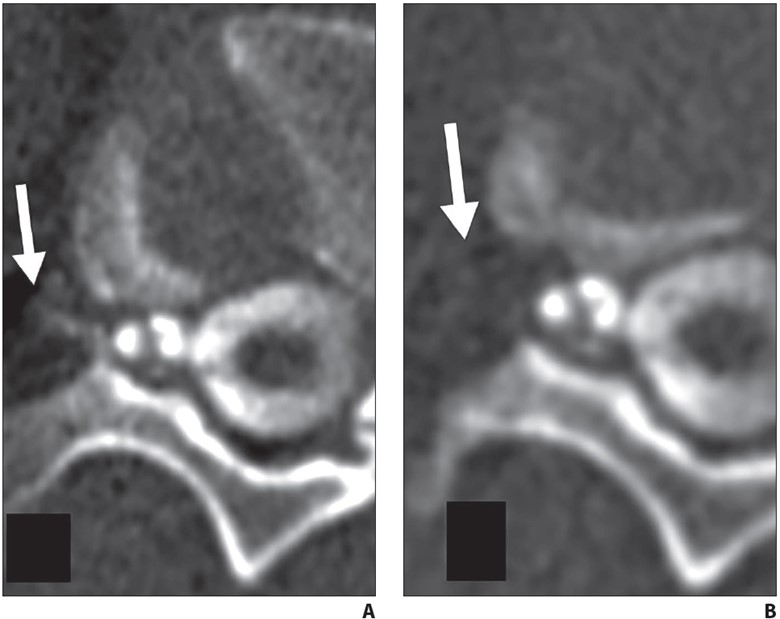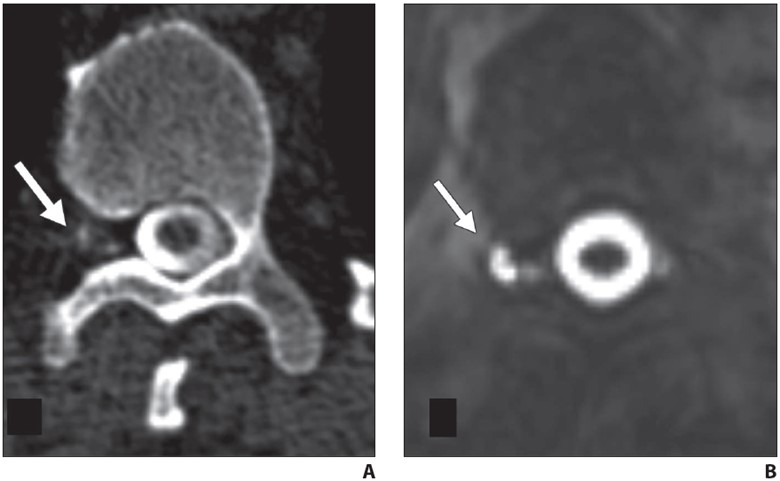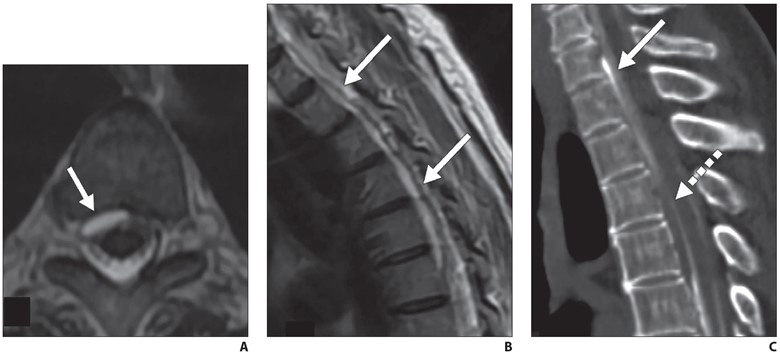
@RHWiggins Associate Dean of CME Professor of Radiology and Imaging Sciences University of Utah Health Science Center
Subdivided at the hyoid bone, the soft-tissue core of the extracranial segment of the head and neck can be divided further into two discrete areas: the suprahyoid neck and the infrahyoid neck. Whereas the infrahyoid portion lies inferiorly between the hyoid bone and clavicles, the suprahyoid area comprises the deep spaces between the base of the skull and the hyoid bone. While decades ago, lesions in the deep suprahyoid neck lead to a vague report listing a long differential diagnosis, an understanding of the suprahyoid neck anatomic space can lead to an accurate space-specific differential diagnosis. Here, three layers of cervical fascia help to define all the separate spaces in the deep part of our face.
Presented live on Sunday, April 16 during the 2023 ARRS Annual Meeting in Honolulu, HI, our “The Suprahyoid Neck—Pathology Through Anatomy” Featured Session will focus on reviewing important anatomical subunits and common pathologies of the suprahyoid neck: the parapharyngeal, pharyngeal mucosal, masticator, parotid, carotid, retropharyngeal, danger, and perivertebral spaces (Fig. 1).
Fig. 1—Axial drawing depicts relevant anatomy of paramaxillary and submastoid approaches. In submastoid approach, needle takes approach that is out of axial plane to pass caudal to mastoid process. Approximate location of seventh cranial nerve as it courses inferior stylomastoid foramen is labeled.
Examining imaging findings crucial for diagnostic radiologists and neuroradiologists alike to identify, attendees will enhance their clinical performance through a greater, more holistic understanding of cross-sectional anatomy and common pathologies that lead to various lesions in these regions—each a critical check point for accurate interpretation of radiological studies of the suprahyoid neck.
Speaking of studies, our illustrious Featured Sunday Session faculty are especially looking forward to leading breakout sessions regarding the various modalities most frequently found in imaging the suprahyoid neck. The comparative insensitivity of CT for artifacts, CT’s more comprehensive delineation of facial structures, and the promise of contrast-enhanced images to reveal critical vasculature continue to make CT more advantageous than ultrasound guidance (Fig. 2).
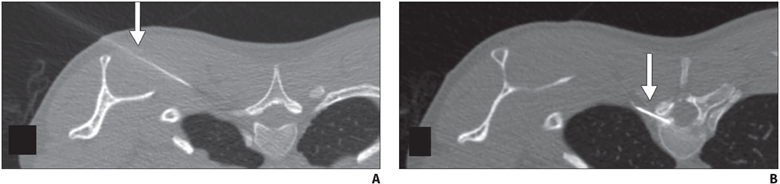
Fig. 2—72-year-old with right facial and neck pain and dysphagia associated with 7.7-kg (17-lb) unintentional weight loss. Left: Axial contrast-enhanced CT image of neck shows incidentally identified soft-tissue mass centered in right deep parotid space. Right: Axial CT image obtained with patient positioned with his head angled contralateral to lesion. Needle is advanced percutaneously, caudal to mastoid tip and through sternocleidomastoid muscle. It is then advanced with tip oriented cranially for access to parotid lobe lesion.
And because CT-guided fine-needle aspiration and biopsy can be performed with patients in three positions (supine, prone, lateral decubitus), multiple clinical studies in the imaging literature continue to conclude that this procedure remains safe and effective for obtaining tissue to diagnosis lesions of the head and neck. For quick reference, we encourage you to consult the following preprocedural patient care checklist for fine-needle aspiration and/or biopsy to help promote a professional and efficient imaging encounter with your patients:
Procedure
Relevant to ongoing care?
Anesthesia
Moderate sedation available?
General anesthesia more appropriate?
Consent Approval
Both procedure and sedation?
Imaging
Preprocedural images available for review?
Positioning
Planned trajectory verified?
Patient able to tolerate?
Lab Results
Values within acceptable ranges?
In certain instances, diffusion pulse sequences can offer a complementary adjunct to conventional MR pulse sequences, but neither diffusion-weighted imaging (DWI) or diffusion tensor imaging (DTI) should be utilized as a standalone technique for characterizing the benignity of head and neck lesions. Moreover, since mean apparent diffusion coefficients (ADC) values derived from DTI parameters are characteristically lower than ADC values developed from DWI parameters—frequently lower than reported malignant threshold values—the two should not be used interchangeably (Fig. 3).
Fig. 3—48-year-old with sinonasal neuroendocrine carcinoma. Left: Mass appears bright on diffusion-tensor imaging trace image (left) and dark on corresponding apparent diffusion coefficient (ADC) map (right), consistent with reduced diffusivity in high cellularity lesion.
With personalized, precision medicine becoming increasingly more critical for our patients in today’s value-based health care environment, the topic of the suprahyoid neck is particularly timely for medical imagers at all professional levels and of every practice type, notably so for head and neck radiologists, neuroradiologists, and in-training imagers of both subspecialties. Closely working alongside head and neck surgical teams—often on complex cases of deep space neck masses with widely differential diagnoses—practicing radiologists must intimately understand each significant space of the suprahyoid neck, as well as their surrounding fascial boundaries.
Unique in the quality of the educators and the breadth of the curriculum, our “The Suprahyoid Neck—Pathology Through Anatomy” live event from Oahu Island on Sunday the 16th will also address key concepts for radiologists to improve their accuracy in reporting complex imaging cases. A key didactic point will be how a better understanding of suprahyoid neck anatomy can lead the imager to a space-specific differential and diagnosis. Once again, just as we concluded the ARRS “Temporal Bone Imaging Made Easy” symposium this March, I will then review top points from all the earlier expert presentations. We will officially adjourn after another spirited Q&A block, allowing faculty to address individual questions regarding both anatomical and pathological considerations when imaging the suprahyoid neck spaces.
The Upper Aerodigestive Tract
Also presented live on Sunday, April 16 during the 2023 ARRS Annual Meeting in Hawaii, our “The Upper Aerodigestive Tract” session will review essential anatomy and pathology of this tract surrounding the suprahyoid neck spaces. Each subunit of the upper aerodigestive tract will be examined, including the nasal cavity, nasopharynx, oral cavity, oropharynx, larynx, hypopharynx, cervical trachea, and cervical esophagus. Esteemed faculty for this Featured Sunday Session have prepared clinically focused sessions on important anatomical subunits, examining cross-sectional anatomy and pathology findings that are critical for the head and neck radiologist to understand for each region. Participants will enhance their performance by gaining a greater understanding of common pathologies that occur, honing in on critical check points for accurate interpretation of head and neck imaging studies of the upper aerodigestive tract, which is critical for certain pathologies—especially so for squamous cell carcinoma.
As an instructional topic for medical imaging professionals, the upper aerodigestive tract is timely in today’s health care environment, too. Awareness and appreciation of the many issues that can arise are indispensable to rendering better health care for our patients. Specifically, when collaborating with head and neck surgeons on non-cutaneous head and neck squamous cell carcinoma cases, it is the imaging that determines the staging—and, therefore, the therapy—in these complex cases.
Similar to our “The Suprahyoid Neck—Pathology Through Anatomy” course on the same day, an overall primer on critical spaces will be presented first, before diving into the more detailed subunit lectures our experts have prepared. Once more, each region of the upper aerodigestive tract will be assessed in functional terms alongside normal imaging findings, followed by a thorough analysis of pathologies for common head and neck cancers, as well as important mimics and differentials.
@AChhabraMD Professor of Radiology Chief of Musculoskeletal Imaging UT Southwestern Medical Center Parkland Health & Hospital System
Collectively, ultrasound, electromyography, and even physical findings play a role in diagnosing anomalies of the peripheral nervous system. Increasingly, though, MR neurography (MRN) is becoming very common for the evaluation of peripheral neuropathy. This enhanced adoption is due to technological advancements in imaging quality and acquisition speed, such as newer 3D techniques, improved coil equipment, sparser k-space sampling, and compressed sensing, etc. In fact, in today’s tertiary care setups, MRN is being quickly incorporated for the workups of peripheral neuropathy and plexopathy patients, due to both need and ask from the peripheral nerve physicians, orthopedic surgeons, and pain management specialists. Although many articles about the evolution of MRN have been published in the clinical literature, thus far, no standards for the evaluation and recording of peripheral nerve pathologies on MRI have been acknowledged, much less validated.
Our retrospective study included 100 patients with nerve imaging examinations and a variety of known clinical diagnoses. Utilizing mutually agreed-upon qualitative benchmarks for classifying and grading peripheral neuropathies, different classes were established to account for the spectrum of underlying pathologies (unremarkable, injury, neoplasia, entrapment, diffuse neuropathy, not otherwise specified, and postintervention state) with subclasses to describe lesion severity or extent. Validation was performed by 11 fellowship-trained musculoskeletal radiologists across 10 institutions, and after initial multimedia training, all 100 cases were blind-presented to readers (Fig. 1).
Fig. 1—Neuropathy Score Reporting and Data System (NS-RADS) subclass I3 M2. Axial fat-suppressed T2-weighted (left) and T1-weighted (right) images show extensor compartment and peroneal compartment denervation changes with fatty infiltration, edemalike signal, and mild atrophy (arrows) consistent with NS-RADS subclass M2.
Offering a uniform lexicon and practical guideline for reporting neuropathic conditions on MRI, ultimately, NS-RADS accuracy for determining milder versus more severe categories per radiologist ranged from 88% to 97% for nerve lesions and from 86% to 94% for muscle abnormalities (Fig. 2).
Fig. 2—Neuropathy Score Reporting and Data System (NS-RADS) subclass M1. Axial T1-weighted (left) and STIR (right) images depict denervation edemalike signal of extensor muscles of dorsal and mobile wad compartments with no fatty infiltration or atrophy, consistent with NS-RADS subclass M1. (Arrows in right show edemalike signal of muscles.)
On the basis of the overall promising interrater agreement shown in this study, we believe that the newly proposed NS-RADS classification will perform as well in routine practice as it did in this initial validation study (Fig. 3).
Fig. 3—Neuropathy Score Reporting and Data System (NS-RADS) subclass E2 M0. Axial (left) and oblique coronal (right) fat-suppressed T2-weighted images show proximally enlarged and hyperintense ulnar nerve (arrows) and normal nerve caliber distal to cubital tunnel (arrowhead on right).
However, we must acknowledge several barriers that still exist for learning and successful incorporation of routine MRN in radiology practices:
lack of widespread usage of technology, especially information on recent advancements
optimization for different tissue resolutions
complexity of peripheral nerve anatomy
uniformity of reporting with multidisciplinary teams
paucity of knowledge about diagnostic imaging criteria for lesion classification—something NS-RADS intends to correct
NS-RADS Details at ARRS Annual Meeting in Hawaii
Presented live during the 2023 ARRS Annual Meeting in Honolulu, HI, “MR Neurography and NS-RADS: Assist Your Neuropathy and Pain Patients” will focus on the latest advances in MRN and its practical application in routine imaging practice. Pertinent for practicing radiologists, musculoskeletal and neuroradiology subspecialists, fellows and residents in diagnostic radiology, and even radiologic technologists, six experts in MRI protocol and sequence design will deliver a two-hour categorical session. This session has been expertly curated, covering one anatomic site at a time. The majority of our lectures will be nerve-focused—reviewing and updating NS-RADS and detailing innovative MRN techniques for brachial plexus, LS plexus, facial, intercostal, as well as peripheral nerves. Our panel will also address 2D vs. 3D MRI correlations, highlighting relative advantages and disadvantages of different sequences.
Moving forward, modern MRI readers need to be fluent in the latest MRN features of different neuropathies, as well as related syndromes and classifications. We will also discuss current research projects and future applications. By incorporating these imaging interpretation criteria and expert insights from different tertiary care institutes, imaging professionals can impact diagnostic strategies, thus altering management decisions of neuropathy patients for improved outcomes.
Every year, medical students, early in their educational journeys, are encouraged by deans and other high-ranking medical school administrators to consider primary care (internal medicine, family medicine, or pediatrics) as a career choice. Most of us chose a different, more specialized route and wound up in radiology.
Now, I would like to encourage you to be a primary radiologist. By saying primary radiologist, I am not encouraging you to go into primary care, but rather to be the best radiologist that you can be. Primary radiologists are leading radiologists—working at a very high level, communicating clearly and effectively with referring physicians and patients, and keeping up to date with new developments in imaging and medicine. Most practices or groups have a primary radiologist—the highly accurate radiologist who is consulted on the most difficult cases and who is always available to help.
The primary radiologist’s role is based heavily on earning the respect of others. A primary radiologist is the one you and others turn to when you need an expert opinion. Oftentimes, a colleague will ask, did you show the case to Dr. _____? Alternatively, one may want an opinion on how Dr. _____ would approach a difficult procedure.
It is difficult to be a primary radiologist. There are ongoing global stressors, like the COVID-19 pandemic, and stressors affecting radiologists, including high burnout rates and an ever-increasing workload. Bhargavan et al. noted that when 2006–2007 data was compared to 2002–2003 data, the annual workload per full-time equivalent radiologist increased by 7%. When 2006–2007 data was compared to data from 1991–1992, the annual workload per full-time equivalent radiologist increased by 70.3%! Now, 2006–2007 seems like a long time ago, and, undoubtedly, workloads have continued to rise over the last 15 years.
How do we become primary radiologists in the current milieu? When we think of doing a great job, we need to define success. Success may be defined differently by deans, hospital administrators, chairs, section heads, and individual radiologists. As many of us are working very hard these days, it makes sense to think about what success means. John Wooden served as the basketball coach at the University of California, Los Angeles (UCLA) from 1948 to 1975. During that time, he led the UCLA Bruins to 10 National Collegiate Athletic Association (NCAA) basketball championships. I like John Wooden’s definition of success. Coach Wooden stated that “success is peace of mind which is a direct result of self-satisfaction in knowing you did your best to become the best that you are capable of becoming.”
In Coach Wooden’s Pyramid of Success, industriousness and enthusiasm are major cornerstones. Regarding industriousness, I don’t see radiologists’ workloads diminishing any time soon. In our current world of radiology, I agree with Coach Wooden, who noted that “there is no substitute for work. Worthwhile results come from hard work and careful planning.” When discussing planning and preparation, Coach Wooden stated that “failing to prepare is preparation for failure.” This important maxim applies to individual cases and procedures, as well as to our overall growth and development.
As we strive to be primary radiologists, our continued growth and development is based on self-assessment and identifying educational opportunities to rectify our perceived deficiencies. As we head into a new academic year and try to find top-notch educational content to fill our gaps, I suggest looking into the vast portfolio of educational offerings from our American Roentgen Ray Society. On ARRS.org, you will find information on the 2023 ARRS Annual Meeting in Honolulu, Hawaii, upcoming Live Symposia, Online Courses, Web Lectures, Quick Bytes, and Global Partner Education, including American Journal of Roentgenology (AJR) articles with credit, AJR Webinars, Author Videos, Podcasts, Tweetchats, Visual Abstracts, and much more. Whatever you are looking for, it is very likely that you will find it on the ARRS website and various social media channels.
In our quest to become primary radiologists, a key ingredient is enthusiasm. Coach Wooden noted that enthusiasm “brushes off upon those with whom you come in contact.” He continued, noting that “you must truly enjoy what you are doing.” Being enthusiastic about an unrelenting onslaught of work can be challenging, but we should try to be enthusiastic toward those who really need our services—our patients and our referring providers—and our team members. In general, our teams will function at a higher level if we treat everyone with enthusiastic, professional respect.
In addition to enthusiasm and industriousness, I think that in today’s topsy-turvy world, adaptability is critical. If we are going to be at the top of our game and really be the primary radiologists that we are capable of becoming, we must be able to adapt to new and sometimes unforeseen situations. Coach Wooden defined adaptability as “being able to adjust to any situation at any given time.” Just think of how different October 2019 (pre-COVID) was compared to March 2020 (early in the COVID-19 pandemic). The first COVID-19 outbreak was reported in Wuhan, Hubei, China in November of 2019, and by March 11, 2020, we were involved in a major pandemic with 118,465 confirmed cases of COVID-19 and 4,295 deaths worldwide. As we enter a new academic year, I want to encourage you to be the best radiologist that you can be—to be your best version of a primary radiologist. It won’t be easy, but with industriousness, enthusiasm, and a lot of adaptability, I think that we can do it and enjoy the journey!
Melvin E. Clouse Professor of Radiology, Harvard Medical School Chair, Department of Radiology, Beth Israel Deaconess Medical Center
Lea Azour, MD
Clinical Assistant Professor, Department of Radiology, NYU Grossman School of Medicine Director of Wellness, Department of Radiology
Jonathan Goldin, MD, PhD
Professor of Radiology, Medicine, and Biomedical Physics, UCLA David Geffen School of Medicine Executive Vice Chairman, Department of Radiological Sciences, UCLA David Geffen School of Medicine
The epidemic of stress and burnout among physicians in our imaging field continues unabated, with many commitments, remedies, websites, apps, financial resources, meetings, meals, committees, retreats, articles, and other tactics directed at mitigating the expanding repertoire of undesirable, harmful, and even tragic consequences. The constellation of recognized detractors contributing to our widespread lack of wellness and professional fulfillment continues to grow, and will do so, until an effective and collective strategy is implemented.
Mitigation tactics have been tried—improving practice efficiency amid amassing volumes, personal wellness invocations in times of increased isolation, and efforts to cultivate individual and even practice resilience. Many of these have been Band-Aid attempts to right perceived wrongs, to keep up with current trends, or to respond to newly recognized symptoms. These efforts have had short-term impacts, at best.
One tactic after another. One mole whacked to unearth another. One new personal solution. One new app. And nothing seems to have improved. Our trend lines are heading downwards.
Moving the Wellness Dial?
Most certainly, we have started to move the radiology wellness dial—we have discovered what works and what doesn’t, we have started to recognize the spectrum of manifestations of stress, we have started to explore different personal and practice approaches to wellness, we have started to acknowledge the impact of effective leadership, communities and connections, of having voices heard, of removing the many pebbles from our shoes, and we have started to speak louder and louder about the need for a more organized approach. We have commenced our wellness journey.
There is no better time than now to define where we want to go, how to get there, and how to remove current and future obstacles along the way.
Our efforts have been diverse and well-intended: various manners of resilience-building have been explored, personal wellness strategies were introduced, organizational contributors were recognized, the value of high-functioning teams extolled, as was understanding of the complex preferences of our wonderful multicultural and multigenerational team members. Practices slowly started listening to the voices of their team members. Listening, yet not quite hearing. Conversations slowly started transforming from burnout to wellness, to professional fulfillment, and voices were now being listened to and heard.
Yet the stress and symptoms of emotional exhaustion, detachment, disengagement, and disillusionment persisted, and a great resignation commenced. New challenges emerged, which have become our contemporary opportunities: supporting and sustaining remote teams and flexible work patterns, a staffing challenge like few can recall, rethinking productivity and compensation models, calls for greater transparency, wellness-driving compensation plans and reading environments, and reimagining what a day’s work should look like. The Great Resignation inspired the Great Exploration and Reshuffling, and now the Great Renegotiation—of why and how we work.
So, where does that leave us today? For the past several years, we have responded to the epidemic of burnout by changing the conversation to a more positive focus on wellness, yet our many very well-intended efforts have been largely tactical, rather than strategic.
We have been playing wellness whack-a-mole by responding with tactics to each newly recognized symptom or contributor, rather than thinking strategically.
It’s not too late. As a medical subspecialty, we have the opportunity to change that now, and must. We certainly have the skilled team members, advocates, resources, voices, passions, and energy to do that, and we need to start now. Together, we can and must build a blueprint for wellness that will guide and sustain our efforts towards improved wellness.
This April, please join us in Honolulu, Hawaii for the ARRS Radiology Wellness Summit during the 2023 ARRS Annual Meeting, where all of these will be addressed.
We need to hear your voice; we want to hear your voice.
What Will the ARRS Radiology Wellness Summit in Hawaii Address?
There are moral, ethical, and business imperatives that should drive wellness, and we will explore what strategies are working and which are not. How do we design workflow for wellness, rethink productivity metrics, and explore shift-based comp plans? What does a new day’s work look like for a radiologist? How can one hop off and stay off the hamster wheel that many workplaces have become? What might your AI efficiency wish list look like? What do your wellness numbers and trends reveal? Do you know your current numbers? What are you measuring?
While one might need to measure in order to manage, to quote Albert Einstein, “not all that counts can be counted, and not all that is counted, counts.” Collectively, we have a lot to talk about.
How do we go about stemming the tide of the Great Resignation, or can we, or should we? What are you doing to show appreciation to your faculty who might feel undervalued? What does your peer support program look like? How are you sustaining your talented multigenerational team through different career and life stages? Is your communication strategy effective? How are you introducing appreciative enquiry and positive psychology into your practice? What is your equivalent of a wellness booster clinic, and what are you doing to rediscover the joy and meaning that first led you into radiology? Have you considered coaching, storytelling, micropractices, mindfulness, music, or art? Is your team functioning like Ted Lasso is the coach? How did you train your Chief Wellness Officer and your wellness change agents?
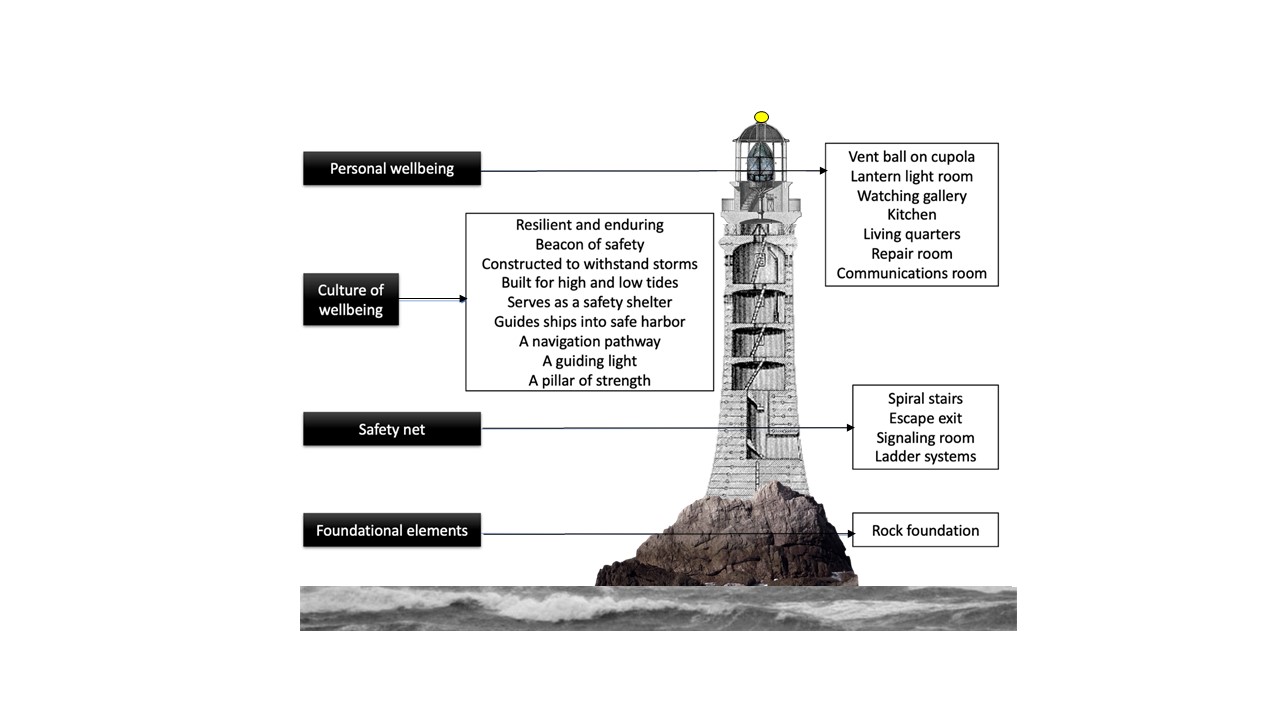
Our inaugural ARRS Radiology Wellness Summit will bring together radiologists across subspecialties and practices to address the many contemporary issues that are top of mind in our postpandemic terrain, with the goal of defining a wellness roadmap that will guide our House of Radiology forward to better navigate the anticipated stormy seas ahead. Together, we plan to transform from a tactic-driven approach to one that is thoughtful, intentional, and strategic. We hope you’ll join us in Honolulu this April for the undertaking. We want your imprint in this timely, necessary, and important effort.
Dr. Barr is a private practice neuroradiologist with Mecklenburg Radiology Associates PA in Charlotte, North Carolina, and incoming President of the American Board of Radiology.
The five years since I joined the Board of Governors has been a period of remarkable change as the American Board of Radiology (ABR) has evolved in response to new requirements and improved stakeholder engagement. The biggest change was the introduction of Online Longitudinal Assessment (OLA) in 2019 to supplant the previous model of recurring high-stakes exams as part of Continuing Certification. The platform has both formative and summative functions and, as a result, satisfies the parts of our social contract as medical professionals that relate to lifelong learning and self-assessment. It positions the ABR as one of the leaders in adopting the American Board of Medical Specialties (ABMS) Standards for Continuing Certification released last November.
In early 2020, recognizing the challenges resulting from the pandemic, we embarked on an aggressive development plan to deliver our Initial Certification exams in a virtual environment. Our early experience with OLA was crucial in guiding the design and implementation of remote exams. In 2021, we successfully administered over 5,000 exams (including both qualifying and certification exams) across all four disciplines (diagnostic radiology, interventional radiology, medical physics, and radiation oncology) and anticipate this will remain an enduring model for Initial Certification.
In addition to the introduction of remote exams and accelerated exam administration, 2021 saw the implementation of a new residency leave policy designed to balance the need for standardization with flexibility to address life events that individuals face during training. We were fortunate to benefit from the vigorous engagement of numerous stakeholders during the development of this policy, including dozens of conversations with trainees and program faculty. Beginning with the 2021–2022 academic year, residents with total time away from residency averaging less than eight weeks (40 workdays) per academic year are eligible for Initial Certification without an extension of training.
Although the programs mentioned above are the most visible to our candidates and diplomates, the behind-the-scenes efforts of our volunteers have been critical in supporting the continuous improvement of our exam content and delivery. We now offer exam candidates increased flexibility in many elements of the qualifying exams, as well as additional dates for the oral exams in medical physics, radiation oncology, and interventional radiology. Several months ago, we embarked on a comprehensive evaluation of the certification exams for diagnostic radiology; as of this writing, external discussions have provided a broad range of perspectives and extremely useful suggestions for potential modifications.
Our executive team and staff have made significant strides in streamlining our administrative processes and improving efficiency, with the goal of mitigating costs. We have reduced redundancy and non-core initiatives and terminated our lease for the Chicago testing center as part of our transition to remote exams. We’ve reduced the cost of some of our products, particularly subspecialty certification exams, and will continue to focus on fee reduction when possible. We are fortunate to maintain healthy capital reserves, which have helped offset investments in technology and software development during the past few years of transition. We continue to maintain our recognition for financial transparency with Platinum Status (per Candid®, formerly GuideStar®).
As I assume the role of ABR president, I look forward to working with our volunteers, staff, and stakeholders to support the ABR’s mission to provide a credential that indicates a high level of professional achievement and commitment to clinical excellence. The ABR Board of Governors, volunteers, and staff remain committed to improving the relevance and value of our exams and programs while avoiding increased costs and unnecessary complication for our candidates and diplomates.
Department of Radiology, Memorial Sloan Kettering Cancer Center
Lars J. Grimm
Department of Radiology, Division of Breast Imaging, Duke University School of Medicine
Jennifer A. Harvey
Department of Imaging Services, University of Rochester Medical Center
Donna M. Plecha
Department of Radiology, University Hospitals Cleveland Medical Center
Emily F. Conant
Department of Radiology, Division of Breast Imaging, Perelman School of Medicine, University of Pennsylvania
Abbreviated breast MRI (AB-MRI) has been shown to maintain the high sensitivity of longer or full breast MRI protocols while decreasing operational costs. The clinical implementation of an AB-MRI program requires collaboration of multiple stakeholders, including administrative, operational, financial, technical, and clinical providers. Institutions must define patient eligibility and imaging protocols and monitor performance metrics to ensure high-quality patient care. The improved efficiency and maintenance of accuracy of AB-MRI may allow more women to access this important supplemental screening modality.
MRI is the most sensitive imaging modality for breast cancer detection [1], and its role as an adjunct to mammographic screening for women at high risk for breast cancer (i.e., a lifetime risk > 20%) is well accepted [2–5]. Although demographic and genetically based risk assessment models are often used to determine breast cancer risk, increased mammographic density increases breast cancer risk and decreases mammographic sensitivity through the obscuration of cancer by adjacent dense breast tissue [6]. Increasing awareness of the impact of increased breast density on patient outcomes has driven the adoption of state and federal legislation mandating that women be notified of their breast density. In response to this increasing awareness, there is growing interest in supplemental screening for breast cancer with breast MRI, which shows improved breast cancer detection for women with dense breasts and otherwise average risk [7]. To accommodate the increasing demand for supplemental breast MRI screening, abbreviated (or fast) breast MRI protocols have been developed that reduce costs, improve workflow, and increase patient access. This article provides details regarding the current literature supporting the utilization of AB-MRI for supplemental screening and the numerous administrative, operational, financial, technical, and clinical elements that must be considered in the implementation of a clinical AB-MRI program.
Review of Abbreviated Breast MRI Outcome Data
The first AB-MRI study, which was published in 2014 by Kuhl et al. [8], included 443 women with a “mildly to moderately increased risk of breast cancer.” The study showed that a 3-minute AB-MRI acquisition that consists of only one unenhanced and one contrast-enhanced sequence has diagnostic accuracy in breast cancer screening that is equivalent to that of a full breast MRI protocol. Multiple studies have since been published, including a prospective multicenter trial [9] and at least three systemic reviews or meta-analyses supporting the use of AB-MRI [10–13] (Table 1).
These studies confirm that the combination of mammography and MRI screening yields the highest cancer detection rate. In addition, cancers detected with MRI are more likely to be invasive and higher grade, compared with cancers detected with mammography [14], and therefore have the potential for greater impact on patient morbidity and mortality.
Because MRI offers improved cancer detection rates and can detect more clinically relevant disease, AB-MRI has been integrated into clinical practice at numerous institutions. Clinical implementation of an AB-MRI program requires consideration of patient eligibility requirements, imaging protocols, and appropriate performance metrics to ensure high-quality patient care.
Patient Selection and Screening Interval
At present, most supplemental screening with AB-MRI is reserved for women with dense breasts, given the superior sensitivity of breast MRI for cancer detection [15]. This recommendation is supported by multiple studies of women with dense breasts, including women who underwent screening with AB-MRI after having negative or benign mammography and ultrasound findings [8], and by a prospective screening study that showed significantly higher rates of invasive breast cancer detection with AB-MRI, compared with digital breast tomosynthesis (DBT) (11.8 vs 4.8 cancers per 1,000 women) [9]. For women with an average risk of breast cancer who have dense breasts and a normal DBT, AB-MRI has shown a breast cancer detection rate of up to 27.4 cancers per 1,000 women [12]. The possible role of AB-MRI in detecting breast cancer in women with nondense breasts who are at intermediate risk for breast cancer has not yet been established.
Although there currently are no data to guide the frequency of AB-MRI screening, given current screening paradigms and the recommendation that high-risk women should undergo annual MRI screening [16], one could consider screening women of average risk who have dense breasts with AB-MRI every 1–2 years [7]. AB-MRI should be performed in addition to an annual mammography examination, and this screening may be performed at the same time as mammography or offset between mammographic screenings.
Imaging Technique
AB-MRI protocols remain institution-dependent; however, consideration should be given to minimizing the total scanning duration and thus the time that the patient spends on the table (i.e., table time). Published AB-MRI acquisition times range from 1.1 to 12 minutes [17, 18], but additional time not related to acquisition must also be allocated to allow the patient to enter and exit the room and to be positioned on the table. The AB-MRI protocol should use parameters similar to those of the full breast MRI protocol, such as magnet field strength, axis of image acquisition, and patient orientation, to facilitate interpretation and comparisons between full and AB-MRI examinations. Postprocessing of sequences, such as subtracted images, maximum-intensity-projection (MIP) images, and multiplanar reconstructions, does not increase actual scanning time and may be performed after the patient has been taken off the table, further improving table-time efficiency.
Published AB-MRI protocol sequences vary greatly but most commonly use an unenhanced T1- and/or T2-weighted sequence, plus one contrast-enhanced sequence [8–11, 19]. A single contrast-enhanced sequence enables generation of subtracted and MIP images but does not provide kinetic information. Despite AB-MRI protocol variation, a systematic review/meta-analysis showed no significant difference in the sensitivity or specificity of AB-MRI versus full breast MRI in studies with 1–2 years of follow-up [12].
Interpretation
The time needed for interpretation of AB-MRI varies depending on the number of protocol sequences [20]. AB-MRI has higher sensitivity than DBT (95% vs 39%) but lower specificity (87% vs 97%) [9]. Improving specificity through minimizing false-positive results should be prioritized when implementing an AB-MRI program.
For interpretation of AB-MRI, it is advised that one first evaluate the MIP image to assess background parenchymal enhancement (BPE) and the symmetry of the breasts and to identify any unique focal findings. AB-MRI interpretation may be more difficult when BPE is moderate or marked [21, 22]. Identification of a unique finding requiring additional evaluation should be based on the morphology of the finding and whether it differs from surrounding or BPE. If available, comparison with prior MIP images will enable determination of whether a finding is new. Correlation with findings on prior mammograms and ultrasounds may also help determine whether the unique finding is benign.
Recognizing benign patterns of BPE may help improve specificity when interpreting screening AB-MRI. Such patterns include multiple scattered foci of enhancement, symmetric regional enhancement, multiple foci with larger enhancing areas, and a picture frame distribution of enhancement along the periphery of the breast [23]. BPE may be asymmetric or, conversely, increased in patients who recently stopped taking antiestrogen medication [24].
Utilization of a T2-weighted sequence in an AB-MRI protocol can assist in the characterization of foci and masses because increased T2 signal intensity, plus a benign morphology, help support a benign diagnosis [25, 26]. T2-hyperintense masses with benign morphologic characteristics, such as round or oval shape, circumscribed margins, dark internal septations, homogeneous enhancement, or a combination of these characteristics, should at most be assessed as a BI-RADS category 3 finding. Inclusion of a T2-weighted sequence in the AB-MRI protocol can decrease BI-RADS category 3 utilization by 37.7% [8]. This is further supported by a retrospective review of T2-hyperintense masses without suspicious features, which had a malignancy rate of 2% [26]. Given that cancers may also show T2 hyperintensity, biopsy should be recommended if a T2-hyperintense finding shows suspicious morphology.
A unique nonmass enhancement (NME) should be biopsied if it is linear, segmental, clumped, heterogeneous, or has clustered ring enhancement (Fig. 1).
Fig. 1—51-year-old with bilateral high-grade ductal carcinoma in situ (DCIS). Axial contrast-enhanced subtracted maximum-intensity-projection image reveals unique, segmental, nonmass enhancement bilaterally (arrows), with pathology from MRI-guided biopsy yielding bilateral high-grade DCIS.
If NME is diffuse or regional with internal homogeneous enhancement with associated T2 fibrocystic changes, it should be considered benign.
Auditing Your Practice
As with auditing any breast MRI practice on the basis of imaging indication (i.e., high-risk screening, diagnostic problem solving, cancer staging), auditing of AB-MRI should be done separately. Performance measures should include, but should not be limited to:
cancer detection rate per 1,000 women;
PPV2 (based on recommendation for tissue diagnosis) and PPV3 (based on results of biopsies actually performed);
outcomes of BI-RADS final assessment categories 0, 3, 4, and 5;
overall sensitivity and specificity.
Complete medical audit data for screening MRI are outlined in BI-RADS 5th edition [27]; however, it is important to note that the benchmarks in BI-RADS 5th edition were based on analyses of prospective, full-protocol screening MRI trials of women with a hereditary predisposition for breast cancer.
In auditing any breast MRI program, BI-RADS category 0 should be used sparingly, reserved for requests of prior imaging that may not have been available at the time of initial interpretation. For example, it may be necessary to correlate MRI findings with those from mammography and/or ultrasound to ensure the stability of MRI findings, such as probable fibroadenomas, lymph nodes, fat necrosis, or a surgical scar. Those MRI findings with benign mammographic or sonographic correlates may be downgraded to BI-RADS category 2 (benign). Careful comparison with prior imaging ultimately helps improves the specificity of MRI and thus patient outcomes.
Although no benchmarks have yet been established for short-term follow-up or the use of BI-RADS category 3 for breast MRI, early outcome data suggest that the limited imaging provided by AB-MRI may increase the rate of short-term follow-up recommendations, compared with full breast MRI protocols [28]. In reporting their first 2 years of experience with AB-MRI, Marshall et al. [28] found that in the first 4 months, their BI-RADS category 3 rate was 14.2%. In an effort to decrease the BI-RADS category 3 rate, they required that all BI-RADS category 3 cases be reviewed by at least two other breast radiologists and that their group would review such cases weekly. After the interventions, the group’s use of BI-RADS category 3 decreased to 8.3% in their first year [28]. As with any breast MRI study, when BI-RADS category 3 is assigned, the next recommendations should clearly be stated in the report.
For cases where an MRI-directed ultrasound is recommended for further evaluation of a mass, the MRI report should provide recommendations for next steps, if a follow-up ultrasound shows no finding. If MRI-directed ultrasound shows a probably benign mass, follow-up of the mass can be performed with ultrasound in 6 months, instead of with MRI. In addition, if follow-up with MRI is recommended, it should be an AB-MRI, not a full-protocol examination, to maintain operational costs and facilitate comparison across similar protocols. A final assessment of BI-RADS category 3 should never be used for an enlarging or new solid mass. Benchmarks are well established for outcomes for BI-RADS categories 4 and 5, as well as for PPV2 and PPV3 [29]. Access to the audit data of each individual reader, as well as to the combined data of the group, is essential, so radiologists can compare their outcomes to those of others and seek additional training as needed.
As expected, there is a learning curve to the interpretation of any new imaging modality or protocol. Auditing allows the identification of outliers among a group of radiologists and may help target individuals for additional training. As with any new imaging modality, a practice may also consider limiting the number of radiologists reading AB-MRI cases early in the implementation, later expanding the number of readers as the volume of examinations increases and a teaching set of images with known outcomes has been collected for sharing across the group. Furthermore, as outcome data from AB-MR studies continue to evolve, benchmarks will be established for best practices.
Financial Considerations
Because there currently is no Current Procedural Terminology (CPT) code for AB-MRI, women must self-pay for their examinations without insurance being billed [15]. According to recent reviews of AB-MRI implementation at sites across the United States, out-of-pocket charges vary from $250 [28] to $500 [30]. When appropriate pricing is considered, the cost of the gadolinium-based contrast agent and table time must be considered [31], as must the costs of any downstream MRI-guided biopsies that may or may not be covered by the patient’s insurance. It should be noted that the out-of-pocket payment may be a barrier for some patients, leading to disparities in access to AB-MRI screening. In a recent survey of 508 patients with dense breasts who were undergoing screening mammography, 67% of patients cited the cost of adjunct screening as the primary deterrent [32], which was independently associated with younger age [33]. A possible solution could include adjustment of the self-payment costs based on financial need.
To determine appropriate pricing based on cost benefit, Mango et al. [34] used a Monte Carlo simulation to analyze a 30-year screening period in which a hypothetical group of 2.5 million women would undergo either digital mammography annually or MRI every 3 years (selected on the basis of no interval cancers being identified during this time frame in another study [35]). At 24 years, MRI became as cost-effective as mammography ($13.02 billion vs $13.03 billion, respectively). When a lower cost of $400 was used for MRI (vs $640 for the full diagnostic protocol), MRI screening became more cost-effective in less than 6 years ($3.41 billion vs $3.65 billion for mammography). However, the comparison of AB-MRI with 2D mammography rather than DBT limits generalizability [34].
Bundled payment models, which include all costs from screening to breast cancer diagnosis over a 364-day period, have been created to control costs and increase value. If AB-MRI reduces overall costs for breast cancer screening (as a triennial examination performed without mammography), compared with digital mammography by 6 years, as suggested by the Monte Carlo simulation [34], bundled payments may be reasonable for incident AB-MRI screening at the cost of $400 per study. The societal costs of screening once every 3 years must also be considered.
With no current insurance coverage for AB-MRI, institutions must engage multiple stakeholders when initiating an AB-MRI program. Certainly, the downstream revenues to the institution from breast cancers detected using AB-MRI are an important consideration. Institutional financial support may be needed, with expectations of downstream revenues.
Implementation of Abbreviated (or Fast) MRI in Your Clinical Practice
A clear protocol that defines which patients should be offered AB-MRI is needed, especially in the early phase of implementation. Additionally, because triage of patients will be needed to ensure appropriateness, it may be prudent to limit the number of schedulers involved in booking AB-MRI examinations, until a smooth process is developed. A telephone script for schedulers can help to ensure that appropriate eligibility is determined before scheduling [7].
Preferably, AB-MRI examinations should be scheduled in time slots that are significantly shorter than the time slots needed for full-protocol breast MRI, which takes longer to perform. To increase operational efficiency for an abbreviated protocol, it will be important to work with MRI technologists to limit the time that patients are positioned on the table to match the abbreviated protocol. For example, it will be important to emphasize that for the greatest efficiency, the processing of reconstructed images (subtracted and MIP images) by technologists should be done after the patient has been removed from the MRI table and imaging room. AB-MRI examinations can also be scheduled sequentially to reduce the time needed to set up and take down the breast coil. This attention to efficient use of the room and table time will optimize operations and allow more rapid turnover of the room for the next patient study, resulting in less downtime for room use [31].
To start a successful program of supplemental AB-MRI screening, it is essential to engage referring health care providers with educational programs that address who may be appropriate for supplemental AB-MRI screening and what the implications of additional screening may be for patients. One of the best methods of educating both patients and providers is lecturing at patient-facing symposia or departmental grand rounds to discuss the implications of increased breast density on both the masking of cancers on mammography and the risk of breast cancer developing. Also, it is helpful to create informational cards on supplemental screening with AB-MRI that can be provided to appropriate patients in either the breast imaging or primary care clinics [7]. As uptake of the new protocol increases and significant results, such as supplemental cancer detection rates and subtypes of cancers detected, become available, follow-up educational sessions should be provided to referring providers and, if possible, consumers.
Future Directions
The imaging sequences for breast MRI protocols, including AB-MRI protocols, are constantly evolving. For example, given the limited temporal information regarding many AB-MRI protocols, several exploratory efforts have included ultrafast sequences [36–39], which may have lower spatial resolution but may include images acquired every 1–10 seconds during the first two minutes after injection of contrast medium. Therefore, while maintaining an abbreviated protocol, measurements of both maximum slope of enhancement and rate of enhancement are possible to help discriminate benign from malignant lesions [39, 40]. There have also been efforts to develop unenhanced abbreviated breast MRI protocols because screening MRI could potentially be performed routinely over many years and because there have been concerns surrounding cumulative deposition of gadolinium [41]. A recent study by Bickelhaupt et al. [42] showed that the performance of unenhanced DWI and AB-MRI was comparable (sensitivity, 0.92 vs 0.85, respectively; specificity, 0.94 vs 0.90, respectively). Although acquisition of DWI is time-consuming, the possibility of DWI replacing contrast imaging is appealing, if performance is maintained [42]. However, according to a recent study that included both DWI and contrast imaging, inclusion of DWI in the abbreviated protocol achieved performance comparable to that of a full protocol (sensitivity, 100% vs 100%, respectively; specificity, 95.0% vs 96.8%, respectively); however, scanning time was extended, and contrast medium was still used [43]. Ideally, DWI will advance so that performance of an abbreviated DWI protocol will rival that of an abbreviated contrast study.
AB-MRI may improve access to high-sensitivity screening breast MRI and decrease overall cost. Successful clinical implementation requires the thoughtful collaboration of multiple stakeholders and ongoing monitoring of performance metrics. Additional data and experience are required to facilitate standardization across institutions. With improved efficiency and maintained accuracy, AB-MRI may enable more women to access this important supplemental screening modality.
A multimodality review—everything from routine ultrasound and mammography to the latest DBT and AI applications—ARRS’ Breast Tumor Imaging Online Course delivers the interpretive, technical, and systems knowledge that practicing radiologists need to provide quality breast cancer screening. Additional lectures address pathology, the BI-RADS lexicon, and even the history and economics of breast cancer, all critical for improving overall care disparities and patient outcomes.
DeMartini W, Lehman C. A review of current evidence-based clinical applications for breast magnetic resonance imaging. Top Magn Reson Imaging 2008; 19:143–150
Sardanelli F, Boetes C, Borisch B, et al. Magnetic resonance imaging of the breast: recommendations from the EUSOMA working group. Eur J Cancer 2010; 46:1296–1316
Saslow D, Boetes C, Burke W, et al. American Cancer Society guidelines for breast screening with MRI as an adjunct to mammography. CA Cancer J Clin 2007; 57:75–89
Lee CH, Dershaw DD, Kopans D, et al. Breast cancer screening with imaging: recommendations from the Society of Breast Imaging and the ACR on the use of mammography, breast MRI, breast ultra- sound, and other technologies for the detection of clinically occult breast cancer. J Am Coll Radiol 2010; 7:18–27
Mann RM, Balleyguier C, Baltzer PA, et al. Breast MRI: EUSOBI recommendations for women’s information. Eur Radiol 2015; 25:3669–3678
Saftlas AF, Hoover RN, Brinton LA, et al. Mammographic densities and risk of breast cancer. Cancer 1991; 67:2833–2838
Grimm LJ, Mango VL, Harvey JA, Plecha DM, Conant EF. Implementation of abbreviated breast MRI for screening: AJR expert panel narrative review. AJR 2021 Aug 11 [published online]
Kuhl CK, Schrading S, Strobel K, Schild HH, Hilgers RD, Bieling HB. Abbreviated breast magnetic resonance imaging (MRI): first postcontrast subtracted images and maximum-intensity projection—a novel approach to breast cancer screening with MRI. J Clin Oncol 2014; 32:2304–2310
Comstock CE, Gatsonis C, Newstead GM, et al. Comparison of abbreviated breast MRI vs digital breast tomosynthesis for breast cancer detection among women with dense breasts undergoing screening. JAMA 2020; 323:746–756
Baxter GC, Selamoglu A, Mackay JW, Bond S, Gray E, Gilbert FJ. A meta-analysis comparing the diagnostic performance of abbreviated MRI and a full diagnostic protocol in breast cancer. Clin Radiol 2021; 76:154
Hernández ML, Osorio S, Florez K, Ospino A, Diaz GM. Abbreviated magnetic resonance imaging in breast cancer: a systematic review of literature. Eur J Radiol Open 2020; 8:100307
Geach R, Jones LI, Harding SA, et al. The potential utility of abbreviated breast MRI (FAST MRI) as a tool for breast cancer screening: a systematic review and meta-analysis. Clin Radiol 2021; 76:154.e11–154.e22
Weinstein SP, Korhonen K, Cirelli C, et al. Abbreviated breast magnetic resonance imaging for supplemental screening of women with dense breasts and average risk. J Clin Oncol 2020; 38:3874–3882
Sung JS, Stamler S, Brooks J, et al. Breast cancers detected at screening MR imaging and mammography in patients at high risk: method of detection reflects tumor histopathologic results. Radiology 2016; 280:716–722
Marshall H, Pham R, Sieck L, Plecha D. Implementing abbreviated MRI screening into a breast imaging practice. AJR 2019; 213:234–237
Monticciolo DL, Newell MS, Moy L, Niell B, Monsees B, Sickles EA. Breast cancer screening in women at higher-than-average risk: recommendations from the ACR. J Am Coll Radiol 2018; 15:408–414
Mori N, Sheth D, Abe H. Nonmass enhancement breast lesions: diagnostic performance of kinetic assessment on ultrafast and standard dynamic contrast-enhanced MRI in comparison with morphologic evaluation. AJR 2020; 215:511–518
Heacock L, Melsaether AN, Heller SL, et al. Evaluation of a known breast cancer using an abbreviated breast MRI protocol: correlation of imaging characteristics and pathology with lesion detection and conspicuity. Eur J Radiol 2016; 85:815–823
Heacock L, Lewin AA, Toth HK, Moy L, Reig B. Abbreviated MR imaging for breast cancer. Radiol Clin North Am 2021; 59:99–111
Harvey SC, Di Carlo PA, Lee B, Obadina E, Sippo D, Mullen L. An abbreviated protocol for high-risk screening breast MRI saves time and resources. J Am Coll Radiol 2016; 13:R74–R80
DeMartini WB, Liu F, Peacock S, Eby PR, Gutierrez RL, Lehman CD. Background parenchymal enhancement on breast MRI: impact on diagnostic performance. AJR 2012; 198:[web]W373–W380
Ray KM, Kerlikowske K, Lobach IV, et al. Effect of background parenchymal enhancement on breast MR imaging interpretive performance in community-based practices. Radiology 2018; 286:822–829
Giess CS, Yeh ED, Raza S, Birdwell RL. Background parenchymal enhancement at breast MR imaging: normal patterns, diagnostic challenges, and potential for false-positive and false-negative interpretation. RadioGraphics 2014; 34:234–247
Li J, Dershaw DD, Lee CH, Joo S, Morris EA. Breast MRI after conservation therapy: usual findings in routine follow-up examinations. AJR 2010; 195:799–807 [Erratum in AJR 2010; 195:1043]
Ha R, Sung J, Lee C, Comstock C, Wynn R, Morris E. Characteristics and outcome of enhancing foci followed on breast MRI with management implications. Clin Radiol 2014; 69:715–720
Grimm LJ, Enslow M, Ghate SV. Solitary, well-circumscribed, T2 hyperintense masses on MRI have very low malignancy rates. J Breast Imaging 2019; 1:37–42
Ikeda DM, Hylton NM, Kuhl CK, et al. BI-RADS: magnetic resonance imaging, 1st ed. In: D’Orsi CJ, Mendelson EB, Ikeda DM, et al. Breast Imaging Reporting and Data System: ACR BI-RADS—breast imaging atlas. Reston, VA: American College of Radiology, 2003
Marshall HN, Plecha DM. Setting up an abbreviated breast MRI program: our two-year implementation experience. J Breast Imaging 2020; 2:603–608

Lee JM, Ichikawa L, Valencia E, et al. Performance benchmarks for screening breast MR imaging in community practice. Radiology 2017; 285:44–52
Berg WA, Rafferty EA, Friedewald SM, Hruska CB, Rahbar H. Screening algorithms in dense breasts: AJR expert panel narrative review. AJR 2021; 216:275–294
Borthakur A, Weinstein SP, Schnall MD, Conant EF. Comparison of study activity times for “full” versus “fast MRI” for breast cancer screening. J Am Coll Radiol 2019; 16:1046–1051
Miller MM, Repich K, Patrie JT, Anderson RT, Harvey JA. Preferences and attitudes regarding adjunct breast cancer screening among patients with dense breasts. J Breast Imaging 2021; 2:119–124
Miller MM, Repich K, Patrie JT, Anderson RT, Har- vey JA. Patient characteristics associated with patient-reported deterrents to adjunct breast cancer screening among patients with dense breasts. AJR 2021;217: 1069–1079
Mango VL, Goel A, Mema E, Kwak E, Ha R. Breast MRI screening for average-risk women: a Monte Carlo simulation cost-benefit analysis. J Magn Reson Imaging 2019; 49:e216–e221
Kuhl CK, Strobel K, Bieling H, Leutner C, Schild HH, Schrading S. Supplemental breast MR imaging screening of women with average risk of breast cancer. Radiology 2017; 283:361–370
van Zelst JCM, Vreemann S, Witt HJ, et al. Multireader study on the diagnostic accuracy of ultra- fast breast magnetic resonance imaging for breast cancer screening. Invest Radiol 2018; 53:579–586
Goto M, Sakai K, Yokota H, et al. Diagnostic performance of initial enhancement analysis using ultra- fast dynamic contrast-enhanced MRI for breast lesions. Eur Radiol 2019; 29:1164–1174
Milon A, Vande Perre S, Poujol J, et al. Abbreviated breast MRI combining FAST protocol and high temporal resolution (HTR) dynamic contrast enhanced (DCE) sequence. Eur J Radiol 2019; 117:199–208
Mann RM, Mus RD, van Zelst J, Geppert C, Karssemeijer N, Platel B. A novel approach to contrast- enhanced breast magnetic resonance imaging for screening: high-resolution ultrafast dynamic imaging. Invest Radiol 2014; 49:579–585
Abe H, Mori N, Tsuchiya K, et al. Kinetic analysis of benign and malignant breast lesions with ultrafast dynamic contrast-enhanced MRI: comparison with standard kinetic assessment. AJR 2016; 207:1159– 1166
Runge VM. Critical questions regarding gadolinium deposition in the brain and body after injections of the gadolinium-based contrast agents, safety, and clinical recommendations in consideration of the EMA’s Pharmacovigilance and Risk Assessment Committee recommendation for suspension of the marketing authorizations for 4 linear agents. Invest Radiol 2017; 52:317–323
Bickelhaupt S, Laun FB, Tesdorff J, et al. Fast and noninvasive characterization of suspicious lesions detected at breast cancer x-ray screening: capability of diffusion-weighted MR imaging with MIPs. Radiology 2016; 278:689–697
Chen SQ, Huang M, Shen YY, Liu CL, Xu CX. Abbreviated MRI protocols for detecting breast cancer in women with dense breasts. Korean J Radiol 2017; 18:470–475
Department of Radiology, Division of Musculoskeletal Imaging and Intervention Massachusetts General Hospital and Harvard Medical School
The chest wall includes a variety of osseous, cartilaginous, and musculotendinous structures that are vulnerable to athletic injuries. Lesions involving these structures usually can be divided in two main categories:
lesions caused by trauma in which an external force causes direct or indirect injury to bones, cartilage, or soft tissue, leading to fractures, dislocations, and soft-tissue contusions;
lesions caused by mechanical overload from powerful muscle contraction, with or without adequate balance provided by muscle antagonists, leading to myotendinous and muscular lesions and repetitive bone stress changes.
A variety of contact and noncontact sporting activities may have mechanisms that predispose athletes to chest wall injuries. This article summarizes important aspects of athletic chest wall lesions, keeping in mind that many such lesions can occur in nonathletic endeavors, given the similarity of injury mechanisms. General technical aspects for imaging musculoskeletal athletic chest wall injuries are discussed, with most of the focus on CT and MRI, followed by discussions of injuries to the ribs, costochondral cartilage, sternoclavicular joint, and manubriosternal joint. In addition, athletic injuries to select muscles, such as the latissimus dorsi and teres major, are discussed in the context of athletic activities involving throwing.
Technical Considerations
Adequate imaging of chest wall injuries presents technical challenges that are specific to the scanning modality (CT vs MRI) and the targeted structure (rib or costochondral vs soft-tissue lesions). For both CT and MRI, a general recommendation is to perform at least one acquisition with bilateral FOV coverage for comparison purposes. A helpful procedure is to place MRI- or CT-visible skin markers in the area of pain or bracket a zone of discomfort. This allows the radiologist to better focus on specific structures that may be injured but are not clinically or functionally obvious at presentation. Another recommendation regarding MRI includes attempting to minimize respiratory motion by having the patient lie on the affected area (e.g., prone position, if lesion is anterior), which has the combined effect of reducing motion and keeping the structure in contact with the imaging coil. This is, of course, limited by patient comfort, so such decisions may require discretion from the technologist and attending radiologist on a case-by-case basis.
Imaging of bone and costochondral injuries with MRI can be challenging because of the curved anatomy of the chest wall and ribs, which may limit proper visualization of small fractures if nonangled sagittal and coronal planes are used. Obtaining oblique sagittal and/or coronal MR images that are tangential to the abnormality allows identification of the lesion with adequate visualization of the adjacent rib structure and/or costochondral cartilage. Fat suppression is also difficult during chest wall MRI because achieving magnetic field homogeneity often requires the use of more robust techniques, such as STIR pulse sequences. Further, breathing motion and pulsation artifacts may cause image quality degradation, reducing imaging and diagnostic accuracy. The use of fast MRI techniques, such as T2 HASTE, PROPELLER (GE Healthcare), BLADE (Siemens Healthineers), and breath-hold pulse sequences, is desirable, as these approaches mitigate the effect of motion artifacts. On CT, bilateral FOV coverage to compare an affected area with similar contralateral anatomy and the use of thin-slice high-resolution images with bone kernel reconstructions are also recommended. CT allows rapid multiplanar and flexible reconstructions that may be useful when evaluating rib and costochondral fractures, as well as sternoclavicular and manubriosternal joint alignment. Finally, 3D reconstructions are easily obtained from CT images and may prove useful for surgical planning of sternoclavicular joint injuries.
Chest wall muscular injuries are best imaged with MRI, including T1-weighted and T2-weighted fat-suppressed pulse sequences. In the author’s experience, the axial plane is the most important because it provides the best visualization of the pectoralis major, latissimus dorsi, and teres major tendon attachments. Oblique coronal images along the muscle planes can be obtained, though they may provide limited utility for surgical decisions and may be difficult to standardize across multiple sites in an institution. As described for osseous and cartilaginous lesions, the use of fast MRI techniques can help produce images that are less degraded by motion artifact. Bilateral FOV MRI may compromise spatial resolution and should therefore be limited to one to two acquisitions that allow comparison with the unaffected contralateral side.
Sternoclavicular joint injuries are best imaged with CT, especially if clinical signs indicate a posterior dislocation. CT is a prompt imaging method that not only shows the degree of joint malalignment but also evaluates the integrity of upper mediastinum and adjacent great vessels. Manubriosternal joint injuries can be adequately assessed by both MRI and CT, with coronal and sagittal planes being the most adequate to examine for fractures or malalignment.
Ultrasound may prove useful in certain situations. For example, because of the superficial nature of rib and costal cartilage, sonographic detection of fractures is possible and may represent a prompt method to evaluate focal complaints in patients [1]. In this context, the sonographer is able to place the ultrasound probe (preferably using frequencies ≥ 7 MHz) very precisely over the affected area to evaluate for focal osseous or cartilaginous discontinuities. In situations where muscle injuries are suspected, ultrasound is also a reliable imaging method [2]. However, in the author’s experience, it is common for patients with such injuries to present well-developed musculature (e.g., bodybuilders, football players), which may pose a limiting factor for adequate visualization of deep structures, such as tendon attachments. Complementary MRI is required in these cases, with ultrasound serving as a triage tool to be used at the discretion of the medical team. Finally, ultrasound is limited in its capability of assessing malalignments or dislocations of joints, such as the sternoclavicular and manubriosternal joints.
Rib Stress Fractures
Given that ribs are nonweightbearing bones, two main mechanisms can cause rib fractures:
direct impact from an external source, commonly occurring in football, martial arts, and other contact or extreme sports;
stress fractures due to muscular contraction.
The latter mechanism most often results from strong muscular contraction that is unopposed by a counteracting fatigued muscle. In the case of rib stress fractures, the serratus anterior muscle plays a critical role [3, 4]. The serratus anterior muscle arises from the medial or ventral aspect of the scapula, with multiple slips extending anteriorly that attach to the first through tenth ribs at their middle third. The main role of the serratus anterior muscle is to protract the scapula. Importantly, this action is opposed by the scapular retractors (rhomboid muscles), which stabilize the scapula. In this situation, the serratus anterior muscle will promote an increase in the lateral diameter of the chest cavity. This mechanism can lead to abnormal stress at the middle third of the ribs in sports that involve repetitive contraction of the serratus anterior muscle, such as in elite rowing and swimming. In rowing, stress fractures are relatively common and may affect up to 12% of rowers. The peak contraction of the serratus anterior muscle occurs at the initial phase of the rowing cycle (known as “the catch”), in which the rowing oars are pulled away from the body, causing strong stabilization of the scapula by the rhomboid muscles and serratus anterior muscle. Performed repetitively, this action creates a compressive force vector directed toward the middle thirds of the ribs that can lead to stress fractures, most often affecting the fourth through eighth ribs in up to 86% of cases. If this compression is unopposed by a fatigued serratus anterior muscle, a repetitive stress injury may occur [3, 4]. Stress fractures also affect novice golfers who are still developing their technique and often strike the ground during swing strokes. Frequent ground impact force due to repetitive inaccurate strokes is thought to be transmitted to the chest wall on the leading side, causing stress fractures [5]. Additional sports in which rib stress fractures have been described include baseball, lacrosse, weightlifting, ballet, and gymnastics. MRI findings of rib stress fractures are similar to those seen in the extremities, including a well-defined linear area of low signal intensity surrounded by marrow edema, with the best contrast noted in T2- weighted fat-suppressed images (Fig. 1).
Fig. 1—23-year-old collegiate-level rower with history of midaxillary pain. Left, Axial T2-weighted fat-suppressed MR image shows edema in bone marrow and soft tissues surrounding nondisplaced fracture (arrow) of right fourth rib. Right, Tangential oblique sagittal T2-weighted fast-suppressed MR image shows best view of fracture (arrow).
Edema in the surrounding intercostal muscles and extrapleural space is often noted [6]. As mentioned earlier, such fractures may be better depicted on oblique sagittal or coronal images that are tangential to the fracture and provide context, better showing rib portions adjacent to the fracture itself. Healing of rib stress fractures can be monitored by MRI, showing progressive improvement of marrow edema and bony bridging; however, clinical symptoms may persist even though the fracture appears healed on imaging.
Stress fractures affecting the first rib result from a different proposed mechanism that is a function of the rib’s anatomic features. The serratus anterior muscle attaches to the first rib’s lateral edge at its middle third, whereas the anterior and middle scalene muscles attach to the medial edge at the same level. The anterior scalene muscle attaches at a well-defined bony protuberance, behind which is a biomechanically weak zone of the first rib. This area, through which the subclavian vessels and brachial plexus travel, has been dubbed the “Achilles heel” of the first rib [7]. First rib fractures occur more commonly in throwing athletes, such as baseball players. Throughout the throwing cycle, the most prominent eccentric muscular contraction of the serratus anterior muscle occurs at the arm cocking stage, during which the scapula moves posteriorly, leading to strong opposition by the serratus anterior muscle. This motion, performed repetitively in high-performance athletes, can place undue mechanical stress on the weak zone of the first rib, leading to stress fractures. Such fractures can be treated conservatively but may take a long time to heal (6–12 months) and, if nonunion occurs with a large bone callus, may lead to symptoms of thoracic outlet syndrome. Additional activities for which first rib fractures have been described include jive dancing, basketball, tennis, and weightlifting. First rib fractures can be depicted adequately on MRI, though most studies on such fractures have used CT and occasionally nuclear medicine bone scans [7].
Costal Cartilage Injury
Areas that may be affected by costal cartilage injury include the sternochondral junction, midsubstance of the costal cartilage, and costochondral junction. Most commonly, such injuries affect the relatively immobile upper rib cage (first to third costal cartilages) and are due to rotation injury and/or excessive axial loading (such as in weightlifting). Lesions affecting the lower rib cage (fourth through eighth costal cartilages) typically result from direct impacts, such as seen in contact sports (hockey, football, rugby, and martial arts) [8]. An important anatomic feature of costal cartilage is the presence of a central cavity that is best seen on CT images as a zone of lower attenuation tracking along the structure [9]. A predominance of blood vessels, loose connective tissue, macrophages, and fat exist within this area. Although this zone resembles a bone marrow cavity, no marrow cells or lineage is present. Anatomic studies suggest this central channel in costal cartilage is more akin to nutrient channels because of the dominant feature of high vascularity. The presence of a dense vascular network in this portion of costal cartilage predisposes to significant bleeding in the event of fractures. A common feature in costal cartilage fractures is the presence of an associated hematoma of the chest wall, which can lead to clinician suspicion of neoplastic masses. Scrutiny of the area using thin-slice CT may reveal a linear discontinuity of the costal cartilage adjacent to the suspected mass, increasing the likelihood of a trauma-related cause. Patient history may help direct the radiologist, as a traumatic event related to lifting or direct impact may have occurred, possibly resulting in subsequent pain and a local mass (Fig. 2).
Fig. 2—32-year-old man with sudden pain after lifting. Left, Coronal reconstruction of CT examination shows hypoattenuating cleft (arrow) through left lower costal cartilage. Right, Axial reconstruction of CT examination shows fracture (arrow) with surrounding hematoma (arrowhead).
MRI provides excellent contrast to show costal cartilage fractures, which will appear as linear areas of high signal intensity against a background of low-signal-intensity costal cartilage [8]. Although MRI has superb spatial resolution and contrast, its relatively higher cost and susceptibility to respiratory motion artifacts decrease its effectiveness, when compared with CT. Ultrasound may also prove useful, given the superficial location of costochondral structures, and may show a focal stepoff at the fracture area [1]. As previously mentioned, costal cartilage injuries may occur at the sternochondral or costochondral junctions. At these locations, chondral and adjacent bone marrow edema may be present on MRI and represent the dominant findings related to traumatic injury. Treatment of costal cartilage injuries include NSAIDs, taping and immobilization belts, and rest for 2–3 weeks. In certain situations, such as treatment of professional athletes, pain can be mitigated by local injections of anesthetic [8]. An important differential diagnosis to consider when entertaining the possibility of a costochondral injury is Tietze syndrome. In this rare entity, inflammation of the sternochondral junction (the most common symptom) can occur spontaneously and lead to focal pain without any specific initiating event. The cause of Tietze syndrome is uncertain, and the condition usually affects younger patients (< 40 years old). On MRI, this entity may show edematous change surrounding the sternochondral junction, which is best seen on fat-suppressed T2-weighted images [10]. CT may not provide enough tissue contrast for adequate detection. Given that Tietze syndrome is usually self-limited, its treatment includes rest, NSAIDs, and local anesthetic injections in refractory cases.
Sternoclavicular Joint
Athletic injuries to the sternoclavicular joint may lead to anterior dislocation (more common and less concerning) or posterior dislocation [11, 12]. The latter phenomenon is less frequent, but more concerning, because the clavicular head has the potential to exert mass effect on the great vessels, trachea, esophagus, and recurrent laryngeal nerve (causing vocal cord palsy). Posterior dislocations require 50% more force to occur, compared with anterior dislocations. This is because the capsular structure of the sternoclavicular joint is more robust posteriorly [13]. Posterior sternoclavicular joint dislocations are most commonly related to direct-force injuries seen in football, rugby, martial arts, and motor vehicle accidents (typically motorcycle accidents). Sternoclavicular dislocations can be imaged by CT and/or MRI, both of which may show malalignment at the joint with associated fractures or hematomas from capsular disruption. In the case of posterior dislocations, CT provides excellent delineation of the joint alignment, and use of IV contrast material allows assessment of the integrity of adjacent vascular structures. Alignment of mediastinal structures and possible hematomas are also best seen on CT. The initial treatment of posterior sternoclavicular dislocations includes attempted closed reduction, which is usually performed under sedation as an urgent procedure. If this procedure fails to realign the joint, or if the joint remains unstable, a surgical approach involving open reduction and internal fixation may be necessary.
Manubriosternal Joint
The manubriosternal joint is rarely involved in athletic injuries. Usual mechanisms of injury are classified as either type 1, in which an anteroposterior force is exerted on the sternal body, which moves posteriorly relative to the manubrium, or type 2, in which the anteroposterior force is exerted against the manubrium [14]. The latter mechanism is usually related to forces being transmitted through the arms to the clavicle and sternoclavicular joints, displacing the manubrium posteriorly. In the author’s experience, such lesions are rare and show marrow edema surrounding the manubriosternal joint on MRI, suggesting local bone contusions. Both sagittal and coronal images through the sternum are optimal for this visualization.
Latissimus Dorsi and Teres Major
Injuries to the latissimus dorsi and teres major muscles are most commonly seen in throwing athletes [15–18]. The latissimus dorsi muscle has a broad origin that includes, among others, multiple spinous processes of the thoracolumbar region and iliac crest; the muscle then attaches at the floor of the intertubercular groove of the humerus. The teres major muscle originates at the posterior aspect of the inferior angle of the scapula and inserts at the medial ridge of the intertubercular sulcus of the humerus. In cadaver studies, the latissimus dorsi and teres major tendon attachments were seen as a single structure in up to 83% of cases [15–18]. In the remaining cases, separate tendons attaching to the humerus were visible on axial images. One important action of these muscles is to powerfully adduct, extend, and internally rotate the humerus. During the throwing motion, the latissimus dorsi and teres major muscles are activated as a unit, with maximum levels of eccentric contraction during the arm cocking and arm deceleration stages of the throwing cycle [15–18]. Lesions of the latissimus dorsi and teres major may present along the usual spectrum of myotendinous strain injuries up to avulsions at the humeral attachments. For this reason, MRI is the preferred imaging method, as it can characterize the full gamut of possible lesions, including those affecting the more dorsal portions of the latissimus dorsi muscle. In this situation, the location of the patient’s symptoms should be considered to ensure adequate coverage on imaging. Because the latissimus dorsi covers a large area of the lateral and posterior chest wall, large FOVs may be required, especially if bilateral imaging is being performed. Another important technical point is to ensure that axial images through the humerus adequately cover the footprints of latissimus dorsi, teres major, and pectoralis major tendons, which are usually not fully viewed during standard shoulder imaging protocols. This may require obtaining axial images that extend caudally to approximately the middle third of the humerus to guarantee such coverage in all patients. Regarding treatment, avulsions at the humeral attachment, which have been described in athletes involved in waterskiing, golf, tennis, and bodybuilding, usually require surgical intervention to reattach the tendons [18]. On the other hand, most myotendinous lesions of latissimus dorsi and teres major muscles are treated conservatively.
Imaging of athletic chest wall injuries should be performed while taking into account anatomic considerations and the advantages of specific imaging methods, including CT, MRI, and ultrasound. Because these injuries are likely to comprise a relatively smaller volume of cases at a given imaging facility, predefined workflows are important to tackle targeted anatomic locations. This may require close communication between scheduling staff, technologists, and attending radiologists, who can tailor protocols to obtain the best images of athletic chest wall injuries.
References
Malghem J, Vande Berg B, Lecouvet F, Maldague B. Costal cartilage fractures as revealed on CT and sonography. AJR 2001; 176:429–432
Chiavaras MM, Jacobson JA, Smith J, Dahm DL. Pectoralis major tears: anatomy, classification, and diagnosis with ultrasound and MR imaging. Skeletal Radiol 2015; 44:157–164
Warden SJ, Gutschlag FR, Wajswelner H, Crossley KM. Aetiology of rib stress fractures in rowers. Sports Med 2002; 32:819–836
McDonnell LK, Hume PA, Nolte V. Rib stress fractures among rowers. Sports Med 2011; 41:883–901
Lord MJ, Ha KI, Song KS. Stress fractures of the ribs in golfers. Am J Sports Med 1994; 24:118–122
Taimela S, Kujala UM, Orava S. Two consecutive rib stress fractures in a female competitive swimmer. Clin J Sport Med 1995; 5:254–256; discussion, 257
Coris EE. First rib stress fractures in throwing athletes. Am J Sports Med 2005; 33:1400–1404
Subhas N, Kline MJ, Moskal MJ, White LM, Recht MP. MRI evaluation of costal cartilage injuries. AJR 2008; 191:129–132
Lee S, Choi YW, Jeon SC. Low attenuation areas in normal costal cartilages on CT: clinical implication and correlation with histology. Clin Anat 2012; 25:483–488
Volterrani L, Mazzei MA, Giordano N, Nuti R, Ga- leazzi M, Fioravanti A. Magnetic resonance imaging in Tietze’s syndrome. Clin Exp Rheumatol 2008; 26:848–853
Mirza AH, Alam K, Ali A. Posterior sternoclavicular dislocation in a rugby player as a cause of silent vascular compromise: a case report. Br J Sports Med 2005; 39:e28
Galanis N, Anastasiadis P, Grigoropoulou F, Kirkos J, Kapetanos G. Judo-related traumatic posterior sternoclavicular joint dislocation in a child. Clin J Sport Med 2014; 24:271–273
Spencer EE, Kuhn JE, Huston LJ, Carpenter JE, Hughes RE. Ligamentous restraints to anterior and posterior translation of the sternoclavicular joint. J Shoulder Elbow Surg 2002; 11:43–47
Hayashi D, Roemer FW, Kohler R, Guermazi A, Gebers C, De Villiers R. Thoracic injuries in professional rugby players: mechanisms of injury and imaging characteristics. Br J Sports Med 2014; 48:1097–1101
Schickendantz MS, Kaar SG, Meister K, Lund P, Beverley L. Latissimus dorsi and teres major tears in professional baseball pitchers: a case series. Am J Sports Med 2009; 37:2016–2020
Ellman MB, Yanke A, Juhan T, et al. Open repair of an acute latissimus tendon avulsion in a Major League Baseball pitcher. J Shoulder Elbow Surg 2013; 22:e19–e23
Escamilla RF, Andrews JR. Shoulder muscle recruitment patterns and related biomechanics during upper extremity sports. Sports Med 2009; 39:569–590
Cox EM, McKay SD, Wolf BR. Subacute repair of latissimus dorsi tendon avulsion in the recreational athlete: two-year outcomes of 2 cases. J Shoulder Elb Surg Am 2010; 19:e16–e19
Over the last few years, we have heard a lot about resilience. What does resilience really mean? How can we develop resilient teams and organizations? Furthermore, how can we help our patients to be more resilient? Resilience is often defined as the capacity to recover quickly from difficulties. Some equate resiliency with toughness. Another definition of resilience is elasticity, the ability to spring back into shape. Psychological resilience is characterized as the ability to cope mentally or emotionally with a crisis or to return to pre-crisis status quickly [1].
While resilience implies bend-but-don’t-break properties, there are a couple of issues to consider:
We don’t always return to our exact pre-crisis or pre-stress configuration;
Resilience can allow for personal growth and help to catalyze the growth of others.
Regarding our return to our original forms after a jolt to the system, we will never be exactly the way that we were previously. We are older, maybe heavier, maybe hungrier, and maybe more tired. Furthermore, we probably learned something from the stress that we just endured. What we learned can lead to personal growth and the ability to share our new knowledge with others. This process of sharing and helping others has the potential to lead to more resilient teams and to help our patients become more resilient.
Historically, we have thought of resilience in terms of personal resilience—at the individual level. There is no question that personal resilience is important, but resilience can also apply to groups and teams. It is important to consider teams, especially in radiology, as most of our activities are team-related. In fact, very few of our activities do not involve teams. Just think of the process on the front end of any imaging study, before it gets to the radiologist for interpretation: there are schedulers, front desk personnel, nurses, physicists, and technologists. How do we make our teams more resilient and more effective?
One of the drivers for engaged, resilient teams is relational energy. Leaders with relational energy create a positive environment with higher levels of engagement, lower turnover rates, and enhanced feelings of well-being [2]. On the other hand, there are leaders who drain energy from the group, and the team members loathe working with an idea-killing, energy-sapping leader. In the book Multipliers: How the Best Leaders Make Everyone Smarter [3], Liz Wiseman discusses two types of leaders: The first group are diminishers, draining intelligence, energy, and capability from the people around them, and the second group are multipliers, leaders who employ their skills to amplify the strengths and the capabilities of those around them.
Multipliers can have a major impact on our teams and organizations in radiology. In this ever-changing, peri-pandemic world, multipliers can make us all more resilient, by doing more with less, by attracting and developing talent, by creating a safe environment that allows for our best thinking, by challenging us to push beyond what we know, by debating decisions, and by instilling ownership and accountability. Furthermore, multipliers do not need to be great at everything. Rather, effective multipliers should have some very solid strengths and few major deficiencies. In addition, effective multipliers often choose to form teams with others who bring complementary strengths to the table [3].
As we navigate the challenges of our topsy-turvy world with a major war in Europe, political divisiveness and the great resignation in the United States, and rising inflation, and as we try to re-equilibrate in the peri-COVID world, we need to be resilient as we continue to move our field forward and deliver top-notch care to our patients. Our patients really need us, not just to read their images and do their procedures, but to advocate for them with empathy and dignity.
When we go to work, it may be a good day, a bad day, or a usual, non-descript day. Often, our patients are seeing us on what may be their worst day ever or what they fear will be their worst day ever. I recently spoke with a patient who was diagnosed with a cervical plasmacytoma in 1994. Soon thereafter, he was shown to have multiple myeloma involving several sites in the cervical, thoracic, and lumbar spine. Despite chemotherapy, radiation therapy, an autologous stem cell transplant, and experimental therapy, he was told that his chances for survival were less than 5%. With each imaging study came the dread that more disseminated disease would be found. Nevertheless, during those encounters, he found front desk personnel, technologists, and physicians to talk to. Even amidst a downward cycle of relapses and remissions, a radiation oncologist suggested that he consider sperm preservation (he was single at the time).
Let’s fast forward to 2022, when the patient is a 30-year survivor of multiple myeloma, leading a foundation to help multiple myeloma patients; he is happily married, and his son is a college graduate! The patient was in a “very dark place” 25 years ago, worried that he would never see or know his son, and now, miraculously, he is a long-term myeloma survivor.
There are countless patients who come to us every day on their journeys of resilience. We have an obligation to engage them, to treat them in a dignified professional manner, and, hopefully, what was anticipated as a very bad day may not be so bad for them.
As we think about building resilient teams and resilient enterprises, it is important that we promote and practice empathetic, patient-centered behaviors. We need to be multipliers for our patients.
Recently, I performed a biopsy on a small right breast mass on a 44-year-old woman. The procedure went smoothly, and the biopsy showed evidence of a papilloma. A few days after the biopsy, the patient’s referring clinician contacted me, informing me that the patient had a 4th ventricle ependymoma resected at age 5 years, and that the patient had diminished mental capacity. Immediately after the biopsy, the patient’s mother had asked to speak to me, but she was told that I was busy and that she should check the electronic medical record. I do not know who communicated with the patient’s mother, but I certainly would have made myself available to talk to her. As we try to be multipliers for our patients, we need to do better each and every day.
As we try to be resilient in this ever-changing world and form resilient radiology teams, we should keep in mind these words from the Cadet Prayer at West Point: “Make us choose the harder right instead of the easier wrong, and never be content with a half-truth when the whole truth can be won” [4]. We need to choose the harder right; our patients are depending on us.
Senior Lecturer on Radiology Beth Israel Deaconess Medical Center
Some days, it’s hard to recall what prepandemic life was like. Things have forever changed in light of this historic global event, and it’s vital to reflect and process these last three years. We’ve endured some of the most trying times of our careers, but we also have a bright future as a medical community ahead. You’re wondering what that might look like and how we can collectively “skate to where the puck is going to be, not to where it has been,” as Wayne Gretzky famously said.
COVID-19 precipitated a fundamental change in clinical service delivery, teaching, research, staff retention, employee wellness initiatives, and communications strategies. We amended workplace safety standards and practices, stood up and resourced remote teams, recruited trainees virtually, and transformed in-person grand rounds programs into digital ones. These are just some of the many efforts that we as a specialty undertook to protect our people, uphold our missions, and keep our teams employed. And while not all changes were novel ones, the pandemic catalyzed their implementation. We now have tremendous momentum to continue innovating, especially as we begin to emerge from crisis mode together.
Accelerating Change
Here at Beth Israel Deaconess Medical Center, we simply couldn’t have managed this public health crisis without our highly effective, efficient, and resourceful operational surveillance systems and teams. Some of these teams were in place before the pandemic started; they rapidly responded to the initial phases of COVID-19, then swiftly transitioned into a multidisciplinary incident command structure to assess, rethink, reinvent, iterate, and communicate our health care systems and strategies on a daily, hourly, and minute-by-minute basis. This collaborative structure operated in real time and kept our trains running, on schedule and on the tracks, far more often than not. Light started to appear at the end of the tunnel, and then, the alphabet of variants arrived. It soon became clear that we would never return to prepandemic normalcy. A fundamental shift had taken place in the way we delivered our services, and some of this change represented the necessary digital transformation many had envisioned long before COVID-19 struck.
So, what are our next steps? How can we effectively shift from a reactionary mode to one that is deliberate and purposeful? What structure will best support the necessary regrowth phase that will support our medical practices and organizations? Now is our time to be accelerators rather than incubators, to reinvent and rebrand our skills and clinical contributions, and to be thoughtful and strategic in the process. This is where the most strategic, imaginative, and operationally agile teams will lead the way and define our recovery. Those who embrace change and progress will be the best positioned to thrive. Lead the change. Be the change.
Building COVID Recovery Hubs
Let’s be the disruptive thinkers our field will be proud of. Define, then communicate your future radiology vision. Do this in an inclusive manner that involves all role groups. For such plans to be adopted and successful, leaders will need to continue to create forums for staff to weigh in, ask the right questions of their teams, listen to feedback, barriers, needs, and ideas, and provide other ways to share input, such as through short pulse surveys in a departmental newsletter or real-time polls during meetings. Ensure everyone’s voice is heard and incorporate major common themes into your plans.
We suggest constructing and resourcing a formal COVID recovery hub, which can house your postpandemic mission, vision, andrecovery playbook. Appoint and support a multidisciplinary team to lead and own these pioneering transformation efforts. Who have you appointed to lead your radiologyrecovery, reinvention, and reengineering transformation? What does your “r4” portfolio look like? By answering these questions, you will help your practice continue to keep its staff and patients safe, deliver exceptional care, manage ongoing people and supply chain shortages, support staff morale and wellness, nurture remote teams, and effectively communicate and engage with a multigenerational workforce.
Reimagining Administrative Functions
As part of your COVID recovery hub, consider the roles, responsibilities, and constituents of your leadership team. Are you best positioned for your recovery? Now might be a great time to reimagine these elements and challenge the traditional hierarchy, as we work to flatten authority gradients, build diverse, inclusive, and multigenerational teams, and ensure that form follows function. Additionally, these roles have likely transformed out of necessity during the pandemic and might need to evolve to meet your practice’s future needs.
Let’s be a little provocative: how can we identify the best person to be our “knowing exactly where the puck will be in 2030” portfolio leader? Actually, this is not a task for one person—and this is precisely why building and sustaining high-performing diverse and inclusive teams will become paramount and essential. Proudly establish your recovery hub, appoint a vice chair of recovery and reinvention to lead this effort, then establish and resource new portfolios to signal just how serious you are about recovery, regrowth, and reinvention. For example, have you considered the future of your remote teams? Based on national employee preferences, it’s clear that some level of remote work is here to stay. Perhaps, as part of a practice’s new digital innovation and transformation lab, it could create a remote workplace and team-building portfolio. Will your organization continue producing short video messages, digital newsletters, social media content, and academic webinars? What will your postpandemic communications strategy look like? Perhaps it’s a question for a newly formed digital communications and connections team. While these structures might not be novel in a large, digital-first corporate setting,they would be a progressive leap forward for many of our major academic medical practices.
Additionally, we all know that health care delivery has progressed to incorporate population health, cost reduction improvement efforts, care coordination and integration, and customer experience, among other important factors. Simply put, our aim is to deliver the highest-quality, safest possible care and experience at the most sustainable costs. This boils down to value, and who better to drive it than an effective chief value officer?We’ve certainly been talking about this value proposition for quite some time already. On a different but equally important note, we must think about how we will continue to support the health and wellness of our staff postpandemic, especially during our nation’s mental health crisis. Is there an influential and compassionate leader on your team who could become your chief wellness leader and drive these vital efforts to aid your entire team?
The structure of a leadership team should primarily relate to its intended function and purpose. Once you have reconfirmed your foundational core purpose, reimagined your vision and mission, and defined your annual goals, then form the team (and define their precise roles) that will help you reach your ideal future state. Energize your teams by including them in strategic brainstorming and planning sessions, imagining an exciting and successful future together.Designing a newoperational landscape is not a task for one person, which is why building and sustaining high-performing, diverse, and inclusive teams will be paramount.
The interesting exercise that we are all engaged in now is to define that future state. Has anybody considered a leader of a recovery and reinvention portfolio? Your entire team wants to contribute! Be inclusive and build diverse teams.
Mapping New Pathways
This is an era of posttraumatic regrowth. Reimagining your pathway should be an inclusive, aspirational, and even inspirational process. Be thoughtful and strategic when redefining your path forward toward the new normal you and your team aspire to achieve. Reengage and revitalize your most precious resource, your workforce. Recommit to safe practices, wellness initiatives, and high-performing team building. Reconnect your teams, and work to sustain these connections. Reimagine and rethink your strategic plan and goals, and start your new journey today. Those who will flourish and thrive will do this effectively, thoughtfully, and strategically; consider the long-term goals, map out your route, and take action. As you shift from managing operations to imagining the future, try to shift your focus from keeping the trains running to considering where new rails could be built. Periodically, it’s important to pause and ponder—to consider not only how trains can be better engineered, but also to contemplate whether train travel will be a safe and efficient customer choice in the future. That’s strategic thinking.
Let’s try to simplify. You’re done with reacting, reflecting, and responding. You’re starting to see some light at the end of this tunnel. You’re hoping that omicron is the last symbol of this pandemic alphabet. Now, more than ever before, is the time to look forward, plan your recovery strategy, and focus on building and sustaining innovation. The practices that are most likely to thrive are already thinking outside the traditional administrative oversight box. And they are moving ahead right now.
And, finally, find ways to share your experiences of this journey. We’re all traveling new paths and learning as we go. We must learn from each other’s successes and missteps, and there will be plenty of both. As we build our departmental COVID recovery hubs, we also need to design and build collaborative teams to communicate and interact with institutional, regional, and national COVID recovery hubs, to the extent they exist. These new systems must be capable of redefining and reimagining the future, so that we can all travel along the path of progress together.
It’s now time to be intentionally inclusive, as we commence this new journey.
Department of Radiology, Sidney Kimmel Medical College Thomas Jefferson University Einstein Medical Center
Maria Grigovich
Department of Radiology, Sidney Kimmel Medical College Thomas Jefferson University Einstein Medical Center
Micah G. Cohen
Department of Radiology, Sidney Kimmel Medical College Thomas Jefferson University Einstein Medical Center
Yulia V. Melenevsky
Department of Radiology University of Alabama at Birmingham Medical Center
Overuse injuries of the hand and wrist are common in both professional and recreational athletes. These injuries, also referred to as stress injuries or repetitive strain injuries, result from cumulative microtrauma produced by a combination of abnormal force, repetitive motion, and insufficient recovery time that exceeds the tissue’s ability to repair itself. These characteristic pathologic conditions may be associated with various athletic activities and most frequently occur in racquet sports, rowing, volleyball, handball, weight lifting, and gymnastics. Certain lesions are unique to gymnastics, where, in addition to performing a wide range of movements, the upper extremity becomes a weight-bearing system. This article will review overuse injuries of the hand and wrist, focusing on pathologic conditions of the bone and joint.
Stress Fractures
Stress fractures in athletes typically represent fatigue fractures caused by repetitive excessive stress applied to normal bone. Overall, stress fractures are uncommon in the upper extremity. However, several sport-specific stress fractures have been described in the hand and wrist. Hook of the hamate fracture is recognized in golfers and may result from repetitive stress or a single traumatic event from the strike of a club on the ground. In sports in which a racquet is used, hamate fractures typically affect the dominant hand; in baseball, hockey, or golf, they usually occur in the nondominant hand. Metacarpal stress fractures have been described in adolescent tennis players and most commonly involve the base or shaft of the second metacarpal. Stress fractures of the scaphoid, typically occurring at the scaphoid waist, have been reported in various sports, most commonly in gymnastics, where they may be bilateral.
Special radiographic views can be used for the diagnosis of carpal fractures. For example, to improve visualization of the hook of the hamate, the carpal tunnel view, semisupinated oblique view, lateral view with thumb abduction, and hand radial deviation view can be obtained. CT is an excellent modality for both detection of fractures and assessment of healing. MRI may depict early stress reaction manifested by bone marrow edema–like signal without a fracture line. These changes may progress to a fracture with a low-signal-intensity line or cortical break visible on MRI.
Radiographs show widening of the distal radial growth plate, an indistinct zone of provisional calcification, and irregularity and sclerosis of the metaphysis, the latter of which sometimes give the metaphysis a beaked or a hooked appearance. These findings are frequently bilateral and involve either the entire distal radial physis or its radial and volar aspects. Concurrent radiographic abnormalities may be seen in the distal ulna in up to 20% of cases.
MRI shows growth plate widening and periphyseal bone marrow edema–like signal. On the basis of clinical and radiographic findings, gymnast’s wrist is classified in three stages: stage I, clinical symptoms without radiographic changes; stage II, radiographic changes in the distal physis of the radius with normal radial length; and stage III, stage II with the addition of secondary positive ulnar variance. In addition to classic growth plate abnormalities, a variety of stress-related nonphyseal osseous, ligamentous, and osteochondral injuries have been described in skeletally immature gymnasts, which expand the spectrum of findings associated with the term “gymnast’s wrist”.
Ulnar-Sided Wrist Impaction Syndromes
Several ulnar-sided wrist impaction syndromes are recognized in athletes.
Ulnocarpal impaction syndrome: Ulnocarpal impaction syndrome, also known as ulnar abutment, refers to the chronic impaction between the ulnar head, triangular fibrocartilage complex (TFCC), and ulnar side of the carpus [16]. This syndrome is commonly seen in gymnastics, racquet sports, and golf. Athletes are particularly susceptible to this condition when excessive ulnar loading is paired with positive ulnar variance; however, pathologic changes may occur with neutral or even negative variance.
In gymnastics, compressive loads of the wrist are often combined with pronation, which doubles the load applied to the ulnar side of the wrist. Ulnar deviation combined with pronation, such as occurs in pommel horse or vault maneuvers, increases ulnar load from the normal 15% to approximately 40%. Positive ulnar variance in gymnasts may be congenital or may develop secondary to premature physeal closure of the distal radius.
In comparison with acute traumatic injuries to the TFCC, which may affect various components of the complex, chronic ulnar abutment typically causes central degeneration and perforation of the triangular fibrocartilage disk proper, as outlined by the Palmer classification. The spectrum of progressive pathologic changes in ulnar abutment includes degenerative tearing of the TFCC, ulnar-sided chondromalacia, tears of the lunotriquetral ligament, and lunotriquetral instability—and, in advanced stages, osteoarthritis of the distal radioulnar joint and ulnar side of the radiocarpal compartment. The typical areas of cartilage loss and associated reactive marrow changes are localized to the ulnar head, ulnar side of the proximal aspect of the lunate, and radial side of the proximal aspect of the triquetrum (Fig. 1).
Fig. 1—Ulnar abutment in 52-year-old man. Coronal proton density–weighted fat-suppressed MR image shows tear of triangular fibrocartilage disk (arrowhead) and reactive marrow changes localized to ulnar head (asterisk) and ulnar side of proximal lunate (arrow).
Radiography provides the most accurate determination of the ulnar variance and cannot be substituted with other imaging modalities, particularly in the detection of subtle changes that can be determined only by standard radiographic positioning. MRI provides detailed assessment of the TFCC, bone, and articular cartilage. MRI and CT arthrography can be used to determine the integrity of the TFCC and lunotriquetral ligament.
Ulnar styloid impaction syndrome: Ulnar styloid impaction syndrome is caused by impaction between the ulnar styloid process and the triquetral bone. It may occur as a result of congenital morphologic variations or posttraumatic and degenerative pathologic conditions of the ulnar styloid process resulting in its elongation. An ulnar styloid process is considered excessively long when the ulnar styloid process index is greater than 0.21 or when the overall length of the styloid process is greater than 6 mm. Ulnar styloid nonunion fractures may also lead to ulnar styloid impaction. This syndrome results in chronic bone contusion of the ulnar styloid and triquetrum, chondromalacia, and synovitis and can lead to lunotriquetral instability.
Radiographs may show sclerotic or cystic changes in the triquetrum, ulnar styloid, and, in some cases, ulnar aspect of the lunate. MRI detects earlier changes of chondromalacia, reactive bone marrow abnormalities, and commonly associated degenerative tearing of the TFCC.
Hamatolunate impaction syndrome: Hamatolunate impaction syndrome is related to a type II lunate that is defined by the presence of a separate facet along the distal surface of the lunate articulating with the proximal pole of the hamate. The repeated impingement and abrasion of these two bones in ulnar deviation of the wrist lead to chondromalacia at this accessory articulation.
Dorsal Impingement Syndrome
Dorsal impingement syndrome is a group of disorders encountered in sports in which repetitive dorsiflexion is accompanied by axial loading—most commonly seen in gymnasts. Impingement may result from dorsal capsulitis or synovitis with resultant capsular thickening and formation of dorsal ganglion cysts stemming from underlying ligamentous injuries and from osteophyte formation at the dorsal rim of the distal radius or dorsal aspects of the scaphoid or lunate.
Kienböck Disease
Kienböck disease is a condition characterized by osteonecrosis of the lunate. Although its pathophysiology is not fully understood and is likely multifactorial, the tenuous native blood supply to the bone is considered to be the leading cause of this disease. Variations in patterns of vascularity, such as a single palmar vessel, as opposed to the presence of both a dorsal and volar supply, as well as decreased intraosseous branching, may predispose to lunate ischemia. Negative ulnar variance has been traditionally implicated as a cause of lunate osteonecrosis due to increased mechanical load transmitted through the radial column of the wrist. However, studies and outcome data of newer treatments that do not alter the mechanical load on the lunate challenge the paradigm of causal relationship between negative ulnar variance and Kienböck disease. Osteonecrosis of the lunate progresses to bone collapse and mechanical failure of the proximal carpal arch, resulting in carpal instability and secondary radiocarpal and midcarpal osteoarthritis. In sports like handball, football, and gymnastics, repetitive microtrauma to the anatomically susceptible lunate may further compromise blood supply and lead to ischemia and necrosis.
Radiographic staging of Kienböck disease is based on the presence or absence of sclerosis, lunate collapse, carpal instability, and, ultimately, osteoarthritis. MRI allows detection of early radiographically occult disease. On MRI, marrow abnormalities in Kienböck disease, in contradistinction to the ulnar-sided wrist impaction syndromes, affect the lunate more diffusely or predominantly on the radial side without involvement of the triquetrum or reciprocal findings in the ulnar head (Fig. 2).
Fig. 2—Kienböck disease in 45-year-old man presenting with history of several weeks of dull wrist pain after minor trauma. Upper left: Posteroanterior radiographic view of wrist depicts diffuse sclerosis of lunate (asterisk) without collapse. Upper right: Coronal T1-weighted MR image shows low signal intensity involving nearly entire lunate (arrow). Lower: Coronal (left) and sagittal (right) proton density–weighted fat-suppressed MR images show diffusely hyperintense lunate (asterisk).
Pisotriquetral Joint Disorders
Pisotriquetral joint disorders related to overuse include joint instability and osteoarthritis and conditions described as “racquet player’s pisiform”. The mechanism of injury is believed to be related to torsional stress on the pisotriquetral joint by repeated sharp pronation and supination movements when the racquet strokes originate from the wrist.
The semisupinated oblique radiographic view may depict advanced degenerative changes in the pisotriquetral joint, manifested with joint space narrowing, osteophyte formation, erosions, and intraarticular ossified bodies, whereas MRI shows earlier cartilage abnormalities and reactive subchondral marrow changes, joint effusion, and synovial cysts. Diagnostic injection of local anesthetic into the pisotriquetral joint may be helpful in localizing the source of pain.
Carpal Boss
The term “carpal boss” describes an osseous protuberance at the dorsum of the wrist at the base of the second and third metacarpals adjacent to the capitate and trapezoid bones. This morphologic finding may be a result of an anatomic variant, such as an osstyloideum, or may be caused by a dorsal protuberance of the third metacarpal or capitate, osseous coalition, or acquired hypertrophy due to degenerative osteophyte formation.
Acquired carpal bossing may be associated with posttraumatic instability at the carpometacarpal (CMC) joints, a debilitating injury prevalent among boxers. Under physiologic conditions, a lack of mobility at the second and third CMC joints stabilizes the kinetic chain when a punch is thrown. Repetitive high-energy forces transmitted from the metacarpophalangeal (MCP) joints to the CMC joints and to the wrist can result in progressive CMC instability, osseous hypertrophy, and articular degenerative changes. Chronic avulsive injury by the extensor carpi radialis brevis (ECRB) tendon on the unfused osstyloideum has been proposed as a possible mechanism of painful carpal boss in hockey players. Both congenital and acquired carpal boss may produce symptoms related to chronic mechanical irritation of the overlying structures, manifesting as ganglion cyst formation and tenosynovitis.
Carpal boss may be depicted radiographically when implementing a modified lateral view with 30° of supination and ulnar deviation of the wrist; CT provides the most detailed evaluation of osseous anatomy. MRI is an optimal imaging modality for depicting regional osseous and soft-tissue anatomy, particularly osseous fragmentation, reactive marrow changes, and variations of the ECRB tendon insertion.
Boxer’s Knuckle
Boxer’s knuckle is a disruption of the sagittal band of the extensor hood with subluxation or overt dislocation of the extensor tendon. This is a closed type injury of the extensor mechanism that may occur both from acute trauma and from chronic repetitive microtrauma. The clenched-fist position, coupled with the great forces generated by punching, renders the MCP joints susceptible to injury [24, 26]. Injury can encompass an extensor hood tear, injury to the joint capsule, synovitis, and, in advanced cases, severe secondary osteoarthritis of the MCP joint [24, 26]. Sagittal band injury in boxers occurs most frequently on the radial side of the index and long fingers, resulting in ulnar subluxation of the extensor tendon; however, variability exists in the injury pattern, particularly in the index and little fingers.
Jennifer Hennebry, Vancouver General Hospital Carolynn M. DeBenedectis, UMass Chan Medical School Gloria J. Guzmán Pérez-Carrillo, Mallinckrodt Institute of Radiology Nolan Kagetsu, Icahn School of Medicine at Mount Sinai Daniel B. Chonde, Massachusetts General Hospital Juan D. Guerrero, Emory University Christopher P. Ho, Emory University Faisal Khosa, Vancouver General Hospital
In 2000, the Association of American Medical Colleges created two standards related to cultural competence:
“The faculty and students must demonstrate an understanding of the manner in which people of diverse cultures and belief systems perceive health and illness and respond to various symptoms, diseases, and treatments.”
“Medical students must learn to recognize and appropriately address gender and cultural biases in themselves and others, and in the process of health care delivery.”
This means any patient, whether they be from Appalachia, Seattle, WA, or overseas; whether they speak English, Cantonese, a form of Sign Language, or are nonverbal; whether they identify as a man, woman, or nonbinary; whether their skin is dark, light, or in between deserve the same quality care and patient experience. For us as radiologists, many of whom spend more time interacting with other staff than patients, to provide culturally competent care to our patients, we need to be able to model those values in our own workplace and strive for a workplace culture founded on Diversity, Equity, and Inclusion (DEI). Workspaces that have embraced and showcased the principles of DEI demonstrate reduced workforce burnout and turnover, alongside improvements in employee morale, culturally competent care, and overall patient outcomes.
With this in mind, how do we go about developing a culturally competent imaging workforce?
Living in a heteronormative society, gender and sexual minorities (GSM) face multiple challenges in the workplace. While it is true that explicit hate speech and overt bias have decreased in the last 50 years since the Stonewall Movement of 1969, implicit bias and varying degrees of homophobia and transphobia are still prevalent in the medical field. In fact, according to Nama et al., 14.6% of trainees witnessed LGBTQ+ discrimination, and 31.1% witnessed heterosexism. Almost half of the trainees (41.6%) reported anti-LGBTQ+ jokes, rumors, and/or bullying by their colleagues or other members of the medical team. Addressing these adverse working conditions has multiple benefits, including greater job commitment, improved job satisfaction, and less discrimination among others.
As a community, we need to acknowledge the impact of disparities on our LGBTQ+ members, while developing strategies and policies to address them. In a recent literature search, no demographic data could be found on GSM, neither within the imaging nor general medical literature, regarding the percentage of individuals reporting nonbinary gender identification and sexual orientation. Additionally, no peer-reviewed data is available to detail the specific challenges faced by the LGBTQ+ community within academic or private practice radiology departments. In the absence of radiology-specific literature, we can draw upon the experiences of the business world to develop a strategic plan and best practices for our institutions, including:
Enact concrete protocols to protect both employment and health care rights of our LGBTQ+ cohort
Nondiscrimination policies for sexual orientation and gender identity
Identical benefits for domestic partners and same-sex spouses, including parental and FMLA leave
Gender-neutral restrooms
Increase visibility of support for our LGBTQ+ colleagues
Rainbow flag lapel pins
Inclusivity signage in clinical spaces, like reading and conference rooms
Support messaging from imaging chairperson or CEO sent to all community members
Highlight inclusivity on organizational websites and social media
Cosponsor related events at home institutions or within the community
Disability is an important dimension of diversity we need to recognize as radiologists. Our practice partners and employees, just like our patients, should not face unreasonable challenges because of disability. Physicians with disabilities have a unique voice, given their dual roles as doctor and patient.
Inclusion of radiologists with disabilities requires fostering a culture of safety, where people are free to disclose a disability, without fear of stigmatization. Use person-first language, such as “person with a disability,” and discard phrases like “handicapped,” “suffering disability,” “wheelchair-bound,” and “confined to a wheelchair.” Even better, we can ask individuals their preference: “person with a disability” (commonly used in the US) versus “disabled person” (more common across Europe and Asia).
More importantly, practices should consider integrating someone with knowledge of disability, disability rights law, and reasonable accommodations to serve as a point person for confidential disclosure of disability and as lead for accommodations.
There is an ancient proverb that says, “physician, heal thyself.” If we hope to understand the unique cultural challenges that our diverse patients face, we must have a workforce as diverse as the patients we hope to serve. We cannot be afraid to stumble along the way, for with each mistake, we have an opportunity to learn, do better, and best serve all our patients and colleagues alike. This conversation regarding the provision of culturally competent care must continue, so that we can protect each patient and support every provider.
Department of Radiology Beth Israel Deaconess Medical Center
Jordana Phillips
Department of Radiology Boston Medical Center
Contrast-enhanced mammography (CEM), also known as contrast-enhanced spectral mammography and contrast-enhanced digital mammography, is a diagnostic imaging modality approved by the US FDA in 2011. With this technique, information regarding physiologic enhancement is obtained in conjunction with density and morphologic information obtained from digital mammography.
CEM Basics
CEM begins with IV administration of nonionic iodinated contrast material at a dose of 1.5 mL/kg and rate of 3 mL/s. Acquisition of CEM images begins 2 minutes after the start of the injection. To perform CEM, the standard four views of a mammogram (craniocaudal and mediolateral oblique of each breast) are acquired by means of dual-energy technique, whereby low-energy images (below the K-edge of iodine) and high-energy images (above the K-edge of iodine) are performed for every imaging position. Although contrast material has already been administered, the low-energy images do not display contrast enhancement, and these images look like standard 2D mammograms. Studies have shown that low-energy images are not inferior to 2D images [1]. The high-energy images capture contrast material within the breast but are not directly interpretable. The mammography unit postprocesses the low-energy and the high-energy images to create a recombined set of images that are akin to subtraction images in breast MRI, which reveal areas of increased vascularity. The recombined images, which highlight contrast enhancement, are interpreted in conjunction with the low-energy images, which display the standard mammographic features of breast abnormalities. There is no current standard order of image acquisition, and imaging centers vary in their approaches.
Any additional diagnostic views to be obtained with dual-energy technique, such as spot compression and lateral views, typically are acquired after the standard four projections. All images must be acquired 2–10 minutes after contrast material injection to ensure adequate opacification of any abnormality.
A CEM report includes interpretation of both the low-energy images and the recombined images. As of this writing, there is no dedicated lexicon for CEM [2]. For this reason, low-energy images are currently described with BI-RADS mammography descriptors. Recombined images are described with BI-RADS MRI descriptors. Should either low-energy images or recombined images show suspicious features, further evaluation with diagnostic imaging or biopsy is needed. If the low-energy images reveal a concerning imaging finding, the finding should be worked up regardless of the presence or absence of enhancement, given that some cancers can, albeit infrequently, present without enhancement.
CEM has been studied primarily in the diagnostic setting, where it has been compared with mammography, mammography combined with ultrasound, and breast MRI. Overall, the performance metrics of CEM have consistently been found better than those of standard imaging with mammography and ultrasound with improved cancer detection and a higher NPV [3–7]. CEM has been found consistently to have a cancer detection rate similar to that of breast MRI with fewer false-positive findings [8–10].
CEM Advantages
The main advantage of CEM is that it provides standard mammographic information, while also providing physiologic information without the need for breast MRI. However, there are multiple other advantages of CEM.
First, there are fewer equipment, space, and personnel requirements. To perform CEM, some of the commonly used standard mammography equipment can be upgraded to allow dual-energy imaging. This includes the addition of a copper filter and software and firmware upgrades. As a result, practices across the country could begin using CEM without needing to purchase a new machine or acquiring more clinical space. In addition, mammography technologists can be trained to perform CEM, owing to its similarity to standard mammography, so no new personnel are needed.
Second, interpretation of low-energy images is like that of standard digital 2D mammograms, and interpretation of recombined images is like that of MRI subtraction images, sequences familiar to radiologists. As a result, learning to interpret CEM images is more achievable than learning an entirely new imaging technique.
Third, although CEM still involves radiation, the radiation does is well within the acceptable range for mammography [1, 2].
Last, CEM can serve as an alternative modality to breast MRI at medical centers where MRI may not be available or for patients with contraindications to MRI. The advantages of CEM compared with MRI are that it is a shorter examination, is less expensive, is more accessible, and has rates of diagnostic accuracy similar to those of MRI [1]. Moreover, patients tend to prefer CEM to MRI for screening and diagnostic imaging.
CEM Challenges
CEM is not without its challenges. The main challenge of CEM relates to contrast administration. There is the small but real risk of a contrast material–related event, such as contrast reaction, contrast extravasation, or contrast-induced acute kidney injury (CI-AKI). Severe contrast reactions, which include both allergy-like and physiologic reactions, have been reported at a frequency of 0.04% [11]. Fatal reactions are rare; the American College of Radiology contrast material manual [11] reports a frequency of fatal reaction among 170,000 patients. Those with prior reactions to contrast material or a history of atopy in general (e.g., asthma, urticaria) are at increased risk of development of a contrast reaction. Before receiving contrast material, patients must be assessed for contrast reaction risk factors. In addition, patients need to stay in the department for 15–30 minutes after CEM is performed to ensure that a reaction does not occur.
CI-AKI is acute renal injury caused by contrast material that develops within 48 hours of contrast administration. Recent data [11] suggest that CI-AKI is essentially nonexistent among patients with an estimated glomerular filtrate rate (eGFR) of 45 mL/min/1.73 m2 or greater and rare (0–2%) among patients with an eGFR of 30–44 mL/min/1.73 m2. As a result, some institutions have adopted a more relaxed approach to contrast administration and do not routinely measure eGFR, unless the patient has history of kidney disease or risk factors for kidney disease (such as diabetes or medically treated hypertension). Other institutions continue with a more conservative approach and measure eGFR for all patients and limit contrast use on the basis of the eGFR calculations.
The safety assessments and care to minimize contrast-related events invariably prolong the patient’s time in the imaging department. There is the additional logistical challenge of finding time, room, and personnel for insertion of the IV line (Table 1).
Additional challenges of CEM relate to the risk of false-positive and false-negative results. For example, fibroadenoma, pseudoangiomatous stromal hyperplasia, abscesses, and papillomas are known benign entities that may exhibit contrast enhancement. Unfortunately, it is often not possible to prospectively determine that these imaging findings are benign, and biopsy is frequently necessary. False-negative findings can be caused by limitations of the imaging modality in capturing abnormalities along the chest wall, sternum, and axilla. Moreover, the natural tendency of the breast tissue to become enhanced (background parenchymal enhancement) can limit the ability to detect abnormal enhancement related to cancer. CEM artifacts, such as scatter radiation in the breast (matrix artifact or rim artifact), can also limit the ability to detect abnormal enhancement.
Last, CEM biopsy capability has been approved but is not universally available. As a result, when suspicious lesions are identified on recombined images only, further evaluation with standard digital mammography, ultrasound, or MRI is required for tissue sampling. This can lead to more patient imaging, which has the potential to increase patient costs and anxiety.
Current Applications
As of this writing, CEM has been approved by the FDA only as a diagnostic examination. For this reason, imaging practices are primarily using CEM as an alternative to MRI, when MRI cannot be performed. CEM is also used as a problem-solving tool in cases of known or suspected lesions. It is used in cases of recalls from screening; breast cancer staging (Fig. 1); evaluation of symptomatic breasts; troubleshooting complicated mammographic and ultrasound imaging, although this is rare; and treatment response to neoadjuvant chemotherapy. Some institutions are using CEM for supplemental breast cancer screening of patients who cannot undergo MRI, have dense breast tissue, or need additional screening.
Fig. 1—56-year-old woman called back from screening. Left: Standard 2D mammogram shows mass (circle) in central area of right breast that prompted screening recall. Middle: Low-energy contrast-enhanced mammogram reconfirms presence of mass (arrow) in right breast. Right: Recombined image clearly shows mass (arrow) without additional abnormality in this patient with dense breast tissue. Biopsy of mass revealed grade 2 intraductal carcinoma.
Future Directions
Although screening mammography is associated with reduced mortality rates, it consistently underperforms in the evaluation of patients at high risk of breast cancer and those with dense breast tissue. Even with the addition of digital breast tomosynthesis, supplemental imaging with ultrasound and MRI is often recommended for these patients to improve cancer detection. However, ultrasound and MRI have their own sets of challenges. Ultrasound is operator dependent, time-consuming, and has a high false-positive rate. Similarly, MRI is time-consuming, has a high false-positive rate, is expensive, and is not readily available worldwide.
CEM has the unique advantage of functioning at the level of MRI without the associated limitations. For this reason, there is interest in using CEM for breast cancer screening, particularly in the subset of women at intermediate and increased risk of breast cancer. A few studies of CEM for screening have been conducted. One [12] showed improved performance of CEM compared with mammography; CEM showed an additional 13.1 breast cancers per 1,000 women screened. Pilot studies comparing CEM with breast MRI [9, 10] also had promising results. Moving forward, the multisite prospective Contrast-Enhanced Mammography Imaging Screening Trial will compare CEM with tomosynthesis for breast cancer screening. Additional areas of interest include improved understanding of the value of CEM for diagnosis. A study comparing the accuracy, feasibility, and cost of CEM compared with standard diagnostic imaging workup of patients recalled from breast cancer screening is currently underway. [5]. Other research is being conducted in areas of contrast-enhanced tomosynthesis, radiomics and artificial intelligence, and whether the CEM enhancement pattern can be predictive of cancer subtypes and treatment success.
A multimodality review—everything from routine ultrasound and mammography to the latest DBT and AI applications—ARRS’ Breast Tumor Imaging Online Course delivers the interpretive, technical, and systems knowledge that practicing radiologists need to provide quality breast cancer screening. Additional lectures address pathology, the BI-RADS lexicon, and even the history and economics of breast cancer, all critical for improving overall care disparities and patient outcomes.