Category: Articles

  • Musculoskeletal Imaging, Meet Computational Science

    Musculoskeletal Imaging, Meet Computational Science

    Published March 1, 2022

    avatar

    Oganes Ashikyan

    Associate Professor
    Department of Radiology, Musculoskeletal Imaging Section
    UT Southwestern Medical Center

    avatar

    Hillary W. Garner

    Assistant Professor of Radiology
    Mayo Clinic Florida

    Some of you may remember the time when your voice recognition stubbornly transcribed “pulmonary edema,” even though you clearly said “bone marrow edema.” One of the co-moderators of our 2022 ARRS Annual Meeting Sunday Session, “Practical Applications of Computational Science in Musculoskeletal Imaging,” was a second-year resident when voice recognition was first implemented in his department. His faculty and co-residents were divided on whether to welcome or resist this new technology. The issue was not about young versus old, or tech savvy versus not, but about whether or not the technology was ready for prime time. Initially, voice recognition was not as accurate as advertised. It took time for the software to mature to its current, more robust form.

    Years later, the moderator was taking an online introductory artificial intelligence (AI) course, during which the technology behind voice recognition was explained. Contrary to his early assumption, the software was not trying to transcribe phonemes into the exact words. Instead, it was listening to chunks of speech within sentences and assigning probabilities to what was being said, ultimately displaying the highest probability word(s) related to the overall context. Large amounts of voice and context data were required for the software to be able to achieve high accuracy and allow for appropriate probability models for various users in different subspecialty settings.

    Today, we hear about AI and other computational technologies achieving unbelievable feats. We are approached by salespeople who already have FDA-approved software that can perform tasks that were only achievable by the human mind just a few years ago. Some of these computer and data science solutions will be able to stand the test of time. Other solutions will seem incredibly promising but inevitably fail. Regardless of which solutions persevere, very few people in health care have a firm understanding of how these technologies work and what limitations they may have. As physician leaders, we need to narrow this knowledge gap to help contain costs and to better serve and protect our patients. To achieve these goals, we need to improve our ability to judge available solutions, including their potential benefits and drawbacks, as well as their probability of wide adoption and success. Having a basic understanding of how things work in computational science is therefore becoming as necessary as being able to read, write, and do basic arithmetic in today’s rapidly advancing high-tech world.   

    https://arrs.org/ARRSLIVE/Education/OnlineCourses/OC_CSMK22.aspx

    During “Practical Applications of Computational Science in Musculoskeletal Imaging,” you will hear from fellow physicians on various topics that integrate computer science and musculoskeletal imaging, including automated evaluation of arthritis, use of AI in speeding up MRI acquisitions, automating measurements of bone loss, and performing fat versus muscle mass measurements. Furthermore, we hope to answer some popular questions in the realm of musculoskeletal AI, such as where we are today regarding a completely automated solution in fracture detection on radiographs and what it means for a software solution to be FDA approved, as opposed to FDA cleared. You will also hear about potential pitfalls and biases that AI may introduce. We hope that you will join us in learning more about this exciting and continually evolving aspect of musculoskeletal radiology.

  • Everything You’ve Wanted to Know About Temporal Bone Imaging (But Were Afraid to Ask!)

    Everything You’ve Wanted to Know About Temporal Bone Imaging (But Were Afraid to Ask!)

    Published February 16, 2022

    avatar

    Richard Wiggins, MD

    Associate Dean of CME 
    Professor of Radiology and Imaging Sciences
    University of Utah Health Science Center

    The temporal bone (TB) is a complex structure within the lateral skull base, often with difficult pathologies, including a wide range of congenital, infectious, inflammatory, vascular, and neoplastic processes. To correctly evaluate TB imaging, it is critical to understand TB anatomy—and then, how to use logic and rationality to objectively evaluate cross-sectional imaging findings of the TB. The correlation between clinical presentation and physical examination findings significantly alters TB imaging interpretation. Also, CT and MRI are complementary imaging modalities for evaluating TB abnormalities.

    On Friday, March 4, 2022, “Temporal Bone Imaging Made Easy: Basic to Advanced (Everything You Ever Wanted to Know, But Were Afraid to Ask)” will offer imaging professionals a unique opportunity to interact with a diversity of expert head and neck radiologists from across North America. Relevant for a broad audience—practicing head and neck radiologists, neuroradiologists, otolaryngologists, neurologists, as well as allied residents and fellows—this ARRS Virtual Symposium offers up to 4 CME and 4 SA-CME credits during and after the live event, through March 3, 2023.

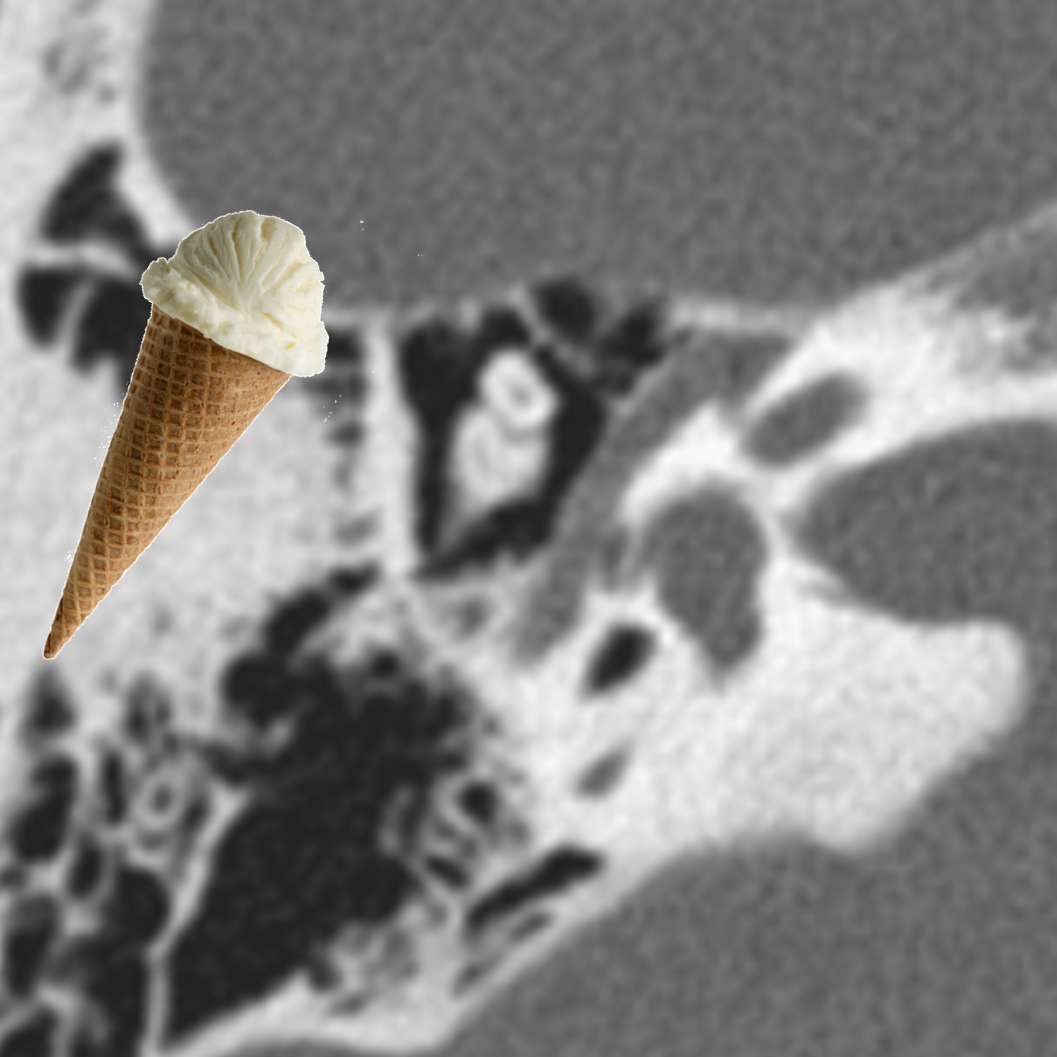
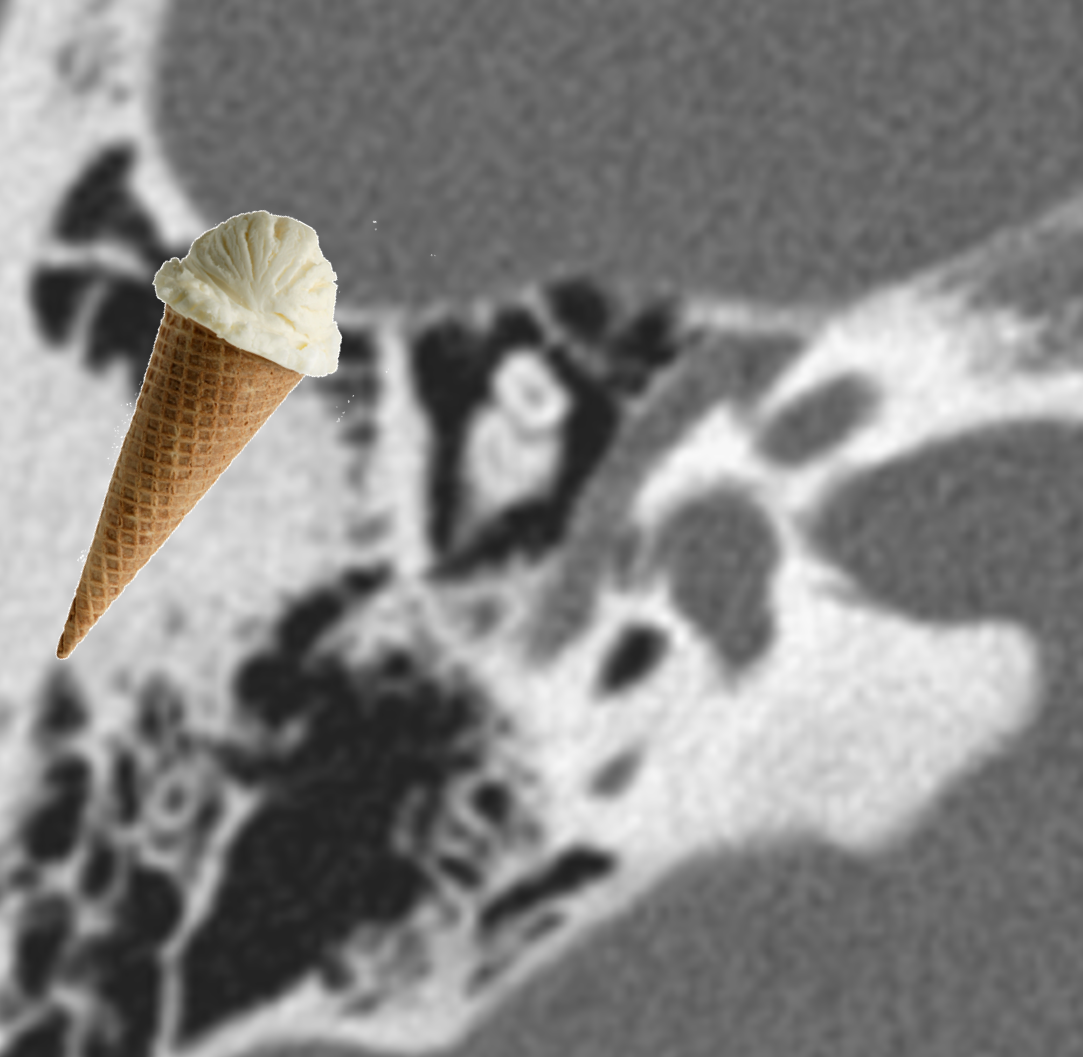
    The symposium will begin with a complete review of TB anatomy (Fig. 1), care of Dr. Laura Eisenmenger from the University of Wisconsin School of Medicine, followed by an examination of the facial nerve by Dr. Luke Ledbetter from UCLA’s David Geffen School of Medicine.

    Next, we will address the critical anatomy and pathology leading to both conductive hearing loss (CHL) and sensorineural hearing loss (SNHL) from Dr. Blair Winegar at the University of Utah Health Science Center and Dr. Kalen Riley from Indiana University Health, respectively. When imaging a patient with hearing loss, the clinical examination does not always include an accurate history of the hearing loss itself (unilateral, bilateral, slow or fast onset, conductive, sensorineural, or mixed) or the patient’s medical history, which may be significant. In general, we want to begin a CHL case using CT with focused imaging of the inner ear, middle ear, and external auditory canal, whereas an SNHL case may begin with MRI focusing on the inner ear, internal auditory canal, and cerebellopontine angle.

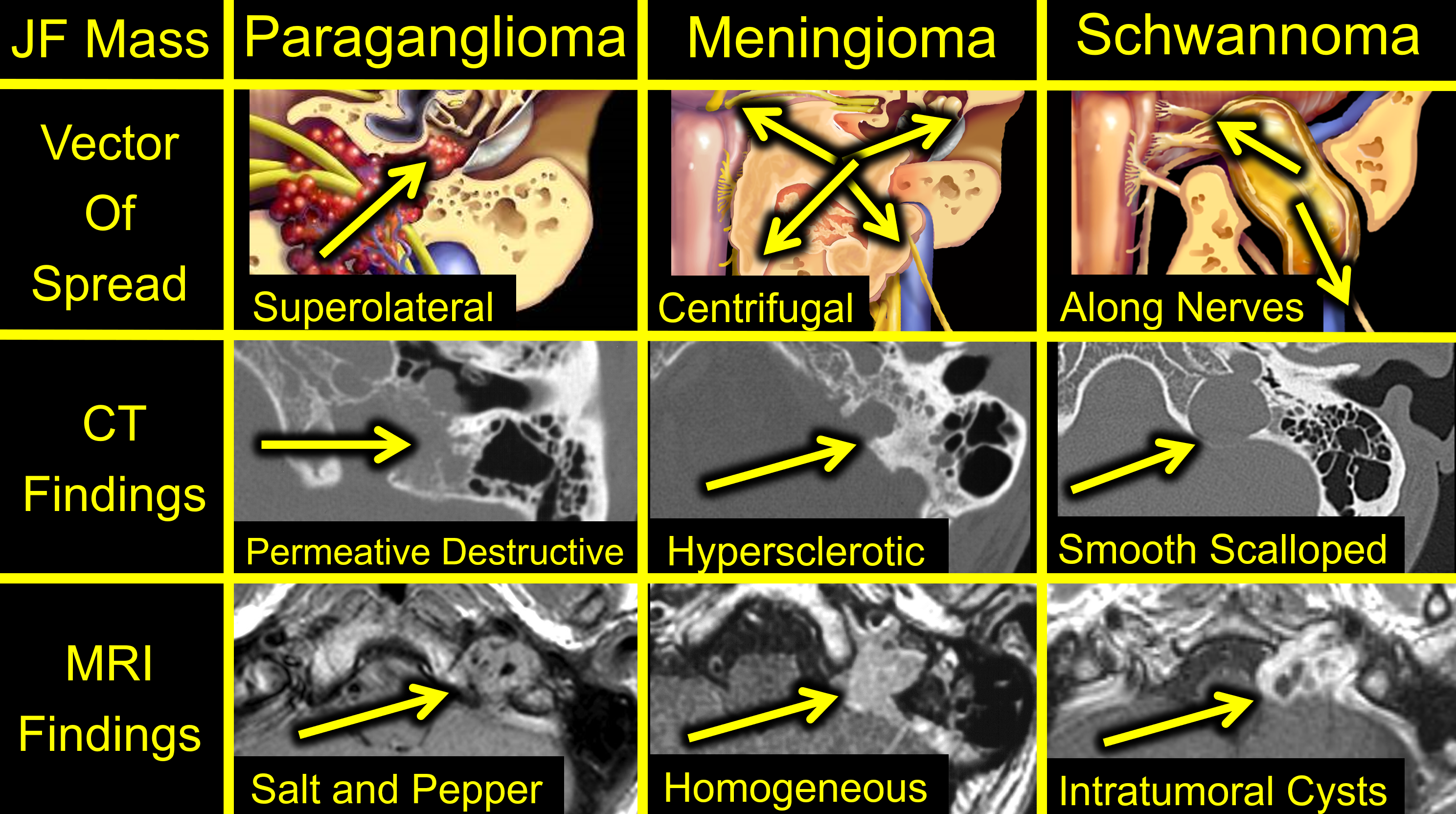
    Following the break, Dr. Remy Lobo from University of Michigan Medicine will review imaging findings of pulsatile tinnitus pathologies. Infectious and Inflammatory processes of the TB will then be discussed by Dr. Nick Koontz from Indiana University School of Medicine. Thin-section CT and MRI provide complementary information in evaluating these TB pathologies (Fig. 2).

    I will then analyze complex postoperative imaging findings of TB cases, pointing out key details for consideration. And for the final lecture, Dr. Kelly Dahlstrom from University of Kansas Health Systems will present interactive cases reviewing the top points from all our earlier presentations. As we will do before the break, we’ll end the symposium with another Q&A session, allowing faculty to address individual questions, comments, and concerns.

    A thorough understanding of the TB’s anatomical complexities and cross-sectional imaging of pathologies can facilitate expert interpretation of these difficult cases. Because clinical presentation and physical examination findings can significantly change our interpretation of TB imaging studies, communication with referring health care providers is crucial to providing the best patient care.

  • Practical Implementation of a CT Colonography Service

    Practical Implementation of a CT Colonography Service

    Published on December 21, 2021

    avatar

    Cecelia Brewington

    Professor of Radiology
    Vice Chair, Clinical Operations
    Department of Radiology
    University of Texas Southwestern Medical Center

    avatar

    Bradley Strout

    Assistant Professor of Radiology
    Community Radiology Division
    University of Texas Southwestern Medical Center

    avatar

    Vasantha Vasan

    Associate Professor of Radiology
    Abdominal Imaging Division
    University of Texas Southwestern Medical Center

    CT colonography (CTC) is an abdominal/pelvic CT exam with the colon insufflated with room air or CO2, following a bowel preparation to optimize visualization of the mucosa. Postprocessed images of the colon include both 2D and 3D images for interpretation with or without a three-dimensional flythrough of a “virtual colonoscopic” view similar to optical colonoscopy. The American College of Radiology (ACR) appropriateness criteria list indications for diagnostic CTC exams in symptomatic patients. Importantly, CTC is also listed by the ACR appropriateness criteria and the United States Preventive Services Task Force (USPSTF) recommendations as an indicated exam for colorectal cancer (CRC) screening in asymptomatic people of an appropriate age. The sensitivity for detection of polyps 6 mm or greater in size and for advanced neoplasia equates to that of the optical colonoscopy (OC), which is the only other available direct visualization test of the entire colon that can lead to prevention of CRC, not just detection. This is an important distinction, as prevention of CRC can be achieved by finding precancerous polyps with the use of direct-visualization tests, enabling subsequent surgical removal. Considering CRC is the second-leading cause of cancer death in the United States, and it is mostly preventable through screening, the importance of prevention with CTC is amplified. Additional CRC screening options include stool-based tests, which have high cancer detection rates, but less sensitivity for detecting precancerous lesions.

    Because CTC provides high sensitivity for polyp detection and doesn’t require anesthesia, it is an ideal service for radiology practices. Establishing a CTC service requires a simple, but organized plan that can be easily followed by those involved in the project, as well as understood by those who have financial responsibility. A practical starting point is finding a program champion who can drive three simple phases: visioning, analysis, and implementation.

    Visioning Phase

    During this aspirational phase, the radiologist champion collaborates with other interested parties to establish a vision, mission, and set of objectives for the endeavor. A clearly stated vision keeps everyone aligned to the goals in establishing a CTC service. For example, “By 2025, we will establish a CT colonography program to screen patients for colorectal cancer, inclusive of follow- up evaluations per recommendations by the USPSTF.” The champion is also responsible for identifying stakeholders, such as hospital administrators, ACO administrators, colleagues from within the practice and from external referring services, and, importantly, patients who value such an initiative.

    Analytical Phase

    During the analytical phase, the radiologist or project champion decides whether the project can or should be proceed. The project champion might consider conducting a “SWOT” analysis to determine current strengths and weaknesses, as well as potential opportunities and threats:

    Strengths

    • New multislice CT scanner
    • CT scanner underutilized
    • OC appointments backlogged
    • Gastrointestinal (GI) service supports CTC initiative

    Weaknesses

    • One radiologist trained in CTC
    • Insufflation device needed
    • CT technologists untrained

    Opportunities

    • CTC technologists’ career advancement
    • Federal incentive programs for hospitals include increased colon cancer screening
    • Understaffed GI service
    • Low CRC screening compliance

    Threats

    • Hospital aggressively recruiting new GI physicians
    • Family practice MD training to perform OC
    • Stool-based tests to resolve backlog, though less accurate for detecting precursor polyps

    Another consideration is an assessment of the market using “Porter’s Five Forces”—a method for analysis taking into consideration the competition (other radiology practices, or medical specialties); suppliers of colon evaluation (gastroenterologists and colorectal surgeons); service purchasers (patients and insurance companies); and threats of substitutes (stool-based tests, fecal immunochemical tests, and blood tests). For example, “Are screening and diagnostic CTC already offered by gastroenterology or colorectal surgeons in the health system or nearby?” Asking such questions will drive an analysis of whether a successful CTC service can be achieved in the face of competition or whether it cannot be achieved due to market saturation or other forces. Moreover, can the CTC service synergize with current programs, resulting in an ideal collegial opportunity, with more specific direction of high-yield colonoscopies and improved resource allocation?

    An added benefit to performing such an evaluation is the production of a financial analysis, which may guide stakeholders, such as hospital administrators or practice partners, in decision making. Such an analysis can be a simple income statement weighing the projected revenues, compared to the expenses. A financial analysis also shows downstream revenues to the affiliated hospital (e.g., increased early-stage as opposed to late-stage CRC surgeries, which may be a benefit to academic and private health systems and, ultimately, the patients).

    “Heavy Lifting” Phase

    Once the project has been approved by the various stakeholders, it is time to act. The first step is to identify gaps between the current and future states. Common tools include developing a timeline for implementation, creating a checklist, and determining milestones that need to be achieved to stay on target:

    • 8 Months Out—Establish training plan for radiologists and CT technologists
    • 7 Months Out—Purchase all equipment (insufflator device, rectal catheter, oral tagging solution)
    • 6 Months Out—Create digital and paper patient instructions
    • 5 Months Out—Create order sets in hospital EMR and version to send providers outside system
    • 4 Months Out—Set scheduling rules
    • 3 Months Out—Draft memo on “Go Live” date for marketing
    • 2 Months Out—Complete training for radiologists and technologists
    • 1 Month Out—Test “Go Live” with three pilot patients
    • “Go Live”—First day of program launch

    For many practices, defining the current state will be straightforward (i.e., where no CTC program exists, begin with whatever CT services are offered). It is also possible that the practice has no other competing or complimentary services that have surfaced during the analysis phase. The next step is to determine how a future state will look based on that vision. Finally, set up benchmarks that must be met within the desired time frame. This can be done using a Gantt chart or a simple timeline. Start by creating a task list:

    • Inventory equipment
      • Identify location(s) and CT machine(s) that will be used for performance of procedure
      • Purchase CO2 insufflator and CO2 tank supply
    • Establish imaging protocol
    • Create bowel preparation protocol with patient instructions
    • Obtain needed supplies, such as tagging solution and balloon-tip rectal catheter
    • Perform information technology- and billing-related tasks, such as creating order form or electronic orderable, setting fees, and building dictation template
    • Hire and train patient navigator
    • Draft standard patient letters (normal, follow-up required, referral to specialist)
    • Create scheduling template
    • Train radiologists

    Once these tasks and milestones are complete, a CTC service can begin, thus providing an excellent opportunity for patients to avoid a potentially preventable cancer through successful screening. The system will also be effective for necessary added value diagnostic CTC exams, benefiting patients who are unable to undergo OC for assessment.

    The Next-Level Goal

    Once a successful CTC service has been established, a next-level goal is to launch a multidisciplinary program in collaboration with gastroenterologists, surgeons, and oncologists to provide options for screening candidates and to provide swift follow-up action for abnormal findings. Prior to 2021, the age of recommended initial screening for those at average risk was 50. Approximately one-third of eligible screening candidates remained unscreened, and yet, there were access resource constraints. Now that the age for initial screening has been lowered to 45, access challenges to screening tests have continued to increase. The use of CTC as part of a multidisciplinary program, with options made readily available to screening candidates at first contact, may be more successful in reaching those who otherwise remain continually unscreened. As experts commonly say, “the best test is the one the candidate will do.”

    Establishing a CTC service is not an insurmountable task, but one that can be more easily implemented with detailed organization, as is common to most initiatives in radiology involving cross-sectional imaging. This article is meant to provide one guiding template to establishing a CTC service, with room for variation as needed by the project champion. Establishing a CTC service is an excellent opportunity for radiologists to provide and demonstrate added value to a partner hospital or health system in today’s health care market, which is changing into a “fee for performance” model focused on quality outcomes. Metrics, such as the percentage of a population managed within a given health system that has undergone CRC screening, are valuable to hospitals competing for federal incentives (e.g., Health Care Effectiveness Data and Information Set metrics for CRC screening). Therefore, CTC programs are valuable to radiology practices in demonstrating added value to such institutions. The ability to provide a CTC service can serve as a unique bargaining chip for private radiology practices vying for new contracts, or for academic radiology practices in need of quality contributions meaningful to population health. Moreover, establishing a CTC service can provide a more convenient option for patients in need of CRC screening, which can result in fewer deaths from CRC.

    CTC and COVID-19

    A discussion of establishing a CTC service would be incomplete without discussing that service in the setting of the coronavirus disease (COVID-19) pandemic. The benefits of a CTC service in that context are multifold. CTC can be performed with less use of PPE, which may be in sparse supply; the risk of exposure for the radiologist and technologist are lower, compared to an anesthesiologist and colonoscopist in a positive pressure room; fewer health care workers are exposed per screening candidate, and those health care workers can remain socially distanced from respiratory exposure throughout the procedure. CRC screening should be considered a necessary ongoing service during the pandemic, given the high likelihood of increased cancer mortalities, if screening is not ongoing.

  • Epilepsy and Dementia—A New Utility

    Epilepsy and Dementia—A New Utility

    Published January 21, 2022

    avatar

    Allison M. Grayev

    Associate Professor of Radiology, Neuroradiology Section Director, Spine Imaging
    Associate Residency Program Director
    University of Wisconsin School of Medicine and Public Health

    avatar

    Chadwick L. Wright

    Assistant Professor, Department of Radiology
    Division of Molecular Imaging and Nuclear Medicine
    Wright Center of Innovation in Biomedical Imaging
    The Ohio State University Wexner Medical Center

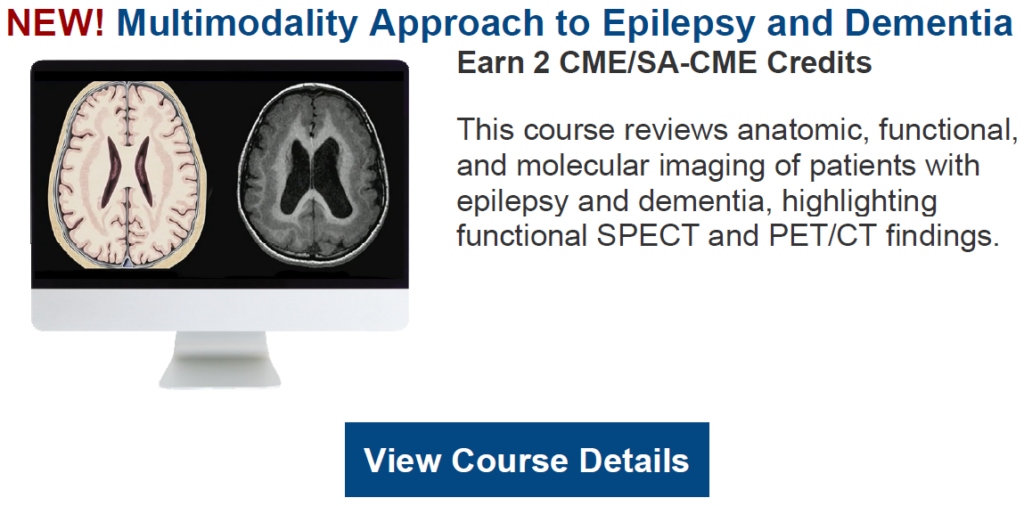
    Although these two populations—epilepsy patients and dementia patients—may seem very different at first glance, they share a number of important characteristics. Their clinical presentation is often myriad and varied, and early diagnosis leads to better long-term outcomes and more efficient health care utilization. Radiology is often critical for the proper diagnosis and management of these patients. To best utilize imaging resources and interpret studies, we will explore anatomic and functional considerations in these disease processes during our Sunday Featured Session, “Multimodality Approach to Epilepsy and Dementia,” at the 2022 ARRS Annual Meeting in New Orleans, LA.

    In 2020, the estimated health care costs for Alzheimer treatment alone was estimated at $305 billion, not including other causes of dementia. It is even more difficult to quantify the monetary cost of epilepsy treatment, much less the cost of quality of life issues. Often times a combined approach with multiple imaging modalities is needed to accurately diagnosis these conditions—but where do we start, and how do we integrate the information?

    Higher-resolution anatomic imaging, including diffusion tensor imaging, holds promise in both conditions, but it often serves as an entry point into the diagnostic algorithm. Artificial intelligence has gained traction in automatic segmentation of brain parenchyma, theoretically allowing a more precise localization of volume loss, which can be seen in selective areas in both conditions. This may allow stratification of patients in a community setting, before potential referral to a tertiary center for further evaluation.

    Having a working understanding of available molecular imaging agents is also critical for optimizing patient evaluation. Although fluorine-18 fluorodeoxyglucose (18FDG) is in common use for oncologic PET, there is applicability in neurodegenerative imaging, potentially allowing the identification of relatively hypometabolic areas prior to the development of anatomic changes. Additional neurodegenerative PET imaging agents target amyloid and tau protein deposition. Brain perfusion nuclear medicine imaging, as well as 18FDG-PET, can also be helpful in the assessment and localization of epileptogenic foci.

    https://arrs.org/ARRSLIVE/Education/OnlineCourses/OC_MAED22.aspx

    The goal of our “Multimodality Approach to Epilepsy and Dementia” session is to explore a different utility of anatomic and molecular imaging in the evaluation of patients with these challenging neurological disorders, allowing radiologists to better understand potential imaging algorithms and advanced diagnostic tests.

  • Thriving in a Multigenerational Workforce

    Thriving in a Multigenerational Workforce

    Published January 5, 2022

    avatar

    Jonathan Kruskal

    2021-22 ARRS President

    Unlike any prior time period in our history, the contemporary workplace will soon encompass five different generations, distinguished variously, but typically defined and labeled by year of birth. Here, I’m referring to Baby Boomers (1946–1964), Generation X (1965–1980), Generation Y or Millennials (1981–1995), Generation Z (1996–2010), and the forthcoming Generation Alpha (2011–2025). Largely driven by the advertising world, hoping to better target their marketing campaigns, efforts have been made to easily distinguish these groups based on social influences, generational values, behaviors, and preferences.  

    I suspect that these labels may have complicated matters even further. For example, the COVID-19 pandemic-induced shift to the virtual workplace may well have exacerbated intergenerational tensions in areas where groups are supposed to differ. Think social interactions, communication preferences, work-life integration and wellness strategies, perceptions of technology usage, and willingness to change. These differences must surely have led to breakdowns in communications, team function, and clinical performance, among many others.

    On one hand, these age-based delineations can be a helpful reference point, particularly when leading multigenerational teams. There are some proposed defining factors, such as cultural movements, historical milestones, technological advancements, learning preferences, and lifestyle traits for each period that can be interesting to delve into and see whether they resonate with yourself and your teams. These features can be lively conversation starters and help you glean insight into how best to manage morale and burnout, as well as create more inquiry, respect, and open-mindedness among such a diverse population. However, surely additional factors beyond age should be equally impactful; consider background experience and training, levels of maturity, tenure within an organization, and lineage in a role.

    Is it possible that the COVID pandemic has influenced societal perceptions of generations, and might the pandemic influence the formation of generational identities for those still in formative years?

    It seems to me that this is a very opportune time to work to address and dispel age-associated or generational stereotypes.

    Dispel the Myths

    That said, it’s so important that we inquire, appropriately and respectfully, about the stories of others to expand upon—and maybe even rebut—marketing matrices.

    Upon reflection, I don’t think that people neatly fit into their age-based silo. As I look across the multigenerational tables as a Baby Boomer by age, I certainly have “silo creep” and span several different buckets. You might think World War II, for example, was a defining life event for me, but that wouldn’t be true. Rather, I grew up as a relatively privileged individual during the segregated South African apartheid era, which left an indelible impact on my values, philosophies, and priorities.

    I know I’m not alone here. When speaking with a millennial colleague, it became clear that these categories are not cut and dried:

    “I think some of these characteristics are pretty broad generalizations. I am part of the millennial category, but it has never quite resonated with me. Millennials are often painted in an unfavorable light, such as when it comes to work ethic, world views, and materialism, just as Baby Boomers can be criticized for not being tech-savvy, and seniors can be stereotyped as dependent and frail.”

    “My father, a Baby Boomer, studied computer science as an undergraduate, before it became an official degree program at Boston University. My grandfather, a member of the Silent Generation, ran his final Boston Marathon in 4 hours and 30 minutes at age 72 and continued to participate in road races into his 80s. To me, labels can be tough because they don’t allow for nuance and individuality; they don’t tell the whole story.”

    It’s easy to jump on the bandwagon and affirm negative generalizations, but this can be damaging when it comes to building an inclusive team. We must ensure these categories, simply based on a number, don’t serve as a detrimental springboard for misunderstandings about behaviors and preferences.

    Seek Data and Understanding

    It’s our responsibility as leaders to build diverse teams and foster respectful environments for every member of our workplace and beyond. We can strive to enact change at the national level, such as by communicating the importance of accommodating different learning styles for different generations at major conferences and advocating for educational material that best suits the learner (e.g., didactic talks vs. handouts vs. podcasts, etc.).

    Locally, we can commit to better understanding our colleagues on a one-on-one basis. If one generation prefers frequent, regular, unvarnished feedback, provide that. If possible, be willing to adapt traditional annual reviews to meet worker preferences. Support departmental social media initiatives but be respectful of those who might not wish to expand their digital presence at this time. You’ll find that some cohorts might thrive on multitasking, while others prefer to focus on tasks linearly. Take all of these factors into consideration. 

    Ask, listen, collect data, and repeat. Run a short quarterly communication survey asking how employees prefer to receive information within the department, or whether digital Grand Rounds lectures are meeting their academic needs. Sometimes, simply listening and giving people a choice can make all the difference when it comes to feeling a true sense of appreciation and belonging at work.

    Not fully understanding the complexities of our multigenerational workforce has been described as a contributor to workplace stress and burnout. Challenges managing, building, and leading multigenerational teams have been recognized, yet solutions have not. We must first hear from our colleagues directly. For example, you might ask a more seasoned colleague what it was like when they first started out in radiology. How have things changed over time? In their perspective, has it generally been for the better, or have there been obstacles along the way? How has patient care evolved? Older generations might consider asking younger generations about what their highly digital academic training experiences are like today. When an opportunity presents itself, respectfully inquire and listen to build connections and understanding.

    Celebrate Our Diversity of Ages 

    One good aspect of the multigenerational descriptors is that they remind us of the remarkable diversity of values, preferences, and skills that we are so fortunate to have in our workforce. Understanding, embracing, welcoming, including, and being respectfully inquisitive about these differences will serve us far better. Acknowledging that differences exist and committing to learning about them is a lifelong journey.

    Starting today, instead of trying to transform one generation to adjust to another, let’s:

    • celebrate the diversity of ages in our workforce
    • embrace all skills, expertise, and experiences
    • focus on intentional inclusion activities
    • shift the focus away from this single cultural descriptor (age) and build teams that are as diverse as possible
    • avoid alienating labels and siloes and stereotypes

    Never before have four different generations worked together in Beth Israel Deaconess Medical Center radiology, bringing different values, preferences, communication styles, strategies for work-life integration, and wellness approaches into the milieu. The list of differences is extensive and complex. What a terrific and timely opportunity to embrace! A field such as imaging is so dependent on the structure and function of high-performing teams. Therefore, it behooves us to better understand the different generations and explore how best to take advantage of these opportunities.

    I would love to hear about how you are tackling this intricate topic at your own institutions. If this subject resonates with you and/or you are inclined to share, please feel free to email me directly: jkruskal@bidmc.harvard.edu.


  • Letters to a Young Radiologist

    Letters to a Young Radiologist

    Paul M. Bunch

    Assistant Professor of Radiology
    Wake Forest School of Medicine

    Erik H. Middlebrooks

    Professor of Radiology
    Program Director, Neuroradiology
    Mayo Clinic College of Medicine and Science

    The transition from trainee to independent radiologist represents a pivotal time full of opportunities and challenges. In our experience, navigating this transition is often simultaneously exciting and intimidating. Although many of the associated opportunities and challenges are common to both private and academic practice, others may be unique to one’s specific practice environment.

    For example, after training, it is important that all radiologists be able to perform high-quality clinical work autonomously and efficiently. Additionally, building trust and earning the respect of referring physicians is advantageous for all radiologists desiring to become a “go-to” imager for challenging cases and difficult clinical problems. However, newly minted academic radiologists are often also interested in developing educational content and research programs, whereas new private practice radiologists may choose to focus on honing their business acumen.  

    In our experience, most residents and fellows receive outstanding clinical radiology education; however, their non-clinical professional education is commonly more variable. As such, many trainees and junior attending radiologists stand to benefit from educational programming dedicated to the development of important non-clinical professional skills and from the opportunity to interact with and ask questions of knowledgeable experts that may not otherwise be easily accessible. Fortunately, radiology is replete with experts who are more than willing to share their knowledge and experience to help others, particularly for the benefit of young professionals.

    For these reasons, we presented “Early Career Advice: What I Wish I Knew Earlier” as a Sunday Featured Session at the ARRS Annual Meeting.

    This course featured a diverse group of highly successful radiologists representing perspectives from the private and academic practice settings. These radiologists shared practical knowledge and lived experience related to professional challenges frequently encountered by young radiologists that are less frequently covered by traditional residency and fellowship didactic curricula. The selected topics are particularly relevant for young professional radiologists (e.g., residents, fellows, junior academic faculty, and junior private practice associates) preparing for or currently navigating the transition from trainee to independent radiologist, regardless of private or academic practice setting. Faculty emphasized practical pearls they wish they had learned earlier.

    More specifically, didactic presentations covered:

    1. the benefits of active participation in radiology societies, like ARRS, for early career success,
    2. critical aspects of personal and practice-related finances,
    3. the importance of and successful strategies for building advantageous professional relationships,
    4. the value of branding for individual and practice success, as well as practical tips for effectively developing and professionally promoting one’s individual and group practice brands
  • Metrology and Standards for Quantitative MRI

    Metrology and Standards for Quantitative MRI

    Published January 21, 2022

    avatar

    Stephen E. Russek

    Project Leader, Imaging Physics; Applied Physics Division
    Codirector, MRI Biomarker Measurement Service
    National Institute of Standards and Technology, US Department of Commerce

    avatar

    Karl F. Stupic

    Director, MRI Biomarker Measurement Service
    National Institute of Standards and Technology, US Department of Commerce

    avatar

    Kathryn E. Keenan

    Project Leader, Quantitative MRI; Applied Physics Division
    National Institute of Standards and Technology, US Department of Commerce

    Medical imaging is rapidly advancing and includes many modalities: ultrasound (US), MRI, radiography, CT, PET, SPECT, and optical coherence tomography. New modalities, such as digital breast tomography and low-field MRI, are being integrated into the clinical workflow. Multimodal imaging, such as PET/CT and PET/MRI, and combined imaging therapy, such as MR linear accelerator, are rapidly expanding. Additionally, the amount of data extracted by radiologists by eye, via complex analysis tools, and using AI-based systems is dramatically increasing. Radiologists require that data are accurate and reproducible. To ensure this, calibrations and standards are needed. Phantoms—imaging calibration structures—are used to ensure scanner accuracy, stability, and comparability. Phantoms need to be readily available, easy to use, and have accurate and traceable components. In addition, imaging and analysis protocols must be rigorously validated, and the fundamental measurands, image-based biomarkers, must be carefully and precisely defined.

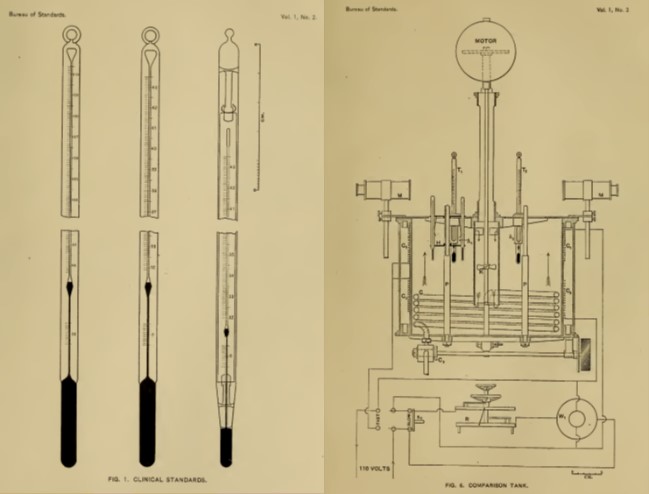
    Many organizations have programs to assist in making image-based data more precise and reliable, including the Radiological Society of North America Quantitive Image Biomarker Alliance, National Cancer Institute Quantitative Imaging Network, American College of Radiology (ACR), National Institute of Biomedical Imaging and Bioengineering (NIBIB), National Equipment Manufacturers Association, American Association of Physicists in Medicine, International Society for Magnetic Resonance in Medicine (ISMRM), National Physical Laboratory (United Kingdom), Physikalisch-Technische Bundesanstalt (Germany), and the National Institute of Standards and Technology (NIST). NIST, the US national metrology institute, has been assisting clinical, research, and medical device organizations in the development and dissemination of medical standards for over 100 years. An early example from around 1905 (Fig. 1) depicts calibration equipment and commercial medical mercury thermometers.

    In the early 1900s, getting a universally accepted temperature scale was a critical issue. The need for medical metrology and standards has grown since then, and it is a critical part of our health care infrastructure. Below, we look at some recent NIST activities in standards for quantitative MRI.

    Scanner Performance

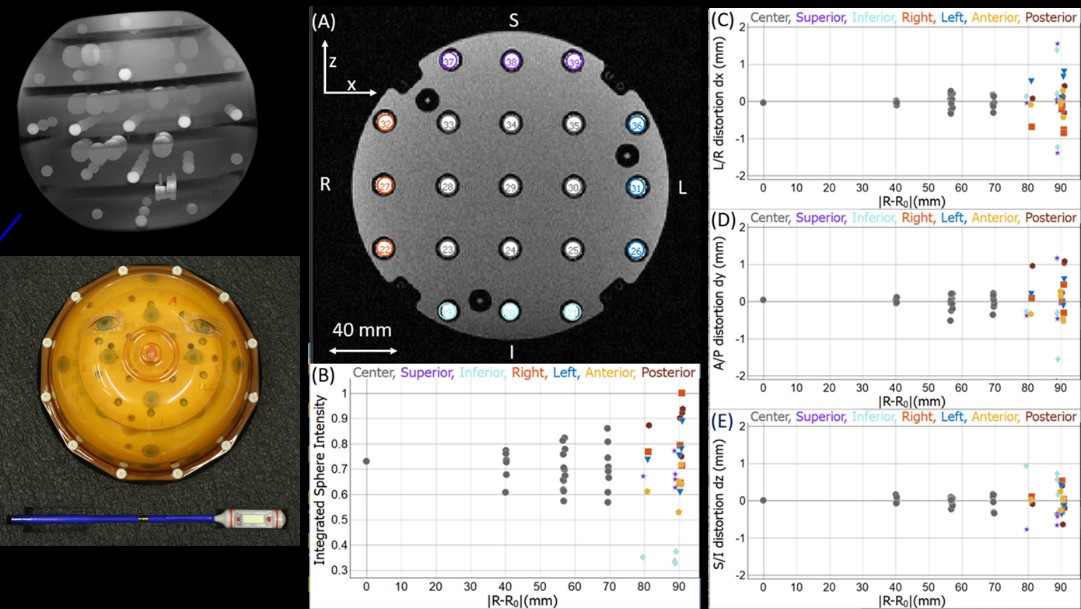
    Understanding and monitoring scanner performance is essential. Critical parameters include geometric distortion, resolution, signal-to-noise ratio, and image uniformity. An example of MRI geometric distortion and image uniformity measurements are shown in Figure 2; the measurements were made using an MRI system phantom developed by NIST and ISMRM. The geometric distortion is due to nonuniform gradients, and it is important to understand both the intrinsic distortion and the efficacy of the distortion corrections, often applied after imaging. A 3D gradient-echo scan can give the accuracy of the gradient calibrations, accuracy of distance and local volume measurements, and presence and efficacy of post-scan corrections.

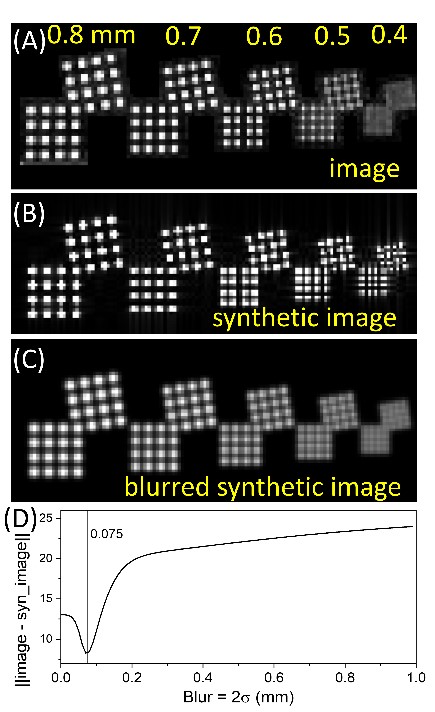
    Figure 3 shows an image of an ACR-type resolution inset, along with a synthetic image: an ideal image for the pulse sequence used. Then, the synthetic image can be modified, by including blurring, to match the observed image. Protocol dependent resolution, scanner resolution, and other nonidealities can be quantified.

    Intersite Comparisons

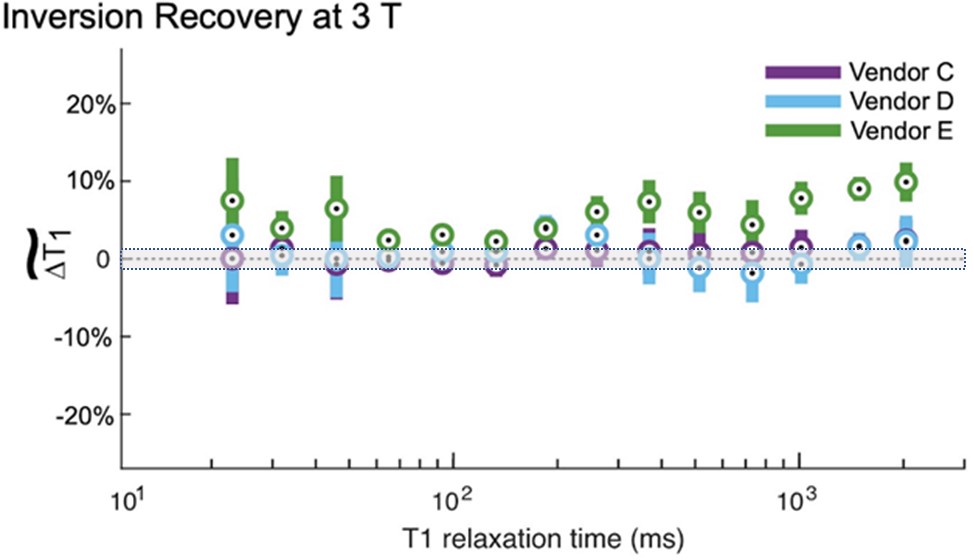
    Intersite comparisons are critical to determine how accurately image-based biomarkers can be measured. Proton spin relaxation times, T1 and T2, are useful biomarkers to distinguish tissue types and healthy from unhealthy tissue. A recent multisite study comparing MRI T1 measurements shows considerable variation using common protocols, including an inversion recovery protocol, which, albeit too time-consuming for clinical use, is considered a gold standard. Figure 4 shows the deviation in measured T1 from NIST reference measurements, which have a well-defined uncertainty. The uncertainty defines an interval about the measured value within which there is a 97% probability that the real value will lie. One can see that there is considerably more uncertainty in the scanner measurements, and there is a vendor-dependent bias. Being able to define uncertainty intervals in image-based biomarker measurements, with traceability to the international system of units, is an important challenge for our community.

    Validating Complex Biomarkers

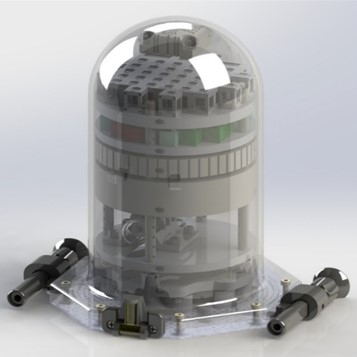
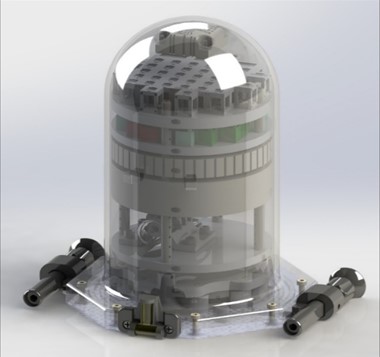
    There are many complex MRI-based biomarkers, including proton spin relaxation times, proton density, fat fraction, water diffusion coefficient, diffusion kurtosis, anisotropic diffusion parameters, tissue elasticity, local concentration of metabolites and neurotransmitters, blood flow, and perfusion parameters. Diffusion-based biomarkers are a good example of the challenges encountered getting precise and useful in vivo measurements. There is a hierarchy of parameters that can be measured with increasingly complex models. The more complex models (e.g., diffusion spectral imaging [DSI]) can provide more information about underlying tissue, but validation, standardization, and implementation are more difficult. Simple models, such as extracting the apparent diffusion coefficient (ADC), can be very informative and useful, but limitations of the model must be addressed in the accuracy and uncertainty analysis. The phantom below (Fig. 5) contains both isotropic and anisotropic and diffusion elements to test the accuracy of many different types of diffusion-based measurements, including ADC and DSI parameters.

    Phantom Lending Library

    To assist clinical sites, research centers, scanner manufacturers, and phantom venders, NIST and NIBIB have established a medical phantom lending library containing calibrated traceable phantoms available for short-term loan. MRI system phantoms, diffusion phantoms, breast, and cardiac phantoms are available for loan with associated calibration documents, databases, and analysis software. Incorporation of phantoms into the lending library allows clinical and research sites easy access to phantoms, new imaging and measurement protocols to be validated on a common set of calibration structures, and phantoms to be curated with long-term stability established. Convenient access to standard calibration structures should facilitate the development and validation of improved measurement protocols and establish a framework to provide uncertainty intervals on image-based measurements.

    Medical imaging scanners are sophisticated and powerful tools that can be extended to metrology systems, capable of making precise in vivo measurements of many different structural and functional tissue parameters. The work by the many institutions listed here is making this transition possible. Medical imaging metrology and standards are important components of this transition and the US medical/health care infrastructure. They often run in the background, but neither should be overlooked.

  • ARRS Partners With Pelvic Floor Disorders Consortium on MRI Defecography Guidelines

    ARRS Partners With Pelvic Floor Disorders Consortium on MRI Defecography Guidelines

    Published on December 21, 2021

    The Pelvic Floor Disorders Consortium (PFDC) is a multidisciplinary organization of radiologists, colorectal surgeons, urogynecologists, urologists, gynecologists, gastroenterologists, physiotherapists, and other advanced care practitioners—formed to bridge gaps and enable collaboration between these specialties. Specialists from these fields are all dedicated to the diagnosis and management of patients with pelvic floor conditions, but given the differences in their respective training, they approach, evaluate, and treat such patients with their own unique perspectives.

    In a multisociety-endorsed article in the October edition of AJR (published concurrently with Diseases of the Colon & Rectum, International Urogynecological Journal, and Female Pelvic Medicine and Reconstructive Surgery Journal), the 24 members of the PFDC Working Group on MRI reached consensus regarding many clinically relevant considerations for performing, interpreting, and reporting MR defecography (MRD). Based upon the PFDC Working Group’s consensus guidelines, corresponding synoptic interpretation templates were suggested for this unique patient population.

    Contrast Medium Considerations

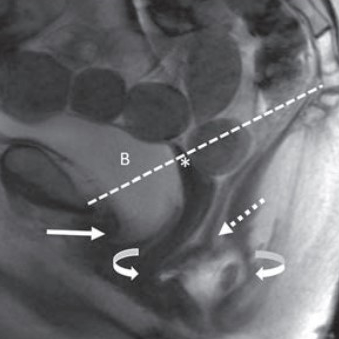
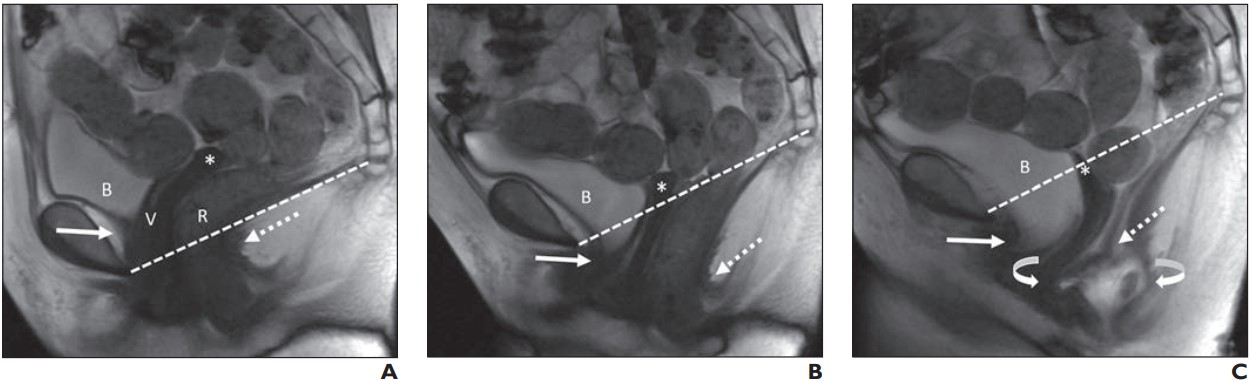
    On the basis of the literature and their collective expertise, the PFDC Working Group advised that MRD should be performed with rectal distention, using rectal contrast medium, and with image acquisition during defecation. Rectal distention and defecation are both crucial components of MRD that distinguish the examination from simple dynamic pelvic floor MRI performed with the Valsalva maneuver. Moreover, compared with Valsalva images, prior AJR research has shown larger, more recurrent prolapse on MRD examinations with rectal distention and on defecation images. [4] (Fig. 1).

    Technique and Reporting/Grading of Relevant Pathology

    Apropos of so many differing clinical backgrounds, the PFDC Working Group debated which of two grading scales to utilize for internal rectal intussusception: descriptive reporting or the Oxford Grading Scale [5]. After much deliberation, the panel agreed that a uniform description of rectal intussusception as intrarectal, intraanal, or complete external (extraanal) would provide adequate clinical details to be deemed the minimum reporting standard.

    Ultimately, these consensus definitions and interpretation templates can be augmented with additional radiologic maneuvers and report elements—specific patient indications, health care provider preferences, local practice patterns, etc.—”but the suggested verbiage and steps should be advocated as the minimum requirements when performing and interpreting MRD in patients with evacuation disorders of the pelvic floor,” the 15 coauthors of this AJR article concluded.

  • Cardiac Events in Athletes

    Cardiac Events in Athletes

    Published December 21, 2021

    avatar

    Lewis D. Hahn

    Department of Radiology, Division of Cardiothoracic Imaging
    University of California San Diego

    In the US, approximately 100–150 athletes each year die from sudden cardiac death (SCD) during competitive events. Though moderate exercise has been shown to be cardioprotective, vigorous exertion during sports can lead to abrupt hemodynamic changes, triggering ventricular tachycardia or fibrillation in the setting of an underlying cardiac abnormality. As a result, SCD is approximately twice as likely in athletes, compared with the general population. In most cases, the underlying cause can be diagnosed by imaging. Radiologists play a pivotal role in helping clear potential athletes before they begin playing sports and in the workup of athletes after a sudden cardiac arrest.

    Causes of Cardiac Events and Patient Demographics

    The most common causes of SCD in the US are hypertrophic cardiomyopathy (HCM) and anomalous coronary arteries. According to the US National Registry of Sudden Death in Athletes, from 1980 to 2011, HCM constituted 36% of SCD cases and anomalous coronary arteries constituted 19%. A variety of less common causes are responsible for the remainder of cardiac events and include arrhythmogenic cardiomyopathy (AC), noncompaction cardiomyopathy, myocarditis, valvular disease, and coronary artery disease. Additional causes that can be diagnosed without imaging findings include channelopathies, Wolff- Parkinson-White syndrome, and commotio cordis. Similar statistics have been found in series examining sudden cardiac arrest, in addition to SCD. The frequency of cause differs by age. For instance, coronary artery anomalies are more common in middle school athletes. In patients over 35 years old, coronary artery disease is the most common cause.

    The vast majority of SCDs occur in male athletes. The reasons for this are not entirely clear, but it has been hypothesized that greater intensity of physical training, more frequent participation in contact sports, such as football and boxing, and undocumented protective metabolic mechanisms in female athletes may contribute [4]. More than half of patients with SCD are football and basketball players. African-American athletes are at higher risk for cardiovascular death than patients of other ethnicities, potentially related to a greater rate of participation in sports and a higher incidence of cardiomyopathy.

    Imaging Two Common Causes of Sudden Cardiac Death

    Hypertrophic Cardiomyopathy

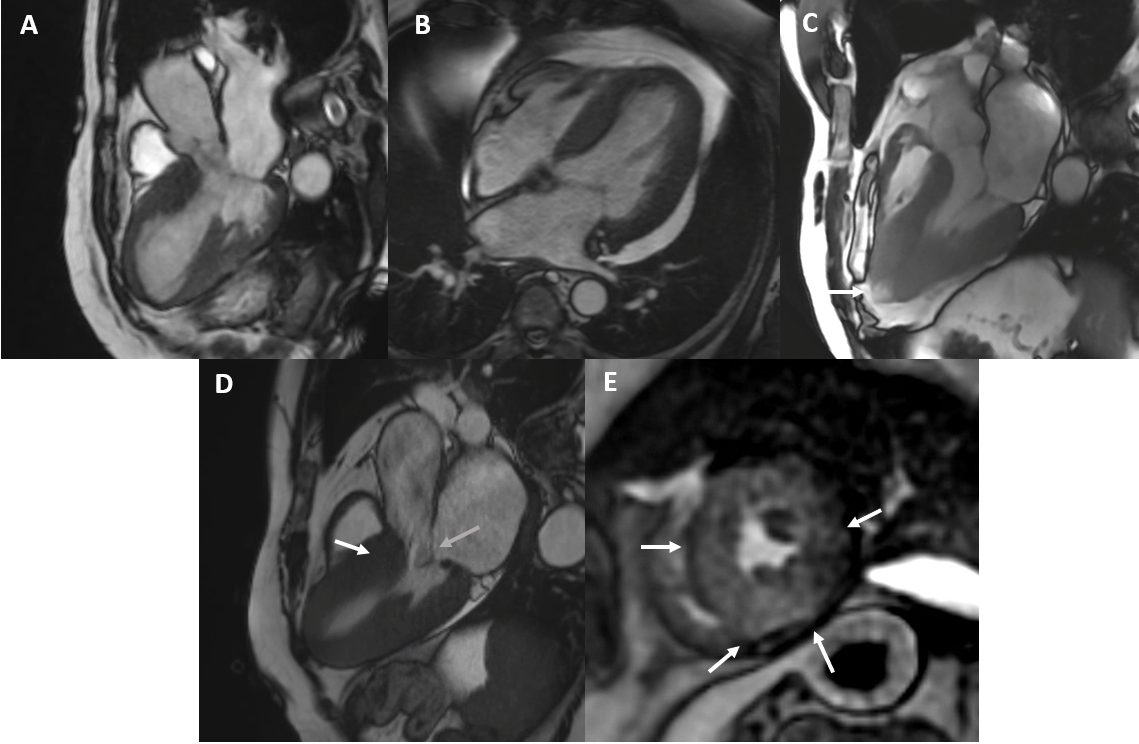
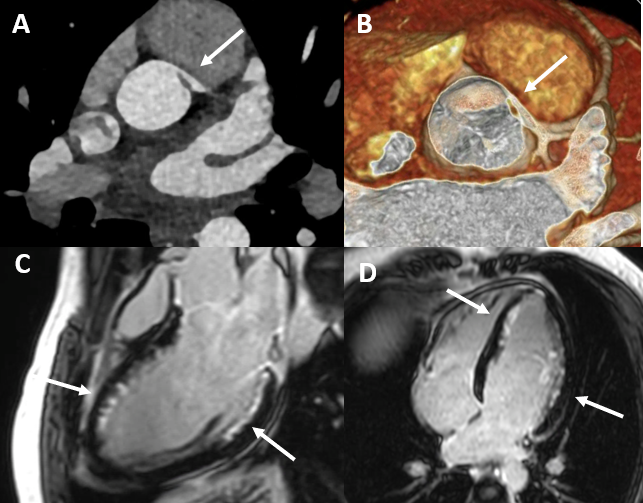
    HCM is the most common cause of death in athletes younger than 35 years old. The underlying cause is usually an inherited abnormality of the sarcomeres. Though HCM can be diagnosed on echocardiography, it is definitively evaluated on cardiac MRI (CMR), allowing complete anatomic and tissue characterization. CMR is also more sensitive for detection of apical aneurysm and thrombus, compared with echocardiography. The main diagnostic criterion for HCM is an end-diastolic wall thickness greater than or equal to 15 mm without left ventricular dilation or evidence of systemic disease to explain the degree of hypertrophy. The location of thickening can vary among patients, most often involving the septum (asymmetric septal hypertrophy) (Fig. 1A). Other types of hypertrophy include concentric (Fig. 1B), midcavity, apical (also known as spade-like) (Fig. 1C), and mass-like.

    Left ventricular outflow obstruction in HCM can result in syncope, exercise limitation, or chest pain. MRI typically shows a thickened basal anteroseptum with a dephasing jet secondary to flow acceleration. The mitral valve is pulled into the left ventricular outflow tract as a result of flow acceleration, resulting in further obstruction (Fig. 1D). This systolic anterior motion of the mitral valve is best visualized on the three-chamber view of the left ventricle. Commonly, an associated mitral regurgitation is directed posteriorly because of incomplete coaptation of the mitral valve leaflets. Both 2D phase-contrast and 4D flow imaging techniques have been applied to assess the pressure gradient caused by obstruction, but this is generally better assessed with echocardiography because of improved temporal resolution for observing peak velocity. The criterion for obstruction is a gradient greater than or equal to 30 mm Hg.

    Radiologists also have a role in identifying predictors of SCD. Implantable cardioverter-defibrillator (ICD) placement is dictated on the basis of individual risk. Myocardial thickening greater than 30 mm measured at end diastole constitutes massive hypertrophy, and its presence raises consideration for ICD placement. An apical aneurysm (Fig. 1C) also raises the risk for thromboembolism and SCD. LGE is typically hazy and observed in a midmyocardial distribution (Fig. 1E). The presence of LGE greater than or equal to 15% of the myocardial mass doubles the risk of a cardiac event, though current guidelines from the American College of Cardiology Foundation and American Heart Association (AHA) have yet to incorporate LGE. The presence of myocardial delayed enhancement also helps distinguish HCM from athlete’s heart.

    Many patients with HCM have abnormal papillary muscles, which may be important to identify for presurgical planning. The identification of a hypertrophied anterolateral papillary muscle inserting directly into the anterior mitral leaflet can lead to greater obstruction. A long anterior mitral leaflet may necessitate mitral valve repair and has been defined as an anterior leaflet length greater than 30 mm. Additional abnormalities include accessory anterolateral papillary muscles and accessory left ventricular muscle bundles that can contribute to outflow obstruction. In such cases, the surgeon will need to adjust the surgical approach, including reduction of the papillary muscles.

    Anomalous Coronary Arteries

    Anomalous coronary arteries are the second-most common cause of SCD. Normally, the left main coronary artery arises from the left coronary sinus of the aortic root, and the right coronary artery arises from the right coronary sinus. Coronary anomalies consist of deviations of this usual anatomy.

    Anomalous coronary arteries are often initially evaluated by echocardiography, followed by coronary CTA for patients with persistent concern for an anomalous coronary artery. In some patients, MRI is performed—such sequences can be performed without contrast material but can be difficult to perform in young patients without anesthesia. In addition, smaller vessels are more difficult to analyze because of lower spatial resolution.

    When assessing the coronary arteries, a radiologist should evaluate the origin and course of the left main coronary artery, right coronary artery, left anterior descending artery, and left circumflex artery. Most coronary anomalies are asymptomatic. Examples include a retroaortic course of the left circumflex artery, separate origins of the left anterior descending and left circumflex arteries from the aortic root, and a prepulmonic course of the left anterior descending artery.

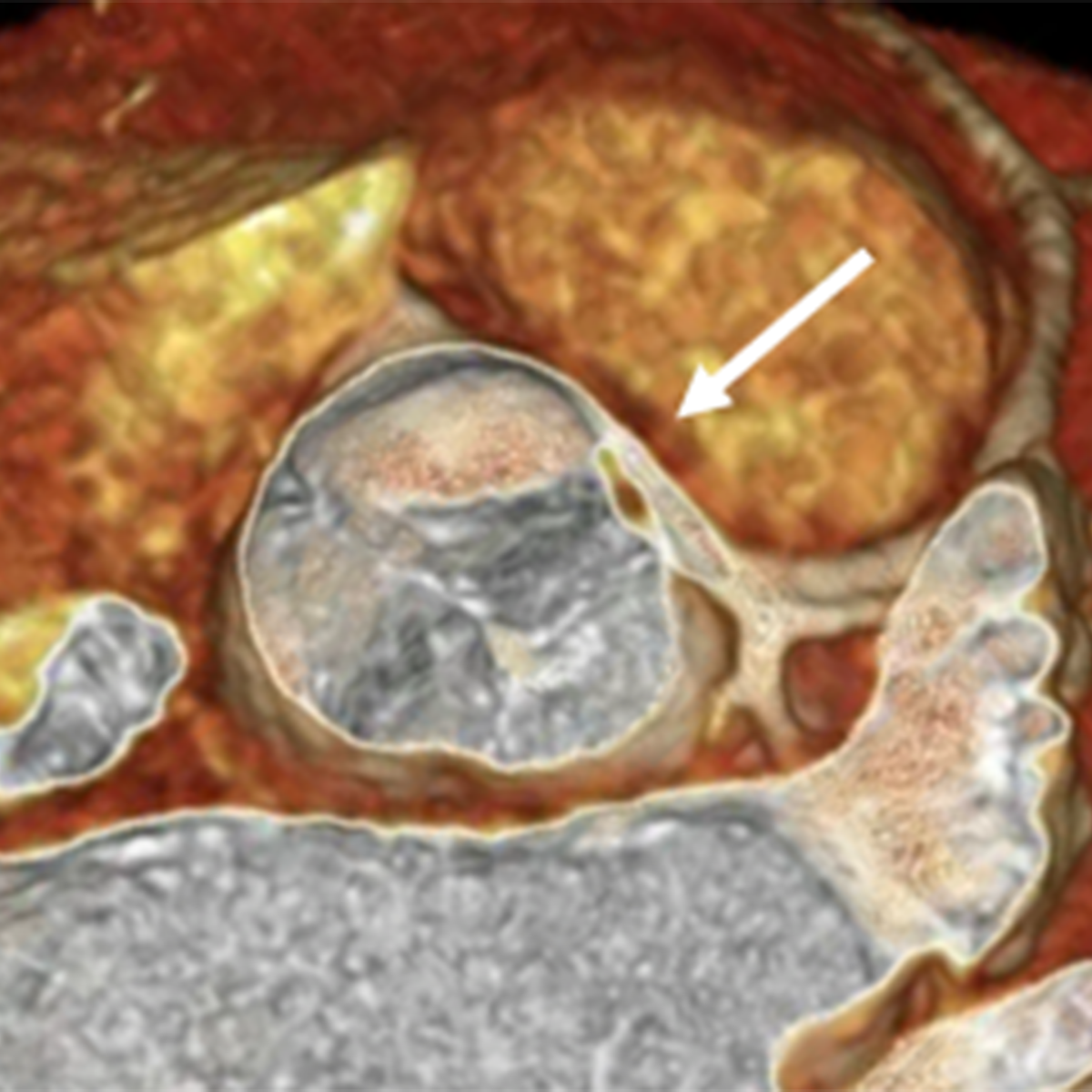
    The most frequent types of potentially hemodynamic significant coronary artery anomalies are those with an interarterial course. An anomalous origin of the right coronary artery with an interarterial course between the aorta and the main pulmonary artery is the most common in young athletes; if symptomatic, repair is indicated. In the absence of symptoms, institutional policy may vary, but patients generally undergo a stress test to evaluate for inducible ischemia. An anomalous left coronary artery from the right coronary sinus (Fig. 2) has a higher risk of ischemia, and patients with this anomaly are recommended to undergo surgical repair regardless of symptoms. For any interarterial course, a slit-like origin suggests an intramural course with greater risk of SCD.

    An important distinction from an interarterial course of the left main coronary artery is a transseptal course in which the anomalous coronary arteries pass through the septum, rather than between the aorta and main pulmonary artery. Unlike an interarterial course, a transseptal course is thought to be benign and rarely requires surgical correction, though an exercise stress test is still required.

    An additional benign differential consideration is a highrising coronary artery, which arises 1 cm or more above the level of the sinotubular junction in the ascending aorta. The origin may be slightly rotated clockwise with respect to the right coronary sinus, but this is a benign entity without hemodynamic consequence.

    Finally, anomalous left or right coronary arteries arising from the pulmonary arteries generally require surgical treatment in athletes. Because of the lower pressure of the pulmonary arteries, blood flow is actually reversed—this represents a steal phenomenon in which coronary artery blood flow shunts to the pulmonary arteries via collateral vessels.

    The author thanks Seth Kligerman for review of this article and assistance with figures.

  • Pass or Fail? How a USMLE Update Could Change Radiology Residency

    Pass or Fail? How a USMLE Update Could Change Radiology Residency

    Rebecca V. Zhang

    Incoming Radiology Resident (July 2022)
    Hospital of the University of Pennsylvania
    Philadelphia, Pennsylvania

    By the time you read this, results from the United States Medical Licensing Examination (USMLE) Step 1 exam will have changed from a numeric score to pass or fail. As students, medical schools, and residency programs anticipate this upcoming change, many are left wondering if and how this update will affect applicant selection for radiology residencies. Our study used an anonymous and voluntary 14-question online survey to assess program directors’ views on the scoring change of Step 1 from numeric to pass or fail, while assessing if other metrics, such as Step 2 Clinical Knowledge (CK) scores, may become more important during application review. Eighty-eight of 308 (29%) members of the Association of Program Directors in Radiology (APDR) completed the survey.

    Our study found that more than two-thirds of survey respondents indicated their programs currently use a Step 1 screen before sending interview invitations. Specific to radiology, previous studies have demonstrated a correlation between Step 1 performance and both the number of interpretive errors made as a radiology resident and future success on the American Board of Radiology Core Exam. Our study also found that more than 90% of survey respondents anticipate their programs may or definitively will require Step 2 CK scores before application review, once Step 1 becomes pass or fail; in contrast, many radiology programs presently do not require Step 2 CK scores before reviewing applications. In addition, our study found that regardless of the current use of a Step 1 screen, survey respondents did not significantly differ in their anticipation of requiring Step 2 CK scores (p=0.71) or extending later interviews to accommodate Step 2 CK scores (p=0.64). This finding may reflect hesitancy from programs to place significant weight on Step 2 CK before more research is done. There may be increased utility of using Step 2 CK scores over Step 1 scores as a marker of clinical knowledge, as the material covered in Step 2 CK has greater clinical relevance than that of Step 1. Through faculty, peer, and patient-level evaluations, previous studies from internal medicine have shown that Step 2 CK scores correlate better to clinical performance both during and after residency than Step 1 scores. It could be informative to examine whether this correlation exists with Step 2 CK scores and performance in radiology residency, as more residency applicants may include Step 2 CK scores with their initial application in upcoming years.

    Although making Step 1 pass or fail may help mitigate the significant distress surrounding the examination, there are valid concerns that the stress surrounding Step 1 will simply be transferred to Step 2 CK, when Step 2 CK becomes the only remaining standardized metric among applications. In an ideal world, all applications would receive a thorough and holistic review with consideration of both qualitative and quantitative characteristics. However, many selection committees do not have enough resources to do so, given the growing number of applications each program receives for the same number of residency spots. Some specialties have implemented preference signaling and supplemental applications to highlight an applicant’s top programs of interest and specific program characteristics (location, patient population, research, etc.) a particular applicant is seeking. Some studies have suggested more drastic measures, such as application caps, to reduce the usage of standardized test scores as a filter during application review and allow for more holistic application reviews. While changing Step 1 to pass or fail does not resolve all the challenges associated with the residency selection process, it does pave the way for additional meaningful changes to the system in the future.

  • Acute Ischemic Stroke: Treatment and Imaging Updates

    Acute Ischemic Stroke: Treatment and Imaging Updates

    Published January 4, 2022

    avatar

    Jeremy J. Heit

    Assistant Professor Departments of Radiology and Neurosurgery
    Center for Academic Medicine Stanford University

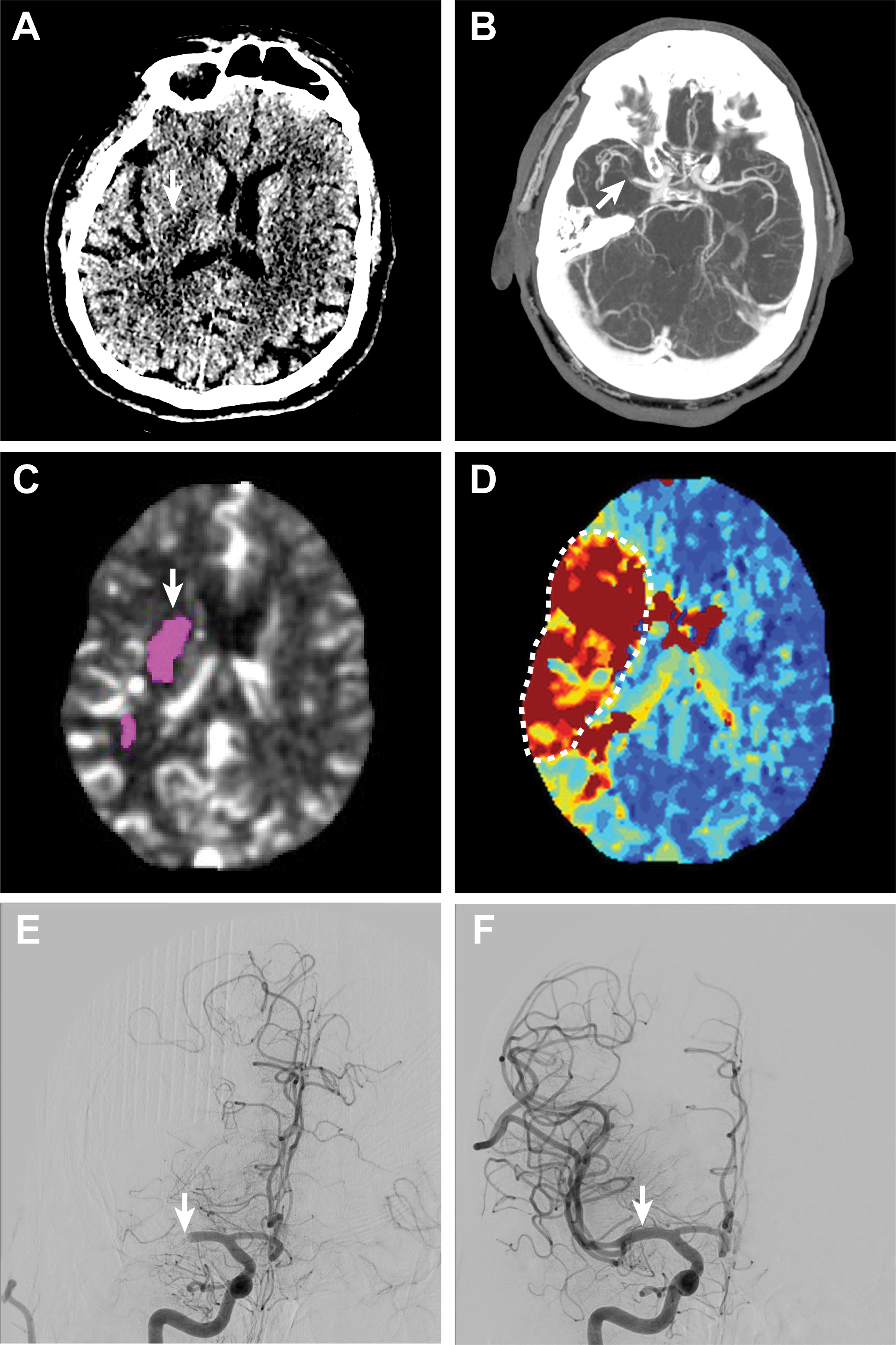
    Acute ischemic stroke (AIS) results from occlusion of a cervical or cerebral artery, and it is the leading cause of disability in the US. The most severe forms of AIS result from thrombo- or thromboembolic occlusion of the internal carotid artery or proximal (M1 segment) of the middle cerebral artery, and these occlusions are termed large vessel occlusions (LVOs). LVOs are amenable to thrombectomy, which is a minimally invasive endovascular surgery that removes the thrombus from the affected artery (Fig. 1).

    Thrombectomy treatment of AIS due to LVO has exploded, following the publication of multiple randomized trials that demonstrated superior outcomes with thrombectomy treatment in patients presenting in both early (0–6 hours from last known well) and late (6–24 hours from last known well) time windows. These studies not only found thrombectomy to be superior to medical treatment, but they also fundamentally changed the evaluation and treatment triage of AIS-LVO patients.

    Previously, the best medical therapy for AIS was intravenous thrombolysis with tissue plasminogen activator (tPA), but tPA treatment was limited to patients who present within 3–4.5 hours from symptom onset. The time-sensitive nature of tPA treatment was a significant barrier, and it limited the number of patients eligible for treatment. The success of the thrombectomy trials has shattered the stopwatch that governs tPA treatment in LVO patients, and we have now entered an era in which imaging guides stroke treatment, rather than the time from symptom onset.

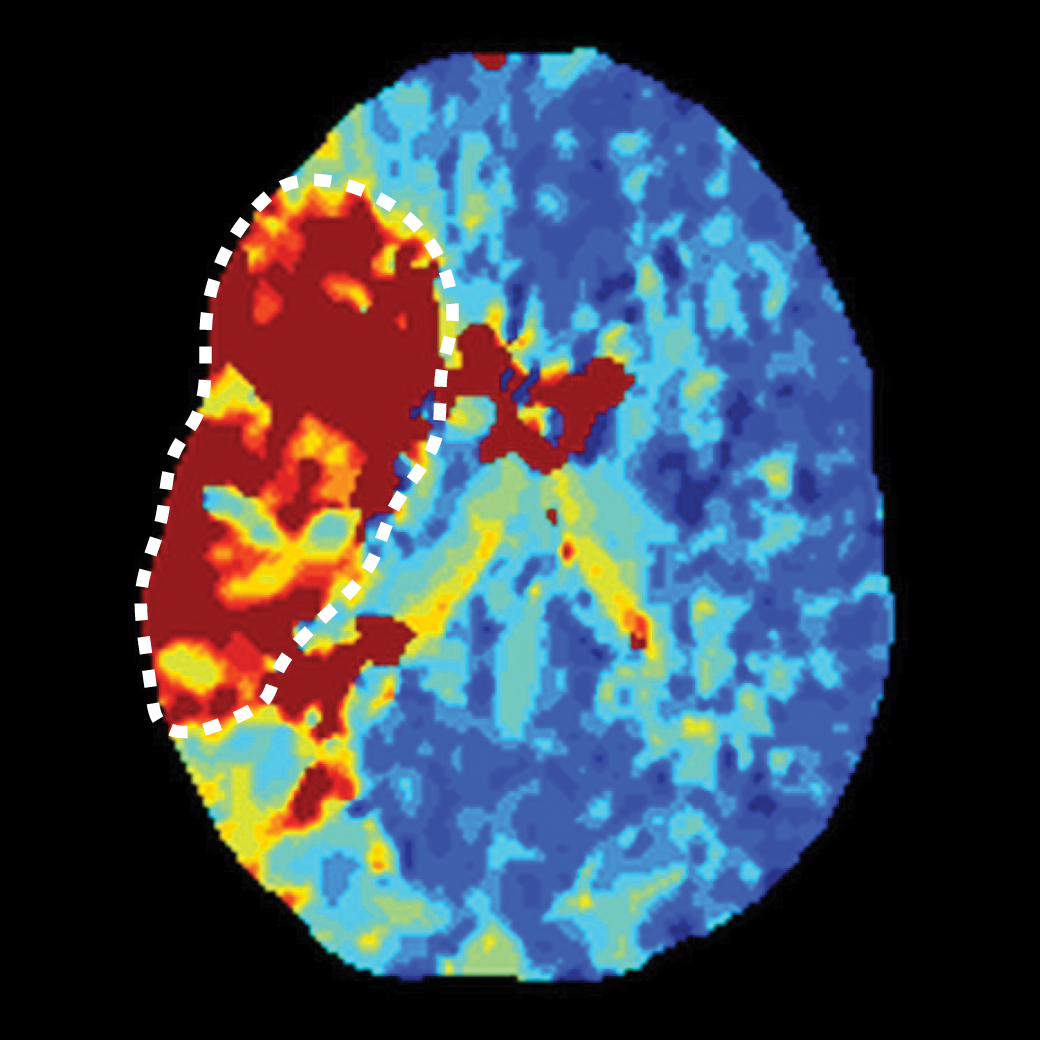
    The imaging evaluation of AIS patients has moved beyond the non-contrast head CT (NCCT) that has guided intravenous thrombolysis treatment decisions since 1995. Thrombectomy has the greatest impact when it is performed in a patient with minimal ischemic brain injury and an LVO, and these patients are identified at a minimum with an NCCT and a CT angiogram (CTA). Most of the index randomized thrombectomy trials also used CT perfusion (CTP) to characterize brain tissue that was likely permanently injured (the ischemic core) and the presence of underperfused, but salvageable, brain tissue (the penumbra). Due to the success of these trials, there has been a marked increase in CTP utilization for the evaluation of AIS patients with LVO. The increased use of CTA and CTP is making a meaningful impact on stroke treatment, but this usage has the potential to significantly strain radiology practice resources, given that AIS LVO patients should be screened for thrombectomy candidacy up to 24 hours after they were last known to be well.

    The need for timely evaluation of AIS patients and the increased utilization of CTA and CTP is being aided by the integration of automated image processing and artificial intelligence (AI) techniques that identify thrombectomy treatment candidates. The emergence and implementation of these disruptive software platforms has integrated into clinical practice at a pace seldom seen in medicine, demonstrating the potential value of AI to the practice of radiology.

    The success of thrombectomy and the increased use of CTA and advanced brain imaging, such as CTP, requires that radiologists are well aware of AIS patient evaluation and treatment workflows. Apropos, A RRS is offering an exciting and timely Sunday Featured Session with leading stroke experts during the 2022 Annual Meeting in New Orleans, LA. Join us for “Code Stroke: What Every Radiologist Should Know Early.”

  • Finding Our Proverbial Sunrooms

    Finding Our Proverbial Sunrooms

    Published on December 21, 2021

    avatar

    Jonathan Kruskal

    2021–2022 ARRS President

    Feeling stuck, joyless, or “meh?” You, like many others, might be languishing. In fact, it might be the dominant emotion of 2021.

    Sociologist Corey Keyes describes mental health as a continuum: ranging from flourishing, that state of wellbeing we all seek to achieve, to languishing, the absence of wellbeing, and a lower state of mental health. Languishing is distinct from depression, yet individuals who are languishing are at a higher risk of future mental illness (such as depression and anxiety disorders), as shown by Keyes et al..

    Simply put, languishing is a series of emotions, rather than a mental illness. Adam Grant, writing in the New York Times, refers to languishing as “the neglected middle child of mental health” and “the void between depression and flourishing.” Given the negative impacts on productivity, morale, innovation, team building, retention, and engagement, nonprofit organizations and corporations alike must take this widespread state seriously.

    The pandemic has impacted almost every structural framework of our lives, such as socializing, working, vacationing, traveling, and exercising—and, in turn, compromised our sources of joy. With no clear path as to when and how our “future state” will present itself, we continue to exist in an ongoing and indefinite interim state. As uncertainties persist and routines remain in flux, many people are being shuffled into a state of languishing.

    You Might Be Languishing if You Are:

    • overwhelmed or emotionally numb
    • distracted and unfocused
    • depleted, empty, and/or disinterested
    • unmotivated or procrastinating
    • not functioning at your full capacity
    • unable to feel excited about upcoming events
    • cynical about your colleagues and leaders

    How Can We Shift From Languishing to Flourishing?

    Below, I share a compilation of suggestions from the experiences of many. If the symptoms of languishing seem familiar to you, perhaps one or more of these strategies might help. If even one person finds solace in these ideas, it would bring me joy.

    • Prioritize your health: Do your best to eat healthily, drink plenty of water, sleep well, and incorporate movement into your life. Schedule and keep your annual health appointments. Consider alternative medicine modalities, such as acupuncture and chiropractic medicine. Find moments to sit in silence and simply breathe. Use your personal time and plan vacations, including memorable “staycations.” Disconnect from work and social media during your time off. Set boundaries and learn how to respectfully say “no,” when needed. Take your first small step toward doing something you’ve always wanted to do for your health today.
    • Protect your time: Manage your time intentionally and purposefully. Detach, disconnect, and learn how to engage your personal reset button. You might try scheduling uninterrupted time for yourself to recharge your batteries, even if this means “doing nothing.” Limit social media scrolling and email checking. Consider recapturing your prepandemic experiences; for example, create a virtual “commute” that includes a home spin class, podcast episodes, reading, music, or another element that helps you transition from the waking to working hours.
    • Make positive connections: Reengage or recreate your personal and professional network. Recall who once might have lifted you up. Walk and chat, gather and eat, find and embrace, and explore commonalities with positive people. When possible, spend less time with those who drain your energy and spirits. Seek a peer support buddy with whom you can share your experiences and feelings. Look for authentic and uplifting connections to replenish yourself emotionally.
    • Reflect on the current situation: Acknowledge the loss and anxiety and frustrations and grief. What have you lost? What have others lost? What has everybody lost? Recognize that you’re not alone here.
    • And then, practice gratitude: Recognize what you do have, rather than focusing on what you don’t. Appreciate what is working, rather than focusing on what isn’t. Try keeping a daily gratitude journal or using a meditation app, like Calm or Headspace, for guided gratitude practices.
    • Find flow and motivation: What’s on your music playlist, and when did you last update the content? Step out of your comfort zone by trying a new recipe, exercise, podcast, app, or online class. Get better at something, whether it’s dance, yoga, art, reading, writing, meditation, music, composting, or gardening. Explore mindful crafting, photography, collecting, and other hobbies. Reconnect with and walk barefoot in nature for additional grounding.
    • Celebrate small successes: Rethink what constitutes success, however small. It may be someone else’s success or happiness that you contributed to. When overwhelmed, rethink your goal-setting strategy. Set simpler goals that are achievable, and enjoy the successes that you are contributing to. It’s OK to start small. Perhaps also schedule achievable self-care activities each day.
    • Rethink your possessions: What would you like to keep or surround yourself with? These items might include things that bring you joy, inspiration, hope, confidence, or calm. Consider decluttering a room or maybe even your entire living space over a period of time. According to a recent Psychology Today article, decluttering can be very beneficial.
    • Change your scenery: Breaking from a stagnant routine is challenging. I encourage all of us to find ways to get out of our emotional basement and head up to our proverbial sunroom. Take a stroll through your memory banks to recall what may have once ignited your passions. Learn the art of introspection—what does your perfect day look like?—and consciously do something new or different to refresh your spirits. Check out your local museum, gallery, or library with a friend. Sign up for an online class or enjoy a virtual comedy show. You never know what you may discover.
    • Find joy in giving: When did you last wrap a small gift? Who can you help today? What causes would you like to reengage with? Have you discussed and explored different options with your friends and family? Try to get back to your talents and gifts. Learn to be a peer supporter. Research volunteer opportunities in your community. Contemplate your purpose and remember what truly drives you. Helping others can bring a tremendous sense of inner fulfillment.

    • Activate your personal coping strategies: For some, the average workday may seem filled with one stressful encounter after another. Meetings may not go as planned. Your workflow may be interrupted. The dominant sentiment might be that this is just another tough day. Is it possible that you are being too hard on yourself and in your judgments? For example, while you may feel that a meeting, interaction, or event didn’t quite go as planned, perhaps that is from your perspective. Maybe others had a different perspective and felt more positive about the encounter. Activate your personal coping strategies to decompress, relax, boost your energy, stay focused, gain perspective, and reflect on the bigger picture.
    • Explore therapy. It’s a strength to recognize when we need professional help. According to a recent Value Penguin survey of more than 1,300 US adults, “nearly 30% of Americans have seen a therapist during the coronavirus pandemic, and 86% say it’s helped them cope.” Psychiatrists, psychologists, social workers, therapists, and other licensed practitioners are trained to help patients construct a personal repertoire of coping strategies. There are many forms of therapy to consider, including psychodynamic, cognitive behavioral, dialectical behavioral, mindfulness-based, and art. One or more of these modalities could help you address and manage stressful life events.

    The journey from languishing to flourishing is of indeterminate length, and some of the “travel aids” listed above may be more effective than others. What we need is a means of sharing best practices—what worked well and what didn’t—multigenerational preferences and impacts, as well as other solutions that have been identified along the path. I can only wish each of you who may be experiencing a state of languishing a very safe, healthy, memorable, and rewarding trip back!