Category: Articles

  • Interactive Multimedia Radiology Reporting

    Interactive Multimedia Radiology Reporting

    avatar

    Cree Gaskin
    Professor and Chief, Musculoskeletal Imaging and Intervention; Vice Chair, Clinical Operations and Informatics; Associate Chief Medical Information Officer University of Virginia Health System

    Read anything on the internet today and you can expect to find enriched content typical of digital communication—pictures that help tell the story, text formatting that calls attention to key information, and hyperlinks that connect us to additional content with just a click.  Such features improve the experience of the reader, resulting in faster and clearer communication.

    How about your radiology report? Does it do that? Probably not. Even though it’s digital, it’s likely a static plain-text-only document, just like an old newspaper. It’s surprising really, especially when you consider all the existing digital advancements within our field and the importance of the report itself to our specialty. The report is the primary means by which we, the diagnostic radiologists, deliver clinical care. And yet the formatting of our reports remains archaic.

    Fortunately, times are changing. Collaborations between vendors and radiologists have led to recent advancements in technology that support interactive multimedia reporting, or the ability to create imaging reports with enriched content and better connections to the images.

    The idea of a multimedia report is not new. Authors in the mid-1990’s described preliminary systems for multimedia radiological communicationsbut over time neither proved practical or impactful enough for widespread adoptionIn recent yearsseveral independent groups of authors reported that adding images to reports would add valuefollowing the old adage that “a picture is worth a thousand words.”

    “The report is the primary means by which we, the diagnostic radiologists, deliver clinical care. And yet the formatting of our reports remains archaic.”

    —Cree Gaskin

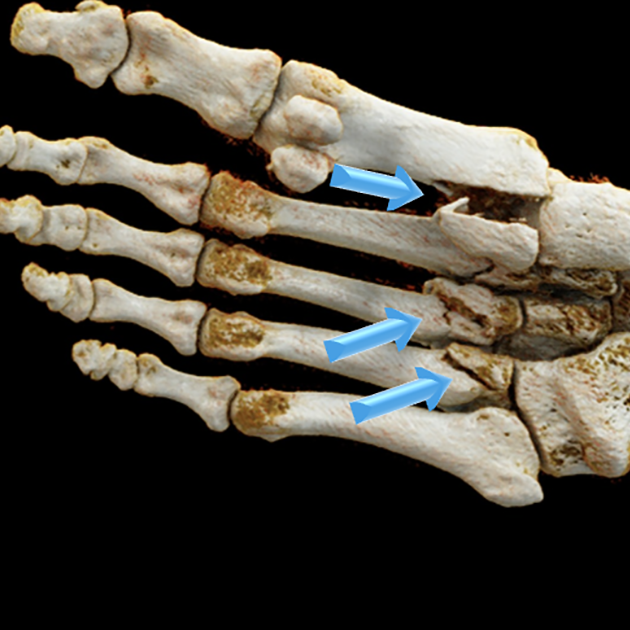
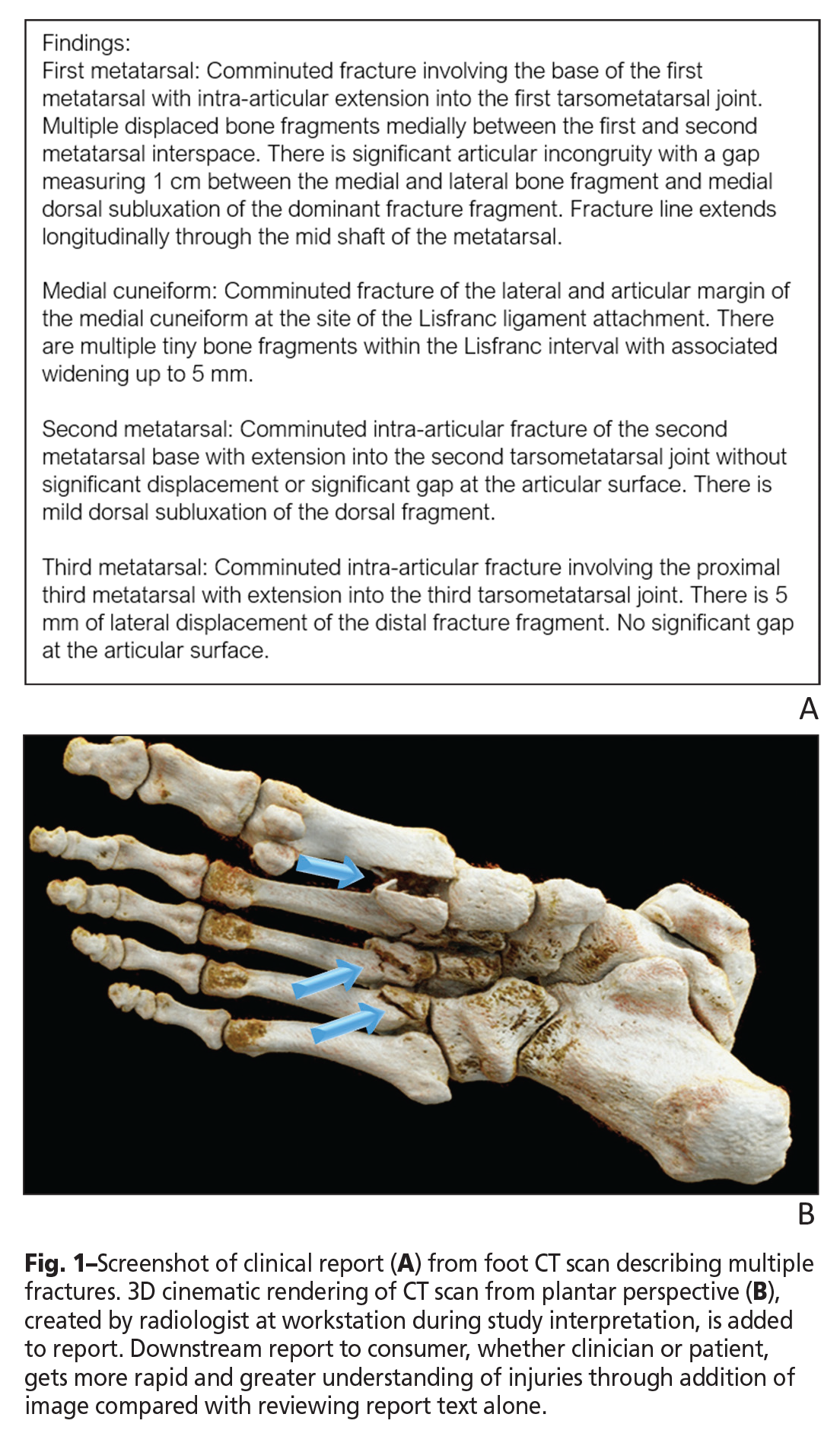
    It is easy to see how adding key images to the report can help us communicate better, especially when summarizing a complex study such as a CT scan (Fig. 1).  But there are practical challenges, both technical and cultural, to implementing this simple idea.

    Radiologists understand the potential value of a multimedia report for their referring colleagues. However, even if they had the available technology, they simply do not have time for an extra step, unless it is quick and easy. Some vendors offer the ability to add images to reports, but that can be cumbersome. Without tight integration, having separate applications from two different vendors can complicate the process of importing images from the viewer (i.e. PACS) into the reporting system.

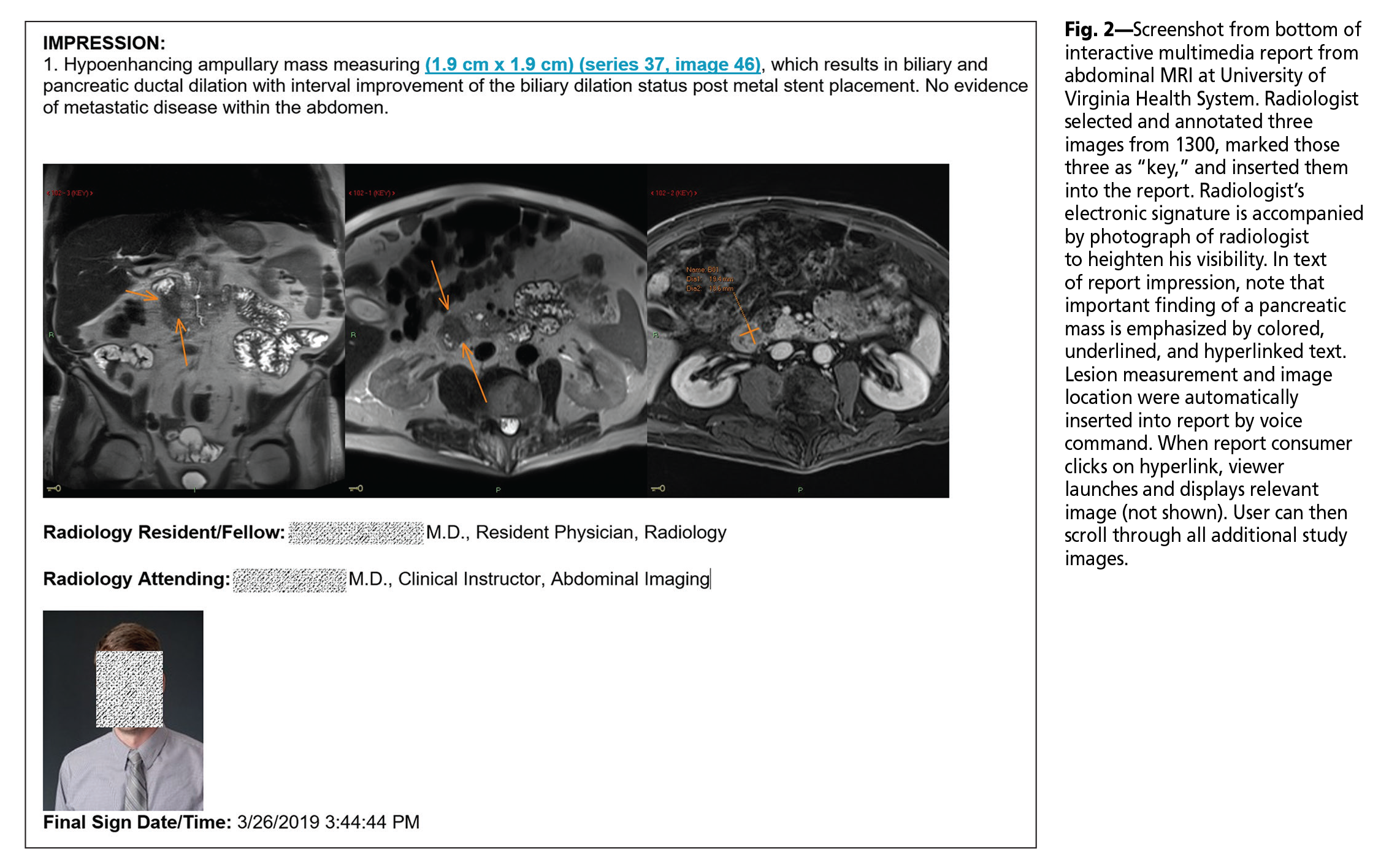
    One solution is the hybridization of reporting and viewing applications into one. Because the systems are combined, the reporting system is more naturally aware of what is in the viewer, thus facilitating the import of key images. At the University of Virginia Health System (UVaHS), this approach (Vue PACS with Vue Reporting, Carestream Health) allows us to add images into our clinical reports [1]. The process is as follows: important images are optimized in the viewer, marked as “key” by a mouse click, and then a voice command inserts the images into the report (Fig. 2). The process only takes seconds to complete.

    The concept of the reporting system being “aware” of what is in the viewer can be applied in additional ways. Radiologists routinely compare the study they are interpreting to relevant prior studies and dictate identifying details into their report. With the reporting system alert to prior studies opened in the PACS, a voice command can automatically insert details of these studies into the report. This can save time and reduce transcription error.

    An even more important advancement is the ability to place hyperlinks within the report. This dynamic addition powers a variety of interactive elements through a URL to enhance the experience of those viewing the report, whether to a referring provider, downstream radiologist, or patient.

    Consider the example where a radiologist annotates an image in the PACS, either by drawing an arrow pointing to a subtle finding or measuring a small lesion. A voice command inserts hyperlinked text into the report, carrying context from the last annotation made in the viewer. From the radiologist’s perspective, measurements, identifying series, and image numbers are automatically inserted into the report without dictating these details, again saving time and reducing transcription error. From the referring provider’s perspective, important findings stand out in the report as colored hyperlinked text that can provide immediate access to relevant images (Fig. 2). This could accelerate report and image review time, as well as improve report clarity.

    At UVaHS, we have found this multimedia reporting approach to be enough of a departure from traditional plain-text-only reporting that it requires more than just access to the technology; it necessitates brief training and months or more for cultural adoption. Nevertheless, our radiologists now commonly create interactive multimedia reports for complex imaging studies like CT, PET/CT, and MRI. This elective change in care delivery indicates that our radiologists find value in the result.

    Hyperlinks can further enhance reports by connecting to a variety of additional content beyond key imaging findings. Conceptually, once hyperlinks are supported, any content available via URL activation could be leveraged. For example, links within the report could be enabled to launch: secure sites to facilitate patient- and study-context email communication; a report grading system for providers or patients to contribute feedback; a webpage to share radiologist’s credentials; or a webpage with patient-friendly content to help the patient learn useful information about the examination.

    Beyond the technological advancement needed to create interactive multimedia reports and the hurdle of cultural adoption by radiologists, another barrier to report evolution is the ability to distribute and view the advanced reports. It is routine for an electronic health record (EHR) to receive, archive, and display plain-text-only reports; however, the system may not be designed to handle more contemporary document formats, like RTF and PDF, to convey enriched content.

    For the last couple of years at UVaHS, we have worked around this problemSH to enable our referring providers to access our advanced reports through the EHR in two ways. One is through a link to a PDF copy of the report stored in a document management system (OnBase, Hyland). The other is through a link to a lite digital viewer (Vue Motion, Carestream Health) that displays both the interactive multimedia report and all scrolling images from the study.

    Recently, our EHR vendor (Epic Systems Corporation) completed development that should support interactive multimedia report content over an interface message in RTF format. We are collaborating with our vendors to test enriched report content directly within the EHR to increase viewing ease for clinicians.

    We would also like for our patients to be able to see these advanced reports. If patients had an interactive report that allowed viewers to click on various findings and direct them to display the relevant images, patients may become more engaged with their imaging results and could develop a better understanding of their conditions. We are getting closer to this reality. As with many health care systems, our patients already can access their imaging results via a patient portal to the EHR. As a next step, we are working with our vendors to connect this patient portal to a patient-facing lite viewer that displays both radiology images and the interactive multimedia report.

    In many aspects of daily life, digital communications are routinely enhanced beyond plain text with images, text formatting, and interactive elements. It seems natural to extend these improvements in communication to radiology reporting. We have already achieved technical success in doing so, and we have observed solid, sustained adoption by our radiologists. This is just the beginning. There are still challenges in distributing advanced reports, and referring providers are not even expecting to see them. This will change. In the future, interactive multimedia radiology reporting will likely become standard. Referring clinicians, and some discriminating patients, will come to expect enhanced reports. Radiologists will get used to creating them. Eventually, we will drop the words “interactive multimedia” and simply call them “radiology reporting.”


    The opinions expressed in InPractice magazine are those of the author(s); they do not necessarily reflect the viewpoint or position of the editors, reviewers, or publisher.

  • State of the Art Imaging for Chronic Liver Disease

    State of the Art Imaging for Chronic Liver Disease

    avatar

    Khaled M. Elsayes
    Professor of Diagnostic Radiology
    University of Texas, MD Anderson Cancer Center and McGovern Medical School

    Chronic liver disease is an increasingly common and important disorder, now afflicting more than 25% of the world’s population. Regardless of its underlying cause, chronic liver disease can progress to cirrhosis, development of liver cancer, and liver-related death. Recent advances in imaging knowledge and technology have elevated the role of radiology in the diagnosis and management of patients with or at risk for chronic liver disease across its entire spectrum and course.

    Noninvasive Monitoring of Chronic Liver Disease

    With a rising epidemic of obesity and metabolic syndrome in the United States, nonalcoholic fatty liver disease and its progressive form, nonalcoholic steatohepatitis, are increasingly encountered in practice. Additionally, overconsumption of alcohol and viral hepatitis remain common causes of chronic liver disease. Irrespective of etiology, chronic liver disease represents a spectrum of inflammation, injury, fibrosis, and eventually, cirrhosis. Although in the past, cirrhosis was considered an irreversible injury, recent medical advances provide opportunities to halt and even reverse fibrosis. Likewise, identification and modulation of risk factors, like fat and iron deposition in the liver, are essential to managing patients at risk for or with chronic liver disease. Pathological assessment remains a reference standard, but risks and cost associated with biopsy reduce the benefit in the setting of longitudinal monitoring. Radiologists play an essential role in providing noninvasive quantitative information to direct management.

    State of the art imaging options for assessing chronic liver disease focus on three key elements: liver fat, iron, and fibrosis. Liver fat can be identified by ultrasound, CT, and MRI. The most accurate, accessible, and precise method for monitoring patients with chronic liver disease is MRI-proton density fat fraction (PDFF). MRI-PDFF takes advantage of the fact that owing to differences in molecular structures, fat and water protons experience different magnetic fields and precess at different rates. This offset in frequency (“chemical shift”) is the basis for in- and opposed-phase dual echo imaging with its familiar appearance, including “India ink” etching at fat-water interfaces on opposed-phase images, due to signal cancellation when water and fat are precessing directly opposite each other. MRI-PDFF expands on this concept and is estimated by acquiring images at multiple echo times, selected to optimize separation of fat and water signals, and by taking into account several confounders that otherwise introduce errors into fat quantification. Iron is one of the most important confounders and is also an important factor contributing to chronic liver disease. Iron is ferromagnetic and causes signal decay (T2*), due to disruption of local magnetic fields. The decay of signal over time (R2*) is directly proportional to iron content over a wide pathophysiological spectrum, allowing us to estimate R2* values and convert them to liver iron concentrations. Hence, MRI-PDFF quantifies both fat and iron.

    The most validated and clinically used method for estimating liver fibrosis is elastography. Elastography can be done with ultrasound or MRI. Elastography is an imaging technique that quantifies the stiffness of tissue, or resistance to deformation following application of external pressure. Imaging methods estimate stiffness by generating shear waves in the liver and measuring their propagation. Ultrasound methods differ based on how they generate shear waves and whether they produce gray-scale images (point shear wave elastography and 2D elastography) or not (vibration controlled transient elastography). Ultrasound methods measure shear wave speed, which can be converted into tissue stiffness values. The speed measurements may differ between manufacturers and etiologies of chronic liver disease, which challenges establishment of universal thresholds for stages of fibrosis. Magnetic resonance elastography (MRE) utilizes a standard system for shear wave generation and measurement across all vendors and platforms; as a result, the tissue stiffness values obtained from MRE are thought to be more reproducible.

    Standardizing Diagnosis of Liver Cancer in Patients with Chronic Liver Disease

    Hepatocellular carcinoma (HCC) can be confidently diagnosed based on imaging, in contradistinction to most malignancies that require tissue examination for their diagnosis. The noninvasive diagnosis of HCC is justified by the high positive predictive value of CT and MRI for this purpose when stringent criteria are applied in high-risk patients (i.e., high pre-test probability). Filippone A, Blakeborough A, Breuer J, et al. Enhancement of liver parenchyma after injection of hepatocyte-specific MRI contrast media: a comparison of gadoxetic acid and gadobenate dimeglumine. J Magn Reson Imaging 2010; 31:356–364

    Roberts LR, Sirlin CB, Zaiem F, et al. Imaging for the diagnosis of hepatocellular carcinoma: A systematic review and meta-analysis. Hepatology 2018; 67:401–21

    Hanna RF, Miloushev VZ, Tang A, et al. Comparative 13-year meta-analysis of the sensitivity and positive predictive value of ultrasound, CT, and MRI for detecting hepatocellular carcinoma. Abdom Radiol (NY) 2016; 41:71–90 Additionally, cross-sectional imaging assesses local spread and distant metastases.

    Current standards in the noninvasive diagnosis of HCC follow the guidelines of the American Association for the Study of Liver Disease (AASLD), Organ Procurement and Transplantation Network (OPTN), and Liver Imaging Reporting and Data System (LI-RADS). Duncan JK, Ma N, Vreugdenburg TD, Cameron AL, Maddern G. Gadoxetic acid-enhanced MRI for the characterization of hepatocellular carcinoma: a systematic review and meta-analysis. J Magn Reson Imaging 2017; 45:281–290

    Guo J, Seo Y, Ren S, et al. Diagnostic performance of contrast-enhanced multidetector computed tomography and gadoxetic acid disodium-enhanced magnetic resonance imaging in detecting hepatocellular carcinoma: direct comparison and a meta-analysis. Abdom Radiol (NY) 2016; 41:1960–1972

    Liu X, Jiang H, Chen J, Zhou Y, Huang Z, Song B. Gadoxetic acid disodiumenhanced magnetic resonance imaging outperformed multidetector computed tomography in diagnosing small hepatocellular carcinoma: a meta-analysis. Liver Transpl 2017; 23:1505–1518
    These guidelines agree on certain imaging features that should be present in an observation to provide the required high positive predictive value for HCC, such as a maximum diameter of at least 10 mm and characteristic dynamic enhancement characteristics discussed further below. Distinct differences used to exist between the three guidelines in the categorization of hepatic lesions, until the release of the latest LI-RADS guidelines for CT and MRI in 2018. The latest release comprised minor modifications to LI-RADS version 2017 to facilitate its integration into the AASLD clinical practice guidelines in August 2018. Matsui O, Kobayashi S, Sanada J, et al. Hepatocelluar nodules in liver cirrhosis: hemodynamic evaluation (angiography-assisted CT) with special reference to multi-step hepatocarcinogenesis. Abdom Imaging 2011; 36:264–272 LI-RADS and AASLD now have identical criteria for definite HCC, and the OPTN criteria are nearly identical to LI-RADS and AASLD.

    LI-RADS is a comprehensive system that provides standards for terminology, technique, interpretation, and reporting of liver imaging. It has been developed by a multi-disciplinary and increasingly international team of diagnostic and interventional radiologists, hepatobiliary surgeons, hepatologists, and hepatopatholgists, alongside support from the American College of Radiology. Choi YS, Rhee H, Choi JY, et al. Histological characteristics of small hepatocellular carcinomas showing atypical enhancement patterns on gadoxetic acid enhanced MR imaging. J Magn Reson Imaging 2013; 37:1384–1391 Since its first release in 2011, LI-RADS has been updated periodically, with the latest update in 2018. Kitao A, Matsui O, Yoneda N, et al. The uptake transporter OATP8 expression decreases during multistep hepatocarcinogenesis: correlation with gadoxetic acid enhanced MR imaging. Eur Radiol 2011; 21:2056–2066

    Kim BR, Lee JM, Lee DH, et al. Diagnostic performance of gadoxetic acid-enhanced liver MR imaging versus multidetector CT in the detection of dysplastic nodules and early hepatocellular carcinoma. Radiology 2017; 285:134–146

    Nakamura S, Nouso K, Kobayashi Y, et al. The diagnosis of hypovascular hepatic lesions showing hypo-intensity in the hepatobiliary phase of Gd-EOBDTPA-enhanced MR imaging in high-risk patients for hepatocellular carcinoma. Acta Med Okayama 2013; 67:239–244

    LI-RADS assigns a diagnostic category code for each observation to communicate the likelihood of being benign or being HCC, ranging from LR-1 (definitely benign) to LR-5 (definitely HCC). The LR-5 category has a reported specificity of 95% for HCC. In addition to the previous five categories, LI-RADS also provides three other categories—LR-NC (not categorizable), LR-TIV (tumor in vein), and LR-M (probably or definitely malignant, not necessarily HCC)—with certain criteria for each category.

    The imaging diagnosis of HCC in LI-RADS is based on the presence or absence of five major imaging features and a number of ancillary features (AFs). Major features include nonrim arterial phase hyperenhancement (APHE), nonperipheral “washout” appearance, enhancing “capsule” appearance, size, and threshold growth.

    The AFs are divided into three groups: AFs that favor malignancy in general, AFs that favor HCC in particular, and AFs that favor benignity. A preliminary LI-RADS category is assigned based on the present major features, then the AFs are used at the interpreter’s discretion to adjust the preliminary category.

    In summary, the latest advances in imaging of HCC allow for a confident noninvasive diagnosis of this malignancy and comprehensive assessment of other lesions and pseudolesions depicted by imaging.

    Improving Sensitivity for Liver Cancer Diagnosis with HBAs

    HBAs are gadolinium-based intravenous MR contrast agents that permit hepatobiliary phase (HBP) imaging, in addition to conventional dynamic post-contrast phases. Gadoxetate disodium is the most commonly utilized HBA, due to high hepatobiliary excretion and convenient HBP timing of 10–30 minutes.

    Gadoxetate offers several advantages for patients with cirrhosis. Of all available modalities, gadoxetate-enhanced MRI has the highest overall per-lesion sensitivity (86%) and positive predictive value (94%) for diagnosis of HCC, as well as the highest sensitivity (84–96%) for detection of ≤ 2 cm HCCs. Unlike APHE, reduced gadoxetate uptake is an early event in hepatocarcinogenesis: up to 38% of early HCCs may be seen only on the HBP, and 82% of high-grade dysplastic nodules (DN) and 76% of early HCCs are hypointense on the HBP.

    HBP hypointense nodules without APHE are unique to HBA MRI. If sampled histologically, 74% of such nodules are HCCs, and 10% are DN, although these numbers may be inflated by selection bias; if followed, 16–43% progress to hypervascular HCC within 24 months. Nakamura S, Nouso K, Kobayashi Y, et al. The diagnosis of hypovascular hepatic lesions showing hypo-intensity in the hepatobiliary phase of Gd-EOBDTPA-enhanced MR imaging in high-risk patients for hepatocellular carcinoma. Acta Med Okayama 2013; 67:239–244

    Cho YK, Kim JW, Kim MY, Cho HJ. Non-hypervascular hypointense nodules on hepatocyte phase gadoxetic acid-enhanced MR images: transformation of MR hepatobiliary hypointense nodules into hypervascular hepatocellular carcinomas. Gut and Liver 2018; 12:79–85

    Saitoh T, Sato S, Yazaki T, et al. Progression of hepatic hypovascular nodules with hypointensity in the hepatobiliary phase of Gd-EOB-DTPA-enhanced MRI in hepatocellular carcinoma cases. Intern Med 2018; 57:165–171

    Yang HJ, Song JS, Choi EJ, Choi H, Yang JD, Moon WS. Hypovascular hypointense nodules in hepatobiliary phase without T2 hyperintensity: longterm outcomes and added value of DWI in predicting hypervascular transformation. Clin Imaging 2018; 50:123–129

    Hwang JA, Kang TW, Kim YK, et al. Association between non-hypervascular hypointense nodules on gadoxetic acid-enhanced MRI and liver stiffness or hepatocellular carcinoma. Eur J Radiol 2017; 95:362–369

    Briani C, Di Pietropaolo M, Marignani M, et al. Non-hypervascular hypointense nodules at gadoxetic acid MRI: hepatocellular carcinoma risk assessment with emphasis on the role of diffusion-weighted imaging. J Gastrointest Cancer 2018; 49:302–310

    Kim YS, Song JS, Lee HK, Han YM. Hypovascular hypointense nodules on hepatobiliary phase without T2 hyperintensity on gadoxetic acid-enhanced MR images in patients with chronic liver disease: long-term outcomes and risk factors for hypervascular transformation. Eur Radiol 2016; 26:3728–3736

    Rosenkrantz AB, Pinnamaneni N, Kierans AS, Ream JM. Hypovascular hepatic nodules at gadoxetic acid-enhanced MRI: whole-lesion hepatobiliary phase histogram metrics for prediction of progression to arterial-enhancing hepatocellular carcinoma. Abdom Radiol (NY) 2016; 41:63–70
    In patients who undergo resection for early-stage HCC, the presence of HBP hypointense nodules predicts high HCC recurrence risk and lower overall survival. Toyoda H, Kumada T, Tada T, Sone Y, Maeda A, Kaneoka Y. Nonhypervascular hypointense nodules on Gd-EOB-DTPA-enhanced MRI as a predictor of outcomes for early-stage HCC. Hepatol Int 2015; 9:84–92 Intermediate to long-term recurrence-free survival may be improved, if these nodules are treated concomitantly at the time of HCC resection. Matsuda M, Ichikawa T, Amemiya H, et al. Preoperative gadoxetic acid-enhanced MRI and simultaneous treatment of early hepatocellular carcinoma prolonged recurrence-free survival of progressed hepatocellular carcinoma patients after hepatic resection. HPB Surg 2014; 2014:641685

    HBP hypointense nodules without APHE are also markers of increased HCC risk elsewhere in the liver: the cumulative three year rate of HCC elsewhere in the liver is 22%, compared to 6% in patients with no such nodules. Komatsu N, Motosugi U, Maekawa S, et al. Hepatocellular carcinoma risk assessment using gadoxetic acid-enhanced hepatocyte phase magnetic resonance imaging. Hepatol Res 2014; 44:1339–1346 Presence of these nodules in patients with early HCC is associated with decreased recurrence-free survival and higher intrahepatic recurrence rates following resection or ablation. Inoue M, Ogasawara S, Chiba T, et al. Presence of non-hypervascular hypointense nodules on gadolinium-ethoxybenzyl-diethylenetriamine pentaacetic acid-enhanced magnetic resonance imaging in patients with hepatocellular carcinoma. J Gastroenterol Hepatol 2017; 32:908–915

    Lee DH, Lee JM, Lee JY, et al. Non-hypervascular hepatobiliary phase hypointense nodules on gadoxetic acid-enhanced MRI: risk of HCC recurrence after radiofrequency ablation. J Hepatol 2015; 62:1122–1130

    Song KD, Rhim H, Lee MW, Kim YS, Kang TW. Intrahepatic distant recurrence after radiofrequency ablation for hepatocellular carcinoma: precursor nodules on pre-procedural gadoxetic acid-enhanced liver magnetic resonance imaging. Acta Radiol 2017; 58:778–785

    The degree of gadoxetate uptake may predict tumor differentiation: poorly-differentiated HCCs are more frequently HBP hypointense (98%), compared with well- or moderately-differentiated HCCs (86%). Erra P, Puglia M, Ragozzino A, et al. Appearance of hepatocellular carcinoma on gadoxetic acid-enhanced hepatobiliary phase MR imaging: a systematic review. La Radiol Med 2015; 120:1002–1011 Up to 15% of HCCs may be iso- or hyperintense on the HBP, and such HCCs have more favorable outcomes, including improved recurrence-free and overall survival. Kim JY, Kim MJ, Kim KA, Jeong HT, Park YN. Hyperintense HCC on hepatobiliary phase images of gadoxetic acid-enhanced MRI: correlation with clinical and pathological features. Eur J Radiol 2012; 81:3877–3882

    Kitao A, Matsui O, Yoneda N, et al. Hypervascular hepatocellular carcinoma: correlation between biologic features and signal intensity on gadoxetic acid-enhanced MR images. Radiology 2012; 265:780–789

    Kitao A, Zen Y, Matsui O, et al. Hepatocellular carcinoma: signal intensity at gadoxetic acid-enhanced MR Imaging–correlation with molecular transporters and histopathologic features. Radiology 2010; 256:817–826

    Use of gadoxetate in patients with cirrhosis is associated with several important pitfalls. Smaller contrast dose and volume affect timing of the arterial phase (AP) and may lead to reduced peak enhancement of HCC in the AP. Fujinaga Y, Ohya A, Matsushita T, Kurozumi M, Ueda K, Kitou Y, et al. Effect of hepatobiliary uptake of Gd-EOB-DTPA on the hepatic venous phase of dynamic magnetic resonance imaging on a 3.0-T apparatus: comparison between Gd-EOB-DTPA and Gd-DTPA. Jpn J Radiol 2011; 29:695–700

    Tirkes T, Mehta P, Aisen AM, Lall C, Akisik F. Comparison of dynamic phase enhancement of hepatocellular carcinoma using gadoxetate disodium vs gadobenate dimeglumine. J Comput Assist Tomogr 2015; 39:479–482
    Furthermore, gadoxetate is associated with higher incidence (5–22%) of transient severe motion, which occurs at or around the time of the late AP and leads to image degradation. Davenport MS, Viglianti BL, Al-Hawary MM, et al. Comparison of acute transient dyspnea after intravenous administration of gadoxetate disodium and gadobenate dimeglumine: effect on arterial phase image quality. Radiology 2013; 266:452–461

    Davenport MS, Bashir MR, Pietryga JA, Weber JT, Khalatbari S, Hussain HK. Dose-toxicity relationship of gadoxetate disodium and transient severe respiratory motion artifact. AJR 2014; 203:796–802

    Kim SY, Park SH, Wu EH, et al. Transient respiratory motion artifact during arterial phase MRI with gadoxetate disodium: risk factor analyses. AJR 2015; 204:1220–1227
    Poor quality of the AP may affect depiction of APHE, a feature that is required for noninvasive HCC diagnosis. Chernyak V, Fowler KJ, Kamaya A, et al. Liver imaging reporting and data system (LI-RADS) version 2018: imaging of hepatocellular carcinoma in at-risk patients. Radiology 2018; 289:816–830

    Portal venous phase (PVP) “washout” appearance in combination with APHE allows for nearly 100% specificity of HCC diagnosis. Marrero JA, Hussain HK, Nghiem HV, Umar R, Fontana RJ, Lok AS. Improving the prediction of hepatocellular carcinoma in cirrhotic patients with an arterially-enhancing liver mass. Liver Transpl 2005; 11:281–289 Parenchymal uptake of gadoxetate starting as early as the PVP results in observations potentially appearing relatively hypointense to the parenchyma, due to lower uptake of gadoxetate rather than true “washout.” As a result, hypointensity in the transitional phase (TP) is not equivalent to hypointensity during the PVP or delayed phases with extracellular agents: if hypointensity in the TP is considered “washout,” the specificity for HCC decreases from 98–100% to 86–95%. Choi SH, Lee SS, Kim SY, Park SH, Park SH, Kim KM, et al. Intrahepatic cholangiocarcinoma in patients with cirrhosis: differentiation from hepatocellular carcinoma by using gadoxetic acid-enhanced MR imaging and dynamic CT. Radiology 2017; 282:771–781 Therefore, LI-RADS restricts assessment of “washout” with gadoxetate to the PVP. Santillan C, Fowler K, Kono Y, Chernyak V. LI-RADS major features: CT, MRI with extracellular agents, and MRI with hepatobiliary agents. Abdom Radiol (NY) 2018; 43:75–81 Another effect of the early parenchymal enhancement with gadoxetate is the potential to obscure enhancement of the “capsule.”

    In patients with decompensated cirrhosis, diminished parenchymal uptake of gadoxetate results in less enhancement during the TP and the HBP. Motosugi U, Ichikawa T, Sou H, et al. Liver parenchymal enhancement of hepatocyte-phase images in Gd-EOB-DTPA-enhanced MR imaging: which biological markers of the liver function affect the enhancement? J Magn Reson Imaging 2009; 30:1042–1046 As a result, conspicuity of HCC in the HBP is decreased in patients with poor hepatic function. Kim JY, Lee SS, Byun JH, et al. Biologic factors affecting HCC conspicuity in hepatobiliary phase imaging with liver-specific contrast agents. AJR 2013; 201:322–331 Additionally, interpretation of HBP intensity of liver observations—particularly if iso- or hyperintense to the background— may be unreliable in the setting of suboptimal HBP enhancement.

    Although HBP hypointensity improves detection of HCC and high-grade DN, TP and HBP hypointensity are not specific to HCC, as any lesion without functional hepatocytes (e.g., cysts, hemangiomas, non-HCC malignancies, etc.) will appear hypointense in the HBP. Joo I, Lee JM, Lee DH, Jeon JH, Han JK, Choi BI. Noninvasive diagnosis of hepatocellular carcinoma on gadoxetic acid-enhanced MRI: can hypointensity on the hepatobiliary phase be used as an alternative to washout? Eur Radiol 2015; 25:2859–68

    In conclusion, use of gadoxetate in patients with cirrhosis offers certain advantages—particularly higher sensitivity for HCC, if liver function is preserved and AP quality is adequate—but radiologists should be aware of the various pitfalls of gadoxetate to optimize patient selection and image interpretation.

    Acknowledgements
    Kathryn Fowler, Claude Sirlin, and Victoria Chernyak also contributed to this article.


    The opinions expressed in InPractice magazine are those of the author(s); they do not necessarily reflect the viewpoint or position of the editors, reviewers, or publisher.

  • Gender Affirmation Imaging Revisited

    Gender Affirmation Imaging Revisited

    avatar

    Florence X. Doo
    Resident Physician Diagnostic Radiology
    Icahn School of Medicine at Mount Sinai West

    Alexander S. Somwaru
    Assistant Professor of Diagnostic Radiology
    Icahn School of Medicine at Mount Sinai West

    How often does gender or sex come up in your daily practice? In a publication or article you read? In your daily interactions with your family or colleagues?

    Based on your answers to the above questions, suffice it to say that although gender is arguably a core piece of each individual’s identity, it variably affects one’s daily lived experience. For example, do you experience your gender differently in different contexts—such as when you were eight years old vs as a 45-year-old, or in different settings like a black-tie event? Just from these instances, it is clear that many factors influence our experience of gender, including language, societal norms, cultural background, etc. A recent article in the Journal of the American College of Radiology (JACR) excellently described basic gender terminology and definitions, emphasizing the need for greater gender inclusivity in radiology.

    Whereas radiologists are not expected to be gender studies experts, there are several key aspects of gender that radiologists should be aware of in daily practice.

    1. Be able to clearly and accurately describe imaging findings of physical anatomy, including gender affirmation therapy and surgeries, which we described in our original article in AJR, “Gender Affirmation Surgery: A Primer on Imaging Correlates for the Radiologist”. Gender affirmation therapy is multidisciplinary by nature; as radiologists, we are part of the team providing necessary care for individuals experiencing gender incongruence.
    2. Consider adjusting protocols for relevant anatomy: training staff to allow self-insertion of transvaginal probes; utilizing an endovaginal, rather than transrectal, approach for prostate cancer screening in transwomen who have undergone gender affirmation surgery; and correctly evaluating atrophied structures secondary to hormone therapy.
    3. Study developing educational cases and share research in transgender health and imaging. Our colleagues (Maglione, Margolies, Jaffer, et al.) published one of the first descriptions of imaging findings of breast cancer in transgender women in AJR, and others have proposed adapting breast cancer screening guidelines for transgender women. More investigations with outcomes-based research are needed to improve understanding of transgender healthcare, including developing screening guidelines and protocols.
    4. Collaborate with counselors, pediatricians, endocrinologists, general practitioners, surgeons (breast, plastic, maxillofacial, gynecologic, general, etc.), and allied health professionals who specialize in gender affirmation therapy, as there are treatment options (i.e., hormonal therapy) and ongoing advancements that may impact imaging interpretation.
    5. Be aware of your local facility and institution’s Human Rights Commission “Healthcare Equality Index” score, and how you may either maintain or improve that score. Our own institution, Mount Sinai Health System, is fortunate to have a 100/100 score and a strong multidisciplinary team at the Center for Transgender Medicine and Surgery.

      What is the experience of LGBTQ+ patients in your facility? Are all staff trained? Two separate studies in 2015 and 2017 found that almost a quarter of transgender people said they avoided doctors or health care for fear of being discriminated against. The 2017 study, which detailed LGBTQ+ American experiences, showed that 33% had one or more negative experiences with a health care provider.
    6. Assess workplace and educational climates for colleagues and trainees, who may face invisible or systemic barriers, even if not addressed explicitly in the scoring system. A 2015 study of medical students showed that approximately 43% of sexual and gender minorities concealed their identities, due to fear of discrimination. Do you consider your workplace gender diverse? Have you personally advocated for gender inclusivity, or defended someone from discriminatory attitudes, remarks, or behaviors? How are issues reported and addressed individually and systemically?
    7. Encourage your professional society and journal publications to be aware of sex and gender terminology. Many journals, including AJR, require sex to be labelled on image captions. This posed an interesting dilemma, particularly in our recent article, as “sex assigned at birth” (SAAB) and “anatomical sex” are not necessarily equivalent, and anatomical sex may change. And, of course, these labels do not necessarily match the patient’s gender identity or chosen pronouns. These guidelines should be contextualized when publishing articles on transgender imaging.
    Data Sources: Nature Reviews Endocrinology & Hormone Research in Pediatrics

    8. Examine your local, state, and national policies regarding gender rights and safety protections. As described in a recent call to action published in JACR, the Association of University Radiologists moved its annual meeting location, in part, due to California’s Assembly Bill 1887, which prohibited California state employees (including those at medical centers) from state-funded travel to states that have discriminatory laws in place. Other radiology organizations should be encouraged to follow this example. Only half of the United States has state or local laws protecting LGBTQ+ workers. Is your state one of them?

    9. Survey identification (ID) laws, as well as how difficult it may be to correct identification to reflect gender identity. The National Center for Transgender Equality’s 2015 study also revealed that 32% of transgender individuals who have shown an ID with a name or gender that did not match their gender presentation were verbally harassed, denied benefits or services, asked to leave, or assaulted. What are the requirements for ID in your institution, and how are staff trained to respond?

    Imaging is simply one, albeit vital, facet in the overall care that we provide to our patients. The landscape of gender and sex, both inside and outside of radiology, continues to evolve, as we improve our individual understanding and address systemic flaws. All of us—ourselves, our healthcare providers, our patients, and our society—benefit by respectfully recognizing our individual identities. Let us be allies for one another.


    The opinions expressed in InPractice magazine are those of the author(s); they do not necessarily reflect the viewpoint or position of the editors, reviewers, or publisher.
  • In-the-Moment Aggressions

    In-the-Moment Aggressions

    avatar

    Ruth C. Carlos
    2019–2020 ARRS President

    Here’s a word that you still won’t find in Stedman’s: microaggression. A short, often casual exchange that, regardless of intent, can send a disparaging message to a certain individual because of group membership, there’s nothing particularly new about it. Lest you think this word was forged in a social media storm, in fact, it was a tenured professor of education and psychiatry at Harvard Medical School who first used it. Coined in 1970 by Chester M. Pierce, the first African-American full professor at Massachusetts General Hospital, to combine the subtle dismissals and outright injustice non-black Americans inflict upon African Americans, today’s wider term applies to any routine marginalization based on race, gender, sexuality, age, ability, or socioeconomic status. As Meridith J. Englander and Susan K. O’Horo observed in last October’s AJR Journal Club, microaggression has “entered our everyday vernacular”.

    Need the word in a sentence, with some real-life examples? When an attending physician tells an international student that he or she is doing exceptionally well on rounds, “especially considering their background.” The subordinate or colleague who keeps hearing that they’re “just too pretty” or “far too handsome” to be stuck in a dark reading room.

    “Think of microaggressions like mosquito bites,” wrote Carolynn M. DeBenedectis, lead author of “Microaggression in Radiology,” the September commentary published in the Journal of the American College of Radiology. “A single or occasional mosquito bite is annoying for a second but can be ignored, but when the mosquito bites are unrelenting and in large numbers, they can be damaging.” Left untreated, these bites of bias— again, unconscious or not—can lead to diminished self-confidence, poorer self-image, as well as serious mental health conditions like anxiety and depression.

    Responding to the August commentary in JAMA Pediatrics, the New York Times’ headline wondered, “Is it possible to train doctors without hurting anyone’s feelings?”. Of course, as JAMA’s own title duly noted, “Avoiding the eggshells is not the answer”. We practice medicine, and sooner rather than later, all practicing diagnostic radiologists will have to render a difficult face-in-PACS decision and engage in a potentially problematic discussion face-to-face. For academic and mentor radiologists alike, it’s our duty to point out the mistakes of others—shedding light on each artifact and every pitfall.

    Acknowledging that a person’s gender, ethnicity, or circumstances are real-world facts, how should we respond as the “other?” Moreover, what does a true ally do in these most fraught moments? To start, always consider the source, where context remains key. Being too brusque helps neither party, especially if the microaggressor is closely connected to the microaggrieved. “Keep the initial conversation short, and schedule a time to talk about it later to give the other person time to think things over,” suggests NiCole T. Buchanan, an associate professor of psychology who leads workshops on microaggressions at Michigan State University.

    At the same time, passive-aggressiveness can hurt everyone, beyond the microaggressor and the microaggrieved even. As leadership consultant Mario Rodriguez noted during this year’s Association of Medical Imaging Management annual meeting, following a simple, three-step process often helps to diffuse conflicts in a pointedly, albeit respectful manner. According to Rodriguez, “you should describe the problem simply, explain clearly how it makes you feel, and, then, outline the changes you’d like to see”.

    As Judy Melinek wrote, “social justice is good medicine”. Together, we can be both radiologist and advocate.


    The opinions expressed in InPractice magazine are those of the author(s); they do not necessarily reflect the viewpoint or position of the editors, reviewers, or publisher.
  • Leadership to Equitable Radiology

    Leadership to Equitable Radiology

    avatar

    Ruth C. Carlos
    2019-2020 ARRS Scholar

    According to the January issue of AJRwomen occupy only 14% of available leadership positions in academic nuclear medicine departments, both at American and Canadian institutions. A recent Emory University assessment of gender disparity in labor divisions found that female general, abdominal, and musculoskeletal radiologists read fewer advanced imaging modalities like CT and MRI. Perhaps more lopsided is the male-to-female ratio, itself—approximately three men for every one woman among radiologists and radiology residents, as per ACR’s annual industry survey. Furthermore, according to the October edition of AJRjust 8% of all interventional radiologists in the United States are women.

    Like much of the news, health care headlines such as these can leave us asking ourselves, “How much progress have we made?” Dredging this sea of conspicuous data points and trends on gender inequality in medical imaging, men and women alike question, “What does ‘progress’ even look like?”

    One hundred years removed from the ratification of the Nineteenth Amendment to the U.S. Constitution that confirmed my right to vote, as the 119th ARRS president, I am proud to join the august ranks of Kay Vydareny, Theresa McLeod, Ella Kazarooni, and Melissa Rosado de Christenson—four previous female presidents who have served this oldest radiology society in North America. And now, for the first time ever, six major radiology organizations are all led by women—International Society for Magnetic Resonance in Medicine, Radiologic Society of North America, Society of Interventional Radiology, American Society of Neuroradiology, American College of Radiology, and, of course, the American Roentgen Ray Society.

    In the wake of this boom of female leadership in our specialty, why is it that more women continue to enter other specialties such as pediatrics and gynecology, while radiology remains a male-dominated field? The proportion of women in our specialty has remained static at 20–25%.

    Might this radiological gender gap present an opportunity for “failing up” in radiology, as described in my previous column for InPractice? Conversely, are there intrinsic differences in the practice of radiology compared to, say, pediatrics that will preferentially steer women toward non-radiology specialties? Although I can’t say that 20–25% is the right or wrong proportion, we must collectively work to reduce those barriers that we can control, such as increasing role-modeling, mentorship, and sponsorship and decreasing implicit and explicit bias.

    “And now, for the first time ever, six major radiology organizations are all led by women— International Society for Magnetic Resonance in Medicine, Radiologic Society of North America, Society of Interventional Radiology, American Society of Neuroradiology, American College of Radiology, and, of course, the American Roentgen Ray Society.”

    Ruth C. Carlos

    As an equal opportunity mentee, I have had the privilege of being supported and mentored by a wide variety of individuals such as Melissa Rosado de Christenson, who inspired my career-long affiliation with the ARRS, JACR Editor-in-Chief Emeritus Bruce Hillman, who shared his knowledge and love of scholarly publishing, and John Fennessy and Ruth Ramsey, to whom I owe considering radiology as a career. All those in a position to lead have a responsibility for closing the gender gap. This gap can be as obvious as the lagging proportion of women in radiology or as subtle as “manels,” all-male speaker panels. I applaud Francis S. Collins, director of the National Institutes of Health, for his resolution to no longer speak on all-male panels. “Breaking up the subtle (and sometimes not so subtle) bias that is preventing women and other groups underrepresented in science from achieving their rightful place in scientific leadership must begin at the top,” read his memo, “Time to End the Manel Tradition”.

    A radiologist’s gender is a fact, not a quota. Nevertheless, consistent, thoughtful attention to increasing diversity not just in gender but in all the axes of diversity benefits us all.


    The opinions expressed in InPractice magazine are those of the author(s); they do not necessarily reflect the viewpoint or position of the editors, reviewers, or publisher.
  • Moving from Peer Review to Peer Learning

    Moving from Peer Review to Peer Learning

    avatar

    Nadja Kadom
    Department of Radiology and Imaging Sciences Emory University; Pediatric Imaging Assistant Editor, AJR
    Cindy Lee
    Department of Radiology NYU Langone Health

    Competency of radiologists is an important factor in the delivery of high-quality patient care. To meet maintenance of certification (MOC) and Joint Commission requirements for ongoing professional performance evaluation (OPPE), radiologists are participating in peer review, a system that uses accuracy of interpretation as a surrogate marker for competency. A widely used example of such a system is RADPEER, a web-based product that was developed by the American College of Radiology (ACR).

    Benefits of peer review as a means of assessing radiologist competency include: Availability of commercial products; accreditation that is accepted by the Joint Commission; credit towards American Board of Radiology MOC part 4; and familiarity with established peer review systems. Existing peer review systems are generally set up to create as little additional workload as possible, which fosters compliance.

    There are, however, several issues regarding peer review systems, including great variability in how peer review data are collected. Some programs select cases randomly, whereas others allow physicians to select cases, which could introduce bias or result in case selections that are quick to review. There is also variability in how peer review is executed (i.e., the number of cases to review and the frequency of peer review).

    Systems that select cases for peer review—and that are not integrated in the daily exam reading workflow—carry a risk that participants will wait until the deadline and then hastily review a large number of cases, calling into question the quality of such reviews. Most peer review participants are never formally instructed on how to use the scoring system, and lack of examples for each scoring category can result in scoring inconsistencies Peer review participants prefer anonymous review, although in most practices, both the reviewer and the reviewed can identify each other. Friendly and unfriendly relationships may influence the scoring of agreement. There is often a stated peer review goal, such as achieving a less than 5–10% disagreement rate, which can create bias and result in under-reporting. Regarding the use of peer review data, as a ground rule, data should be collected and reported in a fashion that does not invite medicolegal action or repercussions at the local level. Allowing peer review data to be reviewed by other radiologists or officials at higher levels of the organization incites fear in participants that could lead to adverse effects on relationships within the department or the organization. Participants may need transparency regarding local and state policies and medicolegal safeguards in order to trust and honestly use the review system. Whereas some radiology practices have even used peer review data to terminate radiologists’ contracts, instead, peer review should serve to coach and judge at the same time. Moreover, there is no evidence to suggest peer review is an appropriate tool for identifying radiologists who are inadequate performers.

    It is not clear whether or not participation in peer review leads to performance improvement. This may be especially true for systems that do not provide feedback on reviewed cases, nor discuss relevant cases in a group setting. It should be noted that a disagreement does not equal an error or low-quality patient care. A discrepancy could simply be a difference of opinion on how a finding should be interpreted and reported. Peer review can underestimate the number, as well as the severity, of errors. Any discussion around such disagreement may be of little value in the absence of clinical follow-up or tissue-proven diagnoses. In traditional peer review, there can be a significant gap between the time the report was rendered for patent care and the time the report was reviewed and an error was identified, delaying any changes to patient care.

    To improve patient outcomes, we need to move from quality assurance to quality improvement. Our goal should be to reduce diagnostic errors, which contribute to 10% of patient deaths and 6–17% of adverse events in hospitals.

    Radiologists should be able to learn from their mistakes—an essential component of improving patient safety. Disclosing and discussing errors for learning and improvement purposes requires a so-called Just Culture that acknowledges human error, avoids blame, promotes fair accountability, and focuses on fixing system deficiencies. Just Culture often goes hand-in-hand with Safety Culture, which is found in high-reliability organizations, where error rates are very low. This culture entails, among other traits, embracing every opportunity to learn from mistakes and fix systems and processes for error prevention.

    Several sources are available for providing timely feedback. For example, during the read-out, a radiologist may find an error after reviewing the prior study. Consultation with a referring clinician and second review of studies for multidisciplinary conferences can reveal errors, comparison of pathology or surgical reports with imaging results can uncover errors, and complaints to radiology leadership or incident reporting systems can disclose errors. Radiologists may decide which system for feedback they prefer, be it a collegial email, a templated email, or if this information should be routed through third parties, such as section chiefs or quality officers. Many automated systems are available that facilitate peer feedback as part of the daily workflow rather than a separate activity, such as integration with PACS, dictation systems, or other apparatuses that automatically send surgical and pathology results to the radiologist who made the diagnosis. Each method has different ramifications regarding medico-legal discoverability, which may be an important consideration for practicing radiologists.

    Recommendations for best practices to raise learning opportunities to the group level include establishing a small committee to select cases with the highest learning potential, removal of all identifying case information and anonymity of the radiologist who interpreted a case, recording of peer learning conferences to enable asynchronous participation, avoiding blame or finding fault, encouraging discussion of pitfalls, mimics, and strategies for error prevention, and even providing relevant scientific references. Compliance with ongoing OPPE can be achieved in ways other than peer review discrepancy rates, such as recording participation in peer learning conferences, case submissions, or improvement initiatives that were completed as a result of peer case discussions.

    In 2019, the ARRS Performance Improvement Subcommittee decided to tackle the topic of transitioning from peer review to peer learning. The subcommittee assumed that most peer review programs focus on error detection, numerical scoring, and radiologist-specific error rates, with questionable effectiveness regarding learning and systemic improvement. The subcommittee created a 21-question, multiple-choice survey, and this survey was emailed to 17,695 ARRS members; 742 (4.2%) responded. Most respondents were in private practice (51.7%, 283/547) with a size of 11–50 radiologists (50.5%) and in an urban setting (61.6%). Significant diversity was noted in several aspects regarding peer review systems, including use of RADPEER (44.3%), selection of cases by commercial software (36.2%) versus manually (31.2%), and varying numbers of cases mandated for review per month (range < 10 to > 21). Interestingly, > 60% of respondents noted using peer review for group education. A great need for turning peer review into peer learning exists, as almost half (44.5%) of respondents reported being dissatisfied with their current process, stemming from insufficient learning (> 70%) and a sense of inaccurate performance representation (57.1%). Most respondents found the following peer review methods feasible in daily practice: incidental observation (65%), focused practice review (52.9%), professional auditing (45.8%), and blinded double reading (35.4%). Overall, it seems that a majority of practicing radiologists have already migrated toward peer learning systems and consider a variety of workflow-integrated review methods practicable. Establishing a peer learning system may require investments in staff and time, but as evidence continues to mount that peer learning—as opposed to traditional peer review—results in improved practice, better patient outcomes, and higher radiologist satisfaction, these investments appear to be justified.


    The opinions expressed in InPractice magazine are those of the author(s); they do not necessarily reflect the viewpoint or position of the editors, reviewers, or publisher.

  • Vascular Imaging: Crossing Body Territories and Modalities

    Vascular Imaging: Crossing Body Territories and Modalities

    Imaging has become so engrained and valuable to the practice of medicine that sub-specialization has become necessary for radiology practices to manage the tremendous body of knowledge. This concentration has allowed us to practice diagnostic radiology at a high level to meet the needs of the many medical and surgical specialties. Clinical practices have shifted dramatically from utilizing imaging not only for surveillance and initial diagnosis, but also for surgical planning and long-term management of disease, which also requires greater understanding of the specific therapies in each field. Several medical and surgical specialties now rely on noninvasive vascular imaging to manage disease and for preoperative planning and postoperative observation.

    Although the current silos of subspecialization have been largely beneficial for radiology, some distinct areas of imaging cover the radiological spectrum and do not conform to our present subspecialty definitions. Vascular imaging is one such discipline, which has become somewhat orphaned because of its pervasive nature and tendency to cross body territories and imaging modalities.

    Clinical features of diseases with vascular etiologies frequently overlap with non-vascular diseases. For example, multiple diseases may present with post-prandial abdominal pain—though only a small fraction may end up benefiting from a course of steroids for vasculitis. A clinician’s preliminary diagnosis may be mesenteric ischemia, but the final judgment determined by MRI/MR angiography may be pancreatic cancer, or vice versa. An ulcerated plaque with a dangling thrombus may appear on a thoracic CT angiogram on one examination but disappear on the next—coinciding with a stroke, a bout of ischemic colitis, or a pulseless extremity. Rheumatologists, cardiologists, and surgeons do not terminate their attention to patients at the end of a body territory, though radiologists have largely broken down along territorial lines to improve our efficiency.

    As our specialty becomes increasingly subspecialized, clinical diagnosis has become progressively distributed among a larger number of physicians. This structural change has created a certain peril of failing to “connect the dots” and fading expertise for disciplines that “just don’t fit” into the existing framework of subspecialties. Vascular imaging champions are required, whether ordered into dedicated service lines or attached to conventional subspecialty silos. Complicating matters, indications for imaging examinations can be rather varied, including specific attention on the vessels themselves, (atherosclerotic disease to vasculitis) or diseases of the end-organs (stroke, myocardial infarct, mesenteric ischemia).

    Over that last 30 years, our field has witnessed tremendous advances in imaging technologies that have promptly changed the practice of cardiovascular imaging, shifting markedly from invasive catheter angiography to noninvasive imaging. Radiologist practices, for the most part, have seen noninvasive vascular imaging far outpace invasive imaging, especially as these techniques have improved in their reliability and effectiveness. Although imaging has recently been scrutinized as a cost center, noninvasive diagnosis is strikingly cost-effective, particularly compared to invasive angiography and surgical procedures undertaken without the benefit of the road map that imaging provides.

    These technologies continue to rapidly evolve with dramatic changes even in the last five years, which persist in shaping our clinical practices. However, the non-invasive technologies have not translated into all radiology practices with equal vigor. This non-adoption is due, in part, to the pervasive nature of vascular disease that impacts so many radiological subspecialties, as well as the roles that several imaging modalities play. Ultrasound, CT, and MRI each have complementary functions and strengths, such that screening, definitive diagnosis, and disease management often require more than one. It is difficult to find any subspecialty or individual radiologist with mastery of all these modalities, much less the ability to translate their latest advancements into practice.

    One prevailing question is how to achieve high-level vascular imaging across the wide range of clinical radiology. Ultimately, developing new service lines is exceedingly challenging, especially in the modern era where the pressures of relative value unit-based productivity dominate our practices. The activation barrier is high. Nevertheless, I believe that pursuit of diagnostic excellence is an endeavor worth committing a career to. Our patients count on it. No other specialties are prepared to carry this torch with imaging.

    I also believe radiologists possess a unique skill set and are well-positioned to be champions of multimodality imaging diagnosis. Many of us have been trained as master diagnosticians—to recognize and analyze disease, exploiting the strengths of and overcoming the weaknesses in individual imaging modalities. No, artificial intelligence doesn’t stand a chance without us.

    The opinions expressed in InPractice magazine are those of the author(s); they do not necessarily reflect the viewpoint or position of the editors, reviewers, or publisher.

  • Expansion of Rectal Cancer Staging MR

    Expansion of Rectal Cancer Staging MR

    avatar

    Marc J. Gollub
    Professor of Radiology Memorial Sloan Kettering Cancer Center

    Mukesh G. Harisinghani
    Professor of Radiology Massachusetts General Hospital; Genitourinary Imaging Section Editor, AJR

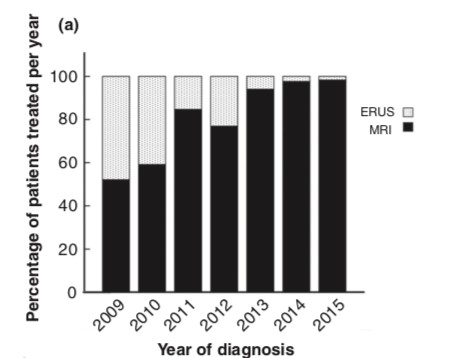
    Rectal cancer comprises approximately one-third of all cases of colorectal cancer—the third leading cause of cancer death in the United States. In the last two decades, the role of imaging has become crucial to patient care. Until recently, staging of rectal cancer patients was mostly done by surgeons using three office procedures: digital rectal exam, endorectal ultrasound (ERUS), and endoscopy. A more recent shift away from ERUS towards pelvic MRI has now positioned MR imaging front and center for staging rectal tumors. We have noted this growing percentage at our own institution, Memorial Sloan Kettering Cancer Center.

    Owing to direct, point-of-contact proximity and the intrinsic high-resolution, ERUS is superior to MRI in staging lower T-category tumors (T1 and T2); however, ERUS is limited by its restricted FOV and the lack of visualization of the radial (circumferential) tumor margin and the proximal margin. As a result, the mesorectal fascia (i.e., the intended circumferential resection margin for an ideally performed standard total mesorectal excision surgery), pelvic sidewall lymph nodes, upper pelvic lymph nodes, and high rectal tumors cannot be reliably imaged with ERUS. Pelvic MRI can overcome these limitations, thus allowing accurate surgical staging by providing critical information needed for successful surgery, as well as for initial treatment planning, which is needed by medical and radiation oncologists.

    If one combines this current shift to pelvic MR imaging with the relative lower incidence of rectal cancer compared with prostate and gynecologic cancers, as reported by Cancer Facts and Figures 2019 (e.g., rectum: 44,180 projected cases; prostate: 174,650 projected cases; 109,000 combined gynecologic projected cases), the relative lack of exposure and inexperience by general and even abdominal-specialized radiologists can be understood. Because of this increased referral pattern to pelvic MRI, and particularly in view of the latest trends indicating a disturbing increased incidence of rectal cancer among persons 54 years and younger, there is a heightened interest and determination among radiologists to become competent in rectal cancer staging. Currently, the complexity of pelvic MRI acquisition and interpretationcombined with the lack of radiologists with relevant expertise, puts some patients at risk for inaccurate diagnosis and suboptimal outcomes.

    This interactive, case-based course at the 2020 ARRS Annual Meeting will highlight pearls and pitfalls in using rectal MR for staging and follow-up evaluation.

    Although locally advanced rectal cancer is common, achieving cure requires complex tri-modality care with major morbidity. Tri-modality therapy consisting of radiation, surgery, and chemotherapy is the standard of care for locally advanced rectal cancer and achieves cure for the majority of patientsThese treatments improve local control and induce tumor downstaging in approximately 50–60% of patients and complete pathological response in 15–38%. Radiation is used to decrease local recurrence rates and increase the potential for rectal sphincter-sparing surgery, but radiation causes significant long-term toxicity, including fecal incontinenceimpotence, and vaginal stenosis. High rates of distant recurrence and poor postoperative chemotherapy adherence have led to increasing use of chemotherapy preoperatively. Recent clinical trials have challenged the tri-modality paradigm—testing whether high cure rates can be achieved with two instead of three modalitiesincluding only chemoradiotherapy and systemic chemotherapy (so-called non-operative management or “watch and wait”) or only systemic chemotherapy and surgery-avoiding radiation. From these varying and significant quality-of-life altering treatment options, it can be seen that the staging of rectal cancer is complex.

    Fortunately, performance of pelvic MRI and knowledge of pelvic anatomy is familiar to many body radiologists from their experience with prostate and gynecologic cancers, so minimal protocol variation is needed to perform good studies. Retraining to look at the intestinal tract presents perhaps a greater challenge but is not insurmountable. Standards for rectal MRI performance are well-described by both American and European societies, and extensive training in the form of hands-on workshops is underway worldwide. Although there are remaining challenges to achieving uniform rectal MRI protocol performance around the world, larger and more specialized centers and practices perform satisfactory studies most of the time. A greater administrative challenge now faces academic and large-volume medical practices: task assignment.

    Who should read rectal MRI? Few centers have the luxury to super-subspecialize, meaning that only a small group of radiologists reads studies according to their interest and expertise. Furthermore, departments vary in their administration of division of labor according to their leadership’s preference, local practice patterns, work volume, and available faculty. A recent survey we performed—which included centers represented by an expert panel of radiologists from the Society of Abdominal Radiology, responsible for publishing topical guidelines— revealed great variation not only in volume, but also in resources and responsibilities of those radiologists charged with officially interpreting rectal MRI (Table 1).

    Table 1.

    Recognizing a need for expertise among radiologists, surgeons, and pathologists for this important cancer subtype, the Committee on Cancer—a quality program of the American College of Surgeons, working with the College of American Pathologists and American College of Radiology (ACR)—has created the first version of their standards, entitled National Accreditation Program for Rectal Cancer (NAPRC). The objective of NAPRC is to establish centers of accredited expertise to promote safe, standard, and excellent quality of care for patients with rectal cancer. The authors are among a group of radiologists who have created the teaching module required of radiologists on the ACR website and who continue to work with surgeons to update requirements to accommodate the varying practice patterns that exist in already recognized centers of medical excellence.

    Similar to staging for other primary cancers, rectal cancer staging by MRI is well-suited to a reporting style called “structured reporting” or even “synoptic reports.” Initially used by surgeons and pathologists to allow searchable fields for data-mining and quality assurance, such report templates should now be used by radiologists to ensure not only standardized communication of important staging features that could otherwise be lost in a long free-text report, but also as a teaching tool and quality indicator for which features are critical to evaluate and report. This is especially useful for practices where a great number of interpreting radiologists are also responsible for everything from pediatric bone age radiographs to whole body MRI studies for myeloma. Rather than trying to memorize what is important for each tumor or type of imaging study, synoptic reports with pre-populated pick lists guarantee a higher-quality report. As for other types of radiologic exams, the incremental benefit of these structured reports is well documented in the literature.

    Pelvic MRI has also begun to be used for restaging rectal cancer after preoperative therapy. This is because several options now exist for further treatment, where previously these were not considered. A good response to chemoradiotherapy will likely result in planned surgery and the need for confirmation of margins and any lymph nodes that may not be in the standard surgical field. An excellent response, particularly for a low tumor requiring removal of the anal sphincter and thus a permanent colostomy, may now prompt a “watch and wait” strategy of prolonged follow-up, anticipating a complete response rate potential of about 25% on average. A poor response, if not noted clinically mid-treatment, can be detected at MRI and can suggest the need for pre- or postoperative intensification of therapy. Restaging MRI is less widely practiced, due to poor overall sensitivity to detection of residual tumor. Fortunately, the ability of MRI to use functional information, such as diffusion weighted imaging, allows increased sensitivity with minimally decreased specificity, according to a widely cited meta-analysis. However, unlike solid organ tumors, the method of quantitating response is very challenging, cannot use established methods such as Response Evaluation Criteria in Solid Tumors and continues to undergo extensive investigation. Metrics and nomograms are desperately needed to standardize the treatment approach on the one hand and allow more personalized treatment—according to individual patient co-morbidities and lifestyle needs—on the other hand. Beyond the scope of this essay, the reader is referred to reviews on the topic of response assessment. Additionally, the importance of standard imaging features on rectal MRI, including T and N categories and the mesorectal fascia, may be shifting as newer imaging markers with emerging prognostic importance are discovered, including extramural venous invasion, tumor deposits (so-called “N1c”), and lateral pelvic side wall lymph nodes. As such, there is an ever-changing, dynamic, and academically demanding body of knowledge that accompanies the field of rectal MRI; much remains to be learned about how to best stage rectal cancer, including the potential to use machine learning to identify response.


    The opinions expressed in InPractice magazine are those of the author(s); they do not necessarily reflect the viewpoint or position of the editors, reviewers, or publisher.

  • Failing Up

    Failing Up

    avatar

    Ruth C. Carlos
    2019-2020 ARRS President

    What does success look like? If your path resembles mine, success represents the tip of the iceberg. Underneath the waterline lie all the failures, big and small. The height of the iceberg indicates not the number of times we fail, rather the number of times we rebound. A few examples of failure:

    5126: The number of prototypes that Jim Dyson required before he arrived at his bagless vacuum. 

    Nine: The number of years that Steve Jobs poured funds into a money-losing endeavor now known as Pixar before he finally convinced the world of CGI’s impressive capability. 

    Five: The number of times that Henry Ford declared bankruptcy prior to founding the company we know today as Ford Motors.

    Each of these examples shares a common path, namely perseverance and resilience to try again. 

    Failure is big business, and it has gone global. The Failure Institute and FailCon, among other settings, help us dissect the anatomy of the above entrepreneurial failures in order to teach others. An array of comparable lessons is centered particularly around Silicon Valley, where the failure rate is considered acceptable at 90% for all ventures. Applying a similar perspective and understanding allows us to contextualize our failed endeavors and to move forward. When we are too close to the failure, we feel anger, disappointment, and shame. But failure gives us proper perspective on success. Failure reframed is an opportunity to learn, practice coping and strategic skills, and build resilience.

    For you Star Trek fans (and I know there are many), the Kobayashi Maru and the need for failure of Starfleet cadets when they are tested is featured prominently in the origin stories of the characters. Any sports competitor knows that failure happens all the time, every day in practice. The key to success rests in developing appropriate responses to each failure.

    As a group, we radiologists are risk-averse, practicing in an environment where errors have the potential for significant consequences. We are not used to the discomfort of failure, the discomfort of judicious risk-taking. When I asked my high school-aged niece what failure is, she replied, “If you haven’t failed, you haven’t done anything.” Every meaningful endeavor starts with taking a risk. Success requires vulnerability to failure, forcing us to take that initial step toward the cliff’s edge and then another measured step off. Not allowing ourselves to fail denies us the opportunity to develop professional and emotional resilience that helps us through other challenges, like burnout.

    In high school students, frustration tolerance predicts GPA, standardized test achievement, and college progress. Grit, another facet of resilience to failure, predicted retention of novice teachers in low-income schools. In other settings, low frustration tolerance has been cited as a primary cause of procrastination, preventing us from constructively addressing unpleasant situations or relationships and unhealthy lifestyles.

    “Not allowing ourselves to fail denies us the opportunity to develop professional and emotional resilience that helps us through other challenges, like burnout.”

    —Ruth C. Carlos

    As a society, we have not been kind to those who have failed. However, excessive punishment for failure stifles innovation and creativity. Instead, we must reward those who fail thoughtfully and move forward.

    Ideal post-failure phases exist. A period of grief and despair occurs, where we are first overcome by the fact that we did not succeed, a state acutely difficult for radiologists who tend toward overachievement. Although experiencing failure may be physically and emotionally traumatic, it does present an occasion for reflection. In the next phase, we transition from the fail event to conceptualize the next iteration of ideas that then lead to forming, identifying, and exploring new options. The final phase institutionalizes the process of overcoming failure into the organizational culture. We must make innovation, failure, and its analysis the path of least resistance. We must make sharing lessons fun, fast, frequent, and forward-looking.

    Like peanut allergies, the process of failing upward benefits from desensitization, serial exposures to build immunity. Those of us in mentoring roles provide risk-taking opportunities that allow failure in a supportive environment when the stakes are more manageable. These are managed learning opportunities to mitigate the fear of taking on bigger and bigger challenges. As organizational leaders, we must acknowledge and judiciously share our failures with our teams, even if the failure is not related to the current work. Doing so makes us more relatable, more trustworthy, and better mentors. It also allows us to expand our horizons, while honing our problem-solving skills. Ultimately, acknowledging our own failures makes us more tolerant of failure in others, allowing us to better support each other.

    It is a privilege to serve an organization like ARRS that is nimble, innovative, and creative. We have achieved much together because we are willing to fail. I leave you with this quote from Samuel Beckett: “All of old. Nothing else ever. Ever tried. Ever failed. No matter. Try again. Fail again. Fail better.” I urge all of you to go out and fail better.


    The opinions expressed in InPractice magazine are those of the author(s); they do not necessarily reflect the viewpoint or position of the editors, reviewers, or publisher.

  • The Basis for Social Media in Radiology

    The Basis for Social Media in Radiology

    avatar

    Daniel Ortiz
    Muscoloskeletal Radiologist, Summit Radiology Services, P.C.

    Social media has been labeled by many as “the great equalizer,” but the truth is that it does so much more than equalize. Prior to social media, both physicians and the public kept their networks local—that is their communities, institutions, and departments—and few opportunities existed to branch out and become known, namely through scholarly work and national organization meetings. Outside of these venues, ideas were left to echo through halls in isolating silos, suppressing opportunities for robust discussion, diversity of thought, and innovation.

    Since the advent of social media, the medical world has slowly broken down long-standing barriers that have separated us from each other. Never before had it been possible for medical students and trainees to have such easy access to meaningful interactions with top radiology leaders from across the country, around the world even. Moreover, frequent social media micro-exposures have served as invaluable icebreakers, making an initial in-person meeting easier for introverts and more enjoyable during high-stake interactions, especially where a hierarchical difference exists.

    As data becomes more plentiful, online users have opted to consume new knowledge in brief, high-yield microbursts. Although there will always be a need for deep and thorough dives into a subject, much of what we need to know can be summed up in small packages. This consolidation has led organizations and journals to accommodate the style of consumption through tools such as infographics that capture the attention of the viewers and provide them with the salient points. This stimulating, digestible format has the potential to increase readership and improve retention. Usually, these tools are paired with links back to the organization’s website or journal for expanded content.

    Each social media platform has unique features, but within the radiology community, Twitter stands out as the preferred media for developing a professional online presence, thanks to their 280-character restriction, unilateral following feature, and browsable format. The image-driven Instagram is another favored medium but does not have Twitter’s same character restriction. Facebook can be used to post similar messages, but it may be more amenable for lengthier, blog-style posts.

    Radiology education (#raded) is particularly amenable to image-rich platforms, and many organizations and academic departments are shifting educational content to social media, particularly Instagram and Twitter. This content is commonly curated using the searchable hashtags #FOAMed (free open access medical education) or #FOAMrad (free open access medical education radiology). Much in the way of traditional, in-person radiology teaching, educators post representative images of radiological findings, employing various methods to interact with viewers. Some encourage viewers to respond to the posting in the reply section with their perceived answer. Others provide a link to a website with a response form, allowing the poster to easily store replies while giving respondents an opportunity to reply anonymously (i.e. #EmoryRadCOTD).

    Several of the nation’s leading radiology educators have been using Twitter and Instagram to broaden their impact on students and colleagues. Started in 2016 by Geraldine McGinty (@DrGMcGinty) and Mini Peiris (@Mini_Peiris), #radxx is an initiative focused on advancing women in various disciplines related to medical imaging, particularly informatics. Michele Retrouvey (@MRetrouvey) has explored the challenges women in radiology face finding other female mentors and how social media could be used to provide a global network of mentors. Meanwhile, some authors are even advocating for social media impact in academic promotion.

    Outside of standard education, implementing a successful Twitter presence has taken on many forms for different cohorts. Super-users like Rich Duszak (@RichDuszak), María Díaz Candamio (@Vilavaite), and Ian Weissman (@DrIanWeissman) curate and share interesting news articles, whereas other creative users have opted to harness the full novelty of the platform. Nicholas Koontz (@nakoontz) gamifies education by responding to cases in the form of a GIF. Others like William Morrison (@morrisonMSK) provide a more artistic side of radiology, pairing medical imaging with similar real-world objects.

    Many radiology organizations are starting to publish periodic cases, such as the ARRS Case of the Week or the Society of Skeletal Radiology’s Annual Meeting Case of the Day Collection under the hashtag #SSRBONE19COD. In 2017, Vivek Kalia (@VivekKaliaMDwrote an in-depth article discussing how radiology meeting organizers and attendees can leverage Twitter to maximize the meeting experience.

    Beyond interacting with other physicians and students, social media provides the opportunity for radiologists to connect with other specialties, patients, and patient advocacy groups. Some of the most active advocacy efforts on social media are breast health (#mammosaveslives#stoptheconfusion#bcsm), colon cancer screening (#virtualCT), and lung cancer (#lcsm). Given the ubiquity of social media in society and the decline in time clinicians can dedicate to patient education, social media stands to be one of the most open and potentially “viral” ways to transmit critical medical information and breakthroughs to the public. A platform for experts to correct misinformation being shared, social media also allows physicians to see the perspectives of patients and advocates (such as Andrea B. Kitts, @findlungcancer) which they may not have been exposed to otherwise. This is particularly true of TweetChats—pre-planned, scheduled, and moderated conversations on a focused topic. TweetChats are open for public discussion and lead to robust, diverse discussions and profound takeaways that can only be incubated in the inclusive environment that social media provides.

    In 2015, McKinley Glover looked at social media use among the largest private radiology groups and academic radiology departments and found that 76% of private groups and 28% of academic departments had at least one social media account. Outside of medicine, businesses understand being visible to potential clients where they spend their time is one of the best ways to increase foot traffic, and Statista estimates that $19.3 billion was spent on social media advertising in 2018. Private and academic practices alike, if they use social media effectively, can increase the number of patients that choose them for their health care needs by advertising the services they provide and giving a “face” to their practice. Through a combination of local news spots and social media, Amy Patel (@amykpatel) saw a large spike in her private practice mammography clinic after implementation.

    The most effective social media strategy requires active participation of the physicians, as well as ancillary staff with training and experience to help administer the account and post on a more frequent basis. In discussions with social media-averse colleagues, two reasons for non-engagement stand out. First is the time commitment to be active. Social media super-users dedicate a lot of time to engagement, but most users take a more moderate, peripheral approach. However, even if someone does not post frequently, just being passively exposed to the content on social media can be rewarding and informative. There is no minimum or maximum for social media engagement. Ultimately, the user decides what type of content is seen on any feed by tailoring who he or she follows. As the user becomes more acquainted with the platform and culture, the bar for jumping into informative discussion gets lowered.

    The second reason radiologists cite for not engaging in social media is the perceived loss of privacy. As one colleague put it, “I don’t want another way for people to get a hold of me.” Again, Twitter has customizable features that allow the user to prevent unsolicited tags, tweets, and direct messages. As with any form of networking, there is an initial uneasiness meeting new people, but social media can help minimize that feeling. There are benefits to branching out, of course. A mentor once told me: “You don’t have a network if you only interact with people from your institution.”

    A hesitant and relatively late adopter (April 2016), I have since found social media—particularly Twitter—to be a beneficial tool for my professional development. I often learn about advancements in radiology through social media well before more traditional media outlets and communication channels. Furthermore, I have seen medical students and residents connect via social media with mentors from other institutions, and then continue their training under those mentors later in their career. As our community becomes more interconnected via social media, for both networking and education, I believe we will approach a tipping point where a professional social media presence and “brand” will become more expected of individual physicians and practices.

    If you are interested in exploring a Twitter presence, I encourage you to read Rich Duszak’s basic primer on the subject on the Journal of the American College of Radiology’s blog. I hope to see you soon on the #Twittersphere!


    The opinions expressed in InPractice magazine are those of the author(s); they do not necessarily reflect the viewpoint or position of the editors, reviewers, or publisher.

  • AI in Cardiopulmonary Imaging: A Review of Deep Learning Developments

    AI in Cardiopulmonary Imaging: A Review of Deep Learning Developments

    avatar

    Patrick M. Colletti
    Professor of Radiology, University of Southern California; Section Editor for Cardiopulmonary Imaging, AJR

    The partnership between radiology and artificial intelligence (AI) has been developing for some time. The availability of increasingly powerful deep learning algorithms and computer hardware, along with accessible databases, is driving this partnership. Potential applications for organ-specific imaging analyses are increasing daily. Thus, it is not surprising to see AI and deep learning applied to cardiopulmonary imaging.

    Pulmonary AI applications include the identity and characterizations of pulmonary nodules, characterization of lung malignancies, identification of possible pneumonia, and the detection and quantification of obstructive lung disease and emphysema.

    It is highly likely that future radiologists will benefit from the automatic detection, measurement, characterization, comparison, and recording of pulmonary nodules on chest CT scans. Presumably with the help of deep learning, computer-assisted nodule detection programs will reach acceptable reliability levels. The addition of automatic texture analysis might enhance Fleischner Society guidelines for more effective radiology reports with specific clinical follow-up recommendations.

    Although considerable effort has been placed on radiomic analysis of pulmonary malignancies for potential tissue genotype prediction, findings of image-based statistical correlation with specific tumor genes are unlikely to compete with biopsy-confirmed results. It will be interesting to see if a clinical role develops from the radiomic analysis of lung cancers.

    Can AI methods be used for detecting pulmonary opacities likely to represent pneumonia? This was the basis for the Radiological Society of North America’s (RSNA) Pneumonia Detection Challenge, where more than 1400 teams from around the world participated. With 346 teams submitting results during the evaluation phase, the finalists interrogated a training set of 25,684 radiographs and a test set of 1000 radiographs, where 5659 of the training set images were reported to have pneumonia by a panel of nonthoracic radiologists. The goal was to place bounding boxes around appropriate pulmonary opacities as accurately as possible. Successful competitors created training models and selected methods for optimal performance with a sensitivity approaching 90%.

    The advancements demonstrated at RSNA’s Pneumonia Detection Challenge revealed that we are on the path to automatic detection of suspicious pulmonary opacities. One potential clinical role for such an advancement will be in prescreening and prioritizing chest radiographs. This would allow for earlier communication of possible pneumonia to appropriate practitioners and patients with a report that includes annotated imaging.

    It is remarkable that ordinary chest CT images may be analyzed for air trapping by locating and summing appropriate voxels with attenuations of less than –940 HU. Apparently, this could be performed automatically and now more efficiently with deep learning methods that might be able to locate and quantitate findings of emphysema directly to the CT report.

    The best example of a clinically useful application of AI in cardiac imaging is the success of Tao and colleagues in developing a deep learning–based approach to the automatic ROI selection and analysis of left ventricular volumes and ejection fraction, as measured from routine cardiac MRI [5]. Though it is fairly easy to manually perform this task, typically 10 minutes of operator time is required to outline all of the appropriate ROIs. Tao’s deep learning–trained system reliably performs this task automatically in a fraction of a second. This robust cardiac MR quantitation program is now available for workstation application for use with any MR system.

    CT-based fractional flow reserve (FFR) uses computational fluid dynamics to quantify coronary artery stenosis. Physics-based models can noninvasively estimate FFR from patient-specific CT attenuation values. CT FFR analysis is a complex iterative process with high computational demand. CT FFR processing is particularly slow when performed on many existing radiology workstations. Computation time using deep learning–prepared programs solve CT FFR computation flow analysis in 20% of the time required by standard computational systems. Thus, with a deep learning–trained computer system, CT FFR calculations can be available in a fraction of the time required by current software analysis using typical workstations. It is predictable that the combination of faster computer systems coupled with deep learning–trained software will allow for all patients undergoing coronary CT angiography to benefit from efficient FFR processing and automatic incorporation of results into the radiology report.

    As the partnership between radiology and AI continues to advance daily, both the patient and the radiologist stand to benefit. The integration of AI and deep learning into practice will lead to more efficient, effective, and valuable quantitative cardiopulmonary radiology reporting.


    The opinions expressed in InPractice magazine are those of the author(s); they do not necessarily reflect the viewpoint or position of the editors, reviewers, or publisher.

  • AI in Women’s Imaging: Hidden Truth and Big Reveals

    AI in Women’s Imaging: Hidden Truth and Big Reveals

    avatar

    Marcia C. Javitt
    Chair of Radiology, Rambam Healthcare Campus; Section Editor for Women’s Imaging, AJR

    Artificial intelligence (AI) algorithms are under development to interpret datasets to perform tasks for which a computer receives rules or patterns for search. Machine learning is a part of AI in which computer algorithms and statistical models perform a specific task using patterns and training data such that performance improves as more and more actual data are presented. Deep learning is a subset of machine learning in which multilayered processing is performed, such as with convolutional neural networks, to directly interpret unstructured or unlabeled data without supervision.

    Breast imaging is likely to be the most successful imaging subspecialty to adopt the principles and practice of augmented intelligence or AI. The infrastructure is already in place. The Mammography Quality Standards Act (MQSA), which outlines performance metrics, was mandated in 1994 and has been updated since then. Risk stratification for mammography based on pattern recognition is standardized with a structured approach using BI-RADS for breast imaging. Breast imaging is digital and in PACS, which makes for streamlined feature analysis and data extraction. Computer-aided detection has been relatively widely used since its approval by the U.S. Food and Drug Administration in 1998. There are training data sets and tumor registries available for training and validation of proposed AI algorithms.

    Because the deluge of data in medical imaging is ever growing, even the most capable imaging specialists are reaching human limits for data extraction. We desperately need help with prolific requirements for data extraction, analysis, and pattern recognition. AI has the potential to become a physician extender by automating some of this work by finding previously hidden but important information. It can enhance and improve our performance, thereby enabling us to better serve our patients.

    In addition to assistance with faster image interpretation, AI has the potential to speed up workflow in breast and medical imaging while improving cancer detection at screening. Use of computer-aided diagnosis should reduce the number of missed breast cancers, which has been estimated at 20% and higher from interval and screen-detected cancers in retrospect.

    “Breast imaging is likely to be the most successful imaging subspecialty to adopt the principles and practice of augmented intelligence or AI.”

    —Marcia C. Javitt

    One interesting question relevant to breast imaging is whether or not machine learning can add value to breast cancer risk assessment. Machine learning applied to genetic profiles holds promise for generating more accurate risk profiles using information gleaned from single nucleotide polymorphisms. Imaging biomarkers may likewise be incorporated into risk profile. For example, increased breast density, a known risk factor for the development of breast cancer, can be categorized using texture analysis to improve risk stratification. There are already commercial products in use to perform automated mammographic breast density assessment.

    When compared with human readers, automated breast density assessment has been found to have less interobserver variability but similar accuracy. Increased breast density is not only a known risk factor for the development of breast cancer but also can mask cancers that are hidden in dense tissue.

    As pointed out by participant Toula Destounis in a recent AJR webinar titled “The Value Proposition for Artificial Intelligence in Women’s Imaging,” the American College of Radiology started its Data Science Institute to develop algorithms in AI that can assist with lesion detection, characterization, and treatment selection. The Institute will also examine the safety, efficacy, and clinical applicability of such algorithms.

    Witness the fact that on March 27, 2019, the U.S. Food and Drug Administration issued a new amendment to the MQSA for breast cancer screening. The changes will require that patients receive a lay letter with information about their breast density and the appurtenant risks. In addition, breast imaging reports to referring providers will also communicate more information about patients’ risks of increased density and breast cancer when appropriate. Improved communication should improve the patient’s and her health care provider’s preparedness to make appropriate management decisions, such as supplemental screening with other modalities for women with increased breast density on screening mammography. In 2019, 37 states have laws requiring that patients receive information about mammographic breast density generally, with fewer requiring that patients receive their own personal breast density information.

    Further to this discussion, some of the most exciting research being done is in radiomics of breast cancer. In this era of radiomics, clinical decision-making will be based on harmonizing clinical and imaging biomarkers to achieve personalized patient care. A multiparametric approach is evolving in which lesion detection, tissue characterization, risk stratification using molecular subtypes, treatment choices, prognosis, response to therapy, and prediction of recurrence risk are dependent on integration of clinical and imaging biomarkers. Clinical, histologic, and genomic information about a patient are married to feature extraction, segmentation, and intelligent data management to offer new insights. Precision medicine is becoming a realistic future prospect and will benefit from implementation of AI algorithms. The intelligent use of radiomics should also enable cost minimization and reduced overdiagnosis and overtreatment from screening.

    As we move from screening based on the calendar to personalized care, can we achieve risk-based breast cancer screening based on modeling? The published literature is unclear so far, largely because the models are complex, varied, and without standardization. As pointed out by participant Linda Moy in the AJR webinar mentioned earlier, the Breast Cancer Surveillance Consortium case control study found that the addition of breast density to risk models helps to identify women with high risk.

    However, another study of more than 15,000 patients suggested that more variables are needed to perform better risk assessment. Although AI-driven, risk-based screening will require further development before it can be implemented without harm, we welcome the opportunity to use such tools to increase accuracy, improve breast cancer detection, and relieve the exhaustion associated with cognitively demanding and ever-increasing workloads in the clinical practice of breast imaging today.


    The opinions expressed in InPractice magazine are those of the author(s); they do not necessarily reflect the viewpoint or position of the editors, reviewers, or publisher.