Author: Logan Young

  • Pass or Fail? How a USMLE Update Could Change Radiology Residency

    Pass or Fail? How a USMLE Update Could Change Radiology Residency

    Rebecca V. Zhang

    Incoming Radiology Resident (July 2022)
    Hospital of the University of Pennsylvania
    Philadelphia, Pennsylvania

    By the time you read this, results from the United States Medical Licensing Examination (USMLE) Step 1 exam will have changed from a numeric score to pass or fail. As students, medical schools, and residency programs anticipate this upcoming change, many are left wondering if and how this update will affect applicant selection for radiology residencies. Our study used an anonymous and voluntary 14-question online survey to assess program directors’ views on the scoring change of Step 1 from numeric to pass or fail, while assessing if other metrics, such as Step 2 Clinical Knowledge (CK) scores, may become more important during application review. Eighty-eight of 308 (29%) members of the Association of Program Directors in Radiology (APDR) completed the survey.

    Our study found that more than two-thirds of survey respondents indicated their programs currently use a Step 1 screen before sending interview invitations. Specific to radiology, previous studies have demonstrated a correlation between Step 1 performance and both the number of interpretive errors made as a radiology resident and future success on the American Board of Radiology Core Exam. Our study also found that more than 90% of survey respondents anticipate their programs may or definitively will require Step 2 CK scores before application review, once Step 1 becomes pass or fail; in contrast, many radiology programs presently do not require Step 2 CK scores before reviewing applications. In addition, our study found that regardless of the current use of a Step 1 screen, survey respondents did not significantly differ in their anticipation of requiring Step 2 CK scores (p=0.71) or extending later interviews to accommodate Step 2 CK scores (p=0.64). This finding may reflect hesitancy from programs to place significant weight on Step 2 CK before more research is done. There may be increased utility of using Step 2 CK scores over Step 1 scores as a marker of clinical knowledge, as the material covered in Step 2 CK has greater clinical relevance than that of Step 1. Through faculty, peer, and patient-level evaluations, previous studies from internal medicine have shown that Step 2 CK scores correlate better to clinical performance both during and after residency than Step 1 scores. It could be informative to examine whether this correlation exists with Step 2 CK scores and performance in radiology residency, as more residency applicants may include Step 2 CK scores with their initial application in upcoming years.

    Although making Step 1 pass or fail may help mitigate the significant distress surrounding the examination, there are valid concerns that the stress surrounding Step 1 will simply be transferred to Step 2 CK, when Step 2 CK becomes the only remaining standardized metric among applications. In an ideal world, all applications would receive a thorough and holistic review with consideration of both qualitative and quantitative characteristics. However, many selection committees do not have enough resources to do so, given the growing number of applications each program receives for the same number of residency spots. Some specialties have implemented preference signaling and supplemental applications to highlight an applicant’s top programs of interest and specific program characteristics (location, patient population, research, etc.) a particular applicant is seeking. Some studies have suggested more drastic measures, such as application caps, to reduce the usage of standardized test scores as a filter during application review and allow for more holistic application reviews. While changing Step 1 to pass or fail does not resolve all the challenges associated with the residency selection process, it does pave the way for additional meaningful changes to the system in the future.

  • Acute Ischemic Stroke: Treatment and Imaging Updates

    Acute Ischemic Stroke: Treatment and Imaging Updates

    Published January 4, 2022

    avatar

    Jeremy J. Heit

    Assistant Professor Departments of Radiology and Neurosurgery
    Center for Academic Medicine Stanford University

    Acute ischemic stroke (AIS) results from occlusion of a cervical or cerebral artery, and it is the leading cause of disability in the US. The most severe forms of AIS result from thrombo- or thromboembolic occlusion of the internal carotid artery or proximal (M1 segment) of the middle cerebral artery, and these occlusions are termed large vessel occlusions (LVOs). LVOs are amenable to thrombectomy, which is a minimally invasive endovascular surgery that removes the thrombus from the affected artery (Fig. 1).

    Thrombectomy treatment of AIS due to LVO has exploded, following the publication of multiple randomized trials that demonstrated superior outcomes with thrombectomy treatment in patients presenting in both early (0–6 hours from last known well) and late (6–24 hours from last known well) time windows. These studies not only found thrombectomy to be superior to medical treatment, but they also fundamentally changed the evaluation and treatment triage of AIS-LVO patients.

    Previously, the best medical therapy for AIS was intravenous thrombolysis with tissue plasminogen activator (tPA), but tPA treatment was limited to patients who present within 3–4.5 hours from symptom onset. The time-sensitive nature of tPA treatment was a significant barrier, and it limited the number of patients eligible for treatment. The success of the thrombectomy trials has shattered the stopwatch that governs tPA treatment in LVO patients, and we have now entered an era in which imaging guides stroke treatment, rather than the time from symptom onset.

    The imaging evaluation of AIS patients has moved beyond the non-contrast head CT (NCCT) that has guided intravenous thrombolysis treatment decisions since 1995. Thrombectomy has the greatest impact when it is performed in a patient with minimal ischemic brain injury and an LVO, and these patients are identified at a minimum with an NCCT and a CT angiogram (CTA). Most of the index randomized thrombectomy trials also used CT perfusion (CTP) to characterize brain tissue that was likely permanently injured (the ischemic core) and the presence of underperfused, but salvageable, brain tissue (the penumbra). Due to the success of these trials, there has been a marked increase in CTP utilization for the evaluation of AIS patients with LVO. The increased use of CTA and CTP is making a meaningful impact on stroke treatment, but this usage has the potential to significantly strain radiology practice resources, given that AIS LVO patients should be screened for thrombectomy candidacy up to 24 hours after they were last known to be well.

    The need for timely evaluation of AIS patients and the increased utilization of CTA and CTP is being aided by the integration of automated image processing and artificial intelligence (AI) techniques that identify thrombectomy treatment candidates. The emergence and implementation of these disruptive software platforms has integrated into clinical practice at a pace seldom seen in medicine, demonstrating the potential value of AI to the practice of radiology.

    The success of thrombectomy and the increased use of CTA and advanced brain imaging, such as CTP, requires that radiologists are well aware of AIS patient evaluation and treatment workflows. Apropos, A RRS is offering an exciting and timely Sunday Featured Session with leading stroke experts during the 2022 Annual Meeting in New Orleans, LA. Join us for “Code Stroke: What Every Radiologist Should Know Early.”

  • Finding Our Proverbial Sunrooms

    Finding Our Proverbial Sunrooms

    Published on December 21, 2021

    avatar

    Jonathan Kruskal

    2021–2022 ARRS President

    Feeling stuck, joyless, or “meh?” You, like many others, might be languishing. In fact, it might be the dominant emotion of 2021.

    Sociologist Corey Keyes describes mental health as a continuum: ranging from flourishing, that state of wellbeing we all seek to achieve, to languishing, the absence of wellbeing, and a lower state of mental health. Languishing is distinct from depression, yet individuals who are languishing are at a higher risk of future mental illness (such as depression and anxiety disorders), as shown by Keyes et al..

    Simply put, languishing is a series of emotions, rather than a mental illness. Adam Grant, writing in the New York Times, refers to languishing as “the neglected middle child of mental health” and “the void between depression and flourishing.” Given the negative impacts on productivity, morale, innovation, team building, retention, and engagement, nonprofit organizations and corporations alike must take this widespread state seriously.

    The pandemic has impacted almost every structural framework of our lives, such as socializing, working, vacationing, traveling, and exercising—and, in turn, compromised our sources of joy. With no clear path as to when and how our “future state” will present itself, we continue to exist in an ongoing and indefinite interim state. As uncertainties persist and routines remain in flux, many people are being shuffled into a state of languishing.

    You Might Be Languishing if You Are:

    • overwhelmed or emotionally numb
    • distracted and unfocused
    • depleted, empty, and/or disinterested
    • unmotivated or procrastinating
    • not functioning at your full capacity
    • unable to feel excited about upcoming events
    • cynical about your colleagues and leaders

    How Can We Shift From Languishing to Flourishing?

    Below, I share a compilation of suggestions from the experiences of many. If the symptoms of languishing seem familiar to you, perhaps one or more of these strategies might help. If even one person finds solace in these ideas, it would bring me joy.

    • Prioritize your health: Do your best to eat healthily, drink plenty of water, sleep well, and incorporate movement into your life. Schedule and keep your annual health appointments. Consider alternative medicine modalities, such as acupuncture and chiropractic medicine. Find moments to sit in silence and simply breathe. Use your personal time and plan vacations, including memorable “staycations.” Disconnect from work and social media during your time off. Set boundaries and learn how to respectfully say “no,” when needed. Take your first small step toward doing something you’ve always wanted to do for your health today.
    • Protect your time: Manage your time intentionally and purposefully. Detach, disconnect, and learn how to engage your personal reset button. You might try scheduling uninterrupted time for yourself to recharge your batteries, even if this means “doing nothing.” Limit social media scrolling and email checking. Consider recapturing your prepandemic experiences; for example, create a virtual “commute” that includes a home spin class, podcast episodes, reading, music, or another element that helps you transition from the waking to working hours.
    • Make positive connections: Reengage or recreate your personal and professional network. Recall who once might have lifted you up. Walk and chat, gather and eat, find and embrace, and explore commonalities with positive people. When possible, spend less time with those who drain your energy and spirits. Seek a peer support buddy with whom you can share your experiences and feelings. Look for authentic and uplifting connections to replenish yourself emotionally.
    • Reflect on the current situation: Acknowledge the loss and anxiety and frustrations and grief. What have you lost? What have others lost? What has everybody lost? Recognize that you’re not alone here.
    • And then, practice gratitude: Recognize what you do have, rather than focusing on what you don’t. Appreciate what is working, rather than focusing on what isn’t. Try keeping a daily gratitude journal or using a meditation app, like Calm or Headspace, for guided gratitude practices.
    • Find flow and motivation: What’s on your music playlist, and when did you last update the content? Step out of your comfort zone by trying a new recipe, exercise, podcast, app, or online class. Get better at something, whether it’s dance, yoga, art, reading, writing, meditation, music, composting, or gardening. Explore mindful crafting, photography, collecting, and other hobbies. Reconnect with and walk barefoot in nature for additional grounding.
    • Celebrate small successes: Rethink what constitutes success, however small. It may be someone else’s success or happiness that you contributed to. When overwhelmed, rethink your goal-setting strategy. Set simpler goals that are achievable, and enjoy the successes that you are contributing to. It’s OK to start small. Perhaps also schedule achievable self-care activities each day.
    • Rethink your possessions: What would you like to keep or surround yourself with? These items might include things that bring you joy, inspiration, hope, confidence, or calm. Consider decluttering a room or maybe even your entire living space over a period of time. According to a recent Psychology Today article, decluttering can be very beneficial.
    • Change your scenery: Breaking from a stagnant routine is challenging. I encourage all of us to find ways to get out of our emotional basement and head up to our proverbial sunroom. Take a stroll through your memory banks to recall what may have once ignited your passions. Learn the art of introspection—what does your perfect day look like?—and consciously do something new or different to refresh your spirits. Check out your local museum, gallery, or library with a friend. Sign up for an online class or enjoy a virtual comedy show. You never know what you may discover.
    • Find joy in giving: When did you last wrap a small gift? Who can you help today? What causes would you like to reengage with? Have you discussed and explored different options with your friends and family? Try to get back to your talents and gifts. Learn to be a peer supporter. Research volunteer opportunities in your community. Contemplate your purpose and remember what truly drives you. Helping others can bring a tremendous sense of inner fulfillment.
    • Activate your personal coping strategies: For some, the average workday may seem filled with one stressful encounter after another. Meetings may not go as planned. Your workflow may be interrupted. The dominant sentiment might be that this is just another tough day. Is it possible that you are being too hard on yourself and in your judgments? For example, while you may feel that a meeting, interaction, or event didn’t quite go as planned, perhaps that is from your perspective. Maybe others had a different perspective and felt more positive about the encounter. Activate your personal coping strategies to decompress, relax, boost your energy, stay focused, gain perspective, and reflect on the bigger picture.
    • Explore therapy. It’s a strength to recognize when we need professional help. According to a recent Value Penguin survey of more than 1,300 US adults, “nearly 30% of Americans have seen a therapist during the coronavirus pandemic, and 86% say it’s helped them cope.” Psychiatrists, psychologists, social workers, therapists, and other licensed practitioners are trained to help patients construct a personal repertoire of coping strategies. There are many forms of therapy to consider, including psychodynamic, cognitive behavioral, dialectical behavioral, mindfulness-based, and art. One or more of these modalities could help you address and manage stressful life events.

    The journey from languishing to flourishing is of indeterminate length, and some of the “travel aids” listed above may be more effective than others. What we need is a means of sharing best practices—what worked well and what didn’t—multigenerational preferences and impacts, as well as other solutions that have been identified along the path. I can only wish each of you who may be experiencing a state of languishing a very safe, healthy, memorable, and rewarding trip back!

  • COVID-19 in Colombia: A New Trigger for Health Care Disparities

    COVID-19 in Colombia: A New Trigger for Health Care Disparities

    Published on October 28, 2020

    avatar

    Paula Andrea Forero

    Radiology Research Assistant
    Fundación Santa Fe de Bogotá

    avatar

    Ángela Moreno

    Radiologist, Department of Cardiothoracic Imaging
    Fundación Santa Fe de Bogotá

    avatar

    Bibiana Pinzón

    Radiologist, Department of Cardiothoracic Imaging
    Fundación Santa Fe de Bogotá

    In March 2020, Colombia first faced what would become the cause of a new kind of chaos in this country: the coronavirus disease (COVID-19) pandemic. Nobody knew for sure what it was about, but one certainty was that we had to be prepared for the fight. However, it wasn’t as simple as it sounded, especially in a country were the health care system teeters every day on that fine line between sustainability and collapse.

    In an undeveloped region, Colombia experiences barriers to health constantly. Despite having a policy that, ideally, aims to guarantee access and equity, the reality reveals the opposite. In this case, the COVID-19 outbreak tipped the balance further in favor of disparity: across the country, hospital infrastructure and capacities were not sufficient. Medicines—sedatives, anesthetics agents, even oxygen—and supplies, such as ventilators, were also in short supply. In addition, the availability of personal protective equipment (PPE) varied according to the prestige of the institutions; therefore, it was not uncommon to see health care workers in rural areas exposed to the virus without any protective measures. Not to mention that social indiscipline contributed to poor epidemiological control. With the arrival of the COVID-19 vaccine, things didn’t change much. Compared to countries on continents like North America and Europe, Colombia in northern South America has a very low rate of vaccination. Only 16.5% of Colombians are vaccinated. Vaccine prioritization is determined by the government, depending upon age and the availability of boosters, which are scare at times. 

    As our lives changed, so did our work in medicine. Undoubtedly, medical imaging and diagnostic radiologists became even more important resources in this battle. The demand for our specialty increased enormously, bringing new challenges to overcome. Radiologists had to learn a new language—the language of COVID-19—which included new imaging classifications, findings, and approaches (Fig. 1).

    The radiological diagnosis of a new, lethal entity was in our hands. Regarding personnel, technicians, nurses, and radiologists remain on the front lines, due to their contact with ill or potentially infected patients; and as for statistics, the number of chest radiographs and CT scans increased exponentially throughout this period. They are still our most requested studies.

    However, these numbers have been very fluctuant. At the beginning of the pandemic, in March and April of 2020, when both quarantine and curfew were established, the number of imaging studies related to COVID-19 at our institution in Bogotá were 77 and 160, respectively. Come August, our total COVID-19-related images numbered 1,617, coinciding with the country’s epidemiological peak. This year, January, May, and June have been the months with the most imaging evaluations made (1,953, 2,823, and 3,124, respectively), surpassing what we interpreted in many months of 2020. These data show that as the virus evolved and infection control and prevention became more lax, Colombians forgot about self-care and contagion increased significantly, producing an evident strain on medical staff and the entire health care system.

    This situation is not over yet. Although many advances have been made, there is still a lot of uncertainty—still a long way to go. Hopefully, better days are coming for Colombia and for all of us. COVID-19, beyond doubt, represents a lesson to countries around the world in reassuring the public health care system as a fundamental pillar of society.

  • The First Victim of Errors in Heath Care: Looking Beyond Physical Harm

    The First Victim of Errors in Heath Care: Looking Beyond Physical Harm

    Published October 22, 2021

    avatar

    Bettina Siewert

    Vice Chair for Quality and Safety
    Beth Israel Deaconess Medical Center

    2013 ARRS Leonard Berlin Scholar in Medical Professionalism

    In my colleague Jonathan Kruskal’s article, we learned about health care professionals as “second” victims of medical errors and how we can support them. Here, we will focus on the “first” victim, or the patient who has experienced such an error. Historically, quality efforts in health care have focused on the reduction of errors causing physical harm to patients. Only recently has the scope widened to include non-physical or emotional harm.

    Patients are known to frequently experience emotional harm when interacting with the health care system through violations to their dignity. Emotional harm from disrespect to a patient’s dignity can, in turn, lead to a loss of trust. Patients may therefore cease to fully engage with health care providers. This interferes with future care and with our efforts to fully integrate patients as members of the health care team.

    As informed team members who are actively involved in their care, patients are known to make critical contributions to their safety and play a vital role in team success. Like clinical staff, patients will only feel comfortable to participate, ask questions, and speak up about concerns in a psychologically safe environment based on a culture of respect and trust. The need to address emotional harm in patients is therefore twofold: to avoid non-physical harm to patients and to avoid its consequences, including a loss of trust, so that patients continue to be fully engaged in their care.

    How Common Is Emotional Harm? 

    Evidence in the literature raises the concern that patients may suffer emotional harm more frequently than physical harm and that its incidence is currently underreported. Underreporting may be due to clinical staffs’ lack of awareness about the concept of non-physical or emotional harm and its reportability. A study from 2004, for example, details how a group of providers aimed to develop patient-centered typologies of medical errors. During this work, providers discovered that 70% of patient-reported harmful events in the primary care setting related to emotional harm. If this estimate is correct and non-physical harm events were reported in the future, this would more than double the number of departmental quality assurance-related incident reports.

    What Are the Causes of Emotional Harm?

    Emotional harm is mainly caused by failing to be patient-centered, which can include disregarding patients’ expressed wishes, delaying care, and communicating ineffectively, either due to insufficient interpreter resources for non-English-speaking patients or other factors. The Joint Commission views patient-centered care as an important element of safe, quality care. Patient-centered care encourages “the active collaboration and shared decision-making between patients, families, and providers to design and manage a customized and comprehensive care plan.” Patients and their care suffer when previously made decisions are not honored. A delay in care (such as postponing a non-urgent interventional radiology procedure for an emergency add-on case) is understandable to clinical staff, and to some degree, to most patients. However, repeated cancellations or rescheduled procedures will make patients feel insignificant and that they are not receiving the care they need in a timely fashion. Ineffective or infrequent communication with the patient, such as not updating them on changes in diagnostic or treatment plans, or NPO status, causes additional harm.

    Other drivers of emotional harm include disrespectful communication/treatment, minimizing patients’ concerns, violating patients’ privacy, failing to care for personal possessions, and prejudice or discrimination. Disrespectful communication among staff is a frequent occurrence in health care. A recent survey by the Institute for Safe Medication Practices showed that disrespectful behaviors were observed by 70% of staff multiple times a year. Patients are exposed to this behavior indirectly when observing staff or can be an active participant in a disrespectful encounter.

    What Are the Manifestations of Emotional Harm?

    Emotional harm can be conceptualized as harm to a patient’s ‘dignity,’ which can be caused by failing to demonstrate adequate ‘respect’ for the patient as a person (dignity being defined as the intrinsic, unconditional value of an individual, and respect being defined as the actions that honor and acknowledge dignity). Patients can experience insults to their dignity as frustration, anger, belittlement, sadness, disrespect, violation, anxiety, worry, and a loss of trust in the clinician and the patient-provider relationship. The severity of emotional harm can range from mild to severe. Severe cases represent up to a quarter of total cases and may require patients to undergo therapy to deal with the trauma from the event.

    What Is the Impact of Emotional Harm on Patients?

    Emotional harm impacts patients on multiple levels. The effect of emotional harm on the individual patient can be serious; sometimes, it’s described as worse than physical injury. Emotional harm can lead to a loss of trust in health care providers, and patients may choose to transfer their care to another institution. Alternatively, it may lead to a loss of trust in health care in general, with the patient foregoing needed health care in the future. In a 2018 survey by the Betsy Lehman Center for Patient Safety, 66% of patients reported losing trust in the health care system after a medical error. Patients reported foregoing future care, with 34–67% avoiding the physician, facility, or health care overall, even six years after the event. This can lead to delays in diagnoses and treatments and result in adverse patient outcomes.

    Emotional harm, whether of a patient or team member, comes at a great cost to health care teams. In staff members, disrespectful treatment has been shown to lead to a decrease in the ability to function, affecting procedural performance, as well as diagnostic abilities. Teamwork is also influenced by disrespected individuals being less willing to utilize team functions, such as information sharing and help-seeking. The latter also applies to patients being treated disrespectfully. Patients may be unwilling to share important health information with the team or voice observations that could lead to the prevention of medical errors.    

    How Can We Prevent Emotional Harm?

    To prevent emotional harm in health care and to harvest the full potential of patients as team members, several improvement efforts are needed. Patient and staff education about the nature and importance of emotional harm must be mandatory to encourage the reporting of these events, so that effective countermeasures can be introduced and tested for efficacy.

    Staff communication training and individual feedback are also important countermeasures. Staff communication training needs to focus on active listening, or making the patient feel heard, by rephrasing/summarizing the patient’s statements and reflecting them to the patient to ensure an accurate understanding. Additional measures include explicitly asking for and following the patient’s stated preferences or explaining when and why this is not possible and offering alternatives. Closed-loop communication is vital to keep the patient updated on developments in their care and continuously engaged in shared decision-making, should new information become available.

    Lastly, individual feedback to staff who were involved in an emotionally harmful event will be key and likely successful in preventing future instances. Towbin et al., in an effort to improve disrespectful communication, were able to demonstrate an increase in positive interactions from 48% to 90% after providing feedback to staff. Feedback was shared with individuals about the events they were involved with and anonymized among the group to maximize learning.

    In conclusion, by increasing awareness of emotional harm as a frequently occurring, preventable medical error, and providing staff with communication training and individual feedback, this newly recognized concept will hopefully soon be eliminated.

  • When Errors Occur: Recognizing and Supporting the Second Victim in Health Care

    When Errors Occur: Recognizing and Supporting the Second Victim in Health Care

    Published October 25, 2021

    avatar

    Jonathan Kruskal

    2021–2022 ARRS President

    “My section chief called and asked me to review an oncology staging CT scan that I had read last year. It didn’t take me long to recognize that I had missed an enhancing lesion in the pancreatic head that since metastasized all over the peritoneal cavity and into the lungs. How could I have possibly missed the original mass? Did I read this case carefully? What should I do now? Should I call and talk with the referring provider? She’ll lose all confidence in my clinical skills. Should I contact the patient? What will my radiology colleagues and trainees think of me? What about my family? What about the patient’s family? Should I apologize? Do I call risk management? Will I be sued? Will the local newspapers write about this? I feel absolutely awful. What can I possibly do to help now? Is this the end of my career as a radiologist?”

    This scenario is not uncommon—a medical provider, such as a radiologist, can make an unintended error that becomes very consequential for the patient. Chances are, that radiologist won’t have the tools to manage the situation or know who to ask for help, which can lead them down a lonely, emotional, and difficult path. Even seemingly small errors can have a butterfly effect, magnifying and negatively impacting the patient and their loved ones at a later date, as well as the provider, their institution, and their future patients.

    While we must always focus on providing the safest, most effective care to each patient, in this issue of InPractice, I want to stand up for our many so-called “second victims” [1], who were without guidance or resources when they needed them most. As we continue our theme of building and sustaining high-performing teams, there may be times when medical professionals fall victim to the many consequences of an adverse event and experience second-victim syndrome.

    The term “victim” is in no way intended to protect, minimize, or excuse the event; rather, it aims to highlight that, in addition to supporting the patient and their loved ones, we need to provide and activate additional resources for our own team after an adverse event. This speaks to a desirable culture of support and learning, rather than one of blame and punishment.

    What and Who Is a Second Victim?

    The second victim is the health care professional who commits an unintentional error or is involved in a serious adverse event and is traumatized by the event. Let’s think beyond a radiologist who accidentally left a guidewire in during a minimally invasive procedure. Consider the technologist after a patient suffers a serious adverse contrast reaction. Or the nurse when a patient becomes aggressive, or the sonographer who has detected a fetal demise. Consider the resident who participated in a study interpretation with a missed finding that becomes untreatable. An individual or team in our profession, no matter their professional level, can be susceptible to this concept.

    What Are Some of the Manifestations of Being a Second Victim?

    The immediate impact can parallel an acute stress disorder or a preexisting psychological condition and may require urgent care. The impact may last weeks to months, or even longer, and include symptoms of post-traumatic stress disorder. The clinical and emotional manifestations—such as feelings of inadequacy, shame, guilt, anxiety, grief, and clinical depression—can be broad, varied, and extremely serious. Additionally, an individual’s physical health, sleep, work performance, and relationships can suffer greatly during this period. For health care workers, clinical confidence may be affected, as well as self-esteem and cognitive function, thus interfering with their ability to provide safe care to other patients.

    Why Is This Phenomenon Increasingly Recognizable?

    It is now widely acknowledged that health care workers can be significantly impacted by adverse patient events. The rate of adverse outcomes, errors, or complications is not actually increasing, though; our willingness to report and speak up safely about errors is. This, coupled with greater regulatory oversight (such as auditing for compliance with national patient safety goals), creates a natural and rather awkward tension between the desire to collectively learn and improve from errors, and the desire to protect individuals and teams and avoid the medical, legal, and institutional consequences of an adverse event. Growing peer learning practices, along with the expansion of disclose, apology, and offer programs, are likely contributing to this tension, too.

    How Can We Support Second Victims?

    The focus on stress, burnout, and wellness may have contributed to the growing awareness of second victims. This is a chicken and egg phenomenon—somebody who experiences stress or burnout in the workplace is more likely to make an error. When errors occur, these contribute to stress and perhaps even to burnout. In both circumstances, recognizing that a problem exists, providing appropriate support to the individuals involved, and offering training programs [2] to deliver such support is critical.

    To create change, we must begin at the local level and educate our leaders and peers about how to anticipate and recognize the signs and symptoms of anxiety and other psychological conditions—both within ourselves and others. When things go wrong, as they will, all practices must have a dedicated team or process in place that first takes care of the patient, then oversees peer support for additional victims, while managing risk, regulatory, and compliance components.

    I cannot advocate strongly enough for effective peer support programs, though not all victims will access available support services for fear of consequences, or for fear of being considered weak or vulnerable. These services must be confidential and readily available. Peer support programs can address both the emotional and informational aspects:

    • How is the patient doing?
    • What is happening?
    • What will happen?
    • What might happen?

    Peer support may expand to counseling, including providing time and space and ongoing support for healing. Chances are, your institution or practice has an employee assistance program that includes several of these resources. It’s up to us to share them and encourage our teams and colleagues to seek the support that they need [3].

    As physicians, we must remember that we are both human and fallible. Where we can improve is by learning from our errors and near-misses and sharing these lessons widely with the participation and support of our leaders within a culture of no blame.

    Notes

    • There are growing calls to abandon the term “second victim.” Instead, patient advocates are asking that health care professionals and institutions break down barriers and take more responsibility by engaging with patients, families, and advocacy organizations to understand more broadly how everyone is affected by medical harm.
    • Caring for the caregiver: the RISE program. Armstrong Institute for Patient Safety and Quality at Johns Hopkins Medicine website.
    • If you or someone you know is experiencing a psychological crisis, you are not alone. Call 911 or go to the nearest emergency room. You can also call the National Suicide Prevention Lifeline at 800-273-TALK (8255) to speak with a trained crisis counselor 24/7 or text NAMI to 741-741 to connect with a trained crisis counselor to receive crisis support via text message 24/7.
  • COVID-19 in Singapore: Delayed Mammograms and Vaccination-Induced Lymphadenopathy

    COVID-19 in Singapore: Delayed Mammograms and Vaccination-Induced Lymphadenopathy

    Published October 25, 2021

    avatar

    Rameysh Danovani

    Consultant Breast Radiologist Specialist
    Women’s Imaging Clinic

    By now, we are well aware of the challenges that coronavirus disease (COVID-19) has brought along to clinical practice, universally affecting all of us—from changing regulations and workflow limitations, to alterations in clinical coverage and reallocation of resources. The impact on breast imaging practice is an example, particularly concerning the screening population. At the heights of the pandemic in various locations, these seemingly well groups of patients were classified as non-critical, while resources were, justifiably so, reallocated to critical care. However, as the situation gradually settles, or cruising along between waves of infections in some places, there are increasing concerns regarding whether this group of patients is being neglected, or unduly delayed, thereby risking a delayed cancer diagnosis. This is not just by way of delayed screening mammography in itself, but given increasing vaccination rates, questions have been raised concerning its associated ipsilateral axillary lymphadenopathy.

    At the beginning of the vaccination drives, this was unchartered territory. Not only were patients’ screening mammograms delayed by the pandemic itself, some patients potentially faced further delays once they were vaccinated. Concerns for delayed cancer diagnoses became increasingly significant.

    We were not alone in this struggle here in Singapore, with conflicting schools of thought, which were all individually valid. There were proponents of delaying asymptomatic cases to minimize unnecessary workups, due to false positivities. In addition, this policy assists in reducing hospital admittance rates and the risks of COVID-19 community spread. On the other hand, there were those who strongly recommended business as usual to avoid any delayed cancer diagnoses. Although little known at the time, much work has now been published that affirms the latter tactic. Various cancer models and analyses have been performed in several countries, mostly confirming what we feared could happen: an increase in projected breast cancer deaths in the coming years due to pandemic-related delays. Indeed, there is anecdotal evidence from assorted practitioners who have encountered cases of COVID-19-related delayed cancer diagnoses in their clinical practice.

    It is clear how serious the impact to individual patients remains. Therefore, the simple advice of delaying screening may not be entirely justifiable without clearer and more directed guidelines. Much to our relief, both AJR and the Society of Breast Imaging (SBI) have published recommendations for the management of axillary lymphadenopathy in patients with recent COVID-19 vaccinations. According to SBI, specifically, screening-detected unilateral axillary lymphadenopathy should be ascribed BI-RADS 0 category to allow further radiological assessment, coupled with documentation of any recent COVID-19 vaccination in the clinical history [4–6]. This could be surveilled with short-term (4–12 weeks) follow-up after completion of the second vaccination dose, considering nodal sampling in the event of non-resolution at follow-up.

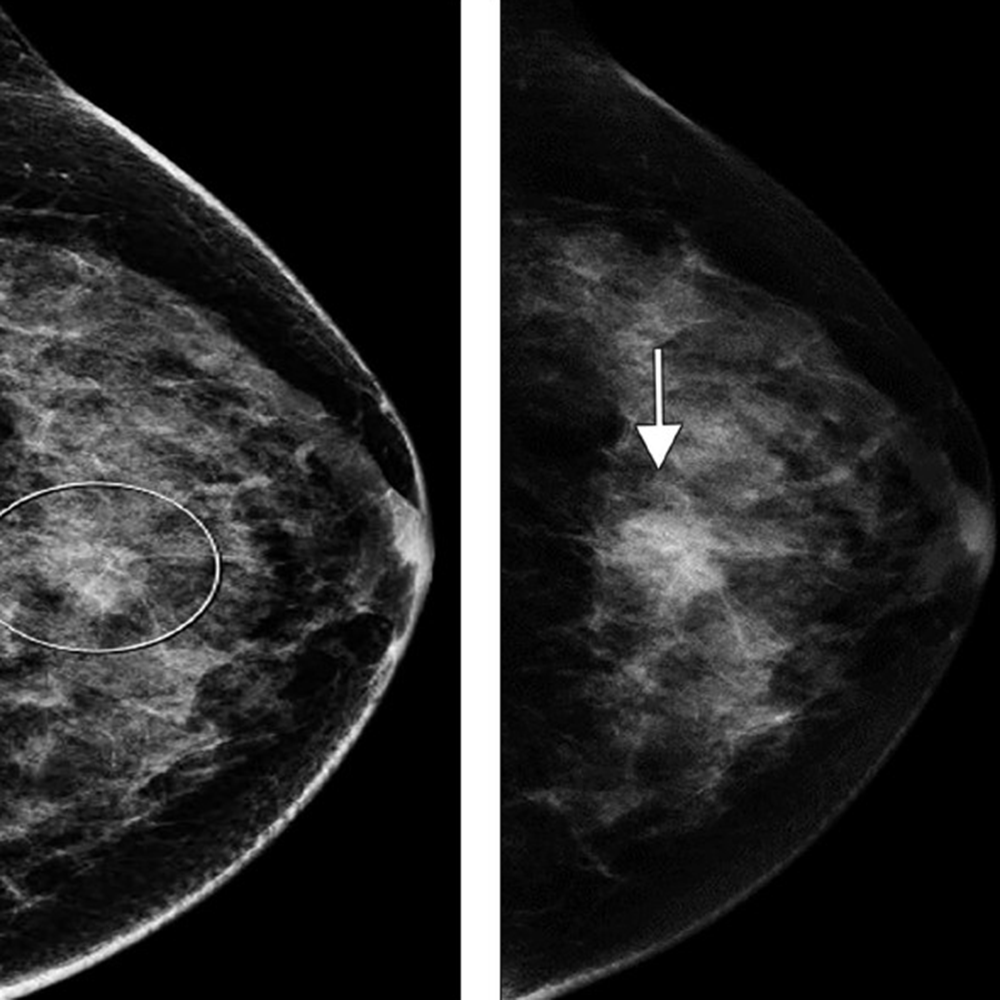
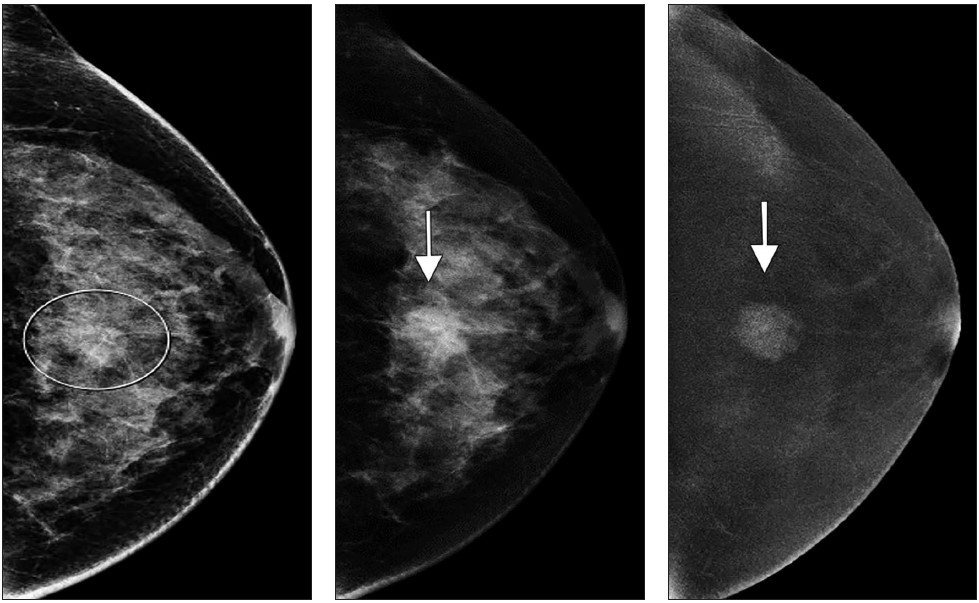
    As we anecdotally observed in Singapore, not all patients with recent vaccinations demonstrate evidence of axillary lymphadenopathy in their screening mammograms. This has been corroborated in a published study from Israel, which reported only 49% of cases developed mammographic evidence. Nevertheless, in the remaining patients and in those institutions offering multimodality screening approaches, the axillary lymphadenopathy is bound to be detected with growing frequency as vaccines continue to be administered worldwide. As a result, many breast imaging centers in Singapore have adopted this pragmatic approach clearly documenting recent COVID-19 vaccination in the ipsilateral arm, along with imaging follow-up to resolution of the lymphadenopathy (Fig. 1).

    As the pandemic progresses, we will continue to learn from the ever-evolving COVID-19 infection. What is now current may soon prove to be outdated. Regardless, concerns about delayed diagnosis should continue to be addressed, and mitigating steps should be taken, so that the benefit of early detection continues to outweigh the risks—whatever the situation.

  • ARRS and the AI Codes—Another First for Radiology

    ARRS and the AI Codes—Another First for Radiology

    Published October 25, 2021

    Back in February, American Roentgen Ray Society (ARRS) representatives made a call. On the other end was the American Medical Association (AMA). They weren’t alone. Representatives from three more of this country’s biggest imaging stakeholders were also on the line.

    This meeting was the first of three virtual convenings for the AMA’s Current Procedure Terminology (CPT) Editorial Panel, the assembly ensuring “that CPT codes reflect the latest medical care available to patients.” Top line of the agenda for ARRS and the American College of Radiology (ACR), Radiological Society of North America (RSNA), and Association of University Radiologists (AUR) was updating AMA CPT category codes for the 2023 cycle.

    It was hardly a modest proposal. ARRS et al. were lobbying AMA to approve not one, but two new CPT codes specifically for medical imaging. One of the code requests, for quantitative ultrasound tissue characterization, seemed innocuous enough, especially compared to the other glaring one. That second request, for incidental vertebral fracture detection, had two small, historic words preceding it: “automated analysis.”

    Apropos of North America’s first radiological society, indeed, ARRS was seeking radiology’s first-ever CPT code for artificial intelligence (AI).

    Artificial life comes at you fast, too. Should AMA’s CPT panel ultimately approve these two proposals (in the middle of a pandemic, no less), the concomitant codes would be released first-thing on July 1. Their live, in-effect date would start January 1, 2022, thus allowing clinics to start the billing.

    Regarding reimbursement, the prevailing ideology still stood. If an AI code were ever granted AMA’s blessing, it would then need to stand before their Specialty Society RVS Update Committee (RUC), that group “dedicated to describing the resources required to provide physician services which the Centers for Medicare & Medicaid Services (CMS) considers in developing Relative Value Units (RVUs).” Whereas the RUC in Chicago is free to advise, of course, it’s the CMS in Washington that would have the final financial consent. Even ACR’s own journal was asking: “Who Pays and How?” Literally.

    By now, you know what happened on the first of July. 55 years after publishing its inaugural CPT code, AMA had heard the plea of ARRS, ACR, RSNA, and AUR, found it good, and the specialty’s first Category III CPT codes for AI were born. Three Category III codes, in fact:

    • 0689T—Quantitative ultrasound tissue characterization (nonelastographic), including interpretation and report, obtained without diagnostic ultrasound examination of the same anatomy (e.g., organ, gland, tissue, target structure) 
    • 0690T—Quantitative ultrasound tissue characterization (nonelastographic), including interpretation and report, obtained with diagnostic ultrasound examination of the same anatomy (e.g., organ, gland, tissue, target structure) (List separately in addition to code for primary procedure)
    • 0691T—Automated analysis of an existing computed tomography study for vertebral fracture(s), including assessment of bone density when performed, data preparation, interpretation, and report

    Naturally, 0691T hogged the headlines, but imaging professionals paying closer attention were quick to point out the utility that this pair of CPT codes promised for quantitative ultrasound tissue characterization. Able to be used together with or separately from existing ultrasound examination codes (0690T in conjunction; 0689T on its own), they represented a giant leap forward for mainstay ultrasound examinations (e.g., breast and thyroid). Perhaps most importantly, as the Imaging Wire duly noted, they also bode well for ultrasound AI decision supporters, like Koios Medical.

    Meanwhile, many radiologists could see that 0691T for “automated analysis” of existing chest CTs to detect vertebral fractures could pave all the way for AI-based population health osteoporosis programs.

    “I believe that this type of ‘population’ health application will lead to requests for many additional CPT codes such as coronary artery calcification on conventional thoracic CT, abdominal aneurysm detection on thoracic, abdominal and pelvic CT scans, evaluation of cardiac chamber enlargement, [chronic obstructive pulmonary disease (COPD)], renal calculi, and many others,” Eliot Siegel of the University of Maryland and Baltimore VA Center told Aunt Minnie.

    This single CPT code represented quite a milestone for Israeli AI developer Zebra Medical Vision, which garnered FDA 510(k) clearance back in May 2020 for its software that can detect incidental vertebral compression fractures on chest CT scans.

    Right now, Zebra is the only company with an FDA-cleared product for population-scale detection. However, on August 10, 2021, Nanox—Israel’s publicly traded x-ray disruptor—signed an agreement to purchase Zebra for up to $200 million in Nanox shares, half based on future milestones. Hours later, after posting a net loss of $13.6 million (compared to a net loss of $6.4 million for the second quarter last year), Nanox’s founder, Ran Poliakine, announced he will relinquish his role as CEO in January 2022. This Zebra-to-Nanox story, the most momentous acquisition in AI imaging’s brief history, is still developing.

    It’s important to point out that the three CPT codes above are not Category I CPT codes. Category III CPT codes are wholly provisional, intended to aid data collection for developing technologies, incipient procedures, and service paradigms. Their endgame is to accumulate enough clinical documentation for the FDA to validate and clear for general application. Often dubbed experimental or, at best, tentative by most major insurers, reliable reimbursement remains unlikely until AMA sees fit to assign a permanent Category I CPT code.

    Despite that lack of instant reimbursement, it’s still worth submitting claims for CPT III codes; the data from their utilization become primary sources of support for the eventual creation of a CPT I code. Likewise, many advocates advise referencing similar Category I procedures when reporting Category III CPT codes.

    Most experts agree that a standard CPT III code should lead to a permanent CPT I code within five years. So, come 2026, radiologists should expect to see the very first Category I CPT code regarding the automated analysis of an existing CT study for a vertebral fracture—brought to you, in part, by your medical imaging society, ARRS.

  • Climate Change and Radiology—A Primer

    Climate Change and Radiology—A Primer

    avatar

    Julia H. Schoen

    Resident Physician Diagnostic Radiology
    Wake Forest Baptist Medical Center

    avatar

    Cassandra L. Thiel

    Assistant Professor Department of Population Health
    New York University Grossman School of Medicine

    avatar

    Jonathan S. Gross

    Clinical Associate Professor, Division of Vascular and Interventional Radiology
    New York University Langone Medical Center

    Climate change has been described as the greatest global health challenge of the 21st century. Many medical societies, including the American Medical Association, American Academy of Pediatrics, and the American College of Emergency Physicians, have warned about the health care industry’s contribution to greenhouse gas emissions and climate change’s potentially dire impacts on public health. Additionally, health care systems across the country have formed the Health Care Climate Council to help decrease their greenhouse gas emissions and establish more environmentally sustainable practices. Notably, Kaiser Permanente and Gundersen Health System in Wisconsin are already carbon neutral. As large hospital systems and our colleagues in other specialties move toward environmental sustainability, we as radiologists should consider our own practices, asking ourselves what changes we can make to limit our contribution to climate change.

    What Is Global Warming? What Is Climate Change?

    Although they are often used interchangeably, the terms global warming and climate change refer to distinct, but closely related phenomena. Global warming refers to the dramatic increase in average global surface temperature, which has occurred since the beginning of the industrial age. This warming is largely driven by carbon dioxide, methane, and other greenhouse gases emitted by human activities, which trap solar radiation reflected from the earth’s surface and heat the earth’s atmosphere. As a result of increased greenhouse gases emissions, average global surface temperature has increased approximately 1°C (1.8°F) since the middle of the 19th century.

    Warming temperatures have led to an increase in intense, unpredictable weather events and to climate change, a term which describes long-term fluctuations in temperature, humidity, rainfall, and other meteorological patterns.

    How Does Climate Change Impact Human Health?

    The interactions between climate and health are complex and can be divided into direct and indirect impacts. Direct impacts are easier to measure and are related to extreme weather events, such as heatwaves, floods, droughts, and wildfires. In addition to the traumatic injuries that these events can cause to individuals, extreme weather events can disrupt supply chains and operations of health care systems. These disruptions can decrease the short-term availability and quality of health care for entire populations.

    The indirect effects of climate change include longer-term phenomena: distribution of vector-borne diseases, increased food insecurity, increased intensity and duration of allergy seasons, and worsening air and water quality.

    The severity of the direct and indirect impacts of climate change for an individual or population can be amplified by geographic location, age, sex, and socioeconomic status. Consequently, the health impacts of climate change are often disproportionately felt by those who are least responsible.

    How Does Health Care Contribute to Climate Change?

    Health care systems in the United States are estimated to generate approximately 8–10% of the country’s greenhouse gas emissions— more than is emitted by the entire United Kingdom.

    Health care emissions are categorized into 3 scopes:

    • Scope 1 emissions are direct emissions from health care and hospital operations, such as anesthetic gases or onsite incinerators.
    • Scope 2 emissions are calculated from direct energy expenditures from health care operations.
    • Scope 3 emissions are indirect emissions from the supply chain and waste treatment.

    In the US, scope 3 emissions account for approximately 82% of health care-related emissions. Scope 1 and Scope 2 emissions account for 7% and 11% of emissions, respectively.

    In radiology, the majority of our emissions fall into Scopes 2 and 3. Our Scope 2 emissions include the energy used by our facilities to power our scanners, PACS stations, electronic and imaging equipment in interventional suites, as well as heating, ventilation, and cooling (HVAC) systems. Our Scope 3 emissions include the energy used to produce, reuse, and dispose of scanners, procedure kits, and single-use supplies.

    How Does Radiology Contribute to Climate Change?

    Radiology’s greenhouse gas emissions are beginning to receive attention, and several recent studies help us understand our carbon footprint. Ultrasound generates fewer greenhouse gas emissions than CT and MRI, both in use and in production, therefore contributing less to Scope 2 and 3 emissions alike. At one hospital in Switzerland, three CT scanners and four MRI machines accounted for approximately 4% of the hospital’s total energy use. Notably, researchers found that two-thirds of energy consumption occurred in the idle state for CT, and one-third occurred in the idle state for MRI. In a more recent study of an academic interventional radiology suite, investigators estimated that 23,500 kilograms of CO2 equivalents were emitted during a single work week. This is comparable to the amount of carbon a passenger vehicle would emit over 93,825 kilometers (58,300 miles) or the amount of carbon sequestered by 389 trees over 10 years. HVAC systems and single-use disposable items were the biggest contributors to greenhouse gas emissions from the interventional radiology suite. Particularly, researchers found that 57% of HVAC energy use occurred outside of work hours, when the unit was largely unoccupied. These studies highlight the fact that much of our energy use occurs when systems are idle, providing no benefit to patient care. For radiologists, there are many instances where we can reduce our operating costs and greenhouse gas emissions with minimal impact on our practices.

    How Can Radiologists Address Climate Change?

    There are several opportunities for radiologists to address climate change in our practices and in the health care system at large. As a first step, we can implement simple cost-saving interventions with marginal, if any, upfront costs. Such interventions include double-sided printing, switching from fluorescent to LED lighting, and turning off those lights and other electronics, including PACS stations, when they are not in use. In interventional radiology, we can relax climate control parameters when the suite is not in use, streamline procedure packs to minimize equipment that is unlikely to be needed, and choose reusable equipment, rather than single-use supplies, when possible. In both diagnostic and interventional radiology, we can work with vendors to increase the energy efficiency of our scanners in idle and off states and to recycle the heat generated by our scanners.

    More broadly, we can advocate for sustainable practices in our clinics and hospitals and with our peers and colleagues. At the regional and national level, we can join organizations like the Medical Society Consortium on Climate and Health, which educates physicians and other health care professionals about the medical system’s contribution to climate change, while offering ways to decrease our carbon footprint. Through these groups and our radiology societies like ARRS, we can advocate for broader policy changes, encouraging systemic reductions to our collective footprint and improvements in public health.

    The potentially profound impacts that global warming and climate change may have on public health can only be mitigated if all parts of our society—including the health care system—reduce greenhouse gas emissions. Be it implementing more sustainable practices in our hospitals and clinics or advocating for overall change, radiologists can play a key role in helping to reduce health care’s carbon footprint and protecting the health of ourselves, our colleagues, our families, and our patients.

  • Next-Generation Imaging: Are We Ready to Take the Next Step in Prostate Cancer?

    Next-Generation Imaging: Are We Ready to Take the Next Step in Prostate Cancer?

    Published September 14, 2021

    avatar

    Francesco Giganti

    University College London, UK
    2021 ARRS Lee F. Rogers International Fellow in Radiology Journalism

    The role of imaging in prostate cancer detection and staging is of paramount importance, as it needs to provide physicians with accurate information on both the presence and extent of the disease—avoiding overdetection and overtreatment at the same time.

    As far as prostate MRI is concerned, remarkable advances have been made over the last decade, and several data support the role of this technique for diagnosis, active surveillance, and in the posttreatment setting.

    We know that the measurement of prostate specific antigen (PSA) level alone is not enough because radiological progression can occur without an increase in PSA level, due to the molecular heterogeneity of prostate cancer.

    An area of particular interest in prostate cancer is represented by next-generation imaging techniques, which include both PET/CT or PET/MRI using different radiopharmaceuticals (e.g., choline or acetate) and whole-body MRI.

    When conventional imaging is equivocal, next-generation imaging can investigate the increased metabolism and vascular changes in prostate cancer and help in the detection and characterization of additional sites of disease, which could potentially change management.

    In order to improve the assessment of advanced prostate cancer and patient survival, next-generation imaging (e.g., PET/MRI and whole-body MRI) can provide earlier detection of metastatic disease and predictive biomarkers for therapy selection, allowing us to assess treatment response and identify metastasis that can be biopsied for molecular or genomic characterization.

    The 2020 guidelines from the American Society of Clinical Oncology on the optimum imaging strategies for advanced prostate cancer can be summarized as below:

    • For clinical high-risk disease at initial diagnosis, the literature supports addition of next-generation imaging when conventional imaging (e.g., CT, radionuclide bone scan, or multiparametric prostate MRI) is equivocal or suspicious for metastatic disease.
    • For biochemical evidence of recurrent disease after local therapy with negative conventional imaging, next-generation imaging is indicated to assess the presence of local or distant site and burden of disease to plan salvage therapy.
    • For metastatic disease at initial presentation on conventional imaging, next-generation imaging may clarify the burden of disease and alter treatment plans.
    • For nonmetastatic castrate-resistant prostate cancer, next-generation imaging can be considered to assess for unrecognized metastatic disease.
    • For metastatic castrate-resistant prostate cancer with biochemical progression only, use of next-generation imaging is unclear and should be individualized, preferably as part of a clinical trial.

    Additionally, on December 1, 2020, the FDA approved the first prostate specific membrane antigen-targeted PET imaging drug (68-Ga-PSMA-11) for patients with suspected prostate cancer metastasis whose disease is potentially curable with surgery or radiation therapy and for patients with suspected prostate cancer recurrence based on elevated serum PSA levels.

    Unfortunately, there is still a lack of standardization of next-generation imaging in prostate cancer, and most physicians still rely on traditional imaging, as they may not be aware of the potential of these new imaging techniques.

    Access to next-generation imaging is still highly limited, and insurance coverage for these tests remains highly variable. Until these barriers are overcome, the widespread use of next-generation imaging in prostate cancer parameters will be challenging.

    Although there are still a number of challenges ahead, next-generation imaging will definitely play an increasing role in the management of prostate cancer—enabling assessment of treatment response and disease progression and aiding the delivery of precision oncology in patients with advanced prostate cancer.

    The journey is only just beginning, but the future is definitely encouraging.

  • ARRS and The Academy for Radiology & Biomedical Imaging Research

    ARRS and The Academy for Radiology & Biomedical Imaging Research

    Published on September 1, 2021

    Renee Cruea

    Executive Director, Academy for Radiology & Biomedical Imaging Research

    Founded in 1995, the Academy for Radiology & Biomedical Imaging Research (Academy) is a non-profit advocacy organization located in Washington, DC, that unites imaging societies, patient advocates, and academic radiology departments with the goal of securing federal investment for medical imaging research through education and advocacy. ARRS is one of the founding member societies of the Academy. In 2000, the Academy played a pivotal role in the establishment of the National Institute of Biomedical Imaging and Bioengineering (NIBIB), as well as the Interagency Working Group on Medical Imaging in 2016, and continues to raise awareness with policy makers about the importance and impact of medical imaging research.

    The Academy benefits from the continuous expertise and leadership of ARRS representatives to our board. Currently, Erik K. Paulson, ARRS vice president, serves on our Executive Committee, and Ruth C. Carlos, ARRS president from 2019–2020, serves as vice president of the Academy. 

    Advocacy is vital to the success of investigators and to the success of radiologists in private practice. Federal funding for medical imaging research impacts the breadth of the field. The Academy is the single organization that brings together academia, industry, and patient groups to collectively advocate for strong investment into imaging research (cf., the annual NIH increases to imaging research in the chart below—created, maintained, and advocated for by the Academy each year).

    History of NIH federal funding going to diagnostic radiology, 1985–2019. Outlying increase in 2010 a result of the American Recovery and Reinvestment Act (Courtesy of the Academy’s Annual NIH Data Collection Project).

    While the Academy advocates on behalf of the community full time, individual ARRS advocacy efforts have tremendous impact. Ensuring that members of the US Congress hear from individual investigators ensures that, as constituents, you are illustrating the impact research efforts have locally. The Academy regularly requests that researchers across the imaging space reach out individually in support of research funding. By utilizing the Academy’s action alert system, you can use existing templates, adding your own personal touch or details related to your institution, and let your elected representatives know that research funding is important to you.

    Beyond advocating for research funding, the Academy has a multitude of programs that assist researchers in the field to succeed. In addition to recognizing new members of the Council of Distinguished Investigators every year, the Academy has a robust and growing Council of Early Career Investigators in Imaging (CECI2). Nearly 20 members of the Academy’s CECI2 council identify ARRS as their professional home. Most recently, the Academy recognized ARRS members Joel Fletcher and Martin Torriani as Distinguished Investigators. There is a plethora of resources on our website, www.acadrad.org, for these researchers. Multiple annual events promote engagement between industry, academia, and patient advocates, such as the Medical Imaging Technology Showcase held on Capitol Hill and the Academy Imaging Shark Tank session presented during the Radiological Society of North America meeting. Additionally, the Academy routinely collaborates with the NIH to sponsor interesting workshops relevant to the field. Often, Academy representatives are invited to voice representative opinions and help formulate pertinent policy. 

    The Academy unites the voices across imaging to help achieve the collective mission of improving the field to benefit patient outcomes.

  • Addressing the Concept of ‘Moral Injury’

    Addressing the Concept of ‘Moral Injury’

    avatar

    Jonathan Kruskal

    2021–2022 ARRS President

    Published September 14, 2021

    The COVID-19 pandemic continues to exacerbate the pre-existing epidemic of stress, distress, dis-ease and burnout in our profession—and across the country. Contributors to workplace stress in radiology have been further compounded as we grapple to provide safe care to our patients, keep our teams healthy, uphold social distancing requirements, support, sustain, and engage remote teams, deploy effective communication strategies, and cultivate diverse and high-performing teams. People across the country are fighting silent battles against chronic anxiety, depression, and other mental health disorders during any given workday.

    Prior to the pandemic, we heard frequent reference to the hamster wheel environment in which we work; expectations of ever increasing workloads and so-called quality metrics driving us to work faster and longer hours all while meeting ever increasing regulatory requirements. Not surprisingly, the consequences of just trying to keep up include burnout, and the field of radiology is still seeking solutions to mitigate our recognized high incidence.

    However, in parallel with burnout is the growing focus on mitigating known stressors, those that establish a genuine conflict between our core values as care-providing physicians and our daily activities in the trenches. This is the reality of the so-called moral distress and injury, which is frequently associated with burnout. To me, this implies that we as individuals are unable to balance work expectations against personal resources—that, somehow, we are failing at what we “should” be doing and achieving. There is a growing school of thought that the symptoms of burnout simply reflect a healthcare delivery system in need of urgent repair. The moral insults and injury of healthcare is not being able to provide the high quality of care that we would want to, thus highlighting the opportunity to address what is contributing to this state. And the consequences are dire: physician suicide rates are now twice that of active-duty military members. Now more than ever, it is clear that we must reprioritize employee wellness efforts and implement additional strategies to protect and support our workforce.

    Treating the Cause

    To effect lasting change, we must reshift our focus and address the cause rather than the symptoms. While appreciated and beneficial in their own right, wellness programs, flexible schedules, extra time off, and other employee benefits oftentimes treat the short-term symptoms, not the long-term cause.

    Relaxation practices, exercise, vacation, mindfulness activities and meditation might be extremely effective at resolving some symptoms on a temporary basis, at least until that time that we are back trying to balance on the hamster wheel. To address the causes, we need brave and effective leaders who are willing to question and confront the constellation of drivers, and who recognize and respect the fourth component of the quadruple aim of healthcare (care of the patient requires care of the provider). We must excavate the problem that is moral injury until its origins become clear.

    Numerous factors detract from what we believe is our primary mission and contribute to such injury, including the profit-driven healthcare environment, electronic health records and productivity metrics, provider review sites, litigation concerns, turnaround time targets, and the ever-expanding regulatory mandates. Here I refer to practices mandated by regulatory agencies such as audits, documentation expectations, annual testing, and of course, the unpopular practice of peer review.

    Let’s consider peer review as our low hanging fruit here. This is a process that in radiology is often known for being onerous, burdensome, distracting, divisive, resource-intensive, inefficient, and ineffective. In my experience, it can be difficult to use peer review as a driver for meaningful and impactful improvement.

    However, the concept persists, in large part due to meeting accreditation and reimbursement requirements. As radiologists, we are expected to devote time to rank the diagnostic skills of our colleagues. During this process, targeting occurs, under-reporting is rampant, and job security might be impacted, yet challenging the status quo is difficult. Despite evidence that radiologists make errors almost 30% of the time, national peer review data reports fewer than 5% of these discrepancies. Is this practice truly an effective use of our time and skills?

    Forging a New Path

    Peer learning and improvement offers us an enormous opportunity to remove a mandated hurdle to our work-related distresses; it also allows us to embrace an emerging practice that will provide new learning and improvement opportunities. Today, I’d like to give a loud shout-out to the many peer learning trailblazers out there, including: David Larson, Richard Sharpe, Jennifer Broder, Nadja Kadom, Lane Donnelly, Mythreyi Chatfied, Andrew Moriarty, and Richard Heller. And this cohort is growing rapidly.

    Now is an ideal time for the field of radiology to commit to taking the necessary steps to embrace peer learning in our practices. This will be a journey that many have commenced, along varied paths, influenced by practice patterns and cultures. In some practices, this will require cultural transformations, so that staff are willing to speak up safely in a Just Culture without fear of consequences. It will require hospital administrators to embrace all components of peer learning as meeting local OPPE requirements. It will require that the focus shift from scoring diagnostic discrepancies to identifying learning and improvement opportunities, and that participation is expected. In fact, willing participation could replace annual denominators altogether. Peer learning leaders could be identified and appropriately trained, and their work acknowledged as a vital part of our performance improvement processes. Most important, the American College of Radiology (ACR) has now approved a new pathway for ACR-accredited facilities to meet the Physician Quality Assurance program requirement, opening a path for practices to embrace this learning and improvement and non-punitive approach, thus no longer needing to use a score-based approach.

    I started this column addressing the additive impacts of the pandemic on our preexisting stressors and burnout numbers. I highlighted the growing recognition that the so-called moral injury is an additional and major contributor to our current distress. Transitioning from retrospective peer review to prospective peer learning practices is one superb example of how we can mitigate a known contributor and provide what will, hopefully, be some major relief to our radiologists. This could allow our colleagues to participate in a process that is likely to positively impact our performance and the quality of care that we deliver. Because, ultimately, I believe that’s why we are all here.