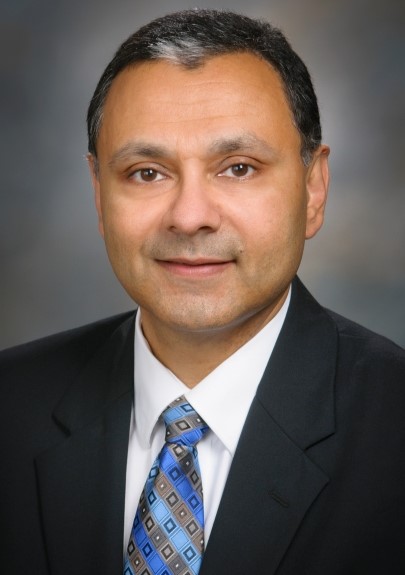
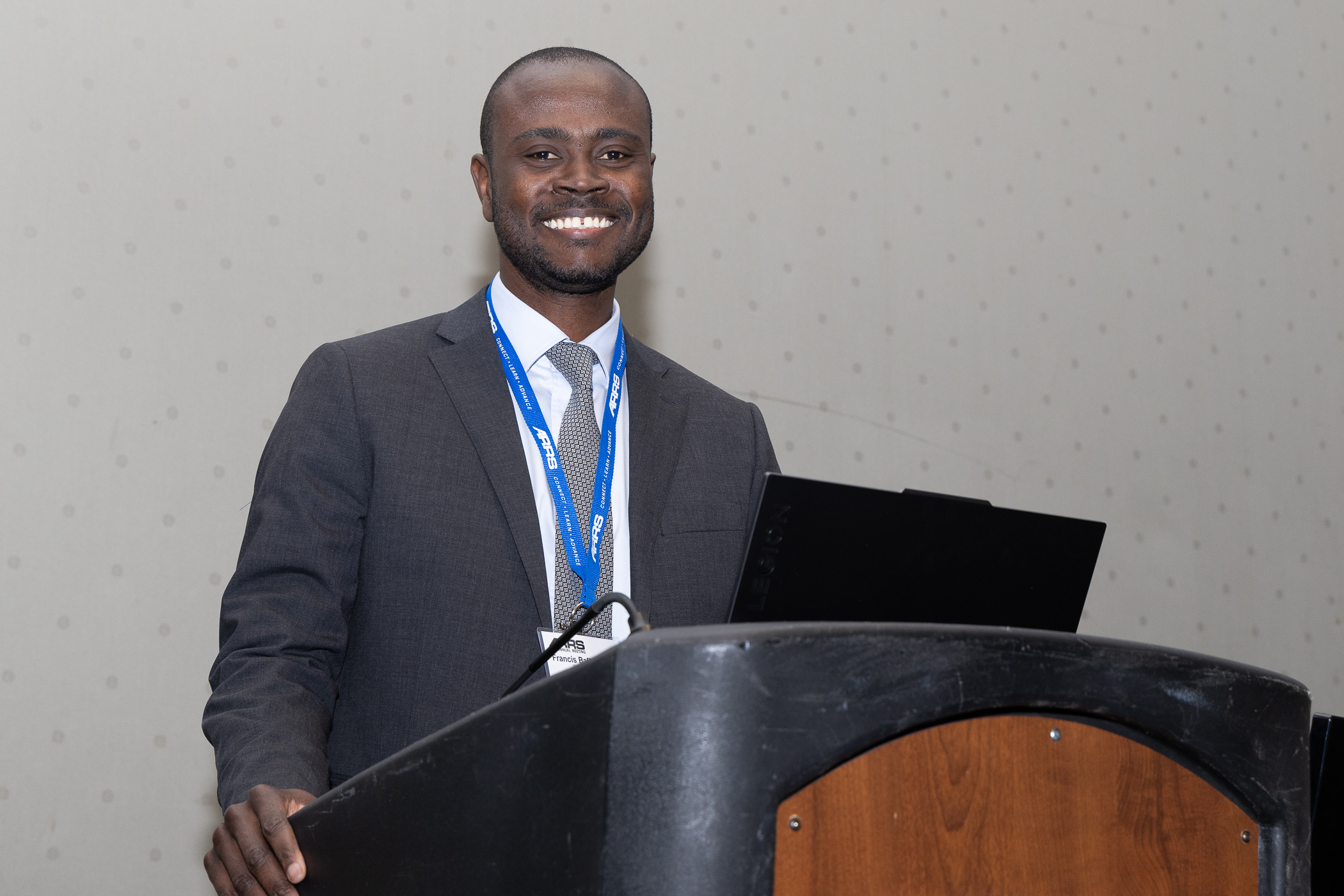
Jay Parikh, MD Professor, Department of Breast Imaging, Division of Diagnostic Imaging University of Texas MD Anderson Cancer Center Chair, ARRS Quality and Practice Subcommittee
Over the past two decades, the practice of radiology has changed, with radiologists having become more isolated. With the digital revolution precipitating widespread implementation of both EHR and PAC systems, radiologists have increasingly worked from workstations with less patient contact and decreasing personal interactions with referring clinicians.
The COVID-19 pandemic further isolated radiologists. The initial social distancing requirements, use of PPE, promotion of remote work environments, and reduced meaningful social interactions during this era have amplified the loneliness of radiologists.
As humans, radiologists have a fundamental need to socially connect. And for good reasons: social isolation and loneliness, markers of poor social health [1], have been associated with multiple adverse psychological outcomes, especially sleep fragmentation [2], as well as anxiety and depressive symptoms. Studies suggest loneliness is a risk factor for stroke, as well as for hypertension, cognitive decline, and progression of Alzheimer’s dementia [3]. Restoring a sense of community—at work and beyond—can help radiologists overcome isolation, improve their overall wellness, and mitigate significant health issues.
How does a radiologist do so?
Radiology is a team sport, in which radiologists interact daily with patients, non-clinical staff, technologists, and other radiologists. In the workplace, these interactions can be leveraged to create a sense of community. A positive attitude among teammates can help create a bond of positive energy. Social gatherings organized by the clinical team, both within and outside of the department, can help further create camaraderie between members of the team.
Radiologists also have opportunities to develop connections with referring clinicians. Multidisciplinary tumor boards offer a unique opportunity for radiologists to interface directly or virtually with referring clinicians and become engaged in the care of complex patients. This collaborative atmosphere promotes personal job satisfaction.
Organizations can be instrumental in supporting a culture of community at work. Physician lounges provide a safe space for radiologists to interface with physicians from other specialties. Organization-led social events, such as fundraisers and family outings, may further promote a sense of collegiality.
Beyond the organization, another way for radiologists to connect with colleagues is to attend regional and national society meetings. A great example is the ARRS Annual Meeting, to be held next year from April 27 through May 1 in the beautiful backdrop of California’s San Diego marina. A wonderful medium to cross-fertilize ideas, this meeting offers opportunities to not only learn educational content from leading experts, but also to socialize and collaborate with other radiologists from around the globe.
2025 ARRS Wellness Symposium: Building a Radiology Community of Positivity
Helping us move forward in the wellbeing space during the ARRS Annual Meeting, our 2025 Radiology Wellness Symposium in San Diego will lay out a lot of the hard work done by many imaging centers to shift the narrative in our working environments. The widespread shortage of radiologists, combined with higher volumes and the prevalence of burnout, has been challenging radiology practices of all types.
Focused on hard-won practical solutions for workforce belonging and overall positivity, multi-generational leaders in radiology education, operations, and informatics will tackle the differing approaches for schedule optimization, multiple strategies to help those trainees who are unwell, better incorporation of international medical graduates, and the many benefits of proper coaching and mentoring.
As with all ARRS Annual Meeting sessions, live and virtual audience interaction remains welcome, especially during our question-and-answer portions, so I hope to see you in San Diego or online for the “2025 ARRS Wellness Symposium: Building a Radiology Community of Positivity!”
References
Campagne D. Stress and Perceived Social Isolation (Loneliness). Arch Gerontol Geriatr 2019. May–Jun; 82:192–199. doi: 10.1016/j.archger.2019.02.007
Griffin SC, Williams AB, Ravyts SC, et al. Loneliness and Sleep: A Systematic Review and Meta-analysis. Health Psychol Open 2020. Jan–Jun; 7:2055102920913235. doi: 10.1177/2055102920913235
Byrne C, Saville CWN, Coetzer R, et al. Stroke Survivors Experience Elevated Levels of Loneliness: A Multi-Year Analysis of the National Survey for Wales. Arch Clin Neuropsychol 2022 Feb 23; 37:390-407. doi: 10.1093/arclin/acab046
The mission of the American Roentgen Ray Society’s (ARRS) Global Partner Society (GPS) program is to build long-standing relationships with key leaders and organizations in the worldwide imaging community—increasing awareness of our society’s services in specific nations, while raising the stature of Global Partner Societies among ARRS members.
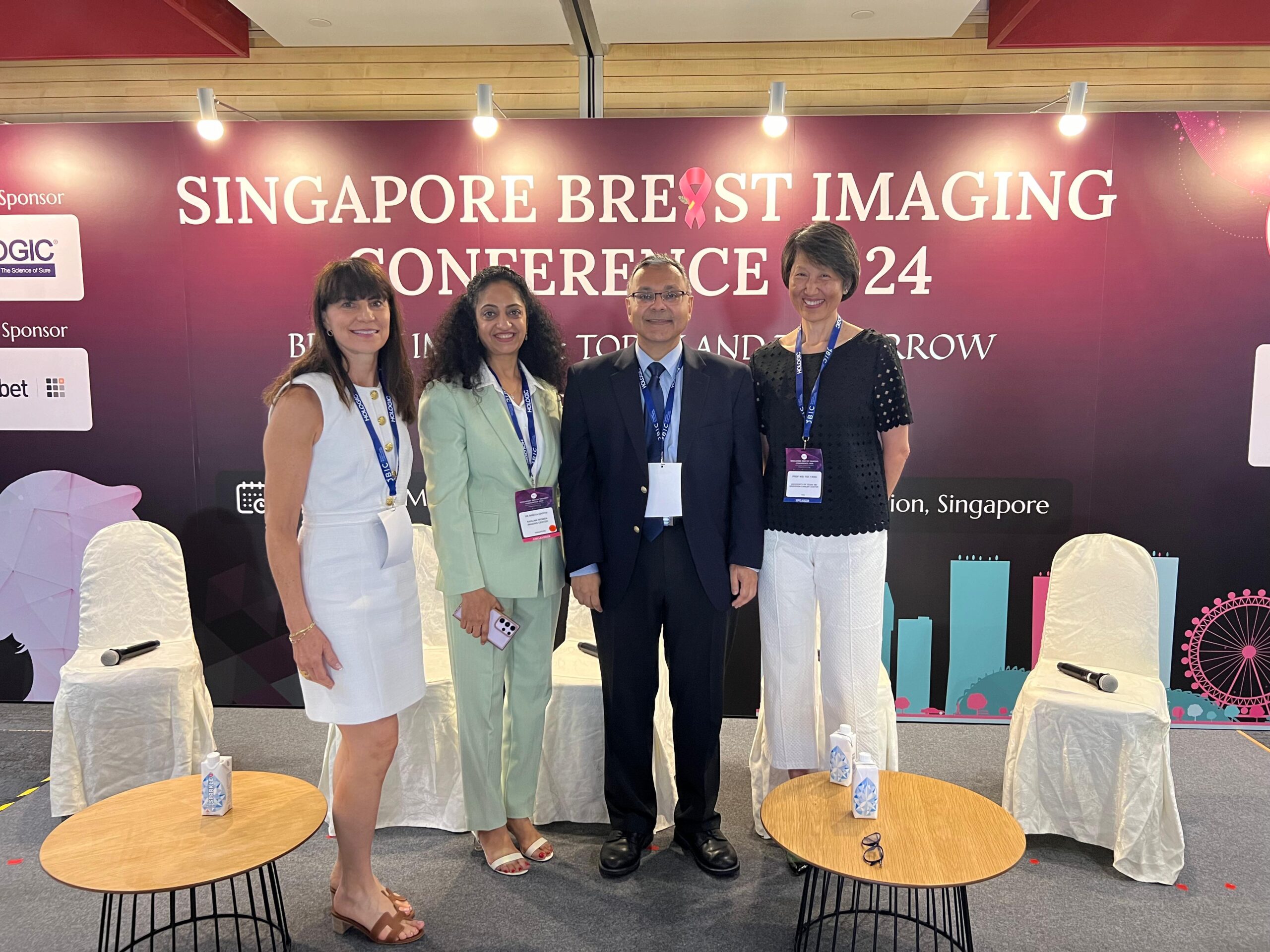
At the request of the Singapore Radiological Society (SRS), ARRS sent two breast imaging specialists, Drs. Jay R. Parikh and Donna M. Plecha, to present during the first-ever Singapore Breast Imaging Conference (SBIC) in May.
On day one, Dr. Parikh highlighted opportunities and concerns alike for the clinical embrace of AI in breast imaging. Leading lively discussions on burnout at large, he also moderated a panel and question-and-answer session on the challenges of locoregional staging and surveillance of breast cancer in Asian practices, specifically. (Please turn back to page 12 of this issue of InPractice to read more insights from Dr. Parikh, chair of ARRS’ new Quality and Practice Subcommittee.)
During the second day of SRS’ “Breast Imaging: Today and Tomorrow, Shaping Breast Care in Asia” conference at the Centre for Healthcare Innovation, Dr. Plecha discussed best practices for personalized breast screening, including critical updates to known, biopsy-proven malignancies in the sixth category of the American College of Radiology’s Breast Imaging Reporting and Data System (BI-RADS).
Drs. Donna Plecha; SRS SBIC Chair, Niketa Chotai; ARRS Quality and Practice Subcommittee Chair, Jay Parikh; and ARRS SRS Global Ambassador, Wei Yang
“The SRS wishes to express our sincere gratitude for ARRS’ support of our inaugural SBIC. Your support was truly invaluable,” said organizing chair Dr. Niketa Chotai.
She continued: “Both Jay and Donna were exceptionally knowledgeable, engaging, and approachable, and all attendees greatly appreciated their contributions, which significantly enhanced our collective knowledge. We truly believe their insights will positively impact breast care practices and patient outcomes in the region.”
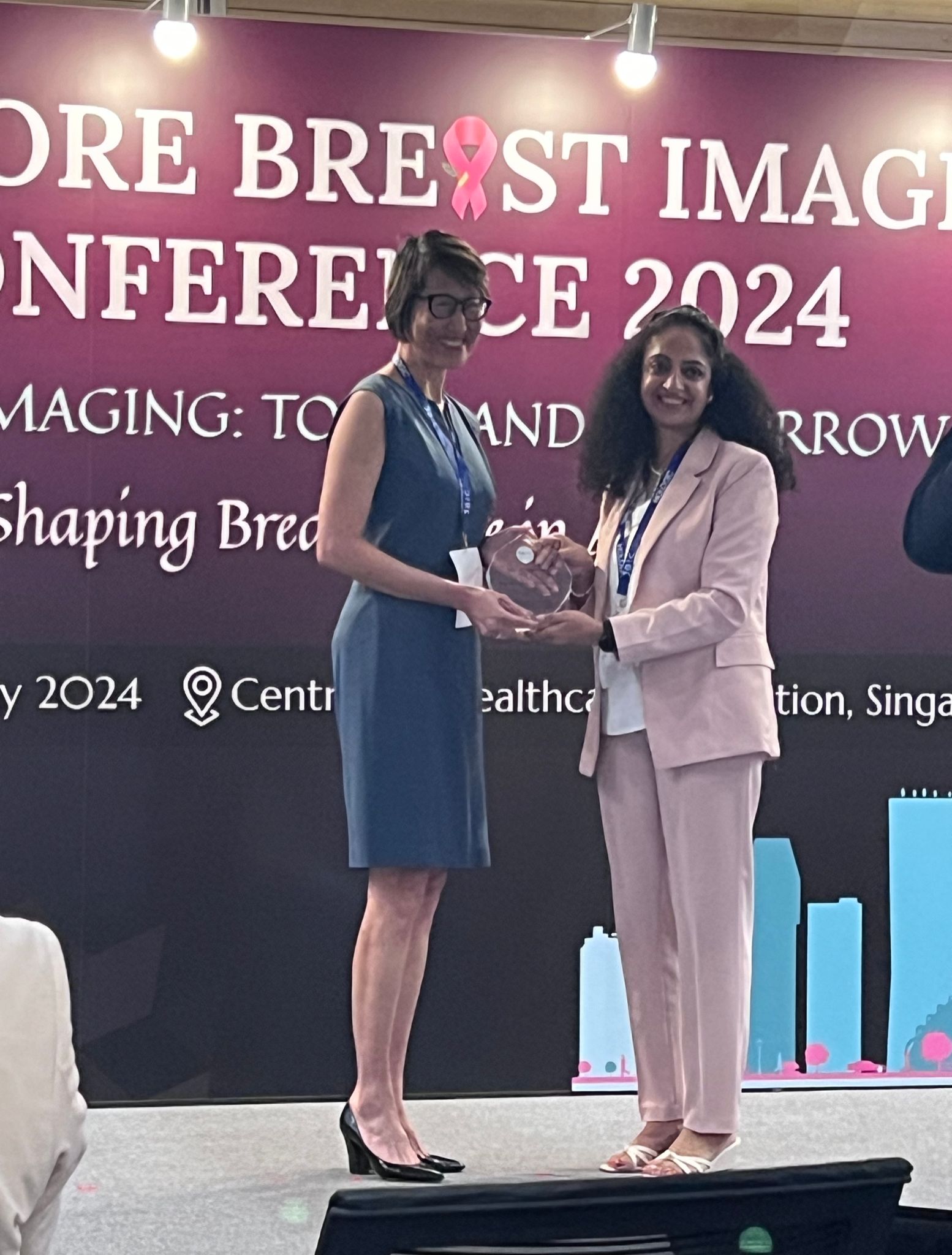
Also presenting during SBIC was our SRS Global Ambassador Dr. Wei Yang, who received SRS’ Glass Award on behalf of ARRS. Dr. Yang presented “Updates In Axillary Node Management: What The Radiologist Should Know” during Dr. Parikh’s panel, with additional lectures on the imaging of augmented breasts and how to develop social intelligence and international leadership for radiologists to survive and thrive.
Dr. Yang receives SRS Glass Award from Dr. Chotai on behalf of ARRS
The previous month, the entire ARRS membership proudly welcomed delegates from the Philippine College of Radiology (PCR), our newest GPS member, to the 2024 ARRS Annual Meeting at the John B. Hynes Veterans Memorial Convention Center in Boston, MA.
Founded in 1948, the PCR focuses on education and training for more than 2,500 radiologists, including some 1,000 in-training members. With chapters located throughout the country, as well as several dedicated subspecialty groups, PCR serves more than 50 accredited institutions. Each PCR chapter holds its own annual convention in their respective regions, while PCR subspecialty societies meet routinely for mid-year events and scientific meetings. While in Boston, current ARRS International Outreach Committee chair Dr. Carol Wu and Dr. Glenn Gaviola, ARRS Global Ambassador for PCR, held a global partner meeting with PCR treasurer Dr. Rodney Fernan.
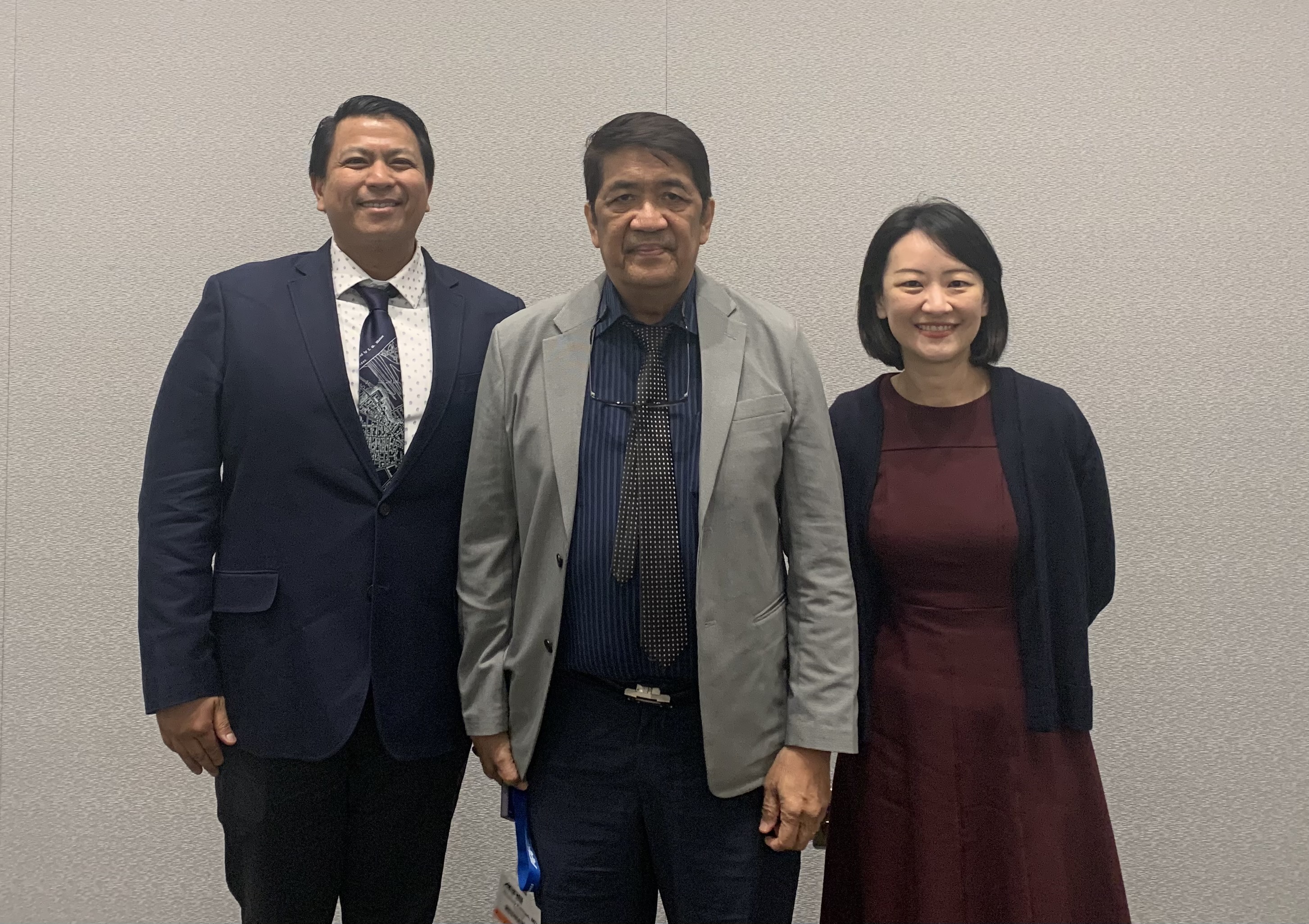
Drs. Glenn Gaviola, ARRS PCR Global Ambassador; Rodney Fernan, PCR Treasurer; and ARRS International Outreach Committee Chair, Carol Wu
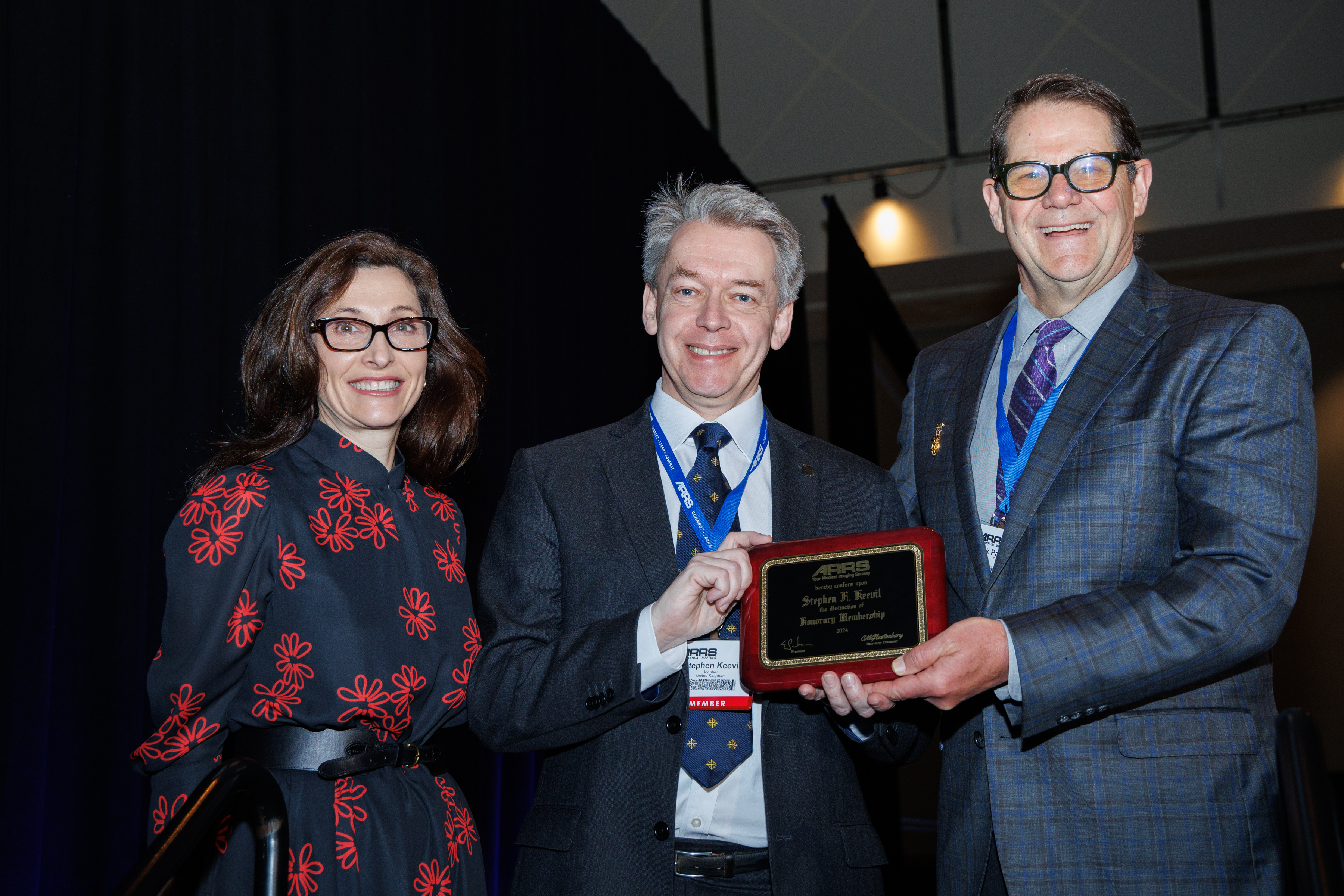
Also this May, Stephen F. Keevil, PhD, president of the British Institute of Radiology (BIR)—the oldest medical imaging society in the world—was recognized with honorary membership via the ARRS Annual Meeting Global Exchange. Our Annual Meeting Global Exchange incorporates one partner society annually into the educational and social fabric of our meeting, with ARRS reciprocating at said partner society’s own meeting. Professor Keevil served on the faculty for the 2024 ARRS Annual Meeting Global Exchange, “Screening Patient Pathways Across the Pond: Highlights and Challenges for Radiology in the UK and USA.” Reviewing current practice standards for screening lung and female breast cancer in both nations, this two-hour Featured Session addressed common techniques and comparative difficulties of maintaining an effective screening program.
An international organization with members in imaging, radiation oncology, and underlying sciences, since 1897, the BIR has worked to improve medicine, health, and patient care through the science and practice of radiology.
Drs. Christine M. Glastonbury, ARRS Vice President; Stephen F. Keevil, ARRS Honorary Member; and Erik K. Paulson, 123rd President of ARRS
The 2025 ARRS Annual Meeting Global Exchange will host the Mexican Society of Radiology and Imaging (SMRI) in San Diego, CA. ARRS Global Exchange course director Dr. Daniel Vargas is working with SMRI and ARRS faculty to present a comprehensive course on advances in cardiac imaging.
In April, then ARRS president-elect Dr. Angelisa M. Paladin traveled to Yokohama to represent our society at the 83rd congress of the Japan Radiological Society (JRS). During a lively session on human resources in radiology, led by JRS faculty Drs. Seun Eun Jung and Kei Yamada, the Dr. Paladin detailed current initiatives for nurturing success and happiness during radiology residency training (Read Dr. Paladin’s column regarding living and working happier on this second page of this edition of InPractice). Additional speakers for this JRS session devoted to developing the next generation of radiologists included Drs. Masashi Tamura, Yoshiyuki Watanabe,Stefan O. Schönberg, and Thomas M. Grist.
Established in 1950, the 7,500-member JRS remains Japan’s leading society in the field of radiological sciences.
Dr. Angelisa Paladin, 124th ARRS President
Free-Access GPS Resources: Southern African Chest Lectures, Argentine Head and Neck Tips
This summer, ARRS launched a brand-new Global Education course with the Radiological Society of South Africa (RSSA). Collaboratively assembled by Dr. Abraham (Fourie) Bezuidenhout, ARRS Global Ambassador for RSSA, the four lectures of the “Southern Africa Thoracic Radiology Lecture Series: RSSA-ARRS Education Initiative” were presented live on a monthly basis all last year. The result—now free and open-access through our GPS education program—has quickly become a popular online series of important topics in thoracic radiology:
Acute Aortic Syndrome | Diana Litmanovich, MD
A Chest Fellowship in 45 Minutes: Useful Information for the Resident | Fourie Bezuidenhout, MD
Cystic (and Smoking) Related Lung Disease | Brent P. Little, MD
Lung Biopsy Complications and How to Minimize Them | Olga R. Brook, MD
Established in 1974 as the Professional Association of Radiologists in South Africa, RSSA has since expanded to include Botswana, Namibia, and Zimbabwe. With a membership base of almost 1,000 individuals and nearly 100 practices, RSSA’s South African Journal of Radiology (SAJR) publishes research articles, editorial letters, and personal opinions on radiological practice, as well as South African health-related news, obituaries, and general correspondence. Razaan Davis of Stellenbosch University is the Editor in Chief of SAJR.
Meanwhile, “Tips and Tricks on Head and Neck” was developed as an ARRS Global Education course by Dr. Carlos Previgliano, ARRS Global Ambassador, alongside the Argentina Society of Radiology or Sociedad Argentina de Radiología (SAR). This course presents five high-impact lectures reviewing fundamental neuroimaging topics:
Suprahyoid Neck: What the Clinician Wants to Know | Christine M. Glastonbury, MD
Infrahyoid Neck: What the Clinician Wants to Know | Justin Brucker, MD
Do Not Miss Head & Neck Lesions | Aaron Michael Betts, MD
Tips and Tricks for Evaluating Perineural Spread | Jennifer Gillespie, MBBS
Rapid-Fire Case Review: Head and Neck | Xin (Cynthia) Wu, MD
SAR has maintained prolific activity since its founding in 1917. Convening annually in September for the premier event in the country for the specialty, SAR congresses have hosted distinguished radiologists and physicians from across Argentina and around the globe. Having developed instructional resources of differing scope and complexities, SAR’s course on diagnostic imaging has been offered for over a quarter-century—presently through the University of Buenos Aires. A council of the society also designed and maintains a nationwide professional certification and recertification program. Additionally, SAR helps promote the research pursuits of young and emerging professionals, permanently instituting scholarships and prizes for exceptional scientific work.
Going forward, I want to use my InPractice column to share more of the major principles of being and working happier with the full membership of the American Roentgen Ray Society (ARRS). Perhaps the biggest hurdle to happiness is how we think about it. Many physicians do tend to feel like happiness is this destination. ‘I just have to get happier,’ or so we tell ourselves.
But as Dr. Arthur C. Brooks, endowed professor at Harvard’s Kennedy and Business Schools, has reminded me, true happiness is directional—a direction and the steps you take. Teaching one of the most requested classes at Harvard, Dr. Brooks heads up the Leadership and Happiness Laboratory as well, and I’ve had the pleasure of speaking to him. He’s a wonderful person who has contributed to increasing my understanding of the science of happiness.
If we take a look at our environment in the social media age, the consumer economy focuses our attention on money, power, pleasure, and prestige. There are several traps in defining happiness these ways. Dr. Brooks likes to talk about how one of the chief components of happiness is enjoyment. But what’s the difference between enjoyment and pleasure? Pleasure is something that is kind of hedonistic. It hits our limbic system, making us want more. Think of that French fry! You have one French fry; you want the next French fry (at least I do).
Enjoyment is different. Science has shown that enjoyment hits a different part of the body. Chemically, enjoyment on functional MRI is not in the limbic system, but instead within the prefrontal cortex. And researchers have found that enjoyment comes from being with others and creating memories. Indeed, enjoyment is very different.
Another big one, satisfaction, is defined as what you have, divided by what you need. At many points in our lives, we can’t help but to think about consumerism: I need to have more. I have to have more money, a longer vacation, etc. This feeling rises, peaks, and then in our mid-40s, people start to recognize that what they need and what they have can be decreased. They start simplifying. Based in gratitude, genuine satisfaction is looking at what you have, then being satisfied.
The last component of happiness is interesting: meaning. With meaning, it’s often struggle, strife, and pain. Naturally, a lot of people have questions, asking ‘Why is this happening to me, versus in life, and what can I learn from this experience to grow?’
Maria Antónia Serrano Department of Radiology Portuguese Institute of Oncology of Coimbra
The residency program in Portugal is achieved through the National Access Competition for Specialized Training. The process begins with candidates completing a medical degree, including a master’s degree in medicine from a recognized university. After obtaining this degree, candidates must take the National Access Exam, which evaluates the knowledge acquired during their medical training. The score obtained in this exam is crucial for the selection of both the specialty and the training location.
Based on National Access Exam scores, candidates choose their medical specialty and the hospital or oncological institution where they will train. The selection is made according to ranking, with higher-scoring candidates having priority in their choices. Once selected, the candidates begin their residency in their chosen medical specialty.
Radiology is a vital and dynamic medical specialty in Portugal, playing an essential role in both diagnosis and treatment. The radiology residency program in Portugal spans 60 months and offers comprehensive training designed to equip residents with the necessary skills and knowledge to excel in this field. Approximately 30 hospitals or oncological institutions across Portugal provide training for radiology residents. These institutions are located in the north, central, south, and islands of Portugal, ensuring a wide geographical distribution of training opportunities. Each offers unique learning experiences and exposure to diverse patient populations and medical conditions, such as specialized oncological centers.
The first 48 months of radiology residency involve mandatory training in conventional imaging, covering bone densitometry, ultrasound, MRI, CT, and interventional radiology techniques. Residents rotate through these different modalities, gaining hands-on experience and developing their diagnostic and technical skills.
During these rotations, residents are exposed to a broad range of anatomical areas, such as musculoskeletal, nervous, cardiovascular, genitourinary, and digestive systems, as well as head and neck, chest, breast, and pediatric radiology. This diverse exposure ensures that residents become well-rounded radiologists capable of addressing a wide variety of clinical scenarios.
The final 12 months of the program are dedicated to specialization. Residents typically choose up to two areas of focus, each lasting six months, allowing them to delve deeper into specific fields of interest and further refine their expertise.
Throughout their training, residents also complete a 12-hour emergency shift each week, working as part of a team that includes both residents and specialists.
Radiology residents in Portugal are encouraged to actively participate in academic and research activities. They should aim to present posters at national and international conferences and publish relevant articles in indexed scientific journals.
In 2016, a survey conducted among Portuguese medical residents assessed their satisfaction with their medical residency in Portugal [1]. Regarding radiology, 94% of surveyed doctors responded that they would choose radiology as their specialty again, demonstrating high satisfaction with their residency in this specialty. The radiology residency program in Portugal is a rigorous and comprehensive training pathway that prepares residents to become skilled and knowledgeable radiologists. Through a combination of clinical rotations, academic learning, research activities, and emergency duties, residents gain the expertise required to excel in this rapidly evolving field. The emphasis on research and academic participation further enriches the training experience, ensuring that graduates are well-equipped to contribute to the advancement of radiology.
Reference
Martins MJ, Laíns I, Brochado B, Oliveira-Santos M, Teixeira PP, Brandão M. Satisfação com a Especialidade entre os Internos da Formação Específica em Portugal. Acta Med. Port. 2015 Mar-Abr;28(2):209-221
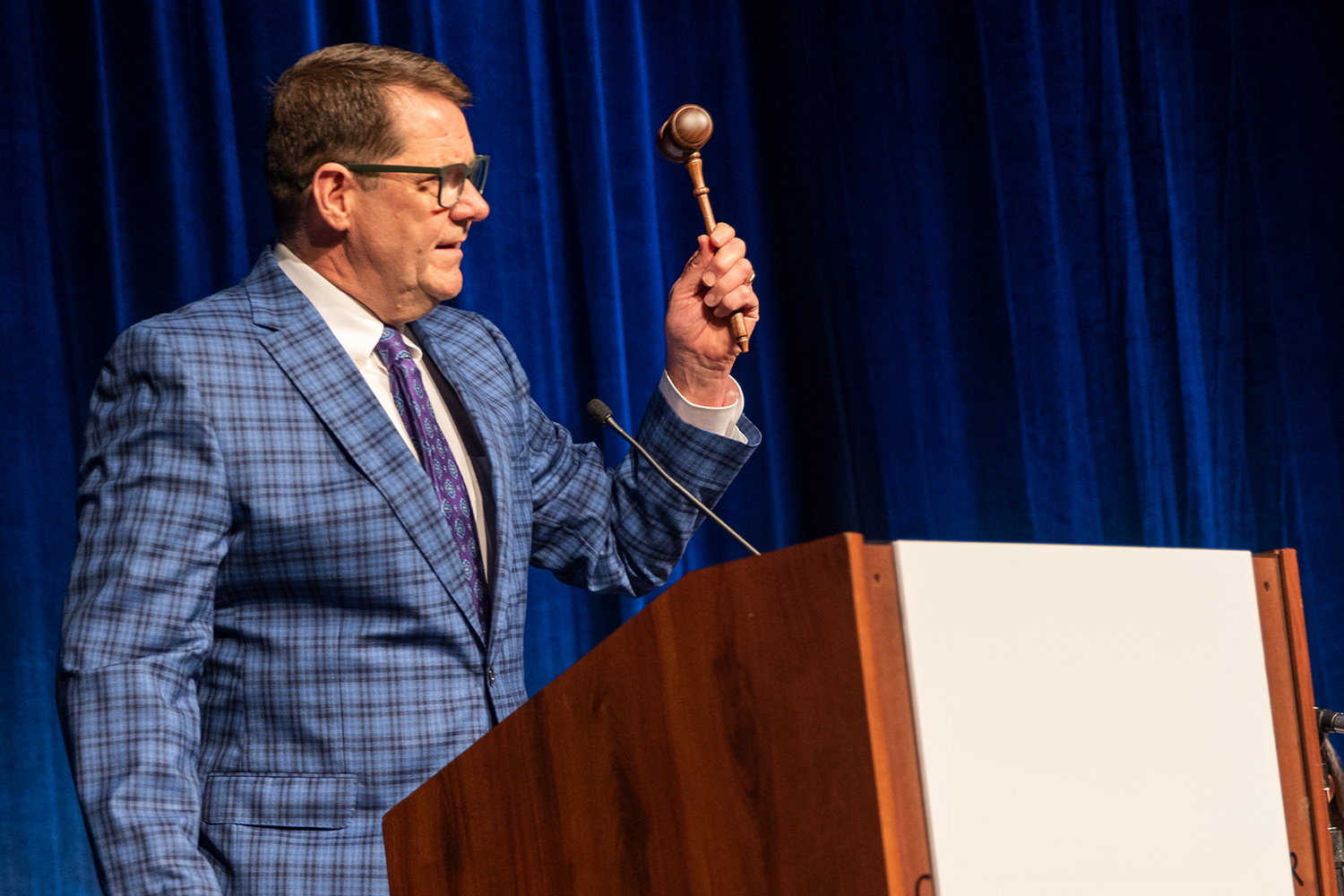
First, I want to thank Dr. Erik Paulson for an incredible year of leadership. It has been such a joy to work with Erik over these many years, and I am honored to have him pass me the ARRS gavel.
Also, I am extremely proud to announce that ARRS is doubling-down on its commitment to providing the best education to members by launching a second journal! Designed to complement AJR, this brand-new journal is going to be image-rich. It’s going to be published bi-monthly, starting in 2025, and it’s going to be called the Roentgen Ray Review, or R3. And I am happy to say that R3’s inaugural Editor in Chief is Dr. John Leyendecker. John welcomes any thoughts on what our members would like to see in this new journal from ARRS.
I’m most excited to discuss the science of happiness, a topic dear to my heart, here in the pages of InPractice. Why is happiness important? Why, or how, do we link happiness with the workplace? It’s something that we should consider often.
Right now, if I ask you to recall a happy memory, many of us will think of things outside of work. Work doesn’t immediately come to mind. I find this incredibly interesting: where is the word “work” derived from? Let’s start there. It’s Latin from “trepaliare,” which means to inflict suffering. I kid you not. You can’t make this up, right? Okay, how we link this to medical care, in particular, is that data show our happiness—our job satisfaction—is the most important factor determining quality of care. We need to care about our team, and we need to take care of ourselves. We have to be grounded, knowing that wellness is critically important in health care. Data have also shown that for people who are happy and satisfied at their jobs, their production is better, and they don’t call in sick. For all of us involved in leadership, we know the cost of staff turnover.
So, how are we doing? Let’s talk about our baseline. There was a U.S. survey that went out to all physicians, and the response was huge because people really do care about this topic. 25% of all physicians reported being happy at work.
Drilling down, how happy are radiologists? In 2022, we ranked 20th of 29 specialties. A whopping 60% of radiologists reported feeling burnt out. The two largest factors contributing to that burnout were long hours and, interestingly, a feeling of lack of respect for their specialty. Another survey went out, and again, 63% of radiologists reported at least one burnout measure. When imaging leaders were polled, 80% recognized this as a significant problem, but only 20% of those same leaders felt that they had adequate mechanisms at their disposal. There’s a trickle-down effect here, too. Everyone working with colleagues, residents, and trainees: if you are not doing well, they will feel it. And if mama ain’t happy, the house isn’t happy.
We can couple these surveys with data from the Association of American Medical Colleges that just came out predicting we’re going to have a shortage of 10,000–35,000 radiologists by 2034. As we all know, COVID intensified this issue, as many radiologists cut back their hours or took early retirement. Then, we have an aging population. In the next decade, 2 out of 5 active physicians will turn 65 years old. If you think about these personnel shortages, this personal dissatisfaction, we need to be talking about wellness initiatives aimed at our happiness.
So, let us talk about it. Personally, when I think about happiness, it conjures up many fun feelings of my family, my dog. About five years ago, though, I was not happy. I was struggling at work and with the meaning of my work. In fact, I reached out to many of you reading this message now. I was going through a transition, and my closest girlfriend at home happened to be a good friend of Arthur C. Brooks, an endowed professor at Harvard’s Kennedy and Business Schools. (Actually, Dr. Brooks teaches the most requested class at Harvard, leading a happiness lab as well, and both are hard to get in to!) My friend said, “I’m going to give you his book. I want you to read it, and then, we have to talk about it.” And it really was life-affirming and life-changing. Moving forward here in InPractice, I will share some of the major principles of being and working happier. One of the biggest is that a lot of us tend to feel like happiness is this destination. ‘I just have to get happier,’ we tell ourselves. But as Dr. Brooks points out, true happiness is a direction—a direction and the steps you take. We may not always be able to find happiness, especially at work, but we can be happier. Stay tuned!
Volunteers have been foundational to the American Roentgen Ray Society (ARRS), allowing North America’s very first radiological society to ensure its strategic initiatives remain achieved. And to carry out the organizational needs and directives of this society, ARRS members and associate members alike are invited to serve on standing or ad hoc committees furthering our overall mission: improving health through a community committed to advancing the profession of medical imaging and its allied sciences.
Presently, there are ARRS committees expertly focused on professional and practice improvement, scientific innovation, education, membership, and international outreach. The ARRS Professional and Practice Improvement Committee has been charged with overseeing our professional development programs, cultivating leadership opportunities, as well as initiating several practice quality improvements.
Chief among these improvements has been establishing a brand-new ARRS Quality and Practice Improvement Subcommittee–a working group with an overarching charter of promoting both workplace wellness and personal wellbeing to ARRS members of each practice type, private or academic, at every stage of their career, from residency to fellowship to active practice and beyond.
For “Words of Wellness” here in InPractice, members of the ARRS Quality and Practice Improvement Subcommittee discuss what “wellness” and “wellbeing” mean in their own clinical practices, research focuses, and everyday lives.
Jay Parikh, MD University of Texas MD Anderson Cancer Center
“I am a breast radiologist and professor of radiology in the division of diagnostic imaging at UT MD Anderson Cancer Center. Most physicians go into medicine and endure medical school and radiology residency for the betterment of patients. Along the course of training and further into our careers, data show a high prevalence of burnout in radiology. Additionally, physician burnout has been associated with negative outcomes for organizations, physicians, and patients.
Since burnout is a workplace-related phenomenon, radiology practice leaders need to stop redesigning the radiologist. Instead, they should focus on redesigning processes. Physician leadership is inversely related to burnout. Therefore, practice leaders need to be held accountable for radiologist burnout in their workplaces. Radiologists work very hard to become credentialed and take care of patients, so they should not be marginalized into feeling like cogs in a wheel. The road to overcoming the complex issue of radiologist burnout to wellness requires leaders to listen to their radiologists, co-create solutions, and build trust across their teams.”
Jessica T. Wen, MD, PhD Stanford 2024 ARRS Resident/Fellow in Radiology, Melissa Rosado de Christenson Award Winner
“My journey towards wellness has its roots in yoga. My yoga practice started in college, and during graduate school, I became a certified yoga instructor. During medical school, I taught yoga classes for my fellow medical students, weaving concepts of presence and self-awareness into my classes.
As a trainee, I find that training and wellness are often difficult to reconcile; not just for myself, but also for my colleagues. The aspect of wellness that I struggle with the most is self-care. In medicine, we are trained with the expectation to place the hospital’s needs always before our own. Our training culture has classically praised the individual who finds more of themselves to give, without reprieve or compensation. The internalization of this culture manifests as a loss of self-worth. To balance this, I have found that the pillars of self-care can be derived from both the physical principles of yoga—flexibility and strength—in addition to the yogic principle of community.
Flexibility, strength, and community are the mental and social foundations on which I build my self-care and self-acceptance.”
Darcy J. Wolfman, MD Johns Hopkins Medicine
“Wellness at work starts with processes that improve your life, not impede it. Making your job something you look forward to, not dread. The first step is identifying what at work is leading to stress and unhappiness.
These can be big things, such as we need more staff to cover calls, or small items, such as moving the cutoff time to read cases from 5:00 to 4:30 pm. The hard part is that these changes are extremely practice-specific. What has helped in my practice is likely to be irrelevant to someone else’s. Therefore, it is critical that leadership listen to radiologists and be willing to make changes. There is no one-size-fits-all, and no one outside your practice can tell you what to do. So, it all starts with identifying pain points, and then getting leadership to listen and be willing to change.”
Lauren M.B. Burke, MD, FSAR University of North Carolina at Chapel Hill
I am an abdominal radiologist and professor of radiology and urology at the University of North Carolina at Chapel Hill. In my current role of executive vice chair, I have worked on several initiatives to improve work-life balance across all members of the team: faculty, residents, and staff.
In my view, small tweaks can lead to great improvement. Optimization of worklists to equalize efforts and/or allow for flexibility or remote interpretation has been key to finding that balance of teaching, clinical acuity, and clinical load for our team. These tweaks allow faculty to have autonomy and flexibility in their work and daily lives.
Efforts to help physicians practice at their level are equally important. Automation of protocols, software to propagate measurements from ultrasound examinations straight to reports, and motivated staff to help relay and close the loop on incidental findings are all examples of such efforts. It’s a constant work-in-progress that requires a unified team with open and honest communication between all team members.
Sherry Wang, MD Mayo Clinic, Rochester
I am an abdominal radiologist in the abdominal and ultrasound divisions at Mayo Clinic Rochester. Being a radiologist, I have found much of my source of unwellness and burnout tend to be psychological, rather than physical. There is a lot of mental burden, and it is no surprise that radiology is the most mentally demanding physician specialty with increasing workload contributing to burnout.
Music is something I have always enjoyed, and I’ve curated a “Wellness Playlist”—songs for those mentally tougher days in the reading room. Music has been found to improve mood and decrease anxiety and cortisol levels, even improving depression. Physiologically, music can decrease blood pressure, heart rate, and respiratory rate. In particular, listening to peaceful and low tempo music has been found to decrease heart rate.
There are times in the reading room where I find it useful to have relaxing music to help decrease anxiety and irritation, as well as calm down. However, there are days where I want and need to get pumped up to help tackle a rougher day, just like getting pumped up at the gym for a workout. In fact, motivational music has been shown to combat cognitive and physical performance decline caused by exercise fatigue in sports. Another factor shown to combat cognitive and physical decline is a 30-minute nap. This also showcases the importance and power of sleep, which we are all very aware of in mitigating burnout and unwellness. Since we are on the topic of sleep, listening to relaxing music has been found to be as effective as diazepam in reducing anxiety, and thus beneficial for aiding sleep. Music can lower our blood pressure, heart rate, and respiratory rate to help us fall asleep and achieve quality sleep, further boosting our wellness.
Jan Vosshenrich, MD Department of Radiology University Hospital Basel, Switzerland
The health care sector—and especially medical imaging—greatly contributes to global greenhouse gas emissions. Recent research has highlighted the colossal energy appetite of CT and MRI scanners, spotlighting substantial nonproductive energy waste during idle periods (1–3).
But do interventional radiology and interventional cardiology face similar energy consumption challenges?
To find the answer, my University Hospital Basel colleagues from the departments of radiology, cardiology, urology, and building management equipped interventional imaging devices with power sensors and calculated their energy demand, carbon emissions, and annual costs (4).
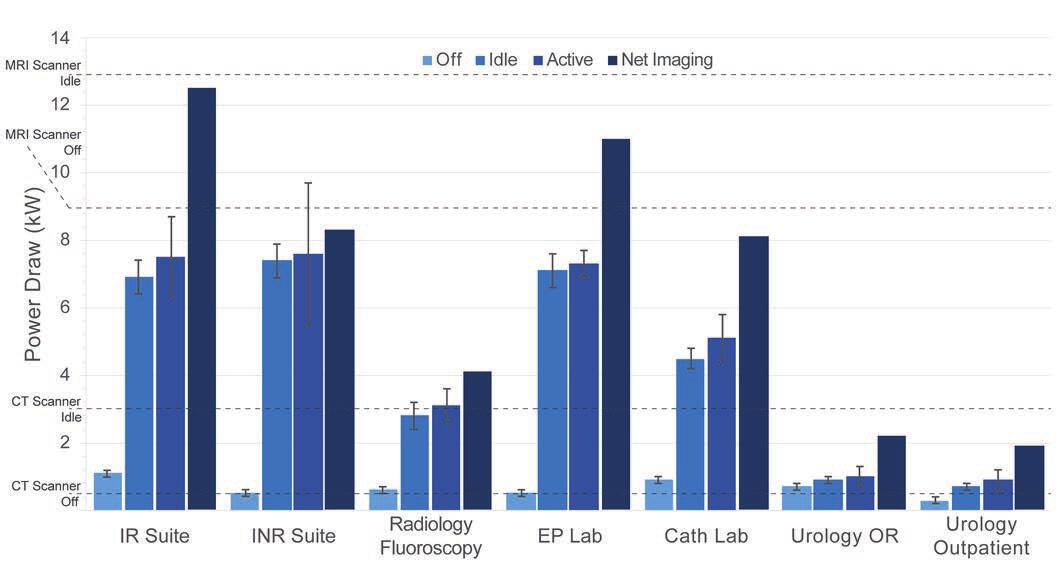
The idle power consumption of CT scanners and basic fluoroscopy devices (e.g., used for peripherally inserted central catheter line insertions) is around 3 kilowatt-hours (kWh). Biplanar angiography devices used in interventional radiology and catherization labs have around 2–2.5 times higher power requirements, ranging between 5–7.5 kWh (Fig. 1)
Fig. 1—Mean power draw in kilowatts (kW), stratified by system and activity states. Error bars represent SDs. Values for net imaging state were estimated and lack SDs. Dashed horizontal lines represent mean power draws in off and idle states of CT scanner and of MRI scanner without power-saver mode, based on published data. EP = electrophysiology, INR = interventional neuroradiology, IR = interventional radiology, OR = operating room, lab = laboratory, cath = catheterization
Simply powering down these devices when not in use decreased power consumption and increased energy efficiency by 22–93%. System shutdowns could be safely practiced without causing damages, affecting the systems’ lifespan, or voiding service warranties.
Vendors have started to encourage customers to consistently power down systems overnight and during idle periods longer than an hour in their best practice guidelines. If you do not already shut down your imaging devices, our AJR Original Research article includes projected annual savings for doing so.
On a device level, consistently powering down idle-running devices overnight and on weekends may save up to 39,000 kWh in energy consumption, 5 metric tons in greenhouse gas emissions, and $10,000 in electricity costs.
For multiple devices, savings add up!
Based on their institutional setting, we estimated combined annual savings of 144,640 kWh in energy consumption, 18.6 metric tons in greenhouse gas emissions, and $37,896 in electricity costs. The included cost and carbon emission sensitivity analyses allow radiology, cardiology, and urology departments to estimate their potential cost savings and sustainability benefits, depending on local electricity prices and carbon intensities accordingly.
Savings vary with usage patterns and may be lower for practices offering around-the-clock emergency procedures. However, switching off can still pay off without sacrificing readiness and prompt care, given short start-up and shutdown times of modern devices (ca. 2–5 minutes).
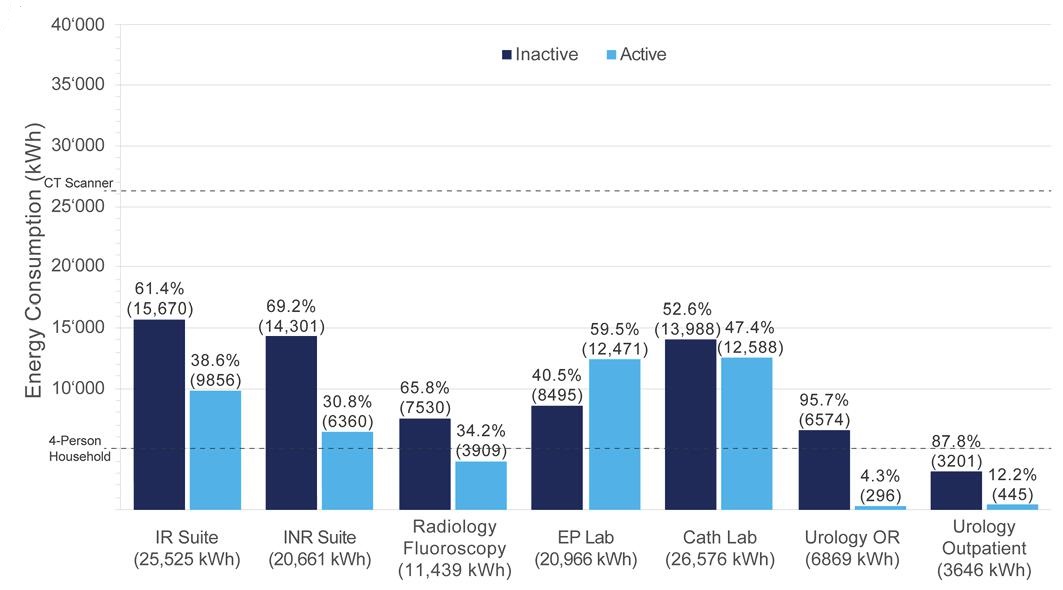
But even when consistently powering down idle-running systems (Fig. 2), most of the devices’ energy consumption still occurred inactively without a patient being in the room for a procedure (overall: ~60%, range for individual devices: ~41-96%.)
Fig. 2: Projected annual inactive and active energy consumption (i.e., energy consumption occurring outside of and during procedures, respectively). Dashed horizontal lines represent mean annual energy consumption of 4-person household and of CT scanner, based on published data. EP = electrophysiology, INR = interventional neuroradiology, IR = interventional radiology, OR = operating room, lab = laboratory, cath = catheterization
Given how the energy consumption of the devices is distributed, we concluded that there is much room left to further improve sustainability in interventional radiology. However, these would require technical innovations and more eco-friendly designs from the systems’ manufacturers.
In summary, interventional imaging systems are energy intensive in their operation. The annual energy demand of each device is as high as that of 1 to 5 4-person households. Nonproductive energy consumption outside procedures is disproportionately high. Powering down idle-running devices can decrease costs and increase sustainability. Meanwhile, system shutdowns and start-ups can be safely and quickly performed. However, technical innovations are needed to further improve sustainability in interventional radiology writ large.
For more reasons why now is the perfect time to ramp up your sustainable imaging efforts, “the yellow journal” has since published multiple Editorial Comments for our full-length manuscript—authored by individuals who served as the article’s peer reviewers before acceptance (i.e., those most familiar with its content). AJR Editorial Comments by Nadja Kadom [5] and by Katherine Frederick-Dyer [6] offer insights from different perspectives regarding the energy consumption of interventional imaging equipment. It’s worth noting, too, that the AJR Global team has published Chinese and Spanish translations, both PDF and audio files, for our article’s abstract.
References
Brown M, Schoen JH, Gross J, Omary RA, Hanneman K. Climate change and radiology: impetus for change and a toolkit for action. Radiol 2023 May; 307:e230229
Picano E, Mangia C, D’Andrea A. Climate change, carbon dioxide emissions, and medical imaging contribution. J Clin Med 2022 Dec 27; 12:215
Brown M, Snelling E, De Alba M, Ebrahimi G, Forster BB. Quantitative assessment of CT energy use and cost savings through overnight and weekend power down in a radiology department. Canadian Association of Radiologists Journal 2023; 74:298–304
Vosshenrich J, Mangold D, Aberle C, et al. Interventional imaging systems in radiology, cardiology, and urology: energy consumption, carbon emissions, and electricity costs. AJR 2024 Mar 20 [published online]. Accepted manuscript. doi:10.2214/AJR.24.30988
Kadom N. Editorial comment: The time to start is now. AJR 2024 Mar 27 [published online]. Accepted manuscript. doi:10.2214/AJR.24.31188
Frederick-Dyer K. Editorial comment: Let’s not be idle about idle power consumption. AJR 2024 Apr 3 [published online]. Accepted manuscript. doi:10.2214/AJR.24.31222
Director for Quality, Department of Radiology, Children’s Healthcare of Atlanta Interim Director for Quality, Department of Radiology and Imaging Sciences, Emory Healthcare
Professor, Emory University School of Medicine
Living more sustainably has been on my mind recently, and I think other radiologists may be similarly interested. As radiologists, we play a crucial role in diagnosing and treating patients, and I strongly believe that we can do even more.
Radiology, being an essential component of modern health care, has an environmental impact, particularly in terms of energy consumption and waste generation. However, I also believe that there are opportunities for positive change. By adopting sustainable practices in our radiology departments, we can reduce our ecological footprint and contribute to a healthier planet.
As Dr. Julia H. Schoen noted in her own InPractice primer, “greener” imaging begins at home [1], so I would love to discuss potential initiatives that radiologists could undertake together, starting with our use of iodinated contrast media (ICM). Accumulating as residual waste in the vials and tubing of patients who receive them, ICM can be released into the sewage system. Although ICMs are of low toxicity, they may transform into other chemicals when undergoing wastewater treatment and/or water purification [2]. These byproducts pose risks for aquatic environments, as well as our drinking water.
Following the shortages of iodinated contrast agents during the COVID pandemic, many radiology practices had to adopt new best practices for decreasing use and waste of iodinated IV contrast [3]. So, with supply chain disruptions resolving and inventory returning, why not adjust contrast volume for each patient based on body weight, lean body mass, or body surface? Certain imaging techniques can allow reduced IV contrast volumes, currently mostly used for patients with renal disease: low-kV techniques, dual-energy scanning with reconstruction of low-keV images, and contrast boost technique for CT angiography.
Using multi-patient injection systems for bottle sizes up to 500 milliliters can make IV contrast administration even more efficient by individualizing the amount of contrast material injected without increasing contrast waste. True, this may require some planning ahead of the imaging day to do so efficiently.
Changing habits is difficult, but do you switch the lights off when you leave a room in your home? How about at work? It’s tough to remember every time, I know. We often feel like a big, concerted effort is necessary to change one single bad habit, and it remains unclear whether such a small contribution can really make a difference.
Hang in there! The 1% rule of marginal gains is the simple idea that big goals can be achieved through incremental steps. No need for making big changes overnight. Instead, let’s aim for small daily improvements.
The three “r”s of sustainability—reduce, reuse, recycle—definitely do translate to our specialty, and there are a few low-hanging fruits worth our consideration. Remember, adopting environmentally friendly practices can also save money, and rethinking how we administer ICM is a feasible first step.
Dekker HM, Stroomberg GJ, Prokop M. Tackling the increasing contamination of the water supply by iodinated contrast media. Insights Imaging 2022 Feb 24; 13:30. doi: 10.1186/s13244-022-01175-x
The American Roentgen Ray Society (ARRS) was but a teenager when the city of Boston, MA, first hosted an ARRS Annual Meeting. Dr. Henry Khunrath Pancoast (of “Pancoast lung tumor” fame) presided over that 1913 convocation in Boston, and North America’s first radiological society would return to the cradle of liberty for six more meetings before the 20th century was over.
The 2024 ARRS Annual Meeting at Boston’s John B. Hynes Veterans Memorial Convention Center delivered the same clinically relevant experience for which this society has long been heralded. From Sunday, May 5 to Thursday, May 9, radiologists of each practice type and every training level relished world-class instruction from trusted experts spanning every subspecialty.
Pioneers in asynchronous education a decade before COVID-19 changed everything, ARRS continues to offer both in-person and virtual registrants the most flexible meeting experience in radiology. From Instructional Courses and Scientific Sessions to Categorical Courses and Online Posters, all #ARRS24 attendees retain on-demand access to the complete program for an entire calendar year, learning and earning CME well into 2025.
After voting “yea” on a bylaw amendment to streamline the selection of committee chairs, the ARRS membership officially installed Angelisa Paladin, MD, of the University of Washington in Seattle as the 124th president of ARRS. Joining Dr. Paladin are the following newly elected ARRS officers for 2024–25: president-elect Deborah A. Baumgarten, MD, MPH; vice president Christine M. Glastonbury, MD; and secretary-treasurer Reginald F. Munden, MD, DMD, MBA.
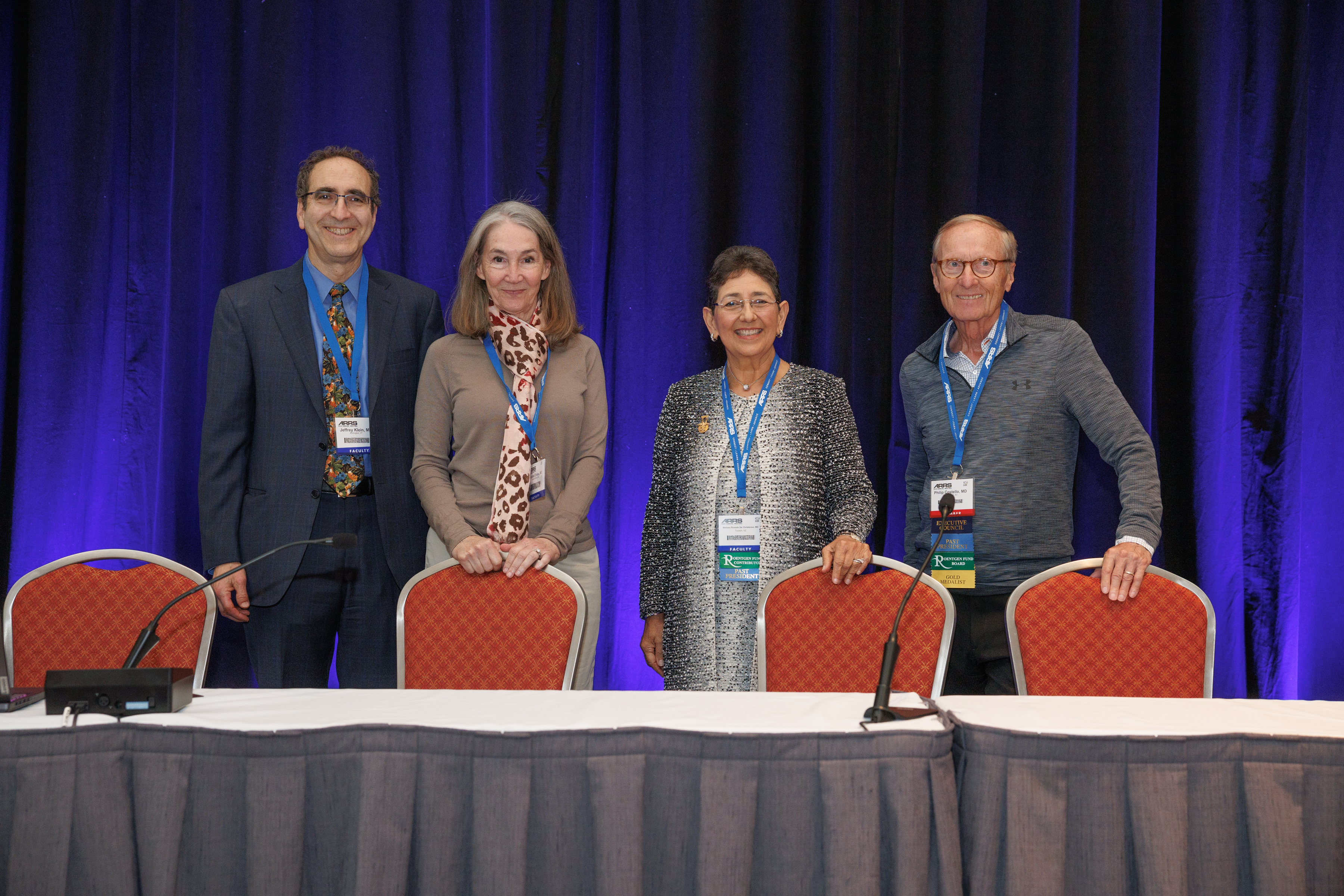
Left to right: Christine Glastonbury, Angelisa Paladin, Erik Paulson
Dr. Paladin succeeds Erik K. Paulson, MD, who presented this year’s coveted ARRS awards. The first laurels of the morning went to Philip Costello, MD, who was awarded the 2024 ARRS Gold Medal. The highest distinction bestowed by ARRS, our Gold Medal has been honoring distinguished service to radiology for more than four decades. Gaveled in as ARRS President during the 2018 Annual Meeting in Washington, DC, presently, Dr. Costello chairs the six vital scholarship programs of ARRS’ own Roentgen Fund®.
Philip Costello
David M. Neager, MD, was then recognized as the 2024 ARRS Distinguished Educator. An engaging presence who motivates and impacts learners and colleagues alike, he exhibits his commitment to ARRS’ own educational initiatives—especially the Clinician Educators Development Program and Radiology Review Track—with attention to the needs and diversity of our members.
David Naeger
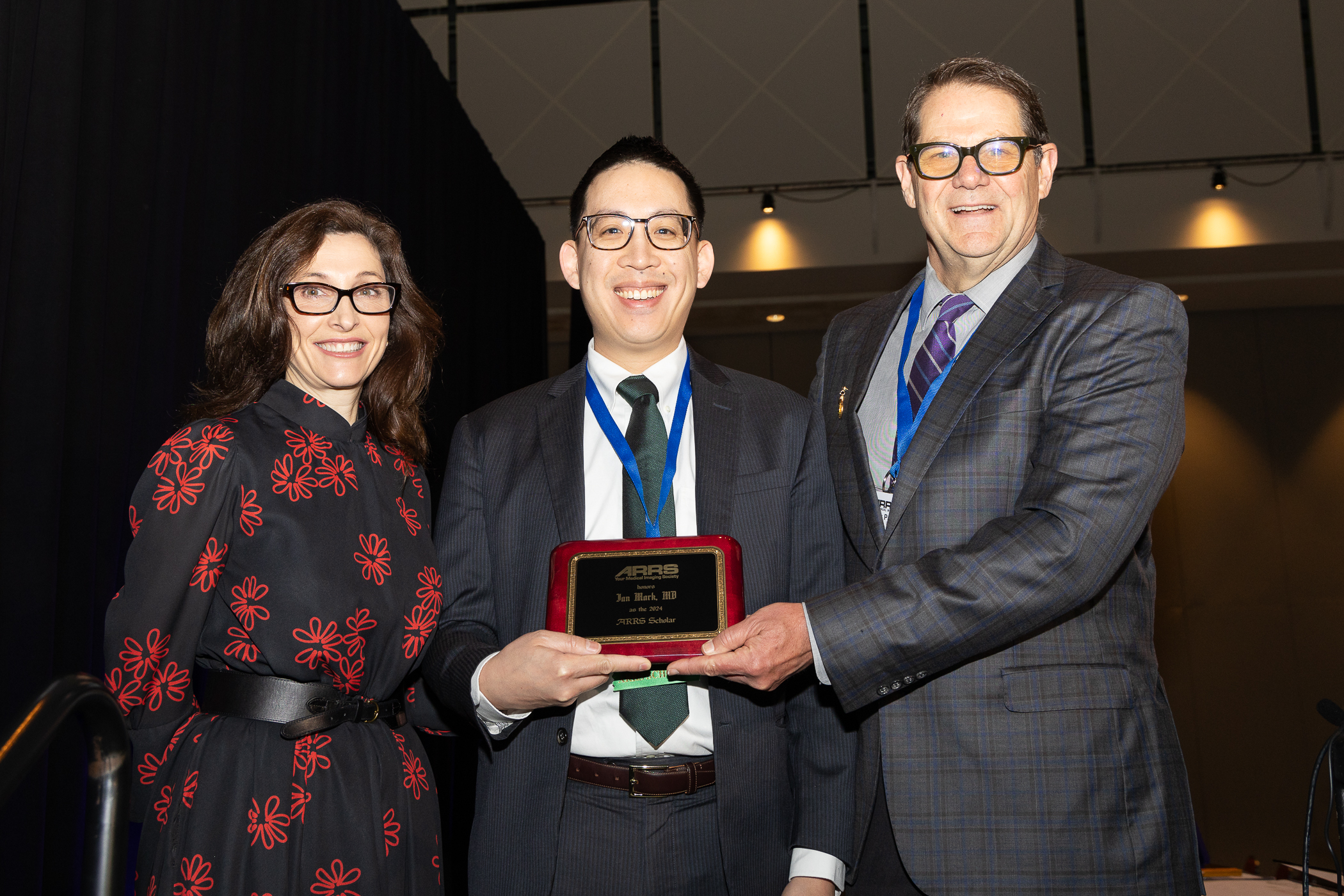
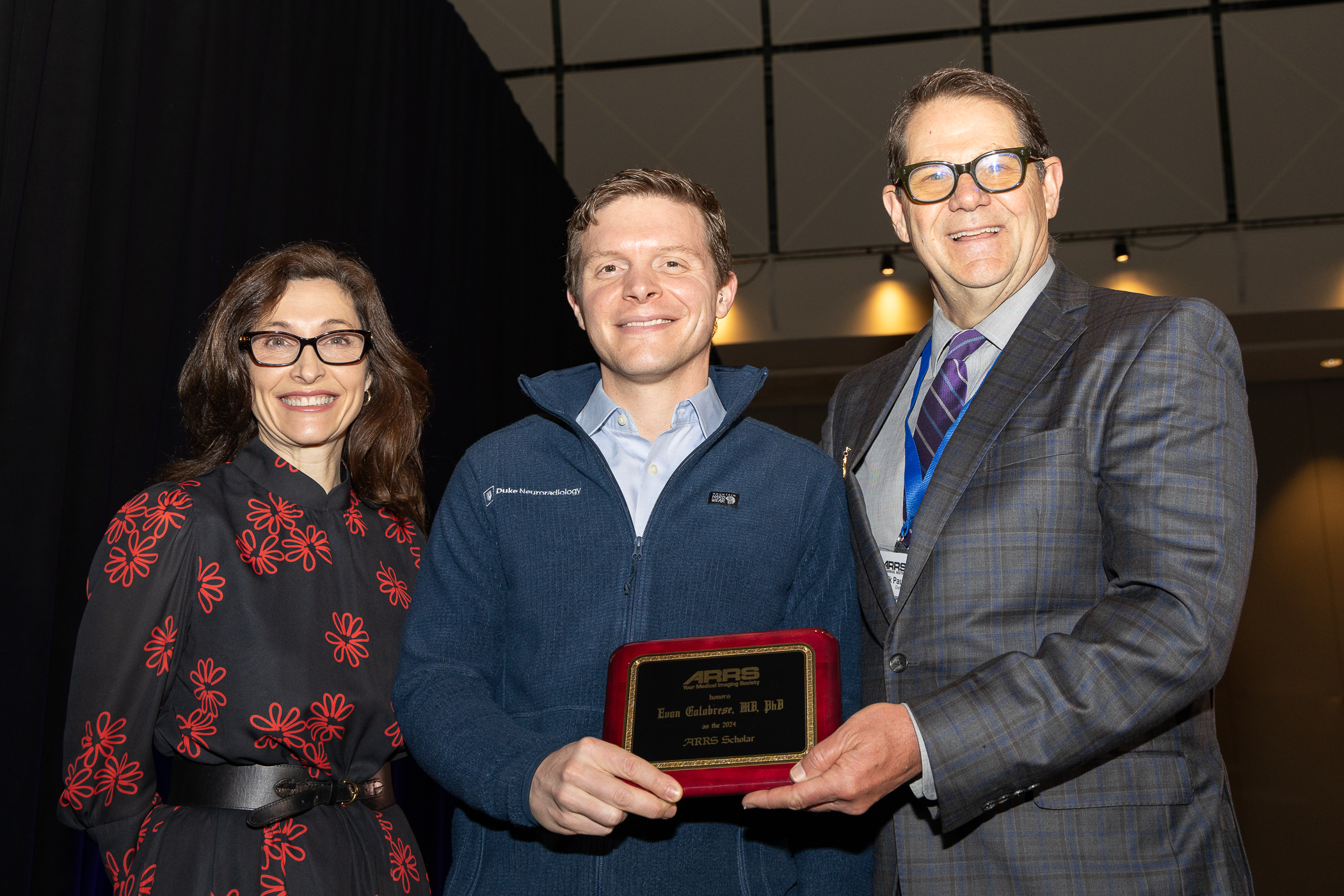
Next, ARRS was proud to recognize two recipients of 2024 ARRS Scholarships: Ian Mark, MD,of Mayo Clinic Minnesotaand Evan Calabrese, MD, PhD, of Duke University Medical Center. Also provided by the Roentgen Fund, the ARRS Scholarship supports early-career faculty members pursuing radiological research that promises to change how medical imaging is practiced. A two-year grant totaling $180,000, the ARRS Scholarship aims to advance emerging scholars, as well as prepare them for positions of leadership.
Left to right: Glastonbury, Ian Mark, PaulsonLeft to right: Glastonbury, Evan Calabrese, Paulson
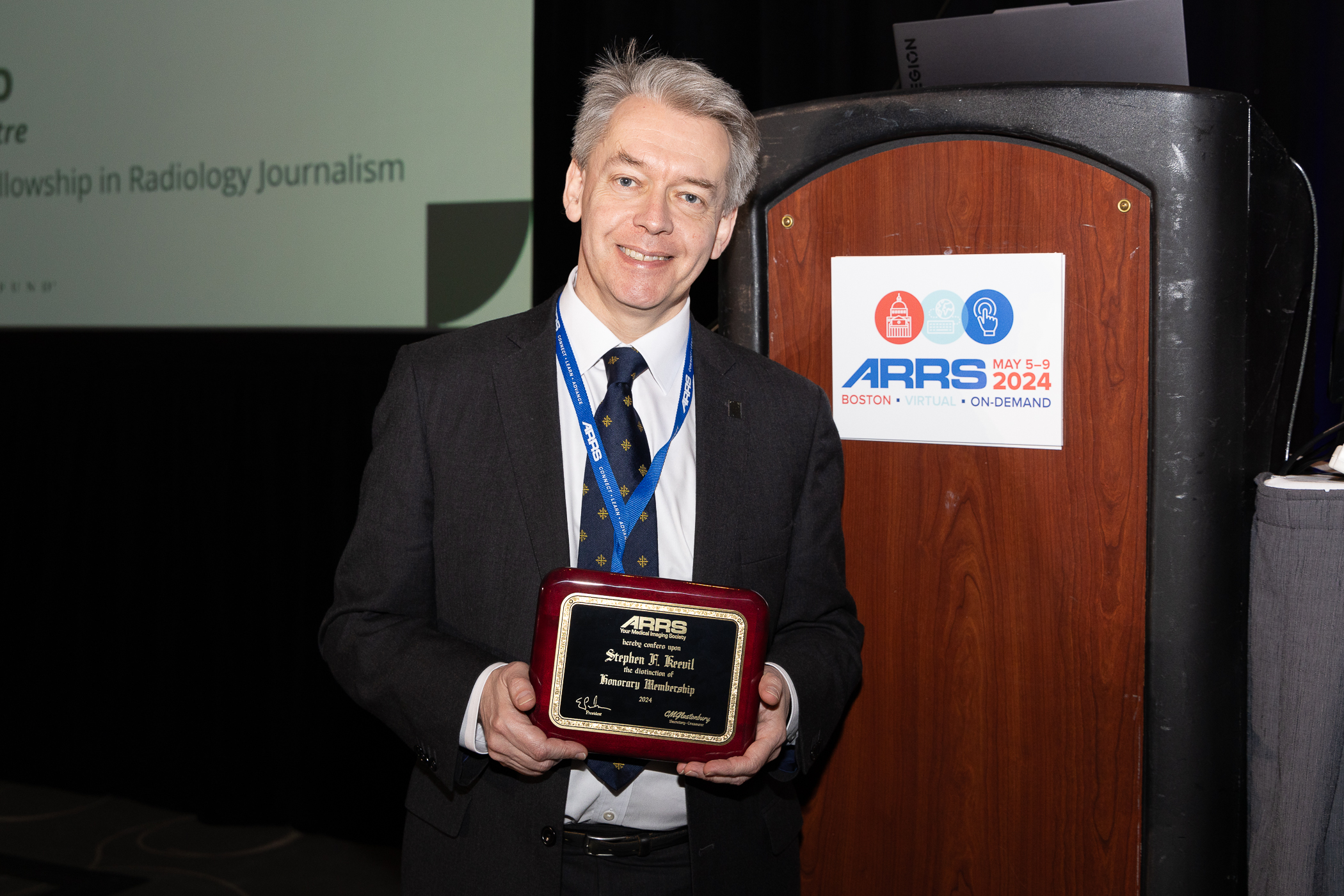
Stephen Keevil, BIR President, Named Honorary Member
Professor Stephen F. Keevil, president of the British Institute of Radiology (BIR)—the oldest medical imaging society in the world—was recognized with honorary membership as part of ARRS’ Global Partner Society (GPS) program. Keevil served on the faculty for the 2024 ARRS Annual Meeting Global Exchange, “Screening Patient Pathways Across the Pond: Highlights and Challenges for Radiology in the UK and USA.” The GPS program was established to build long-standing relationships with key leaders and societies in the global imaging community to enhance understanding, raise awareness, and increase participation in programs and services. The Annual Meeting Global Exchange incorporates one partner society annually into the educational and social fabric of the meeting, with ARRS reciprocating at the partner society’s meeting that year.
Stephen Keevil
2024 AJR Luncheon with Figley and Rogers Journalism Fellows
During the American Journal of Roentgenology (AJR) Luncheon on Monday afternoon, Francis Baffour, MD, of Mayo Clinic in Rochester, MN, was honored as the 2024 Melvin M. Figley Fellow in Radiology Journalism, while Hyun Soo Ko, MD,of the Peter MacCallum Cancer Centre and Epworth Medical Imaging in Melbourne, Australiawas recognized as the 2024 Lee F. Rogers International Fellow in Radiology Journalism.
Francis BaffourHyun Soo Ko
Named for two distinguished Editors Emeriti of AJR, the Melvin Figley and Lee Rogers Fellowships offer practicing radiologists an unparalleled opportunity to learn the tenets of medical publishing via “the yellow journal”—the world’s longest continuously published radiology journal. Through hands-on experience with ARRS staff and AJR personnel—as well as personal apprenticeship with AJR’s 13th Editor of Chief, Andrew B. Rosenkrantz—Drs. Baffour and Ko will receive expert instruction in scientific writing and communication, manuscript preparation and editing, peer review processes, journalism ethics, and digital production and publication.
With Distinction: Award-Winning Scientific Research
The 2024 ARRS Annual Meeting hosted hundreds of electronic exhibits and abstracts presenting leading-edge research. Below are three highlights from our 2024 Scientific Program.
Mammograms Reveal Hidden Clues to Heart Health
According to the Summa Cum Laude Award-Winning Online Poster presented during the 2024 ARRS Annual Meeting, fat-enlarged axillary nodes on screening mammograms can predict high cardiovascular disease (CVD) risk, Type 2 diabetes (T2DM), and hypertension (HTN).
“Incorporating fat-enlarged nodes into CVD risk models has the potential to improve CVD risk stratification without additional cost or additional testing,” said Jessica Rubino, MD, from Dartmouth Hitchcock Medical Center in Lebanon, NH. “Fat-enlarged axillary lymph nodes visualized on screening mammography may increase the ability to identify women who would benefit from CVD risk reduction strategies and more intensive risk assessment with coronary artery CT.”
Rubino et al. reviewed patients (women, 40–75 years) without known coronary artery disease who had a routine screening mammogram and cardiovascular risk factors available in the EMR within 1 year of the index mammogram (January 1, 2011–December 31, 2012). Evaluating major adverse cardiovascular events (MACE) within 10 years of the index mammogram, the researchers used clinical parameters at the time of the index mammogram to determine high estimated CVD risk via the pooled cohort equation (PCE) —defined by the American Heart Association as more than a 7.5% likelihood of MACE within 10 years. Two breast imagers evaluated screening mammograms to measure the length of the largest visible axillary LN in each breast in the mediolateral oblique view, analyzing the largest visible node for each patient. Logistic regression then examined associations between lymph node size, 10-year CVD risk, MACE, T2DM, HTN, low density lipoprotein (LDL), age, and BMI.
Ultimately, among 1,216 women included in this ARRS Annual Meeting Summa Cum Laude Scientific Poster, 907 (74.6%) had a visible axillary LN on the index mammogram, and 232 (19.1%) women had fat-enlarged nodes—defined as larger than 20 mm in length due to an expanded fatty hilum. Women with fat-enlarged nodes had a high risk of CVD defined by PCE (OR = 2.6, 95% CI 1.5–4.2), as well as a higher prevalence of T2DM (OR = 4, 95% CI 2.1–7.7) and HTN (OR = 2.5, 95% CI 1.6–4.0). Fat-enlarged nodes were also associated with a trend toward higher risk of MACE (OR = 1.7, 95% CI 0.9–3.1) and LDL (OR = 1.4, 95% CI 0.9–2.1).
“These results support further investigation of fat-enlarged lymph nodes,” Rubino added, “particularly with studies leveraging AI evaluation of mammographic fat-enlarged LNs and cardiometabolic disease.”
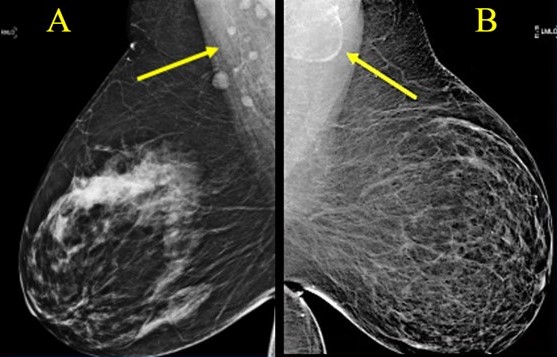
Fig. 1—Variable LN morphology on screening mammograms in women with obesity due to ectopic fat deposition. A, Normal axillary lymph nodes measuring < 1.5 cm in 63-year-old woman with BM = 43.2. B, Fat-enlarged axillary node with large fatty hilum measuring 4.2 cm in 52-year-old woman with BMI = 45.8.
Detecting Accessory Infraglenoid Muscle in Teres Minor Fatty infiltration
The Magna Cum Laude Award-Winning Online Poster presented during the 2024 ARRS Annual Meeting showed a high prevalence (89%) of accessory infraglenoid muscle (AIGM) in patients with teres minor fatty infiltration (TMFI)—compared to those without (30%). Additionally, within the TMFI cohort, many AIGM abutted the axillary nerve with concomitant axillary neuropathy.
“These results stress the importance of looking for AIGM in the setting of TMFI, as TMFI on preoperative MRI has been associated with poor postsurgical outcomes,” said Jennifer Padwal, MD, from Stanford University Medical Center in California. “And the presence of AIGM on shoulder MRI could negate the need for additional imaging to evaluate the cause of TMFI.”
Padwal et al.’s institutional review of all shoulder MRIs yielded 100 patients with documented TMFI (76 men, 24 women; mean age, 58.6 years). For comparison, a respective sample of 100 shoulder MRIs in patients without TMFI (53 men, 47 women; mean age, 56.4 years) was obtained. All scans were consensus evaluated by two radiologists (one musculoskeletal attending with 25 years of experience, as well as a 4th-year radiology resident) for an AIGM with diagnostic confidence, noting muscle origin and insertion. In patients with TMFI, the distance between the AIGM and axillary nerve was measured, documenting any abnormal axillary nerve signal. TMFI was then graded via Goutallier classification, while the presence of atrophy and/or edema was noted.
Ultimately, in the ARRS Annual Meeting Magna Cum Laude Online Poster, TMFI was grade 1 in 33%, grade 2 in 32%, grade 3 in 13%, and grade 4 in 14%, with intramuscular edema in 33 and atrophy in 21 patients. AIGM was seen in 89/100 patients with TMFI; 30/100 patients without TMFI. In all cases, the AIGM originated from the inferior glenoid neck and inserted onto the humeral neck/proximal humeral diaphysis. The inferior margin of the AIGM in patients with TMFI touched the axillary nerve in 39 (46%), with abnormal signal in 23 (27%) patients.
The Cum Laude Award-Winning Online Poster presented during the 2024 ARRS Annual Meeting found that the noncontrast x-ray pulsatility index (XPI) method to evaluate and monitor pulmonary blood flow could improve clinical efficiency as a screening or diagnostic test, provide substantial financial benefits, and improve patient satisfaction.
“Additionally,” said Matthew Smith, MD, from Vanderbilt University Medical Center in Nashville, TN, “this easy-to-implement method can be performed by an x-ray technologist in an outpatient setting,”
Smith et al. enrolled volunteers suspected of chronic thromboembolic pulmonary hypertension (CTEPH) based on pulmonary scintigraphy and/or CTA. Fluoroscopic acquisition (70 kV, 30 frames/s) over an 8-second breath hold was performed in either RAO (30°) or LAO (40°) for the right and left lung, respectively. The temporal signal from each pixel was decomposed into individual frequency components via Fourier transform. The researchers then isolated heart rate signal oscillation using a band-pass filter and amplitude XPI mapped to form an image. Immediately following each fluoroscopic acquisition for spectral analysis, digital subtraction pulmonary angiography was performed with catheter-injected contrast in the same projection using standard protocols. Perfusion maps were segmented using a blinded manual technique, as well as a semi-automated threshold and region-growing method, while segmentation maps were compared using the Dice similarity coefficient—a statistical measurement of overlap.
Ultimately, in this ARRS Annual Meeting Cum Laude Scientific Poster, where noncontrast (XPI) and contrast pulmonary angiography images were obtained in 11 different lungs, all patients were able to perform satisfactory breath hold, despite moderate to severe disease. Direct comparison of segmentation maps revealed an average Dice score of 0.77, suggesting excellent agreement between XPI and pulmonary angiography maps in depicting regions of blood flow and, more importantly, lack of blood flow.
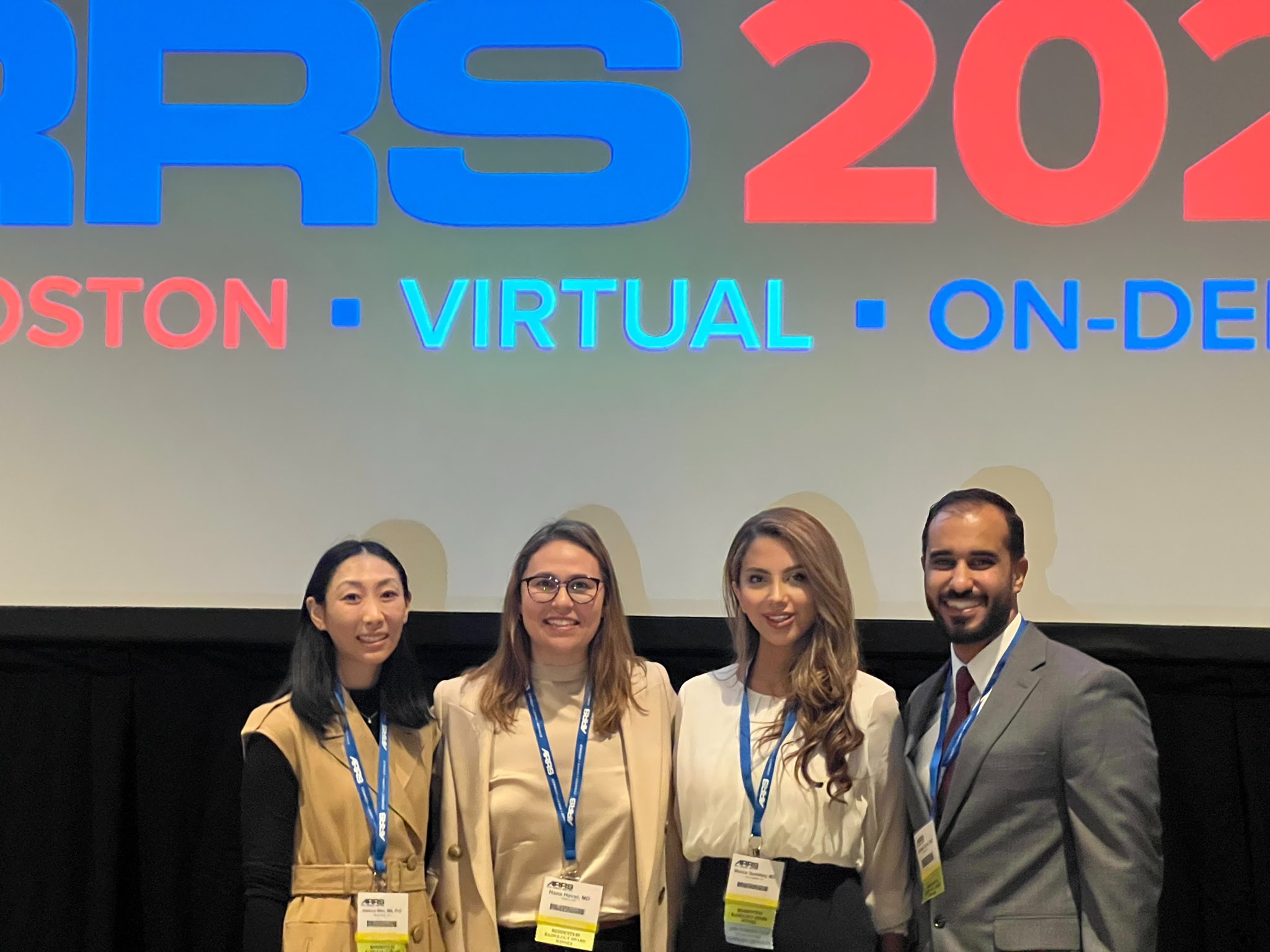
The American Roentgen Ray Society (ARRS) proudly recognizes four emerging radiologists, as well as their institutions and research projects, with the 2024 ARRS Resident/Fellow in Radiology Awards:
Jessica T. Wen, MD, PhD | Stanford University ARRS Melissa Rosado de Christenson Award “Alpha-Fetoprotein Response Patterns After Y-90 Radioembolization for Intermediate-to-Advanced Hepatocellular Carcinoma Predicts Disease Progression and Survival”
Melina Hosseiny, MD | University of California, San Diego ARRS President’s Award “Multi-task Ensemble Deep Learning for Differential Diagnosis of Pneumonia and Pulmonary Edema on Chest Radiograph”
Ahmed Taher, MD | University of Texas Health Science Center at Houston ARRS Executive Council Award
“Safety and Efficacy of Zilretta Administered to Patients with Greater Trochanteric Bursitis”
Hana L. Haver, MD, MSc | Massachusetts General Hospital
ARRS Executive Council Award “Large Language Models to Assist Breast Imaging Reporting: A Comparison of GPT-3.5 Versus GPT-4 in Assigning BI-RADS Final Assessment Categories”
Supported by The Roentgen Fund®, the ARRS Resident/Fellow in Radiology Awards are available to all ARRS In-Training Members in imaging and allied sciences research to acknowledge their work and present their results during the ARRS Annual Meeting. ARRS Resident/Fellow in Radiology Awards are based on the competence and promise of the candidate in radiological research, education, or administration and the scientific merit and potential impact of the candidate’s research.
Clinician Educator Development Program Supports 30 Radiologists
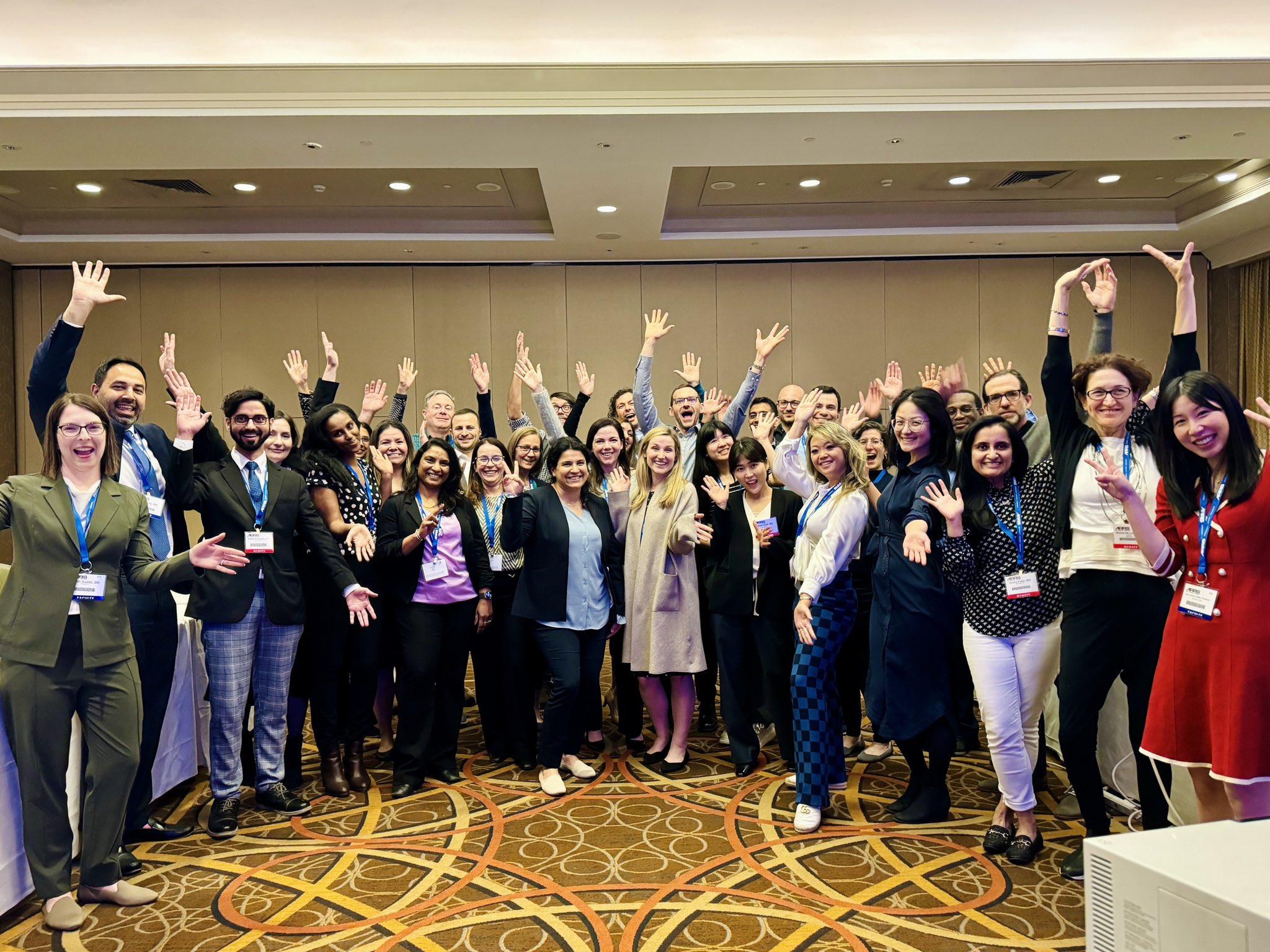
ARRS CEDP Class of 2024: Sandra Abi Fadel, MD; Kara Alexander, MD; Yashant Aswani, MBBS, MD; Claire Brookmeyer, MD; Joseph Cavallo, MD; Tiffany Chan, MD; Amy Chen, MD; Alyssa Cubbison, DO; Brooke Devenney, MD; Marco Ertreo, MD; Michael George, MD, MFA; Mohammad Ghasemi-Rad, MD; Evguenia Jane Karimova, MD; Michael Kwofie, MD; Edward Lawrence, MD; Brielle Paolini, MD, PhD; Richa Patel, MD; Karen Rodriguez, MD; Asha Sarma, MD; Bindu Setty, MD; Monisha Shetty, MD; Mohammad Shujaat, MD; Elainea Smith, MD; James Stepenosky, DO; Hugo Tames, MD; Sara Tedla, MD; Jooae Choe, MD; Silvina De Luca, MD; Mayra Soares, MD; Patricia Wu, MD
Each year, CEDP recipients are selected to receive a travel grant to attend a specialized workshop during the ARRS Annual Meeting. With a curriculum offering increased proficiency in teaching skills, as well as educational activity design, ARRS’ CEDP remains a highly interactive day of learning. Focusing on new and emerging pedagogical tools, while improving already acquired clinical acumen, over half of this expertly curated syllabus consisted of hands-on learning.
Offering a unique opportunity to interact with fellow enthusiastic clinician educators the Saturday before the meeting begins, attendees engaged further with the esteemed faculty ARRS convened: 2024 Distinguished Educator, David M. Naeger, MD; longtime CEDP instructors Judith A. Gadde, DO, and Travis S. Henry, MD, first-time CEDP leader Sherry Wang, MD; as well as the 2021 AJR Melvin M. Figley Fellow in Radiology Journalism, Omer A. Awan, MD.
Chairpersons and program directors at medical schools, affiliated hospitals, and clinical research institutions are invited to nominate two candidates per institution for the 2025 ARRS Clinician Educator Development Program. For full details, please visit ARRS.org/CEDP.
Honorary Lectures Hone In On Cardiothoracic Interpretation, Chest Radiography
On Monday, May 6, and Tuesday, May 7, Ballroom A of John B. Hynes Veterans Memorial Convention Center in Boston witnessed not one, but two must-see Roentgen Fund Honorary Lectures.
Former Roentgen Fund chair Melissa Rosado de Christenson, MD, sponsored and helped to deliver “Great Cardiothoracic Interpretations From Our Practices.” Presented in memory of Robert D. Pugatch, MD, Dr. Rosado de Christenson, was joined by Drs. Jeffrey Klein and Caroline Chiles. These three luminaries of chest imaging—all past presidents of the Society of Thoracic Radiology—discussed the great cases that they have seen in their own clinical practices.
In honor of Drs. Rosado de Christenson and Gerald Abbott, 2024 ARRS Gold Medalist Philip Costello, MD, graciously underwrote “Chest Radiography: Pearls from the Experts.” A high-profile presentation in four high-impact parts, Dr. Abbott, himself, opened, pointing out pearls and pitfalls alike when interpreting chest radiographs. Saurabh Agarwal’s presentation on focal lung disease followed, with Tami J. Bang offering a much need primer for cardiac devices. The last session of this year’s slate of Honorary Lectures concluded with Ioannis Vlahos’ guidance regarding dual-energy chest radiographs.
Since 1990, The Roentgen Fund has granted millions of dollars to hundreds of imaging professionals for both research pursuits and professional development. Today, through six vital scholarship and fellowship programs, the generosity of The Roentgen Fund’s donors is channeled to every corner of the globe—establishing dual foundations in innovation and leadership for a true diversity of radiology’s next generation.
The Roentgen Fund Honorary Lecture offers donors a prestigious opportunity to honor a mentor, recognize a colleague, or remember a loved one in a high-level manner during the ARRS Annual Meeting. At the same time, these generous donors support scholarships and awards to invest in the future of radiology.
I am proud, deeply honored, and flattered to have served as the 123rd president of the American Roentgen Ray Society (ARRS). As you know, ARRS is the oldest radiology society, and we are widely regarded as the education society.
Health care and radiology are in the midst of unprecedented change, in part, due to the after effects of the COVID pandemic and the resultant Great Resignation, including what will probably be permanent alterations in the workforce. There is unprecedented “consumerism” in medicine with a mandate to improve patient access and to have transparent pricing. There has been a shortage of radiologists fueled, in part, by a desire to be part-time, a trend toward exclusive subspecialization, ever-increasing expectation for service to our hospitals and health care systems, and decreasing reimbursement. There is a concern about what role artificial intelligence and machine learning might play.
Despite all the changes in our professional environments, ARRS has and will double down on its commitment to provide a professional home and outstanding, trusted educational resources for all our members—ranging from those in-training seeking preparation for the new oral boards examination, to those in practice desiring trusted continuing education, and to those in academic departments educating the next generation and contributing to cutting-edge clinical research. The ARRS strives to connect with radiologists at our Annual Meeting and through the American Journal of Roentgenology (AJR), online symposia, live webinars, as well as other books and publications.
In my view, the future for radiology and for ARRS is bright and exciting. During my career, there has been explosive growth in advanced imaging technology with concomitant development of new diagnostic approaches and image-guided interventions and therapies. Radiology expertise is more critical than ever before in working with our clinical colleagues to screen, diagnose, treat, and care for our patients. At the same time, there is an opportunity to respond to the unprecedented pressure to be more efficient, while ensuring appropriateness, safety, and positive outcomes.
Radiology continues to attract the brightest medical students, reflected in the reality that there are more students interested in radiology than currently available training slots. Our residency and fellowship training programs continue to evolve and improve. The job market is robust for radiologists, and there are plenty of excellent opportunities for radiologists in our various communities.
Thank you for allowing me to serve as your ARRS president this last year. I would also like to thank the members of the ARRS Executive Council, particularly Executive Committee members: President-elect Angelisa Paladin, Vice President Deb Baumgarten, and Secretary/Treasurer Christine Glastonbury. Special thanks to Susan Cappitelli, ARRS Executive Director, too.
I look forward to connecting with many of you during our upcoming Annual Meeting in Boston, MA, May 5–9, 2024.
Point-of-care ultrasound (POCUS) is a focused ultrasound (US) examination performed and interpreted by the clinician at the patient’s bedside to answer a specific clinical question or guide an invasive procedure. Because the clinician can correlate findings with a patient’s signs and symptoms, POCUS can provide valuable diagnostic information to narrow the differential and guide management in real time [1, 2]. Integration of POCUS into clinical practice has been shown to increase diagnostic accuracy and expedite time to diagnosis and treatment, as well as reduce costs and length of stay and improve patient safety and satisfaction [3–8].
POCUS examinations are focused and operator-dependent; therefore, they tend to provide limited information. As such, POCUS does not replace comprehensive radiologist-performed diagnostic studies; CT is overall superior in evaluating patients with an acute abdomen (i.e., sudden onset of severe abdominal pain) [1, 8]. However, because POCUS is portable, noninvasive, radiation-free, and easily repeatable, it is especially valuable in high-acuity settings, where expedient answers and patient stability are a consideration. POCUS may not be the best definitive test, but it is an excellent initial diagnostic tool that can aid in critical decision-making [9]. The scope of POCUS has expanded significantly in recent decades to include a myriad of applications. Among these are targeted evaluations of acute intraabdominal pathology, where rapid recognition and prompt management are key. This includes hemoperitoneum, ectopic pregnancy, abdominal aortic aneurysm (AAA), obstructive uropathy, appendicitis, bowel obstruction, and pneumoperitoneum [9, 10]. This InPractice article provides an overview of the scope and utility of POCUS for the acute abdomen, focusing on commonly used applications in clinical practice.
Free Fluid
Intraperitoneal free fluid is the pathologic accumulation of fluid within the peritoneal cavity. This can result from various disease processes, including traumatic hemorrhage, ruptured ectopic pregnancy, AAA, bowel perforation or obstruction, and ascites. Although many of these pathologies usually warrant additional diagnostic imaging, POCUS is a valuable initial test that can quickly detect free fluid, which can influence workup and management [11].
Free Fluid in Trauma Setting
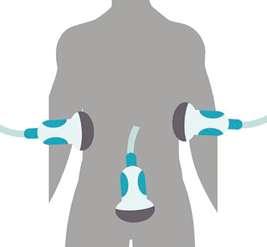
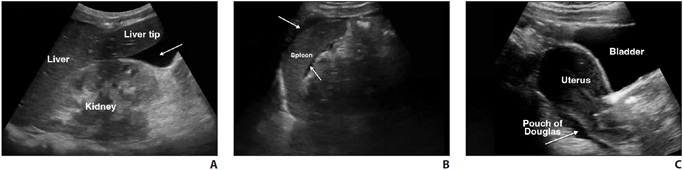
Evaluating intraperitoneal free fluid in the setting of trauma is among the most well-established uses of POCUS. First described in Europe in the 1970s and adopted in the United States by the 1990s, this examination is now known as “focused assessment with sonography in trauma” (FAST) [12]. The FAST examination includes a quick survey of key areas in the intraperitoneal cavity for free fluid, a sign of hemorrhage, and an indirect indication of organ injury; cardiac and thoracic components are also included. The abdominal component of FAST evaluates the right and left upper quadrants, focusing on the perihepatic and perisplenic spaces, respectively, along with the pelvis [11, 12] (Fig. 1).
Fig. 1—Abdominal focused assessment with sonography in trauma (FAST) examination includes right and left upper quadrant and pelvis.
The sensitivity and specificity of FAST for detecting intraperitoneal free fluid is 64–98% and 86–100%, respectively [13]. Though not perfect, FAST has greater accuracy compared with physical examination, laboratory tests, and radiography to detect intraabdominal injury. In hemodynamically unstable patients, the diagnostic accuracy increases significantly [14]. Because of its utility, the FAST examination has become the initial screening modality (replacing the previous standard of diagnostic peritoneal lavage) at most trauma centers nationwide and is included in the Advanced Trauma Life Support protocol [15]. A FAST examination is primarily indicated in the setting of blunt trauma but can help triage and prioritize further diagnostic testing and management in cases of penetrating abdominal trauma. A positive FAST—that is, the presence of free fluid—suggests an intraabdominal injury, whereas a negative FAST alone does not obviate additional testing for intraabdominal injury. This is because a FAST examination cannot reliably rule out injuries to solid or hollow organs [13].
The amount of free fluid detected at a specific point in time depends on the rate of accumulation, location, and the patient’s position [9]. Free fluid gravitates to the most dependent area, which is the right upper quadrant (RUQ) in a supine patient [16]. Within the RUQ, the hepatorenal recess (also known as Morison pouch) is a common area of interest; however, the caudal tip of the liver is where fluid tends to collect first. In the left upper quadrant, attention should be directed to the perisplenic area, particularly in the subdiaphragmatic space. In the pelvis, fluid tends to collect posterior to the uterus, known as the pouch of Douglas, in females and in the rectovesicular space or lateral to the bladder in males [17] (Fig. 2).
Fig. 2—POCUS evaluation of free fluid on focused assessment with sonography in trauma (FAST) views. A–C, Images show free fluid (arrows) in right (A) and left (B) upper quadrant and pelvis (C).
Despite its recognized utility, the FAST examination has several limitations. In addition to inability to exclude organ injury, it can also be limited by other factors, including operator experience, body habitus, and bowel gas. Free fluid can have varying appearances depending on the type and composition of fluid, and it can change over time. For example, blood is initially anechoic or black, but blood becomes more echogenic as it clots, which makes it difficult to identify and distinguish free fluid from surrounding organs, fat, or other structures. US cannot differentiate the type of fluid (i.e., blood, urine, ascites) and is unable to detect retroperitoneal hemorrhage [11, 12].
Free Fluid in Nontrauma Setting
The FAST examination is highly valuable when evaluating free fluid from nontraumatic hemoperitoneum (such as from ruptured ectopic pregnancy), bowel perforation or obstruction, ascites, and undifferentiated hypotension [11]. When evaluating or managing a patient with ascites, POCUS allows for quantification and distribution of the fluid and can provide real-time procedural guidance for paracentesis at the bedside, which improves success and reduces complications [3]. The other topics are covered separately in the subsequent sections.
Ectopic Pregnancy
Ectopic pregnancy is the leading cause of maternal mortality in the first trimester, and prompt recognition is key [18, 19]. US is the primary imaging modality throughout pregnancy, and the main goals of POCUS, especially in the first trimester, are to identify an intrauterine pregnancy (IUP) and evaluate for free fluid. Confirming an IUP essentially excludes ectopic pregnancy, whereas the absence of an IUP should raise concern for an ectopic pregnancy, especially if the patient has concerning signs or symptoms. Though not a goal of POCUS, it is possible to identify an extrauterine gestational sac containing a yolk sac or fetal pole, which is diagnostic of ectopic pregnancy. Additional nonspecific findings that may also be seen include a complex mass, tubal ring, and free fluid, but their absence does not rule out ectopic pregnancy [11].
In the setting of known or suspected ectopic pregnancy, free fluid in the RUQ is highly concerning for rupture, which can be life-threatening. This finding not only predicts the need for operative intervention, but it significantly expedites the time to diagnosis and definitive management [18–20].
Abdominal Aortic Aneurysm
AAA is a relatively common acute abdominal process with high mortality. A ruptured AAA requires rapid diagnosis and prompt surgical intervention. Clinicians often rely on classic signs and symptoms, including severe abdominal or back pain, syncope, hypotension, or a pulsatile abdominal mass, but these have poor sensitivity [21]. CTA is the preferred imaging study for ruptured AAA, and US is a well-established and validated screening modality [22].
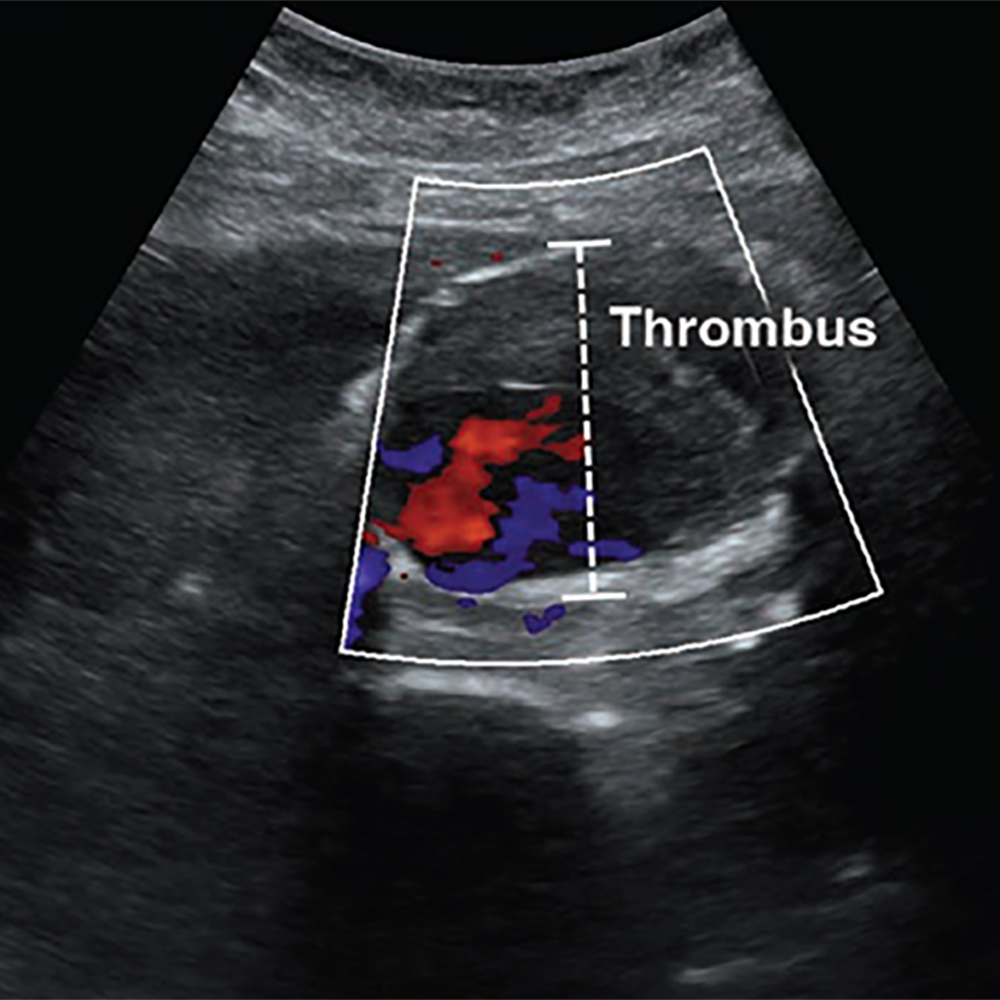
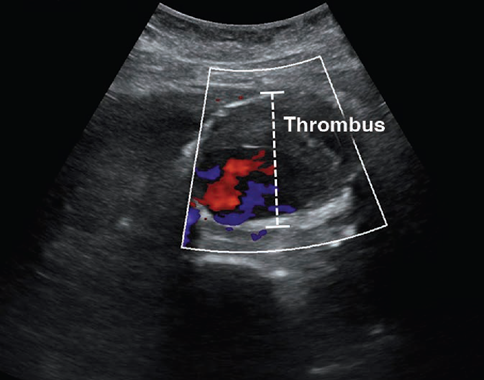
POCUS has excellent ability to detect AAA, which is defined by a diameter exceeding 3 cm when measured from outer wall to outer wall (Fig. 3).
Fig. 3—POCUS image shows abdominal aortic aneurysm with intraluminal thrombus. Correct diameter measurement is outer wall to outer wall in anterior-posterior fashion (dashed line).
A systematic review and meta-analysis found POCUS to have a sensitivity of 99% and specificity of 98%, when performed by emergency medicine physicians [23]. Although POCUS can accurately determine the presence or absence of AAA, the ability to detect signs of rupture is poor, which is largely due to the limited ability to visualize the retroperitoneum. Findings that indicate rupture include deformation of aneurysmal shape, heterogeneity or focal discontinuity of the intraluminal thrombus, focal disruption of the outer wall, hypoechoic areas in the paraaortic region, and hemoperitoneum [24].
POCUS is a great initial imaging option for suspected AAA, especially in the emergency department (ED), but adequate visualization may be limited by body habitus or bowel gas. The latter can be mitigated by graded compression, whereby slow, sustained pressure is applied to the abdomen to displace loops of bowel (and associated intraluminal gas) to allow better visualization of underlying structures. Like the FAST examination, AAA assessment is one of the core POCUS applications and is a required part of residency training for nonradiology specialties [10].
Cholelithiasis and Cholecystitis
Cholelithiasis and cholecystitis are common biliary pathologies characterized by gallstones in the gallbladder and inflammation of the gallbladder, respectively. US is the reference standard for diagnosis. Biliary POCUS is well established for identifying cholelithiasis or cholecystitis [10].
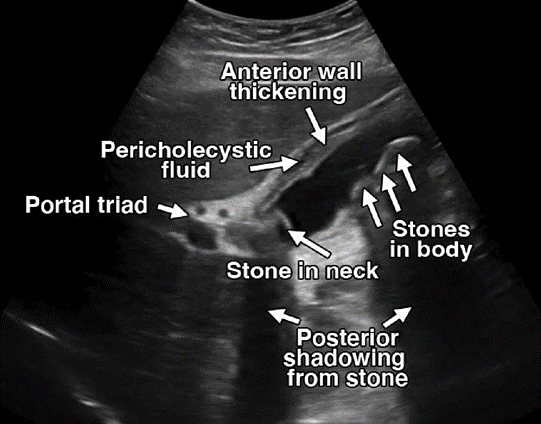
Sonographically, gallstones typically appear as a hyperechoic structure with distinct posterior shadowing. Imaging findings of cholecystitis include thickened gallbladder wall, pericholecystic fluid, and sonographic Murphy sign, in addition to sludge or gallstones in most cases [11] (Fig. 4).
Fig. 4—POCUS shows multiple gallstones (including one in neck of gallbladder), pericholecystic fluid, and wall thickening, indicating cholecystitis.
Like other abdominal POCUS examinations, body habitus and bowel gas can be limiting. For the latter, having the patient sit upright or move into a left lateral decubitus position can often help move the bowel loops away from the gallbladder to improve visualization. Additional pitfalls include misidentification of anatomy or mistaking normal physiologic changes with pathologic findings, such as a contracted gallbladder [11, 25].
Despite these limitations, emergency physician–performed POCUS for cholelithiasis and cholecystitis has sensitivity and specificity comparable to that of radiologist-performed US [25, 26]. Biliary POCUS alone has been shown to reliably inform surgical decision-making and can reduce length of stay in the ED [27, 28]; however, routine adoption in clinical practice has been limited. Although POCUS does not replace comprehensive imaging, it is a safe, efficient, and reliable diagnostic option for cholelithiasis and cholecystitis.
Obstructive Uropathy
Obstructive uropathy can result from intrinsic or extrinsic obstruction of the urinary tract system and can be unilateral or bilateral, depending on the etiology. Renal colic commonly results from nephrolithiasis, which can lead to hydronephrosis when obstruction occurs. CT is the preferred imaging study for suspected nephrolithiasis, but POCUS is appropriate for initial imaging examination [11].
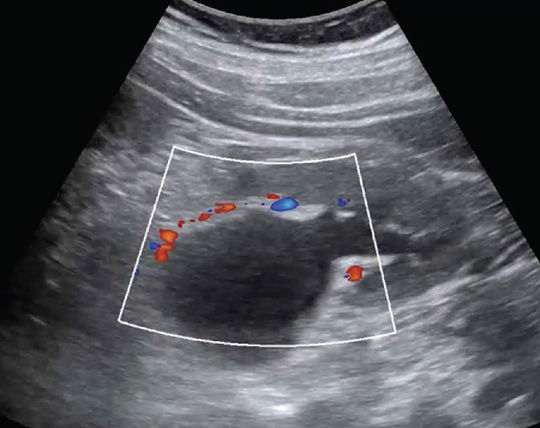
The focus of renal POCUS is to detect signs of obstruction (i.e., hydronephrosis and urinary retention) rather than identifying the stone, itself. POCUS is less sensitive, but more specific for nephrolithiasis compared with CT and has test characteristics comparable to those of traditional US. Use of POCUS is associated with shorter length of stay in the ED [29]. POCUS is highly specific for nephrolithiasis with moderate hydronephrosis, but less accurate in cases of mild or no hydronephrosis [30] (Fig. 5).
Fig. 5—Doppler US image shows significant dilation of renal pelvis extending peripherally into calices, consistent with hydronephrosis. Lack of color flow differentiates hydronephrosis from prominent renal vasculature.
Advanced signs of obstruction are associated with larger stones, which often require surgical intervention, rather than conservative management [31]. For younger patients in whom uncomplicated renal colic is suspected, POCUS is a favorable initial imaging modality and perhaps the only imaging study needed. In patients with less typical signs and symptoms, POCUS can influence clinical suspicion and help inform the need for further imaging [32].
Appendicitis
Appendicitis is the most common surgical emergency worldwide and can be complicated by perforation, which occurs in approximately 20% of cases [33]. Along with clinical and laboratory findings, multiple imaging studies play a role in diagnosing appendicitis. CT may be the most accurate, but radiologist-performed US is well established and especially favorable in children in whom radiation exposure is a concern [34, 35]. POCUS has emerged as a promising diagnostic tool with relatively high sensitivity and specificity for appendicitis [34].
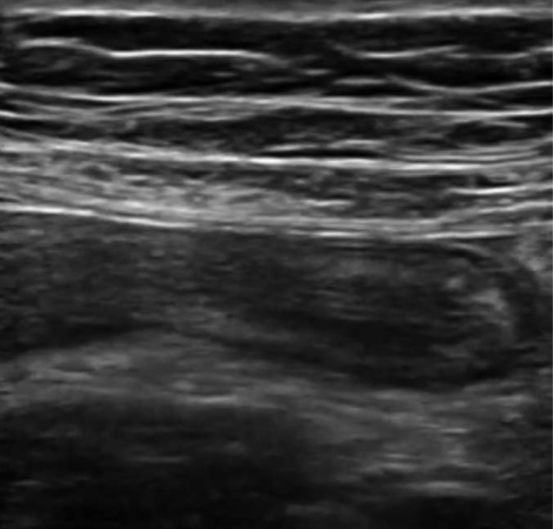
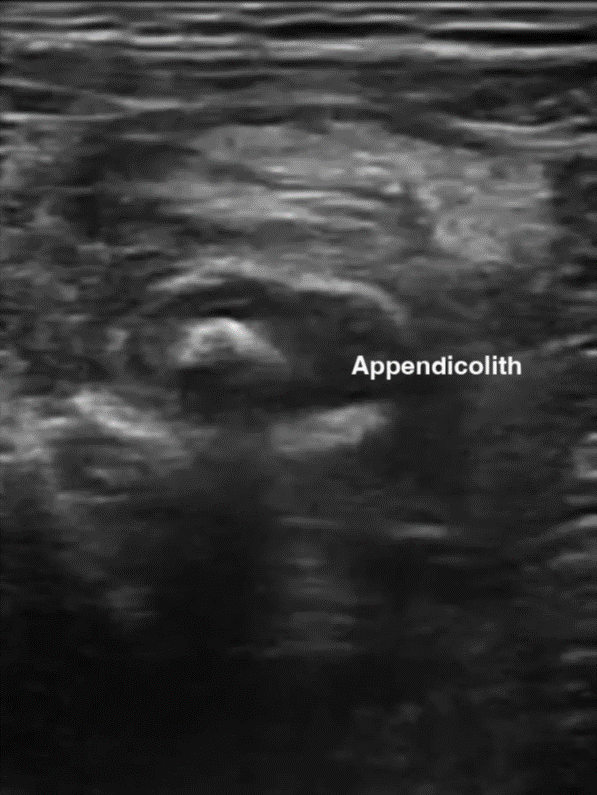
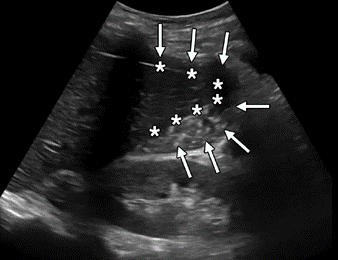
Characteristic sonographic findings include target sign in the short axis, blind-ended pouch in the long axis, lack of compressibility, diameter greater than 6 mm, wall thickness greater than 3 mm, appendicolith, and hypervascularity. Indirect findings suggestive of appendicitis include periappendiceal free fluid or abscess, hyperechoic mesenteric fat, enlarged mesenteric lymph nodes, increased peritoneal thickness, and signs of small bowel obstruction (SBO) [35] (Fig. 6).
Fig. 6—Appendicitis findings on point-of-care ultrasound. Left and Right, Longitudinal images show blind-ended pouch (Left) and periappendiceal fluid with appendicolith (Right).
Benefits of POCUS examination include lack of radiation exposure, lower costs, and ability to help prioritize radiology studies or expedite surgical consult. It may be particularly useful in centers where radiologist-performed US is not continually available. Visualizing the appendix is often limited by body habitus, pain, retrocecal location, and operator skill and experience. In addition, because a normal appendix is often difficult to visualize, this may be a more challenging POCUS study to learn [9, 34]. POCUS is a promising adjunct diagnostic tool, but it has not been extensively studied as a stand-alone test for appendicitis [34].
Bowel Obstruction
Bowel obstruction is a common acute abdominal process that needs timely diagnosis and management to avoid complications, such as ischemia, perforation, and necrosis. Obstruction is defined by impaired flow of bowel contents with varying degrees, ranging from partial to complete obstruction [36]. CT is commonly used to diagnose SBO but can be time-consuming, expensive, and involve radiation exposure. Radiography is often used as an initial imaging study, but sensitivity and specificity are poor and outperformed by POCUS [37]. A systematic review and meta-analysis found POCUS to have a high sensitivity and specificity for diagnosing SBO, rivaling that of CT, with the added benefit of saving time and potentially radiation [38]. The high diagnostic accuracy of POCUS is primarily for complete obstructions; POCUS is less reliable for partial obstruction [39]. Like other POCUS applications, evaluating SBO is highly operator-dependent. Although it may be easy to learn and demonstrate competency, US fellowship training is associated with significantly increased diagnostic accuracy [37–40].
Sonographic findings of SBO include dilated bowel with a diameter of greater than 2.5 cm, fluid-filled loops of bowel, decreased peristaltic movement, increased wall thickness, prominent valvulae conniventes, and a collapsed colonic lumen [40, 41] (Fig. 7).
Fig. 7—Small bowel obstruction with dilated, fluid-filled bowel and prominent valvulae conniventes.
Free fluid in the peritoneal cavity is associated with higher-grade obstruction and predicts need for operative intervention [42]. A transition point is often difficult to visualize, but POCUS can locate and identify the potential cause of obstruction, such as hernia, intussusception, masses, and signs of ischemia [43]. Evaluating SBO is not a core application of POCUS; it is a suitable modality for initial imaging evaluation and early management of SBO.
Pneumoperitoneum
Pneumoperitoneum is free air in the peritoneal cavity [44]. Free air suggests perforation of a hollow viscus organ, which can result from weakening of the bowel wall, ischemia, foreign body, bowel obstruction, or infection and has high morbidity and mortality [45]. CT is the imaging study of choice. Radiography is often used as an initial diagnostic study for pneumoperitoneum, but sensitivity is generally poor, especially when the amount of air is small. An upright lateral view has greater sensitivity compared with posterior-anterior or supine views, but this is not always possible, especially in critically ill patients [45, 46]. POCUS has proven value as an initial diagnostic test that can expedite recognition and timely management of pneumoperitoneum [44, 47]. US cannot identify the site or extent of perforation like CT, but POCUS has greater sensitivity than radiography with comparable specificity and PPV [48].
On US, free air is evaluated by focusing on the least dependent areas in the peritoneal cavity, where the air tends to migrate. In a supine patient, air moves anteriorly toward the interface between the peritoneal cavity and anterior abdominal wall and is often best identified in the RUQ over the liver [9, 49]. The highly reflective surface of air produces increased echogenicity of the peritoneal line, which is referred to as the enhanced peritoneal stripe sign. Often accompanying this is reverberation artifact, consisting of repeating hyperechoic horizontal lines directly below the enhanced peritoneal line. “Dirty” shadowing may be seen, obscuring the underlying organs (Fig. 8A). Because air can move freely within the peritoneal cavity, these findings change with patient position, known as shifting phenomenon [9, 47, 49]. Similarly, the scissors maneuver can help detect free air and visualize its movement. This technique consists of applying pressure with the probe over the liver to displace the free air and associated artifacts, making these findings less prominent. When the compression is released, the free air returns and associated artifacts become visible again [50].
An important potential pitfall is mistaking free air for intraluminal bowel gas. To differentiate between the two, it helps to focus on the hepatic region where bowel gas is minimal and consider position change or compression to help further identify pneumoperitoneum. Free air moves independent of respiration and peristalsis, unlike intraluminal air in the bowel [9, 47].
Gastric contents in the peritoneal cavity may accompany pneumoperitoneum in cases of bowel perforation. On US, this will appear as free fluid with echogenic debris in the dependent areas of the abdomen [9, 47, 49] (Fig. 8).
Fig. 8—Evaluation of free air on POCUS. Left, Image shows pneumoperitoneum with free air over liver, characterized by enhanced peritoneal stripe sign (EPSS) (solid arrow) and reverberation artifacts (dotted arrows). Right, Image shows free fluid with echogenic gastric contents (arrows) in peritoneal cavity at liver tip (asterisks), indicating bowel perforation.
POCUS is a valuable diagnostic tool that can be applied at the bedside to quickly answer focused clinical questions. With a broad and continually expanding scope, POCUS is used by many specialties and is incorporated in medical education and training. Although POCUS does not replace comprehensive imaging in patients with an acute abdomen, it has value as an initial imaging modality that can rapidly provide key diagnostic information. POCUS can influence clinical suspicion, guide decision-making, and expedite the diagnosis and treatment by enabling providers to correlate clinical and imaging findings with the patient in real time.
References
Moore CL, Copel JA. Point-of-care ultrasonography. N Engl J Med 2011; 364:749–757
Jang T, Chauhan V, Cundiff C, Kaji AH. Assessment of emergency physician-performed ultrasound in evaluating nonspecific abdominal pain. Am J Emerg Med 2014; 32:457–460
Peabody CR, Mandavia D. Deep needle procedures: improving safety with ultrasound visualization. J Patient Saf 2017; 13:103–108
Roxas R, Gallegos L, Bailitz J. Rapid detection of aortic occlusion with emergency ultrasonography. Ann Emerg Med 2011; 58:21–23
Lindelius A, Torngren S, Nilsson L, Pettersson H, Adami J. Randomized clinical trial of bedside ultrasound among patients with abdominal pain in the emergency department: impact on patient satisfaction and health care consumption. Scand J Trauma Resusc Emerg Med 2009; 17:60
Howard ZD, Noble VE, Marill KA, et al. Bedside ultrasound maximizes patient satisfaction. J Emerg Med 2014; 46:46–53
Durgun Y, Yurumez Y, Guner NG, Aslan N, Durmus E, Kahraman Y. Abdominal pain management and point-of-care ultrasound in the emergency department: a randomised, prospective, controlled study. J Coll Physicians Surg Pak 2022; 32:1260–1265
Laméris W, van Randen A, van Es HW, et al. Imaging strategies for detection of urgent conditions in patients with acute abdominal pain: diagnostic accuracy study. BMJ 2009; 338:b2431
Abu-Zidan FM, Cevik AA. Diagnostic point-of-care ultrasound (POCUS) for gastrointestinal pathology: state of the art from basics to advanced. World J Emerg Surg 2018; 13:47
[No authors listed]. Ultrasound guidelines: emergency, point-of-care and clinical ultrasound guidelines in medicine. Ann Emerg Med 2017; 69:e27–e54
Ma O, Mateer JR, Reardon RF, Joing SA, eds. Ma and Mateer’s emergency ultrasound, 3rd ed. McGraw Hill, 2014
Bloom BA, Gibbons RC. Focused assessment with sonography for trauma. StatPearls Publishing, 2023
Körner M, Krötz MM, Degenhart C, Pfeifer KJ, Reiser MF, Linsenmaier U. Current role of emergency US in patients with major trauma. RadioGraphics 2008; 28:225–242
Nishijima DK, Simel DL, Wisner DH, Holmes JF. Does this adult patient have a blunt intra-abdominal injury? JAMA 2012; 307:1517–1527
Boulanger BR, Kearney PA, Brenneman FD, Tsuei B, Ochoa J. Utilization of FAST (focused assessment with sonography for trauma) in 1999: results of a survey of North American trauma centers. Am Surg 2000; 66:1049–1055
Rozycki GS, Ochsner MG, Feliciano DV, et al. Early detection of hemoperitoneum by ultrasound examination of the right upper quadrant: a multicenter study. J Trauma 1998; 45:878–883
Lobo V, Hunter-Behrend M, Cullnan E, et al. Caudal edge of the liver in the right upper quadrant (RUQ) view is the most sensitive area for free fluid on the FAST exam. West J Emerg Med 2017; 18:270–280
Rodgerson JD, Heegaard WG, Plummer D, Hicks J, Clinton J, Sterner S. Emergency department right upper quadrant ultrasound is associated with a reduced time to diagnosis and treatment of ruptured ectopic pregnancies. Acad Emerg Med 2001; 8:331–336
Moore C, Todd WM, O’Brien E, Lin H. Free fluid in Morison’s pouch on bedside ultrasound predicts need for operative intervention in suspected ectopic pregnancy. Acad Emerg Med 2007; 14:755–758
Stone BS, Muruganandan KM, Tonelli MM, Dugas JN, Verriet IE, Pare JR. Impact of point-of-care ultrasound on treatment time for ectopic pregnancy. Am J Emerg Med 2021; 49:226–232
Fernando SM, Tran A, Cheng W, et al. Accuracy of presenting symptoms, physical examination, and imaging for diagnosis of ruptured abdominal aortic aneurysm: systematic review and meta-analysis. Acad Emerg Med 2022; 29:486–496
Lindholt JS, Vammen S, Juul S, Henneberg EW, Fasting H. The validity of ultrasonographic scanning as screening method for abdominal aortic aneurysm. Eur J Vasc Endovasc Surg 1999; 17:472–475
Rubano E, Mehta N, Caputo W, Paladino L, Sinert R. Systematic review: emergency department bedside ultrasonography for diagnosing suspected abdominal aortic aneurysm. Acad Emerg Med 2013; 20:128–138
Catalano O, Siani A. Ruptured abdominal aortic aneurysm: categorization of sonographic findings and report of 3 new signs. J Ultrasound Med 2005; 24:1077–1083
Ross M, Brown M, McLaughlin K, et al. Emergency physician-performed ultrasound to diagnose cholelithiasis: a systematic review. Acad Emerg Med 2011; 18:227–235
Summers SM, Scruggs W, Menchine MD, et al. A prospective evaluation of emergency department bedside ultrasonography for the detection of acute cholecystitis. Ann Emerg Med 2010; 56:114–122
Hilsden R, Mitrou N, Hawel J, Leeper R, Thompson D, Myslik F. Point of care biliary ultrasound in the emergency department (BUSED) predicts final surgical management decisions. Trauma Surg Acute Care Open 2022; 7:e000944
Blaivas M, Harwood RA, Lambert MJ. Decreasing length of stay with emergency ultrasound examination of the gallbladder. Acad Emerg Med 1999; 6:1020–1023
Smith-Bindman R, Aubin C, Bailitz J, et al. Ultrasonography versus computed tomography for suspected nephrolithiasis. N Engl J Med 2014; 371:1100–1110
Wong C, Teitge B, Ross M, Young P, Robertson HL, Lang E. The accuracy and prognostic value of point-of-care ultrasound for nephrolithiasis in the emergency department: a systematic review and meta-analysis. Acad Emerg Med 2018; 25:684–698
Goertz JK, Lotterman S. Can the degree of hydronephrosis on ultrasound predict kidney stone size? Am J Emerg Med 2010; 28:813–816
Moore CL, Carpenter CR, Heilbrun ME, et al. Imaging in suspected renal colic: systematic review of the literature and multispecialty consensus. Ann Emerg Med 2019; 74:391–399
Körner H, Söndenaa K, Söreide J, et al. Incidence of acute nonperforated and perforated appendicitis: age-specific and sex-specific analysis. World J Surg 1997; 21:313–317
Fields JM, Davis J, Alsup C, et al. Accuracy of point-of-care ultrasonography for diagnosing acute appendicitis: a systematic review and meta-analysis. Acad Emerg Med 2017; 24:1124–1136
Mostbeck G, Adam EJ, Nielsen MB, et al. How to diagnose acute appendicitis: ultrasound first. Insights Imaging 2016; 7:255–263
Paulson EK, Thompson WM. Review of small-bowel obstruction: the diagnosis and when to worry. Radiology 2015; 275:332–342
Jang TB, Schindler D, Kaji AH. Bedside ultrasonography for the detection of small bowel obstruction in the emergency department. Emerg Med J 2011; 28:676–678
Gottlieb M, Peska GD, Pandurangadu AV, Nakitende D, Takhar S, Seethala RR. Utilization of ultrasound for the evaluation of small bowel obstruction: a systematic review and meta-analysis. Am J Emerg Med 2018; 36:234–242
Pourmand A, Dimbil U, Drake A, Shokoohi H. The accuracy of point-of-care ultrasound in detecting small bowel obstruction in emergency department. Emerg Med Int 2018; 2018:3684081
Becker BA, Lahham S, Gonzales MA, et al. A prospective, multicenter evaluation of point-of-care ultrasound for small-bowel obstruction in the emergency department. Acad Emerg Med 2019; 26:921–930
Hefny AF, Corr P, Abu-Zidan FM. The role of ultrasound in the management of intestinal obstruction. J Emerg Trauma Shock 2012; 5:84–86
Grassi R, Romano S, D’Amario F, et al. The relevance of free fluid between intestinal loops detected by sonography in the clinical assessment of small bowel obstruction in adults. Eur J Radiol 2004; 50:5–14
Radonjić T, Popović M, Zdravković M, et al. Point-of-care abdominal ultrasonography (POCUS) on the way to the right and rapid diagnosis. Diagnostics (Basel) 2022; 12:2052
Bacci M, Kushwaha R, Cabrera G, Kalivoda EJ. Point-of-care ultrasound diagnosis of pneumoperitoneum in the emergency department. Cureus 2020; 12:e8503
Langell JT, Mulvihill SJ. Gastrointestinal perforation and the acute abdomen. Med Clin North Am 2008; 92:599–625
Woodring JH, Heiser MJ. Detection of pneumoperitoneum on chest radiographs: comparison of upright lateral and posteroanterior projections. AJR 1995; 165:45–47
Jones R. Recognition of pneumoperitoneum using bedside ultrasound in critically ill patients presenting with acute abdominal pain. Am J Emerg Med 2007; 25:838–841
Chen SC, Yen ZS, Wang HP, Lin FY, Hsu CY, Chen WJ. Ultrasonography is superior to plain radiography in the diagnosis of pneumoperitoneum. Br J Surg 2002; 89:351–354
Shokoohi H, Boniface KS, Abell BM, Pourmand A, Salimian M. Ultrasound and Perforated viscus, dirty fluid, dirty shadows, and peritoneal enhancement. Emerg (Tehran) 2016; 4:101–105
Karahan OI, Kurt A, Yikilmaz A, Kahriman G. New method for the detection of intraperitoneal free air by sonography: scissors maneuver. J Clin Ultrasound 2004; 32:381–3