Summary: With DR basics forever in your own heart, do allow your head to consider alternatives—even, perhaps especially, in the middle of a trauma workup.
Incidentally: In the high-stakes environs of the ED, tis easy to mistake pre-existing pathology for acute trauma. During “Selected Head-to-Toe Topics in Emergency Radiology,” co-presented with the American Society of Emergency Radiology at ARRS26, Daniela Galan, MD, pointed out a pitfall wherein a suspected hepatic vascular injury proved merely incidental. Pretty common, too.
Nuance Needed: During the evaluation of a right hepatic lobe laceration, a focus of contrast enhancement was initially flagged as a potential contained vascular injury or active hemorrhage. However, the enhancement pattern didn’t quite fit the trauma profile:
Tell-Tales: Dr. Galan’s lesion exhibited peripheral interrupted nodular enhancement with progressive centripetal filling.
Gestalt? Whereas active hemorrhage increases over time, this focus was too rounded to be a typical bleed.
Eureka! Angiography confirmed the lesion was a hemangioma…not a traumatic vascular injury.
Get quick, scannable info in your inbox each week.
Summary: FDG PET/CT remains reliable in patients on GLP-1 therapy regardless of their last injection date. Rather than focusing on injection timing, clinicians should prioritize maintaining appropriate blood glucose levels prior to the scan to ensure optimal brain FDG uptake and SUV accuracy.
Clockwise: As all the agonists assemble, rads have rightfully questioned whether so many GLP-1s alter FDG biodistribution. Short answer via the Best Oral Presentation Abstract in Nuclear Medicine at ARRS26: nope.
Why Wait? Concerns regarding “muscle mapping” or altered bowel uptake have led to additional uncertainty about whether patients should pause their medication or time their scans around their injection schedule. Led by Anna Eshghi, researchers from the University of Arkansas for Medical Sciences suggests such precautions are unnecessary.
Eshghi et al. retrospectively analyzed 126 patients on GLP-1 therapy, including a paired comparison of 36 patients who had scans both before as well as after starting the medication.
Stable Biodistro: No statistically significant differences in FDG uptake were found in the liver, blood pool, skeletal muscle, or abdominal fat.
Brain Exception: The only significant SUV change was in whole-brain SUVmean (p=0.0274), which correlated with improved blood glucose levels.
Timing is Irrelevant: Variations in GLP-1 dosing (ranging from 0 to 10 days before the scan) did not significantly impact FDG biodistribution.
Metabolic Trends: While mean blood glucose dropped (124.8 to 111.1 mg/dL) and BMI decreased (37.5 to 34.7), these changes did not trigger “muscle-heavy” scans.
Summary: By understanding the hospitalist’s workflow and providing clear, structured, and confident recommendations, rads provide a value-added benefit that directly improves patient outcomes.
Party Line: Hospitalist James Dreer, DO, MS, highlighted a critical gap in patient care during ARRS26: most referring providers—including PCPs, specialists, and ER docs—are *not* confident interpreting their own imaging, relying almost entirely on the rad’s expertise.
Core Requirements: Vague reporting and poor layout lead to clinical uncertainty, unnecessary phone calls, and serious patient safety risks.
Structure is Supreme: Clinicians strongly prefer structured reports over dense narrative text to find actionable diagnoses at a glance.
Kill the Hedge: Terms like “compatible with” create confusion. Use confident language (e.g., “highly suspicious of”) so clinicians can act decisively.
Drop the Filler: Phrases like “please correlate clinically” are often redundant and viewed as unhelpful by internal med docs.
Pick Up the Phone: Direct communication for unexpected or emergent findings—like an incidental pulmonary embolism—drastically lowers mortality rates.
Follow-Up Factor: To “close the loop” and prevent safety misses, rads must change how they handle recommendations:
Section-Specific: Follow-up recs should be placed in a dedicated, easy-to-find section.
Visibility: Hiding follow-up needs within the body of a report increases the chance they will be overlooked, leading to missed diagnoses and non-adherence.
Travel Advisory: Fungal granulomatous infections like histoplasmosis and coccidioidomycosis often masquerade as malignancy—specifically, lymphoma or peritoneal carcinomatosis—making travel history and clinical context central to the DDx.
River Valley Giant—In this sample from the “Infection and Its Mimickers in the Abdomen and Pelvis” Online Course, Jonathan W. Revels, DO, reminded us that histoplasmosis is most common in immunocompetent patients.
Geography: Primarily found in the Ohio and Mississippi River valleys.
Exposure: Linked to bird or bat droppings.
Imaging Clues?
Bilateral adrenal involvement (rare in many other diseases).
Tiny splenic lesions and hepatosplenomegaly.
Healed “p-histoplasmosis” often presents as multiple calcified nodules in the spleen, liver, and lymph nodes.
Presentation: Often asymptomatic or presents with flu-like symptoms, but disseminated disease can involve multiple abdominal organs.
Imaging Clues?
Peritoneal thickening and enhancement that mimics carcinomatosis or tuberculosis.
Low-density lymphadenopathy and occasional prostate lesions.
RadFYI: Because the imaging overlap among fungal infections, sarcoidosis, and lymphoma is so significant, more often than not, tissue sampling will be your final differentiator.
Rad Risk: Fundamentally, insurance is the probability of peril—a large group pays premiums so the few who experience losses can be compensated. For rads, the goal is to balance the cost of premiums against the frequency and liability of potential risks.
Working Life: Your greatest asset is your own ability to work. Misallocating funds into incorrect instruments can delay fiscal independence—leaving you vulnerable to life-changing events. Care of ARRS26‘s “Financial Wellness for Practicing Radiologists and Beyond,” here are four of the most salient points from Sherwin Chan, MD:
1. Self-insure the small stuff
Low frequency, high liability (e.g., house fire, major lawsuit) is what you should insure.
High frequency, low liability items should be self-insured or covered by high deductibles.
Avoid product warranties! Only 20% of premiums typically go toward claims, making them great for companies (but poor for you).
2. Stick to term life
Trap: “Whole life” or “universal life” policies are often sold as investments, but they are expensive, reduce financial flexibility, and are rarely suitable for rads.
Strategy: Use laddered term lifeinsurance. It’s cheap and provides coverage during your “accumulation phase” (i.e., those years before your savings are bountiful enough to support your family independently).
3. Protect your “own occupation”
Risk:14% of doctors end up using disability insurance—double the rate of malpractice.
Must-Haves! Ensure your policy is own occupation(meaning it pays if you can’t work as a rad, specifically), non-cancelable, and has guaranteed renewal.
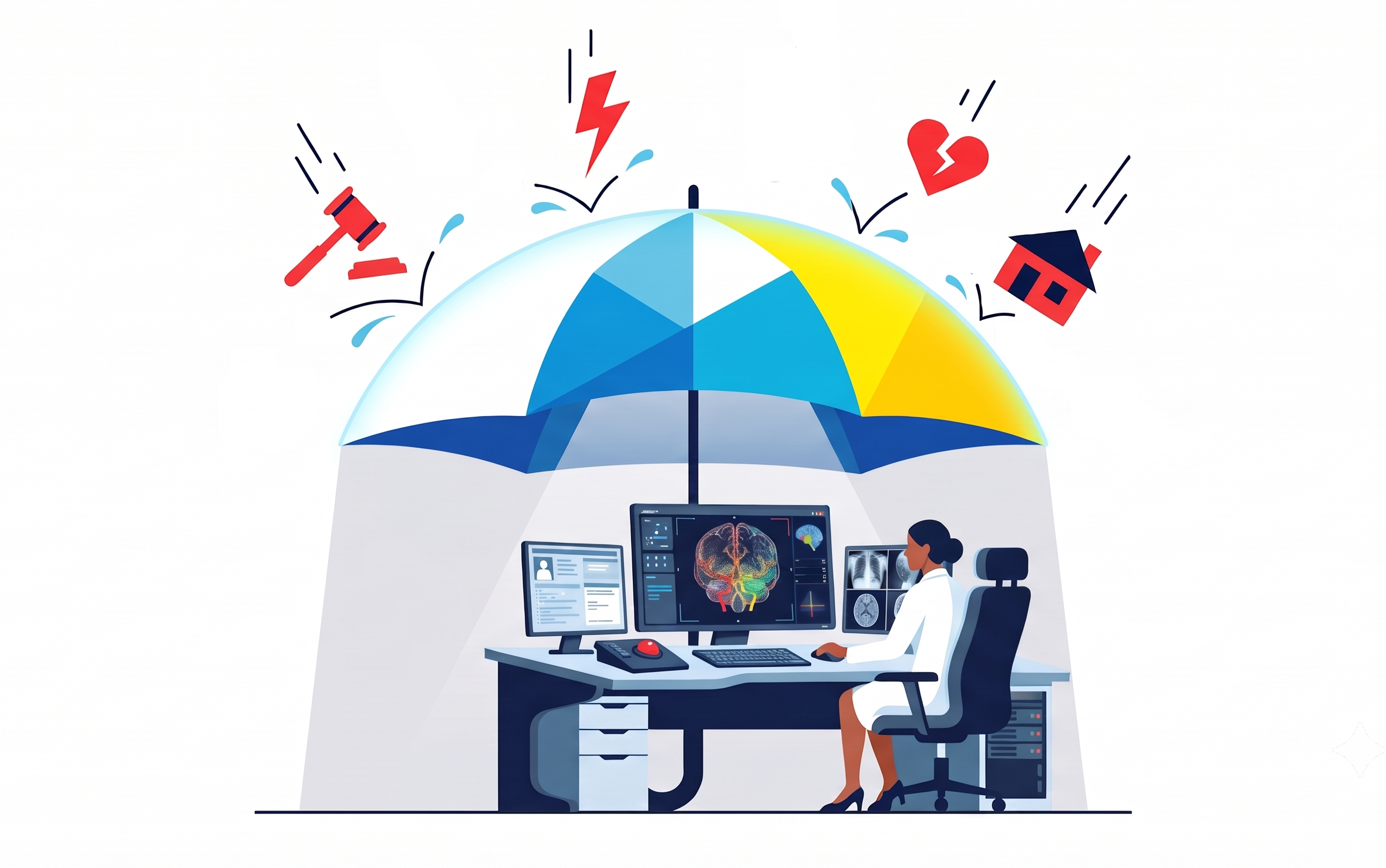
4. Umbrella Hack?
Personal liability insurance is inexpensive and covers major risks, like a car wreck or accident on your property.
Buying a high-limit policy ($4M+) aligns the insurance company’s interests with yours; they will hire the best lawyers to defend a suit because they’re the ones on the hook for the payout.
RadFYI: Focus your insurance budget on life-changing events, choose reputable partners to avoid bankruptcy risk, and aim to reach a level of savings where you can eventually self-insure entirely.
Bias v. Aversion: Imaging leads the pack with some 450 to 950 FDA-cleared AI software/devices designed, ostensibly, to cover that chasm between soaring clinical workloads and a workforce that’s plumb tuckered out.
However, as Tessa Cook, MD, PhD, pointed out during the ARRS Online Course “Clinical Artificial Intelligence in Radiology,” truly integrating so many tools depends less on technical performance and more on bridging the human “trust gap.”
Yin & Yang: Rads are always navigating two powerful psychological forces: automation bias (trusting AI too much ’cause it’s quantitative) and algorithm aversion (dismissing AI in favor of human expertise). Finding what Dr. Cook dubs the “ideal operating point” between the extrema is elusive, yet essential:
Clinical Deskilling: Over time, over-reliance on AI can lead to an erosion of your diagnostic expertise.
Alert Fatigue: Excessive AI notifications or false positives too often overwhelm, leading to “algorithm neglect.”
Liability Paradox: Although AI assists in diagnosis, it’s the rad who remains the ultimate arbiter, bearing legal liability for errors (even when following or overriding an AI’s suggestion).
Flux Capacities: From narrow AI (trained for a singular task, à la nodule detection) to foundational models capable of reasoning across imaging and the EHR, our speciality is shifting—from solitary interpretation to high-level human at the helm orchestration:
Multidisciplinary Teaming: Hardly a solo effort, AI implementation requires collab between rads, IT experts, data scientists, as well as ethicists.
Goldilocks Zone: Real-world success lies in a balanced governance that combines technical validation, continuous post-deployment monitoring, and deliberate strategies to preserve human judgment.
Strategic Adaptation: Rads must evolve into consultant-based practitioners who synthesize multidimensional information that AI cannot fully contextualize. Yet.
RadFYI: Effective cooperation requires bidirectional alignment—wherein rads learn AI behaviors, whereas AI systems refine to satisfy both our clinical needs, as well as entirely human values. Right now, success looks a lot like augmentative force, allowing focus on complex, high-yield cognitive tasks and patient-centered care.
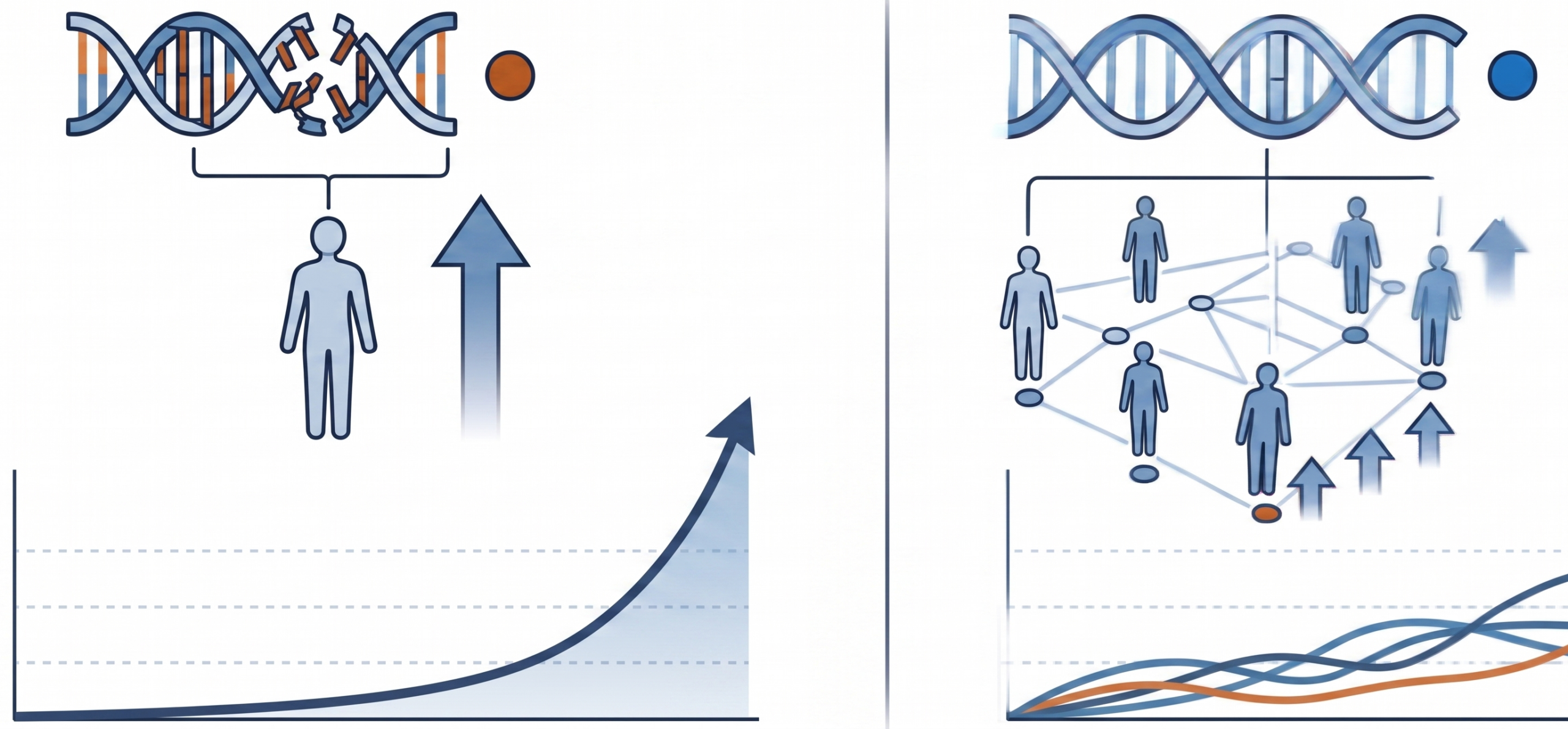
Tis a true distinction between rare, high-risk hereditary mutation and much more common genetic variation. And as MD Anderson Cancer Center’s Jessica Leung, MD, duly noted during the ARRS Online Course Essentials in Women’s Imaging, modern screening relies on comprehensive risk prediction models that move beyond single high-risk genes to evaluate a patient’s total risk profile, including single nucleotide polymorphisms (SNPs).
Palpable Risk—BRCA 1&2: The most well-known high-penetrance gene mutations, they follow Mendelian inheritance patterns (often appearing in every generation) and wield a high clinical significance for the individual.
Profile: These mutations involve complex abnormalities like deletions or additions that create a very clear genetic risk from grandmother to mother to daughter.
Limit: While high-risk, these mutations do not represent the majority of the population…or even the majority of breast cancer cases.
Sporadic Majority—SNP: Single-letter substitutions (e.g., an A for a T) in the genome, SNPs are fast and relatively inexpensive to sequence, often utilizing AI for detection.
Profile: Individually, the single SNP provides a tiny additive risk.
Impact: Meanwhile, when hundreds or thousands of SNPs are combined into polygenic risk scores, they become highly significant.
Seems Likely: SNPs constitute the sporadic breast cancers that represent the overwhelming majority of cases seen in everyday life.
Beyond the Code:Truly effective risk assessment integrates more than mere DNA; rads must also evaluate the obvious: age, the biggest risk predictor, as well as modifiable factors like lifestyle and environment. Dense tissue creates a masking effect—comparable to a “polar bear in a snowstorm,” said Dr. Leung—making supplemental abbreviated MRI or CEM vital.
RadFYI: Whereas we’ve only just begun to grasp the full meaning of the hundreds of SNPs identified thus far, they’re key to understanding sporadic cancers that high-risk genetic testing all too often misses.
Monday Scaries! Proposed revisions to the Office of Management and Budget(OMB) Uniform Guidance could fundamentally alter how rad research is funded, shared, and sustained. As of this morning, nearly 99,000 comments have been filed, reiterating the real-world impact these rules would have on clinical trials, trainee development, as well as patient care.
Conference Restrictions—Federal agencies would need to expressly approve conference attendance at the time of the award (often years before results exist, of course).
Pub Costs—Article processing charges (APCs) and open-access fees would become “presumptively unallowable,” creating a conflict with federal public-access mandates.
Award Instability—New authority would allow agencies to terminate awards “at will” or based on shifting political priorities, potentially stranding patients in longitudinal imaging trials.
Admin Delays—Mandatory pre-issuance reviews by political appointees could delay the procurement of specialized imaging equipment and the start of clinical studies.
Submit your comment by this coming MONDAY, JULY 13th.
Be Specific—Choose up to 3 provisions that will impact you most significantly. Personal examples of how these rules would delay a trial or harm those in training are more effective than general complaints.
Congressional CC—Copy your comments electronically to your own member of Congress. Help them understand how these regulatory changes affect their constituents and local research infrastructure.
RadFYI: Taken together, these OMB provisions create an environment of front-end delays and mid-project instability—the exact opposite of what is needed for imaging innovation.
Vocabulary Test: Way more than an image receipt, your rad report remains a clinical work doc, directly influencing disease staging and surgical management. Communicating as clearly as clinically possible ensures that our audiences (e.g., referring clinicians, the next rad, etc.) don’t misinterpret findings that carry medicolegal definitions.
All Our Words Are a Stage: During his leadoff lecture from the “How to Write a Quality Radiology Report” series at ARRS26, Francis Deng, MD, breaks down the diagnostic rad’s perspective on what, precisely, transforms a standard imaging read into a truly great medical report.
In specialized contexts, of course, many terms used casually as adjectives in our reading rooms have rigid criteria. But when this trio (BCE, specifically) is typed or uttered incorrectly, “bulky, conglomerate, encasement” could lead to inappropriate treatment paths or inaccurate staging.
“Bulky”
Frequently used to mean “large,” but vis-à-vis Hodgkin lymphoma, it has a strict definition (i.e., using incorrectly could upstage the disease):
a mass >10 cm or >1/3 the diameter of the thorax.
“Conglomerate”
Often used to describe a “cluster,” but in HPV-positive oropharyngeal cancer, it specifically denotes extranodal extension—where nodes have fused into a matted, coalescent mass. This distinction can shift plans from upfront surgery to definitive radiotherapy.
“Encasement”
Re: pancreatic cancer per se, this term identifies at least 180-degree contact between tumor and vessel, a primary determinant for whether a disease is considered resectable.
Get quick, scannable info in your inbox each week.
RadFYI: Wordsmithing ain’t about semantics; it’s about management. A rad’s words travel far beyond, to a Global Reading Room even, carrying specific weight for the treating clinician.
0:00 – Introduction: The Radiologist as the Influencer of Medicine
1:19 – Structuring an Objective, Skimmable Findings Section
2:34 – The Hidden Value of Structured Reporting & Checklists
3:35 – Wordsmithing: Avoiding Jargon & Using Precise Language
8:22 – The Clinical Weight of Words (“Bulky”, “Conglomerate”)
9:38 – Crafting a Standalone, Actionable Impression Section
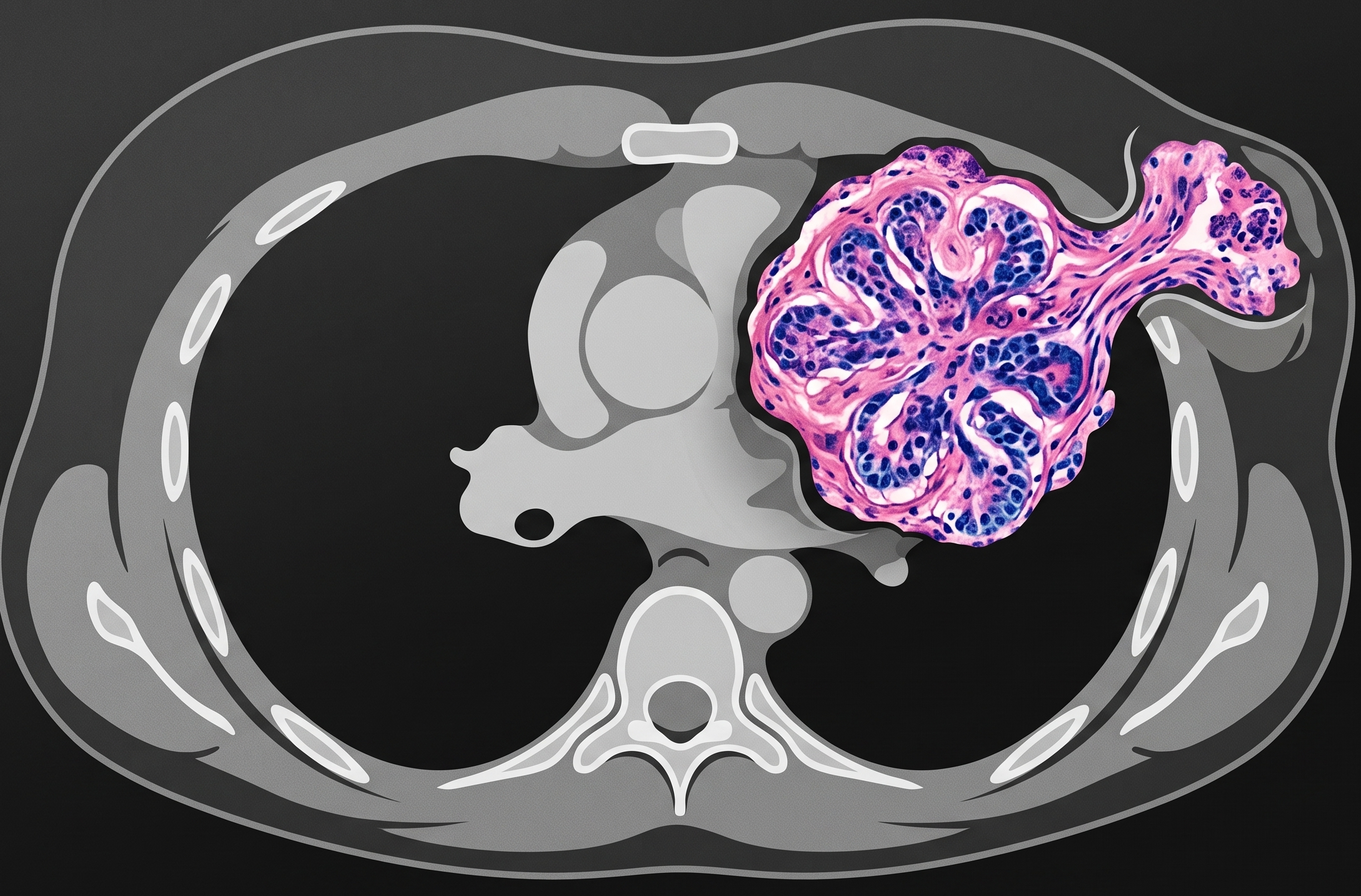
Congratulations to Ayelet Beilin, BA, of Montefiore Medical Center at Albert Einstein College for taking home Best Oral Presentation Abstract in Breast Imaging during ARRS 2026. This research on breast cancer detection with contrast-enhanced CT with histologic correlation from Beilin and her colleagues at St. John’s Riverside Hospital in Yonkers suggests “liver windows” significantly improve the accuracy of spotting incidental breast cancer on scans.
Frame of Mind: Mammography remains the gold standard; incidental findings on CT are common. To wit, optimizing the window setting helps rads differentiate actual masses from background noise, reducing unnecessary anxiety and follow-up.
By the numbers:
8%—False-positive rate when using liver windows.
15%—False-positive rate using standard soft-tissue windows.
98%—Rads who preferred using liver windows or a combination of both settings.
RadFYI: Switching to liver windows during CT interpretation can cut false positives nearly in half—without significantly increasing false negatives.
To quote James Carville, “it’s the economy, stupid.” And when it is done correctly, imaging screening can be a financial powerhouse that balances upfront costs against the massive societal and systemic expenses of late-stage disease.
RadROI: As Lyndon Luk, MD, broke it all down during the ARRS Online Course “Early Detection and Screening with Abdominal Imaging,” health economists use the incremental cost-effectiveness ratio (ICER)—primarily measured in Quality-Adjusted Life Years (QALY), where 1 QALY represents 1 year of perfect health.
$100,000 = the standard threshold per QALY to determine if a treatment is cost-effective.
$16,854 = the remarkably low cost per QALY for abdominal aortic aneurysm screening, making it a “pretty good deal” Dr. Luk said.
Down$tream: Sure, a screening ultrasound may have low reimbursement (or even operate at a loss), but it does serve as a gateway for revenue further down the pike. And identifying a chronic process or cancer triggers a cascade of high-cost diagnostic, procedural, and therapeutic services.
VA Example: Over a decade, screening 20,000 veterans cost $2.8 million (143 per ultrasound). However, the resulting repairs and follow-up for the 1% who met criteria generated nearly $10 million in revenue.
Failure Costs: An emergency repair for a ruptured aneurysm can exceed $124,000, compared to $43,000 for a planned endovascular repair.
We Live in a Society! Managing untreated chronic conditions and advanced cancers carries a staggering economic toll.
In 2015, cancer deaths caused $94 billion in lost earnings in the U.S. alone—a figure estimated to be significantly higher in 2026.
3 of the top 5 cancers responsible for lost productivity are abdominopelvic, directly within rads’ purview.
RadFYI: As radiology inches ever closer toward opportunistic screening, radiologists can position themselves as central figures in creating a healthier society by instituting early treatment strategies that improve survival writ large.
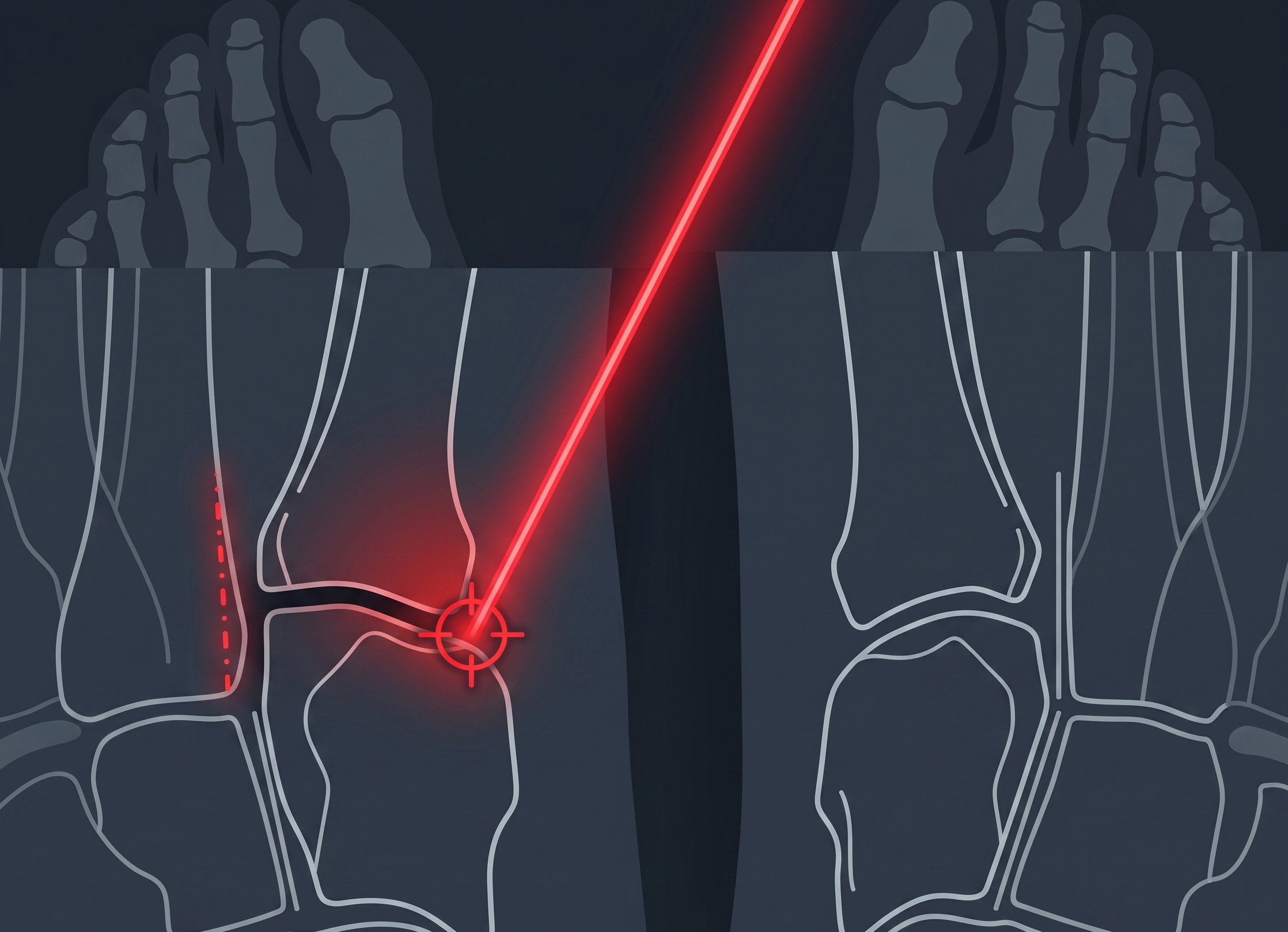
Lisfranc injuries are notoriously easy to miss; 20% of cases are overlooked on initial clinical exams. Failure to diagnose these injuries often leads to high morbidity and long-term post-traumatic osteoarthritis.
Case in Point: In the case of a 22-year-old female soccer player presented by Uma Thakur, MD, as part of the ARRS Online Course “Mastering Radiology: A Comprehensive Board Review Part 2,” a very subtle injury was missed because the alignment offset was extremely slight:
2nd TMT Malalignment—Look for even a minute step-off between the second metatarsal base and the second cuneiform.
Fleck Sign? This is a critical diagnostic pearl representing an osseous avulsion of the distal Lisfranc attachment site at the second metatarsal base.
Widening—Look for increased space between the first and second metatarsal bases.
Weight-Bearing is Mandatory! Non-weight-bearing films are a major pitfall. If you suspect an injury, always recommend weight-bearing views and compare them to the contralateral side to reveal instability.
Get quick, scannable info in your inbox each week.
RadFYI: Escalate to CT to identify occult metatarsal base fractures that are invisible on radiography. Once identified, prompt orthopedic consultation is necessary for management.